
Austin Wine Cellar Installation: Complete Guide 2026
Expert austin wine cellar installation guide covering design, climate control, materials, and custom solutions for Texas homes and commercial spaces.
Austin's vibrant wine culture and growing number of luxury estates have created unprecedented demand for professionally designed wine storage spaces. Whether you're a collector with hundreds of bottles or a restaurateur seeking to showcase your wine program, an austin wine cellar installation represents a significant investment in both property value and wine preservation. The process encompasses far more than simply adding wine racks to a spare room. It requires careful attention to climate control, structural preparation, material selection, and design aesthetics that complement your home or commercial space while protecting your valuable collection.
Understanding the Scope of Professional Wine Cellar Installation
A complete austin wine cellar installation involves multiple disciplines working in harmony. The project typically begins with architectural planning and extends through engineering, construction, and ongoing maintenance considerations. Many homeowners underestimate the technical complexity involved in creating an environment that maintains consistent temperature and humidity levels year-round, particularly in Texas's challenging climate.
The Core Components of Every Installation
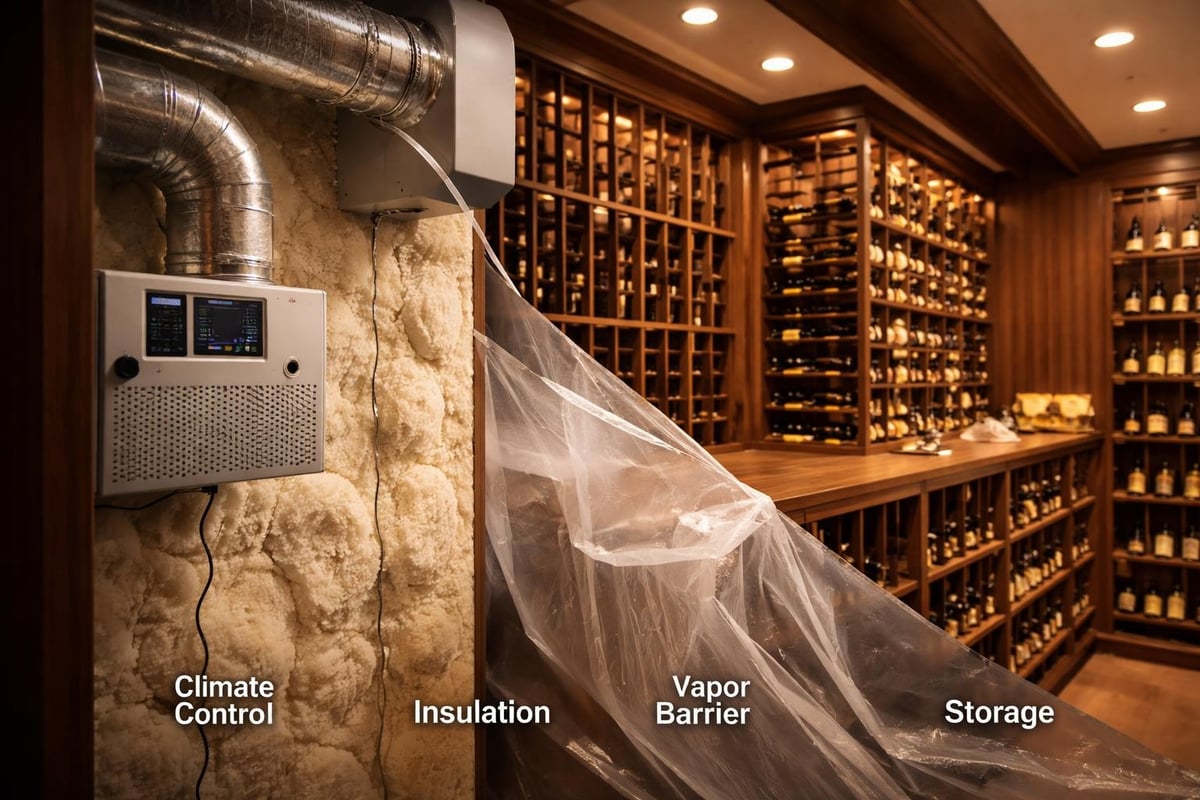
Every successful wine cellar project requires these essential elements working together:
Climate control systems sized appropriately for the space and heat load
Vapor barriers and insulation that prevent moisture intrusion and temperature fluctuations
Proper door seals that maintain the controlled environment
Strategic lighting that enhances aesthetics without generating excessive heat
Storage solutions customized to your collection size and bottle types
The integration of these components demands expertise across multiple trades. A qualified team understands how insulation, vapor barriers, and door selection work together to create an optimal storage environment.
Space Assessment and Preparation Requirements
Before any austin wine cellar installation begins, the designated space requires thorough evaluation and preparation. The location you choose significantly impacts both construction costs and long-term performance. Interior spaces typically prove easier and more economical to control than areas with exterior walls or significant sun exposure.
Evaluating Your Available Space
The ideal wine cellar location offers these characteristics:
Minimal exposure to direct sunlight and heat sources
Adequate ceiling height for proper air circulation
Sufficient square footage for current collection plus future growth
Proximity to electrical service for climate control equipment
Structural capacity to support loaded wine racks
Converting existing spaces like spare bedrooms, closets, or basement areas remains popular in Austin homes. Each location type presents unique challenges. Ground-floor interior rooms typically require less aggressive insulation than spaces above garages or adjacent to exterior walls. Understanding these nuances helps establish realistic budgets and timelines.
Location Type | Insulation Needs | Climate Control Complexity | Cost Range |
|---|---|---|---|
Interior bedroom | Moderate | Standard | $$$ |
Under-stair closet | High | Moderate | $$ |
Basement space | Low to Moderate | Standard | $$$ |
Above garage | Very High | Complex | $$$$ |
Proper preparation of the installation space establishes the foundation for long-term success. This preparation phase includes framing modifications, electrical rough-in, and the critical vapor barrier installation that protects against Austin's humid conditions.
Climate Control: The Heart of Wine Preservation
No aspect of an austin wine cellar installation matters more than climate control. Wine requires consistent conditions, typically 55-58°F with 60-70% humidity. Texas summers push HVAC systems hard, making properly sized cooling units essential rather than optional.
Selecting the Right Cooling System
Climate control options for wine cellars include several technologies, each with distinct advantages:
Through-wall units mount directly in the cellar wall and exhaust into an adjacent space. These self-contained systems offer straightforward installation but require adequate ventilation space on the exhaust side.
Ducted split systems separate the evaporator from the condenser, allowing for quieter operation and more flexible placement. These systems work particularly well when the cellar lacks an adjacent exhaust space or when aesthetics demand invisible equipment.
Ceiling-mounted systems install above the cellar, directing cooled air downward. The installation process for ceiling-mounted systems requires careful attention to airflow patterns and drainage considerations.
Sizing calculations must account for multiple factors beyond simple cubic footage. Your heat load calculation should consider insulation values, glass exposure, ambient temperatures, and lighting heat generation. Undersized units run continuously and fail prematurely. Oversized units cycle too frequently and fail to control humidity adequately.
Humidity Management Strategies
Austin's variable humidity levels require active management. Too little moisture causes corks to dry and crack, allowing oxygen to spoil wine. Excessive humidity promotes mold growth and label deterioration.
Quality cooling systems include humidity management, but dedicated humidification may be necessary in particularly dry conditions. Conversely, proper vapor barrier installation prevents exterior moisture from penetrating the controlled environment during humid summer months.
Design Styles and Material Selection
The aesthetic dimension of your austin wine cellar installation should reflect your personal style while serving functional requirements. Wine cellars have evolved far beyond traditional dark wood rooms. Contemporary designs embrace glass walls, metal accents, and minimalist aesthetics alongside classic options.
Popular Design Approaches in Austin
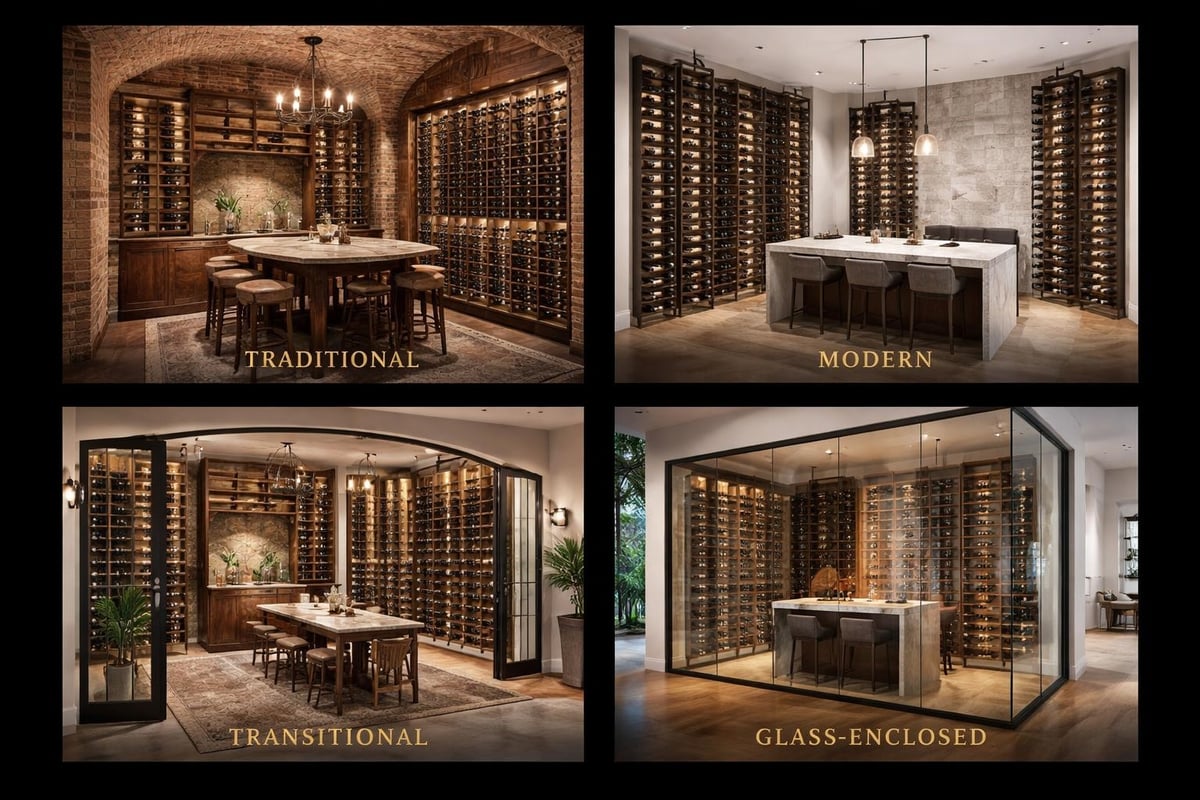
Different signature design styles suit different architectural contexts:
Traditional cellars feature rich wood tones, ornate millwork, and classic label-forward racking
Modern installations emphasize clean lines, metal and glass materials, and dramatic lighting
Transitional designs blend contemporary and traditional elements for timeless appeal
Rustic estates incorporate reclaimed wood, stone accents, and Old World charm
Glass-enclosed showcases create dramatic focal points visible from living spaces
The right style depends on your home's architecture, the cellar's location, and your collection display preferences. A glass-enclosed wine wall visible from the dining room serves different purposes than a private tasting room in the basement.
Material Considerations for Texas Climate
Wine cellar material choices must balance aesthetics with performance in Austin's climate. Wood remains the most popular racking material, but species selection matters significantly.
Material | Durability | Moisture Resistance | Aesthetic Appeal | Cost |
|---|---|---|---|---|
Redwood | Excellent | Superior | Traditional | High |
Mahogany | Excellent | Excellent | Luxurious | Very High |
Metal | Superior | Superior | Modern | Moderate to High |
Acrylic/Glass | Good | Superior | Contemporary | High |
Wood naturally absorbs vibration and provides classic beauty, but it requires proper finishing to resist moisture. Metal systems offer exceptional strength for floor-to-ceiling applications and suit modern aesthetics. Glass and acrylic create stunning visual effects but require careful engineering for structural integrity.
Avoiding common design mistakes during the planning phase saves costly corrections later. These include inadequate aisle width, insufficient lighting, poor traffic flow, and storage configurations that don't accommodate your specific bottle formats.
Storage Configuration and Capacity Planning
Your austin wine cellar installation should accommodate not just your current collection but anticipated growth. Most serious collectors expand their holdings over time, making flexibility essential.
Racking System Options
Storage systems range from standard bins to custom label-forward displays:
Bulk storage bins maximize capacity for case quantities of the same wine
Individual bottle storage provides dedicated slots for each bottle with labels visible
Display rows showcase special bottles at eye level
Case storage accommodates unopened cases while maintaining proper conditions
Presentation tables create spaces for tasting and decanting
Combining storage types optimizes both capacity and functionality. Many installations dedicate prime eye-level positions to prized bottles while using upper and lower areas for bulk storage. Understanding how different racking systems assemble and install helps visualize the final configuration.
Maximizing Capacity Without Compromising Access
A well-designed cellar balances maximum storage with practical accessibility. Bottles stored too deep become difficult to retrieve. Aisles narrower than 36 inches feel cramped and make browsing the collection frustrating.
Consider these capacity optimization strategies:
Extend racking to the ceiling with library ladders for upper bottles
Use corner units to maximize every square foot
Incorporate pull-out shelves for deeper storage areas
Design tabletop surfaces for temporary staging during inventory
Plan adequate space for vertical format bottles (magnums, splits)
A custom wine cellar design tailors every dimension to your specific collection profile and growth projections.
The Installation Process: What to Expect
Understanding the austin wine cellar installation timeline helps you plan appropriately and set realistic expectations. Most residential projects span four to eight weeks from contract signing to final completion, though complex installations may require additional time.
Phase-by-Phase Project Timeline
Week 1-2: Design Finalization and Contracting The project begins with detailed design refinement and signing of contract.
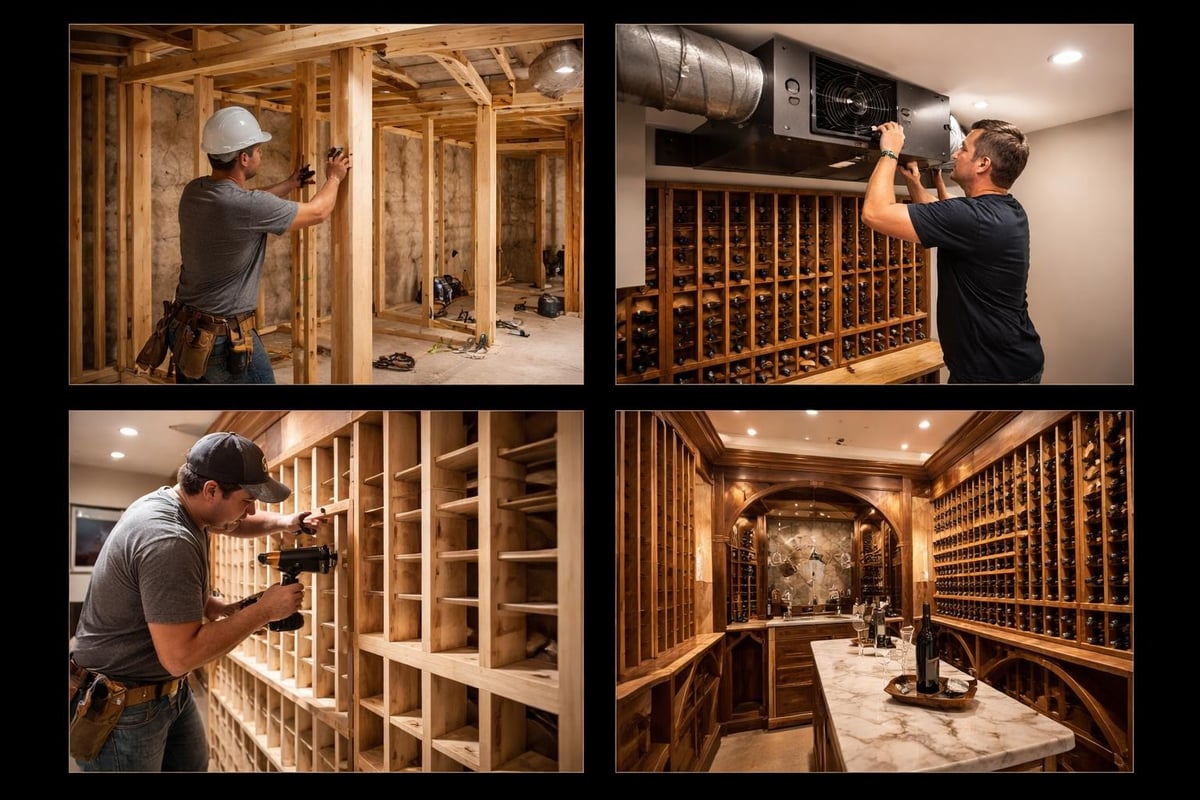
Week 2-3: Structural Preparation Contractors prepare the space by installing proper insulation, vapor barriers, and any necessary framing modifications. This phase also includes electrical rough-in for climate control equipment and lighting circuits. The quality of work during this phase determines long-term performance.
Week 3-4: Climate Control Installation HVAC technicians mount and connect the cooling system, test performance, and verify the space maintains target conditions. This critical testing period identifies any issues before proceeding with finish work.
Week 4-12: Millwork and Racking Installation Custom racking fabrication typically occurs off-site during earlier phases. Installation proceeds methodically, beginning with structural mounting systems and progressing through individual rack components. Precision installation ensures smooth operation of drawers, pull-outs, and display features.
Week 12-13: Finishing Details The final phase includes door installation, lighting fixture mounting, flooring completion, and aesthetic touches like crown molding or accent lighting. Quality control inspections verify every component functions correctly.
Week 13-14: Testing and Client Walkthrough The completed cellar undergoes final testing to confirm temperature and humidity stability. The installation team provides operation training and addresses any final adjustments.
Working with Professional Installation Teams
The complexity of an austin wine cellar installation demands expertise across multiple specialties. Successful projects require coordination between designers, general contractors, HVAC specialists, electricians, and millworkers.
The Value of Turnkey Services
Turnkey design-build services streamline the process by placing one experienced team in charge of all aspects. This approach offers several advantages over coordinating separate contractors yourself:
Single point of contact throughout the project
Integrated design that considers all technical requirements
Guaranteed compatibility between systems
Clear accountability for performance and warranty
Smoother timeline without scheduling conflicts between trades
When evaluating potential installation partners, inquire about their experience with projects similar in scope and style to yours. Review portfolio examples to assess aesthetic capabilities and technical sophistication.
Questions Every Client Should Ask
Before committing to an Austin wine cellar installation, ensure your team can address these critical considerations:
What insulation R-value do you recommend for my specific location?
How do you size climate control equipment for Texas conditions?
What warranty covers the cooling system and installation work?
How do you handle humidity control in our climate?
What provisions address future maintenance and service access?
Can the design accommodate collection growth?
What is the realistic timeline from signing to completion?
Understanding what factors to consider when building a wine cellar helps you evaluate responses and identify truly qualified professionals. The right team addresses these concerns proactively during initial consultations.
Commercial Wine Cellar Installations
Austin's thriving restaurant scene has elevated expectations for wine service and presentation. Commercial Austin wine cellar installation projects serve different purposes than residential cellars while requiring even more rigorous engineering.
Unique Requirements for Restaurant and Hotel Cellars
Hospitality wine storage faces challenges residential cellars avoid:
Higher traffic volumes require more durable materials and wider aisles for staff movement. Restaurant cellars must facilitate quick bottle selection during busy service.
Display considerations balance storage efficiency with guest visibility. Many establishments showcase premium selections through glass walls while keeping working inventory in separate back-of-house storage.
Inventory management demands organizational systems that support detailed tracking, rotation, and rapid restocking. Commercial installations often incorporate technology for inventory software integration.
Code compliance requirements exceed residential standards, including fire suppression systems, emergency lighting, and accessibility considerations.
Capacity planning must account for diverse bottle formats, rapid turnover of popular selections, and significant reserve storage for special occasion wines.
Projects like the Cambria Waco Hotel wine cellar demonstrate how commercial installations balance operational efficiency with stunning visual presentation. These spaces become destination features that enhance guest experience while serving practical storage needs.
Regional Considerations for Austin Installations
Austin's specific climate, building codes, and architectural styles influence wine cellar design in distinctive ways. Local expertise matters when addressing these regional factors.
Climate Challenges and Solutions
Austin experiences temperature extremes that challenge wine storage systems. Summer temperatures regularly exceed 100°F, creating significant heat loads for cellars with any exterior wall exposure. High humidity during spring and fall requires robust vapor barrier systems to prevent moisture intrusion.
Successful Austin wine cellar installation projects account for these conditions through:
Enhanced insulation values (R-19 minimum for walls, R-30+ for ceilings)
Comprehensive vapor barrier installation on the warm side of insulation
Oversized cooling capacity to handle peak summer loads
Dehumidification capabilities during humid periods
Strategic location selection favoring interior spaces
Architectural Integration
Austin's diverse architectural landscape includes everything from historic bungalows to ultramodern estates. Wine cellars must complement existing design language while maintaining technical performance.
Traditional wine cellars suit classic Austin neighborhoods like Tarrytown and Hyde Park. Modern installations align with contemporary Lake Travis estates. Transitional designs bridge styles for homes blending old and new elements.
Understanding how functional and aesthetic wine cellar design work together ensures your installation enhances rather than conflicts with your home's character. The right design feels inevitable rather than added as an afterthought.
Investment and Value Considerations
An Austin wine cellar installation represents a significant financial commitment that typically returns value through enhanced home appeal, improved wine preservation, and elevated lifestyle quality.
Budget Planning and Cost Factors
Wine cellar costs vary tremendously based on size, complexity, materials, and customization level. Understanding the primary cost drivers helps establish realistic budgets:
Cost Component | Percentage of Total | Variables Affecting Cost |
|---|---|---|
Climate control | 20-30% | System type, capacity, installation complexity |
Racking and millwork | 30-40% | Materials, customization, capacity |
Construction and preparation | 20-30% | Insulation needs, structural modifications |
Doors and glass | 10-15% | Size, materials, sealing requirements |
Lighting and electrical | 5-10% | Fixture quality, control sophistication |
Small reach-in cellars start around $15,000-25,000, while elaborate walk-in installations with custom millwork and sophisticated climate control commonly range from $50,000-150,000+. Ultra-luxury projects incorporating rare materials, extensive square footage, and museum-quality presentation systems can exceed $300,000.
Return on Investment
Quality wine cellar installations typically recover 50-100% of their cost in increased home value, with percentages varying based on neighborhood and overall home value. In luxury Austin markets like Tarrytown or West Lake Hills, sophisticated wine cellars are increasingly expected features rather than unusual upgrades.
Beyond direct financial return, consider these valuable benefits:
Protection of wine investment through proper storage conditions
Elimination of off-site storage fees and access limitations
Enhanced entertaining capabilities and lifestyle quality
Distinctive architectural feature that differentiates your property
Convenience of having your collection immediately accessible
Maintenance and Long-Term Performance
Proper ongoing maintenance ensures your austin wine cellar installation delivers reliable performance for decades. Establishing maintenance routines from the beginning prevents minor issues from becoming costly repairs.
Climate System Maintenance
Cooling units require regular attention to maintain efficiency and longevity:
Filter cleaning or replacement every 30-60 days prevents airflow restriction
Condenser coil cleaning annually removes dust accumulation that reduces efficiency
Refrigerant level checks by qualified technicians identify potential leaks
Fan motor inspection catches bearing wear before failure occurs
Drain line verification prevents condensate backup and water damage
Many manufacturers recommend professional service annually. Some installers offer ongoing maintenance programs that include scheduled inspections, priority service response, and discounted repairs.
Preserving Racking and Finishes
Wood racking requires minimal maintenance but benefits from occasional attention. Annual inspection identifies loose components before they fail. Periodic cleaning with appropriate wood-safe products maintains appearance. Avoid harsh chemicals or excessive moisture that can damage finishes or promote mold growth.
Metal and glass components require even less maintenance, typically just periodic cleaning to remove fingerprints and dust.
Monitoring and Optimization
Invest in quality temperature and humidity monitoring with alerts for conditions outside acceptable ranges. Modern systems offer smartphone connectivity for remote monitoring, letting you verify conditions even when traveling.
Track annual energy consumption to identify efficiency changes that might indicate developing equipment issues. Unexpected increases in power usage often precede complete cooling system failures.
Customization Options and Special Features
Beyond basic storage, modern austin wine cellar installation projects incorporate amenities that enhance enjoyment and functionality. These special features transform utilitarian storage into experiential spaces.
Tasting Areas and Hospitality Features
Dedicated tasting spaces within or adjacent to the cellar create intimate environments for enjoying your collection:
Custom tasting tables with proper height and comfortable seating
Specialty lighting designed for wine evaluation
Decanting stations with appropriate storage
Glassware display and storage systems
Small refrigeration for white wine service temperatures
Some installations incorporate full bars, lounge seating, or even cigar storage in adjacent climate-controlled spaces.
Technology Integration
Smart home integration brings convenience and monitoring capabilities:
Inventory management software tracks your collection, monitors drinking windows, and suggests pairings. Some systems integrate with cellar cameras for visual verification of stock.
Automated climate control adjusts conditions based on outdoor weather, time of day, and door access patterns. Remote control via smartphone allows adjustment from anywhere.
Lighting automation creates scenes for different uses from bright working light to subtle ambient glow for entertaining.
Security systems protect valuable collections through access control, surveillance cameras, and intrusion detection.
Artistic Elements
Wine cellars offer opportunities for artistic expression that elevate them from functional storage to gallery-quality spaces:
Custom metalwork incorporating family crests or vineyard motifs
Sculptural wine displays for trophy bottles
Stone or tile murals depicting wine regions
Architectural lighting highlighting specific design elements
Flooring incorporating wine-related patterns or materials
These details transform your cellar into a signature space that reflects your passion and personality while showcasing your collection.
Adapting Existing Spaces vs. New Construction
Austin homeowners approach wine cellars through either conversion of existing spaces or purpose-built additions. Each path presents distinct advantages and challenges affecting the austin wine cellar installation process.
Converting Existing Interior Spaces
Spare bedrooms, large closets, or underutilized areas offer conversion opportunities with several benefits. Working within existing conditioned spaces reduces climate control challenges. Structural elements are already in place, lowering construction costs. Projects proceed faster without exterior building permits or weather delays.
However, conversions face constraints that new construction avoids. Room dimensions may not optimize storage efficiency. Structural limitations might prevent desired racking configurations. Climate control exhaust can be challenging without adjacent mechanical spaces.
Successful conversion projects maximize existing advantages while creatively solving constraints. Compact urban wine cellars demonstrate how skilled design optimizes limited square footage through intelligent storage solutions and space planning.
Purpose-Built Additions
Building new dedicated wine cellar space allows complete control over dimensions, location, and features. Design proceeds without compromise, creating exactly the capacity and ambiance you envision. This approach suits substantial collections requiring significant square footage or homeowners wanting destination wine rooms rather than simple storage.
The trade-offs include higher construction costs, longer timelines, and potential permitting complexity. New construction requires foundation work, exterior finishing, and full structural systems. Yet the result typically surpasses what conversion projects can achieve.
Creating an exceptional wine cellar requires balancing technical precision with aesthetic vision, ensuring your collection remains perfectly preserved while creating a space you're proud to share with guests. The right austin wine cellar installation protects your investment, enhances your home's value, and elevates every wine experience. Prestige Wine Cellars brings comprehensive expertise across design, engineering, and construction to craft bespoke cellars that reflect your unique vision while delivering flawless long-term performance throughout Texas and beyond.
Your Dream Wine Cellar Starts Here
Let our design team craft a cellar that matches your taste, space, and your collection — built for beauty, function, and prestige.

Email us at
Visit our office