
Wine Cellar Cooling: Expert Guide to Climate Control
Master wine cellar cooling systems with our expert guide. Learn temperature control, humidity management, and cooling unit selection for your luxury collection.
Your wine collection represents years of careful curation, investment, and passion. Whether you've assembled fifty bottles or five thousand, protecting that investment requires more than beautiful racking and thoughtful design. The heart of any successful wine cellar lies in its climate control system. Without proper wine cellar cooling, even the most exquisite collection faces deterioration from temperature fluctuations, excessive humidity, or inadequate air circulation. Understanding how these systems work and choosing the right solution transforms your cellar from a simple storage space into a preservation sanctuary that safeguards your wines for decades to come.
Understanding Wine Cellar Cooling Fundamentals
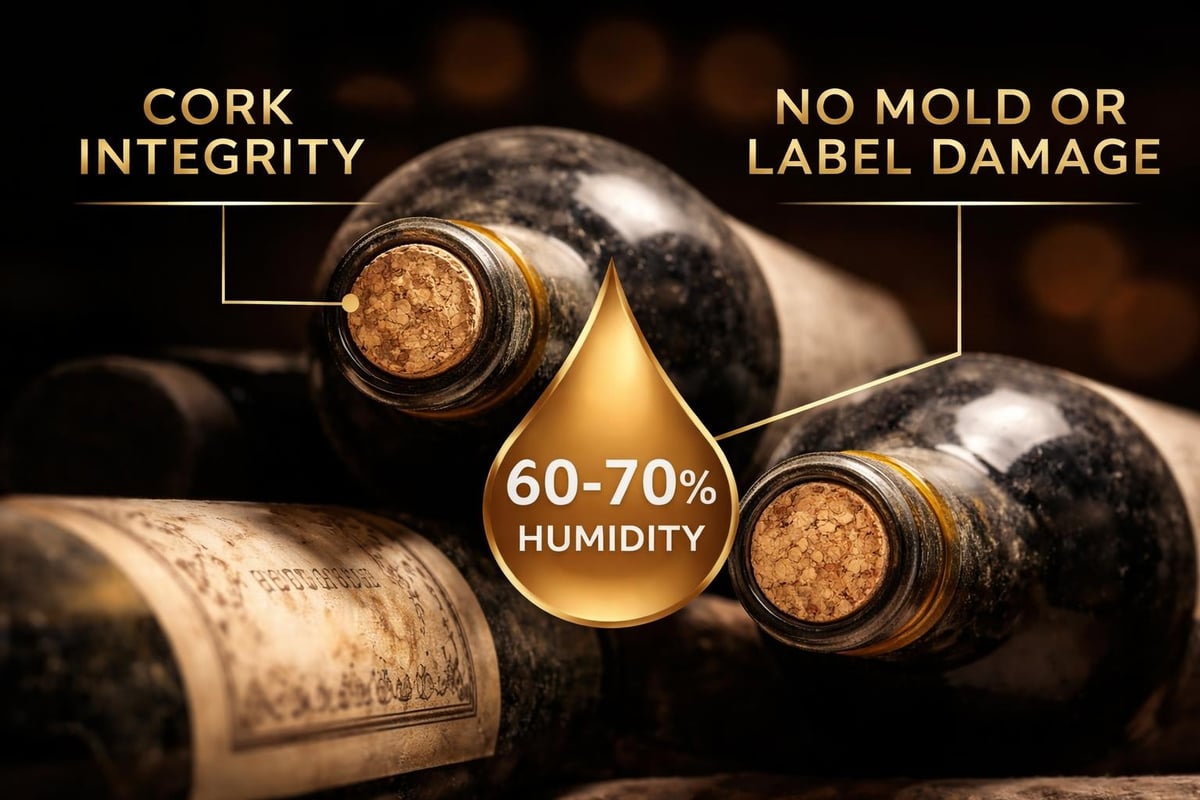
Wine cellar cooling systems function differently than standard HVAC units found throughout your home. These specialized systems maintain precise temperature ranges while managing humidity levels that protect cork integrity and prevent label damage.
The ideal storage environment maintains:
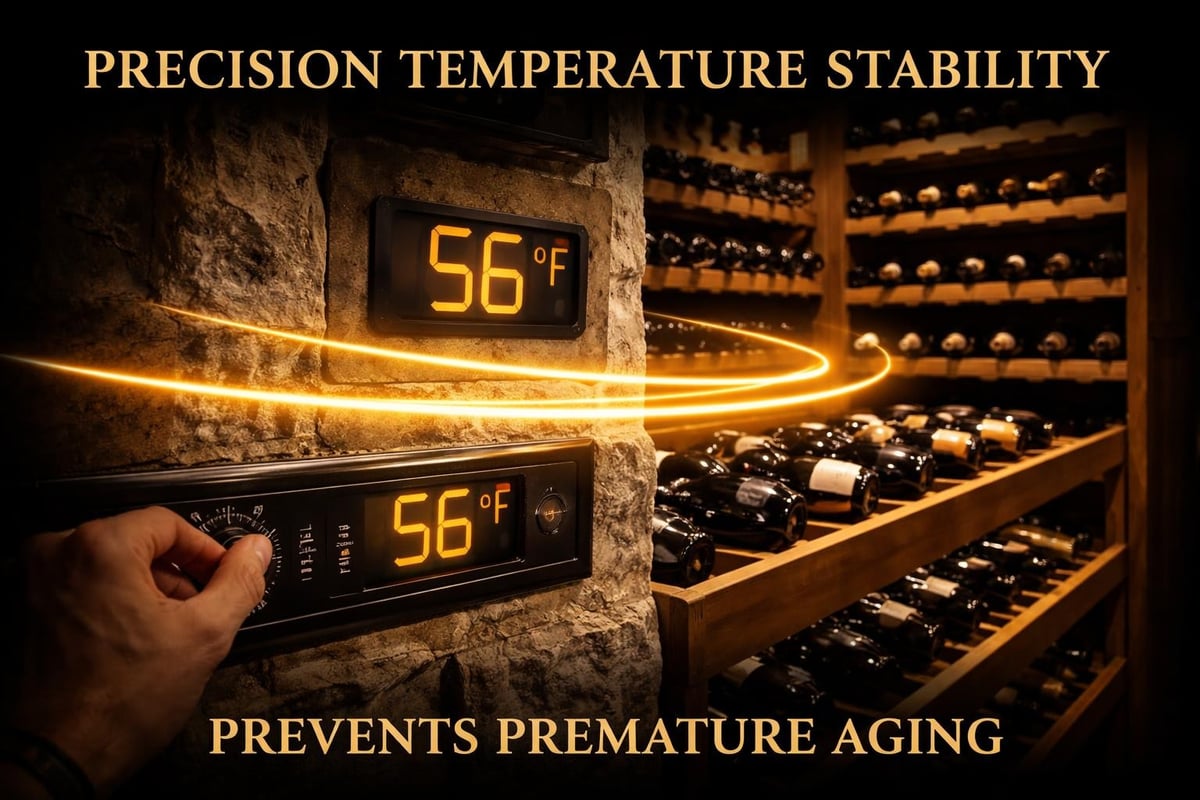
Temperature between 55°F and 58°F
Humidity levels from 60% to 70%
Minimal temperature fluctuations (less than 5°F variation)
Consistent air circulation without direct airflow on bottles
Standard air conditioning units simply cannot achieve this level of precision. Wine cooling systems are engineered specifically to handle the unique demands of wine storage, operating at lower temperatures while managing moisture levels that would cause conventional AC units to freeze.
The science behind wine preservation reveals why these parameters matter. Temperature stability prevents premature aging and maintains the delicate chemical balance within each bottle. Higher temperatures accelerate aging, while excessive cold can halt development entirely. Humidity preservation keeps corks from drying and shrinking, which would allow oxygen infiltration and spoilage.
Types of Wine Cellar Cooling Systems
Selecting the appropriate cooling system depends on cellar size, location, design aesthetic, and installation constraints. Each system type offers distinct advantages for different applications.
Through-Wall Cooling Units
Through-wall units represent the most straightforward wine cellar cooling solution for smaller to medium-sized collections. These self-contained systems mount directly through an exterior wall, exhausting heat to an adjacent space or outdoors.
Advantages include:
Lower initial investment compared to split systems
Simplified installation process
Self-contained design requiring minimal additional equipment
Ideal for cellars up to 2,000 cubic feet
The primary consideration involves aesthetic integration. Through-wall units remain visible within the cellar space, which may conflict with certain design visions. However, many manufacturers now offer trim kits and panel-ready options that minimize visual impact.
Ducted Split Systems
Ducted split systems separate the cooling components between an interior evaporator unit and exterior condensing unit. This configuration allows for complete customization of air delivery throughout the cellar space.
Feature | Through-Wall | Ducted Split | Ductless Split |
|---|---|---|---|
Installation Complexity | Low | High | Medium |
Aesthetic Integration | Visible unit | Fully concealed | Small wall unit |
Capacity Range | Up to 2,000 cu ft | Unlimited | Up to 3,000 cu ft |
Noise Level | Moderate | Low (remote) | Very low |
Cost Range | $2,000-4,000 | $5,000-15,000+ | $3,500-7,000 |
When designing glass-enclosed showpiece wine cellars, ducted split systems prove invaluable. The evaporator installs above the ceiling or in an adjacent mechanical room, with supply and return ducts delivering conditioned air invisibly throughout the space. This approach maintains unobstructed sightlines while providing superior climate control.
Ductless Split Systems
Ductless configurations combine the remote placement advantages of ducted systems with simplified installation. The indoor air handler mounts on a cellar wall, connected to the outdoor condensing unit through a small refrigerant line penetration.
These systems excel in renovation projects where running ductwork proves impractical. The indoor unit remains relatively compact and can be positioned to minimize visual impact. Wine Guardian cooling systems offer both ducted and ductless configurations that adapt to various architectural constraints.
Self-Contained Refrigeration Systems
For extremely large installations or commercial applications, self-contained refrigeration systems provide industrial-grade climate control. These systems typically require dedicated mechanical rooms and professional installation by licensed refrigeration technicians.
Restaurants, hotels, and estates with collections exceeding 5,000 bottles often specify custom refrigeration systems designed specifically for their unique requirements. The investment proves worthwhile when protecting collections valued in the hundreds of thousands or millions of dollars.
Sizing Your Wine Cellar Cooling System
Proper system sizing represents the single most critical decision in wine cellar cooling design. An undersized unit runs continuously, struggling to maintain temperature and suffering premature failure. Oversized systems short-cycle, creating temperature fluctuations and humidity problems.
Calculating Heat Load Requirements
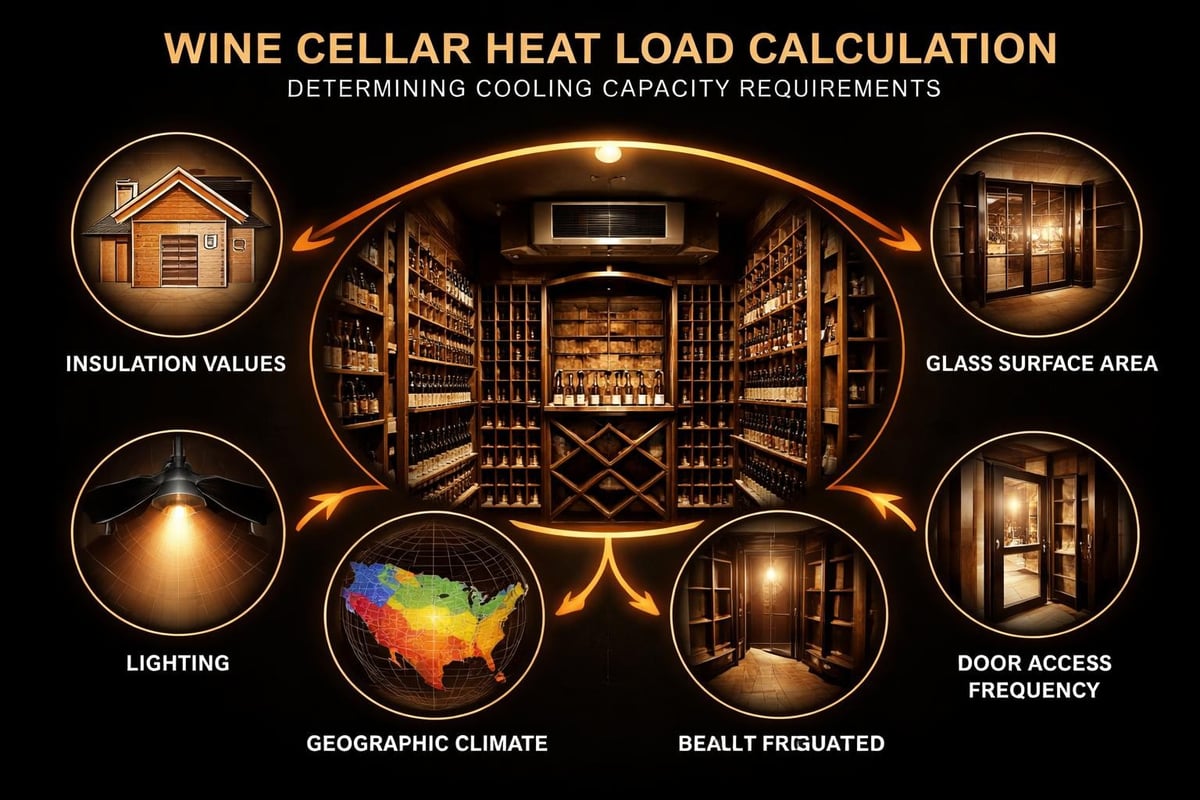
Heat load calculation considers multiple factors that impact cooling demands:
Internal heat sources:
Geographic location and climate zone
Cellar volume in cubic feet
Insulation R-values for walls, ceiling, and floor
Glass surface area and type
Lighting heat generation
Door size and frequency of access
External conditions:
Adjacent room temperatures
Sun exposure through windows or glass walls
Building envelope quality
Professional designers utilize sophisticated heat load calculators that account for these variables. Our heat load calculator simplifies this process, providing accurate system sizing recommendations based on your specific cellar parameters.
A general estimation suggests that cellars require approximately 5-7 BTUs of cooling capacity per cubic foot. However, this oversimplification fails to account for glass walls, inadequate insulation, or challenging installation conditions. Choosing the best cooling system requires professional assessment to ensure optimal performance.
Installation Considerations and Best Practices
Even the highest-quality wine cellar cooling system fails without proper installation. Several critical factors determine long-term performance and reliability.
Insulation Requirements
Wine cellars function as conditioned spaces within the larger building envelope. This demands exceptional insulation to minimize heat transfer and reduce cooling system workload.
Minimum insulation standards:
Exterior walls: R-19 insulation
Interior walls: R-13 insulation
Ceiling: R-30 to R-38 insulation
Floor: R-19 insulation (if above unconditioned space)
Vapor barriers on the warm side of insulation prevent moisture migration into wall cavities. Without proper vapor barriers, condensation accumulates within walls, degrading insulation performance and potentially causing mold growth.
Ventilation and Airflow Management
Cooling units generate substantial heat during operation. This heat must exhaust to unconditioned space to prevent compromising system efficiency. Through-wall units naturally exhaust into adjacent rooms, but this consideration becomes critical with split systems.
The condensing unit requires adequate clearance for airflow. Installing equipment in confined spaces without proper ventilation causes high-pressure faults, reduced capacity, and premature compressor failure. Manufacturer specifications typically require minimum clearances of 18-24 inches on all sides of the condensing unit.
Inside the cellar, air distribution ensures uniform temperature throughout the space. Dead zones without circulation experience temperature stratification, with warmer air accumulating near the ceiling. Strategic placement of supply and return vents, combined with appropriate duct sizing, eliminates these temperature variations.
Noise Considerations
Wine cellars often adjoin living spaces, dining rooms, or master bedrooms. Cooling system noise can disrupt enjoyment of these adjacent areas.
Noise reduction strategies include:
Specifying ultra-quiet cooling units designed for residential applications
Installing vibration isolation pads beneath equipment
Locating condensing units away from bedroom walls
Using insulated flexible ductwork to minimize sound transmission
Installing equipment in remote mechanical rooms when possible
Wine Guardian cooling units offer some of the quietest operation in the industry, with sound levels as low as 45 decibels. This compares favorably to normal conversation at 60 decibels, making these systems suitable for installation near living spaces.
Climate Control Beyond Temperature
Effective wine cellar cooling extends beyond simple temperature management. Comprehensive climate control addresses humidity, air quality, and environmental stability.
Humidity Management Systems
Most wine cellar cooling systems include basic humidity control through their refrigeration cycle. However, many climates require supplemental humidification to maintain optimal 60-70% relative humidity ranges.
Low humidity causes cork deterioration. As corks dry and shrink, they allow oxygen infiltration that oxidizes wine and compromises aging potential. Excessive humidity encourages mold growth on labels and wooden racking while potentially degrading cork quality through different mechanisms.
Integrated humidification options:
Built-in humidity management in premium cooling systems
Standalone humidifiers with dedicated controls
Passive evaporation systems for minimal maintenance
Automated humidity monitoring with alert systems
Quality climate control systems integrate temperature and humidity management into unified control platforms. This integration ensures these parameters work synergistically rather than competing against each other.
Air Filtration and Quality
Wine cellars benefit from air filtration that removes dust, mold spores, and odor-causing particles. Activated carbon filters eliminate ambient odors that might otherwise penetrate corks and affect wine aromatics over extended aging periods.
Premium cooling systems incorporate multi-stage filtration addressing both particulate and gaseous contaminants. This protection proves especially valuable in cellars housing rare vintages intended for decades of aging.
System Maintenance and Long-Term Performance
Wine cellar cooling systems require regular maintenance to ensure consistent performance and longevity. Establishing a maintenance schedule prevents unexpected failures that could jeopardize your entire collection.
Routine Maintenance Schedules
Monthly checks:
Verify temperature and humidity readings
Inspect for unusual noises or vibrations
Check condensate drainage
Quarterly service:
Clean or replace air filters
Inspect refrigerant lines for leaks
Clean condenser coils
Verify thermostat calibration
Test safety controls
Annual professional service:
Comprehensive refrigerant pressure testing
Electrical connection inspection and tightening
Fan motor lubrication
Complete system performance evaluation
Leak detection and repair
Professional wine cellar maintenance extends equipment lifespan while preventing catastrophic failures. Systems receiving regular professional service typically operate efficiently for 15-20 years, while neglected units often fail within 7-10 years.
Monitoring and Alert Systems
Advanced cooling systems incorporate remote monitoring capabilities that track performance metrics and alert owners to developing problems. These systems connect via WiFi, sending notifications when temperature exceeds set parameters or equipment malfunctions.
Smart monitoring features include:
Real-time temperature and humidity tracking
Historical data logging and trend analysis
Email or text alerts for alarm conditions
Remote troubleshooting capabilities
Integration with home automation systems
For collectors maintaining valuable inventories, these monitoring systems provide invaluable peace of mind. Even brief temperature excursions can affect wine quality, making early detection critical for preservation.
Design Integration and Aesthetic Considerations
Wine cellar cooling equipment need not compromise your cellar's visual appeal. Modern systems offer numerous options for seamless integration into custom wine cellar designs.
Concealment Strategies
Architects and designers employ creative approaches to hide or minimize cooling equipment visibility:
Architectural integration methods:
Strategy | Application | Aesthetic Impact | Cost Factor |
|---|---|---|---|
Soffit enclosures | Hide ducted systems above ceiling | Invisible | Moderate |
Custom millwork | Panel over through-wall units | Minimal | High |
Remote placement | Position equipment outside cellar | None | Moderate to High |
Dedicated mechanical rooms | Fully separate equipment | None | High |
Decorative grilles | Integrate vents into design | Low | Low to Moderate |
Traditional wine cellar designs often incorporate ornate grilles that complement the racking aesthetic while concealing supply and return vents. Modern wine cellars might feature linear slot diffusers that create clean, contemporary lines.
Equipment Placement Optimization
Strategic equipment placement balances performance requirements with design intentions. Through-wall units function best on walls opposite glass enclosures, directing airflow across the cellar without creating dead zones. Split systems offer maximum flexibility, allowing designers to position air handlers where they least impact sightlines.
Working with experienced designers familiar with wine cellar cooling requirements ensures these technical necessities enhance rather than detract from your cellar's beauty. Portfolio examples demonstrate how sophisticated cooling integration creates seamless environments where technology disappears into architecture.
Special Applications and Unique Challenges
Certain wine cellar applications present distinctive cooling challenges requiring customized solutions.
Glass-Enclosed Wine Displays
Floor-to-ceiling glass walls create stunning visual impact but introduce significant heat gain. Glass conducts heat far more readily than insulated walls, substantially increasing cooling loads.
Glass wall considerations:
Specify low-E or insulated glass units to reduce heat transfer
Increase cooling capacity by 30-50% compared to traditional walls
Position cooling supply away from glass to prevent condensation
Consider dual-pane or triple-pane configurations
Address sun exposure through window treatments or film
The Westlake Modern Noir wine cellar showcases how properly sized cooling systems maintain perfect conditions despite extensive glass surfaces. Strategic equipment selection and expert installation make these dramatic designs functionally sound.
Commercial and Hospitality Applications
Restaurants and hotels face unique cooling challenges beyond residential installations. Commercial cellars experience frequent access, variable ambient conditions, and often dramatic temperature differentials between the cellar and surrounding spaces.
Commercial wine cellar cooling requirements:
Increased capacity for higher heat loads
Redundant systems preventing total failure
Heavy-duty components rated for continuous operation
Integration with building management systems
Compliance with commercial building codes
The Cambria Waco Hotel wine cellar exemplifies commercial climate control excellence. Multiple cooling systems provide backup protection while sophisticated controls maintain perfect conditions regardless of guest traffic patterns.
Challenging Installation Environments
Some properties present installation obstacles requiring creative engineering solutions. Underground cellars in high water table areas need special drainage provisions for condensate removal. Cellars within historic buildings may prohibit exterior equipment placement or structural modifications.
Experienced designers navigate these constraints through innovative approaches. Compact cooling units fit into limited spaces. Vertical air handlers work within height restrictions. Custom ductwork routes around existing structural elements. Every challenge yields solutions when approached with expertise and creativity.
Cost Considerations and Investment Protection
Wine cellar cooling systems represent significant investments deserving careful evaluation. Understanding cost factors helps establish realistic budgets while avoiding compromises that jeopardize collection safety.
Initial Investment Ranges
System costs vary dramatically based on capacity, features, and installation complexity:
Budget spectrum for residential installations:
Through-wall units: $2,000 to $5,000 (equipment and installation)
Ductless split systems: $4,000 to $8,000
Ducted split systems: $6,000 to $15,000
Custom refrigeration systems: $15,000 to $50,000+
Installation costs fluctuate based on accessibility, required electrical work, ductwork fabrication, and condensate drainage solutions. Turnkey wine cellar design and construction includes climate control as integral components of complete project budgets.
Operating Costs and Efficiency
Energy efficiency directly impacts long-term ownership costs. Modern wine cellar cooling systems consume 500 to 2,000 watts during operation, translating to monthly electrical costs between $30 and $150 depending on system size, climate, and usage patterns.
Efficiency optimization strategies:
Select ENERGY STAR certified equipment when available
Maximize insulation to reduce cooling loads
Minimize glass surface area or specify high-performance glazing
Install LED lighting producing minimal heat
Limit cellar access frequency
Position equipment away from direct sun exposure
Premium systems cost more initially but deliver superior efficiency and longevity. A high-quality unit operating efficiently for 20 years provides better value than an economy model requiring replacement after 8 years while consuming more energy throughout its abbreviated lifespan.
Protection Against Equipment Failure
Backup systems and emergency protocols protect against climate control failures. Some collectors specify redundant cooling systems providing seamless backup if primary equipment fails. Others establish monitoring systems alerting them immediately to temperature deviations.
Professional installation, quality equipment selection, and regular maintenance minimize failure risk. However, comprehensive wine insurance provides ultimate protection for valuable collections. Documenting proper climate control demonstrates due diligence insurers expect from serious collectors.
Regional Considerations for Texas Wine Cellars
Texas climate presents specific wine cellar cooling challenges distinct from moderate regions. Understanding these regional factors ensures system selection appropriate for demanding conditions.
Climate Impact on Cooling Requirements
Texas experiences extreme temperature ranges, high humidity in coastal regions, and intense sun exposure. These factors substantially increase cooling loads compared to northern climates or coastal California.
Summer temperatures regularly exceed 100°F across much of Texas. Custom wine cellars in Houston contend with additional humidity challenges from Gulf Coast proximity. Dallas wine cellars face extreme temperature swings between seasons.
Texas-specific design considerations:
Increase insulation beyond minimum standards
Oversize cooling capacity by 10-20% for extreme conditions
Specify equipment rated for high ambient temperatures
Address sun exposure through strategic cellar placement
Plan for summer peak demand periods
Local Building Codes and Regulations
Texas building codes govern electrical requirements, refrigerant handling, and condensate drainage. Licensed contractors ensure installations meet all applicable standards while obtaining necessary permits.
Some municipalities require special permits for refrigeration systems or impose noise ordinances affecting equipment placement. Working with experienced local wine cellar designers who understand regional requirements streamlines the approval process.
Selecting and implementing the right wine cellar cooling system protects your investment while creating ideal conditions for your collection to mature gracefully. The interaction between equipment selection, proper installation, and ongoing maintenance determines whether your cellar preserves or compromises the wines you've so carefully curated. Whether you're planning a compact urban installation or an expansive estate cellar, Prestige Wine Cellars brings the expertise, craftsmanship, and attention to detail that transforms technical requirements into seamless, beautiful reality. Our comprehensive approach to climate control ensures your collection receives the protection it deserves while creating spaces that inspire and delight for generations.
Your Dream Wine Cellar Starts Here
Let our design team craft a cellar that matches your taste, space, and your collection — built for beauty, function, and prestige.

Email us at
Serving Austin, Dallas–Fort Worth, Houston & San Antonio