
Custom Wine Cellar Tarrytown: Luxury Design Guide
Discover how to create a custom wine cellar in Tarrytown. Expert insights on design, climate control, and materials for luxury wine storage.
Tarrytown's historic charm and architectural prestige make it one of Austin's most coveted neighborhoods, where homeowners value both tradition and refined living. A custom wine cellar tarrytown installation represents more than storage-it's a statement of sophistication that complements the area's distinctive character. Whether you're renovating a classic 1930s estate or designing a new modern residence, a thoughtfully crafted wine cellar elevates your home's value while protecting your investment in exceptional wines. The process demands careful planning, expert execution, and an understanding of how Texas climate considerations interact with proper wine preservation.
Understanding Tarrytown's Unique Architecture and Wine Cellar Opportunities
Tarrytown homes span nearly a century of architectural styles, from stately Tudor revivals to contemporary masterpieces. Each presents distinct opportunities and challenges for wine cellar integration.
Historic homes built in the 1920s through 1950s often feature basement spaces or converted closets that can become extraordinary wine storage environments. These structures require sensitive handling to preserve architectural integrity while introducing modern climate control systems.
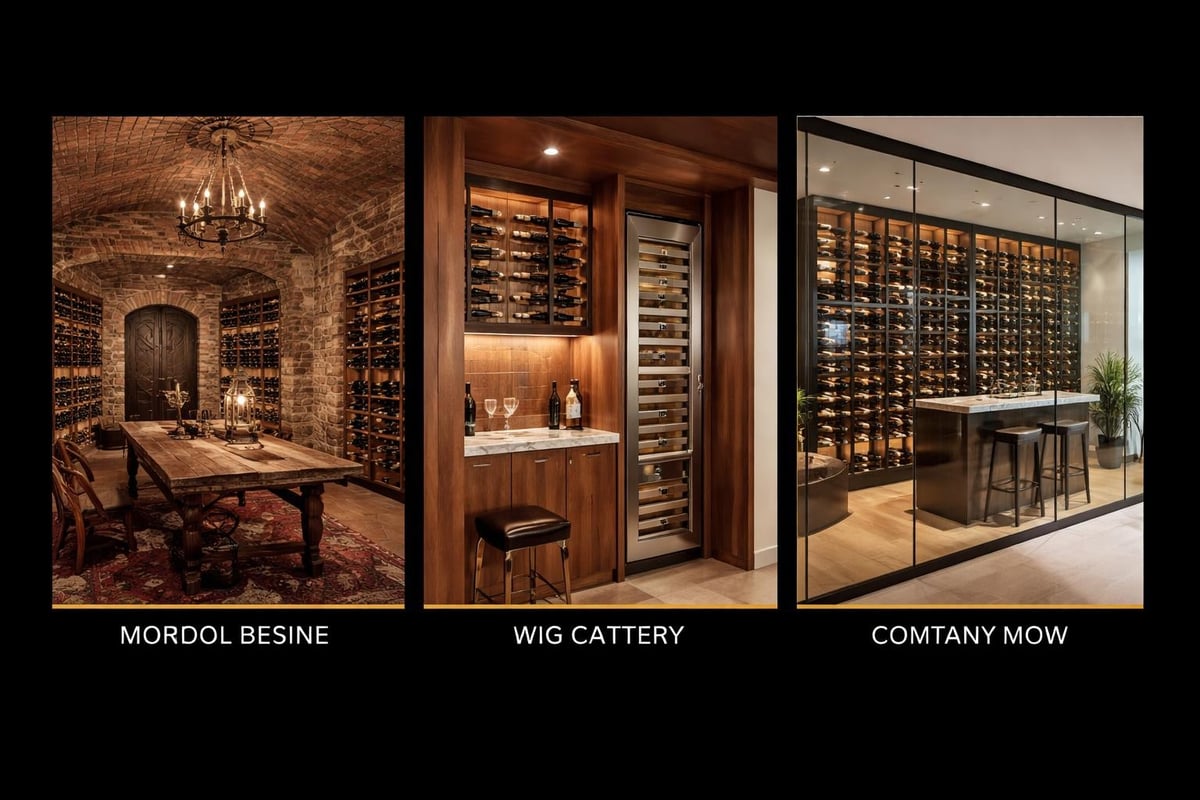
Mid-century properties typically offer flexible floor plans with under-stair spaces or dedicated utility rooms perfect for compact wine solutions. The clean lines characteristic of this era pair beautifully with glass-enclosed showpiece wine cellars that celebrate both vintage and architecture.
Contemporary Tarrytown residences embrace open-concept living where wine storage becomes a design focal point rather than hidden amenity. These homes excel at showcasing wine collections through transparent installations that blur the boundary between functional storage and art.
Climate Considerations for Central Texas Wine Storage
Austin's climate presents specific challenges that demand professional attention when designing a custom wine cellar tarrytown project.
Climate Factor | Impact on Wine Storage | Solution Required |
|---|---|---|
Summer heat (95-105°F) | Excessive cooling load | Enhanced insulation, commercial-grade cooling |
Humidity fluctuation (40-90%) | Cork integrity issues | Precision humidity control systems |
Temperature swings | Wine aging disruption | Vapor barriers, thermal mass |
Extended heat periods | Equipment strain | Oversized cooling capacity, backup systems |
The preparation of your installation space becomes critical in our Texas environment. Proper insulation and vapor barriers work harder here than in naturally cool climates, making shortcuts particularly costly.
Design Styles That Complement Tarrytown Homes
Selecting the right aesthetic for your wine cellar ensures harmony with your home's character while expressing your personal taste.
Traditional Wood Cellars for Classic Estates
Traditional wine cellars with classic wood construction suit Tarrytown's historic properties exceptionally well. Rich mahogany, walnut, or reclaimed oak racking creates warmth and timeless elegance.
Key features include:
Individual bottle slots for display and easy access
Crown molding and architectural details matching home trim
Vintage-style lighting fixtures
Built-in tasting tables or serving counters
Stone or brick accent walls
These cellars often incorporate existing architectural elements, like exposed limestone foundations or original wood beams, creating seamless integration with the home's heritage.
Modern Minimalist Wine Walls
Contemporary Tarrytown homes benefit from sleek, minimalist designs that emphasize clean lines and visual lightness. Modern wine cellars use metal racking systems, frameless glass, and integrated LED lighting to create stunning focal points.
Popular materials include powder-coated steel, brushed stainless, and anodized aluminum in finishes ranging from matte black to champagne gold. These installations work particularly well in open-plan spaces where the cellar becomes a sculptural element visible from multiple rooms.
Transitional Designs for Versatile Aesthetics
Many Tarrytown homeowners prefer transitional wine cellars that bridge traditional warmth with contemporary sophistication. This approach combines wood elements with metal accents, classical proportions with modern materials.
A transitional cellar might feature walnut racking with stainless steel trim, traditional bottle storage alongside modern label-forward displays, and classic sconce lighting enhanced by LED accent strips. This flexibility makes transitional design ideal for homes that blend multiple architectural influences.
Technical Requirements for Optimal Wine Preservation
Beyond aesthetics, every successful custom wine cellar tarrytown installation depends on precise environmental control and construction methodology.
Insulation and Vapor Barrier Systems
Texas heat demands exceptional thermal barriers. Proper insulation practices prevent temperature fluctuations while reducing cooling system workload and energy costs.
Recommended insulation specifications:
Walls: Minimum R-19 value, preferably R-30 for exterior walls
Ceiling: R-38 to R-49, especially critical for single-story installations
Floor: R-13 minimum when above unconditioned space
Door: Insulated exterior-grade door with weatherstripping
The vapor barrier placement proves equally crucial. In our climate, barriers belong on the warm (exterior) side of insulation, preventing humid air from condensing within wall cavities. This fundamental construction principle protects both your wine collection and your home's structural integrity.
Climate Control System Selection
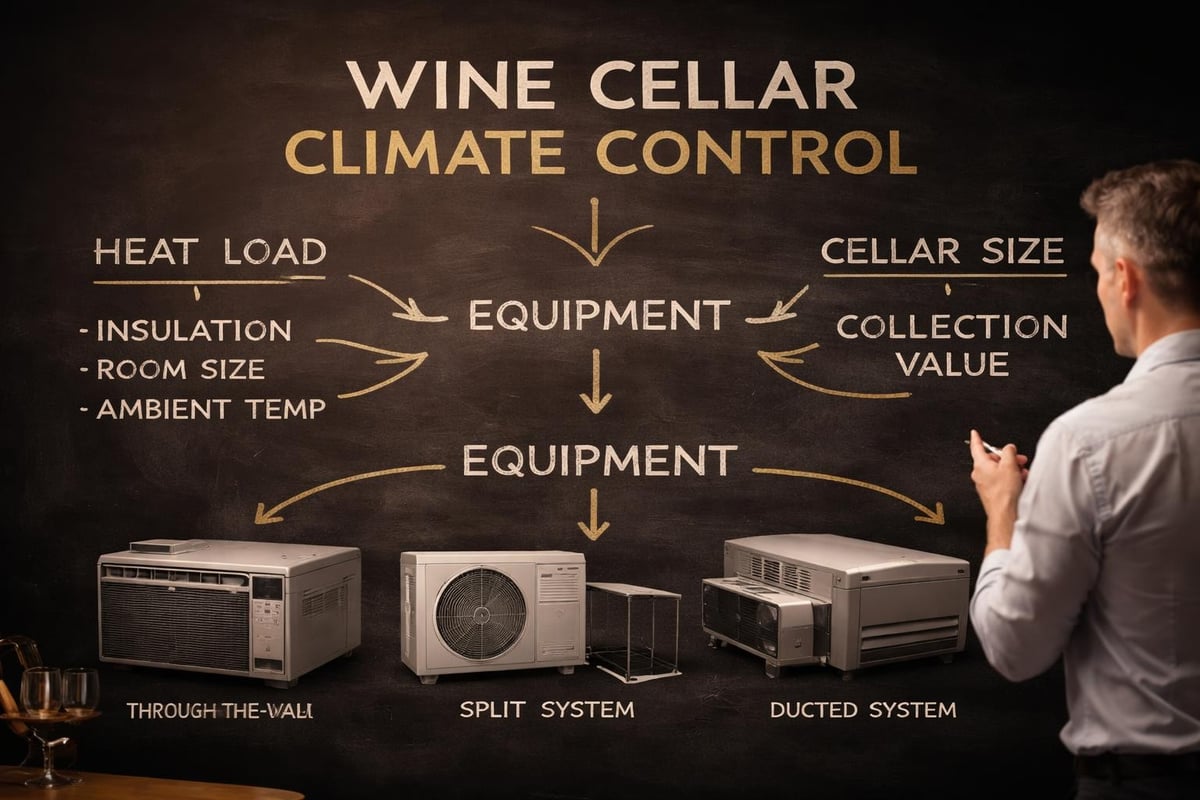
Choosing appropriate cooling equipment determines long-term performance and reliability. Systems must maintain 55-58°F temperature and 60-70% humidity year-round despite extreme exterior conditions.
System types for Tarrytown installations:
Self-contained units: Efficient for small to medium cellars (up to 500 bottles), install through wall
Split systems: Quieter operation, remote condenser placement, suitable for medium to large spaces
Ducted systems: Maximum flexibility for complex layouts or historic homes requiring discrete equipment
Wine guardian systems: Commercial-grade reliability for serious collectors
Proper sizing requires calculating heat load based on cellar volume, insulation values, glass area, and ambient temperature differentials. The Prestige Wine Cellars heat load calculator helps determine appropriate system capacity for your specific project.
Space Planning and Layout Strategies
Tarrytown homes vary dramatically in available space, from compact condos to expansive estates. Strategic planning maximizes every square foot while maintaining aesthetic impact.
Working with Limited Square Footage
Smaller Tarrytown properties benefit from vertical thinking and multi-functional designs. Compact urban wine cellars demonstrate how 30-50 square feet can store 200-500 bottles beautifully.
Space-efficient solutions include:
Floor-to-ceiling racking maximizing vertical storage
Under-stair installations utilizing awkward spaces
Wine walls replacing traditional artwork
Climate-controlled closet conversions
Glass-front cabinets in dining or living areas
Converting existing closets requires careful evaluation of adjacent spaces and potential moisture impact. Professional design services ensure modifications respect structural requirements while achieving desired capacity.
Grand Cellars for Estate Properties
Larger Tarrytown estates permit dedicated wine cellar rooms that accommodate extensive collections while providing tasting and entertainment spaces. These projects often include 300-3,000+ bottle capacity with distinctive architectural features.
Estate cellar amenities:
Dedicated tasting counters with sink and refrigeration
Display shelving for decanters and glassware
Comfortable seating areas
Artwork and decorative elements
Secondary storage for cases or bulk purchases
Temperature-controlled wine lockers for special vintages
The turnkey design-build approach streamlines larger projects, coordinating architecture, engineering, climate systems, and finish work through unified project management.
Material Selection for Durability and Beauty
Your custom wine cellar tarrytown project deserves materials that perform flawlessly while aging gracefully alongside your wine collection.
Racking Materials and Construction Methods
Material | Advantages | Considerations | Best Applications |
|---|---|---|---|
Mahogany | Rich color, minimal expansion | Higher cost, requires finishing | Traditional, transitional styles |
Walnut | Beautiful grain, stable | Premium pricing | Statement cellars, visible installations |
Redwood | Moisture resistant, aromatic | Limited finish options | Humid environments, rustic designs |
Metal | Modern aesthetic, durable | Can feel cold, condensation potential | Contemporary spaces, wine walls |
Acrylic | Transparent, customizable | Scratches easier, shows fingerprints | Modern showcases, backlit displays |
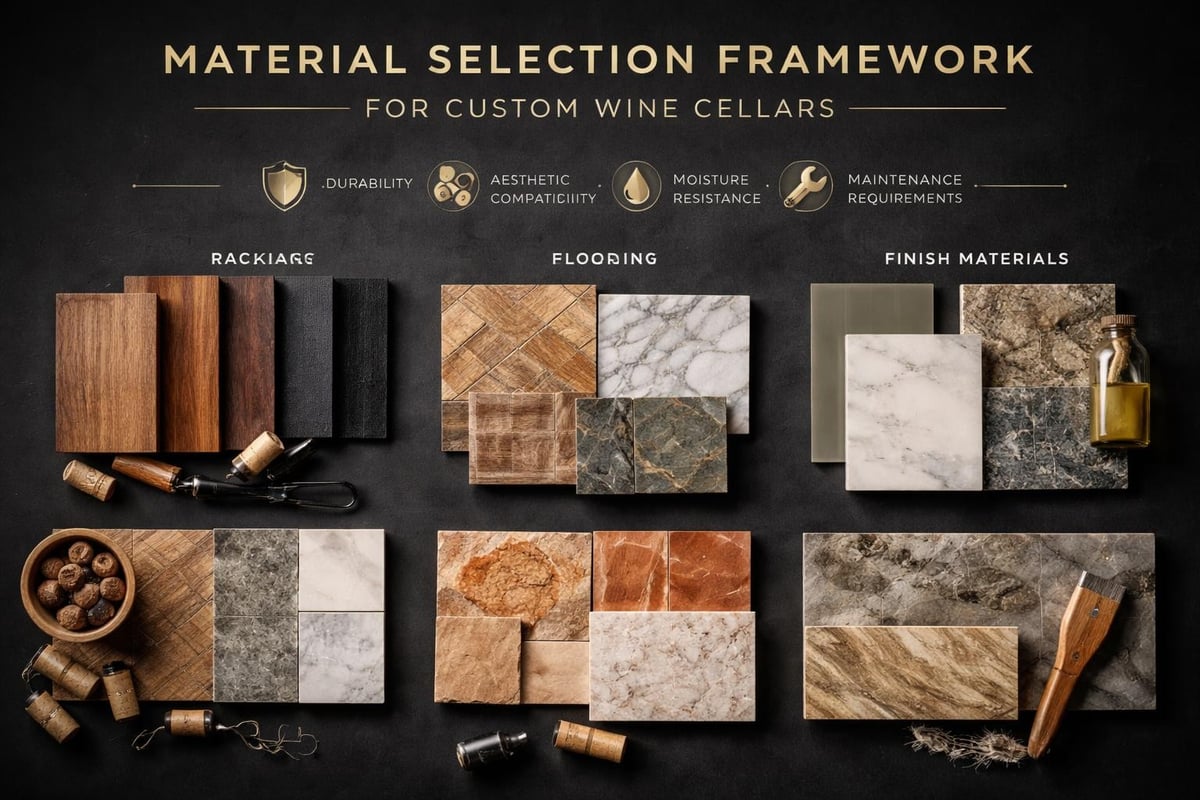
The selection of wine cellar materials extends beyond racking to flooring, wall treatments, lighting, and hardware. Each component must withstand stable cool temperatures and moderate humidity without degradation.
Flooring That Balances Form and Function
Wine cellar flooring endures unique conditions. Ideal materials resist moisture, maintain stability in cool temperatures, and complement overall design intent.
Recommended flooring options:
Porcelain or ceramic tile: Excellent moisture resistance, wide design range, cool underfoot
Luxury vinyl plank: Wood appearance without moisture concerns, comfortable standing surface
Sealed concrete: Industrial aesthetic, thermal mass benefits, custom staining available
Stone: Natural beauty, exceptional durability, premium appearance
Avoid traditional hardwood flooring in wine cellars despite its beauty. Wood expands and contracts with humidity changes, potentially creating gaps or buckling. When wood aesthetics are desired, engineered products specifically rated for high-humidity applications provide better performance.
Lighting Design for Ambiance and Protection
Thoughtful illumination showcases your collection while protecting wine from harmful UV exposure. Professional lighting design balances these competing priorities elegantly.
LED Technology Advantages
Modern LED systems transformed wine cellar lighting by eliminating heat generation while providing exceptional control and longevity.
LED benefits for wine storage:
Zero UV emission protecting wine from light damage
Minimal heat production reducing cooling load
50,000+ hour lifespan requiring rare maintenance
Dimming capability for ambiance control
Color temperature options from warm to cool
Strategic placement includes overhead ambient lighting, accent lighting highlighting architectural features, and display lighting for label visibility. Separate circuits allow flexible control, keeping general illumination off when accessing single bottles while preserving dramatic showcase lighting for entertaining.
Specialty Lighting Applications
Beyond functional illumination, creative lighting transforms wine cellars into artistic installations. Backlit onyx panels, LED-illuminated glass floors, and programmable color-changing systems create unforgettable visual experiences.
Display niches benefit from adjustable spot lighting that can highlight special bottles or rotate focus as collection emphasis changes. Toe-kick lighting along base cabinets provides safety illumination while contributing subtle ambiance. Integrated lighting within racking reveals bottles from behind, creating a glowing effect particularly stunning in modern metal and acrylic systems.
The Construction Process and Timeline
Understanding project phases helps set realistic expectations for your custom wine cellar tarrytown installation.
Initial Consultation and Design Development
The process begins with comprehensive discussion of your vision, collection size, growth plans, budget, and timeline. Experienced designers evaluate your space, considering structural factors, mechanical access, and integration with existing architecture.
Design phase deliverables:
Conceptual sketches showing layout options
3D renderings illustrating finished appearance
Material samples and finish selections
Equipment specifications and placement
Detailed cost estimates with itemized pricing
This collaborative phase typically requires 2-4 weeks depending on project complexity and decision-making pace. Rush timelines are accommodated when possible, though thoughtful planning produces superior results.
Construction and Installation
Once designs are approved, building your wine cellar proceeds through coordinated phases ensuring quality at each stage.
Typical construction sequence:
Preparation (1-2 days): Space clearing, protection of adjacent areas
Framing modifications (2-3 days): Wall construction, door framing, electrical rough-in
Insulation and barriers (1-2 days): Installing thermal protection and moisture barriers
Climate system (1-2 days): Cooling unit installation, testing, balancing
Interior finish (3-5 days): Drywall, flooring, painting, trim work
Racking installation (2-4 days): Custom millwork fitting, securing, finishing
Lighting and details (1-2 days): Fixture installation, testing, adjustments
Final commissioning (1 day): System verification, client walkthrough, care instructions
Most Tarrytown wine cellars complete within 3-4 weeks from construction start to final approval. Larger projects or those involving significant structural modifications may extend to 6-8 weeks. Proper preparation ensures optimal results while minimizing disruption to your home.
Maintaining Your Investment for Decades
A properly constructed custom wine cellar tarrytown installation provides reliable service for decades with modest ongoing attention.
Routine Maintenance Tasks
Monthly:
Check temperature and humidity displays for proper readings
Inspect door gasket for wear or gaps
Clean condenser coils of dust accumulation
Verify cooling unit operation sounds normal
Quarterly:
Deep clean glass surfaces and racking
Reorganize bottles and rotate stock
Inspect for any moisture or condensation issues
Test lighting systems and replace any failed bulbs
Annually:
Professional service of cooling equipment
Thorough inspection of insulation and seals
Calibration of temperature and humidity sensors
Assessment of collection organization and capacity needs
Professional maintenance services ensure optimal performance while identifying potential issues before they affect your collection. Annual service contracts provide peace of mind and priority emergency response should unexpected problems arise.
Long-term Performance Optimization
As your collection evolves, your cellar may require adjustments. Additional racking, lighting enhancements, or capacity expansions keep your installation aligned with changing needs. Documenting these modifications maintains accurate records helpful for insurance purposes and eventual home sale.
Technology improvements emerge continuously in climate control and monitoring. Upgrading to smart systems with remote monitoring and automated alerts represents a worthwhile investment for serious collectors whose cellars house significant value. These systems track conditions 24/7, sending immediate notifications of any deviations requiring attention.
Selecting the Right Design Partner
The success of your custom wine cellar tarrytown project depends heavily on choosing experienced professionals who understand both technical requirements and design excellence.
Essential Qualifications and Experience
Look for partners offering:
Extensive portfolio demonstrating relevant project types
In-house design, engineering, and construction capabilities
Proven experience with Texas climate challenges
Transparent communication and detailed documentation
Comprehensive warranties on materials and workmanship
Post-installation support and maintenance services
Reviewing completed projects reveals design philosophy, construction quality, and attention to detail. Speaking with previous clients provides invaluable insights into working relationships, problem-solving approaches, and long-term satisfaction.
Investment Considerations and Budgeting
Custom wine cellar costs vary dramatically based on size, complexity, materials, and equipment specifications. Tarrytown installations typically range from $15,000 for compact conversions to $150,000+ for grand estate cellars with premium finishes.
Budget allocation guidelines:
40-45%: Racking and millwork
25-30%: Climate control systems
15-20%: Construction and finishes
10-15%: Lighting, glass, specialty features
Quality construction and equipment represent wise investments protecting far more valuable wine collections. Economizing on critical elements like insulation or cooling capacity creates ongoing problems far costlier than initial savings. Working with experienced Texas providers ensures appropriate specifications for our climate without unnecessary over-engineering.
Creating a custom wine cellar tarrytown homeowners treasure requires balancing technical precision with aesthetic vision, accounting for both our challenging climate and the neighborhood's architectural character. When you're ready to transform your wine storage into a sophisticated showpiece, Prestige Wine Cellars brings decades of expertise designing and building luxury installations throughout Austin's most distinguished neighborhoods, ensuring your investment protects your collection while elevating your home's elegance for generations to come.
Your Dream Wine Cellar Starts Here
Let our design team craft a cellar that matches your taste, space, and your collection — built for beauty, function, and prestige.

Email us at
Visit our office