
Custom Wine Cellar Westlake: Design and Build
Discover how to create a stunning custom wine cellar in Westlake. Expert design tips, climate control insights, and luxury solutions for collectors.
Westlake represents one of Texas's most prestigious communities, where architectural excellence and refined living converge. For discerning homeowners in this affluent enclave, a custom wine cellar westlake project transcends mere storage-it becomes a defining statement of taste, sophistication, and commitment to preservation. Whether you're renovating an estate property or designing a new residence from the ground up, understanding the nuances of wine cellar construction in this unique market ensures your investment delivers both functional excellence and timeless beauty.
Understanding Westlake's Unique Wine Cellar Requirements
Westlake homes often feature distinctive architectural styles that demand equally distinctive wine cellar solutions. The community's preference for open floor plans, natural light, and seamless indoor-outdoor transitions creates both opportunities and challenges for wine cellar integration.
Climate considerations play a significant role in any Texas wine cellar project. The region's heat and humidity require robust climate control systems and proper ventilation to maintain optimal storage conditions. A custom wine cellar westlake installation must account for these environmental factors while complementing the home's existing aesthetic.
Architectural Integration in Westlake Estates
Modern Westlake residences frequently showcase glass walls, soaring ceilings, and contemporary materials. Your wine cellar can embrace these elements through transparent enclosures that transform your collection into living art. Glass-enclosed showpiece designs allow you to display prized bottles while maintaining precise environmental controls.
Popular integration approaches include:
Converting underutilized spaces beneath staircases into intimate tasting alcoves
Transforming formal dining room walls into climate-controlled display features
Creating basement wine sanctuaries with barrel-vaulted ceilings and brick accents
Building temperature-controlled wine walls between living and entertainment areas
The key lies in balancing visibility with preservation, ensuring your collection remains both accessible and protected.
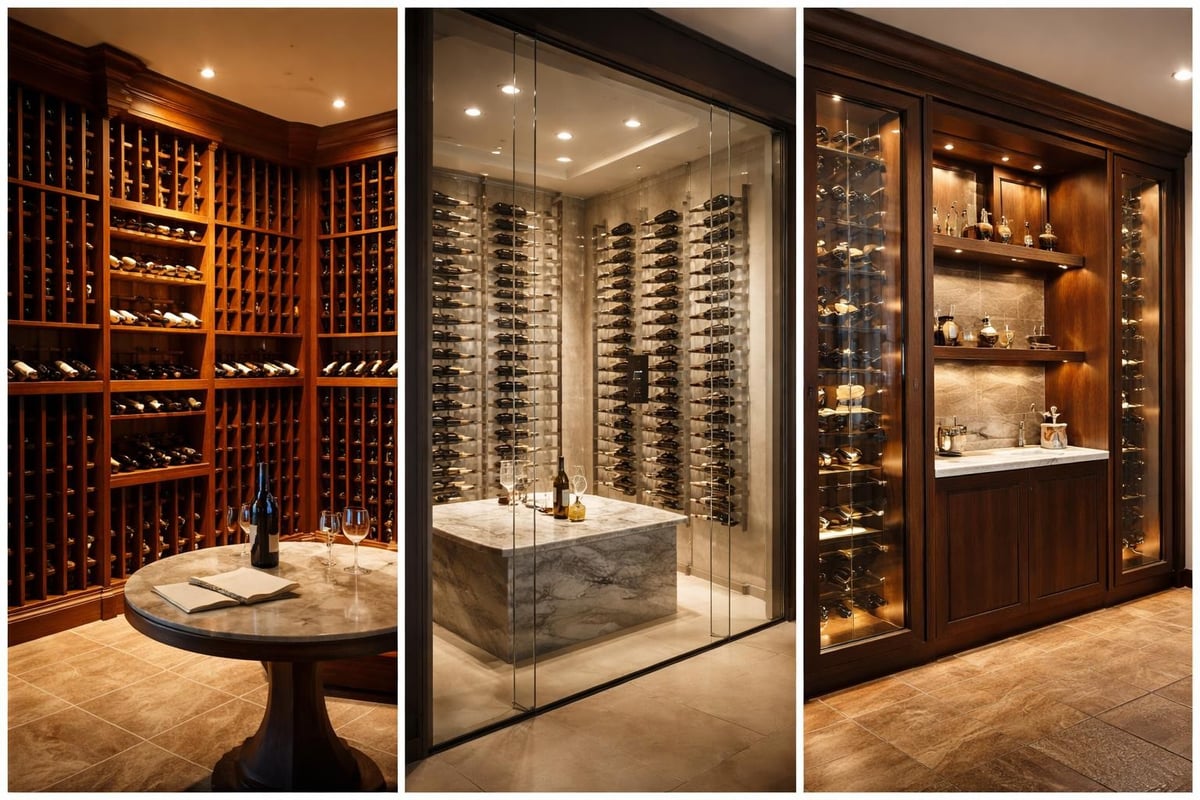
Design Considerations for Custom Wine Cellar Westlake Projects
Creating an exceptional wine cellar begins with thoughtful planning and attention to detail. Every decision-from racking materials to lighting fixtures-contributes to the overall experience and functionality of your space.
Capacity Planning and Collection Growth
Your current collection represents just the starting point. Most serious collectors expand their holdings over time, making forward-thinking capacity planning essential.
Collection Size | Recommended Bottle Capacity | Typical Square Footage |
|---|---|---|
Enthusiast | 500-1,000 bottles | 50-80 sq ft |
Collector | 1,000-2,500 bottles | 80-150 sq ft |
Connoisseur | 2,500-5,000 bottles | 150-300 sq ft |
Estate | 5,000+ bottles | 300+ sq ft |
Account for approximately 20-30% growth capacity when designing your racking system. This foresight prevents costly renovations as your passion for wine deepens.
Material Selection and Aesthetic Direction
The materials you choose establish the cellar's character and durability. Each option offers distinct advantages:
Premium wood species like mahogany, redwood, and walnut provide classic elegance and natural insulation properties. These materials age beautifully and complement traditional wine cellar aesthetics favored in many Westlake estates.
Metal racking systems deliver contemporary sophistication with minimal maintenance requirements. Powder-coated steel and aluminum options integrate seamlessly with modern architectural elements while offering impressive structural strength.
Acrylic and glass components create stunning visual impact, particularly when backlit. These materials work exceptionally well for showcasing premium bottles and creating focal points within open-concept spaces.
Explore various wine cellar materials to understand how different selections align with your vision and functional requirements.
Climate Control Engineering for Optimal Preservation
Temperature and humidity stability determine whether your collection appreciates or deteriorates. NO aspect of custom wine cellar westlake construction matters more than environmental control.
The Science of Wine Storage Conditions
Wine thrives within narrow parameters:
Temperature: 55-58°F (ideal), with maximum fluctuation of ±3°F
Humidity: 60-70% relative humidity prevents cork drying and label damage
Vibration: Minimal movement preserves sediment and aging processes
Light exposure: Darkness or filtered light prevents UV degradation
Professional cooling systems maintain these conditions automatically, but proper installation requires expertise. The insulation and vapor barrier preparation phase proves critical to system performance and energy efficiency.
Cooling System Selection
Ducted systems integrate with existing HVAC infrastructure, offering quiet operation and concealed equipment placement
Through-wall units provide self-contained solutions ideal for basement or ground-floor installations
Split systems separate compressor noise from the cellar itself, perfect for living-space-adjacent locations
Ductless mini-splits deliver flexibility in equipment placement while maintaining aesthetic appeal
Your chosen system should account for heat load calculations based on cellar size, insulation quality, glass exposure, and geographical location. Many builders recommend working with specialists who understand turnkey wine cellar design and installation from engineering through completion.
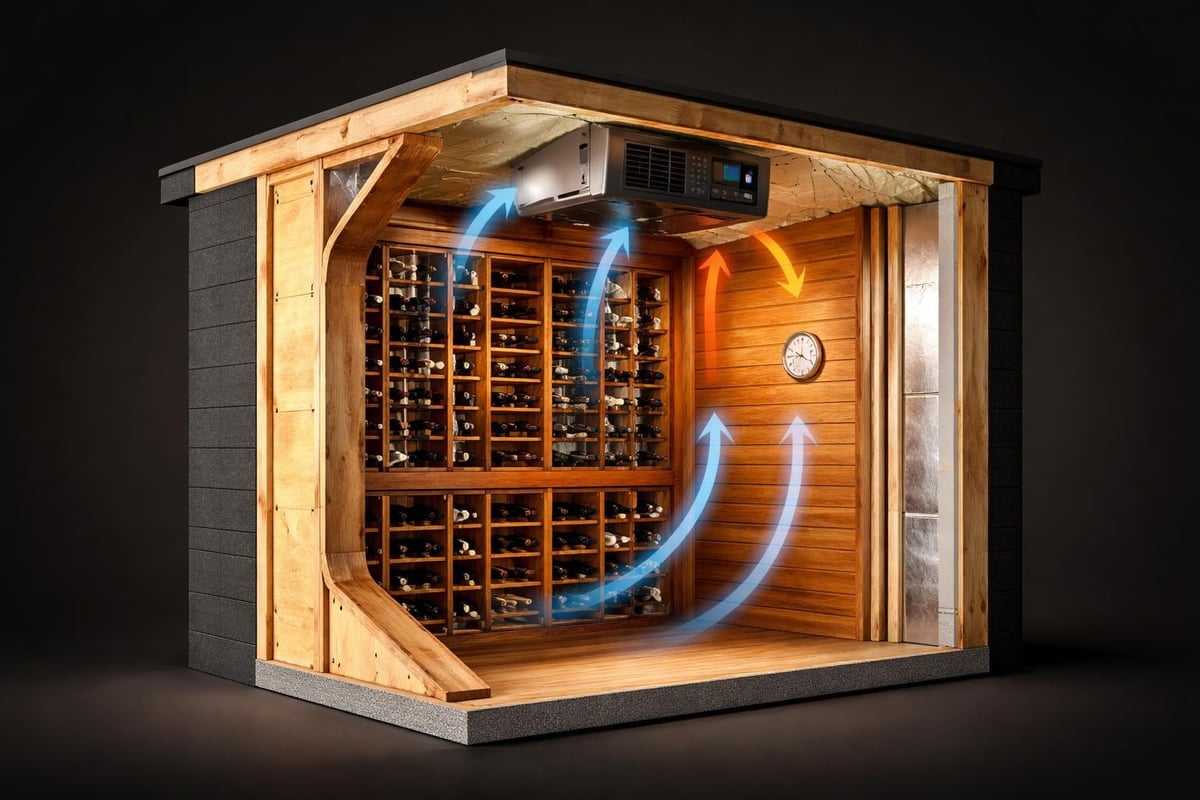
Construction Best Practices and Common Pitfalls
Even beautiful designs fail without proper construction fundamentals. Understanding critical building requirements prevents expensive mistakes and ensures long-term performance.
Foundation and Structural Considerations
Westlake's soil conditions and building codes influence foundation requirements for wine cellar installations. Heavy racking systems loaded with bottles generate substantial weight-a 1,000-bottle cellar can exceed 5,000 pounds when fully stocked.
Structural reinforcement needs:
Floor joists may require additional support for second-story installations
Concrete slab floors should be evaluated for crack prevention and moisture barriers
Wall studs need proper spacing to support racking anchor points
Ceiling loads must accommodate lighting, climate control equipment, and architectural features
Consult with structural engineers familiar with wine cellar construction principles before breaking ground.
Insulation and Vapor Barrier Implementation
Temperature control systems work only as effectively as the envelope containing them. Proper insulation prevents energy waste while vapor barriers stop moisture infiltration that damages both wine and construction materials.
Insulation Type | R-Value | Application | Benefits |
|---|---|---|---|
Spray foam | R-6 to R-7 per inch | Walls, ceilings | Superior air sealing, moisture resistance |
Rigid foam board | R-5 per inch | Walls, floors | Cost-effective, easy installation |
Fiberglass batts | R-3.7 per inch | Standard framing | Widely available, budget-friendly |
Closed-cell foam | R-7 per inch | All applications | Maximum insulation, structural strength |
The vapor barrier must be installed on the warm side of insulation-the exterior wall surface in climate-controlled spaces. This prevents condensation from forming within wall cavities, which causes mold growth and structural degradation.
Door and Entry Sealing
Wine cellar doors represent the most common source of temperature and humidity loss. Custom wine cellar westlake projects demand doors that function as true environmental seals while making aesthetic statements.
Specify doors with:
Solid core construction (minimum 1.75 inches thick)
Magnetic or compression weather stripping on all four sides
Threshold sweeps or bottom seals preventing air exchange
Self-closing hinges maintaining consistent closure
Glass panels only with insulated, dual-pane construction
Many homeowners underestimate door importance, but this single component dramatically affects cooling system efficiency and operating costs.
Design Styles That Complement Westlake Architecture
Your cellar's aesthetic should harmonize with your home's overall design language while expressing your personal style. Westlake residences span from Hill Country contemporary to transitional European-inspired estates, each suggesting different cellar approaches.
Modern Minimalist Cellars
Clean lines, floating displays, and concealed climate control characterize modern wine cellar designs. These spaces emphasize the wine itself through strategic lighting and uncluttered presentation.
Metal racking in brushed nickel or blackened steel creates architectural interest without visual heaviness. LED strip lighting integrated into shelving edges illuminates bottles while maintaining energy efficiency. Glass enclosures frame the collection as functional sculpture within open floor plans.
Transitional and Classic Interpretations
Transitional wine cellars blend traditional craftsmanship with contemporary sensibilities. Rich wood tones meet clean metallic accents, creating spaces that feel both timeless and current.
Custom millwork details-crown molding, coffered ceilings, architectural columns-add depth and character. Stone flooring in slate, travertine, or limestone provides texture and thermal mass that helps stabilize temperatures. Wrought iron gates or custom wood doors announce the cellar as a destination within the home.
Rustic and Estate Styles
For properties embracing Hill Country aesthetics, rustic estate wine cellars capture regional character through reclaimed materials and natural finishes.
Defining elements include:
Exposed brick or stone accent walls
Reclaimed wood beams and ceiling treatments
Antique-finished hardware and lighting fixtures
Terra cotta or natural stone flooring
Barrel displays and winemaking artifact incorporation
These spaces feel organic and collected, as though they've existed within the home for generations.
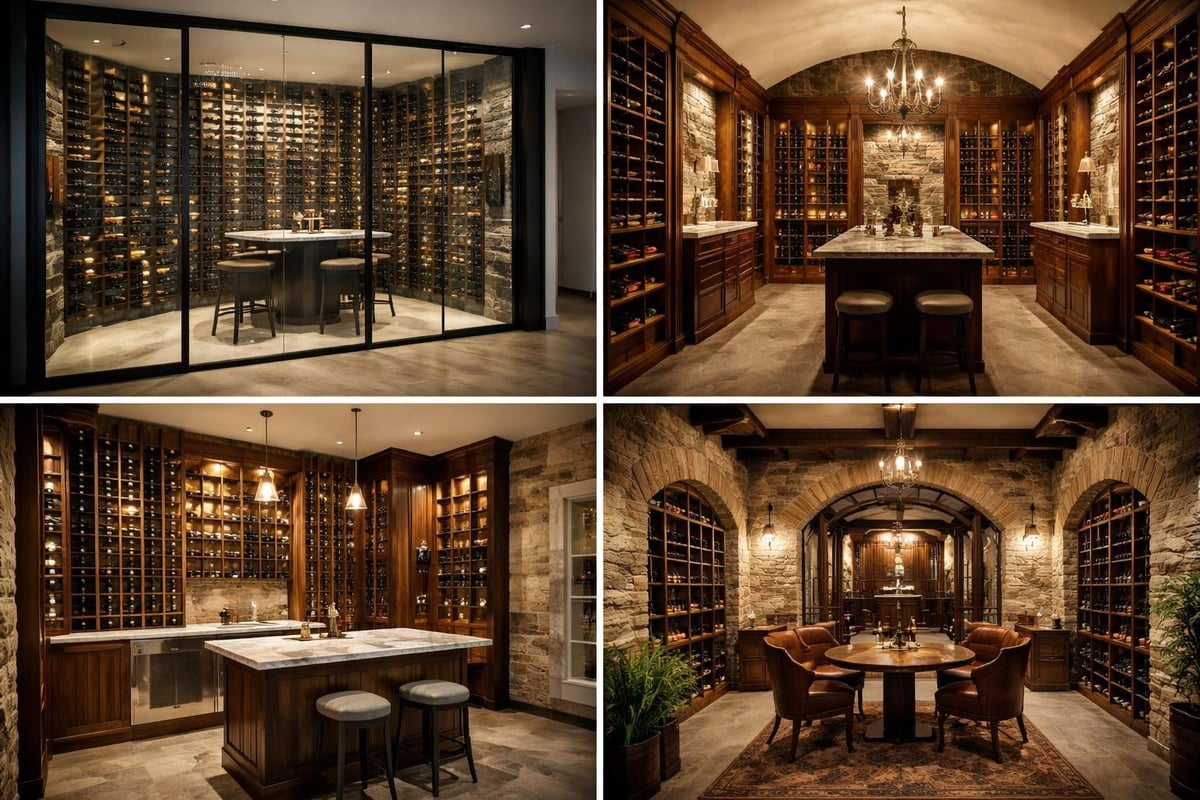
Tasting Areas and Entertainment Integration
The finest wine cellars extend beyond storage to create experiential spaces for enjoyment and sharing. Thoughtful tasting area design transforms your cellar into a social destination.
Space Planning for Dual Functionality
Allocate approximately 30-40% of total cellar square footage to tasting and seating areas when possible. This balance maintains substantial storage capacity while creating comfortable gathering spaces.
Tasting area essentials:
Proper table height (30 inches for dining, 42 inches for bar-style seating)
Temperature-appropriate seating materials (leather, upholstered chairs with breathable fabrics)
Small refrigeration for whites and sparklers requiring colder serving temperatures
Adequate lighting controls for ambiance adjustment
Decanting stations with proper drainage and spill containment
Consider installing a small sink with hot and cold water for decanter cleaning and glass rinsing. This amenity dramatically improves functionality during tastings and dinner parties.
Technology Integration
Smart home systems increasingly extend into wine cellar environments. Modern installations may incorporate:
Inventory management software with barcode scanning capabilities
Temperature and humidity monitoring with smartphone alerts
Automated lighting scenes responsive to occupancy or time of day
Audio systems for background music during gatherings
Security cameras protecting valuable collections
Balance technology with timelessness-avoid dated interfaces that compromise long-term aesthetic appeal. Review the latest design trends to understand how technology enhances rather than dominates cellar spaces.
Investment Considerations and Project Budgeting
Custom wine cellar Westlake projects represent significant investments that enhance both lifestyle and property value. Understanding cost factors helps establish realistic budgets and expectations.
Cost Components and Pricing Factors
Wine cellar construction costs vary based on size, complexity, materials, and finishes. General investment ranges include:
Project Scope | Price Range | Typical Features |
|---|---|---|
Entry luxury | $50,000-$120,000 | 500-bottle capacity, quality racking, standard cooling |
Mid-range custom | $120,000-$180,000 | 1,000+ bottles, premium materials, enhanced design |
High-end bespoke | $180,000-$500,000+ | 2,500+ bottles, architectural details, museum-quality finishes |
These figures encompass design, materials, climate control, racking systems, installation, and finishing. Particularly complex projects with extensive millwork, rare materials, or significant structural modifications may exceed these ranges.
Return on Investment
Quality wine cellars contribute to home value, particularly in luxury markets like Westlake. While exact ROI varies, properly executed cellars typically return 60-80% of construction costs in appraised value increases.
Beyond monetary returns, consider:
Enhanced entertaining capabilities and home enjoyment
Proper storage preventing wine spoilage and loss
Space efficiency replacing scattered storage solutions
Personal satisfaction and collection pride
The true value lies in creating a space that serves your passion while integrating beautifully with your home.
Working with Professional Wine Cellar Designers
The complexity of custom wine cellar Westlake projects demands experienced professionals who understand both technical requirements and design excellence. Selecting the right partner proves crucial to project success.
Evaluating Design-Build Firms
Look for companies offering comprehensive services from concept through completion. This integrated approach ensures design feasibility, prevents miscommunication between trades, and establishes clear accountability.
Key qualifications include:
Extensive portfolio demonstrating style range and technical capability
In-house engineering and climate control expertise
Licensed contractors familiar with local building codes
Proven track record in similar market segments
Transparent communication and project management processes
Request references from recent projects and visit completed installations when possible. The quality you observe in finished work reflects what you can expect in your own space.
The Design Process Timeline
Understanding project phases helps manage expectations and coordinate with other home construction or renovation activities:
Initial consultation and site evaluation (1-2 weeks): Space assessment, needs discussion, preliminary concepts
Design development and engineering (1-2 weeks): Detailed drawings, climate load calculations, material selections
Permitting and approvals (2-6 weeks): Building permits, HOA approvals if applicable
Construction and installation (2-4 weeks): Framing, climate control, racking, finishing
Commissioning and adjustment (1 week): System calibration, final touches, owner orientation
Total project duration typically spans three to five months from initial contact to completion. Complex projects or those coordinated with broader home renovations may extend these timelines.
Explore comprehensive wine cellar services to understand how professional firms structure their offerings and support clients throughout the process.
Maintenance and Long-Term Care
Your custom wine cellar westlake installation requires ongoing attention to maintain peak performance and protect your collection investment. Establishing maintenance routines from day one prevents problems before they develop.
Climate System Monitoring
Check temperature and humidity levels weekly during the first month, then monthly thereafter. Modern systems often include smartphone monitoring, simplifying this task significantly.
Monthly maintenance tasks:
Inspect door seals for gaps or deterioration
Clean or replace air filters per manufacturer specifications
Verify cooling system operation and listen for unusual sounds
Check for condensation on walls, ceilings, or glass surfaces
Test humidity levels and refill water reservoirs if needed
Annual professional servicing extends equipment life and maintains efficiency. Many wine cellar maintenance programs offer comprehensive inspection, cleaning, and preventive care.
Racking and Display Care
Wood racking benefits from occasional conditioning with appropriate wood care products. Avoid excessive moisture or harsh chemicals that damage finishes or affect wine through odor absorption.
Metal and glass components require minimal maintenance-periodic cleaning with appropriate solutions maintains appearance without special treatments.
Local Considerations and Westlake Market Insights
Building in Westlake brings specific considerations related to community standards, property values, and local construction norms. Understanding these factors streamlines your project and ensures compliance.
Homeowner Association Guidelines
Many Westlake properties fall within HOA jurisdictions with architectural review processes. Submit plans early in the design phase to identify any concerns before finalizing details.
Common HOA considerations include:
Exterior modifications affecting home appearance
Equipment placement visible from street or neighboring properties
Construction activity timing and noise restrictions
Final inspection and compliance verification
Working with firms experienced in Texas wine cellar projects ensures familiarity with local requirements and streamlines approval processes.
Regional Wine Collecting Trends
Westlake collectors often focus on specific categories reflecting regional dining culture and travel experiences. Understanding these patterns helps optimize storage for your likely collection trajectory.
Popular collecting areas include:
Napa Valley Cabernet Sauvignon requiring long-term aging capacity
Bordeaux blends demanding specialized bottle sizing
Italian Super Tuscans and Barolos benefiting from dedicated sections
Premium rosé and white Burgundy needing separate climate zones
Champagne and sparkling wines requiring upside-down or angled storage
Design flexibility accommodates collection evolution as your tastes develop and market opportunities arise. Review design inspiration showcasing how others have addressed similar collecting preferences.
Lighting Design for Function and Ambiance
Proper illumination enhances both daily functionality and special occasion atmosphere. Wine cellar lighting demands careful planning to balance visibility, preservation, and aesthetic impact.
Light Source Selection
LED technology dominates modern wine cellar lighting due to minimal heat generation, energy efficiency, and design flexibility. Unlike incandescent or halogen sources, LEDs don't contribute to heat load or risk wine damage through temperature elevation.
Effective lighting approaches include:
Individual bottle spotlighting highlighting premium vintages
Linear LED strips within racking creating uniform illumination
Cove lighting washing walls with indirect ambient light
Pendant fixtures over tasting tables providing task lighting
Accent lighting emphasizing architectural features and artwork
Dimming controls allow adjustment from bright working light to subtle ambiance for entertainment. Some systems integrate color temperature adjustment, shifting from cool daylight tones for inventory management to warm candlelight hues for intimate tastings.
UV Protection Strategies
Ultraviolet light accelerates wine aging and can cause premature oxidation. While cellar darkness provides ultimate protection, practical use requires illumination.
Specify UV-filtering lenses on all light sources and limit glass door exposure to natural daylight. Tinted glass panels offer additional protection while maintaining visibility. Time-based or motion-activated controls ensure lights operate only when necessary, minimizing exposure duration.
Consider implementing separate lighting zones-working lights for collection management and accent lights for display. This zoning prevents unnecessary illumination of stored bottles while maintaining showcase appeal.
Creating a custom wine cellar westlake project that exceeds expectations requires balancing technical precision with artistic vision. From understanding proper installation space preparation to selecting materials that reflect your aesthetic preferences, each decision contributes to a cohesive whole that serves both practical needs and personal expression. Prestige Wine Cellars brings decades of experience designing and building luxury wine storage solutions throughout Texas, transforming architectural spaces into climate-controlled sanctuaries that protect your collection while enhancing your home's beauty and value.
Your Dream Wine Cellar Starts Here
Let our design team craft a cellar that matches your taste, space, and your collection — built for beauty, function, and prestige.

Email us at
Serving Austin, Dallas–Fort Worth, Houston & San Antonio