
Wine Wall Design: A Complete Guide for Luxury Spaces
Discover wine wall design trends, glass options, and investment ranges ($60K-$250K+). Expert insights for residential and commercial projects.
Wine wall design has transformed from a simple storage solution into a stunning architectural statement that defines luxury interiors. Whether you're designing a private estate, upgrading a steakhouse, or creating an unforgettable experience for hotel guests, a thoughtfully crafted wine wall serves as both functional storage and dramatic art. These installations combine engineering precision with aesthetic vision, creating focal points that celebrate your collection while preserving its integrity. Understanding the nuances of materials, glass options, climate control, and design approaches ensures your investment delivers lasting beauty and performance.
Why Prestige Wine Cellars Excels at Wine Wall Design
Prestige Wine Cellars has established itself as the premier choice for discerning clients across Texas and beyond. Their approach begins with understanding that each project represents a unique vision, not just a template to replicate.
Comprehensive expertise sets them apart. From initial design consultation through final installation and ongoing maintenance, their team handles every aspect of your wine wall project. This turnkey approach eliminates the coordination headaches that plague projects involving multiple contractors.
Engineering Excellence Meets Artistic Vision
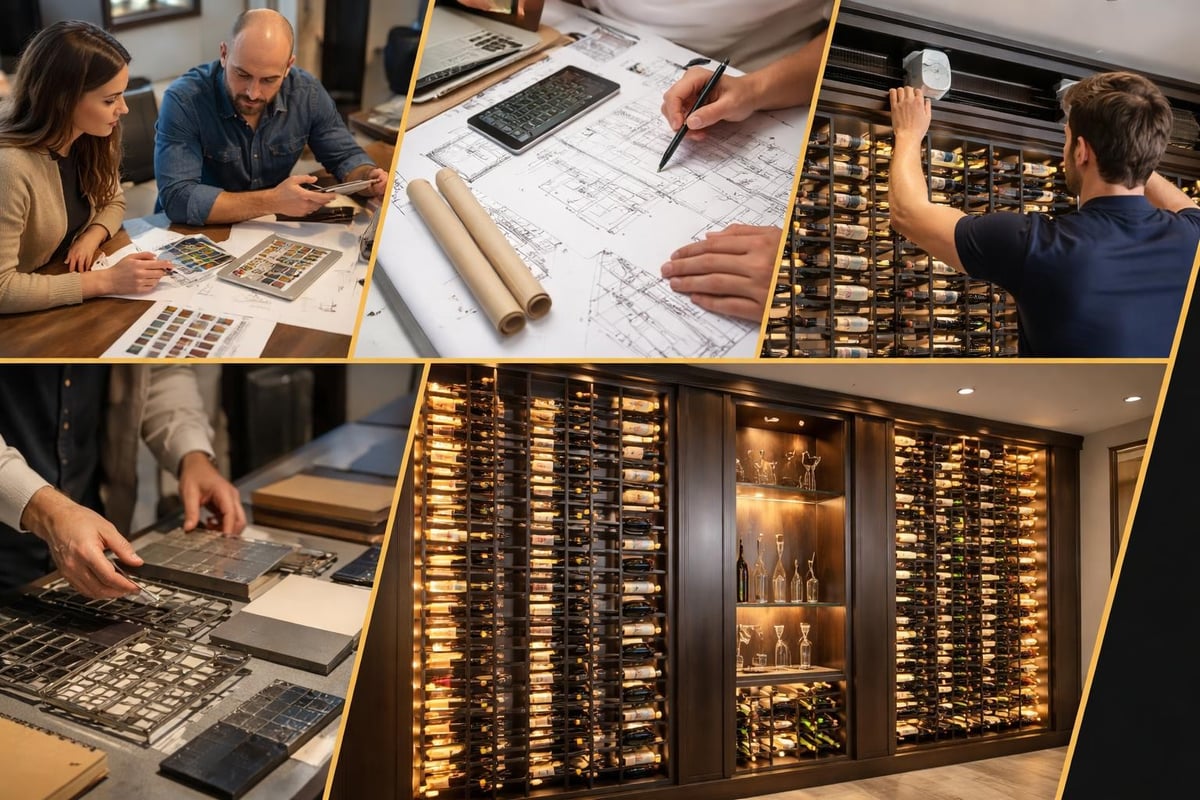
The technical demands of wine wall design require specialized knowledge. Prestige Wine Cellars employs engineers who calculate precise heat loads, ensuring your climate control system maintains optimal conditions regardless of your wall's size or location. Their custom wine cellar design services integrate structural requirements seamlessly with aesthetic goals.
What makes their process distinctive:
In-house design, engineering, and installation teams work cohesively
Advanced 3D rendering shows your project before construction begins
Climate control systems sized specifically for each installation
Meticulous attention to glass selection and framing details
Post-installation support and maintenance programs
Their portfolio showcases projects ranging from intimate residential installations to grand commercial displays, each reflecting the client's personality and requirements.
Proven Track Record Across Applications
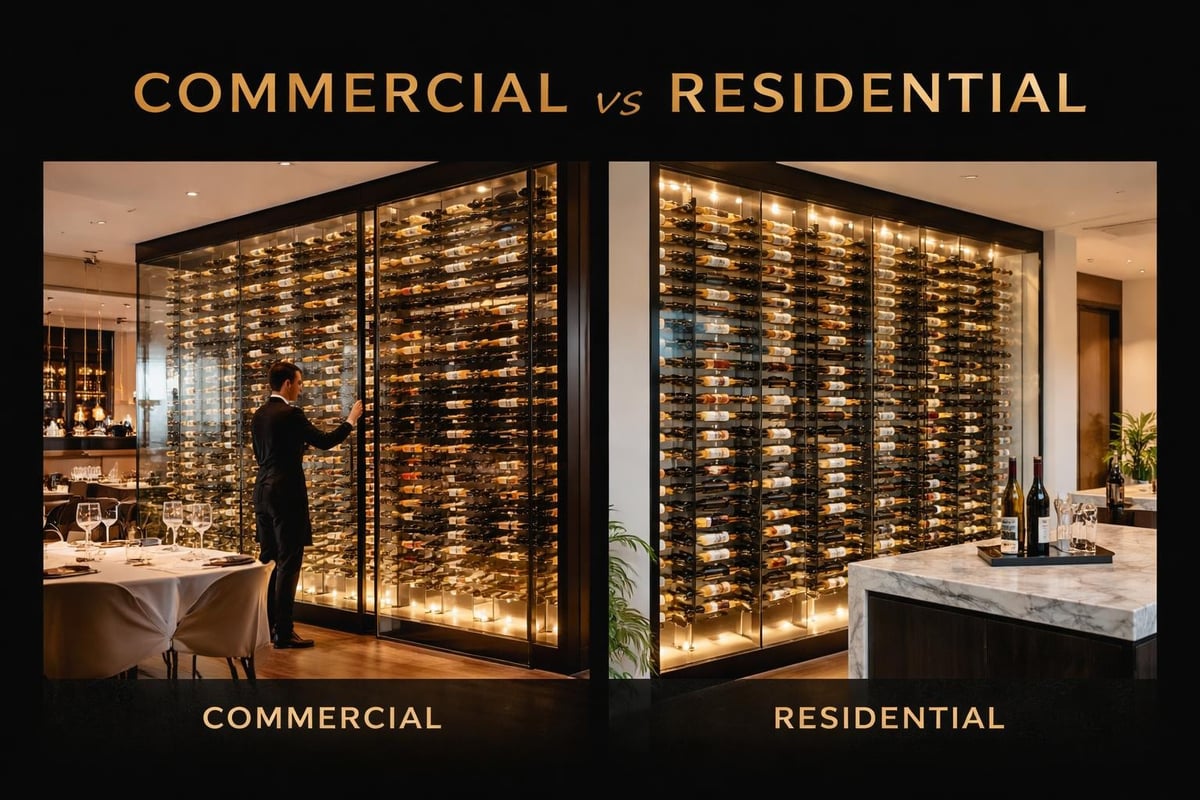
Prestige Wine Cellars brings experience from hundreds of successful installations. They understand the distinct requirements of private collectors versus commercial establishments. A residential wine wall prioritizes personal aesthetic preferences and intimate viewing experiences, while commercial installations balance visual impact with operational efficiency and brand storytelling.
Their work in prestigious restaurants and hotels demonstrates their ability to create installations that withstand high-traffic environments while maintaining pristine appearance. This expertise translates to residential projects that benefit from commercial-grade durability and engineering.
Understanding Glass Options for Wine Walls
Glass selection profoundly impacts your wine wall's appearance, thermal performance, and acoustic qualities. The right choice balances transparency, insulation, and structural requirements while supporting your design vision.
Standard Clear Glass
Traditional clear glass offers maximum transparency at the most accessible price point. Single-pane clear glass works well for climate-controlled rooms where the wine wall doesn't separate drastically different temperature zones.
Key characteristics:
Excellent clarity for viewing your collection
Lower upfront investment
Limited thermal resistance
Best for interior installations without extreme temperature differentials
However, standard clear glass transmits heat readily, making it challenging to maintain stable cellar conditions when separating conditioned from unconditioned spaces.
Low-E Insulated Glass Units
Low-emissivity (Low-E) glass represents a significant upgrade for wine wall design. These insulated glass units (IGUs) feature microscopic metallic coatings that reflect infrared energy while allowing visible light transmission.
Glass Type | R-Value | UV Blockage | Relative Cost | Best Application |
|---|---|---|---|---|
Single Clear | 0.91 | Minimal | Baseline | Interior partitions |
Standard IGU | 2.0 | Moderate | +40% | Standard installations |
Low-E Double | 3.0-4.0 | 95%+ | +65% | Exterior walls, high-temp differentials |
Low-E Triple | 5.0-7.0 | 99% | +120% | Extreme conditions, maximum efficiency |
Low-E glass dramatically reduces your cooling system's workload while protecting bottles from harmful ultraviolet radiation that degrades wine quality over time.
Frameless versus Framed Systems
Frameless glass systems create contemporary, minimalist aesthetics that showcase your collection without visual interruption. These installations use specialized hardware and typically require thicker glass (often 3/4" or greater) for structural stability.
Framed systems offer traditional elegance and can accommodate thinner glass while providing additional structural support. Metal frames in bronze, stainless steel, or blackened steel add architectural detail that complements various design styles. Modern wine wall designs often incorporate slim-profile frames that balance structural needs with contemporary aesthetics.
Specialty Glass Considerations
Textured and decorative glass adds privacy while maintaining light transmission. Options include frosted, rain glass, or custom etched patterns that can incorporate logos or monograms.
Tinted glass in bronze or gray tones provides additional UV protection and creates sophisticated visual warmth. These options work particularly well in contemporary settings where they complement metal finishes and modern furnishings.
Acoustic laminated glass incorporates sound-dampening interlayers, valuable in commercial settings or residential great rooms where wine storage neighbors active spaces.
Investment Ranges and Project Scope
Wine wall design investments reflect the complexity, scale, and craftsmanship involved in creating these architectural features. Understanding cost drivers helps you make informed decisions that align your vision with your budget.
Entry-Level Custom Installations
Quality wine walls begin around $60,000 for well-executed projects. At this investment level, expect:
6 to 8 feet of display wall
Standard Low-E insulated glass
Metal or wood racking for 150-300 bottles
Appropriately sized climate control system
Professional installation with basic LED lighting
These installations deliver genuine luxury and proper wine preservation without unnecessary extravagance. They work beautifully in compact urban settings or as defined zones within larger homes.
Mid-Range Signature Projects
Investments between $100,000 and $175,000 open possibilities for distinctive wine wall design that becomes a defining feature of your space:
Larger footprints spanning 10-15 feet
Premium glass options with advanced coatings
Capacity for 500-800 bottles
Sophisticated lighting design with dimming controls
Custom metal work or exotic wood accents
Integration with existing architecture
This range accommodates most residential requirements while allowing design flexibility that expresses personal style. The wine wall design trends for 2026 often find full expression at this investment level.
Premium and Commercial Installations
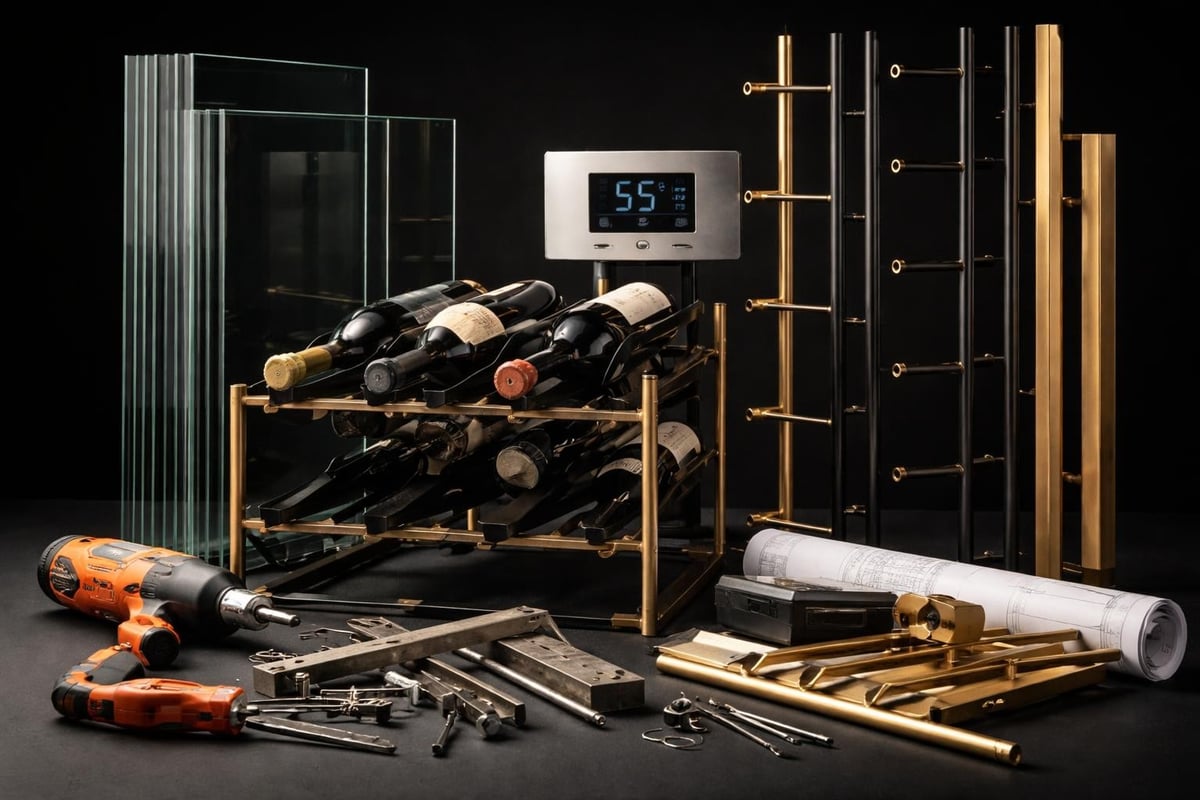
Projects exceeding $250,000 represent extraordinary installations that serve as architectural centerpieces. These wine walls feature:
Floor-to-ceiling installations spanning entire walls-Some commercial projects incorporate 20+ feet of continuous glass and racking, creating breathtaking displays visible throughout restaurants or hotel lobbies.
Exotic materials and custom fabrication-Hand-forged metalwork, rare wood species, stone integration, and bespoke hardware elevate these projects into art territory.
Advanced technology integration-Motorized racks, app-controlled lighting, inventory management systems, and interactive display features transform wine walls into technological showcases.
Complex engineering solutions-Multi-story installations, curved glass walls, and climate zones requiring redundant cooling systems demand sophisticated engineering.
Commercial installations in high-profile restaurants and hotels typically fall into this category, where the wine wall serves branding and revenue generation functions beyond mere storage.
Residential Wine Wall Design Considerations
Private residences allow wine wall design to reflect personal taste and collection character. The best residential installations balance display with livability, creating beautiful environments that enhance daily life.
Location and Spatial Integration
Open-plan living areas benefit from wine walls that serve as room dividers while maintaining visual connectivity. A glass-enclosed showpiece positioned between kitchen and dining room creates sophistication without sacrificing sight lines or natural light.
Dedicated wine rooms offer controlled environments where wine walls complement traditional racking. These spaces accommodate larger collections while providing tasting areas and entertaining venues.
Unexpected locations deliver delightful surprises. Under-stair installations, converted closets, and hallway niches transform overlooked spaces into curated displays.
Collection Display Philosophy
Your wine wall should reflect how you acquire and consume wine. Collectors who buy cases for aging might prioritize depth and capacity over showiness. Social drinkers who regularly rotate bottles benefit from accessible, visible storage that sparks conversation and inspires selections.
Display strategies include:
Grouping by region to create visual color blocks
Organizing vertically by varietal for easy identification
Creating featured sections for special bottles with accent lighting
Mixing bottle sizes for visual interest and functional versatility
The best residential designs accommodate collection evolution. Adjustable racking systems adapt as your preferences shift over time.
Lifestyle and Maintenance Factors
Consider how you'll interact with your wine wall daily. Frequently accessed bottles should occupy convenient heights (roughly waist to shoulder level). Special occasion wines can reside in less accessible upper or lower positions.
Maintenance accessibility matters. Glass surfaces require regular cleaning to maintain clarity. Systems designed with removable panels or accessible access points simplify long-term care. Prestige Wine Cellars' maintenance services keep installations performing optimally for decades.
Climate control systems need filter changes and refrigerant monitoring. Units positioned for easy service access reduce maintenance costs and disruption over the years.
Commercial Wine Wall Design Strategies
Restaurants, hotels, and private clubs face different requirements than residential clients. Commercial wine wall design balances aesthetic impact with operational efficiency, brand expression, and revenue generation.
Restaurant and Steakhouse Applications
High-end dining establishments use wine walls as powerful marketing tools. A stunning display visible from the dining room communicates quality and sophistication before guests see the menu.
Operational considerations:
Quick access for servers during service
Organization systems that align with wine list structure
Capacity planning for proper inventory rotation
Durable materials that withstand frequent use
Lighting that enhances ambiance without generating heat
Contemporary wine wall designs in restaurants often incorporate dramatic vertical elements that draw the eye and create Instagram-worthy moments that drive social media engagement.
Hotel and Resort Installations
Luxury hospitality venues use wine walls to differentiate their properties and create memorable guest experiences. Lobby installations make immediate impressions, while restaurant-integrated walls support dining programs.
Unique hospitality requirements include:
24/7 reliability for climate systems
Security features protecting valuable inventory
Integration with property management systems
Flexibility for seasonal inventory changes
Brand consistency with overall property design
Hotels often invest in the premium range given the visibility, branding value, and expected lifespan of these installations. The wine wall becomes part of the property's identity, featured in marketing materials and influencing booking decisions.
Private Clubs and Specialty Venues
Member-based organizations leverage wine walls to create exclusivity and enhance member experiences. Storage lockers within glass-fronted walls allow members to maintain personal collections on-site while contributing to the venue's overall aesthetic.
These hybrid approaches combine communal display areas with individualized storage, creating community around wine appreciation while respecting personal property.
Climate Control: The Foundation of Wine Preservation
Beautiful wine wall design means nothing if your collection deteriorates from improper storage conditions. Climate control systems maintain the narrow temperature and humidity ranges wine requires for optimal aging.
Temperature and Humidity Requirements
Wine thrives between 55°F and 58°F with 60-70% relative humidity. Maintaining these conditions protects corks from drying while preventing mold growth and label damage.
Critical control factors:
Temperature stability matters more than exact setting
Fluctuations stress wine, accelerating aging and degradation
Humidity prevents cork shrinkage that admits oxygen
Too much humidity damages labels and encourages mold
Modern climate systems from reputable manufacturers maintain these conditions automatically, but proper sizing and installation determine long-term reliability.
System Sizing and Redundancy
Undersized cooling systems run constantly, failing prematurely while struggling to maintain conditions. Oversized units short-cycle, creating temperature swings and excessive wear. Professional engineering calculates the precise capacity needed based on:
Glass R-values and total glazed area
Wall insulation and construction
Ambient conditions outside the wine space
Internal heat sources (lighting, people)
Bottle capacity and thermal mass
Commercial installations often incorporate redundant systems ensuring backup if primary equipment fails. This investment protects inventory worth hundreds of thousands of dollars from a single point of failure.
Integration with Building Systems
Wine wall climate systems work independently from home HVAC, but thoughtful integration optimizes efficiency. Locating wine walls on interior walls adjacent to conditioned spaces reduces heat gain, easing the cooling load.
Ducted versus ductless systems each offer advantages. Ductless "through-wall" units install simply but occupy wall space and create mechanical visibility. Ducted systems hide equipment remotely while requiring more complex installation.
Design Styles and Aesthetic Approaches
Wine wall design encompasses diverse aesthetic directions, from rustic warmth to contemporary minimalism. The style you choose should harmonize with surrounding architecture while expressing your personal taste.
Modern and Contemporary Expressions
Modern wine cellars embrace clean lines, minimal ornamentation, and material honesty. Frameless glass, stainless steel or blackened metal racking, and integrated LED lighting define this aesthetic.
Characteristic elements include:
Floating bottle presentation with minimal visible support
Monochromatic or limited color palettes
Smooth surfaces and geometric precision
Technology integration as design feature rather than afterthought
These installations appeal to collectors with contemporary homes and art-focused sensibilities. The wine becomes the visual focus, displayed like gallery pieces against neutral backgrounds.
Traditional and Transitional Approaches
Traditional wine cellars featuring rich wood tones and classic details maintain timeless appeal. Wine walls in this vocabulary might incorporate wooden frames around glass panels, coordinating with adjacent wood racking.
Transitional designs bridge contemporary and traditional, mixing materials and finishes that work across style boundaries. Bronze-finished metal with warm wood accents creates sophisticated environments compatible with various architectural contexts.
Material Combinations and Textures
Metal finishes range from mirror-polished stainless to oil-rubbed bronze, aged brass, and powder-coated colors. Each creates distinct visual character while offering durability and easy maintenance.
Wood integration adds warmth and texture. Species selection from walnut and mahogany to reclaimed barn wood or exotic varieties establishes tone and connects wine storage to broader interior design themes.
Stone and masonry elements ground wine walls architecturally. Feature walls in stacked stone, brick, or concrete provide textural contrast against glass's smoothness.
The Fusion Wine Wall system demonstrates how modular approaches maintain design flexibility while controlling costs through standardized components that assemble into custom configurations.
Lighting Design for Maximum Impact
Proper lighting transforms wine wall design from storage into sculpture. Strategic illumination highlights bottle shapes and label colors while avoiding heat generation that compromises storage conditions.
LED Technology Advantages
LED lighting revolutionized wine display possibilities. Unlike incandescent or halogen sources, LEDs produce virtually no heat, eliminating a major concern in sealed wine environments.
LED benefits for wine walls:
Minimal heat generation protects wine integrity
Long lifespans (50,000+ hours) reduce maintenance
Dimming capability adjusts ambiance for occasions
Color temperature options from warm to cool
Low energy consumption reduces operating costs
Quality LED systems maintain consistent color rendering, ensuring bottles and labels appear natural and inviting.
Lighting Placement Strategies
Vertical accent lighting mounted at the top or bottom of wine walls grazes bottles, creating depth and emphasizing the display's height. This approach works especially well with floor-to-ceiling installations.
Horizontal shelf lighting positions LED strips beneath each storage level, illuminating individual bottles from below. This technique creates a floating effect while making labels easily readable.
Backlit applications place lighting behind translucent stone, textured glass, or perforated metal panels, creating glowing backgrounds against which wine bottles become silhouettes. This dramatic approach works beautifully in contemporary settings.
Control Systems and Automation
Sophisticated lighting controls enhance wine wall functionality. Dimming systems adjust intensity to match occasions, creating romantic ambiance for intimate dinners or bright illumination for selecting bottles.
Advanced features include:
Preset scenes for different times or activities
Motion sensors activating displays when approaching
App-based control from smartphones or tablets
Integration with whole-home automation platforms
Scheduled programming matching daily routines
These capabilities transform wine walls into dynamic features that respond to how you live and entertain.
Working with Design Professionals
Successful wine wall projects require collaboration between designers, engineers, and craftspeople. Understanding this process helps you select the right partners and participate effectively in bringing your vision to reality.
The Value of Specialized Experience
General contractors can frame walls and hang drywall, but wine wall design demands specialized knowledge they typically lack. Climate control sizing, glass specifications, and racking systems require expertise developed through focused practice.
Prestige Wine Cellars' turnkey design-build services integrate all specialties under single-source responsibility. This approach eliminates finger-pointing when coordination issues arise while ensuring every detail receives proper attention.
Design Process and Timeline
Initial consultation explores your vision, collection size, available space, and budget parameters. Experienced designers ask questions that uncover requirements you might not have considered.
Conceptual design translates discussions into preliminary drawings and 3D renderings. This stage explores options and establishes overall direction before detailed engineering begins.
Engineering and documentation produces construction drawings, climate calculations, and specifications. This technical work ensures your project functions flawlessly for decades.
Fabrication and installation brings designs into physical reality. Quality firms protect your home during construction while maintaining meticulous cleanliness and respecting your schedule.
Commissioning and training ensures systems operate correctly and you understand maintenance requirements. Professional installers don't disappear after installation but verify everything performs as designed.
Regional Considerations for Texas Projects
Texas presents unique challenges and opportunities for wine wall design. Hot summers and temperature extremes demand robust climate control, while the state's diverse architecture from Hill Country ranches to urban high-rises supports varied aesthetic approaches.
Prestige Wine Cellars' deep Texas experience informs proper system sizing and material selection for the climate. Their understanding of local building codes, installer networks, and material availability streamlines projects while ensuring compliance and quality.
Projects in Houston, Dallas, and surrounding areas benefit from their established relationships with the best tradespeople and suppliers, ensuring your project receives top-tier execution.
Future-Proofing Your Investment
A well-designed wine wall should serve you beautifully for decades. Forward-thinking decisions during design ensure your installation remains functional and attractive as your collection and lifestyle evolve.
Flexible Capacity Planning
Many collectors underestimate how quickly their collections grow. Designing with expansion capacity prevents costly renovations when you run out of space.
Strategies include:
Installing climate systems slightly oversized for current needs
Designing walls that can extend into adjacent spaces
Specifying racking systems that accommodate configuration changes
Planning electrical and refrigeration rough-ins for potential expansion
This approach costs marginally more initially but saves significantly compared to retrofitting later.
Technology Integration Pathways
Smart home technology evolves rapidly. Building infrastructure that accommodates future capabilities protects your investment from obsolescence.
Technology | Current Benefit | Future Potential |
|---|---|---|
Climate Monitoring | Real-time temperature alerts | AI-driven predictive maintenance |
Inventory Systems | Digital cataloging | Automatic reordering and pairing suggestions |
Lighting Control | Scene programming | Circadian rhythm alignment |
Access Security | Controlled entry | Biometric authentication |
Conduit pathways and power provisions allow adding technologies as they mature without invasive construction.
Maintenance Planning and Longevity
Quality materials and professional installation establish the foundation for long-term performance, but ongoing maintenance preserves your investment.
Regular service includes:
Filter replacement in climate systems
Refrigerant level monitoring
Glass cleaning and seal inspection
Lighting component replacement as needed
Racking adjustment and tightening
Establishing service relationships early, such as through Prestige Wine Cellars' maintenance programs, prevents small issues from becoming expensive failures. Regular attention keeps wine walls looking and performing like new decades after installation.
Wine wall design represents a significant investment in both your collection's preservation and your space's architectural character. The choices you make regarding glass specifications, climate control, materials, and design partners determine whether your installation delivers lasting satisfaction or becomes a source of frustration. From modest $60,000 residential walls to elaborate $250,000+ commercial showcases, quality execution requires specialized expertise and meticulous attention to engineering fundamentals alongside aesthetic vision. Prestige Wine Cellars brings the comprehensive capabilities, proven experience, and commitment to excellence that transform wine wall concepts into stunning realities, creating installations that protect your collection while enhancing your environment for generations to come.
Your Dream Wine Cellar Starts Here
Let our design team craft a cellar that matches your taste, space, and your collection — built for beauty, function, and prestige.

Email us at
Serving Austin, Dallas–Fort Worth, Houston & San Antonio