
Vintage View Wine Rack: Modern Display Solutions
Discover why Vintage View wine racks transform luxury wine cellars with sleek metal designs, label-forward displays, and superior bottle protection.
The art of wine storage has evolved dramatically over the past two decades, moving from hidden cellar bins to sophisticated showcase environments where every bottle becomes part of the visual experience. Among the innovations that have redefined how we display and protect fine wine, one system stands out for its elegant simplicity and engineering precision. The vintage view wine rack has become synonymous with modern wine storage, offering a sleek alternative to traditional wooden racking that appeals to collectors who view their wine as both an investment and an art form. Whether you're designing a residential cellar in Austin or outfitting a high-end restaurant wine room, understanding this revolutionary storage system helps you make informed decisions about protecting and presenting your collection.
The Evolution of Label-Forward Wine Display
Traditional wine cellars relied on wooden bins and compartments that concealed bottles, keeping labels hidden from view. This approach served its purpose for centuries, but it didn't satisfy the modern desire to showcase premium wines as curated collections.
The vintage view wine rack introduced a paradigm shift by mounting bottles horizontally on sleek metal rails that position labels facing outward. Instead of searching through stacked bottles, collectors can instantly survey their entire inventory at a glance.
This design philosophy offers several compelling advantages:
Immediate visual access to every bottle and vintage
Reduced handling when selecting wines, minimizing disturbance
Enhanced aesthetic appeal that transforms storage into display
Universal compatibility with standard Bordeaux, Burgundy, and Champagne bottles
Modular flexibility that adapts to any wall dimension or ceiling height
The system originated from a simple observation: wine collectors wanted to enjoy looking at their bottles, not just storing them. By engineering a mounting solution that was both structurally sound and visually minimal, designers created a product that has since become the gold standard for glass-enclosed showpiece wine cellars.
Understanding the Metal Rail System
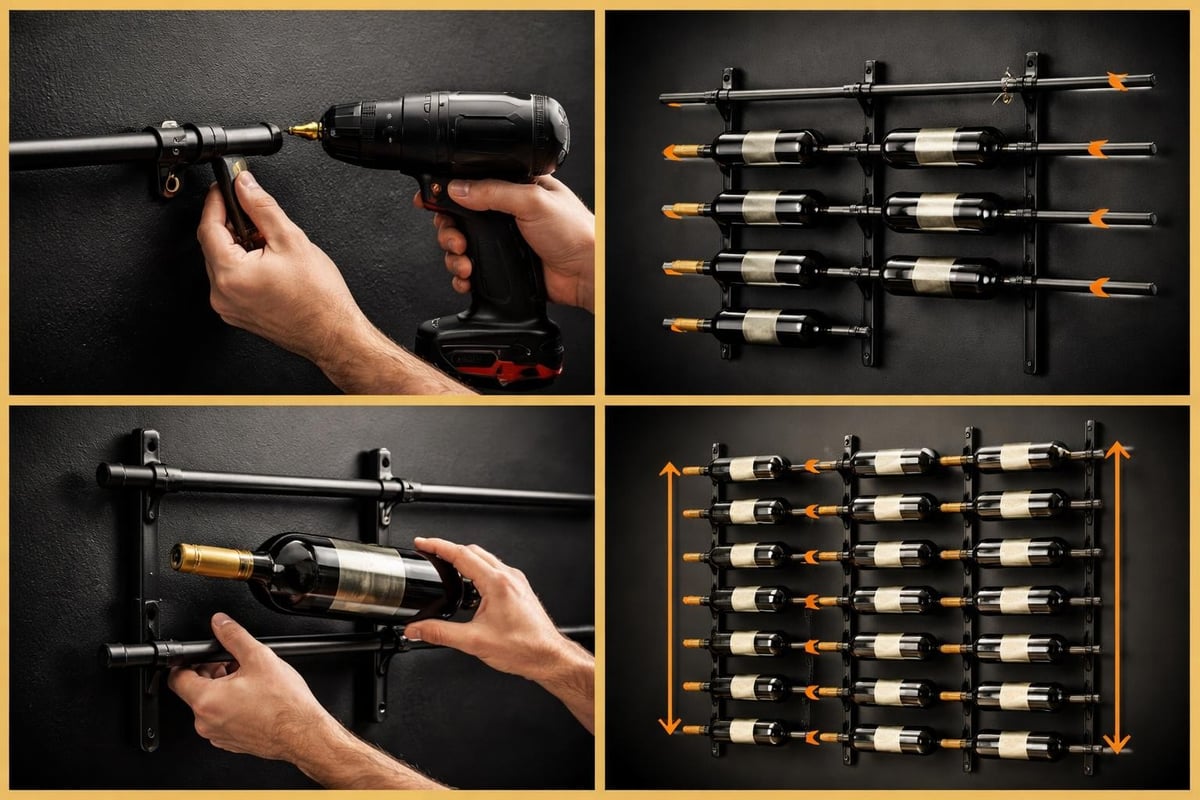
Unlike wooden racks that require individual slots or diamond bins, the vintage view wine rack uses continuous metal rods mounted to wall surfaces. Each rod supports a single row of bottles, with the neck of each bottle resting on the lower rod and the punt (bottom indentation) secured by the upper rod.
This configuration creates a floating appearance where bottles seem to hover against the wall. The engineering is deceptively simple but remarkably effective, distributing weight evenly across mounting points while maintaining accessibility.
Design Integration Across Architectural Styles
One of the most appealing aspects of this storage system is its versatility across different design aesthetics. The vintage view wine rack complements rather than dominates the surrounding architecture, making it suitable for both traditional and contemporary environments.
Modern and Contemporary Applications
In modern wine cellars, the clean lines and industrial materials of metal wine racks align perfectly with minimalist design principles. The system's low visual profile allows architectural features like glass walls, LED lighting, and stone accent walls to take center stage.
Consider these popular modern applications:
Floor-to-ceiling installations that maximize vertical space in compact urban environments
Backlit displays where LED strips positioned behind the rods create dramatic silhouettes
Monochromatic schemes using black or stainless finishes against white walls
Mixed material compositions combining metal racking with wood accents or metal mesh panels
The result is storage that feels more like a gallery installation than a conventional wine cellar. This approach has proven especially popular in compact urban wine cellars where space efficiency meets aesthetic ambition.
Traditional and Transitional Environments
The vintage view wine rack also integrates beautifully into traditional settings when thoughtfully specified. The key is balancing the contemporary nature of metal racking with warm materials and classical proportions.
Design Element | Traditional Approach | Result |
|---|---|---|
Finish Selection | Oil-rubbed bronze or antique brass rods | Softens industrial edge while maintaining functionality |
Material Pairing | Mounted against reclaimed wood walls or brick | Creates textural contrast and warmth |
Layout Pattern | Symmetrical arrangements with centered features | Honors classical design principles |
Accent Integration | Combined with wooden cabinetry or tasting tables | Blends old-world charm with modern efficiency |
This hybrid approach characterizes transitional wine cellars, where clients appreciate both innovation and tradition. The metal racking provides functional storage while wooden elements contribute character and warmth.
Capacity Planning and Space Optimization
Determining the right configuration for your vintage view wine rack installation requires careful analysis of available space, bottle count, and growth projections. Unlike fixed wooden units, metal racking systems offer remarkable flexibility in capacity planning.
Calculating Bottle Capacity
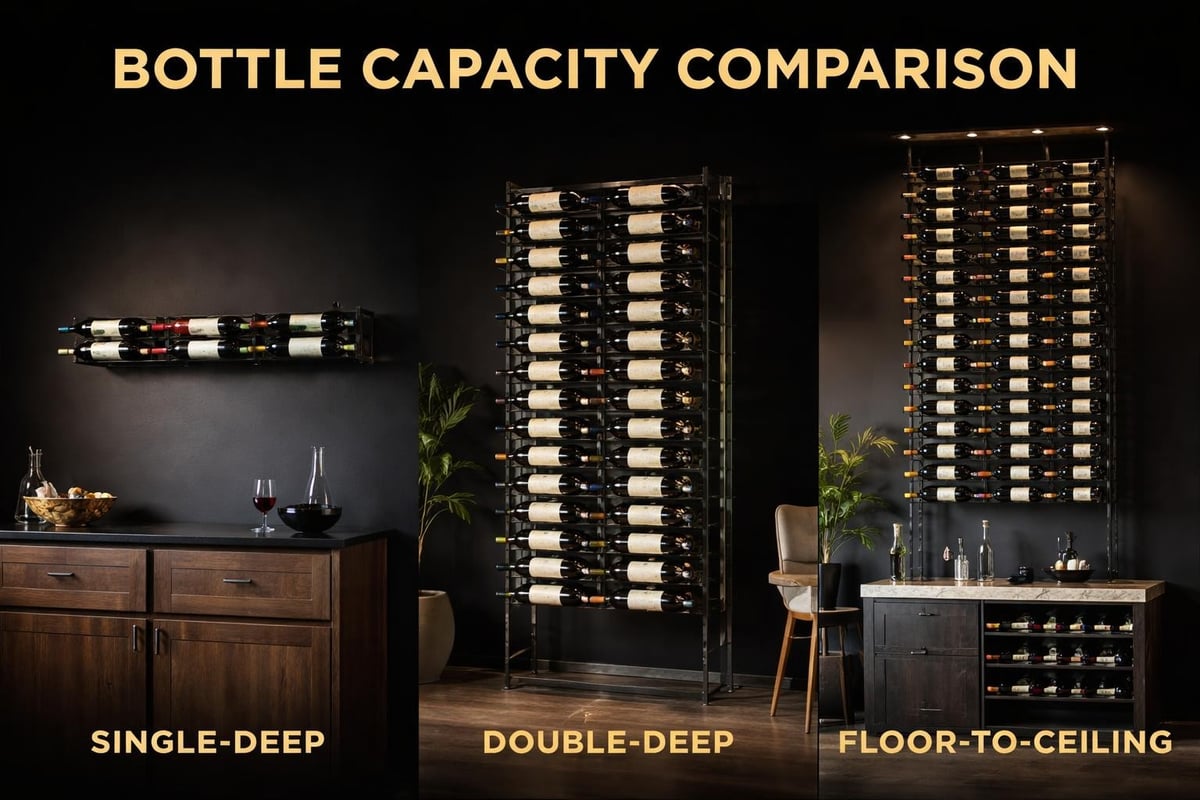
Standard configurations accommodate one bottle per 3 to 3.5 inches of horizontal rod length, depending on bottle diameter. A typical installation might include:
Single-deep rows: 9-12 bottles per linear foot
Double-deep configurations: 18-24 bottles per linear foot (with specialized mounting)
Vertical spacing: Rows positioned every 6-7 inches vertically
For a wall measuring 8 feet wide by 8 feet tall, you could potentially store 500-700 bottles using single-deep vintage view wine rack mounting. This density rivals traditional wooden racking while maintaining superior accessibility and visual appeal.
Growth and Flexibility Considerations
Smart cellar design anticipates collection expansion. Metal racking systems excel in this regard because adding capacity requires minimal structural modification.
Plan for growth by:
Installing wall backing that extends beyond initial rod placement
Specifying mounting systems that accommodate additional rows without reinstallation
Designing electrical infrastructure to support future lighting upgrades
Maintaining consistent ceiling height to preserve design continuity
The modular nature of the vintage view wine rack system means you can begin with 200 bottles and expand to 2,000 without compromising the original design aesthetic. This scalability proves especially valuable for clients new to serious collecting who anticipate their passion growing over time.
Installation Expertise and Structural Requirements
The apparent simplicity of metal wine racking can be deceiving. Professional installation requires understanding of structural engineering, weight distribution, and material compatibility that goes far beyond basic handyman skills.
Wall Preparation and Load-Bearing Analysis
A fully loaded vintage view wine rack places substantial weight on mounting surfaces. Each bottle averages 3 pounds, meaning a 500-bottle wall exerts approximately 1,500 pounds of lateral force. Proper installation demands:
Structural backing: Plywood or solid wood backing mounted to wall studs
Mounting hardware: Commercial-grade anchors rated for weight specifications
Load distribution: Calculations ensuring even weight spread across mounting points
Material compatibility: Fasteners appropriate for wall material (drywall, brick, concrete, stone)
Attempting DIY installation without structural expertise can result in catastrophic failure, potentially destroying valuable bottles and damaging property. The investment in professional installation through experienced firms like those providing turnkey wine cellar design-build services protects both your collection and your home.
Climate Control Integration
Metal conducts temperature and humidity differently than wood, creating unique considerations for climate control. The vintage view wine rack requires thoughtful integration with environmental systems to prevent condensation, ensure consistent temperatures, and protect cork integrity.
Professional installers coordinate with HVAC specialists to:
Position racking away from cooling unit direct discharge
Maintain adequate air circulation behind mounted bottles
Monitor humidity levels to prevent metal corrosion or label damage
Test temperature consistency across all storage zones
This integrated approach ensures your storage system enhances rather than compromises wine preservation. Understanding these technical requirements helps explain why exceptional custom wine cellar design commands investment beyond basic construction.
Aesthetic Customization and Finish Options
While the basic engineering of metal wine racking remains consistent, finish selections and detail specifications allow substantial aesthetic customization. The vintage view wine rack is available in multiple powder-coat colors and metal finishes that coordinate with broader design themes.
Finish Selection Guide
Finish Type | Aesthetic Impact | Best Applications | Maintenance Level |
|---|---|---|---|
Black Matte | Bold, contemporary contrast | Modern cellars with white walls or glass | Low - hides fingerprints |
Satin Black | Refined elegance with subtle sheen | Transitional spaces blending styles | Medium - shows dust more readily |
Brushed Nickel | Sophisticated neutrality | Contemporary and traditional environments | Medium - requires occasional polishing |
Chrome | High-polish luxury statement | Ultra-modern installations with dramatic lighting | High - shows every mark |
Bronze/Brass | Warm traditional appeal | Classic cellars with wood and stone | Medium - develops natural patina |
Selecting the right finish involves considering lighting conditions, surrounding materials, and maintenance preferences. Highly reflective finishes like chrome create dramatic effects under LED lighting but show every fingerprint. Matte finishes offer practical elegance that ages gracefully with minimal care.
Label Visibility and Lighting Design
The label-forward design of the vintage view wine rack creates opportunities for sophisticated lighting that traditional racking cannot accommodate. Strategic illumination transforms storage into showcase displays worthy of gallery spaces.
Effective lighting strategies include:
Recessed LED strips positioned above each rod, washing bottles with even downlight
Backlit panels creating silhouette effects that emphasize bottle shapes
Adjustable spotlights highlighting featured vintages or trophy bottles
Color-temperature selection (2700K-3000K) that flatters wine without excessive heat
Proper lighting not only enhances visual appeal but also facilitates bottle selection and inventory management. When you can read every label from across the room, choosing the perfect wine for dinner becomes effortless rather than exploratory.
Commercial Applications in Hospitality Environments
Beyond residential installations, the vintage view wine rack has revolutionized wine storage in restaurants, hotels, and private clubs. These commercial applications demand durability, accessibility, and visual impact that traditional racking often cannot deliver.
Restaurant Wine Wall Installations
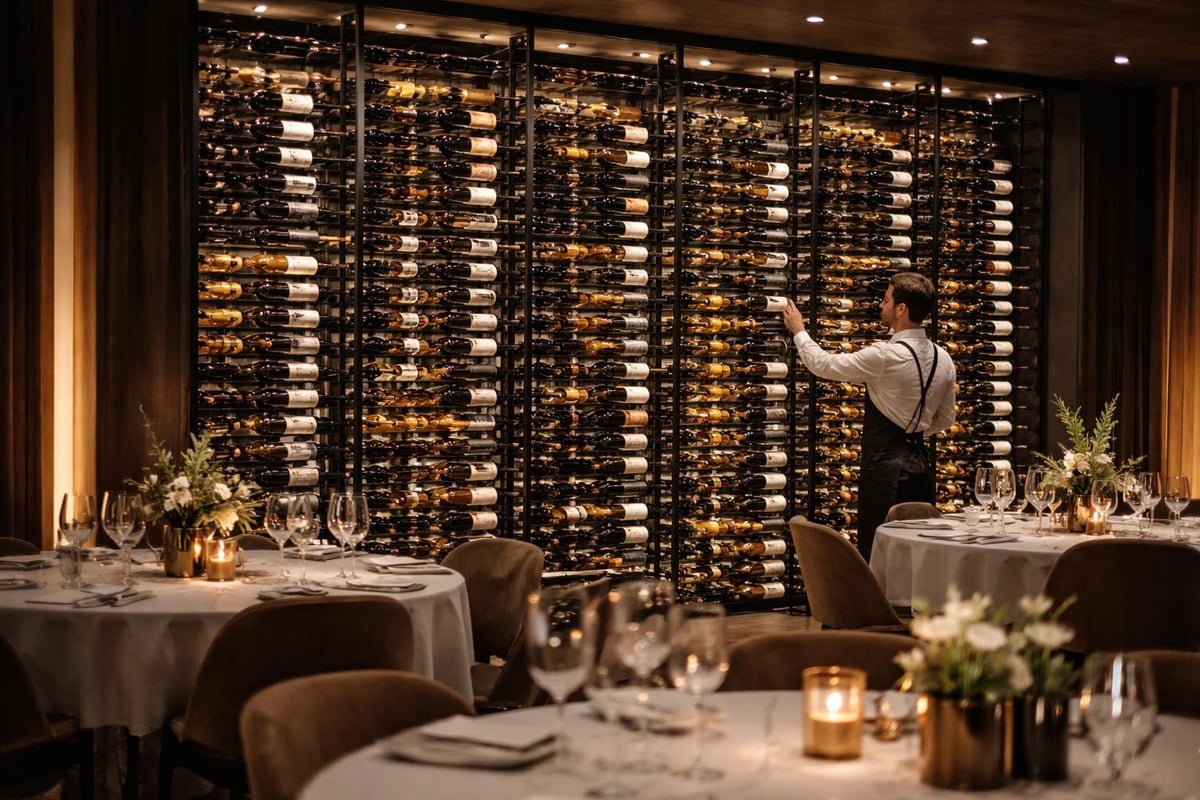
High-end steakhouses and fine dining establishments increasingly feature dramatic wine walls as architectural focal points. Floor-to-ceiling installations of metal racking create theater around wine service while maximizing limited storage footprints.
Commercial vintage view wine rack installations typically incorporate:
Security integration: Locking mechanisms or enclosed glass cabinets preventing unauthorized access
Inventory management: Organization systems grouping bottles by varietal, region, or price point
Service accessibility: Lower rows positioned for sommelier efficiency during peak service
Design drama: Backlit displays or feature walls visible from dining rooms
These installations serve dual purposes: functional storage supporting extensive wine programs and marketing tools that communicate sophistication to discerning guests. A well-executed wine wall becomes a signature design element that defines the restaurant's identity.
Hotel and Resort Implementation
Luxury hotels and resort properties have embraced metal wine racking for both public display spaces and private VIP wine rooms. The vintage view wine rack adapts perfectly to hospitality environments requiring visual impact combined with operational efficiency.
Successful hospitality installations share several characteristics:
High-traffic durability withstanding constant access and environmental variations
Foolproof organization allowing multiple staff members to locate bottles quickly
Brand-aligned aesthetics reinforcing the property's luxury positioning
Maintenance simplicity supporting long-term operational sustainability
Hotels often combine residential-style cellars for storage with showcase installations in restaurants or wine bars, creating layered wine experiences throughout the property. This approach has proven especially effective in Texas resort destinations where wine tourism intersects with hospitality excellence.
Maintenance and Long-Term Performance
Unlike wooden wine racks requiring periodic refinishing, climate-sensitive adjustments, and eventual replacement, metal racking systems deliver decades of maintenance-free performance when properly installed. The vintage view wine rack represents a long-term investment in storage infrastructure that appreciates rather than depreciates over time.
Routine Maintenance Requirements
Maintaining metal wine racking requires minimal effort compared to traditional materials:
Quarterly cleaning: Wipe rods with microfiber cloth to remove dust accumulation
Annual inspection: Check mounting hardware for any loosening or stress signs
Humidity monitoring: Ensure levels remain within 55-75% range preventing corrosion
Finish touch-ups: Address any scratches or chips in powder coating (rare but possible)
The durability of quality metal racking means that maintenance focuses primarily on the bottles and environment rather than the storage system itself. This reliability proves especially valuable in commercial wine cellar applications where operational continuity cannot be compromised.
Performance Across Climate Conditions
Texas wine cellars face unique environmental challenges, from extreme summer heat to occasional winter cold snaps. The vintage view wine rack performs consistently across these variations when integrated with properly engineered climate control systems.
Metal racking offers specific advantages in challenging climates:
Thermal stability: Metal doesn't expand, contract, or warp with temperature fluctuations
Humidity resistance: Powder-coated finishes resist corrosion and moisture damage
Structural integrity: Engineering-grade materials maintain strength indefinitely
Pest immunity: Zero vulnerability to insects that occasionally damage wooden racks
These characteristics explain why discerning collectors and commercial operators increasingly specify metal racking for serious wine storage applications. The system's reliability eliminates concerns about long-term structural integrity that sometimes plague wooden installations in extreme climates.
Investment Considerations and Value Proposition
Specifying the vintage view wine rack for your wine cellar represents a premium investment compared to budget alternatives. Understanding the cost structure and long-term value helps contextualize initial pricing within the broader framework of cellar development.
Cost Factors and Pricing Structure
Several variables influence the total investment in metal wine racking:
Material and finish specifications:
Standard powder-coat finishes vs. specialty metallics
Rod diameter options (standard vs. heavy-duty for larger bottles)
Hardware quality (residential-grade vs. commercial specifications)
Installation complexity:
Wall preparation requirements and structural backing
Accessibility challenges (high ceilings, tight spaces)
Integration with lighting, climate control, and security systems
Project scale:
Linear footage of racking installed
Bottle capacity and row density
Custom features or specialty configurations
While precise pricing varies by project scope and regional labor rates, expect professional vintage view wine rack installation to range from $15-40 per bottle of capacity when including all associated costs. This investment typically represents 20-30% of total cellar construction budgets for custom wine cellar projects.
Comparative Value Analysis
Evaluating the vintage view wine rack against alternatives requires looking beyond initial costs to lifetime value:
Storage System | Initial Cost | Lifespan | Maintenance | Resale Impact | Total Value |
|---|---|---|---|---|---|
Budget Wood Racks | Low | 10-15 years | Moderate | Neutral | Requires replacement |
Custom Millwork | High | 20-30 years | Low-Moderate | Positive | Style-dependent longevity |
Metal Racking | Moderate-High | 50+ years | Minimal | Strongly Positive | Exceptional long-term value |
Modular Kits | Very Low | 5-10 years | High | Negative | False economy |
The superior longevity and maintenance profile of metal racking systems means the per-year cost often undercuts seemingly less expensive alternatives. Factor in the enhanced home value associated with professional wine storage, and the investment case becomes compelling for serious collectors.
Design Trends Shaping Metal Wine Racking
As we move through 2026, several emerging trends are influencing how designers and collectors approach the vintage view wine rack in new cellar projects. Understanding these movements helps ensure your installation remains timeless rather than dated.
Mixed Material Compositions
The most sophisticated contemporary cellars blend metal racking with complementary materials rather than relying on single-material installations. Popular combinations include:
Metal rods against reclaimed wood walls or barn board cladding
Integration with stone or brick accent walls for textural contrast
Glass enclosures featuring metal racking visible from adjacent living spaces
Metal and wood hybrid systems mixing display and bulk storage
This layered approach creates visual richness while maintaining the practical advantages of label-forward storage. Projects that thoughtfully combine the vintage view wine rack with quality wine cellar materials achieve a refined elegance that single-material cellars cannot match.
Technology Integration
Modern wine cellars increasingly incorporate technology that transforms static storage into interactive experiences. Metal racking accommodates these integrations more readily than traditional systems:
Inventory management: Apps tracking bottle locations on specific rods and positions
LED highlighting: Programmable lighting that illuminates recommended bottles for tonight's menu
Climate monitoring: Sensors embedded in wall backing tracking temperature and humidity
Security systems: Cameras and access controls protecting high-value collections
The clean lines and minimal visual presence of the vintage view wine rack provide an ideal backdrop for technology that might overwhelm more ornate storage systems. This compatibility positions metal racking as the foundation for truly intelligent wine storage environments.
Sustainability and Lifecycle Considerations
Environmentally conscious homeowners increasingly evaluate building materials through sustainability lenses. Metal wine racking scores well on several critical factors:
Longevity: 50+ year lifespan reduces replacement cycles and associated waste
Recyclability: Steel and aluminum components are 100% recyclable at end of life
Local manufacturing: Many systems produced domestically, reducing transportation impacts
Low maintenance: Minimal cleaning products and no chemical treatments required
For clients pursuing LEED certification or simply committed to responsible building practices, the vintage view wine rack aligns with sustainability goals while delivering uncompromised performance. This confluence of practical and environmental benefits explains the system's growing specification in luxury green building projects across Texas and beyond.
The vintage view wine rack has fundamentally transformed how we think about wine storage, elevating functional necessity into architectural statement. By combining engineering precision with visual elegance, this system serves collectors who refuse to compromise between preservation and presentation. Whether you're planning an intimate residential cellar or a dramatic commercial installation, the expertise of Prestige Wine Cellars ensures your vision becomes reality through thoughtful design, meticulous engineering, and flawless execution that honors both your collection and your space.
Your Dream Wine Cellar Starts Here
Let our design team craft a cellar that matches your taste, space, and your collection — built for beauty, function, and prestige.

Email us at
Visit our office