
Millesime Modern Cellars: Luxury Wine Storage Redefined
Discover millesime modern cellars that blend artistry with precision engineering. Expert insights on design, materials, and features for 2026.
The evolution of wine storage has reached new heights with millesime modern cellars, where cutting-edge design meets centuries-old preservation principles. These sophisticated spaces represent more than just storage solutions; they're architectural statements that celebrate your collection while ensuring every bottle ages perfectly. Whether you're a seasoned collector planning an estate renovation or a restaurateur seeking to showcase your wine program, understanding the nuances of contemporary cellar design can transform how you experience and present fine wine.
Understanding Millesime Modern Cellars
Millesime, derived from the French term for vintage, represents excellence in winemaking. When applied to modern cellars, it signifies a space designed to honor exceptional vintages through thoughtful architecture and engineering.
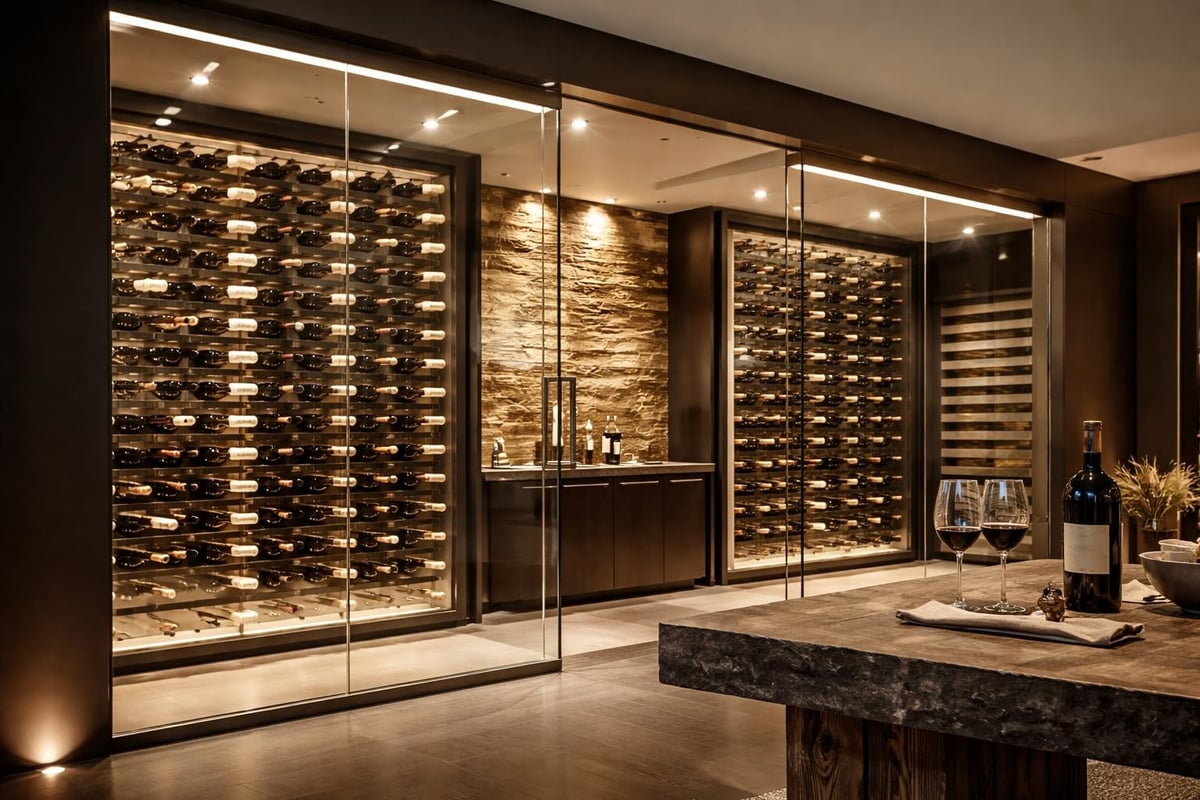
These cellars depart from traditional underground vaults. Instead, they embrace transparency, incorporating glass walls and LED illumination that turn wine collections into living art installations. The modern wine cellar aesthetic prioritizes clean lines, minimalist racking systems, and materials like brushed metal, acrylic, and structural glass.
Key Characteristics That Define the Style
Millesime modern cellars share several distinguishing features:
Transparent enclosures that showcase bottles as design elements
Minimalist metal racking in finishes like bronze, gunmetal, or polished chrome
Integrated LED lighting with customizable color temperatures
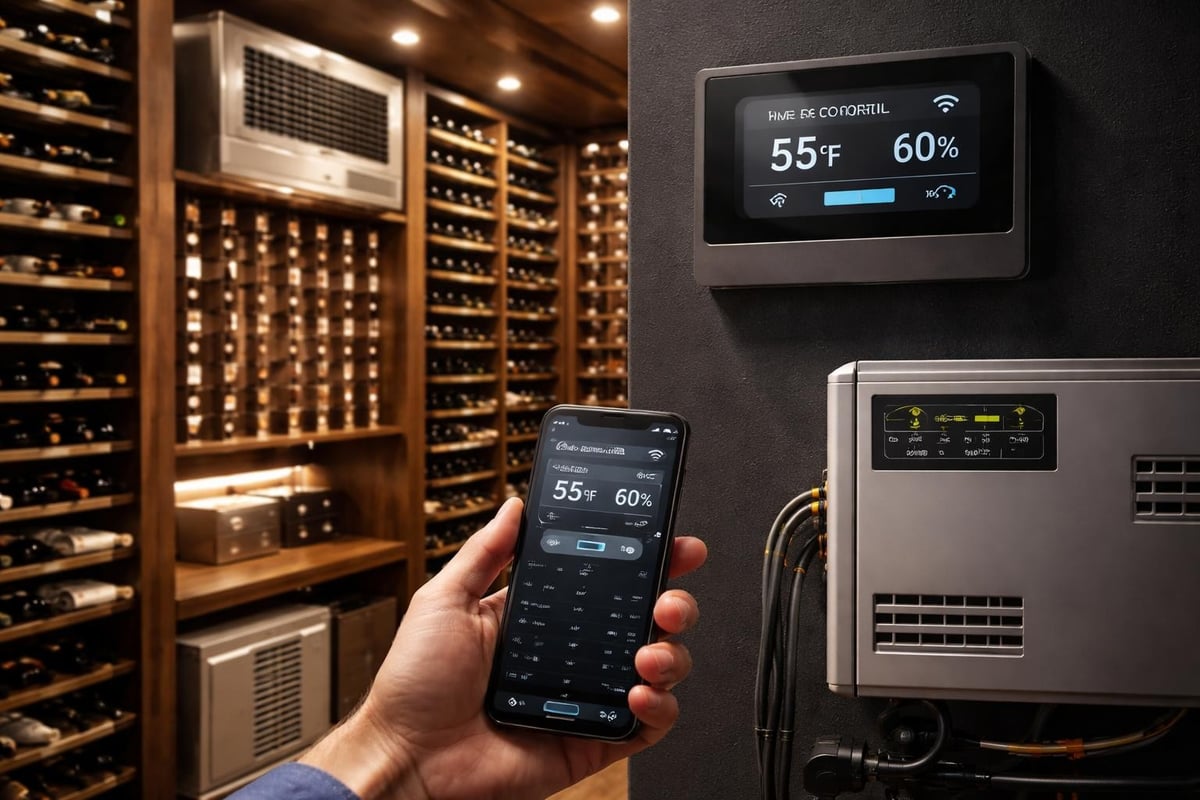
Climate-controlled precision maintaining 55-58°F and 60-70% humidity
Architectural integration treating wine storage as functional sculpture
The design philosophy centers on visibility and accessibility. Rather than hiding bottles behind closed doors, these cellars celebrate them as collectible art worthy of display.
Materials and Construction Excellence
Selecting appropriate materials determines both aesthetics and longevity. Millesime modern cellars demand components that perform flawlessly while maintaining visual sophistication.
Material | Primary Use | Aesthetic Benefit | Performance Feature |
|---|---|---|---|
Tempered Glass | Walls, doors | Crystal clarity, openness | UV protection, thermal efficiency |
Powder-Coated Metal | Racking systems | Sleek modern lines | Durability, corrosion resistance |
Acrylic Panels | Shelving, dividers | Lightweight transparency | Shatter resistance |
LED Strips | Illumination | Customizable ambiance | Energy efficiency, minimal heat |
Stone/Concrete | Flooring, accents | Industrial elegance | Temperature stability |
Glass selection particularly matters. Standard glass allows harmful UV penetration, while specialized coatings filter damaging wavelengths. Many custom wine cellar designs incorporate low-E glass that maintains transparency while providing insulation.
Racking Systems for Modern Aesthetics
Traditional wooden racks have given way to innovative alternatives. Metal wine walls, popularized by companies creating pin-style mounting systems, allow individual bottles to float against backlit panels. This creates dramatic visual impact while maintaining proper bottle orientation.
For those comparing approaches, examining modern versus traditional wine cellar designs reveals how material choices fundamentally alter the cellar experience. Modern systems prioritize individual bottle presentation and easy inventory management over the warm, enclosed feel of wood-heavy traditional spaces.
The wine cellar materials selection process should balance visual goals with practical considerations like maintenance requirements and long-term durability.
Climate Control and Engineering Precision
Beautiful design means nothing without proper environmental control. Millesime modern cellars require sophisticated systems that maintain perfect conditions 24/7/365.
Temperature stability is non-negotiable. Fluctuations cause wine to expand and contract, potentially compromising corks and accelerating oxidation. Modern cooling units maintain temperatures within one degree of setpoint, far exceeding basic refrigeration capabilities.
Humidity Management Systems
Proper humidity prevents cork drying while avoiding mold growth. Achieving this balance requires:
Dedicated humidification units that add moisture during dry seasons
Dehumidification systems removing excess moisture in humid climates
Constant monitoring via digital hygrometers with alert capabilities
Proper sealing of the cellar envelope to minimize external air exchange
Texas climate conditions present unique challenges. Summer humidity in Houston or Dallas can overwhelm inadequate systems, while winter heating cycles dry interior air. Turnkey design-build services account for regional climate factors from initial planning through installation.
Smart Climate Technology
Contemporary millesime modern cellars incorporate intelligent systems that adjust automatically based on sensor readings. These units connect to smartphone apps, alerting owners to temperature deviations before damage occurs.
Advanced features include:
Zone-specific temperature control for different wine types
Vibration dampening to prevent sediment disturbance
Backup power integration for uninterrupted operation
Annual energy consumption under 500 kWh for eco-conscious collectors
When evaluating whether a wine cellar adds value to your home, climate system quality often determines long-term return on investment.
Design Trends Shaping 2026
This year brings fresh interpretations of millesime modern cellars as designers push boundaries between architecture and wine storage.
Minimalist aesthetics continue dominating, but with warmer undertones. Designers now combine sleek metal with natural stone accents or reclaimed wood details, creating transitional spaces that feel less stark. This evolution addresses criticism that purely modern cellars can feel cold or clinical.
Popular Design Directions
The current wine cellar design trends emphasize several key themes:
Integrated architectural elements treating cellars as room features rather than separate spaces
Multi-functional designs combining wine storage with tasting areas or entertaining zones
Sustainable materials including reclaimed metals and responsibly-sourced components
Dramatic lighting using color-changing LEDs for customizable ambiance
Compact efficiency maximizing bottle capacity in smaller footprints
Glass-enclosed showpiece cellars remain particularly popular for open-concept homes. These installations, often positioned beneath staircases or as room dividers, become focal points visible from multiple angles. The glass-enclosed showpiece approach works beautifully in contemporary architecture where sight lines extend throughout living spaces.
Commercial Applications
Restaurants and hotels increasingly embrace millesime modern cellars as experiential design elements. A properly designed wine display builds anticipation, communicates quality, and creates photo-worthy moments that generate social media engagement.
The Cambria Waco Hotel wine cellar exemplifies how commercial installations balance visibility with security, using frameless glass and discrete locks that maintain aesthetics while protecting valuable inventory.
Planning Your Millesime Modern Cellar
Successful projects begin with thorough planning that addresses spatial, mechanical, and aesthetic considerations.
Space Assessment and Location Selection
Begin by evaluating potential locations within your home or commercial property. Ideal spots share certain characteristics:
Climate stability with minimal temperature fluctuations
Accessibility allowing convenient bottle selection and restocking
Visibility if display is a priority for your design
Structural support for glass panels and loaded wine racks
Mechanical access for cooling equipment installation and maintenance
Below-grade locations offer natural temperature advantages but may require additional waterproofing. Ground-floor or upper-level installations need more robust climate control but provide greater design flexibility.
When relocating wine collections during home renovations, working with professional moving services experienced in handling fragile, valuable items ensures bottles travel safely. Proper packing prevents agitation and temperature exposure that can affect wine quality.
Design Development Process
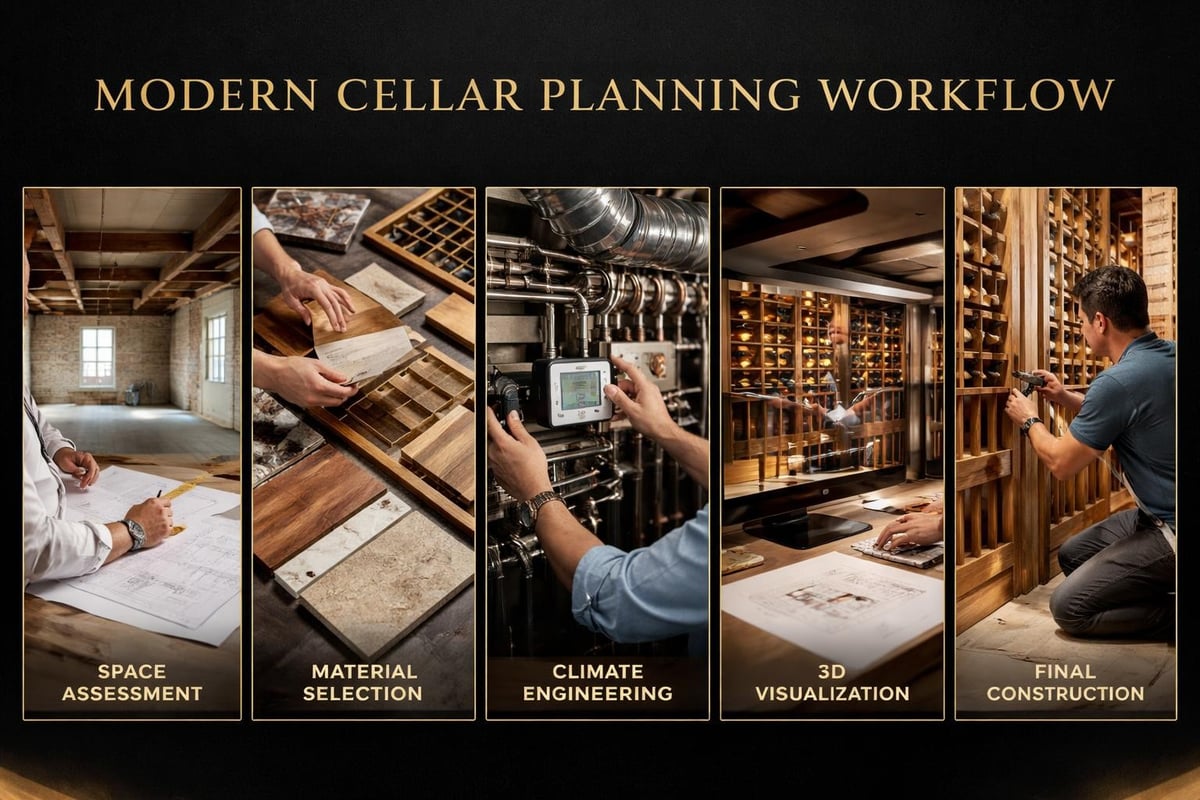
Professional cellar design follows a structured workflow:
Initial consultation defining storage needs, aesthetic preferences, and budget parameters
Space planning determining optimal racking configurations and capacity
Material selection choosing finishes, glass types, and hardware
Climate engineering calculating cooling requirements and system specifications
Lighting design planning LED placement for both illumination and visual drama
3D visualization reviewing photorealistic renderings before construction
This methodical approach, central to comprehensive wine cellar services, ensures the finished cellar meets both functional requirements and design aspirations.
Design Phase | Duration | Key Deliverables | Owner Decisions Required |
|---|---|---|---|
Consultation | 1-2 weeks | Needs assessment, preliminary concepts | Style preferences, capacity targets |
Design Development | 2-4 weeks | Detailed plans, material boards | Final material selections |
Engineering | 1-2 weeks | Climate calculations, electrical plans | Equipment choices |
Visualization | 1 week | 3D renderings, virtual tours | Final design approval |
Permitting | 2-6 weeks | Building permits, HOA approvals | Document signing |
Budget Considerations
Millesime modern cellars represent significant investments, with costs varying based on size, finishes, and complexity.
Entry-level modern cellars (150-300 bottles) typically range from $15,000-$35,000, incorporating basic metal racking, tempered glass walls, and reliable climate control. Mid-range installations (300-800 bottles) run $35,000-$85,000, featuring custom racking, low-E glass, premium finishes, and sophisticated lighting. High-end collections (800+ bottles) often exceed $100,000, incorporating architectural glass features, museum-quality climate systems, and bespoke design elements.
Smart planning maximizes value. For instance, understanding what genius features modern wine storage can offer helps determine which technologies justify their cost premiums.
Lighting Design for Maximum Impact
Lighting transforms millesime modern cellars from storage rooms into captivating spaces. Thoughtful illumination enhances aesthetics while respecting wine preservation requirements.
LED technology dominates contemporary installations. These systems produce minimal heat, consume little energy, and offer unprecedented control over color temperature and intensity.
Layered Lighting Strategies
Professional designers employ multiple lighting types:
Ambient lighting providing overall visibility throughout the space
Accent lighting highlighting special bottles or architectural features
Backlighting creating dramatic silhouettes behind bottles on glass shelves
Label illumination allowing easy identification without excessive brightness
Architectural lighting emphasizing ceiling details or stone features
Color temperature selection affects atmosphere significantly. Warm white (2700-3000K) creates intimate, inviting ambiance suitable for tasting areas. Cool white (4000-5000K) produces crisp, modern aesthetics that emphasize clean lines and metal finishes.
Programmable systems allow scene creation for different occasions. Daily settings might provide subtle accent lighting, while entertaining mode activates full illumination for dramatic impact.
UV Protection Considerations
While LED lights emit minimal UV radiation compared to incandescent or fluorescent options, bottles still benefit from protective measures. Amber or UV-filtering glass panels, combined with appropriate LED color temperatures, ensure long-term wine stability.
The concept of wine as architecture emphasizes how proper lighting elevates collections to art installations worthy of architectural consideration.
Installation and Construction Excellence
Transitioning from approved designs to finished cellars requires skilled execution across multiple trades.
Professional installation ensures millesime modern cellars function flawlessly for decades. This typically involves general contractors, climate technicians, electricians, glass specialists, and finish carpenters working in coordinated sequence.
Construction Timeline and Phases
Standard installation for a 500-bottle modern cellar proceeds through defined stages:
Preparation (3-5 days): Framing, electrical rough-in, insulation installation
Climate system (2-3 days): Cooling unit mounting, ductwork, condensate drainage
Structural glass (1-2 days): Wall panel installation, door hanging, sealing
Racking installation (2-4 days): Metal system assembly, anchoring, alignment
Lighting integration (1-2 days): LED installation, programming, testing
Finishing touches (1-2 days): Final adjustments, cleaning, commissioning
Quality control checkpoints at each phase prevent costly revisions. Glass panels require particularly careful handling, as fractures necessitate complete replacement.
For residential renovations, coordinating cellar construction with other home improvements streamlines logistics. If you're undertaking major renovations that require temporary relocation, proper planning with interstate moving specialists ensures your wine collection remains protected during construction.
Door Selection and Hardware
Entry doors make powerful first impressions while maintaining environmental integrity. Options include:
Frameless glass doors with hydraulic hinges for seamless aesthetics
Pivot doors creating dramatic entry while improving seal quality
Sliding systems maximizing space efficiency in compact locations
Barn-style doors using modern hardware for transitional designs
For those considering barn door aesthetics, specialized barn door hardware offers contemporary track systems that complement modern cellar design while providing smooth, reliable operation.
Integration with Home Design
Millesime modern cellars work best when thoughtfully integrated with surrounding architecture rather than treated as isolated features.
Open-plan homes benefit enormously from visible wine displays. Strategic placement creates natural conversation pieces while delineating spaces without solid walls. Common integration points include:
Beneath floating staircases as illuminated art installations
As transparent room dividers between dining and living areas
Within kitchen islands as functional yet beautiful storage
Along hallways as linear galleries showcasing prized bottles
In home theaters or entertainment spaces for convenient access
The portfolio of modern wine wall renovations demonstrates how skilled designers incorporate cellars into existing architecture seamlessly.
Regional Considerations for Texas Properties
Texas properties present unique opportunities and challenges for millesime modern cellars. The state's diverse architectural styles, from Hill Country contemporary to Houston modern, accommodate various cellar expressions.
Climate variations across Texas require tailored approaches. Custom wine cellars in Houston combat extreme humidity and heat, demanding robust dehumidification. Dallas installations address temperature swings between seasons. Properties in West University Place or Highland Park often feature compact urban designs maximizing limited square footage.
Architectural styles influence material selection. Modern ranch estates might incorporate weathered steel and raw concrete alongside glass panels, while sleek urban condos lean toward polished chrome and pristine white finishes.
Maintenance and Long-Term Care
Preserving your investment requires ongoing attention to mechanical systems and physical components.
Regular Maintenance Schedule
Establish routine service intervals:
Monthly checks should include:
Temperature and humidity verification against setpoints
Visual inspection for condensation or frost buildup
LED functionality testing for any burned-out strips
Door seal inspection ensuring tight closure
Quarterly service adds:
Climate system filter replacement or cleaning
Cooling coil inspection and cleaning if needed
Drain line flushing preventing algae growth
Bottle inventory and rotation for active collections
Annual professional maintenance provides comprehensive system evaluation. Technicians measure refrigerant levels, test electrical connections, calibrate sensors, and identify potential issues before failures occur. The importance of ongoing wine cellar maintenance cannot be overstated for protecting valuable collections.
Common Issues and Solutions
Problem | Likely Cause | Solution |
|---|---|---|
Temperature fluctuation | Failing compressor, refrigerant leak | Professional system repair or replacement |
Excessive humidity | Inadequate dehumidification capacity | Upgrade to larger unit or add supplemental system |
Fogging glass | Temperature differential, poor sealing | Improve insulation, adjust climate setpoints |
LED failure | Component wear, moisture exposure | Replace affected strips, improve ventilation |
Door seal gaps | Hinge adjustment needed, worn gaskets | Re-align door, replace weatherstripping |
Preventive maintenance costs a fraction of emergency repairs or collection losses from climate failures. Budget approximately $400-$800 annually for professional service on residential cellars.
Maximizing Your Collection Display
Beyond preservation, millesime modern cellars offer unparalleled opportunities for showcasing exceptional bottles.
Organizational strategies enhance both function and aesthetics. Consider arranging by:
Region creating geographic zones (Bordeaux, Burgundy, Napa, etc.)
Varietal grouping Cabernet, Pinot Noir, Chardonnay together
Vintage organizing chronologically for easy cellar book reference
Readiness separating bottles for immediate enjoyment from long-term aging
Aesthetic impact positioning special bottles in prime viewing locations
Label-forward racking allows logo display rather than hiding bottles neck-first. This approach, particularly effective with LED backlighting, turns your collection into a constantly changing art installation as bottles are consumed and replaced.
Inventory Management Systems
Modern technology simplifies collection tracking. Digital cellar management apps allow you to:
Photograph labels during entry for visual inventory
Record purchase details, costs, and drinking windows
Track bottle locations within your cellar layout
Generate reports on collection value and composition
Receive notifications when bottles reach optimal maturity
Integration with smart home systems creates seamless experiences. Voice commands check inventory levels, lighting scenes adjust for different occasions, and climate monitoring appears on centralized control panels.
Commercial Millesime Modern Cellars
Restaurants, hotels, and private clubs leverage millesime modern cellars as marketing tools and revenue generators.
Restaurant wine programs benefit from visible storage that communicates sophistication to diners. Glass-walled cellars visible from dining rooms create theater around wine service, justifying premium pricing and building trust in wine list quality.
Successful commercial installations share these characteristics:
Strategic visibility ensuring maximum guest exposure without service disruption
Security features including discrete locks and monitored access
Service efficiency allowing staff quick bottle retrieval during peak hours
Dramatic lighting creating memorable visual experiences
Capacity planning accommodating inventory rotation and special event needs
The Woodlands Transitional Wine Cellar demonstrates how upscale commercial properties balance aesthetics with operational requirements.
Return on Investment Considerations
Determining whether wine storage investments make financial sense depends on individual circumstances, but commercial installations often justify costs through increased wine sales and enhanced brand positioning.
Fine dining establishments report wine revenue increases of 20-40% after installing prominent display cellars. The visual impact encourages exploration beyond house selections, while sommelier interactions near the cellar create upselling opportunities.
Hotels position wine programs as luxury amenities, using cellars to differentiate property experiences and support premium room rates. Some properties offer cellar tours or private tasting experiences as exclusive guest services.
Millesime modern cellars represent the pinnacle of contemporary wine storage, blending engineering precision with architectural beauty to create spaces that honor your collection while elevating your home or commercial property. Whether you're planning an intimate residential installation or a dramatic restaurant display, thoughtful attention to design, materials, and climate systems ensures your cellar performs flawlessly for decades. The experts at Prestige Wine Cellars bring two decades of experience to every project, transforming your vision into a timeless reality that protects your investment and showcases your passion for fine wine.
Your Dream Wine Cellar Starts Here
Let our design team craft a cellar that matches your taste, space, and your collection — built for beauty, function, and prestige.

Email us at
Serving Austin, Dallas–Fort Worth, Houston & San Antonio