
Wine Closets Research Guide
Discover expert insights on wine closets for 2026 including trends, design tips, and step by step guidance to create elegant storage that preserves and showcases your collection.
Wine closets are quickly becoming the centerpiece of luxury living, capturing the imagination of homeowners and collectors alike in 2026. This rising trend transforms wine storage from a hidden necessity into a stunning design statement, merging function with sophisticated style.
Innovative solutions are making wine closets more accessible and impressive than ever. Smart climate control, elegant racking, and modern display options allow you to preserve and showcase your collection with confidence.
Expertly designed wine closets protect your investment and elevate your home’s ambiance. In this comprehensive guide, you’ll discover expert tips, the latest trends, and step-by-step advice for creating your own showstopping wine closet.
Understanding Wine Closets: Trends and Essentials for 2026
Wine closets are quickly redefining luxury living, offering both style and function for modern homes. Whether you are a casual enthusiast or a dedicated collector, understanding how wine closets differ from traditional options, what trends are shaping 2026, and why proper storage matters is essential for anyone considering this investment.
What Is a Wine Closet? Definitions & Core Concepts
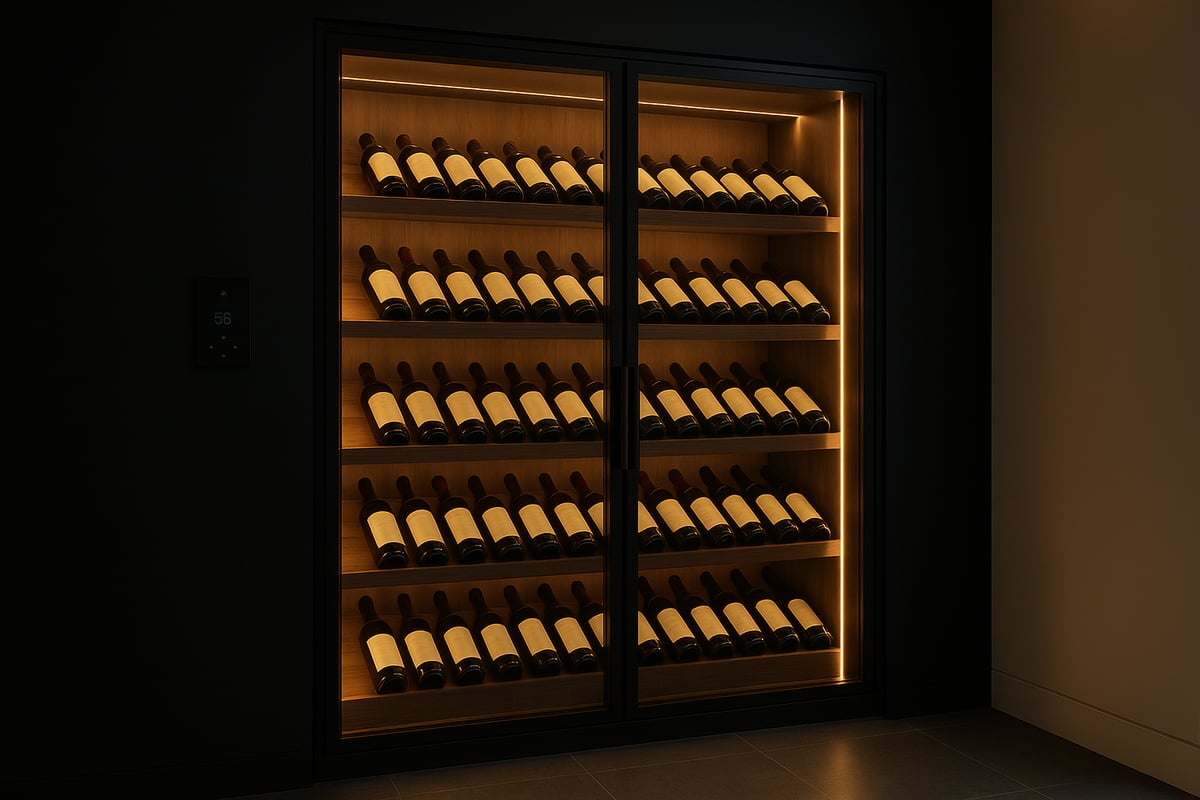
Wine closets are specialized storage spaces designed to house wine collections in a controlled environment, typically within a compact footprint. Unlike sprawling wine cellars, which often require dedicated rooms or basements, wine closets can fit seamlessly into urban homes, condos, or unused nooks. This makes wine closets a practical solution for city dwellers who want to maximize space without sacrificing luxury.
The core elements of wine closets include custom or modular racking, precise climate control, ambient and UV-protective lighting, and integrated security features. These essentials ensure your bottles are both accessible and protected. For those seeking inspiration, Wine cellar design essentials offers foundational principles that translate beautifully to wine closets.
Modern installations often feature sleek materials and smart layouts. Some luxury homes incorporate wine closets into kitchens, hallways, or even under staircases. This flexibility allows wine closets to blend with existing décor while providing a stunning showcase for prized bottles.
Wine Closet vs. Wine Cellar vs. Wine Room
Wine Closet: Compact, often built into existing spaces.
Wine Cellar: Larger, typically basement-level, for extensive collections.
Wine Room: Spacious, dedicated room, often for entertaining as well as storage.
With the right planning, wine closets become an elegant focal point as well as a functional necessity.
Emerging Design Trends and Innovations
In 2026, wine closets are embracing trends that combine sophistication with smart technology. Glass walls and minimalist lines are dominating new designs, creating a sense of openness and visual intrigue. Many homeowners opt for frameless glass enclosures that allow the collection itself to take center stage.
Sustainability is also at the forefront. Designers are incorporating eco-friendly materials like reclaimed wood, recycled metal, and energy-efficient LED lighting. High-tech materials are making wine closets more durable and easier to maintain.
Smart home integration is transforming wine closets into interactive experiences. App-controlled systems let you monitor temperature and humidity from your phone. Some closets even feature digital inventory systems, allowing you to track your collection with ease.
Here’s a quick look at popular finishes and color palettes for 2026:
Finish Type | Color Palette | Features |
|---|---|---|
Matte Black | Gold, Deep Charcoal | Modern, dramatic, easy to clean |
Natural Wood | Walnut, Oak, Birch | Warm, classic, sustainable |
Brushed Metal | Silver, Champagne | Industrial chic, high durability |
Glass Accents | Clear, Frosted, Tinted | Maximizes display, sleek aesthetic |
These trends ensure wine closets not only protect your investment but elevate your home’s design.
The Value of Proper Wine Storage
The importance of proper storage in wine closets cannot be overstated. Studies show that up to 20% of collectible wines lose value and taste due to poor storage. Wine closets maintain optimal conditions, typically 55°F and 60-70% humidity, which are critical for preserving both flavor and label integrity.
Investment in wine has surged in recent years, with global wine assets growing steadily. As collections increase, the need for secure, climate-controlled wine closets becomes more apparent. Homeowners who have neglected climate control often report cork shrinkage, label damage, and even total spoilage—costly mistakes that are easily avoided with the right setup.
A well-designed wine closet protects your collection, ensures every bottle is ready to enjoy, and adds lasting value to your home.
Planning Your Wine Closet: Key Considerations and Steps
Designing wine closets is a journey that blends function with sophistication. Whether you are starting with an empty nook or looking to upgrade, careful planning ensures your investment pays off in both style and preservation. Let’s walk through the key considerations every discerning collector should weigh before building the wine closet of their dreams.
Assessing Your Space and Collection
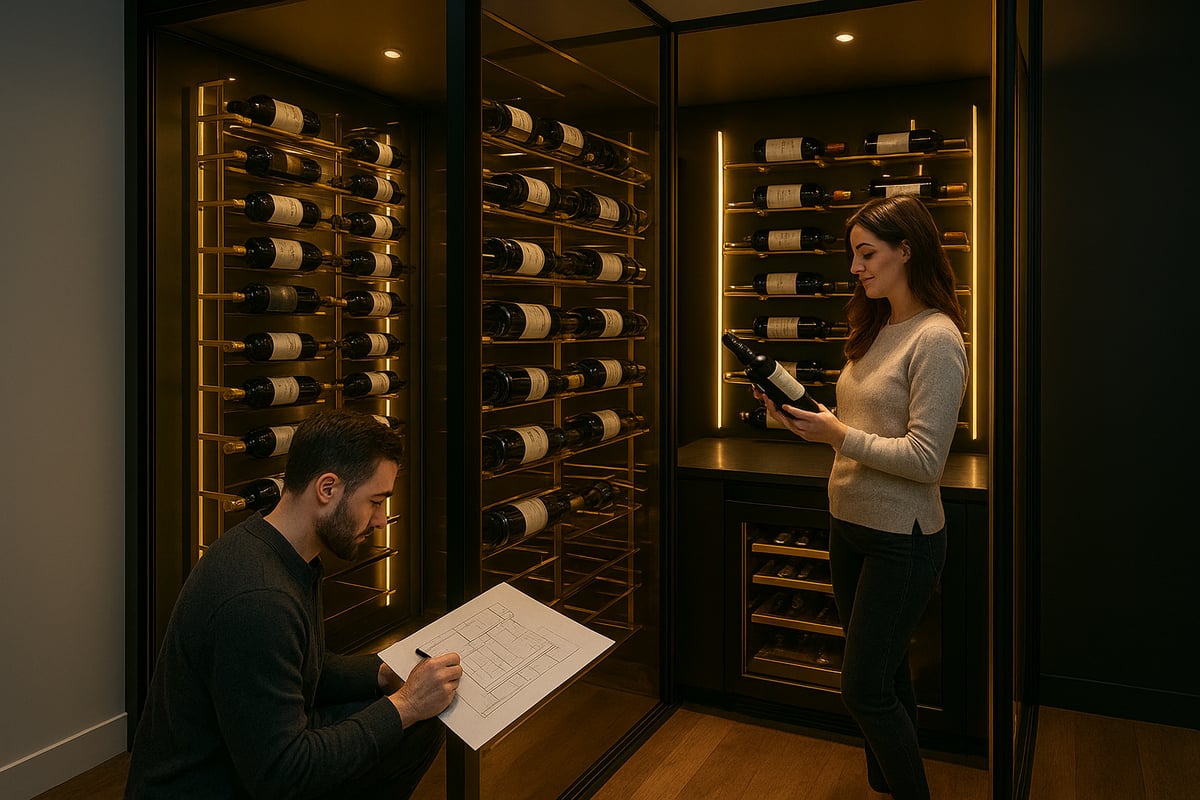
Start by evaluating where your wine closet will live. Measure the available area carefully—most wine closets require as little as 24 inches in depth and 36 inches in width to store a modest collection. Even in urban homes or condos, clever placement under stairs or in hallways can transform unused corners into stunning showcases.
Think about your current and future collection size. Will your wine closets need to accommodate 50 bottles, or is your ambition closer to 300? Accessibility is crucial, so choose a location near your kitchen or entertaining space for convenience.
For inspiration, see how others maximize small spaces in small-space wine storage ideas. Many homeowners have converted linen closets or pantries into wine closets with dramatic results. By tailoring your design to your collection and space, you set the stage for a functional and beautiful wine display.
Budgeting and Cost Factors
Budgeting for wine closets is about more than just racks and bottles. Factor in materials, climate control, lighting, and installation. A basic DIY wine closet may start around $2,000 to $5,000, while custom-built options with luxury finishes and advanced systems can exceed $15,000.
Here’s a quick comparison:
Feature | DIY Wine Closets | Custom Wine Closets |
|---|---|---|
Cost Range | $2,000-$5,000 | $8,000-$20,000+ |
Climate System | Basic | Advanced |
Materials | Standard | Premium |
Installation | Self | Professional |
Consider the long-term value. Professionally designed wine closets can add significant resale appeal to luxury homes. Financing options are available through some specialty contractors, making it easier to spread out costs. Remember to include annual maintenance, typically $200-$500, for climate equipment and upkeep. Wise budgeting ensures your wine closets remain an asset, not a liability.
Design and Aesthetic Choices
A well-designed wine closet is as much a showpiece as it is storage. Choose between custom or modular racking systems. Custom racks offer tailored elegance, while modular options can be more budget-friendly and flexible.
Display styles set the mood: label-forward racks put your favorite bottles on display, cork-forward racks maximize capacity, and mixed displays let you combine both. Lighting is another key ingredient. Opt for LED strips or spotlights, and consider UV-protective glass to shield your investment.
Showcasing rare bottles with accent lighting or creating a tasting nook will elevate the visual impact of your wine closets. With thoughtful design, your wine closet becomes a conversation starter and a reflection of your personal taste.
Climate Control and Insulation
Preserving your collection’s value depends on stable climate. The right cooling system—ducted, ductless, or split—keeps wine closets at the ideal 55°F. Insulate walls, doors, and glass to prevent temperature swings. Vapor barriers are essential to block moisture, while humidifiers maintain the sweet spot of 60-70% humidity.
Choose energy-efficient systems for sustainability and lower utility costs. Monitor conditions with smart sensors so your wine closets maintain optimal storage year-round. Investing in proper climate control protects every bottle, ensuring your collection matures gracefully.
Building and Installing Your Wine Closet: Step-by-Step Guide
Dreaming of a luxurious wine closet that blends style with function? Whether you are a collector or just starting out, building wine closets requires a blend of planning, craftsmanship, and a vision for showcasing your bottles. Let’s walk through each step, ensuring your wine closets deliver both beauty and performance.
Step 1: Design and Layout Planning
Start by sketching your ideal layout. Map out the dimensions, taking into account the number of bottles you plan to store. For most wine closets, maximizing every inch matters, especially in urban homes.
Choose materials that reflect your style: rich wood, brushed metal, or a combination for a contemporary vibe. Include shelving for accessories and glassware, making sure everything has its place.
Think about bottle orientation. Do you prefer label-forward displays for showcasing prized vintages, or classic cork-forward storage for efficient stacking? Each choice influences the visual impact of your wine closets.
Step 2: Preparing the Space
Next, prepare your chosen space. Clear out existing shelves, and if needed, remove drywall to expose the framing. This step ensures your wine closets have a solid foundation and the right insulation.
Install a vapor barrier to keep moisture out and temperature consistent. Use high-quality insulation in walls, ceiling, and even the floor to maintain the microclimate your bottles need.
Pre-wire for lighting and climate control during this phase. Plan for outlets and switches, especially if you want LED accents or smart lighting in your wine closets.
Step 3: Installing Racking and Storage Systems
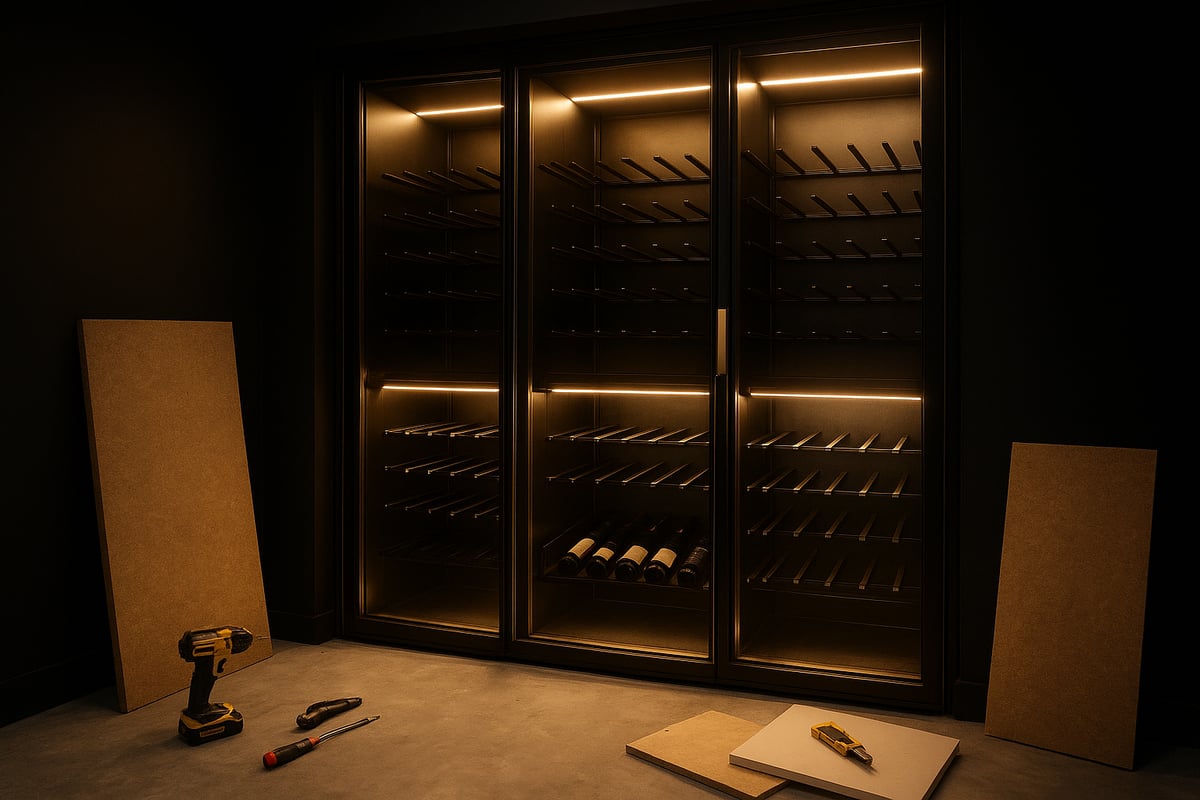
Now, assemble your racking. Modular racks are easy to install and can adapt as your collection grows, while custom builds offer a tailored look for unique spaces. Secure all racks firmly to prevent shifting or tipping.
Consider double-depth racks for compact wine closets, or angled displays to highlight special bottles. Mix and match styles for a dynamic presentation.
Safety comes first. Make sure racks can support the weight of full bottles, especially if you plan to store magnums or large formats. This step ensures your wine closets remain both safe and stunning.
Racking Type | Pros | Cons |
|---|---|---|
Modular | Flexible, affordable | Less custom appearance |
Custom-Built | Tailored, unique | Higher cost, longer install |
Step 4: Climate Control System Installation
A stable environment is critical for wine closets. Choose between ducted, ductless, or split systems depending on your space and noise tolerance. Place cooling units to allow even airflow throughout the closet.
Proper installation is key for longevity and performance. DIY can save money, but hiring a professional ensures optimal setup, especially for larger or high-value wine closets. For more in-depth guidance, explore this wine cellar climate control guide.
Monitor temperature and humidity with smart sensors. Set alerts for fluctuations so your collection stays protected year-round.
Step 5: Finishing Touches and Organization
With systems in place, it’s time for the finishing details. Install lighting that highlights your bottles without exposing them to damaging UV rays. Add locks or security features for peace of mind in your wine closets.
Organize your bottles by varietal, region, or vintage for easy access. Consider decorative touches like a tasting table, artwork, or etched glass doors to elevate the space.
The result? Wine closets that combine elegance, efficiency, and a touch of personal flair—ready to impress guests and preserve your collection in style.
Maintenance, Security, and Long-Term Care
Proper care of wine closets is essential for preserving both the quality and value of your collection. A well-maintained space not only safeguards your investment but also ensures every bottle is ready to enjoy at its peak. Let’s explore the key practices for keeping wine closets in top condition, from routine cleaning to professional servicing.
Ongoing Maintenance Best Practices
Staying on top of maintenance ensures wine closets remain functional and attractive year after year. Begin with a monthly cleaning schedule for racks, glass panels, and cooling units. Use gentle, non-abrasive cleaners to avoid damaging finishes or seals.
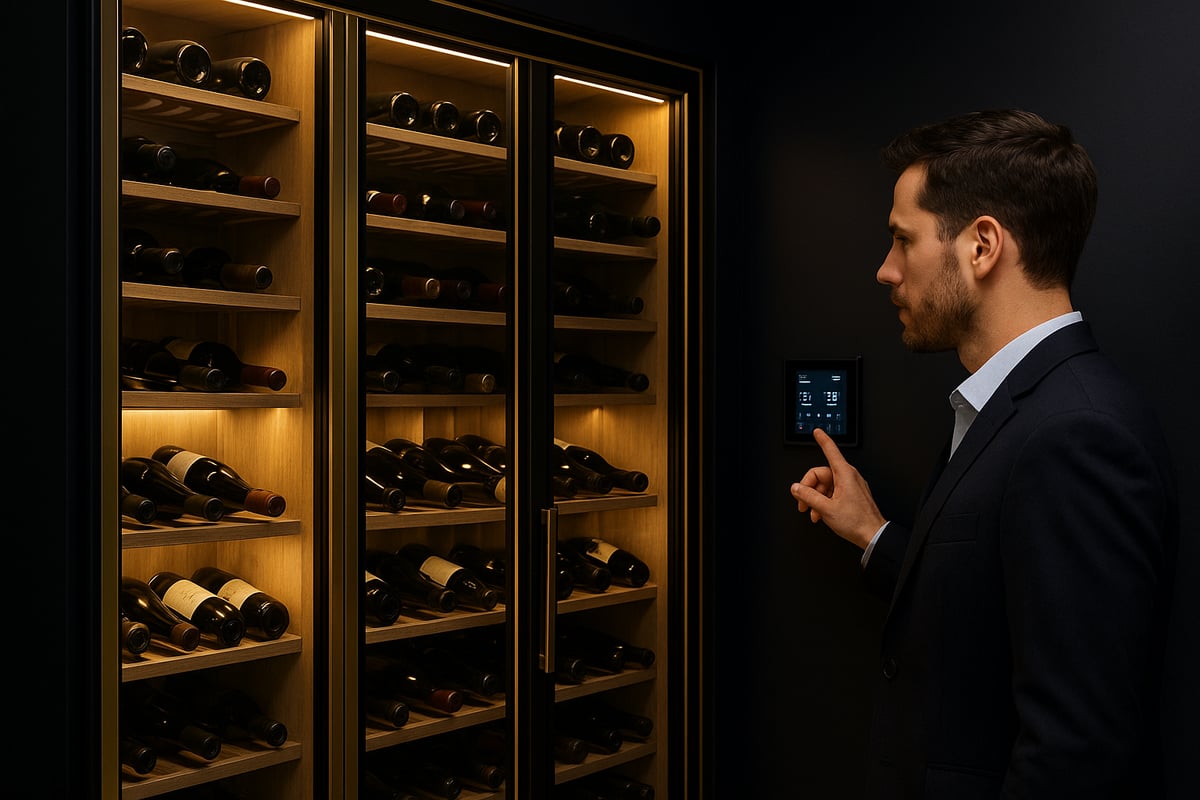
Install smart sensors to monitor temperature and humidity, keeping both within the ideal range. Set up alerts for any sudden changes. Regularly check for signs of mold, leaks, or mechanical issues, particularly around climate control systems. This proactive approach helps wine closets maintain stable conditions and extends the life of your storage investment.
Clean racks and glass monthly
Inspect climate units for dust and performance
Calibrate sensors quarterly
Check for leaks or condensation
Consistent care is the foundation of exceptional wine closets.
Security and Protection
Securing wine closets is crucial, especially for valuable collections. Modern locking systems, including biometric or smart locks, add convenience and peace of mind. Consider a robust insurance policy tailored for collectible wines, which can cover accidental loss or damage.
Fire and flood prevention is another priority. Install smoke detectors nearby, and if possible, integrate water sensors on the closet floor. Choose climate control systems with built-in safety features to prevent overheating.
A quick comparison table:
Feature | Benefit |
|---|---|
Smart Locks | Enhanced access control |
Insurance | Financial protection |
Water Sensors | Early leak detection |
Smoke Detectors | Fire risk mitigation |
Protecting wine closets is about anticipating risks and taking smart precautions.
Troubleshooting Common Issues
Even the best wine closets encounter occasional problems. Condensation on glass doors often signals humidity imbalances. If you notice temperature fluctuations, check for insulation gaps or malfunctioning cooling units.
Equipment failures, like noisy fans or unresponsive controls, require prompt attention. Begin with basic checks: reset the unit, clear dust filters, and verify power connections. For persistent problems, consult the manufacturer’s guide or seek professional help.
Keep a troubleshooting log to track recurring issues. This helps identify patterns and supports efficient repairs. When in doubt, a service call can prevent small issues from becoming costly.
Professional Services for Wine Closet Owners
Partnering with experts takes the stress out of maintaining wine closets. Many companies offer annual maintenance contracts, which include inspections, cleaning, and climate system servicing. These professionals use specialized tools to calibrate sensors, check seals, and optimize airflow.
As your collection grows, upgrading storage and racking might become necessary. Recent innovations, such as Genuwine Cellars' Innovative Racking System, make it easier to adapt wine closets to changing needs. Expert guidance ensures every upgrade adds lasting value and function.
Investing in professional care keeps wine closets performing at their best, so you can enjoy your collection with confidence.
Showcasing and Enjoying Your Wine Closet
Transforming a space with wine closets is about more than just storage. It is an invitation to elevate your home, your lifestyle, and your enjoyment of every bottle. Let us explore how to make the most of your wine closet, from display ideas and entertaining to increasing your property’s value and embracing the latest accessory trends.
Display and Entertaining Ideas
Wine closets are a visual centerpiece, and creative display is key. Consider label-forward racking to highlight rare bottles, or opt for minimalist floating shelves for a gallery-like effect. Glass doors and accent lighting can make your collection sparkle, especially when paired with metallic or natural wood finishes.
If you enjoy hosting, integrate a tasting nook or slim bar within your wine closet. This can be as simple as a small marble counter with a pair of stools, or a dedicated corner for decanting and serving. Hosting tastings at home becomes effortless with everything at arm’s reach. For more inspiration on modern glass displays and entertaining features, explore modern glass wine cellar trends.
When entertaining, arrange bottles by theme, varietal, or region for a personal touch. Add artwork, wine maps, or even a digital display to share tasting notes with guests.
Enhancing Value and Lifestyle
Beyond aesthetics, wine closets are an investment in both daily enjoyment and long-term property value. A well-designed wine closet elevates your home’s luxury appeal, catching the eye of buyers and visitors alike. According to recent data, homes with custom wine storage often see increased buyer interest and higher resale values.
Personal stories abound, from collectors who found joy in curating their first wine closet to homeowners who made entertaining a regular highlight. Imagine sharing a vintage Bordeaux with friends, surrounded by the beauty and craftsmanship of your collection. For those who value both lifestyle and investment, wine closets offer a blend of practical function and personal expression.
With each bottle perfectly preserved and beautifully displayed, your wine closet becomes a testament to your taste and passion. Whether for quiet evenings or lively gatherings, the experience is always elevated.
Trends in Wine Closet Accessories
The world of wine closets is evolving with innovative accessories that blend style and technology. Digital inventory systems help you track bottles and vintages, making organization effortless. Smart locks and app-controlled lighting add both security and convenience, while UV-protective LED lighting keeps your wines safe.
Stylish glassware and decanters enhance both display and tasting experiences. Many homeowners rotate seasonal decor or themed bottle displays to keep the space fresh and inviting. For a closer look at what is trending in wine closet design and accessories, check out Wine Cellar Design Trends for 2026.
With the right accessories, your wine closet becomes more than storage, it is a curated showcase and a reflection of your evolving tastes.
As you explore the world of expertly designed wine closets—from modern glass displays to climate-smart storage—you’ll see just how much craftsmanship and innovation can elevate your collection and your home. Whether you’re dreaming of transforming a hidden nook or planning a showstopping centerpiece, having the right guidance is key to creating a space that’s both beautiful and functional. If you’re ready to take the next step or want tailored advice for your unique vision, I invite you to Contact Us. Let’s start designing a wine closet that’s as extraordinary as your collection.
Your Dream Wine Cellar Starts Here
Let our design team craft a cellar that matches your taste, space, and your collection — built for beauty, function, and prestige.

Email us at
Serving Austin, Dallas–Fort Worth, Houston & San Antonio