
What You Should Know About Wine Cellar Repairs
Discover expert wine cellar repairs for 2026 with step by step solutions, advanced techniques, cost insights, and tips to keep your collection in impeccable condition.
A well-maintained wine cellar is the guardian of your collection’s value, taste, and longevity. However, even the finest cellars require attention and timely wine cellar repairs to keep your investment safe.
In this expert guide, you will discover the most effective solutions for wine cellar repairs in 2026. Learn how to spot common issues, troubleshoot problems, and explore the latest repair innovations.
Neglecting repairs can risk your prized bottles. By understanding advanced methods and practical steps, you can ensure your cellar remains flawless and ready to impress. Let’s get started.
Understanding Common Wine Cellar Problems in 2026
A perfectly preserved wine collection can be compromised by hidden threats lurking within your cellar. Even the most advanced setups in 2026 are not immune to issues that demand expert wine cellar repairs. Knowing what to look for is the first step toward safeguarding your investment.
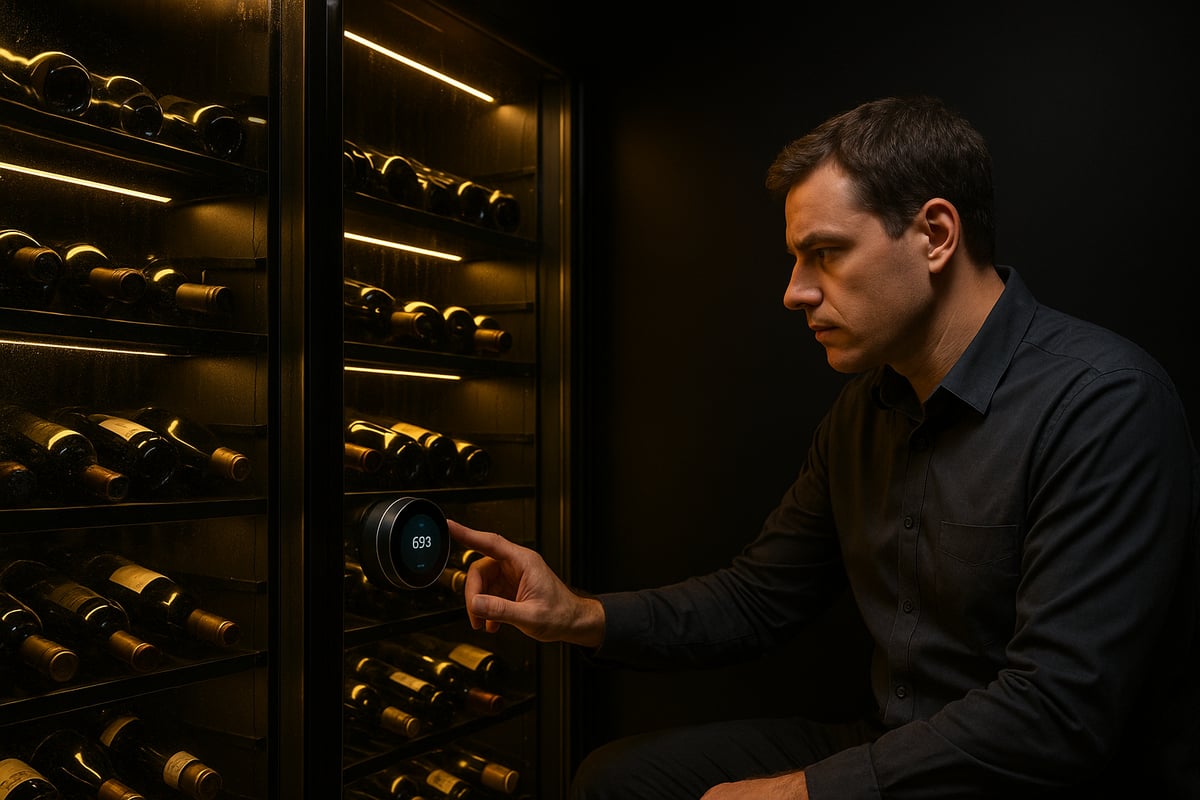
Climate Control Failures and Malfunctions
Climate control is the heartbeat of a wine cellar. In 2026, smart climate systems and IoT-enabled monitors are the norm, but failures still happen. Common signs include erratic temperatures, humidity spikes, or condensation on racks and bottles. Causes range from outdated hardware to faulty thermostats or refrigerant leaks.
According to Wine Storage Insights, over 68% of wine cellar repairs in 2025 stemmed from climate regulation issues. A notable case in Dallas involved a luxury cellar losing $100,000 in rare vintages after an HVAC failure went undetected. If you want to explore solutions and prevention, see these Wine Cellar Cooling Solutions for expert advice.
Structural and Insulation Issues
Proper insulation and vapor barriers are essential to maintain a consistent environment. Structural issues often reveal themselves as mold, musty odors, or visible wall and ceiling damage. In Texas, high humidity can overwhelm older insulation, leading to water infiltration and persistent repair needs.
When insulation fails, wine cellar repairs become urgent to prevent mold from taking hold. For example, Austin homeowners saw a spike in insulation breakdowns during record heat waves, prompting many to upgrade to 2026’s advanced materials. Regular checks are crucial to catch these problems early.
Racking and Storage System Damage
Racking systems not only organize bottles but protect their labels and structural integrity. Problems such as warped wood, rusted metal, or loose racks can put your collection at risk. If not addressed quickly, bottles may break or labels can be ruined.
In 2026, composite and glass racking have become popular for their durability and sleek look. However, even modern materials can suffer damage from high humidity or improper installation, making wine cellar repairs a necessity for collectors who value both function and aesthetics.
Lighting and Electrical Faults
Lighting sets the mood in a wine cellar, but it must be functional and safe. Issues like flickering LEDs, broken accent lights, or exposed wiring can threaten both the wine and the cellar itself. Electrical hazards increase the risk of fire or spoilage due to heat.
Low-heat, UV-free lighting is essential to prevent wine from aging prematurely. When these systems fail, prompt wine cellar repairs are vital to ensure safety and maintain the proper environment for your collection.
Pest and Mold Infestations
Unwanted guests like insects or mold can devastate a cellar. Visible spores, insect droppings, or bottle contamination are telltale signs. Data from the Wine Cellar Health Survey 2025 shows mold was present in 27% of cellars lacking up-to-date ventilation.
Preventing infestations is a key part of ongoing wine cellar repairs and maintenance. Addressing air quality, sealing entry points, and installing modern ventilation systems are all part of a proactive defense for your valuable bottles.
Security and Access Control Failures
Protecting your investment goes beyond climate and structure. Security systems in 2026 often include biometric locks and app-based access, but these can fail. Malfunctioning locks, compromised smart systems, or faulty alarms leave your collection vulnerable.
With the rise in AI-driven security, wine cellar repairs now frequently include upgrades to access control. Ensuring these systems work flawlessly is essential for peace of mind, especially in high-value home and commercial cellars.
Step-by-Step Wine Cellar Repair Process
A flawless wine cellar is a sanctuary for prized bottles, but even the most advanced spaces need upkeep. Navigating wine cellar repairs in 2026 requires a systematic approach, blending modern diagnostics with expert craftsmanship. Here’s your step-by-step guide to restoring your cellar’s elegance and efficiency.
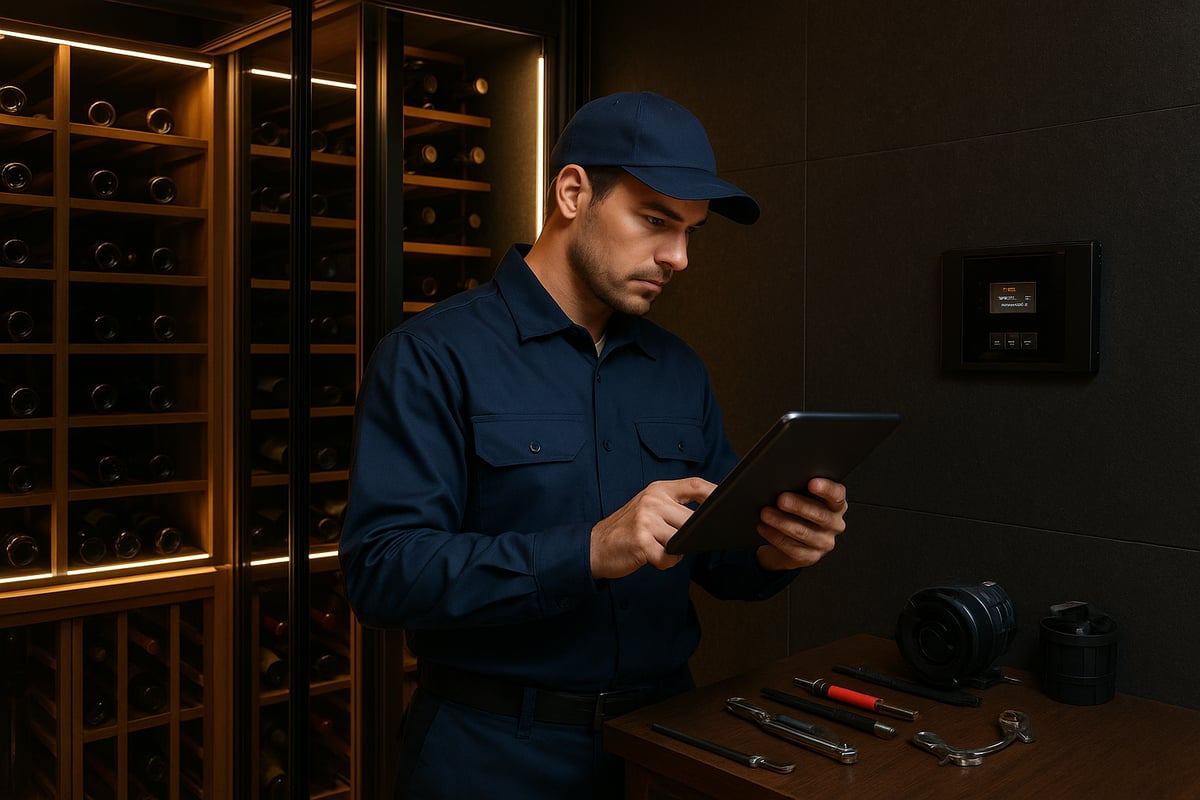
Step 1: Initial Assessment and Diagnosis
Every successful wine cellar repairs project begins with a thorough assessment. Start by conducting a visual inspection using a detailed checklist:
Climate system: Look for irregular temperatures or condensation.
Insulation: Check for damp spots, mold, or musty odors.
Racks: Inspect for warping, rust, or loose fittings.
Lighting: Note flickering bulbs or exposed wires.
Security: Test locks and smart access features.
Leverage digital sensors and monitoring apps to spot hidden issues. Document all findings with photos and notes, which are invaluable for insurance or warranty claims. This systematic approach lays the foundation for effective wine cellar repairs.
Step 2: Prioritizing Repairs by Urgency
Not all wine cellar repairs are created equal. Safety always comes first, so address electrical hazards or structural weaknesses immediately.
Next, focus on climate and humidity control since these directly impact your wine’s preservation. Create a priority list:
Electrical and structural dangers
Active leaks and water infiltration
Climate control malfunctions
Racking instability
Lighting and security faults
For example, if you discover an active leak, act quickly to prevent mold and protect your collection. Prioritizing ensures your wine cellar repairs deliver lasting results.
Step 3: Climate Control System Repairs
Climate issues are among the most common reasons for wine cellar repairs. Begin by replacing or recalibrating thermostats and humidistats. Address refrigerant leaks or upgrade outdated HVAC components to modern, energy-efficient models.
In 2026, smart systems equipped with IoT sensors are standard. These allow for remote monitoring and automated alerts, making it easier to catch problems early. Upgrading to these systems not only improves reliability but also adds long-term value to your wine cellar repairs.
Step 4: Structural and Insulation Restoration
Proper structure and insulation are essential for wine cellar repairs that last. Remove any damaged drywall or ceiling panels, then treat affected areas to eliminate mold.
Install advanced vapor barriers and eco-friendly insulation materials designed for Texas climates. Retrofitting older cellars with these innovations boosts efficiency and prevents future issues. This step is crucial for protecting your investment and ensuring the success of your wine cellar repairs.
Step 5: Racking and Storage System Repairs
Racking issues can threaten both your bottles and their labels. Begin wine cellar repairs by tightening loose racks, replacing warped wood, or swapping out rusted metal.
For added durability, upgrade to modular or glass racking systems, which are trending in 2026. Ensure all racks are anchored securely to withstand vibrations or even minor earthquakes. These upgrades not only safeguard your collection but also enhance the cellar’s aesthetic appeal through expert wine cellar repairs.
Step 6: Electrical, Lighting, and Security Fixes
Electrical faults can jeopardize safety and wine quality. Address any faulty wiring and replace outdated lighting with LED or fiber optic systems, which emit low heat and no UV rays.
Integrate advanced access control, such as biometric locks, for improved security. Hotels and luxury homes increasingly rely on these features to protect valuable inventories. By keeping electrical and security systems up-to-date, your wine cellar repairs ensure both safety and peace of mind.
Step 7: Final Inspection and Preventive Measures
The last step in effective wine cellar repairs is a comprehensive final inspection. Test all systems, verify climate stability, and make sure insulation, racks, and lighting function as intended.
Set up automated alerts to catch future issues early. Schedule regular maintenance visits, which you can learn more about in these Wine Cellar Maintenance Tips. Preventive care keeps your cellar in top condition and extends the benefits of your wine cellar repairs for years to come.
Advanced Repair Techniques and Innovations for 2026
Innovation is at the heart of wine cellar repairs in 2026. Today’s discerning collectors and hospitality venues demand not only restoration, but also future-proof upgrades that protect their investments. Let’s explore how advanced technology and sustainable practices are redefining the standards of wine cellar repairs.
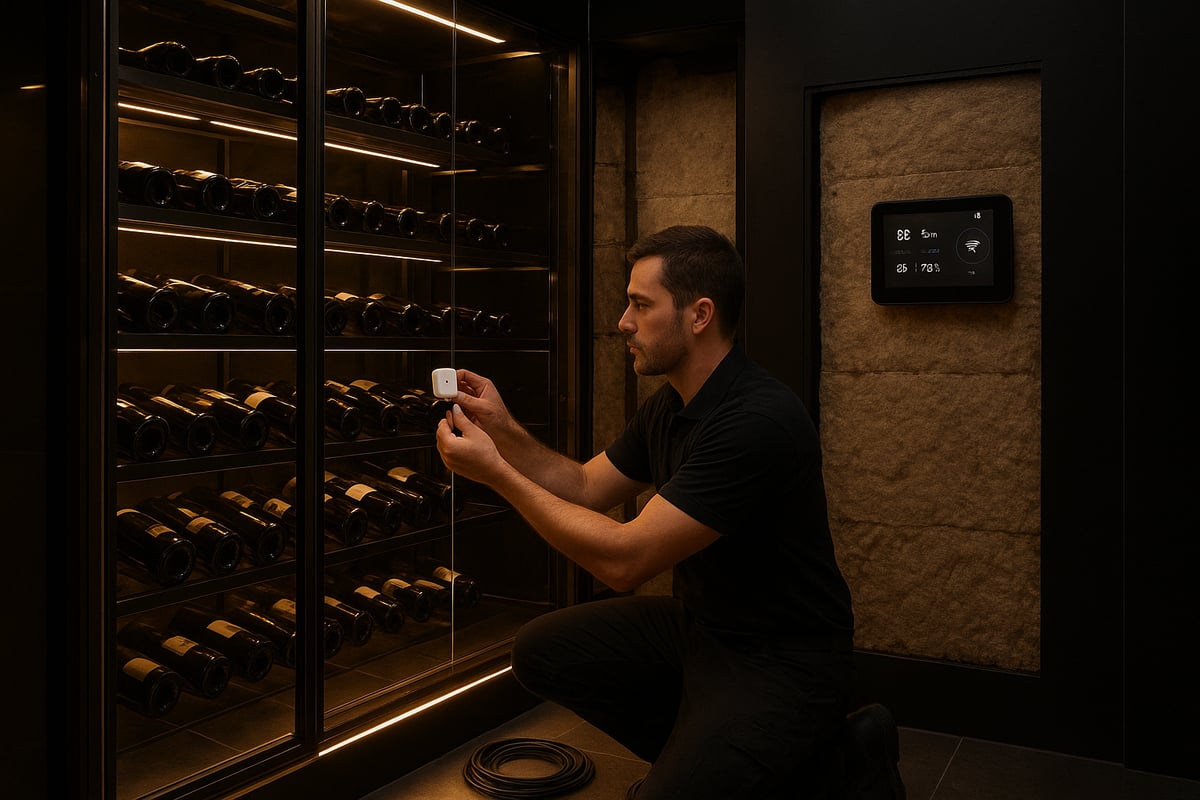
Smart Climate Control and IoT Integration
Smart technology has revolutionized wine cellar repairs. In 2026, IoT-enabled climate control systems are the gold standard for both residential and commercial cellars. Homeowners can remotely monitor temperature and humidity in real time, receiving instant alerts when conditions drift from optimal ranges.
Digital sensors automatically calibrate climate settings, ensuring every bottle is preserved in perfect harmony. Predictive maintenance algorithms analyze system performance and flag issues before they escalate, reducing downtime and preventing costly losses.
A growing number of cellars now feature voice-activated controls and integration with home automation platforms. According to the Smart wine cellar market analysis, adoption of these systems has surged, making them a cornerstone of modern wine cellar repairs. These advancements not only streamline daily management but also set new benchmarks for reliability and peace of mind.
Eco-Friendly and Sustainable Repair Materials
Sustainability is a defining characteristic of wine cellar repairs in 2026. Eco-conscious collectors and designers are turning to recycled insulation, low-VOC sealants, and racking made from renewable resources. These materials offer durability and thermal performance while reducing the cellar’s carbon footprint.
Carbon-neutral repair solutions are now widely available, especially for luxury estates seeking to balance elegance with environmental stewardship. Many repair specialists use composite racking and modular glass systems that minimize waste during installation. This shift in wine cellar repairs ensures the cellar’s legacy is as green as it is grand.
Mold Remediation and Air Quality Management
Mold and air quality issues remain a top concern in wine cellar repairs. Advanced remediation techniques now combine HEPA filtration with UV-C air purification, eliminating spores and maintaining a pristine environment. Professionals use moisture meters and digital logs to track humidity trends, ensuring that preventive actions are taken before problems arise.
Modern wine cellar repairs also include proactive sealing of potential water ingress points. Technicians may recommend regular air quality audits, especially in humid Texas climates, to safeguard both wine and infrastructure.
Modular and Prefabricated Repair Solutions
Speed and efficiency are paramount in today’s wine cellar repairs. Modular wall panels and prefabricated racking allow for quick installation with minimal disruption. These systems are precision-engineered for a seamless fit, making them ideal for both retrofits and new builds.
Prefabricated solutions are customizable, letting owners upgrade layout or materials as their collections evolve. This flexibility means that wine cellar repairs can be completed swiftly, often without the need for lengthy downtime or relocation of valuable bottles.
Enhanced Security and Monitoring Upgrades
Security is a non-negotiable element of wine cellar repairs in 2026. AI-driven cameras, biometric locks, and app-controlled access systems are standard features in high-end cellars. These upgrades provide real-time monitoring and detailed access logs, offering both convenience and peace of mind.
Data shows a significant increase in demand for smart security enhancements as collectors prioritize protection of their assets. When paired with advanced monitoring, these innovations ensure that wine cellar repairs deliver both robust safety and effortless management.
When to Call a Professional: Choosing the Right Wine Cellar Repair Service
When it comes to wine cellar repairs, knowing when to call in a professional can save your collection, your investment, and your peace of mind. Even the most hands-on collectors or facility managers face moments when expertise is essential. Let’s break down how to recognize those moments, what to look for in a repair specialist, and why transparency and maintenance are vital.
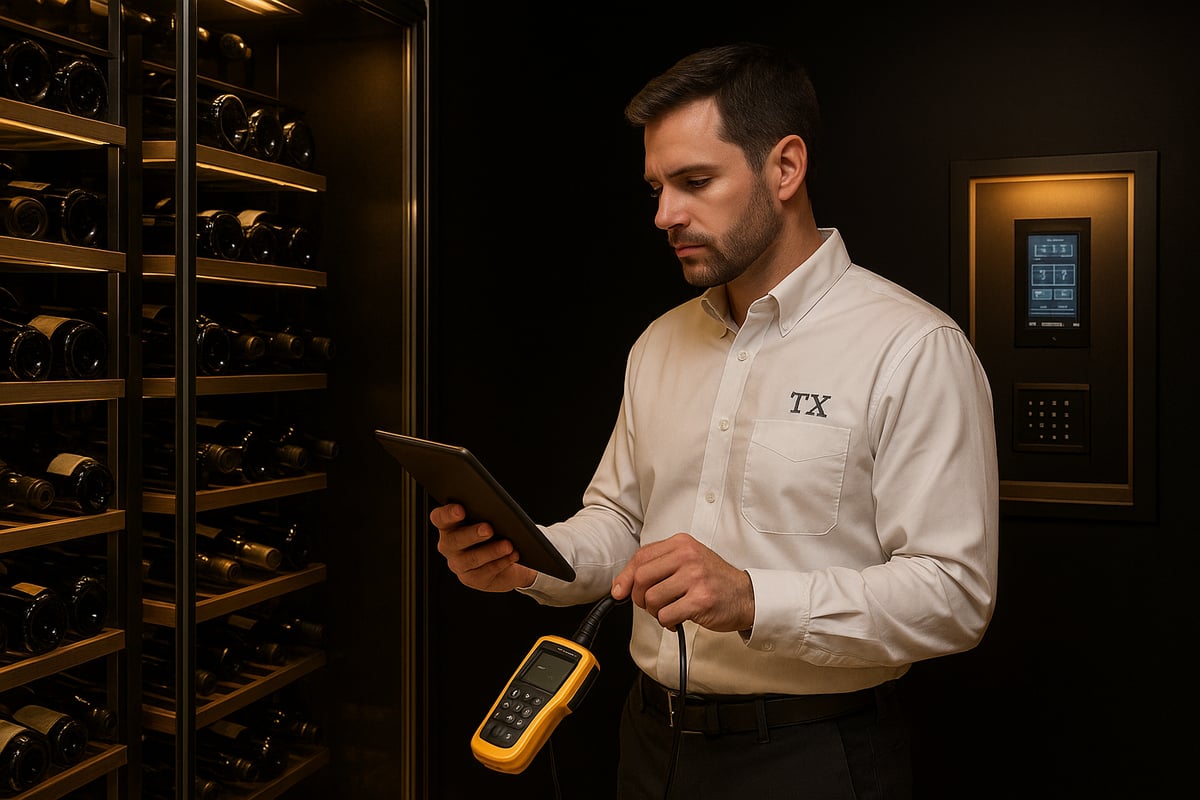
Signs You Need Expert Help
Sometimes, DIY just isn’t enough. Persistent climate swings, humidity levels that won’t stabilize, or recurring condensation can signal underlying issues that basic fixes cannot resolve. If you notice structural problems like sagging racks, wall damage, or visible mold, it’s time to seek professional wine cellar repairs.
Electrical hazards, unexplained odors, or repeated pest outbreaks are also red flags. Complex upgrades—such as integrating smart technology, advanced insulation, or biometric access—demand specialized skills. Remember, delaying wine cellar repairs when these issues arise puts your collection and property at risk.
Evaluating Repair Specialists
Not all wine cellar repairs are created equal, and neither are the specialists who perform them. Start by verifying licenses, insurance, and expertise specific to wine cellars. Ask to see a portfolio of completed projects, especially those similar to your needs or property type.
Client testimonials and references offer valuable insight into reliability and craftsmanship. Compare local and national service providers, as each may bring unique strengths. As the wine cellar management services market outlook highlights, demand for skilled professionals continues to rise, making it essential to select a specialist with a proven track record.
Cost Considerations and Transparent Pricing
Professional wine cellar repairs can vary in cost depending on the issue, the cellar’s size, and the technology involved. Request detailed proposals that outline labor, materials, and any potential upgrades. Transparency is key, so avoid firms that are vague about pricing or reluctant to provide written estimates.
Be wary of hidden fees or unexpected add-ons. A reputable repair service will explain cost drivers and offer options tailored to your budget. Bundling repairs or scheduling upgrades during the same visit may lead to savings, especially in larger or more complex wine cellars.
Warranty and Maintenance Plans
The best wine cellar repairs come with more than a quick fix—they include peace of mind. Look for providers who offer clear warranties on both parts and labor. Annual maintenance contracts are invaluable, ensuring regular inspections, priority repairs, and emergency support when you need it most.
Reliable maintenance plans help prevent issues before they escalate, protecting your wine and maximizing the lifespan of your cellar. Ask for digital maintenance logs and automated alerts to keep everything on track. Investing in ongoing care is a smart strategy for any serious collector or hospitality venue.
Preventive Maintenance: Keeping Your Wine Cellar in Top Shape
A flawless wine cellar is never the result of chance. It is the outcome of intentional, ongoing care. Preventive maintenance is the secret to protecting your investment, ensuring your wine matures beautifully, and minimizing future wine cellar repairs. By following a structured approach, you can keep your cellar at peak performance year-round.
Regular Inspection Checklists
Consistency is key. Monthly and seasonal inspections help you catch small issues before they become major wine cellar repairs. Start with a climate system check. Is the temperature stable? Humidity within recommended levels? Next, inspect insulation and vapor barriers for any signs of moisture or deterioration.
For racking, look for warping, corrosion, or instability. Use this checklist:
Check for condensation or water stains.
Inspect racks for loose fittings.
Test lighting and security systems.
Digital maintenance apps can simplify this process, providing reminders and logs so nothing slips through the cracks.
Cleaning and Air Quality Management
Cleanliness goes hand-in-hand with preservation. Use non-toxic cleaners designed for wood, metal, and glass to avoid chemical odors that can compromise your wine. Focus on racks, glass panels, and flooring.
Regularly monitor for mold, dust, and pests. Place dehumidifiers or air purifiers as needed. Remember, a clean cellar not only looks beautiful but also prevents the need for costly wine cellar repairs.
Climate System Tune-Ups
Your climate system is the heart of your cellar. Schedule annual professional servicing for HVAC units, dehumidifiers, and digital sensors. Technicians will calibrate settings, check refrigerant levels, and replace filters.
According to the Wine Preservation Journal (2025), yearly tune-ups can reduce major wine cellar repairs by up to 50 percent. Do not underestimate the value of proactive attention to these vital systems.
Upgrading Components Proactively
Waiting for failure can be costly. Instead, replace aging insulation, racks, or lighting before issues arise. Phased upgrades are ideal for larger spaces, allowing you to spread costs and minimize disruption.
Modern upgrades often include composite racking, smart climate controls, and glass panel enhancements. For inspiration on sophisticated renovation techniques, explore Modern Glass Wine Cellar Renovations to see how advanced repairs and upgrades can elevate your cellar’s function and style.
Training Staff or Homeowners
Knowledge is power when it comes to wine cellar repairs. Train your staff or educate yourself on daily best practices. Teach everyone how to spot early warning signs—like temperature changes, musty odors, or unusual noises.
Provide quick-reference guides for emergency response, including how to shut down power or address leaks. This proactive approach ensures your investment is protected, even when you are away.
Digital Maintenance Logs and Alerts
Digital logs are your best defense for warranty and insurance claims. Use maintenance software to track repairs, upgrades, and inspections. Automated alerts for temperature or humidity deviations let you act fast, preventing minor issues from becoming major wine cellar repairs.
Consider setting up cloud-based systems so you can access records and alerts from anywhere. This level of organization delivers peace of mind and keeps your collection safe.
Cost Analysis and Budgeting for Wine Cellar Repairs in 2026
Understanding the true costs of wine cellar repairs is essential for protecting your investment and planning for the future. Whether you are preparing for routine maintenance or facing an unexpected issue, knowing what to expect financially will help you make confident, informed decisions.
Average Repair Costs by Issue Type
Wine cellar repairs can vary widely in cost, depending on the problem and the level of craftsmanship required. On average, climate control repairs range from $1,500 to $5,000, while structural fixes may cost between $2,000 and $8,000. Racking replacements run from $500 for basic wood to $4,000 or more for glass or metal systems.
Here is a quick breakdown:
Repair Type | Average Cost Range |
|---|---|
Climate Control | $1,500–$5,000 |
Structural | $2,000–$8,000 |
Racking Replacement | $500–$4,000 |
For structural upgrades, reviewing Custom Wine Cellar Design Insights can help you anticipate additional expenses tied to bespoke features. Always request itemized estimates to understand where your investment is going and to ensure the right approach for your wine cellar repairs.
Factors Influencing Repair Costs
Several factors affect the final price of wine cellar repairs. The cellar’s size, the quality and type of materials used, and the complexity of technology integration all play a role. Labor rates in your area, especially in luxury markets like Texas, can also impact overall expenses.
If your cellar uses advanced climate controls or custom racking, expect higher costs for specialized parts and skilled labor. The age of your cellar and whether it requires extensive updates or just minor fixes will further influence the total. Always discuss these variables with your repair specialist before committing to any work.
Budgeting for Emergency vs. Planned Repairs
A proactive approach to wine cellar repairs can help you avoid costly emergencies. Set aside a reserve fund for urgent issues such as leaks or equipment failures. For planned repairs, schedule upgrades in phases, spreading costs over time and allowing for more thoughtful decision-making.
Consider creating a maintenance calendar to stay ahead of potential problems. This strategy not only protects your collection but also ensures you are never caught off guard by unexpected expenses.
Insurance and Warranty Coverage
When budgeting for wine cellar repairs, review your homeowner’s or business insurance policy to understand what is covered. Many policies include protection for structural damage or equipment failure, but exclusions can apply. Manufacturer and installer warranties may also help offset repair costs, especially for newer systems.
Keep detailed records of repairs and maintenance, as these documents can streamline the claims process. If you are unsure about your coverage, consult your insurance agent or repair provider for guidance.
Long-Term Value of Professional Repairs
Investing in professional wine cellar repairs offers significant long-term benefits. Expert repairs can extend the lifespan of your cellar by a decade or more, safeguarding collections valued from $10,000 to over $1 million. According to the State of the US wine industry report 2025, professional maintenance is increasingly recognized as essential for serious collectors and commercial venues.
High-quality repairs not only protect your wine but also enhance the overall value and appeal of your property. This makes professional expertise a smart investment for any wine enthusiast.
Cost-Saving Tips
To maximize your budget for wine cellar repairs, consider bundling multiple repairs with planned upgrades. Regular maintenance, such as annual climate system tune-ups, can prevent small problems from becoming costly emergencies.
Here are a few strategies to save:
Schedule routine inspections
Replace aging components proactively
Keep digital maintenance logs for warranty purposes
Taking these steps ensures your cellar remains in top condition and helps you control costs over time.
After exploring the essential repair solutions and innovative techniques that define wine cellar care in 2026, you can see just how much expertise and attention to detail it takes to protect your collection’s value and character. Whether you’re facing subtle climate issues or planning a full restoration, having a trusted partner makes all the difference. If you’re ready to discuss your specific needs or want tailored advice from seasoned professionals who blend craftsmanship with modern technology, I invite you to Contact Us.
Let’s ensure your wine cellar remains a timeless showcase for years to come.
Your Dream Wine Cellar Starts Here
Let our design team craft a cellar that matches your taste, space, and your collection — built for beauty, function, and prestige.

Email us at
Serving Austin, Dallas–Fort Worth, Houston & San Antonio