
2026 Wine Cellar Design Trends & Guide | Prestige
Elevate your collection with expert insights. Our 2026 guide covers custom wine cellar planning, build tips, and the latest design trends for your home.
Imagine stepping into your home or business and being greeted by a beautiful showcase of your wine passion, expertly integrated into your space. This essential guide to custom wine cellar design for 2026 will help you turn that vision into reality.
We’ll break down every step, from planning and technical requirements to the latest trends and personalized touches. Whether you dream of a statement cellar or need practical storage, you’ll discover how to create a space tailored to your collection and style.
Let’s unlock the secrets to a flawless custom wine cellar design that reflects your unique taste.
Understanding the Fundamentals of Custom Wine Cellar Design
Designing a wine cellar is more than just storage—it is about creating a space that honors your collection and enhances your lifestyle. Mastering the fundamentals of custom wine cellar design ensures your project stands the test of time, both in function and beauty.
Defining a Custom Wine Cellar
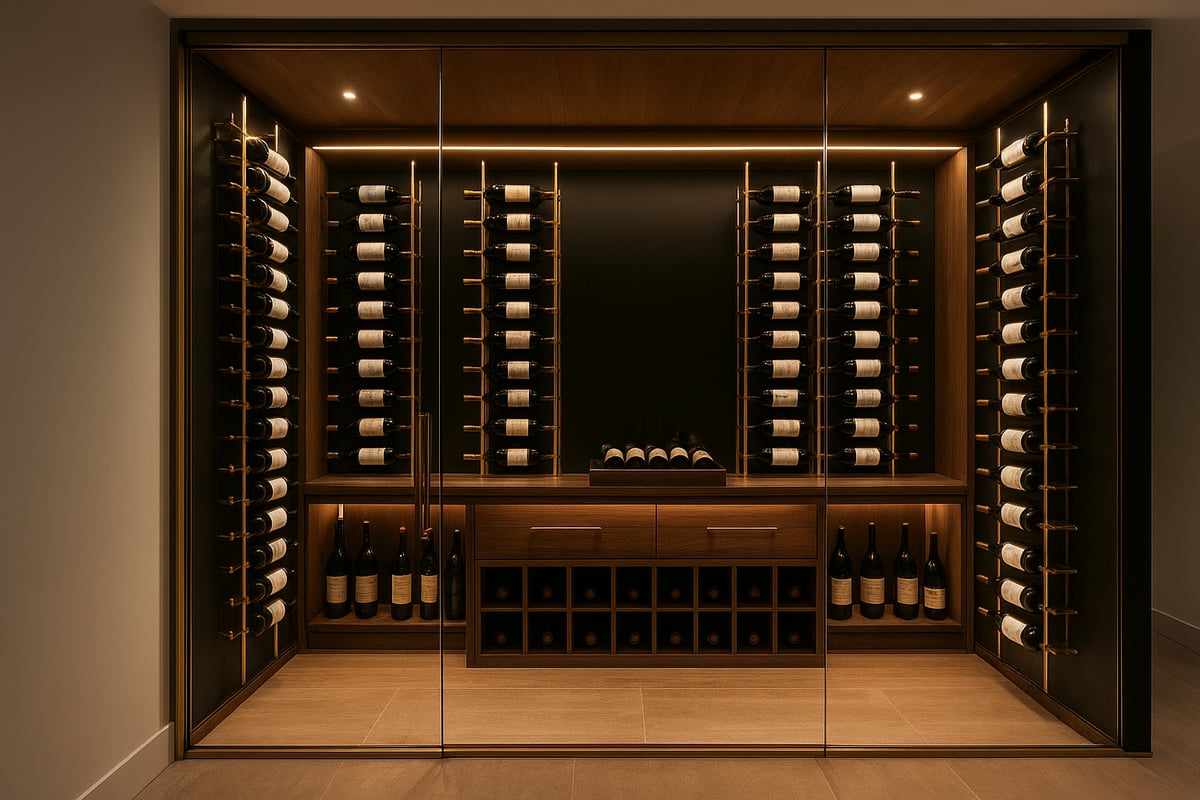
A custom wine cellar is tailored specifically to your space, collection, and vision. Unlike modular or pre-fabricated options, custom wine cellar design allows for total creative freedom. You can choose layouts, materials, and features that reflect your personality and needs.
Custom cellars excel in unique spaces—think under staircases, in basements, or even as glass showpieces in restaurants. They also adapt to residential, hospitality, or commercial purposes. If you want to explore the full process and possibilities, Custom Wine Cellar Design Services offers detailed guidance and inspiration.
Assessing Space and Location
Choosing the right spot is crucial for custom wine cellar design. Basements are classic choices, but modern cellars thrive in places like closets, under stairs, or commercial venues. Each location brings its own benefits and challenges.
Consider minimum dimensions to ensure proper airflow and access. Even small spaces can become impressive cellars—imagine transforming a closet into a 250-bottle showcase. Above-ground locations may need extra insulation, while below-ground spaces naturally regulate temperature.
Determining Capacity and Collection Needs
Accurately planning bottle capacity is essential for custom wine cellar design. Start by counting your current collection, then estimate future growth. Account for diverse bottle sizes, from Bordeaux and Burgundy to Champagne and magnums.
An effective inventory management system streamlines organization and access. This is especially important for growing or investment-grade collections, ensuring every bottle is easy to find and safely stored.
Budgeting and Project Scope
Budgeting is a key step in custom wine cellar design. In 2026, costs range widely—from $40,000 for a modest cellar to $250,000 or more for intricate, luxury builds. Your budget depends on size, materials, climate systems, and design complexity.
Factor | Impact on Cost |
|---|---|
Size | High |
Material Choice | Moderate |
Climate System | High |
Custom Features | High |
Consider a phased plan if you anticipate expanding your collection. This approach lets you start with core features and add enhancements over time.
Regulatory and Safety Considerations
Every custom wine cellar design must comply with local building codes and secure necessary permits. Fire safety, security systems, and insurance are crucial, especially for high-value collections or commercial spaces.
Accessibility matters, particularly for hospitality or public cellars. ADA compliance ensures everyone can enjoy the space safely. Thoughtful planning protects your investment and provides peace of mind.
Step-by-Step Guide to Planning Your Custom Wine Cellar
Designing your dream wine cellar is an art and a science. Whether you are a seasoned collector or a newcomer, a well-structured process ensures your custom wine cellar design delivers elegance, function, and longevity.
Step 1: Establishing Your Vision and Goals
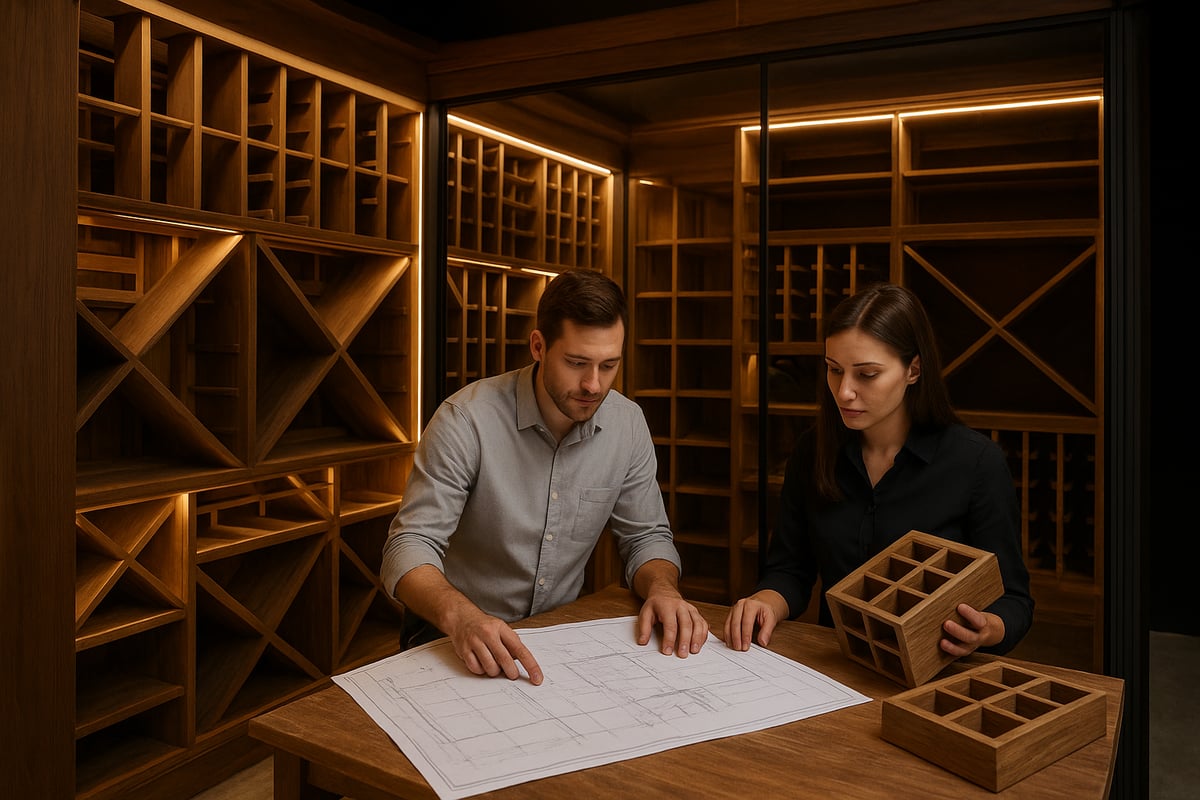
Every custom wine cellar design starts with a vision. Ask yourself: Is your primary goal to store, display, entertain, or invest? Your answer shapes every other decision.
Gather inspiration from design magazines, online galleries, or by browsing Wine Cellar Design Inspiration for real-world examples. Define your aesthetic—modern, rustic, industrial, or classic. Consider how your cellar will complement your home or business.
Set clear objectives for both function and style. Do you dream of a tasting lounge, or simply want efficient storage? Clarifying these aims at the start will guide the project and help your custom wine cellar design reflect your personality.
Step 2: Consulting with Professionals
Engaging experts early is crucial for a successful custom wine cellar design. Architects, interior designers, and wine cellar specialists bring technical expertise and creative flair. For serious collectors, a sommelier consultant can advise on bottle organization and aging conditions.
Consider the impact of professional input. For instance, a Texas restaurant partnered with a cellar designer and transformed a cramped storage room into a showpiece that boosted wine sales. Professionals help you avoid costly mistakes and ensure your custom wine cellar design meets industry standards.
Build your team with care. Typical roles include:
Architect or designer
Wine cellar specialist
Sommelier consultant (optional)
General contractor
Their collaboration brings your vision to life and adds value at every stage.
Step 3: Site Assessment and Feasibility Study
A thorough site assessment sets the foundation for your custom wine cellar design. Evaluate the structural integrity of your chosen space. Basements, under-stair areas, and repurposed rooms are popular options.
Check for challenges like water leaks, sunlight exposure, and vibration. Humidity and temperature stability are essential. For tricky spaces, such as penthouses, consider creative solutions like glass wine walls or insulated enclosures.
Document everything during your feasibility study. This step ensures your custom wine cellar design adapts to site limitations and maximizes the potential of your available space.
Step 4: Design Development and Visualization
With a clear vision and site assessment, move to design development. Floor plans, 3D renderings, and mood boards bring your custom wine cellar design to life before construction begins.
Choose racking systems—wood, metal, acrylic, or mixed materials—to match your style and collection. Integrate features such as tasting areas, display walls, or custom lighting.
Visualization tools help you refine details. Compare different design elements in a table to weigh pros and cons:
Design Tool | Purpose | Benefit |
|---|---|---|
3D Rendering | Visualize layout | Accurate previews |
Mood Board | Select finishes/colors | Cohesive theme |
Floor Plan | Space planning | Functional flow |
This stage ensures your custom wine cellar design is both beautiful and practical.
Step 5: Finalizing Specifications and Budget
Finalize material choices, finishes, and fixtures for your custom wine cellar design. Select premium woods, metals, glass, and flooring to match your goals and budget.
Source high-quality hardware and consider value engineering if needed to balance cost and quality. Detail every specification to avoid surprises during construction.
Plan your budget meticulously. Account for:
Racking and materials
Climate control systems
Lighting and security
Labor and professional fees
If you anticipate future expansion, design with modularity in mind. This approach keeps your custom wine cellar design adaptable as your collection grows.
Step 6: Construction and Installation
With plans and materials in place, construction brings your custom wine cellar design to fruition. The typical timeline ranges from 8 to 16 weeks, depending on complexity.
Coordinate closely with your contractor and design team. Maintain open communication and follow a quality control checklist at each milestone.
Stay engaged during installation. Review progress regularly to ensure your custom wine cellar design meets your standards. A well-managed build results in a cellar that is both a showpiece and a sanctuary for your wine collection.
Key Design Trends and Innovations for 2026
Picture a world where your custom wine cellar design is not just a storage solution but a breathtaking focal point. The 2026 landscape brings together artistry, technology, and sustainability, redefining what’s possible for wine lovers and collectors.
Modern Aesthetics and Architectural Integration
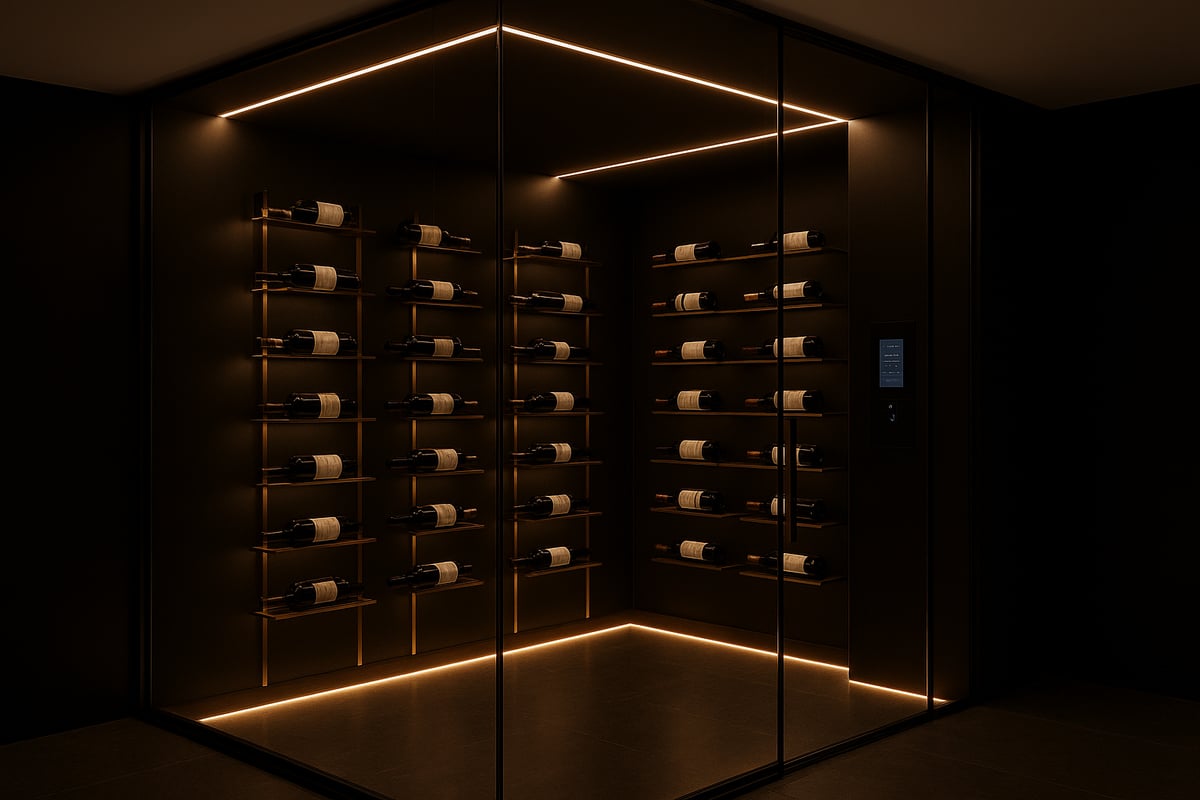
In 2026, custom wine cellar design is all about blending seamlessly with your living space. Frameless glass wine walls, minimalist racking, and floating bottle displays turn collections into modern masterpieces. Homeowners and designers are integrating cellars into open-concept kitchens, dining areas, and lounges, making wine a visible part of daily life.
Luxury homes now treat wine cellars as art installations, with sculptural racking and curated lighting. This approach not only elevates the wine experience but also adds value to your property. For more inspiration on these contemporary features, see the latest Modern Glass Wine Cellar Trends.
Smart Technology and Automation
Smart tech is revolutionizing custom wine cellar design. Climate control systems now offer Wi-Fi and app integration, letting you monitor temperature and humidity from anywhere. Automated inventory tools with RFID bottle tracking make managing collections effortless.
Remote alerts help prevent spoilage, giving peace of mind to serious collectors. In fact, industry data shows that 40% of new luxury cellars in 2025–26 include some form of smart automation. This trend ensures your investment is protected and your wine experiences are always at their peak.
Sustainable and Eco-Friendly Materials
Sustainability is a cornerstone of modern custom wine cellar design. Designers are choosing reclaimed woods, recycled metals, and low-VOC finishes for racking and walls. These choices minimize environmental impact while delivering timeless style.
Energy-efficient LED lighting and advanced climate systems reduce energy consumption. Many commercial projects now pursue LEED certification, reflecting a broader commitment to eco-friendly practices. These materials not only look beautiful but also support a greener future for wine storage.
Artistic Lighting and Display Solutions
Lighting is essential for both function and ambiance in custom wine cellar design. Layered lighting—accent, ambient, and task—creates drama and highlights prized bottles. LED shelf lighting and illuminated display walls add a touch of luxury without generating heat that could damage your collection.
Thoughtful lighting choices enhance label visibility and make every bottle shine. The right lighting transforms cellars into showpieces, ensuring your wine is not just preserved but presented at its very best.
Flexible, Modular, and Multi-Use Spaces
Flexibility is key in today’s custom wine cellar design. Modular racking adapts to growing collections and changing tastes. Many cellars now double as tasting rooms or entertainment spaces, with convertible layouts for social gatherings.
Hotels and restaurants are leading the way, creating wine cellars that serve as private dining rooms or event venues. This multi-use approach maximizes your investment and ensures your cellar remains relevant as your lifestyle evolves.
Mastering Climate Control and Preservation
Creating a flawless custom wine cellar design is about more than just looks, it’s about mastering the environment that preserves your collection. Whether you’re starting small or dreaming big, understanding climate control protects your investment and ensures every bottle matures as intended. Let’s explore the essentials that every discerning collector needs to know.
The Science of Wine Storage
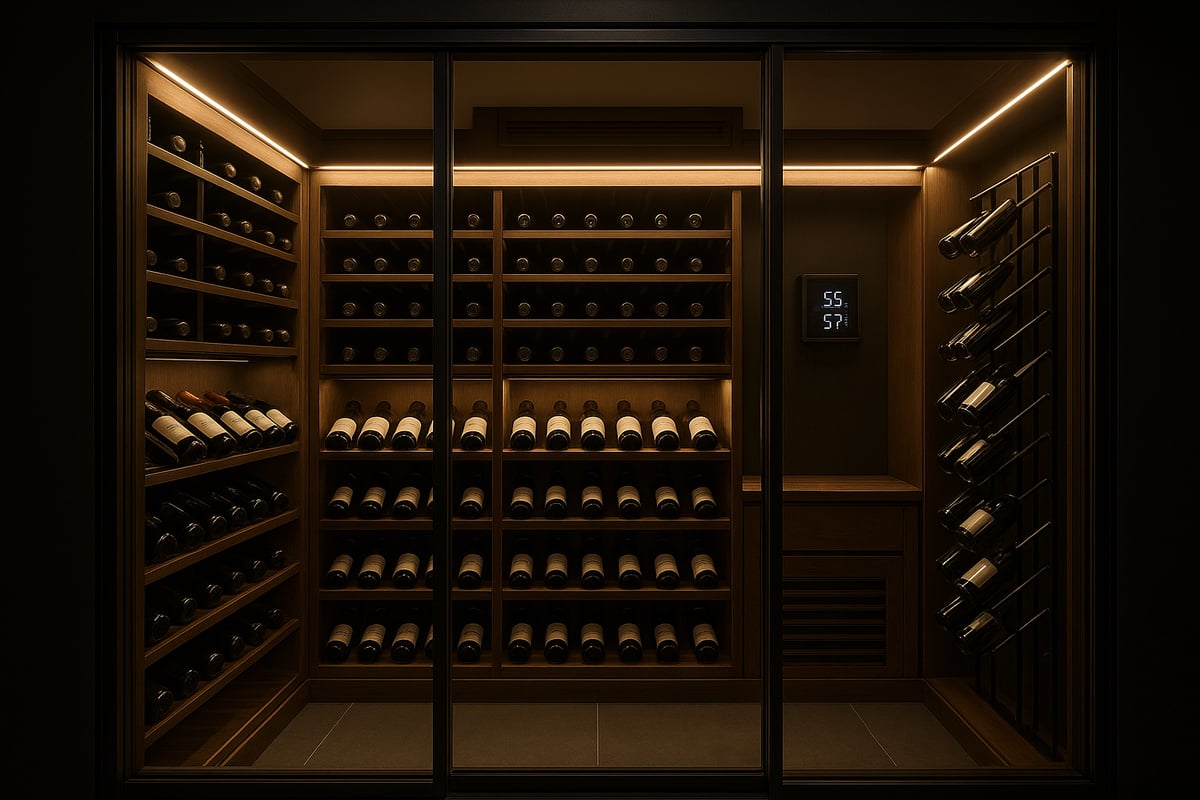
Proper wine storage is the heart of any custom wine cellar design. The ideal environment maintains a steady 55°F temperature with humidity levels between 60 and 70 percent. This balance slows aging, prevents corks from drying, and protects your wine’s delicate flavors.
Temperature swings or dry air can spoil even the most robust vintages. Studies show that up to 80 percent of wine faults are caused by poor storage conditions. That’s why consistency is crucial. Every custom wine cellar design should prioritize insulation and sealing to avoid outside air infiltration.
When planning your cellar, consider how bottle aging, cork integrity, and label preservation all depend on a stable environment. These scientific principles guide every technical choice, from room placement to equipment selection, ensuring your collection thrives for years to come.
Choosing the Right Climate Control System
Selecting the right system is a cornerstone of custom wine cellar design. There are three main types: self-contained, ducted, and split systems. Self-contained units are compact and ideal for smaller spaces, while ducted and split systems work best for larger, more complex cellars.
Sizing your system to match the cellar’s volume and insulation is essential. Oversized units waste energy, while undersized ones struggle to maintain stability. Noise levels and energy efficiency also play a role in enhancing the cellar’s comfort and operational costs.
Today’s smart systems offer Wi-Fi controls, app integration, and remote alerts for peace of mind. For a deeper dive into the options and how to tailor them to your cellar, consult the Wine Cellar Climate Control Guide. This resource helps you make informed decisions to protect every bottle in your collection.
Insulation, Vapor Barriers, and Construction Best Practices
A successful custom wine cellar design starts with robust insulation. Closed-cell spray foam, rigid foam, and fiberglass are all effective, but closed-cell spray foam is often preferred for its superior vapor resistance.
Vapor barriers are equally crucial. They prevent moisture from seeping in, which could lead to mold or damage. Install vapor barriers on the warm side of walls and ceilings, always overlapping seams for a tight seal.
Doors and glass panels must be airtight and thermally insulated. Low-iron glass reduces UV exposure and preserves clarity for display cellars. Every construction detail, from floor to ceiling, impacts the cellar’s ability to maintain optimal storage conditions.
Monitoring and Maintenance
Even the most advanced custom wine cellar design requires vigilant monitoring. Digital sensors track temperature and humidity, alerting you to any deviations before they become problems. Remote monitoring systems offer real-time updates, which is especially valuable for high-value collections.
Establish a routine maintenance schedule. Regularly inspect climate equipment, clean filters, and test alarms. Professional servicing can prevent costly issues, such as system failures that could lead to wine spoilage.
Document inventory and maintenance history for future reference. This attention to detail ensures your investment is protected and your cellar remains a sanctuary for your prized bottles.
Materials, Finishes, and Customization Options
Selecting the right materials and finishes is at the heart of any custom wine cellar design. Each element, from the wood in your racks to the glass in your doors, plays a role in both protecting your wine and setting the tone for your space. Let’s explore the best choices and creative personalization options to make your cellar truly unique.
Premium Woods and Metals
The backbone of most custom wine cellar design projects is the racking system. Premium hardwoods such as mahogany, redwood, oak, and walnut are prized for their durability, natural resistance to humidity, and timeless beauty. Each wood brings a distinct color and grain pattern, allowing you to match your cellar’s style to your personal taste.
Metals are also making a statement in modern cellars. Stainless steel offers a sleek, industrial look, while powder-coated finishes provide custom color options and extra protection. Comparing woods and metals, you’ll find that woods offer warmth and tradition, while metals deliver a contemporary, minimalist edge.
Material | Durability | Aesthetic | Cost |
|---|---|---|---|
Mahogany | High | Classic, rich | $$$ |
Redwood | High | Warm, rustic | $$ |
Oak | Medium | Versatile, light | $$ |
Walnut | High | Elegant, dark | $$$$ |
Stainless | Very High | Modern, sleek | $$$ |
Recent trends highlight sustainability, with designers choosing reclaimed woods and eco-friendly metals. For more inspiration on the latest racking styles and green materials, check out the Top Custom Wine Rack Trends 2025. Premium materials set the stage for a custom wine cellar design that is both functional and a true work of art.
Glass, Flooring, and Wall Treatments
Glass is a defining feature in many custom wine cellar design projects. Low-iron glass is ideal for doors and display walls, offering exceptional clarity while protecting your collection from harmful UV rays. This material elevates your cellar, creating a seamless visual connection with the surrounding space.
Flooring options are equally important. Stone, tile, and hardwood remain popular for their durability and style. Acoustic wall treatments can transform a tasting room, reducing noise and enhancing the ambiance for gatherings.
A fusion of industrial and luxury elements is trending, with designers blending glass, metals, and textured surfaces for a bold yet sophisticated look. Discover more about this aesthetic in Industrial-Luxury Wine Cellar Design Elements. Every detail, from the floor underfoot to the walls that surround you, shapes the ultimate custom wine cellar design.
Custom Features and Personalization
What truly sets a custom wine cellar design apart are the personal touches. Engraved wood panels, backlit logos, and bespoke art installations add a signature flair. Wine lockers, decanting stations, and display niches can be tailored to your collecting style and entertaining needs.
Lighting also plays a starring role. LED shelf lighting and illuminated bottle displays not only highlight your prized bottles but also create a welcoming ambiance. Personalization goes beyond décor—custom layouts can accommodate rare bottle sizes or integrate technology for modern inventory management.
Imagine a collector with rare Burgundies opting for a cellar featuring hand-engraved panels and a dedicated magnum display. The result is a space that feels like a private gallery, as functional as it is beautiful. With thoughtful customization, your custom wine cellar design becomes a true reflection of your passion and personality.
Lighting, Security, and Maintenance Essentials
A flawless custom wine cellar design isn’t complete without attention to lighting, security, and ongoing care. These essentials protect your investment, elevate your collection’s presentation, and ensure your cellar ages as gracefully as your finest bottles. Let’s explore the details that keep your cellar sophisticated, secure, and pristine.
Lighting Design for Function and Ambiance
Lighting is a defining feature of custom wine cellar design, shaping both ambiance and functionality. The right fixtures protect your collection and create a dramatic visual experience.
Use LED lighting to minimize heat and UV exposure, safeguarding wine integrity.
Dimmable systems allow you to shift from bright task lighting to soft, moody ambiance for tastings.
Choose color temperatures that flatter bottle labels and wood finishes.
Placement matters as much as bulb choice. Position accent lighting behind racks or under shelves to illuminate prized bottles without glare. With thoughtful lighting, your cellar becomes both a showcase and a sanctuary for your collection.
Security and Access Control
Protecting your collection is a cornerstone of custom wine cellar design. Security features today blend seamlessly with style.
Install lockable, insulated doors for basic protection.
Consider biometric access or keypad entry for added security.
Integrate video surveillance for high-value collections.
For commercial or high-end residential cellars, insurance companies may require alarms or remote monitoring. These layers of defense offer peace of mind, ensuring only trusted hands reach your prized vintages.
Cleaning, Upkeep, and Long-Term Care
Ongoing maintenance is vital to sustaining your custom wine cellar design and preserving your investment. Regular cleaning prevents dust and mold, while scheduled system checks keep climate equipment running smoothly.
Wipe racks and glass with non-abrasive cleaners.
Inspect for signs of humidity imbalance or pests.
Schedule annual servicing for cooling systems to avoid costly failures.
For advanced climate control, explore solutions like Wine Guardian Cooling Systems Overview for reliable performance and easy maintenance. Preventative care not only extends the lifespan of your cellar but also safeguards every bottle within.
Planning for Future Expansion
A well-planned custom wine cellar design anticipates growth. Modular racking systems let you reconfigure layouts as your collection evolves or as your tastes shift.
Document your inventory and maintenance history to streamline future upgrades. If you envision expanding from 500 to 1,200 bottles, choose racks and shelving that can scale with minimal disruption. This forward-thinking approach ensures your cellar remains a perfect fit for years to come.
As you dream about elevating your wine collection with a space that’s as refined and personal as your taste, remember that every detail—from innovative storage to climate control—is what makes a custom wine cellar truly exceptional. Whether you’re planning a showcase for your home or a statement piece for your restaurant, the journey starts with inspiration and expert guidance. If you’re ready to bring your vision to life and want to explore how Prestige Wine Cellars can help you achieve the perfect blend of artistry and engineering, I invite you to Contact Us today.
Your Dream Wine Cellar Starts Here
Let our design team craft a cellar that matches your taste, space, and your collection — built for beauty, function, and prestige.

Email us at
Serving Austin, Dallas–Fort Worth, Houston & San Antonio