
Wine Storage Austin TX: Everything You Should Know
Discover professional wine storage Austin TX solutions, from climate-controlled facilities to custom cellars. Expert guidance for collectors.
Austin's climate presents unique challenges for wine collectors. With summer temperatures regularly exceeding 100 degrees and humidity levels that fluctuate throughout the year, proper wine storage austin tx solutions become essential rather than optional. Whether you're building a personal collection of investment-grade Bordeaux, creating a restaurant program, or curating rare vintages, understanding your storage options ensures your bottles mature gracefully rather than deteriorate prematurely. The city's growing wine culture, fueled by sophisticated collectors and acclaimed restaurants, has created a thriving ecosystem of professional storage facilities and custom cellar solutions.
Understanding Austin's Climate Challenges for Wine Storage
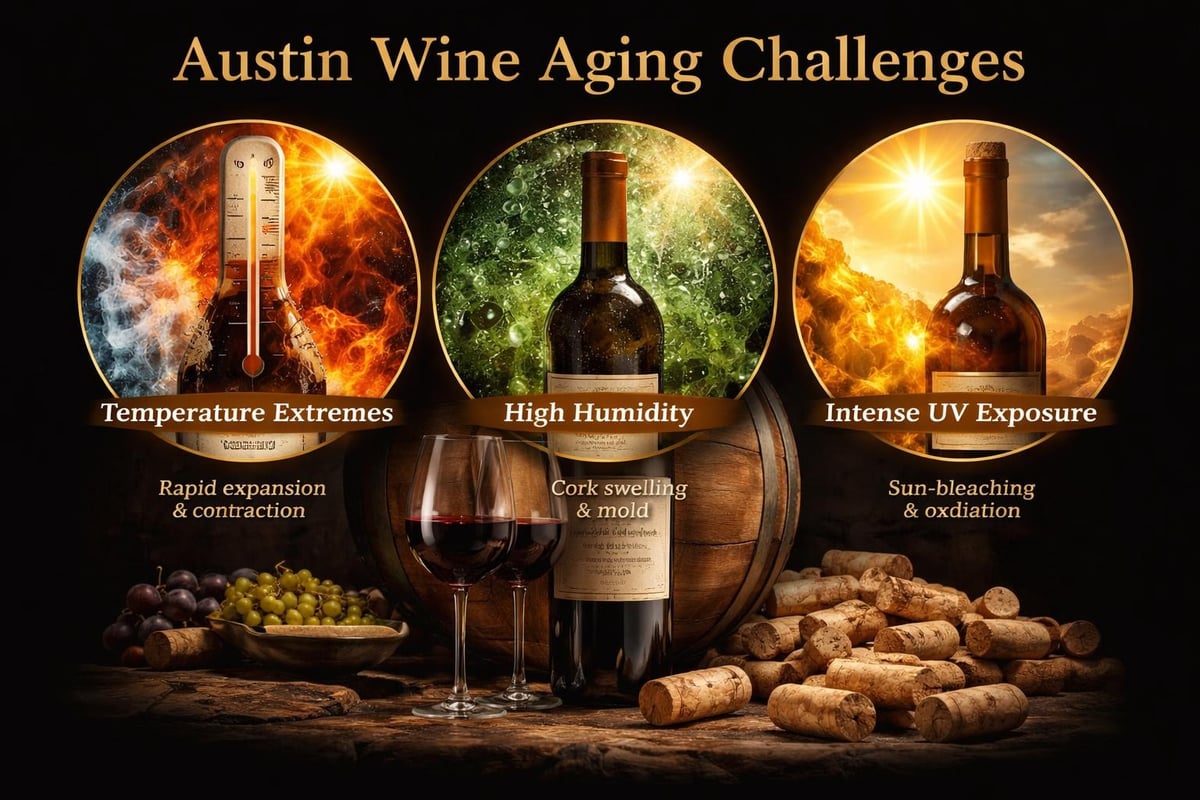
Central Texas weather creates a hostile environment for wine preservation. The extreme heat, particularly during the prolonged summer months, accelerates chemical reactions within the bottle that damage delicate flavors and aromas.
Temperature fluctuations pose an even greater threat than consistent warmth. When wine experiences repeated heating and cooling cycles, the liquid expands and contracts, potentially compromising cork integrity and allowing oxygen infiltration. This oxidation transforms vibrant wines into flat, tired versions of their former selves.
Key climate factors affecting wine storage austin tx:
Summer temperatures averaging 95-105°F from June through September
Humidity levels ranging from 30% during droughts to 90% during rainy periods
Significant day-to-night temperature swings, especially in spring and fall
Extended periods of intense UV exposure year-round
Occasional winter freezes that can crack bottles if storage isn't insulated
Beyond temperature, Austin's intense sunlight poses risks for any collection deserving of wine storage in austin tx stored near windows or in spaces with natural light exposure. UV rays penetrate glass bottles and break down organic compounds, leading to what wine professionals call "lightstruck" characteristics. According to Wine Spectator's storage guidelines, even indirect sunlight can damage wine over time.
The limestone-rich soil and aquifer system that makes Austin's water uniquely delicious also creates specific humidity considerations. Basements and ground-level storage spaces may experience moisture levels that either desiccate corks or promote mold growth, both detrimental to long-term wine preservation.
Professional Wine Storage Facilities in Austin
For collectors who lack the space or resources to build a dedicated cellar, professional wine storage austin tx facilities provide climate-controlled environments with security features that rival bank vaults.
Temperature and Humidity Control Systems
Professional facilities maintain consistent conditions that replicate ideal European wine cellar environments. Bon Vin's climate-controlled units exemplify the precision required, keeping temperatures between 55-58°F with 60-70% relative humidity regardless of outdoor conditions.
These facilities employ commercial-grade cooling systems with redundant backup units. If the primary system fails, secondary equipment activates immediately, preventing temperature spikes that could damage entire collections. This level of reliability far exceeds what most residential cooling systems offer.
Advanced monitoring systems track conditions 24/7, with alerts sent to facility managers if measurements drift outside acceptable parameters. Some facilities provide clients with app-based access to view real-time conditions affecting their wines.
Security and Access Features
Wine storage facilities in Austin offer varying levels of security and convenience:
Feature | Standard Facilities | Premium Facilities |
|---|---|---|
Access Hours | Business hours only | 24/7 keycard access |
Security | Basic alarm system | Biometric scanners + cameras |
Insurance | Optional coverage | Included in premium tiers |
Inventory Management | Self-managed | Professional cataloging available |
Tasting Facilities | None | Private rooms for clients |
Vault 55's secure storage demonstrates how premium facilities integrate multiple security layers. Beyond coded access and surveillance cameras, their vault-style construction protects collections from fire, flood, and theft.
Geographic considerations matter when selecting a facility. South Austin locations may offer shorter drives from Hill Country wine trails, while north Austin facilities provide convenient access for residents in areas like Cedar Park and Pflugerville.
Specialty Services That Add Value
Beyond basic storage, many Austin facilities offer services that enhance the collecting experience. Vintage Wine Storage provides a dedicated tasting room where members can enjoy bottles with friends without transporting them home first.
Transportation services prove invaluable for auction purchases or winery-direct shipments. Rather than exposing valuable bottles to your car's trunk during Texas summers, facilities can receive deliveries directly and place them immediately into climate-controlled storage.
Value-added services to consider:
Professional inventory management and cataloging
Wine advisory services and collection consultation
Event hosting spaces for private tastings
Concierge delivery to your home or restaurant
Insurance programs specific to fine wine collections
For serious collectors building investment-grade portfolios, facilities like these offer proximity to the region's emerging wine scene while maintaining Austin accessibility.
Custom Wine Cellar Design for Austin Homes
While professional storage facilities excel for extensive collections, many Austin wine enthusiasts prefer the convenience and prestige of a home cellar. Custom wine storage austin tx solutions transform unused spaces into both functional repositories and architectural statements.
Assessing Your Space and Requirements
The first step involves honest evaluation of your collection size, growth trajectory, and available space. A collector with 200 bottles and modest acquisition plans requires different infrastructure than someone building a 2,000-bottle cellar for rare Burgundy.
Common spaces transformed into wine cellars:
Underutilized closets - Compact solutions perfect for 300-500 bottles
Spare bedrooms - Moderate collections with display potential
Basement areas - Naturally cooler environments requiring less cooling power
Under-stair nooks - Creative use of dead space in multi-story homes
Converted garages - Extensive collections requiring significant capacity
Austin homes rarely feature traditional basements, making above-ground installations the norm. This reality demands robust climate control systems that combat Texas heat rather than merely supplement naturally cool underground conditions. The heat load calculator helps determine precise cooling requirements based on your specific location and room characteristics.
Location within your home matters significantly. Placing a cellar on an exterior wall facing west exposes it to intense afternoon sun, dramatically increasing cooling demands and energy costs. Interior rooms or north-facing spaces reduce thermal load and improve efficiency.
Climate Control Engineering
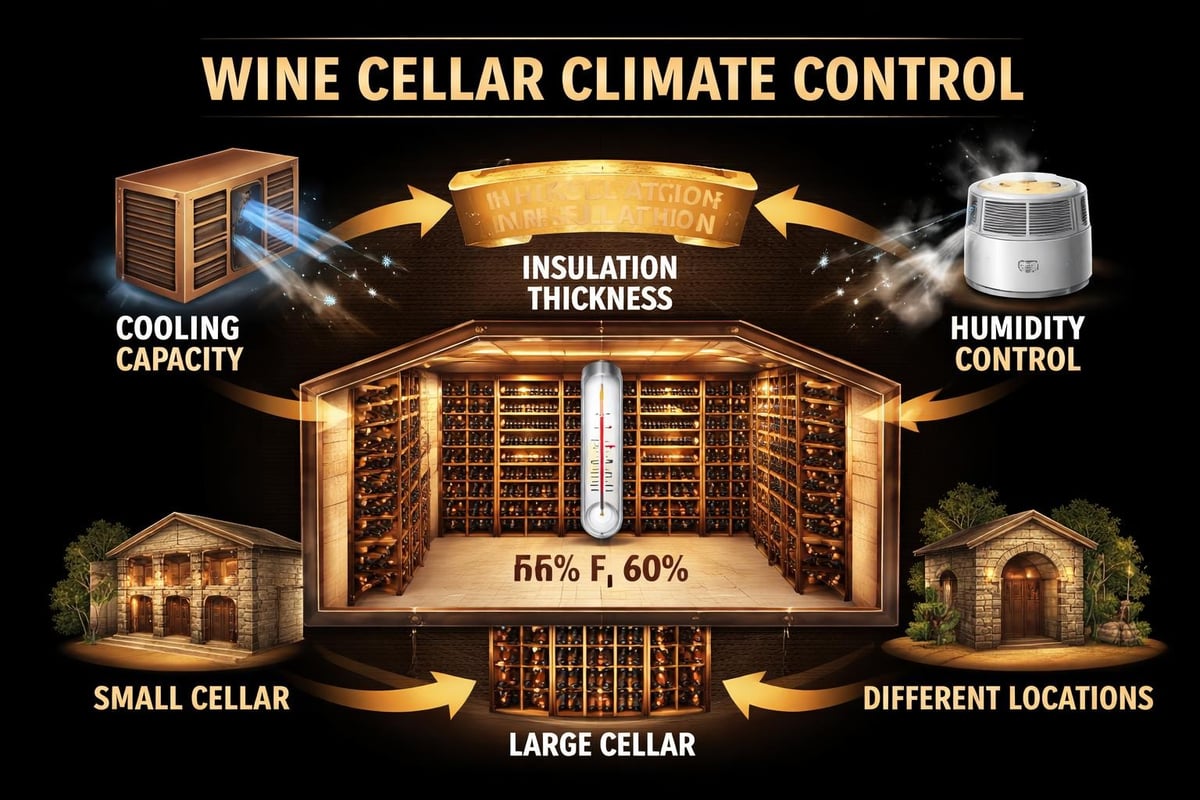
Proper wine storage austin tx demands precision cooling equipment designed specifically for wine preservation. Standard HVAC systems create temperature fluctuations and fail to manage humidity properly.
Wine cellar cooling units function like dedicated air conditioners but operate continuously at low levels rather than cycling on and off. This consistency prevents the temperature swings that damage wine. Following Wine Guardian's storage principles, these systems maintain 55-58°F with minimal variation.
Cooling System Type | Ideal For | Key Advantage | Consideration |
|---|---|---|---|
Through-wall units | Medium cellars (500-1500 bottles) | Cost-effective installation | Requires exterior venting |
Ducted split systems | Large cellars (1500+ bottles) | Hidden components | Higher upfront cost |
Self-contained systems | Small cellars (under 500 bottles) | Minimal installation | Limited capacity |
Water-cooled systems | Any size, enclosed spaces | No exterior venting needed | Requires water line |
Humidity management proves equally critical. Too dry and corks shrink, allowing oxidation. Too humid and mold develops on labels and cork surfaces. Quality systems maintain 60-70% relative humidity through active humidification and dehumidification.
Insulation requirements exceed standard construction specifications. Walls, ceilings, and floors need vapor barriers and R-19 or higher insulation values to prevent condensation and reduce cooling system workload. Without proper insulation, even the best cooling unit fights a losing battle against Austin's heat.
Design Styles and Material Selection
Austin's diverse architectural landscape welcomes various cellar aesthetics. The signature styles portfolio demonstrates how design choices reflect personal taste while maintaining storage functionality.
Traditional cellars feature rich wood racking in mahogany, walnut, or redwood. These classic designs complement historic homes in neighborhoods like Tarrytown or estates in the Hill Country. Ornate crown molding, wrought-iron accents, and Old-World styling create the ambiance of European wine caves.
Modern glass-enclosed cellars have surged in popularity among Austin's contemporary architecture enthusiasts. These transparent showcases become living art installations, visible from living areas or dining rooms. LED lighting systems illuminate bottles from within, creating dramatic visual impact while maintaining proper UV protection through specialized glass.
Transitional designs blend traditional warmth with contemporary clean lines. Mixed materials-wood combined with metal or glass-appeal to collectors who appreciate both classic and modern aesthetics. These transitional wine cellars work beautifully in recently updated historic homes.
Material selection impacts both aesthetics and functionality. Solid wood racking offers timeless beauty but requires stable humidity to prevent warping. Metal racking provides contemporary appeal and humidity resistance but may lack the warmth some collectors desire. Many Austin installations combine materials, using wood for display sections and metal for bulk storage.
Wine Storage Best Practices for Collectors
Regardless of whether you choose professional storage or a home cellar, understanding wine storage austin tx fundamentals ensures your collection ages gracefully.
Temperature and Position Fundamentals
Consistency matters more than hitting a precise number. Wine stored at a steady 60°F fares better than wine fluctuating between 55°F and 65°F. The ideal range of 55-58°F slows aging processes while allowing wines to develop complexity over decades.
Bottle positioning rules:
Store wine horizontally to keep corks moist and prevent oxygen infiltration
Ensure minimal vibration from appliances, HVAC systems, or foot traffic
Organize by drinking window, placing younger wines deeper in storage
Group wines by varietal or region for easier selection
Create a separate section for ready-to-drink bottles
Coravin's long-term storage guide emphasizes these positioning principles, noting that even slight disturbances can affect sediment in aged wines.
For collectors with mixed-use storage, consider dedicating different zones to various needs. Investment wines requiring decades of aging deserve the most stable conditions, while everyday drinking wines tolerate slightly less precise control.
Light, Vibration, and Air Quality Management
Beyond temperature and humidity, three additional factors significantly impact wine storage austin tx success. Light exposure, even from artificial sources, degrades wine over time. LED systems designed for wine cellars emit minimal UV radiation and heat compared to traditional incandescent or fluorescent options.
Vibration proves subtler but equally damaging. Constant movement prevents sediment from settling and disrupts aging chemistry. Avoid placing cellars near garage doors, laundry rooms, or high-traffic areas. If your home sits near a busy street or train line, consider vibration-dampening mounts for racking systems.
Air quality matters more than many collectors realize. Strong odors from paint, cleaning chemicals, or cooking can penetrate corks over extended periods, imparting off-flavors. Activated carbon filtration systems remove airborne contaminants while maintaining proper humidity levels.
Inventory Management and Organization
As collections grow beyond a few dozen bottles, systematic organization transitions from helpful to essential. Digital inventory systems track purchase dates, storage locations, drinking windows, and tasting notes.
Professional-grade software solutions offer features including:
Barcode scanning for rapid entry of new acquisitions
Cellar location mapping showing exact bottle positions
Automated alerts when wines reach optimal drinking windows
Market value tracking for insurance and investment purposes
Food pairing suggestions and vintage rating integration
Even simple spreadsheet systems provide value, especially when backed up to cloud storage. The worst feeling for collectors comes from discovering a prized bottle has passed its prime because you forgot its existence in the back corner of your cellar.
Physical organization strategies vary by collection style. Some collectors organize geographically, grouping French wines separately from California or Italian bottles. Others prefer varietal organization, keeping all Cabernet Sauvignon together regardless of origin. The best system aligns with how you actually select wines for consumption.
Restaurant and Commercial Wine Storage Solutions
Austin's acclaimed restaurant scene demands sophisticated wine storage austin tx solutions that balance accessibility with preservation. Steakhouses, fine dining establishments, and wine bars face unique challenges in presenting extensive selections while maintaining perfect storage conditions.
Glass Wine Walls and Display Cellars
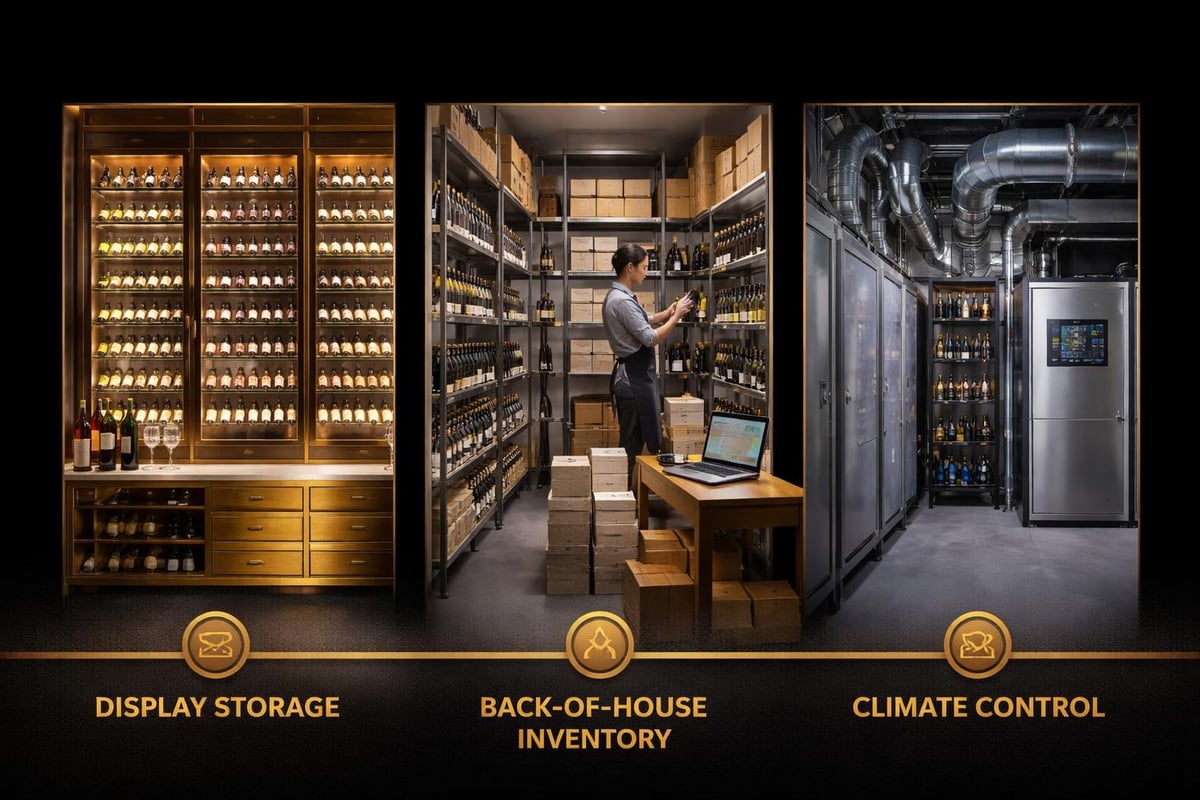
Transparent wine storage transforms collections into dining room attractions. Floor-to-ceiling glass walls showcase hundreds or thousands of bottles while maintaining climate-controlled environments through specialized refrigeration systems.
These installations serve dual purposes-functional storage and experiential marketing. Diners browsing the wine list see bottles displayed artfully, creating visual connection between menu and cellar. The theatrical element enhances perceived value and justifies premium pricing for rare selections.
Design considerations for commercial display cellars:
Dual-zone temperature control for reds and whites
LED accent lighting with dimming capabilities
Secure locking mechanisms for high-value inventory
Modular racking allowing configuration changes
Integration with POS systems for inventory tracking
Many Austin restaurants have embraced glass-enclosed showpiece designs that become signature architectural features. These installations work particularly well in open-concept spaces where kitchen or dining room visibility maximizes impact.
Back-of-House Storage Infrastructure
While display cellars create visual drama, most restaurant inventory requires efficient back-of-house storage. Walk-in wine rooms adjacent to service stations provide staff quick access during service while maintaining proper conditions for hundreds of bottles.
Commercial cooling systems must handle frequent door openings and staff traffic without compromising temperature stability. Industrial-grade units with larger compressors and faster recovery times prevent temperature spikes during busy service periods.
Racking configurations prioritize accessibility and turnover speed. Unlike residential cellars optimized for long-term aging, restaurant storage emphasizes efficient stock rotation and rapid retrieval. Open-faced racking allows servers to grab bottles quickly without navigating through rows of storage.
Compliance and Insurance Considerations
Texas law requires specific record-keeping for alcohol inventory. Restaurants must track every bottle from purchase through sale, creating paper trails that satisfy TABC regulations. Professional inventory management systems simplify compliance while providing valuable business intelligence.
Insurance for commercial wine collections differs substantially from homeowner policies. Coverage must account for higher values, business interruption losses, and potential liability issues. Many restaurants maintain separate policies specifically for wine inventory, particularly when cellars exceed six-figure values.
Wine warehousing safety protocols apply to commercial settings, emphasizing proper racking installation, weight distribution, and employee training. Collapsed wine racks create safety hazards and financial disasters that proper engineering prevents.
Integrating Wine Storage with Austin Lifestyle
Wine storage austin tx solutions should enhance your enjoyment rather than merely preserve bottles. Thoughtful design creates spaces that invite exploration and sharing rather than functioning as sterile warehouses.
Entertainment and Tasting Spaces
Forward-thinking collectors integrate tasting areas within or adjacent to their cellars. A small table, comfortable seating, and proper glassware transform storage spaces into intimate tasting salons where you can share special bottles with friends.
Climate-controlled tasting rooms maintain perfect serving temperatures for both reds and whites. No more waiting thirty minutes for a Chardonnay to chill or a Barolo to warm-bottles stored at 58°F reach ideal serving temperature quickly with minimal adjustment.
Elements that elevate cellar entertaining:
Stemware storage for various wine styles (Bordeaux, Burgundy, white wine glasses)
Decanter collection for serving aged wines requiring aeration
Temperature-controlled serving cabinet for wines ready to drink
Comfortable seating for 4-6 guests
Controlled lighting that sets ambiance without UV exposure
Some Austin collectors incorporate their cellars into broader home entertainment strategies. A cellar adjacent to a home theater or game room creates natural flow between activities. Others position cellars near outdoor living spaces, facilitating easy bottle selection for patio dining.
Smart Home Integration
Modern wine storage austin tx embraces technology that simplifies collection management and enhances security. Smart monitoring systems send alerts to your phone if temperature or humidity drift outside parameters, allowing immediate response before conditions damage your collection.
Integration with home automation platforms enables sophisticated climate control. Systems can adjust cooling intensity based on time of day, optimize energy consumption during off-peak hours, and activate backup systems automatically during equipment failures.
Security integration provides peace of mind for valuable collections. Surveillance cameras with remote viewing let you check on your cellar from anywhere. Smart locks track access, creating accountability for household staff or service providers.
Voice-controlled systems bring convenience to bottle selection. Ask your smart home system to suggest wines for tonight's menu, display your cellar inventory on kitchen screens, or remind you which bottles need drinking soon.
Expanding Beyond Residential Storage
As Austin's wine culture matures, storage solutions extend beyond private homes and restaurants into broader hospitality and commercial applications. Hotels, resorts, and private clubs increasingly recognize wine cellars as amenities that differentiate their offerings.
Boutique Hotel Wine Programs
Luxury hotels in Austin create wine experiences that rival dedicated wine bars. Curated cellars featuring Texas Hill Country producers alongside international selections become guest amenities and revenue generators.
The portfolio of custom wine cellar designs demonstrates how hospitality installations balance guest accessibility with proper storage conditions. Public-facing display areas showcase selections while temperature-controlled storage preserves inventory quality.
Wine director positions have emerged at premier Austin hotels, with dedicated staff managing acquisitions, conducting tastings, and educating guests. These programs transform wine from peripheral amenity to central experience driver.
Private Club and Event Space Applications
Austin's private clubs and event venues recognize wine cellars as member benefits and booking advantages. Climate-controlled storage for member collections creates value while impressive display cellars enhance special events.
Event venues with built-in wine cellars can offer full-service wine programs without relying on external catering. Couples planning weddings appreciate selecting from extensive on-site collections rather than navigating separate wine procurement.
Member storage programs at country clubs and social clubs provide convenient alternatives to home cellars. Members without space for dedicated storage rent locker-style units within club facilities, accessing bottles for dining or taking home as desired.
Wine Investment and Portfolio Management
Serious collectors increasingly view wine as an investment asset class alongside stocks and real estate. Fine wine appreciation often outpaces inflation, particularly for rare Burgundy, Bordeaux, and cult California producers.
Professional wine storage austin tx facilities catering to investors emphasize provenance documentation and condition reports. These records prove essential when selling bottles through auction houses or specialty brokers. Maintaining unbroken climate control chains from producer to final sale maximizes value realization.
Portfolio diversification strategies apply to wine investment. Rather than concentrating holdings in single regions or vintages, sophisticated collectors spread risk across multiple categories. This approach requires substantial storage capacity and meticulous organization.
Tax considerations affect wine investment strategies in Texas. While the state lacks income tax, sales tax applies to wine purchases. Storage facility fees and custom cellar depreciation may offer deductions for commercial wine programs but rarely for residential collectors.
Sustainability and Energy Efficiency
Environmental consciousness shapes modern wine storage austin tx approaches. Efficient systems reduce energy consumption while maintaining perfect conditions, aligning preservation with sustainability values.
Energy-Efficient Cooling Technologies
Newer wine cellar cooling systems consume significantly less energy than units from even five years ago. Variable-speed compressors adjust output based on actual demand rather than cycling on-off, reducing electricity use by 30-40% compared to single-speed models.
Geothermal cooling leverages Austin's consistent underground temperatures. These systems circulate coolant through buried pipes, using earth's thermal mass to reduce cooling loads. Initial installation costs run higher, but operational savings accumulate over decades.
Solar panel integration appeals to Austin homeowners already investing in renewable energy. Properly sized photovoltaic systems generate sufficient power to run wine cellar cooling units, effectively providing free climate control after initial equipment costs.
Efficiency improvements beyond cooling:
LED lighting using 75% less energy than incandescent options
Motion sensors that illuminate sections only when accessed
Superior insulation reducing cooling demands
Smart thermostats optimizing temperature management
Energy recovery ventilation improving air quality efficiently
Austin's relatively affordable electricity rates (compared to coastal markets) make operational costs manageable even for large cellars. However, summer peak demand charges can surprise collectors. Monitoring systems that track energy consumption help identify opportunities for optimization.
Sustainable Materials and Construction
Wine cellar construction increasingly emphasizes sustainable materials. Reclaimed wood racking creates rustic charm while reducing environmental impact. FSC-certified lumber ensures new wood comes from responsibly managed forests.
Low-VOC finishes and adhesives improve air quality within cellars while reducing environmental harm. These materials emit fewer harmful chemicals, preventing contamination that could affect wine aromas over time.
Cork insulation provides excellent thermal performance with renewable material credentials. As a byproduct of wine cork production, using cork insulation creates circular economy benefits within the wine industry ecosystem.
Maintenance and Long-Term Care
Even perfectly engineered wine storage austin tx systems require ongoing maintenance to ensure continued performance. Neglected equipment eventually fails, potentially exposing collections to damaging conditions.
Regular System Inspections
Quarterly inspections catch minor issues before they become major failures. Check temperature and humidity readings against system targets, verifying sensors accurately reflect conditions. Calibration drift causes systems to maintain incorrect environments despite displaying proper readings.
Cooling unit filters require cleaning or replacement every 3-6 months depending on usage and air quality. Clogged filters reduce airflow, forcing compressors to work harder and consume more energy. This strain shortens equipment lifespan while increasing failure risk.
Condensate drain lines need annual flushing to prevent clogs. Blocked drains cause water backup that can damage cellar finishes or create mold growth. A simple vinegar flush keeps drains flowing freely.
Annual maintenance checklist:
Professional refrigeration system service including refrigerant level verification
Electrical connection inspection for signs of overheating or corrosion
Insulation integrity check, especially around door seals
Wood racking examination for moisture damage or instability
Inventory audit matching physical bottles to database records
Service contracts with refrigeration professionals provide scheduled maintenance while establishing relationships for emergency repairs. When cooling units fail during August heat waves, having an existing service provider accelerates repairs compared to searching for new contractors.
Addressing Common Issues
Even well-maintained systems occasionally develop problems. Recognizing symptoms early minimizes damage to your collection.
Temperature fluctuations often indicate failing compressors or refrigerant leaks. If your cellar temperature varies more than 3-4 degrees daily, schedule professional inspection immediately. Continuing to operate faulty equipment risks complete failure.
Excessive humidity typically stems from oversized cooling units or inadequate dehumidification capacity. Adding standalone dehumidifiers provides temporary relief, but proper system sizing solves root causes. Conversely, low humidity requires humidifier additions or reducing air exchange rates.
Unusual noises from cooling equipment signal mechanical problems. Grinding sounds suggest failing bearings or compressor issues requiring immediate attention. Ignoring these warnings leads to catastrophic failures at the worst possible times.
Mold growth indicates excessive humidity or inadequate air circulation. Address moisture sources first, then clean affected areas with solutions safe for wine storage environments. Prevention through proper climate control beats remediation.
Proper wine storage austin tx combines science, engineering, and attention to detail, whether you choose professional facilities or custom home cellars. Understanding climate challenges, implementing appropriate solutions, and maintaining systems diligently protects your investment while enhancing enjoyment of each bottle. For collectors ready to create bespoke storage solutions that reflect their unique vision and collection needs, Prestige Wine Cellars brings decades of expertise designing and building luxury wine cellars throughout Texas, transforming spaces into climate-controlled showcases where wines age gracefully and become centerpieces of home entertaining.
Your Dream Wine Cellar Starts Here
Let our design team craft a cellar that matches your taste, space, and your collection — built for beauty, function, and prestige.

Email us at
Serving Austin, Dallas–Fort Worth, Houston & San Antonio