
The BEST Texas Wine Cooling System Guide
Discover the ultimate 2026 guide to selecting a wine cooling system for perfect storage. Explore expert tips, system types, and innovations for lasting wine elegance.
Discover why the right wine cooling system is the secret behind every remarkable wine collection in 2026. Whether you are a passionate collector, an enthusiast, or a professional, mastering this essential detail makes all the difference.
In this guide, you will learn how to choose the perfect wine cooling system for your needs. We will break down the latest technologies, explain sizing and installation, compare system types, and share expert strategies for protecting your investment. Ready to elevate your wine experience and preserve every bottle at its peak? Let’s begin.
Understanding Wine Cooling Systems: Basics & Importance
Selecting the right cooling system is the foundation of any serious wine collection. Whether you are storing a few prized bottles or curating a vast cellar, understanding how these systems work is essential for preserving every note and nuance in your wine.
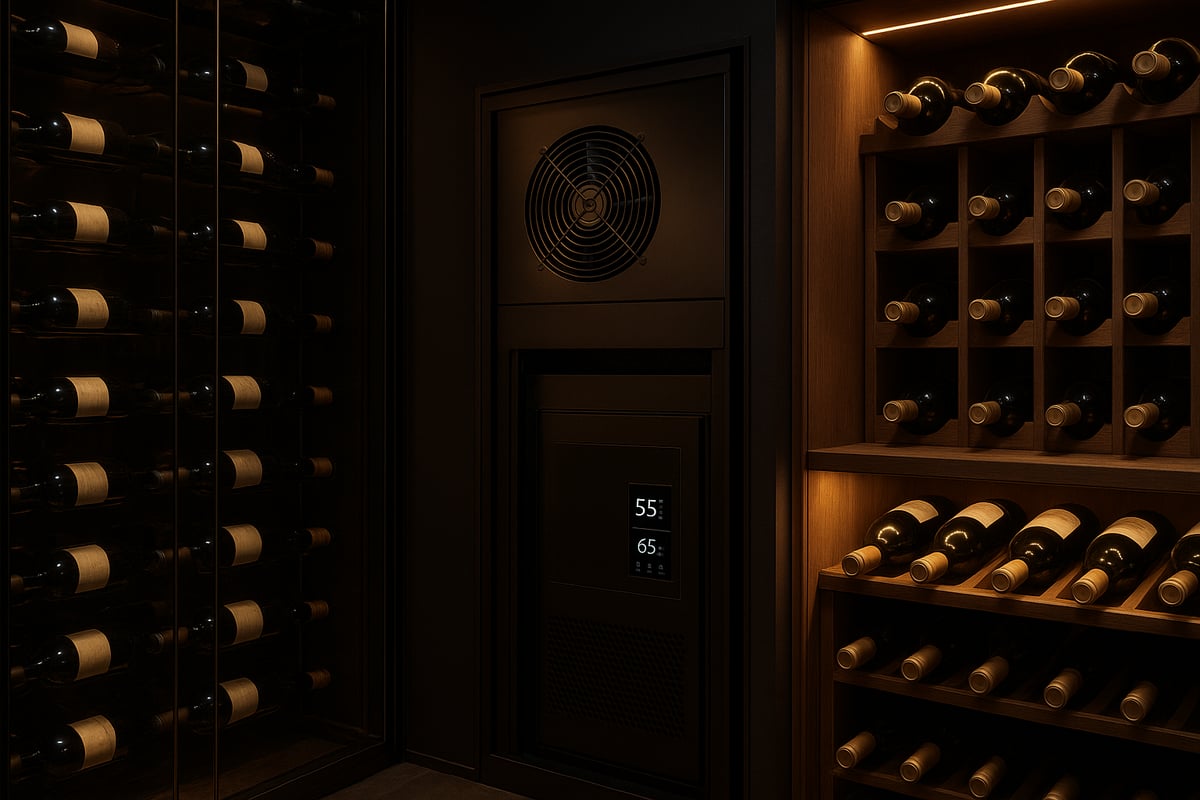
What is a Wine Cooling System?
A wine cooling system is designed to maintain precise temperature and humidity, creating the ideal environment for wine aging and preservation. Unlike standard air conditioning, which simply cools air, a cooling system carefully balances both temperature and humidity, preventing corks from drying out and flavors from fading.
These systems are inspired by the natural wine caves of France, where centuries-old bottles mature in stable, cool conditions. By mimicking these caves, a wine cooling system helps protect your investment from the unpredictable fluctuations found in most homes.
Key components include:
Condenser: Removes heat from the cellar.
Evaporator: Circulates cooled air.
Controls: Digital panels for monitoring and adjusting climate.
Wine cooling systems can be integrated into traditional cellars, compact cabinets, or dramatic glass wine walls. Popular brands such as Wine Guardian, WhisperKool, CellarPro, and Wine-Mate offer a range of models, each with unique features and technologies.
For example, Wine-Mate’s patented temperature and humidity control technology ensures that even in spaces with lots of glass or challenging layouts, your cooling system delivers stable conditions. If you want to dive deeper into the mechanics and types of these systems, the Wine Cellar Cooling Guide offers an excellent overview.
Why Proper Cooling Matters for Wine
The importance of a wine cooling system goes far beyond comfort. Wine is sensitive to its environment, and even small temperature swings can accelerate aging, dull flavors, and cause irreversible spoilage.
Ideal storage requires a temperature range between 50 and 65°F and humidity between 50 and 75% relative humidity. Most experts agree that 55°F with 60 to 70% humidity is the sweet spot for long-term aging. Without a dedicated cooling system, your collection is at risk of:
Oxidation: Hot conditions push air past the cork, ruining the wine.
Cork Drying: Low humidity causes corks to shrink, letting in unwanted air.
Mold Growth: High humidity without airflow leads to labels and corks getting moldy.
Spoilage: Fluctuations cause chemical reactions and loss of character.
Consider the case of a collector who stored a rare vertical of Bordeaux in a standard basement. Without a wine cooling system, a summer heatwave spoiled dozens of bottles, erasing years of careful collecting and thousands in value.
A cooling system is not just about preservation—it is about safeguarding memories, investments, and experiences. For collectors and investors, maintaining optimal conditions ensures bottles not only survive but mature into their finest form.
Types of Wine Cooling Systems: Pros, Cons & Use Cases
Choosing the right wine cooling system is crucial for protecting your collection and showcasing your space. Each system offers unique strengths, challenges, and ideal applications. Let’s explore how each type works, their pros and cons, and which environments they best serve.
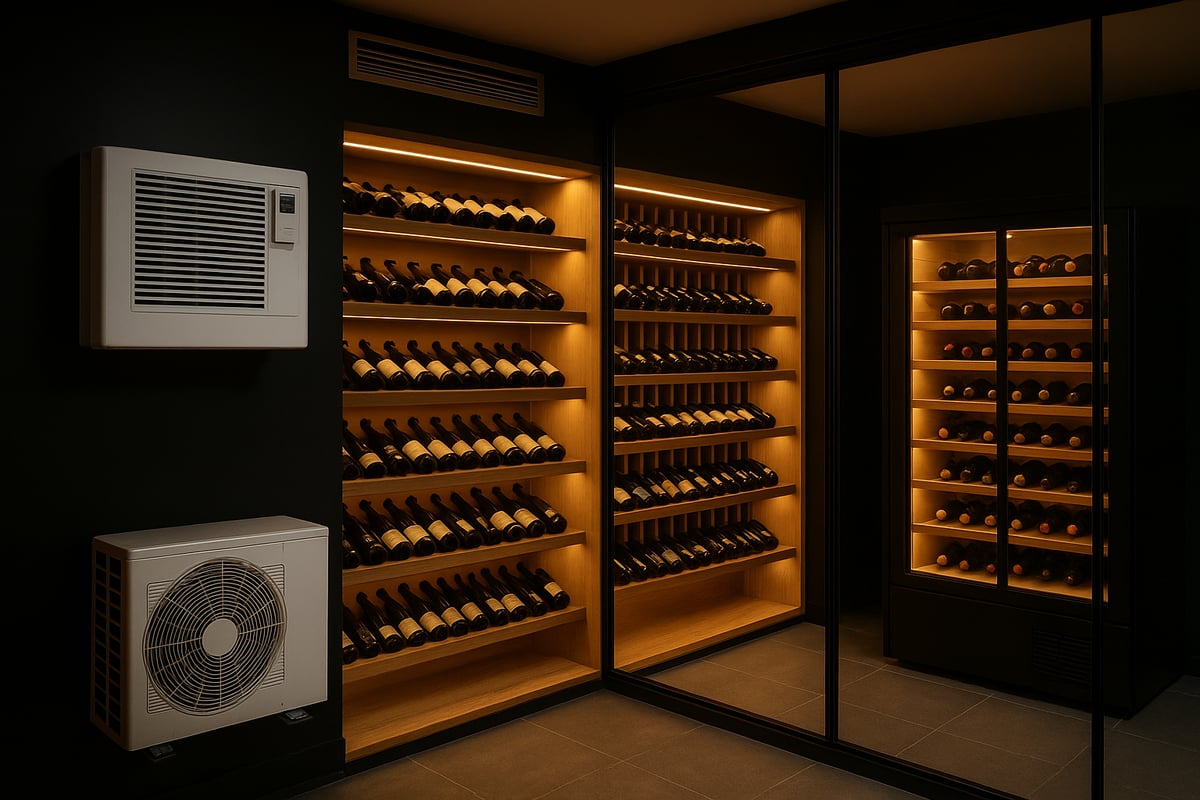
Self-Contained (Through-the-Wall) Systems
A self-contained wine cooling system is a popular solution for small to medium cellars. The condenser and evaporator are housed in a single unit, typically installed through the cellar wall.
Pros:
Simple, straightforward installation
Budget-friendly option
Perfect for spaces between 90 and 300 cubic feet
Cons:
Requires venting into an adjacent room
Limited capacity for larger collections
Tends to produce more noise than other options
An excellent example is the Wine-Mate 1500CD, which delivers reliable performance in compact spaces. This type of cooling system is ideal for homeowners looking to upgrade a small dedicated wine room with minimal fuss.
Ducted Systems
Ducted systems move cool air from a remote cooling unit to the cellar via flexible ductwork. This design keeps the noise and heat away from your collection.
Pros:
Ultra-quiet operation inside the cellar
Flexible installation for discrete airflow
Can be placed in attics, basements, or utility rooms
Cons:
Installation requires professional ductwork
Higher upfront cost and planning
A ducted wine cooling system like the Wine Guardian air-cooled model is perfect for mid-sized cellars or for collectors who want a peaceful, undisturbed environment. These systems are also well-suited to cellars with unique layouts or display features.
Split Systems
A split wine cooling system separates the evaporator and condenser, allowing the noisy, heat-generating components to be placed outside or in another room.
Pros:
Exceptionally quiet in the wine cellar
Handles larger spaces and higher heat loads
Offers flexible installation options
Cons:
Requires professional installation
More expensive than self-contained systems
The WhisperKool split series is a favorite for large residential cellars or commercial wine rooms. This wine cooling system excels where performance and silence are top priorities, such as in high-end homes or restaurants with tasting areas.
Cabinet & Specialty Cooling Units
Cabinet and specialty units are designed for wine cabinets, glass enclosures, or unique display spaces where traditional systems may not fit.
Features:
Compact size to fit tight spaces
Customizable exhaust and airflow options
Often include bottom cold air supply for even distribution
These units are ideal for glass wine walls in luxury restaurants or boutique hotels, where aesthetics and flexibility matter. Whether you have a designer wine cabinet or a glass showcase, a specialty wine cooling system will keep your bottles at their best.
Comparing System Types
To help you match the right wine cooling system to your needs, here’s a quick comparison:
System Type | Ideal Cellar Size | Noise Level | Installation Complexity | Cost | Best Use Case |
|---|---|---|---|---|---|
Self-Contained | <500 cu. ft. | Moderate | Easy | $ | Small home cellars |
Ducted | 500–3000+ cu. ft. | Low | Moderate/High | $$–$$$ | Medium to large, quiet cellars |
Split | 500–3000+ cu. ft. | Very Low | High | $$$ | Large, luxury, or commercial |
Cabinet/Specialty | Varies | Low | Easy/Moderate | $$–$$$ | Cabinets, glass walls, displays |
For tailored advice on selecting and optimizing your wine cooling system, see these Wine Cellar Climate Control Tips. The right system preserves both your wine’s character and your investment for years to come.
Key Factors in Wine Cooling System Selection
Selecting the right wine cooling system is a blend of art and science. With so many options available in 2026, it pays to approach this decision with care. Let’s explore the five critical factors that ensure your investment protects both your wine and your peace of mind.

Sizing & Capacity
Getting the right size for your wine cooling system is essential. Start by measuring your cellar’s cubic footage (length × width × height). But that’s just the beginning. Consider how much insulation your space has, the amount of glass, lighting, and even where the room is located in your home.
Heat load is the total amount of heat your wine cooling system must remove to keep your cellar at the perfect temperature. Too small a system, and your wine suffers. Too large, and you risk short cycling and humidity issues.
For precise results, use an online heat load calculator or consult with a professional. For example, a cellar holding 1,000 bottles with glass doors needs more cooling power than a fully insulated room with no windows.
Cellar Feature | Impact on Sizing |
|---|---|
Insulation Quality | Higher insulation = smaller system |
Glass Surfaces | More glass = larger system |
Lighting | More lighting = larger system |
Location | Above ground = larger system |
Carefully matching your wine cooling system to your space is the foundation for successful storage.
Temperature & Humidity Control
Wine is sensitive to subtle changes in temperature and humidity. The ideal climate for most collections is a steady 50 to 65°F with humidity between 50 and 75 percent. If your wine cooling system can’t hold these conditions, your investment is at risk.
Look for units with digital controls, bottle probes, and humidity adjustment features. These tools help you maintain the delicate balance your wine needs to age gracefully. According to Ideal Wine Storage Temperature and Humidity, keeping your cellar within this range protects against oxidation, cork drying, and flavor loss.
Advanced wine cooling systems, like those from Wine-Mate, offer precise climate management. This attention to detail ensures every bottle is preserved in optimal conditions.
Installation Requirements
Every wine cooling system comes with unique installation needs. Start by checking the electrical requirements—most systems need a dedicated 110V or 220V circuit. Proper venting and ductwork are crucial for both self-contained and ducted systems.
Plan your space to allow for easy maintenance access. Split systems, for example, require the condenser to be installed outside or in an adjacent room. This can mean more complex electrical and structural work.
Here are key installation considerations:
Dedicated electrical circuit
Sufficient venting or ductwork
Space for maintenance and filter changes
Outdoor location for split system condensers
A well-planned installation helps your wine cooling system run efficiently and extends its lifespan.
Noise Levels & Location
Noise can be a dealbreaker, especially if your wine cellar is near living spaces or a tasting room. Each wine cooling system has a decibel rating, so check this before you buy.
Self-contained systems are often louder since the compressor and fan are in the same unit. Ducted and split systems offer quieter operation by placing the noisy components away from your cellar.
To minimize noise:
Choose ducted or split systems for sensitive locations
Install remote condensers
Add sound insulation to adjacent walls
Thoughtful placement of your wine cooling system ensures that your enjoyment of both wine and space is never disturbed.
Energy Efficiency & Environmental Impact
Today’s luxury wine cooling systems are designed with sustainability in mind. Look for models featuring eco-friendly refrigerants, high-efficiency compressors, and green certifications. These features lower your energy bills and reduce your carbon footprint.
Energy-efficient wine cooling systems often pay for themselves over time, thanks to reduced operating costs. Systems with smart controls and variable-speed fans can further optimize energy use.
Consider these factors for a green approach:
Energy Star or comparable ratings
Use of R-600a or other eco-friendly refrigerants
Long-term cost savings
Balancing performance with sustainability ensures your wine cooling system protects both your collection and the planet.
Step-by-Step Guide: How to Select Your Wine Cooling System
Selecting the right wine cooling system can feel overwhelming, but breaking it down into clear steps makes the process manageable and rewarding. Whether you’re a homeowner, designer, or restaurateur, following this guide will ensure your wine investment is protected for years to come.
Step 1: Assess Your Wine Storage Space
Start by evaluating the physical space where your wine will live. The foundation of any effective wine cooling system is proper assessment.
Measure the length, width, and height of your cellar or cabinet.
Calculate total cubic footage for accurate system sizing.
Note insulation quality—thicker insulation maintains stable temperatures.
Identify glass surfaces, as they increase heat gain and may require a more robust solution.
Consider the room’s location: above or below ground, interior or exterior walls, and proximity to heat sources.
A thorough assessment sets the stage for a cooling system tailored to your exact needs.
Step 2: Define Your Collection & Storage Goals
Next, clarify your wine storage ambitions. The right cooling system should adapt as your collection evolves.
Count your current bottles and project future growth.
List the types of wine you’ll store—reds, whites, sparkling, or a mix.
Consider whether you plan to age bottles long-term or enjoy them within a few years.
Factor in display preferences, such as showcasing rare bottles or maximizing storage density.
By understanding your goals, you’ll select a wine cooling system that supports both your passion and investment.
Step 3: Choose the Right System Type
With your space and goals defined, match them to the ideal wine cooling system type.
For small spaces (under 500 cu. ft.), self-contained units offer simplicity and budget-friendliness.
Ducted systems provide quiet, discreet cooling for mid to large cellars.
Split systems deliver powerful, flexible solutions for premium residential or commercial environments.
Specialty units fit unique spaces like glass enclosures or luxury wine walls.
Compare system types by installation complexity, noise tolerance, and budget to find your best fit.
Step 4: Calculate Required Cooling Capacity
Sizing matters. An undersized wine cooling system will struggle while an oversized unit wastes energy.
Use your cubic footage and heat load factors (glass, insulation, lighting) to determine BTU/hr needs.
Adjust for environmental variables such as frequent door openings or nearby heat sources.
For precision, use a reputable Heat Load Calculator Tool to ensure accurate system selection.
The right capacity keeps your wine safe, your cellar efficient, and your peace of mind intact.
Step 5: Evaluate Features & Customizations
Modern wine cooling systems offer a range of features to enhance performance and usability.
Look for digital temperature and humidity controls for precise management.
Consider alarms, bottle probes, and remote monitoring for extra security.
Explore customization options like exhaust direction, finishes, or racking integration.
Choose systems with easy maintenance access and filter change reminders.
Selecting features tailored to your needs maximizes the value of your cooling system.
Step 6: Plan for Installation & Maintenance
Finally, prepare for a smooth installation and long-term care of your wine cooling system.
Decide between professional installation or a DIY approach, based on system complexity.
Ensure sufficient electrical supply and plan space for maintenance access.
Review warranty terms and support options for peace of mind.
For expert advice on integrating your system seamlessly into your cellar’s design, consult Custom Wine Cellar Design Advice.
Proactive planning ensures your wine cooling system delivers reliable performance and preserves your collection for years.
Expert Insights & Trends in Wine Cooling (2026 Edition)
The world of wine cooling system technology is evolving quickly, blending tradition with cutting-edge innovation. Whether you are building a new cellar or upgrading an existing space, staying on top of the latest advancements can help you protect your collection and elevate your tasting experience. Let’s explore the leading trends and expert insights shaping the cooling system landscape in 2026.
Innovations in Wine Cooling Technology
Technology is reshaping the wine cooling system industry, making it easier and smarter to safeguard your collection. In 2026, the most advanced systems offer:
Wi-Fi and app-based monitoring: Control your wine cooling system remotely, receive instant alerts, and track cellar conditions from your phone or tablet.
Integration with home automation and security: Seamlessly connect your cooling system to your existing smart home or commercial building systems for holistic control.
Advanced humidity management: Systems now include precision sensors and automatic adjustments to keep humidity within the ideal range.
Energy-saving features: Variable-speed fans, eco-friendly refrigerants, and adaptive algorithms reduce energy consumption without sacrificing performance.
With these enhancements, a wine cooling system can now maintain perfect conditions with minimal intervention, giving you peace of mind and more time to enjoy your collection.
Design Trends: Glass Walls, Showcase Cellars, and More
Luxury design trends are putting the wine cooling system front and center, transforming cellars into works of art. Glass wine walls have surged in popularity, especially in high-end homes and restaurants, allowing collections to be showcased while still protected by a robust cooling system.
Custom racking solutions and creative lighting are now seamlessly integrated with climate control technology to create visually stunning displays. For example, a recent Austin hotel project featured a glass-enclosed wine wall cooled by a split cooling system, blending architecture and preservation in a show-stopping centerpiece. These trends prove that a wine cooling system can be both functional and beautiful.
Sustainability & Green Initiatives
Eco-conscious collectors and businesses are demanding greener wine cooling system options. Manufacturers are responding with:
Eco-friendly refrigerants that have a lower environmental impact.
Energy Star certifications for improved efficiency.
High-efficiency ducted systems that reduce overall energy use and operating costs.
A recent project demonstrated a 30% reduction in carbon footprint after upgrading to a high-efficiency cooling system. For underground cellars, innovations in insulation and system design further enhance sustainability, as seen in this experimental analysis of thermal interaction between wine cellar and underground. Choosing a green wine cooling system is not only responsible but also a smart investment for the future.
Maintenance & Longevity Tips
A well-maintained wine cooling system is essential for long-term performance and the protection of your wine. Experts recommend:
Annual professional checkups to ensure all components are functioning correctly.
Regular filter changes and humidity checks to keep air clean and stable.
Monitoring for temperature fluctuations, since even small changes can impact wine quality. Research on the effects of elevated storage temperature on wine composition underscores the importance of precise control.
With proper care, a wine cooling system can last 10–15 years or more, safeguarding both your investment and enjoyment.
Custom Wine Cellar Solutions by Prestige Wine Cellars
For those seeking a truly bespoke wine cooling system, Prestige Wine Cellars stands out as a leader in luxury cellar design and installation. Their team delivers:
End-to-end service, from site evaluation and climate analysis to custom racking and ongoing maintenance.
Expertise in integrating advanced wine cooling system technology with architectural vision, whether for private estates or high-profile restaurants.
A personalized approach, ensuring every wine cooling system is tailored to the collection’s needs and the space’s aesthetics.
Recent projects include modern glass wine wall installations, expansive hotel cellars, and award-winning residential tasting rooms. With Prestige, your wine cooling system becomes a seamless part of your lifestyle and legacy.
You’ve now got the knowledge to choose the perfect wine cooling system, whether you’re building a showcase cellar, a glass wine wall, or a private collection sanctuary. If you’re ready to elevate your space with a truly bespoke solution—blending architectural artistry with state of the art climate control—let’s talk about your vision. At Prestige Wine Cellars, we’re passionate about crafting environments that protect and celebrate every bottle you love. Have questions or want to get started on your dream wine cellar? Contact Us and let’s create something exceptional together.
Your Dream Wine Cellar Starts Here
Let our design team craft a cellar that matches your taste, space, and your collection — built for beauty, function, and prestige.

Email us at
Serving Austin, Dallas–Fort Worth, Houston & San Antonio