
Wine Cellar Cooling: 2026 Protection Guide
Expert guide to cellar cooling in 2026 Explore the latest systems and smart technologies for flawless wine preservation with step by step expert insights
Imagine you’ve invested in a treasured wine collection, only to watch it spoil because of unreliable cellar cooling. In 2026, smarter and more effective solutions are transforming how wine lovers, homeowners, and hospitality professionals protect their investments. This expert guide will demystify the latest cellar cooling technology, selection strategies, and installation best practices, so you can preserve your wine in perfect conditions. Explore the science behind cellar climate, compare system types, discover top innovations, and follow step-by-step advice for flawless installation and care. Let’s ensure your collection thrives for years to come.
Understanding Proper Cellar Climate Control
Imagine opening a treasured bottle only to find it spoiled before its time. Behind every exceptional collection lies an invisible guardian: precise cellar cooling. To appreciate why modern systems matter, let’s explore the science of wine storage and the real-world challenges every cellar faces.
The Science Behind Wine Storage
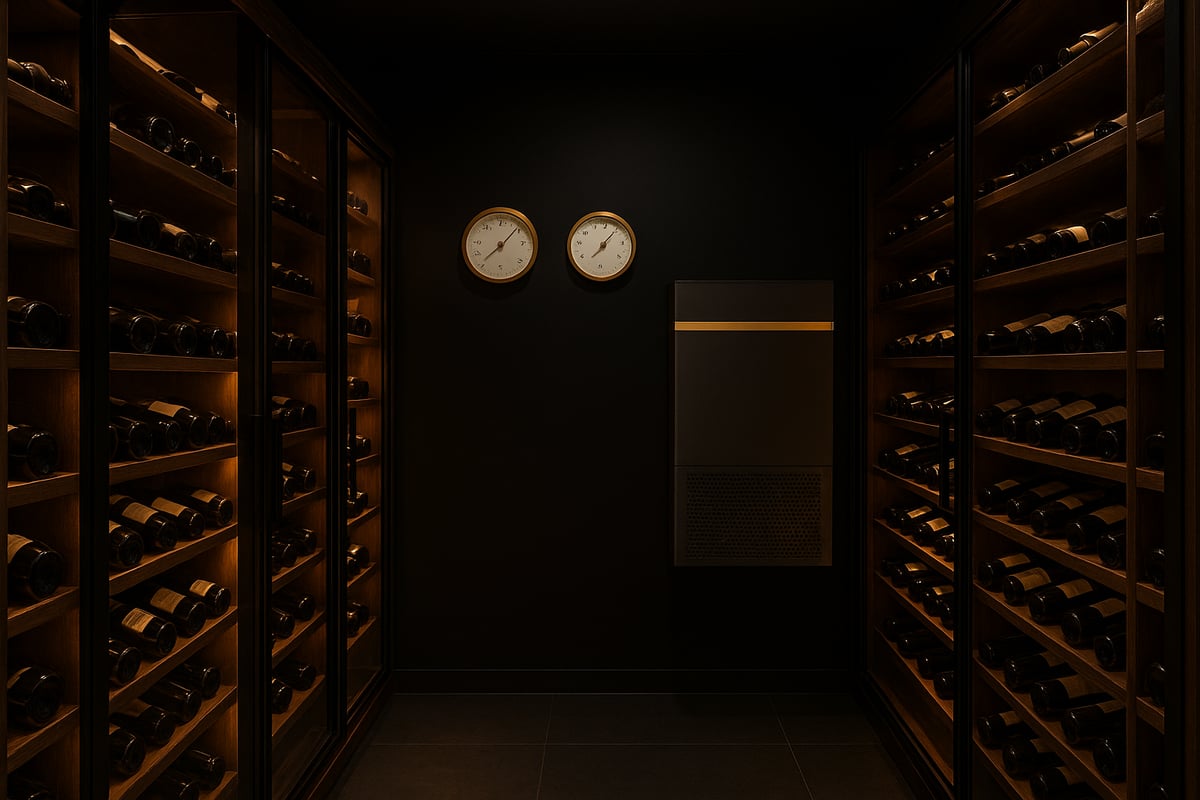
Wine is alive, evolving with time, and its journey depends on the stability of its environment. The ideal temperature for wine aging is a steady 55°F (13°C), while humidity should remain between 50% and 70%. Fluctuations in either can be disastrous: even brief spikes can accelerate aging, cause corks to dry out, and rob wine of its intended flavor.
Humidity does more than protect corks. It preserves labels, which are crucial for provenance and presentation. Too little humidity leads to brittle corks and seepage; too much fosters mold and damages labels. Leading wine associations recommend maintaining consistent conditions year-round, highlighting the importance of a reliable cellar cooling system.
Other factors play a silent but critical role. UV light can degrade wine, so cellars should be shielded from direct sun. Vibration, even from nearby appliances, disrupts the subtle aging process. Balanced airflow prevents stale odors and mold. According to recent studies, wines stored in unstable environments can spoil up to 30% faster than those protected by proper cooling.
For a deeper dive into the essentials of wine preservation, consider this wine cellar climate control guide, which summarizes the science and industry best practices.
Common Cellar Climate Challenges
Maintaining perfect conditions is more complex than it seems. Cellars often battle heat gain from adjacent rooms, especially if they share walls with kitchens or have windows letting in sunlight. Even modern lighting can raise the temperature if not carefully managed by an effective cellar cooling setup.
Seasonal changes bring humidity swings, leading to condensation and the risk of mold. Poorly sealed doors or walls allow air leaks, undermining the work of any cellar cooling unit. Excess humidity not only threatens the wine but can also cause musty odors and encourage mold growth on racks and labels.
Consider a home cellar with high-end finishes but insufficient insulation. Without the right cellar cooling solution, temperature swings of 10°F or more can occur, putting valuable collections at risk. Mold outbreaks, off-odors, and label damage are common results. Even luxury homes can hide these problems, making expert assessment and the right system essential for flawless preservation.
Achieving true wine cellar refrigeration excellence means addressing both visible and hidden threats, ensuring every bottle stands the test of time.
Types of Cellar Cooling Solutions in 2026
Selecting the right cellar cooling solution is essential for anyone serious about wine preservation in 2026. Today’s market offers more options than ever, each with their own strengths and ideal use cases. Let’s explore the most popular types, their pros and cons, and what sets them apart in the modern world of cellar cooling.
Through-the-Wall Cooling Units
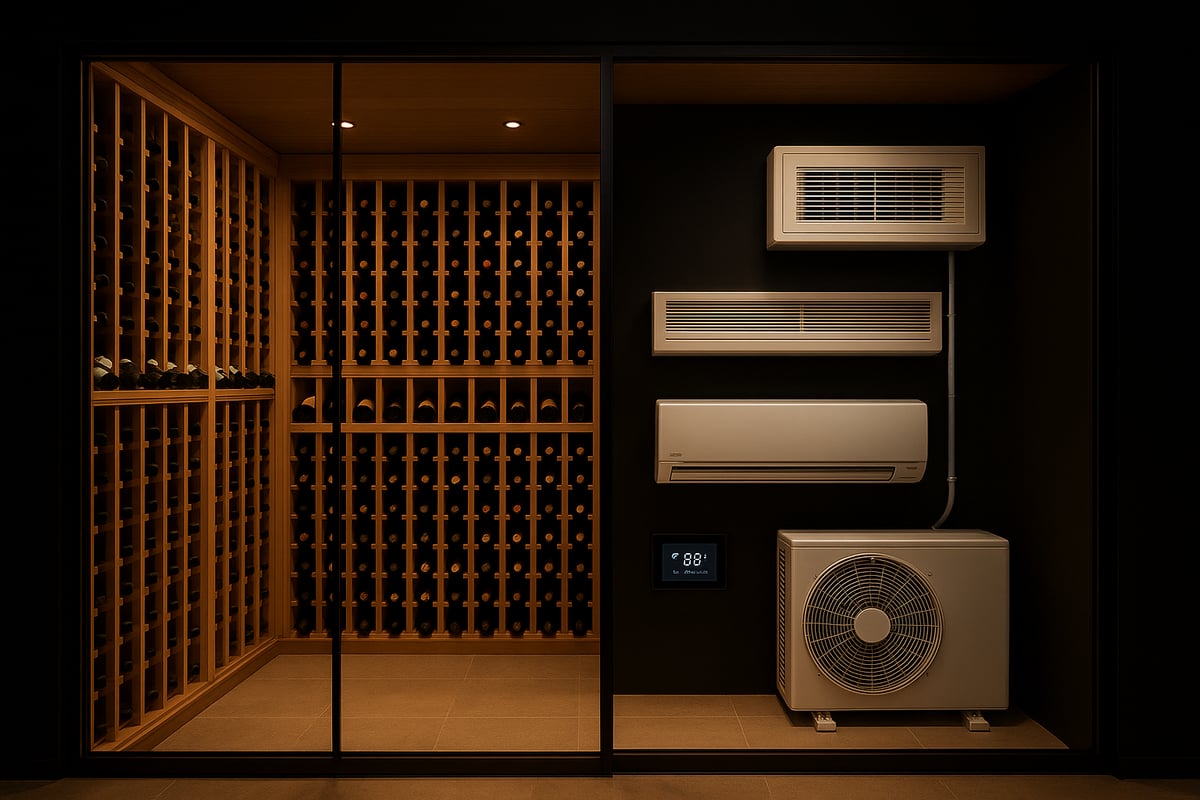
Through-the-wall cellar cooling units remain a favorite for small and medium cellars. Designed to fit directly into a wall, these self-contained systems are popular for their straightforward installation and affordability.
Pros: Easy to install, minimal construction required, cost-effective.
Cons: Typically noisier than other options, limited capacity, visible from the cellar interior.
For collectors just starting out or those with modest spaces, through-the-wall wine cellar refrigeration works well. Brands like WhisperKool and CellarCool offer reliable models. However, noise and aesthetic considerations may prompt some to look at more advanced solutions as their collections grow.
Ducted Cooling Systems
Ducted systems are gaining popularity for their ability to deliver quiet, even airflow throughout the cellar. These units are installed remotely, with cool air delivered via ducts, keeping the equipment out of sight and minimizing disturbance.
Pros: Exceptionally quiet, flexible placement, even temperature distribution.
Cons: Higher initial cost, requires professional installation and planning.
A recent industry report notes that ducted systems now account for 40% of new residential cellar cooling installations. This makes them a top choice for homeowners seeking a seamless look and superior cellar cooling performance.
Split Cooling Systems
Split cellar cooling systems separate the condenser and evaporator, allowing the noisy components to be placed outside the cellar, while the evaporator quietly manages the interior climate.
Pros: Minimal noise and vibration inside the cellar, scalable for large spaces, ideal for sensitive collections.
Cons: More complex installation, higher upfront investment.
These systems are often seen in commercial projects, such as installations by Wine Guardian, where consistent cellar cooling and low disruption are musts. For large or high-value collections, the added precision is a worthwhile investment.
Advanced Integrated Climate Solutions
Cellar cooling in 2026 is smarter than ever, thanks to integrated systems featuring smart sensors, Wi-Fi connectivity, and AI-driven controls. These solutions offer remote monitoring, energy-saving inverter compressors, and maintenance alerts.
Pros: Real-time climate adjustment, integration with smart home systems, highly energy efficient.
Cons: Higher cost, requires a robust Wi-Fi network and technical setup.
According to the Wine Cellar Cooling System Market Report 2025, these innovations are driving rapid growth in the cellar cooling sector, with more collectors and businesses seeking intelligent, sustainable solutions.
Portable and Hybrid Options
Portable and hybrid cellar cooling systems deliver flexibility for evolving needs or temporary setups. These units are compact, plug-and-play, and often combine both cooling and humidity control.
Pros: Easy to relocate, no permanent installation, suitable for small or unconventional spaces.
Cons: Lower capacity, less effective for long-term or large-scale storage.
Collectors with changing wine storage needs or those renting properties often turn to these versatile cellar cooling options. Hybrid models are also ideal when humidity management is as crucial as temperature control.
Comparison Table: Cellar Cooling System Types
System Type | Pros | Cons | Ideal Use Case |
|---|---|---|---|
Through-the-Wall | Simple, affordable | Noisy, limited capacity | Small to medium cellars |
Ducted | Quiet, flexible placement | Costly, pro install required | Luxury homes, seamless design |
Split | Ultra-quiet, scalable | Complex, expensive | Large/commercial cellars |
Integrated/Smart | Smart controls, energy efficient | High cost, needs tech setup | Tech-forward, premium projects |
Portable/Hybrid | Flexible, plug-and-play | Limited capacity, short-term use | Temporary or small collections |
As we move into 2026, wine cellar refrigeration technology continues to evolve, offering a tailored solution for every collector, designer, or hospitality professional who values both wine and peace of mind.
How to Choose the Right Cellar Cooling System
Choosing the ideal cellar cooling system is a blend of science, style, and strategy. The right choice ensures your wine matures gracefully, while the wrong one can compromise years of investment. Let’s break down the key factors that will guide you to a flawless solution, no matter your cellar’s size or design.
Assessing Cellar Size and Insulation
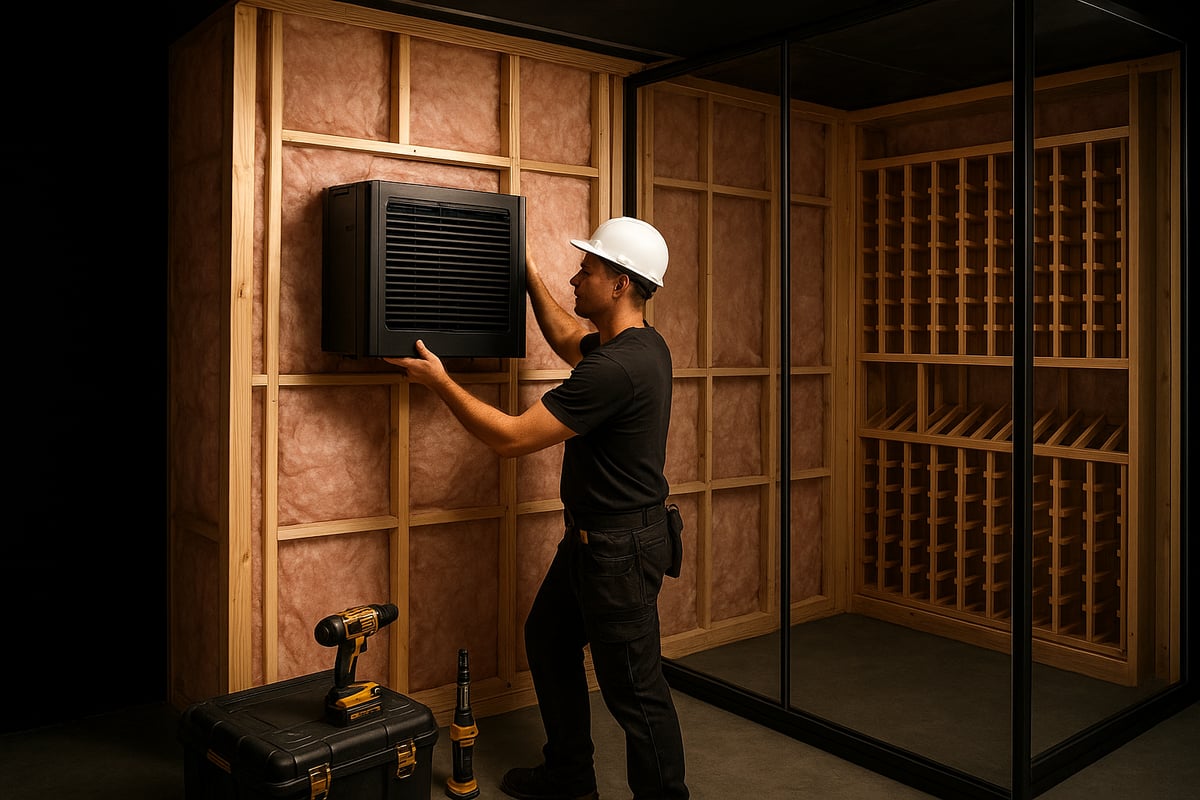
Every cellar cooling project starts with a precise assessment of cellar size and insulation. Begin by measuring your cellar’s cubic footage—length, width, and height—to determine the total air volume that needs to be conditioned. This measurement directly impacts the BTU (British Thermal Unit) requirements for your cellar cooling system.
Insulation quality is just as vital. High R-value insulation and a proper vapor barrier help maintain stable conditions and prevent energy loss. If your insulation is lacking, you may need to increase your wine cellar refrigeration capacity by up to 30 percent. For example, a 1,000 cubic foot cellar with poor insulation can require a much more robust system than a well-insulated space of the same size.
Don’t forget to check for gaps around doors and windows. Even small leaks can undermine your cellar cooling efforts, leading to unwanted temperature swings and higher operating costs.
Matching System Type to Cellar Design
Cellar design isn’t just about aesthetics—it has a direct impact on cellar cooling performance. Glass walls, open floor plans, and unique layouts present special challenges, often requiring advanced systems or custom ductwork for even air distribution.
For modern wine walls or glass-enclosed cellars, consider systems that can be seamlessly integrated with hidden vents or ceiling mounts. This approach preserves the visual appeal while delivering the precision climate control your collection deserves. Explore more about cellar design considerations to understand how design choices influence system selection.
A recent case study highlights a contemporary glass wine wall cooled with a ducted system, ensuring both consistent temperature and a flawless, uninterrupted look. Your cellar cooling solution should always respect both the practical and aesthetic demands of your space.
Budget Considerations and Total Cost of Ownership
Budgeting for a cellar cooling system goes far beyond the upfront price tag. Evaluate installation costs, energy consumption, maintenance, and expected lifespan to determine the real value over time.
System Type | Upfront Cost | Annual Energy Cost | Lifespan (Years) |
|---|---|---|---|
Through-the-wall | $$ | $$$ | 3–5 |
Ducted | $$$$ | $ | 10–15 |
Split | $$$$$ | $$ | 10–15 |
For example, ducted systems may require a higher initial investment, but they can save up to $1,000 a year in energy compared to through-the-wall options. When planning your cellar cooling budget, always look at the big picture and factor in potential long-term savings.
Noise, Vibration, and Placement Factors
Noise and vibration are often overlooked, but they can affect both your living space and the quality of your wine. Some cellar cooling units produce noticeable sound, especially when mounted near living or entertaining areas. Vibration, even at low levels, can subtly disturb wine over time.
To minimize these issues, consider these tips:
Place the unit away from bedrooms or main living spaces.
Use remote condensers or ducted systems for quieter operation.
Install vibration isolation mounts to protect sensitive bottles.
Airflow is another key consideration. Place cellar cooling vents so air circulates evenly, avoiding hot or cold spots. Proper placement ensures your collection stays in optimal condition.
Professional Consultation and Custom Solutions
While some cellar cooling projects are straightforward, others require a bespoke touch. Engaging a professional cellar designer or builder brings significant benefits:
Expert assessment of unique climate challenges
Custom solutions for complex layouts or large collections
Access to advanced systems and precise humidity zoning
For hospitality venues or collectors with specific requirements, professionals can deliver cellar cooling solutions that blend technical performance with visual excellence. A recent hospitality project achieved flawless preservation by zoning temperature and humidity for different wine types in one integrated system.
By partnering with experts, you ensure your wine cellar refrigeration system is tailored to your needs, protecting both your investment and your peace of mind.
2026’s Top Innovations in Cellar Cooling Technology
In 2026, the world of cellar cooling is entering a new era. Collectors and hospitality professionals now have access to smarter, more sustainable, and elegantly integrated solutions than ever before. These innovations are transforming wine preservation, making climate control both effortless and precise.
Smart Climate Control and Automation
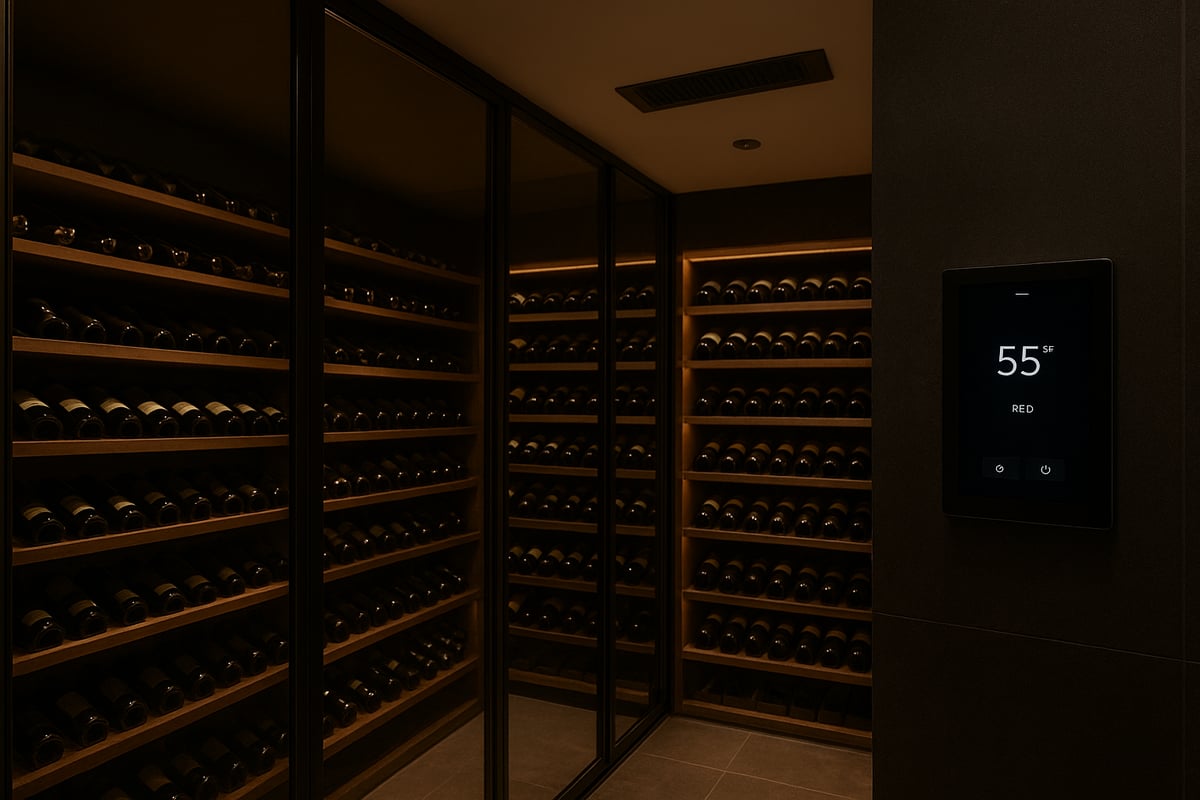
Today’s cellar cooling systems are all about intelligence and connectivity. Wi-Fi enabled units let you monitor and adjust temperature or humidity from your smartphone, whether you are at home or traveling. Integration with smart home platforms allows for voice commands and climate automation routines tailored to your collection’s needs.
AI-powered diagnostics predict maintenance requirements, sending alerts before problems arise. This level of control ensures your cellar cooling system maintains stable conditions, protecting your wine investment with minimal effort. The ability to fine-tune your environment remotely is a game-changer for modern collectors.
Energy Efficiency and Sustainability
Sustainability is a top priority in 2026. Advanced inverter compressors in cellar cooling systems deliver up to 40% energy savings compared to older models. These systems modulate power usage based on the environment, reducing both operational costs and carbon footprint.
Manufacturers are now using eco-friendly refrigerants that comply with the latest environmental standards. Some cellar cooling solutions even offer solar-ready configurations or energy recovery options for green homes. These innovations make it easier to preserve your wine while protecting the planet.
Advanced Humidity Control and Air Quality
Precise humidity management is essential for wine preservation. Dual-stage cellar cooling systems now maintain ideal humidity within a tight 60% ±2% range, protecting corks and labels from damage. Built-in HEPA and carbon filters actively remove dust, mold spores, and odors, ensuring pure air circulates throughout the cellar.
Humidity sensors constantly monitor conditions, making micro-adjustments as needed. This technology keeps your cellar cooling environment perfectly balanced, reducing the risk of mold or musty aromas that can compromise your collection.
Ultra-Quiet and Low-Vibration Designs
Noise and vibration can subtly degrade wine quality over time. In response, 2026’s cellar cooling systems feature sound-dampening enclosures and remote condensers, resulting in near-silent operation—split systems now operate below 45 dB. Vibration isolation technology further shields sensitive bottles.
These advances ensure your cellar is a sanctuary for both wine and people. Discreet installation options, like ducted vents and ceiling mounts, allow for seamless integration into living spaces or glass-fronted displays. For more on blending technology and style, see Modern glass wine cellar solutions.
Modular and Scalable Systems
Cellar cooling technology is now designed to grow with your collection. Modular units let you expand capacity or create multi-zone environments as your needs change. Plug-and-play modules make it easy to add cooling power or humidity control without a full system replacement.
This scalability is especially valuable for commercial cellars and hospitality venues, where flexibility is key. With modular cellar cooling, your investment adapts to future growth, ensuring long-term performance and peace of mind.
Step-by-Step Guide: Planning and Installing Your Cellar Cooling Solution
Embarking on a cellar cooling project is an investment in both your wine and your peace of mind. By following a clear, methodical process, you ensure your collection receives the ideal environment from day one. Here’s your expert guide—step by step—to achieving a flawless cellar cooling setup.
Step 1: Evaluate Cellar Location and Construction
Start by assessing where your cellar will be, since location directly impacts cellar cooling performance. Is it in a basement, main floor, or a converted space? Examine exterior walls, exposure to sunlight, and proximity to heat sources like appliances or HVAC ducts.
Check insulation levels and vapor barriers. Proper insulation (ideally R-19 for walls, R-30 for ceilings) and an effective vapor barrier keep the climate stable. Inspect for air leaks around doors, windows, and electrical outlets. Even a luxury home can struggle with cellar cooling if these basics are overlooked.
Step 2: Calculate Climate Control Requirements
Once your space is evaluated, measure the cubic footage—length times width times height—to determine how much cellar cooling power you need. Factor in insulation quality and the number of glass surfaces, as these can increase heat gain.
Consult manufacturer BTU calculators and guidelines. For example, a 1,000 cubic foot cellar with poor insulation may require up to 30% more BTUs than a well-insulated one. Undersizing your system leads to temperature swings and excess wear, so accuracy is key for wine cellar refrigeration success. Oversizing your unit will create excess humidity and fogging which can lead to black mold, potentially creating major health hazards.
Step 3: Select the Right Cooling System
With your requirements in hand, match the system type to your cellar’s design and size. Through-the-wall units suit intimate spaces, while ducted or split systems work for larger or high-visibility cellars. Consider aesthetics—do you want visible units, or hidden vents integrated into the architecture?
Compare features like humidity controls, noise levels, and smart integration. Review warranties and support from reputable brands. For a 500-bottle collection, a ducted system might offer a seamless look and quieter cellar cooling, while a through-the-wall unit may be more cost-effective for a smaller space.
Step 4: Prepare for Installation
Preparation is crucial before installing any cellar cooling equipment. Ensure you have the right electrical supply, dedicated circuits, and adequate drainage for condensate lines. Plan for access to service panels and filters—future maintenance will be easier if these are accessible.
Coordinate with contractors for any necessary framing, venting, or drywall work. Confirm that all construction aligns with local building codes and permits. Taking these steps prevents costly delays and ensures the cellar cooling install goes smoothly.
Step 5: Professional Installation and Commissioning
Always use certified installers for wine cellar refrigeration systems to protect your investment and warranty. Professionals will test for proper airflow, temperature stability, and humidity control. During commissioning, they’ll fine-tune the system and resolve any issues, such as condensation or uneven cooling.
A quality install includes a final walkthrough, system demonstration, and documentation. This step is vital for long-term performance and peace of mind, especially in cellars with custom features or complex layouts.
Step 6: Initial System Setup and Smart Controls
After installation, set your cellar cooling system’s temperature and humidity points—typically 55°F and 60% RH. Connect smart controls to your Wi-Fi for remote monitoring, notifications, and maintenance reminders through your phone or tablet.
Schedule regular filter checks and annual professional inspections to keep your cellar cooling system running at its best. For a comprehensive approach to ongoing care, consider these wine cellar maintenance tips to protect your investment for years to come.
Maintenance, Troubleshooting, and Long-Term Care
Proper maintenance is the secret ingredient to keeping your cellar cooling system running flawlessly year after year. If you want your collection to age gracefully and avoid expensive surprises, a proactive approach to care is essential. Let’s walk through the core routines, troubleshooting tips, and smart strategies that will protect your wine investment for the long haul.
Routine Maintenance Best Practices
Consistent care is the foundation of reliable wine cellar refrigeration performance. Start by setting a simple monthly schedule:
Clean air filters to maintain airflow and efficiency.
Inspect and clear drainage lines to prevent water buildup.
Check door seals and gaskets for leaks or wear.
Every 6 months, schedule a professional inspection. A certified technician should check refrigerant levels, calibrate controls, and ensure all electrical components are secure. Well-maintained cellar cooling systems typically last 10-15 years, while neglected units may fail in half that time.
A helpful maintenance table:
Task | Frequency | Benefit |
|---|---|---|
Clean filters | Monthly | Prevents clogs |
Drain inspection | Monthly | Avoids leaks |
Seal/gasket check | Monthly | Maintains climate |
Pro service | Annually | Extends lifespan |
By following this routine, you create the ideal environment for your wines and maximize the efficiency of your cellar cooling system.
Common Cooling System Issues and Solutions
Even the best cellar cooling system can occasionally run into trouble. The most common problems include temperature drift, excess noise, water leaks, and error codes on the control panel.
If you notice temperature swings, check your insulation and door seals first. Excessive noise may signal a loose part or a failing fan. Water on the floor often points to a blocked drain or condensation issue. Many modern systems will alert you to these problems through smart notifications.
Simple fixes like cleaning filters or tightening screws are manageable, but persistent issues with your cellar cooling setup call for a professional. Don’t wait—quick action protects both your equipment and your collection.
Upgrading and Retrofitting Older Systems
As technology evolves, even well-loved wine cellar refrigeration systems can become outdated. Signs you may need an upgrade include rising energy bills, uneven cooling, or loud operation. Newer models offer quieter performance, energy efficiency, and advanced controls.
Retrofitting is often possible, especially with modular or smart add-ons. For instance, you can add a Wi-Fi controller to monitor your cellar cooling remotely. According to the United States Wine Cooler Market Forecast 2025-2033, market trends indicate a shift toward smarter, more sustainable cooling options for collectors.
Upgrading ensures your wine remains protected and your cellar cooling investment keeps up with the latest standards.
Protecting Your Wine Investment Long-Term
A robust cellar cooling system is only part of the equation—long-term protection requires thoughtful planning. Consider these strategies:
Install backup power sources to guard against outages.
Use surge protectors to shield sensitive electronics.
Set up remote monitoring for alerts while you travel.
Early warning systems can be the difference between a minor fix and a major loss. For example, a collector once saved an entire vintage by catching a cooling failure remotely before damage occurred. As Wine Cellar Market Share and Growth 2025-2035 suggests, the growing focus on preservation is driving innovation in cellar cooling and monitoring solutions.
Safeguard your collection with layered protection for true peace of mind.
Record-Keeping and Performance Tracking
Meticulous record-keeping is a hallmark of world-class wine stewardship. By logging temperature and humidity data, you not only track your wine cellar refrigeration system’s performance but also provide valuable provenance for insurance or resale.
Many modern systems allow you to export data directly from their apps. Keep a maintenance log, noting filter changes, inspections, and upgrades. This habit helps identify patterns, spot potential issues early, and document care for your wines.
Data-driven care elevates your cellar cooling management, ensuring your collection matures in the finest possible conditions.
As you’ve seen throughout this guide, investing in the right cellar cooling solution is about more than just technology—it’s about protecting your collection, enhancing your space, and enjoying true peace of mind. If you’re ready to take the next step toward a cellar that combines expert engineering, stunning design, and lasting reliability, let’s connect and talk through your unique vision. Our team at Prestige Wine Cellars is here to help you make informed choices and create a wine environment as exceptional as your collection.
Contact Us
Your Dream Wine Cellar Starts Here
Let our design team craft a cellar that matches your taste, space, and your collection — built for beauty, function, and prestige.

Email us at
Serving Austin, Dallas–Fort Worth, Houston & San Antonio