
Wine Cellar Designer: Your Guide to Luxury Storage
Discover how a wine cellar designer transforms spaces into luxury storage environments. Expert insights on design, climate control, and craftsmanship.
A wine cellar designer does far more than arrange bottles on shelves. These specialized professionals bridge the gap between architectural vision and oenophile necessity, creating environments where form and function unite to protect your most treasured vintages. Whether you're planning a private estate cellar, a showpiece wine room for your restaurant, or a climate-controlled sanctuary in your Houston home, understanding what a wine cellar designer brings to your project ensures your investment delivers both beauty and performance for decades to come.
The Essential Role of a Wine Cellar Designer
A wine cellar designer orchestrates every element of your storage space, from initial concept sketches to final installation. This role demands expertise in multiple disciplines: architecture, engineering, viticulture, and interior design.
The best designers begin by understanding your collection's unique requirements. A collector focusing on Bordeaux requires different storage considerations than someone specializing in vertical Burgundy vintages or New World Cabernets. Your designer translates these specific needs into spatial arrangements, racking configurations, and environmental controls that serve your wine's evolution.
Technical Expertise That Protects Your Investment
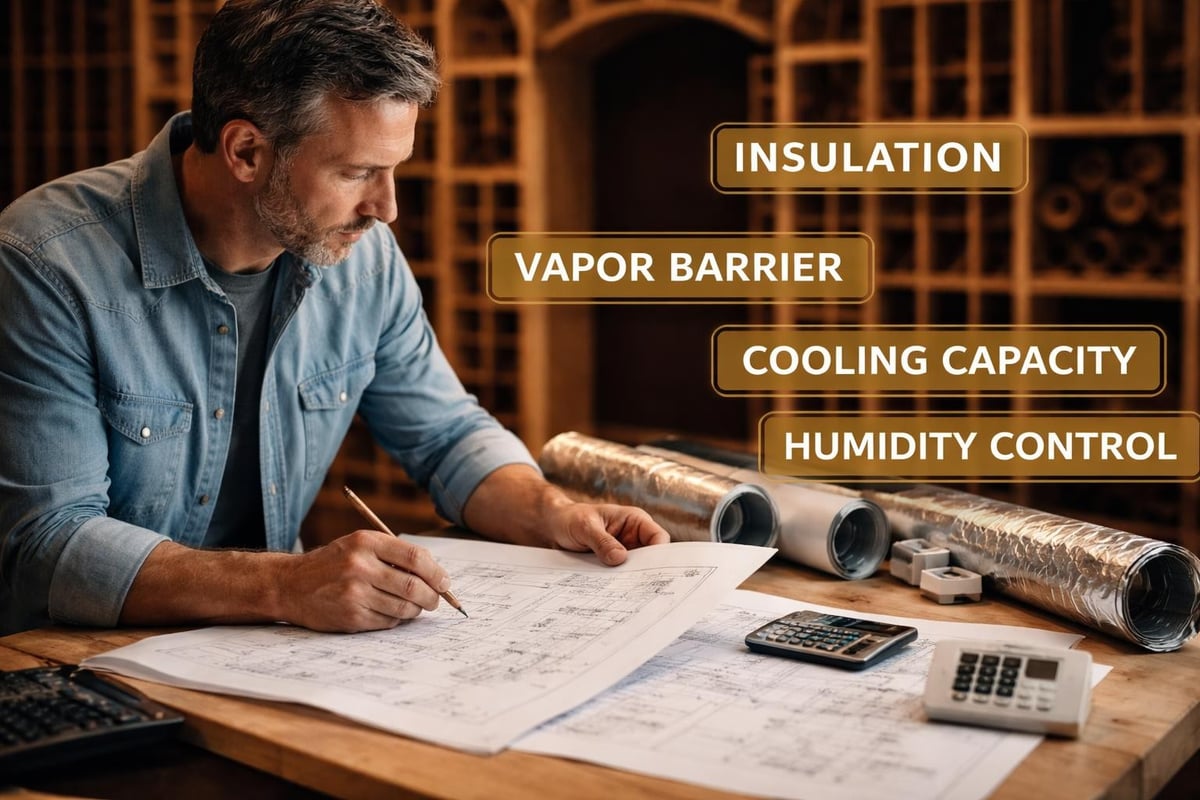
Climate control stands as the cornerstone of professional wine cellar design. Temperature fluctuations, humidity imbalances, and vibration can transform a promising vintage into vinegar. A skilled wine cellar designer calculates precise cooling loads, specifies appropriate insulation values, and designs vapor barrier systems that maintain consistent 55-58°F temperatures year-round.
Critical technical considerations include:
Insulation R-values matching your climate zone
Vapor barrier placement preventing moisture infiltration
Cooling system capacity appropriate for room volume and glass exposure
Ventilation that prevents mold without disrupting temperature stability
Structural load calculations for heavy racking and bottle weight
Understanding common wine cellar design mistakes helps you appreciate why professional guidance matters. Inadequate cooling capacity, improper door sealing, or insufficient insulation can compromise your entire collection.
Design Styles That Reflect Your Vision
Your cellar should express your personal aesthetic while honoring wine storage fundamentals. A wine cellar designer helps you navigate style choices that complement your home's architecture and your collecting philosophy.
Traditional Wood Cellars
Classic mahogany, redwood, or walnut racking creates timeless elegance. These traditional wine cellars feature rich wood tones, individual bottle storage, and often incorporate display rows for special vintages. Traditional designs work beautifully in estate homes, country clubs, and upscale steakhouses where Old World charm aligns with brand identity.
Wood selection matters significantly. Redwood naturally resists moisture and insects. Mahogany offers unmatched beauty but requires careful finishing. Your designer specifies appropriate wood species based on your climate control system and aesthetic preferences.
Modern Glass Wine Walls
Contemporary spaces demand contemporary solutions. Glass-enclosed wine walls transform bottles into living art while maintaining proper storage conditions. These modern wine cellar designs use frameless glass, metal racking systems, and LED lighting to create dramatic focal points in open-concept homes and high-end restaurants.
The transparency of glass walls requires exceptional attention to climate control. Your designer must account for heat transfer through glass, specify low-emissivity coatings when needed, and position cooling systems to prevent temperature stratification.
Design Style | Best Applications | Key Materials | Climate Considerations |
|---|---|---|---|
Traditional Wood | Estate homes, private clubs | Mahogany, redwood, walnut | Standard insulation adequate |
Modern Glass | Contemporary homes, restaurants | Frameless glass, metal | Enhanced cooling capacity needed |
Transitional | Diverse architectural styles | Wood and glass combinations | Balanced approach |
Rustic Estate | Ranch properties, wine country homes | Reclaimed wood, stone accents | Heavy insulation for temperature extremes |
Space Planning and Capacity Optimization
A wine cellar designer maximizes your available space while ensuring adequate access and display opportunities. Small urban condos require different strategies than sprawling Texas estates.
Compact Urban Solutions
Compact urban wine cellars transform closets, under-stair spaces, or small rooms into efficient storage. High-density racking, vertical displays, and strategic lighting make modest footprints feel substantial. Your designer might specify sliding ladder systems, rotating racks, or pull-out shelving that provides accessibility without sacrificing capacity.
Converting existing spaces demands careful evaluation. Structural considerations, proximity to heat sources, and access to electrical and HVAC systems all influence feasibility. Professional designers conduct thorough site assessments before recommending configurations.
Estate-Scale Collections
Larger collections permit luxurious touches: tasting areas, display niches for rare bottles, separate temperature zones for different varietals, and even barrel aging rooms. A wine cellar designer working on estate projects considers traffic flow, entertaining capabilities, and long-term collection growth.
Estate cellar amenities often include:
Dedicated tasting table with seating for 6-8 guests
Display lighting highlighting vertical collections or rare acquisitions
Separate climate zones for red and white wine storage
Barrel aging section for serious collectors
Glass walls showcasing collection from adjacent living spaces
Understanding proper wine cellar construction ensures your designer specifies appropriate framing, insulation, and sealing techniques regardless of project scale.
Commercial Applications and Hospitality Design
Wine cellar designers serving restaurants, hotels, and resorts face unique challenges. These spaces must impress guests while providing staff efficient access and maintaining multiple temperature zones for diverse inventories.
Restaurant Wine Programs
High-end steakhouses and fine dining establishments use wine cellars as marketing tools and functional storage. Glass walls adjacent to dining rooms showcase impressive collections while maintaining proper conditions. Your designer balances visibility with practicality, ensuring servers can quickly access popular selections while preserving rare bottles in optimal conditions.
Commercial projects often require redundant cooling systems, security features, and inventory management integration. The portfolio of completed projects demonstrates how professional designers address these complex requirements.
Hotel and Resort Installations
Boutique hotels and luxury resorts create wine experiences that differentiate their brands. A wine cellar designer might create intimate tasting rooms, grand display cellars visible from lobbies, or even in-room wine storage for penthouse suites. These projects demand exceptional aesthetic execution alongside bulletproof climate control.

The Design Process: From Consultation to Completion
Understanding how a wine cellar designer works helps you prepare for your project and set realistic expectations.
Initial Consultation and Site Assessment
Your designer begins by understanding your collection, growth plans, and aesthetic preferences. They assess your proposed location, noting structural constraints, existing HVAC systems, and electrical capacity. This phase establishes project scope and preliminary budget parameters.
Quality designers ask probing questions: What regions do you collect? Do you plan vertical tastings requiring chronological display? Will you entertain in the space? Do you prefer individual bottle storage or case racking? Your answers shape every subsequent decision.
Design Development and Material Selection
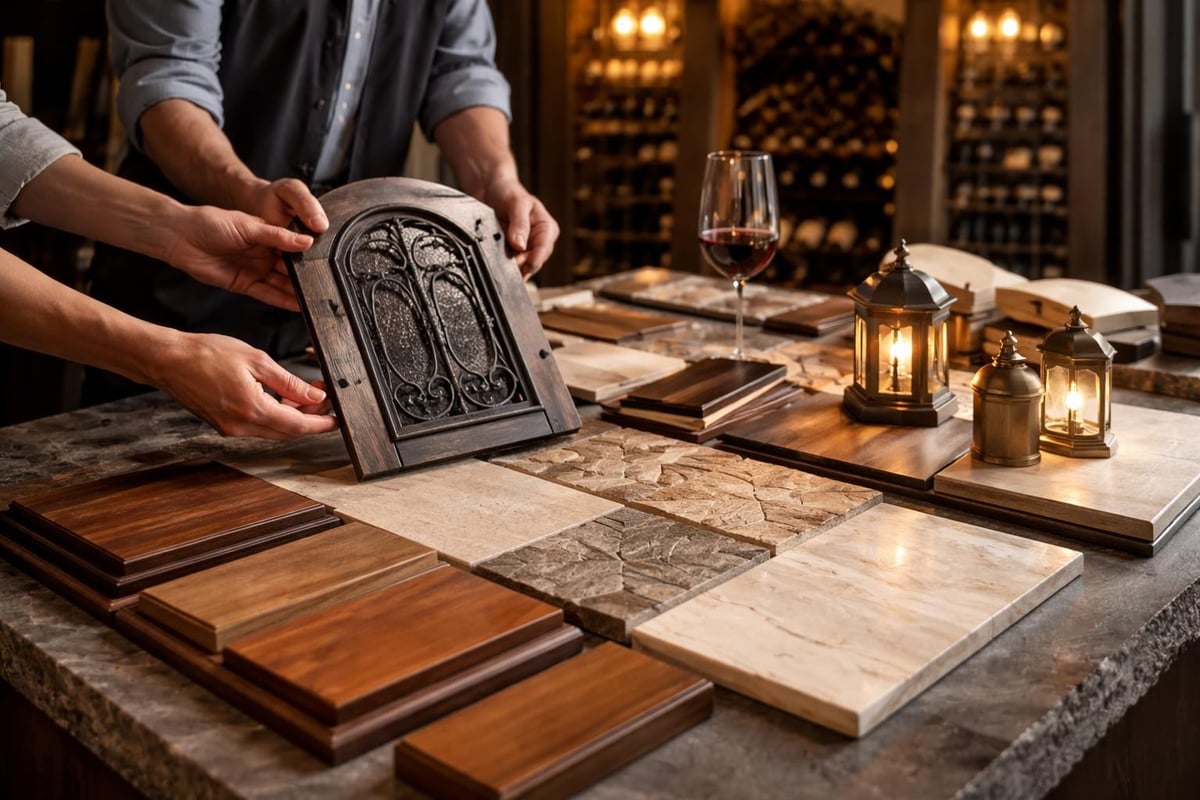
With parameters established, your designer creates detailed drawings showing layout, racking configuration, lighting placement, and cooling system location. This phase involves selecting wine cellar materials that balance aesthetics, durability, and budget.
Material choices cascade through your project. Wood species affect finishing schedules and costs. Glass thickness influences structural requirements. Metal finishes must resist humidity without compromising appearance. An experienced designer navigates these interrelated decisions seamlessly.
Engineering and Climate Control Specification
Perhaps the most critical phase, engineering ensures your cellar maintains perfect conditions regardless of external temperature swings. Your designer specifies cooling capacity using detailed heat load calculations that account for insulation values, glass area, lighting heat, and geographic location.
The heat load calculator tools that professional designers use factor in dozens of variables. Undersized cooling systems run constantly and fail prematurely. Oversized units cycle too frequently, creating temperature swings and humidity problems.
Design Phase | Duration | Key Deliverables | Client Input Required |
|---|---|---|---|
Initial Consultation | 1-2 weeks | Site assessment, preliminary concepts | Collection details, budget, style preferences |
Design Development | 3-4 weeks | Detailed drawings, material specifications | Material approvals, layout confirmation |
Engineering | 2-3 weeks | Climate control specs, structural plans | Technical approvals, permit coordination |
Construction | 6-12 weeks | Complete installation, testing | Access coordination, milestone approvals |
Integration with Home Architecture
A wine cellar designer ensures your new space harmonizes with existing architecture rather than appearing as an afterthought. This integration extends beyond matching wood tones or architectural details.
Structural Considerations
Wine weighs substantially more than typical residential loads. A 1,000-bottle cellar exceeds 2,500 pounds, concentrated in a small footprint. Your designer coordinates with structural engineers to verify floor capacity, specify reinforcement when needed, and ensure racking anchors to appropriate substrates.
Basement installations offer natural temperature stability but require waterproofing and drainage considerations. Main-floor locations provide convenient access but demand robust insulation and climate control. Understanding building wine cellar fundamentals helps you appreciate these trade-offs.
Aesthetic Continuity
Transitional designs bridge traditional and contemporary aesthetics, perfect for homes mixing architectural styles. Your wine cellar designer might combine wood and metal, incorporate glass panels within traditional framing, or use modern lighting to highlight classic racking.
Doors deserve special attention. A poorly designed entry compromises climate control and disrupts visual flow. Professional designers specify doors with proper insulation values, weather stripping, and automatic bottom sweeps. Glass doors require heated glass or strategic air curtains preventing condensation.
Selecting Your Wine Cellar Designer
Not all designers bring equal expertise to your project. Evaluating potential partners requires looking beyond attractive portfolio images.
Credentials and Experience
Look for designers with substantial completed projects similar to yours in scope and style. A designer specializing in compact urban cellars might struggle with a 5,000-bottle estate installation. Someone focused on traditional wood cellars may lack experience with complex glass wall systems.
Professional affiliations, manufacturer certifications, and continuing education demonstrate commitment to craft. The best designers stay current with emerging cooling technologies, sustainable materials, and innovative racking systems.
Questions to ask prospective designers:
How many projects of similar size and style have you completed?
Do you provide turnkey services or coordinate with separate contractors?
What cooling system brands do you specify and why?
How do you handle warranty issues and ongoing maintenance?
Can I visit completed installations and speak with previous clients?
Comprehensive Service Offerings
Turnkey wine cellar design-build services streamline your project by placing responsibility for design, engineering, construction, and installation with a single team. This integrated approach eliminates coordination headaches and provides clear accountability.
Some designers focus solely on aesthetics, leaving climate control and construction to others. While this works for experienced clients managing renovations, most homeowners benefit from comprehensive services. Your designer should handle permits, coordinate trades, source materials, and manage installation from demolition through final testing.
Investment and Long-Term Value
Wine cellar projects represent significant investments. Understanding cost drivers helps you budget appropriately and make informed decisions throughout the design process.
Cost Factors and Budget Planning
Cellar costs vary enormously based on size, materials, cooling requirements, and finishes. A basic 500-bottle wood cellar might cost $15,000-25,000, while a glass-enclosed showpiece with multiple climate zones and premium materials easily exceeds $100,000.
Your wine cellar designer should provide transparent pricing that breaks down costs by category: design fees, materials, cooling equipment, installation labor, and electrical work. This transparency lets you adjust scope to align with budget constraints without compromising essential performance characteristics.
Avoiding common wine cellar construction mistakes prevents expensive remediation later. Inadequate vapor barriers lead to mold and wood damage. Undersized cooling systems require premature replacement. Poor door sealing wastes energy and stresses equipment.
Return on Investment Considerations
While wine cellars' impact on home value varies by market, well-executed installations appeal to discerning buyers in luxury markets. More importantly, proper storage protects your wine investment from deterioration and allows bottles to develop their full potential.
Consider long-term operating costs as well. Energy-efficient cooling systems, quality insulation, and proper sealing reduce monthly electricity consumption. Your designer should specify equipment with favorable efficiency ratings and discuss expected operating costs during design development.
Maintenance and Ongoing Care
A wine cellar designer's involvement shouldn't end at installation. Proper wine cellar maintenance preserves your investment and ensures optimal wine storage for decades.
Cooling System Maintenance
Like any HVAC equipment, cellar cooling systems require regular service. Annual maintenance includes cleaning coils, checking refrigerant levels, testing controls, and verifying temperature and humidity accuracy. Your designer should provide maintenance schedules and either offer service or recommend qualified technicians.
Modern cooling systems incorporate smart controls that alert you to temperature deviations, humidity problems, or equipment malfunctions. These systems provide peace of mind, especially for collectors with significant bottle values at stake.
Wood Care and Refinishing
Wood racking develops beautiful patina over time but occasionally needs refreshing. Dust accumulation, minor scratches, or finish wear may require attention every 5-10 years. Your designer should specify finishes that age gracefully and provide care instructions for different wood species.
Annual maintenance checklist:
Verify temperature and humidity stability across all seasons
Inspect door seals and weather stripping
Clean dust from racking and bottles
Test cooling system operation and control accuracy
Check for signs of moisture intrusion or mold
Assess lighting function and consider LED upgrades
Review inventory organization and capacity planning
Regional Considerations for Texas Wine Cellars
Texas presents unique challenges for wine cellar design. Summer temperatures exceeding 100°F, high humidity in Houston, and dramatic temperature swings in Dallas demand robust climate control and superior insulation.
A wine cellar designer working in Houston, Dallas, or other Texas locations must account for these conditions when specifying equipment and materials. Cooling capacity requirements in Texas often exceed those in temperate climates by 30-50%.
Humidity control matters especially in coastal regions. Excessive humidity promotes mold growth and label damage. Insufficient humidity dries corks, allowing oxidation. Your designer specifies equipment maintaining 60-70% relative humidity regardless of external conditions.
Creating a luxury wine cellar demands expertise spanning architecture, engineering, and viticulture. A skilled wine cellar designer transforms your vision into reality while ensuring your collection ages gracefully for generations. Whether you're planning an intimate urban wine room or an estate-scale installation, professional guidance protects your investment and delivers lasting beauty. Prestige Wine Cellars brings decades of experience designing and building custom wine cellars throughout Texas and beyond, offering comprehensive services from initial concept through ongoing maintenance to ensure your cellar exceeds expectations.
Your Dream Wine Cellar Starts Here
Let our design team craft a cellar that matches your taste, space, and your collection — built for beauty, function, and prestige.

Email us at
Serving Austin, Dallas–Fort Worth, Houston & San Antonio