Custom Wine Cellar Austin: What To Know
Discover expert custom wine cellar Austin design and installation. From climate control to materials, create your perfect wine storage solution.
Mar 11, 2026
Austin's thriving wine culture, combined with its distinctive architecture and sophisticated homeowners, has created an exceptional market for bespoke wine storage solutions. Whether you're protecting a growing collection in a West Lake Hills estate, adding value to a downtown high-rise, or creating a show-stopping feature wall in a Barton Creek residence, a custom wine cellar Austin homeowners invest in becomes far more than storage. It transforms into a personal sanctuary, a conversation piece, and a smart preservation system that honors every bottle you've carefully selected. The city's unique climate challenges and building regulations require specialized expertise to ensure your collection remains perfectly protected for decades to come.
Understanding Austin's Unique Wine Cellar Requirements
Austin's climate presents distinctive challenges for wine storage that demand professional solutions. Summer temperatures regularly exceed 100 degrees, while humidity levels fluctuate dramatically throughout the year.
These environmental factors make proper climate control absolutely essential. Your wines need consistent temperature (ideally 55-58°F) and humidity (50-70%) regardless of what's happening outside. Without precision engineering, even the most beautiful custom wine cellar Austin collectors commission will fail at its primary purpose.
Key climate considerations include:
Temperature stability within 1-2 degree variance
Humidity control to prevent cork deterioration
Insulation rated for extreme Texas heat
Cooling systems sized appropriately for your space
Vapor barriers to prevent moisture intrusion
Understanding Austin's building codes and regulations is equally critical. Structural requirements, electrical specifications, and ventilation standards all impact your project timeline and budget. Working with experienced professionals who navigate these requirements daily ensures compliance without compromising design vision.

Location Selection Within Your Home
Where you build matters tremendously. Interior locations offer inherent advantages because they're naturally insulated from exterior temperature swings. Basement installations are ideal but rare in Austin's predominantly slab-foundation architecture.
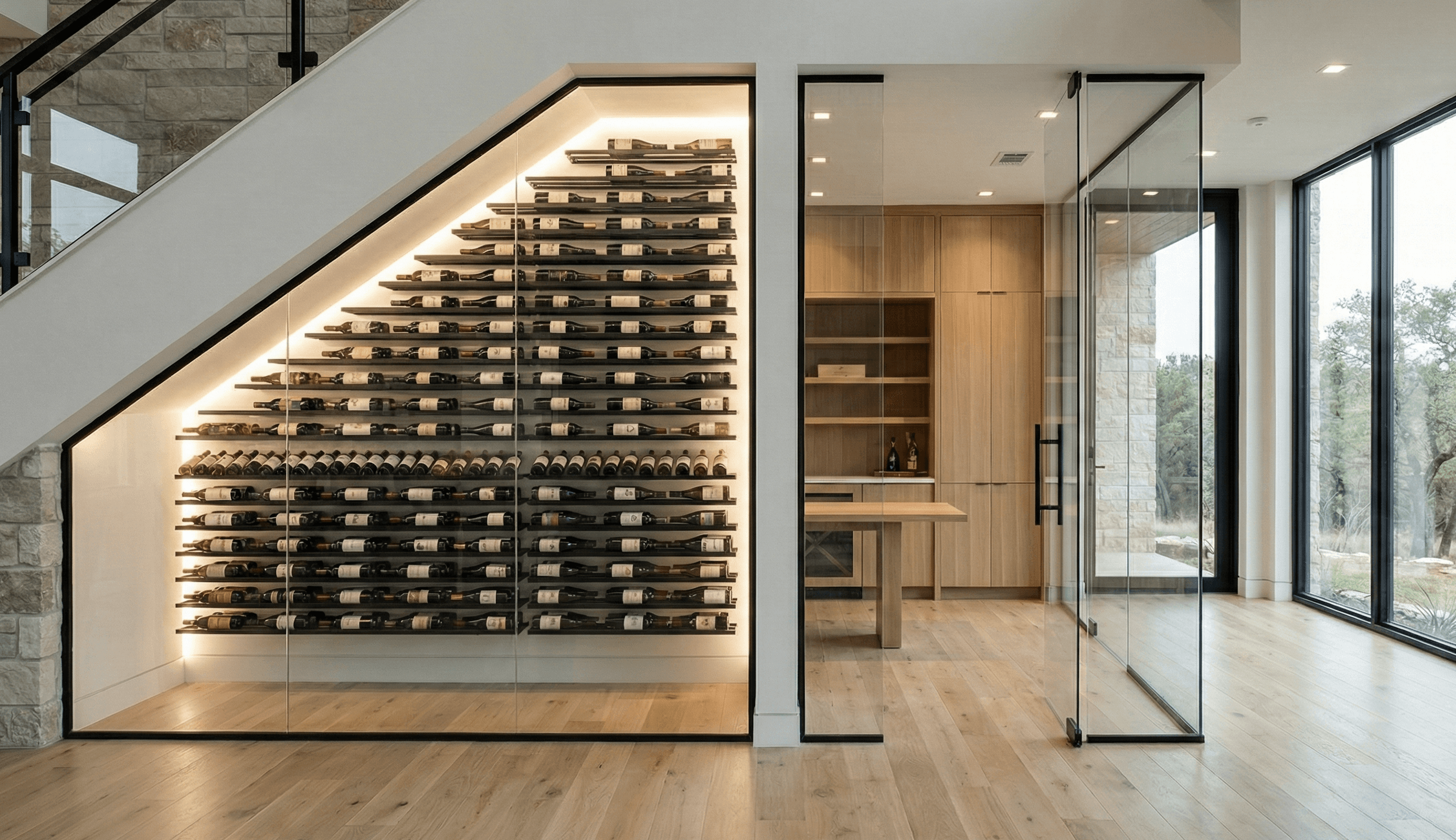
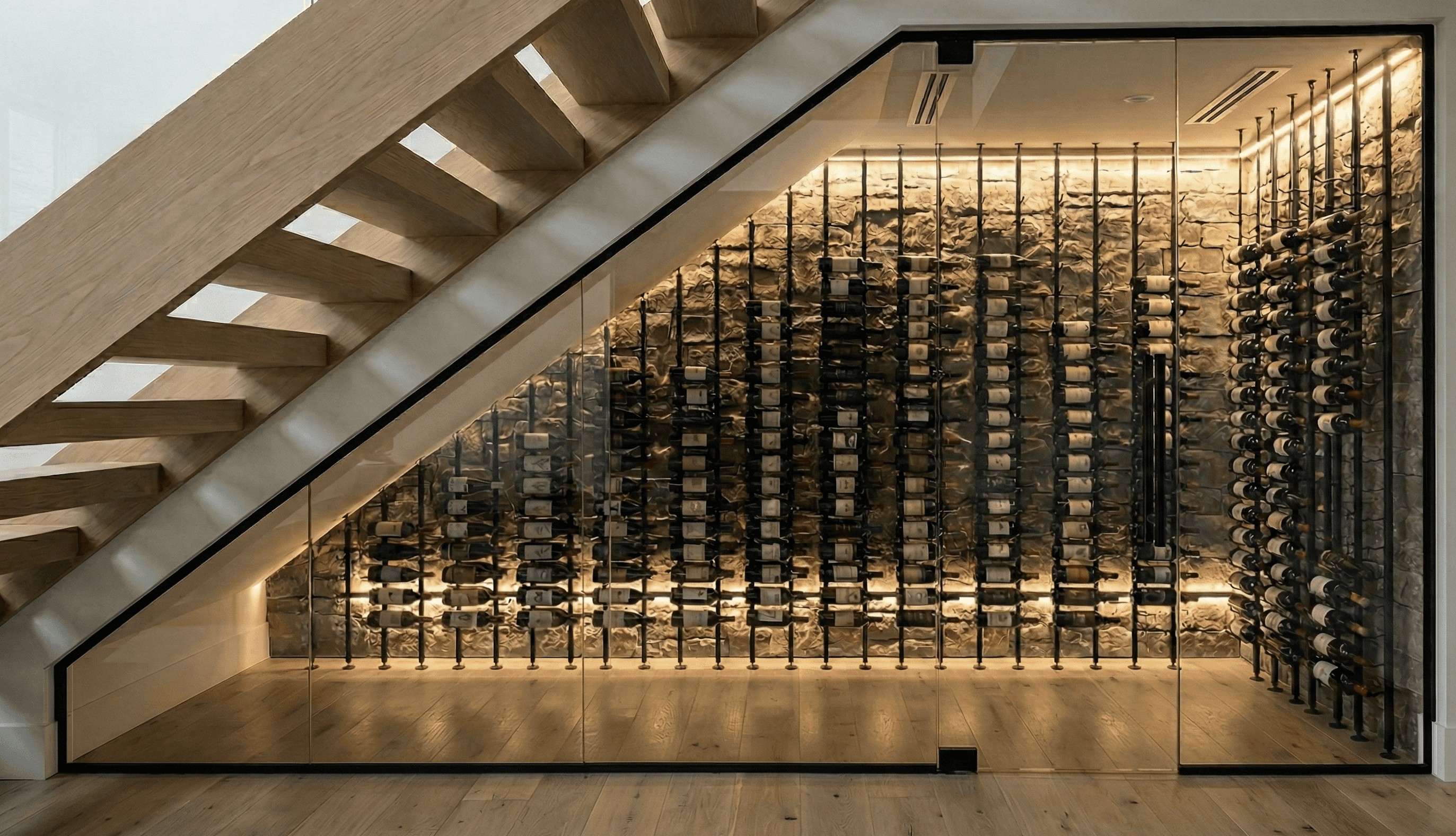
Ground-floor interior spaces work beautifully when properly engineered. Consider converting an unused closet, dedicating a section of your dining room, or transforming that awkward space beneath the staircase. Each location presents unique opportunities and challenges that influence design approach, cooling requirements, and construction methodology.
Design Styles That Complement Austin Architecture
The best custom wine cellar Austin projects seamlessly integrate with existing architectural styles while expressing individual personality. Your cellar should feel like a natural extension of your home, not an afterthought.
Traditional Wood Cellars
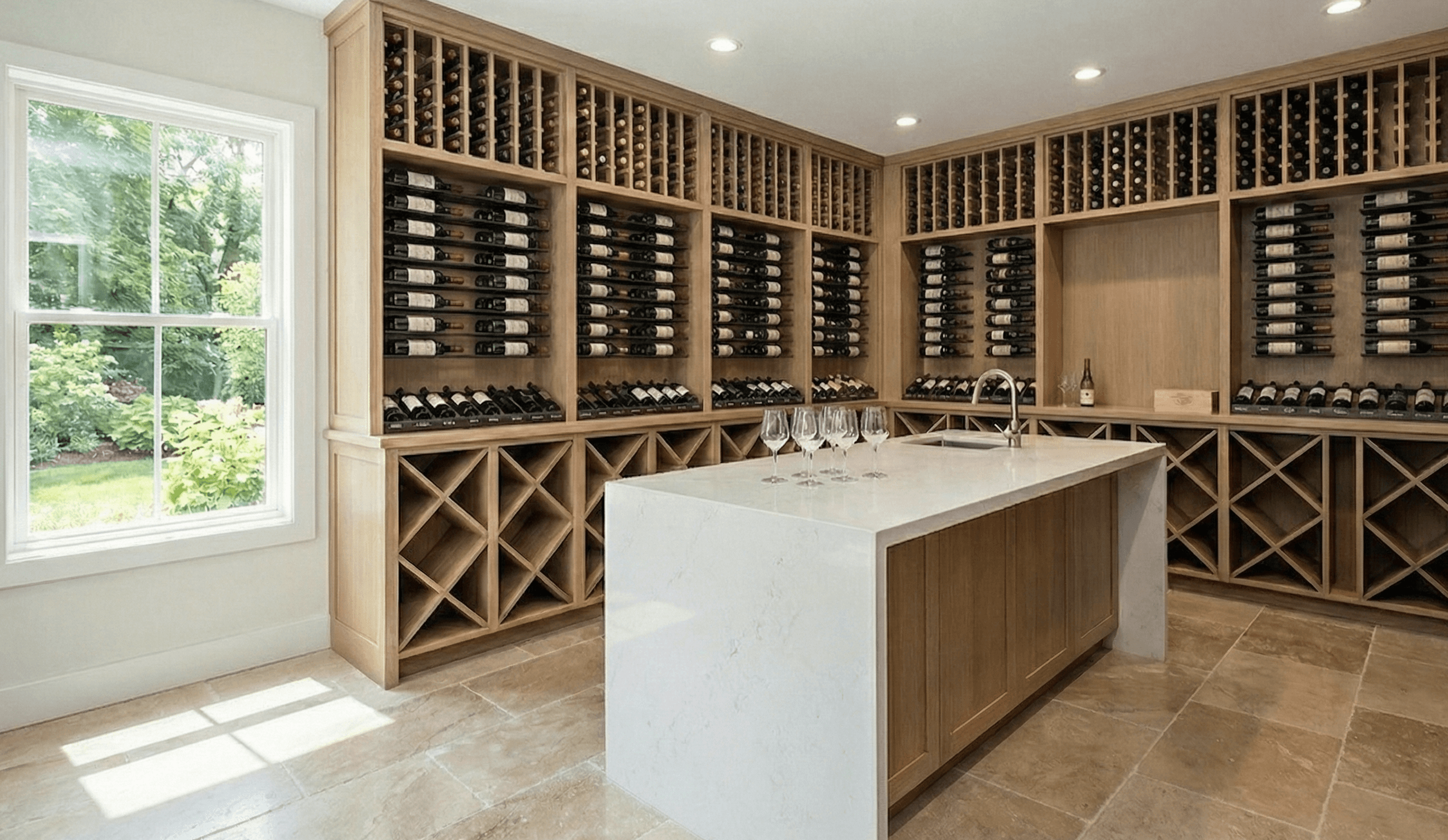
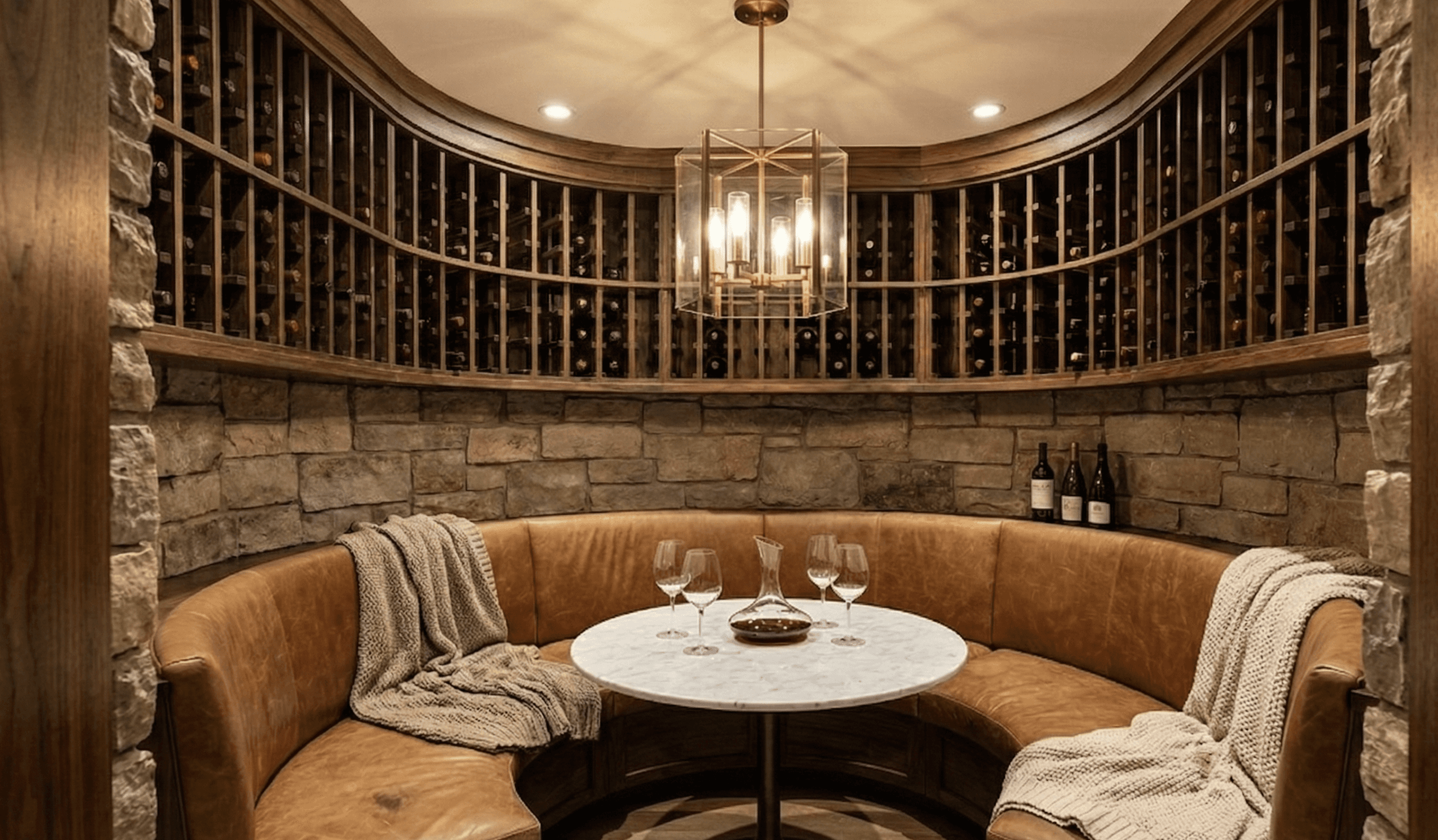
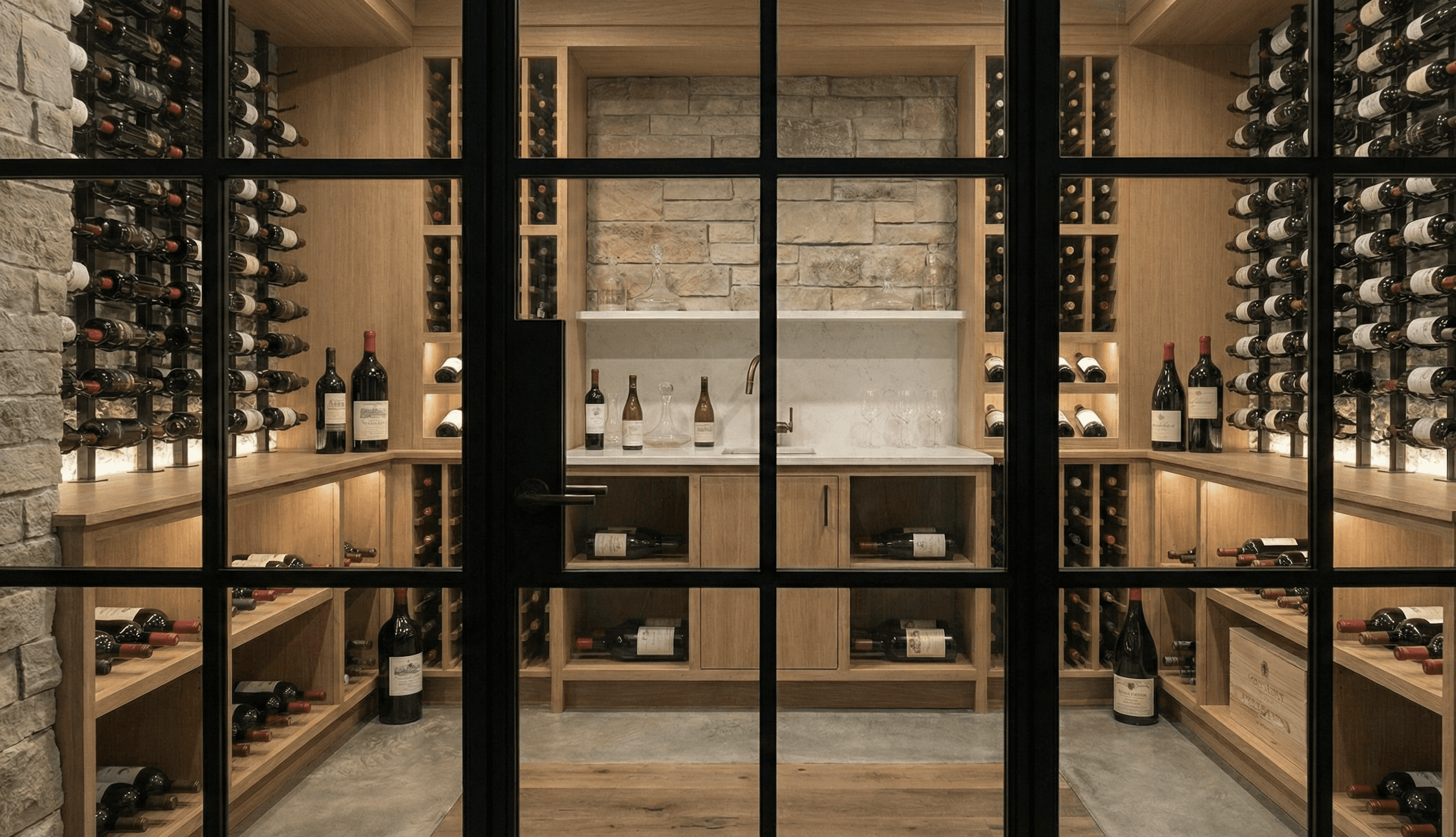
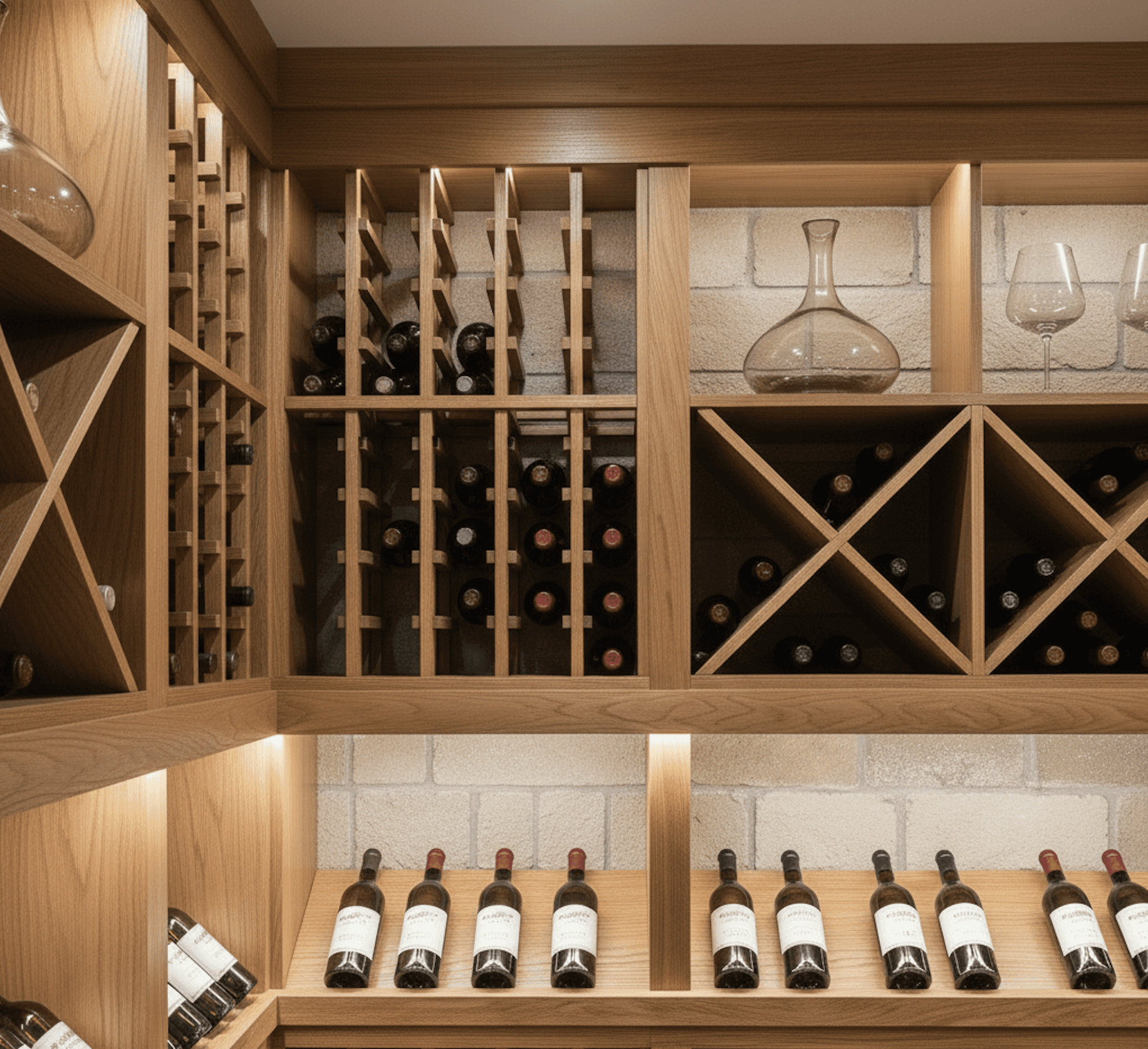
Classic wood racking systems remain timelessly elegant. Rich mahogany, warm walnut, or lighter oak creates warmth and sophistication that complements Austin's many Hill Country-style estates and traditional homes.
These traditional wine cellar designs incorporate substantial display rows, diamond bins for bulk storage, and elegant crown molding. They evoke Old World wine caves while functioning with modern precision.
Design Element | Traditional Approach | Modern Adaptation |
|---|---|---|
Primary Material | Solid wood racking | Wood with metal accents |
Lighting | Recessed warm lighting | LED strips, adjustable |
Door Style | Solid wood with iron hardware | Glass inserts, contemporary hardware |
Display Focus | Symmetrical arrangement | Asymmetric focal points |
Contemporary Glass Showcases
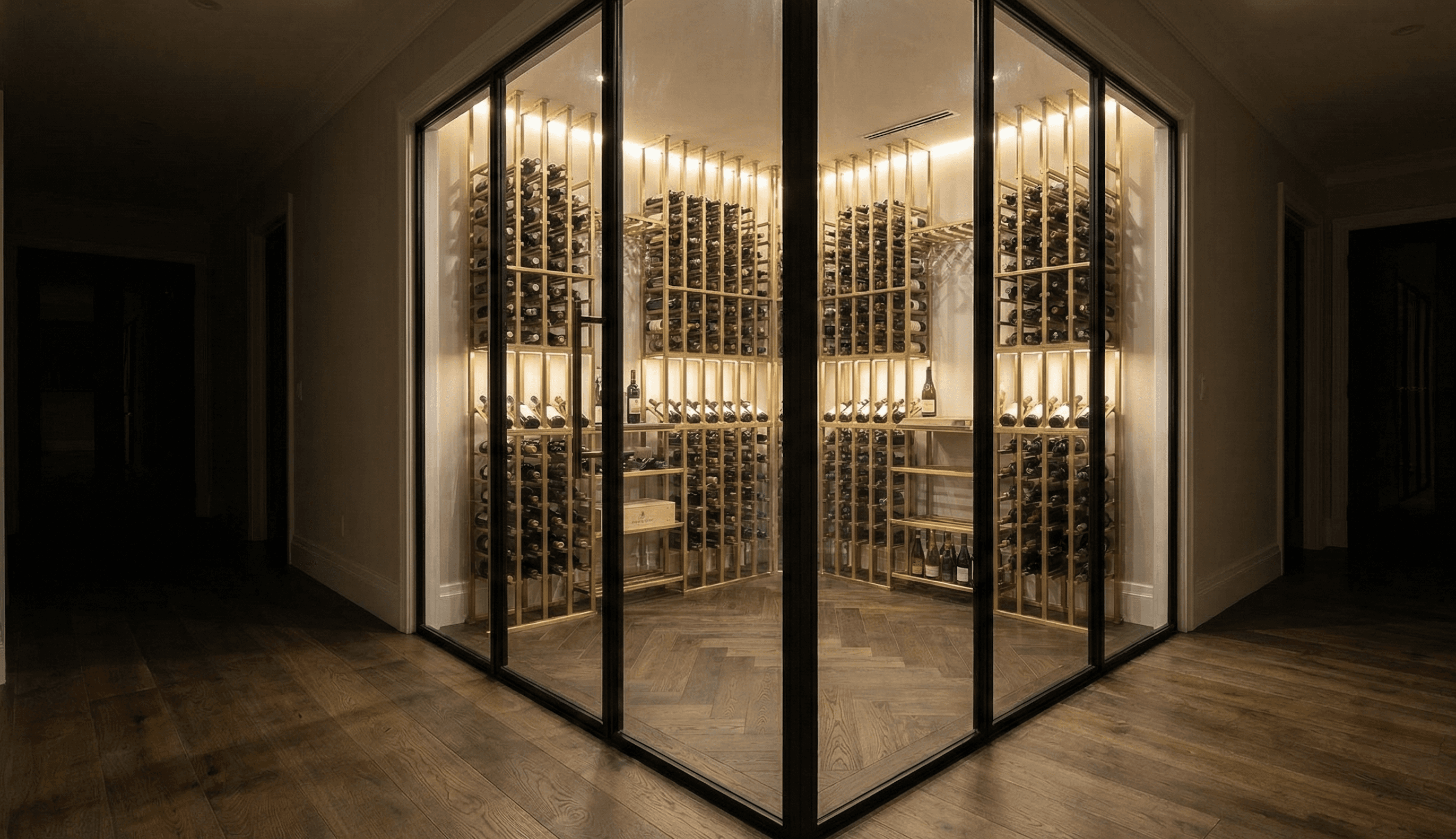
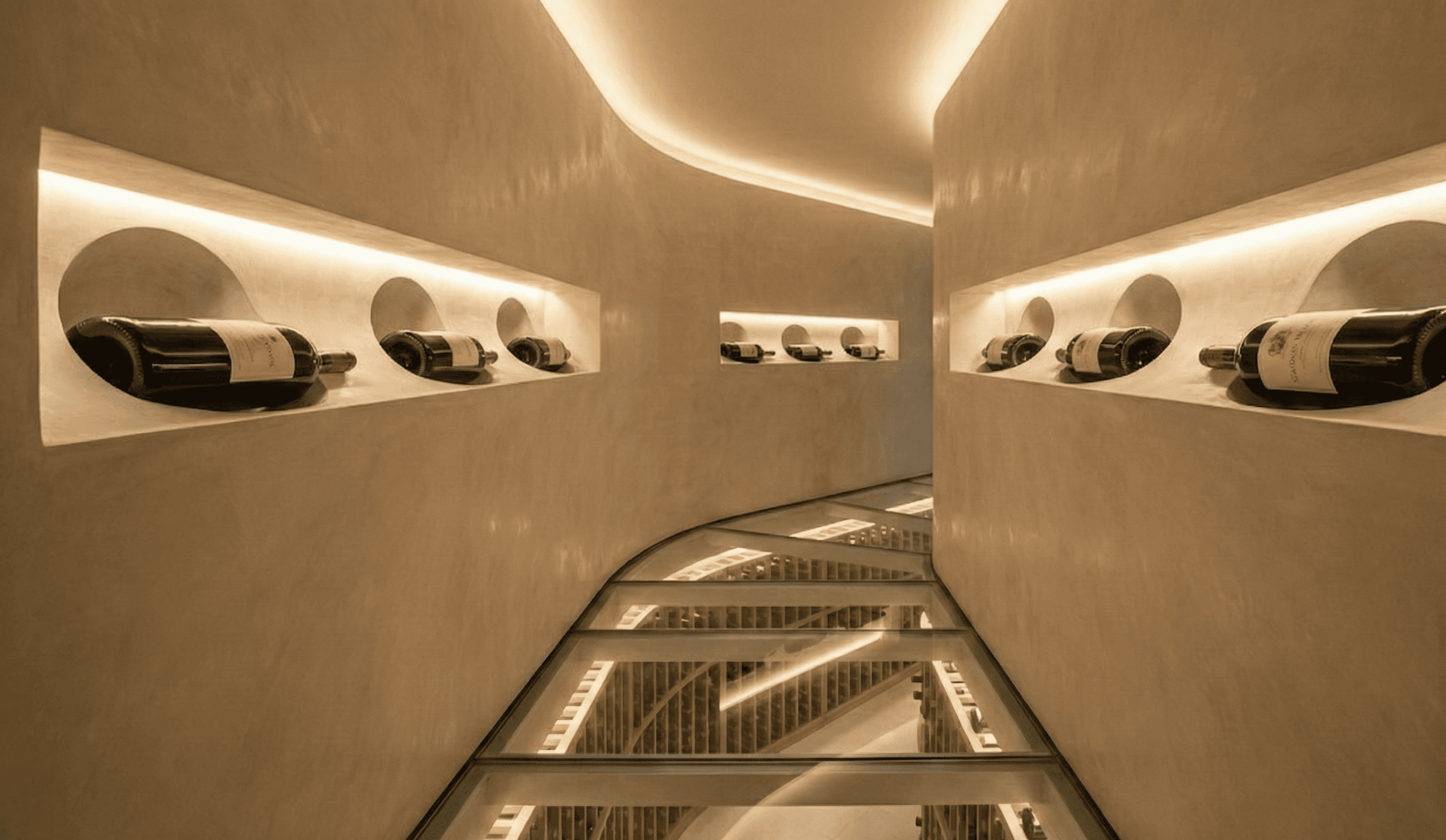
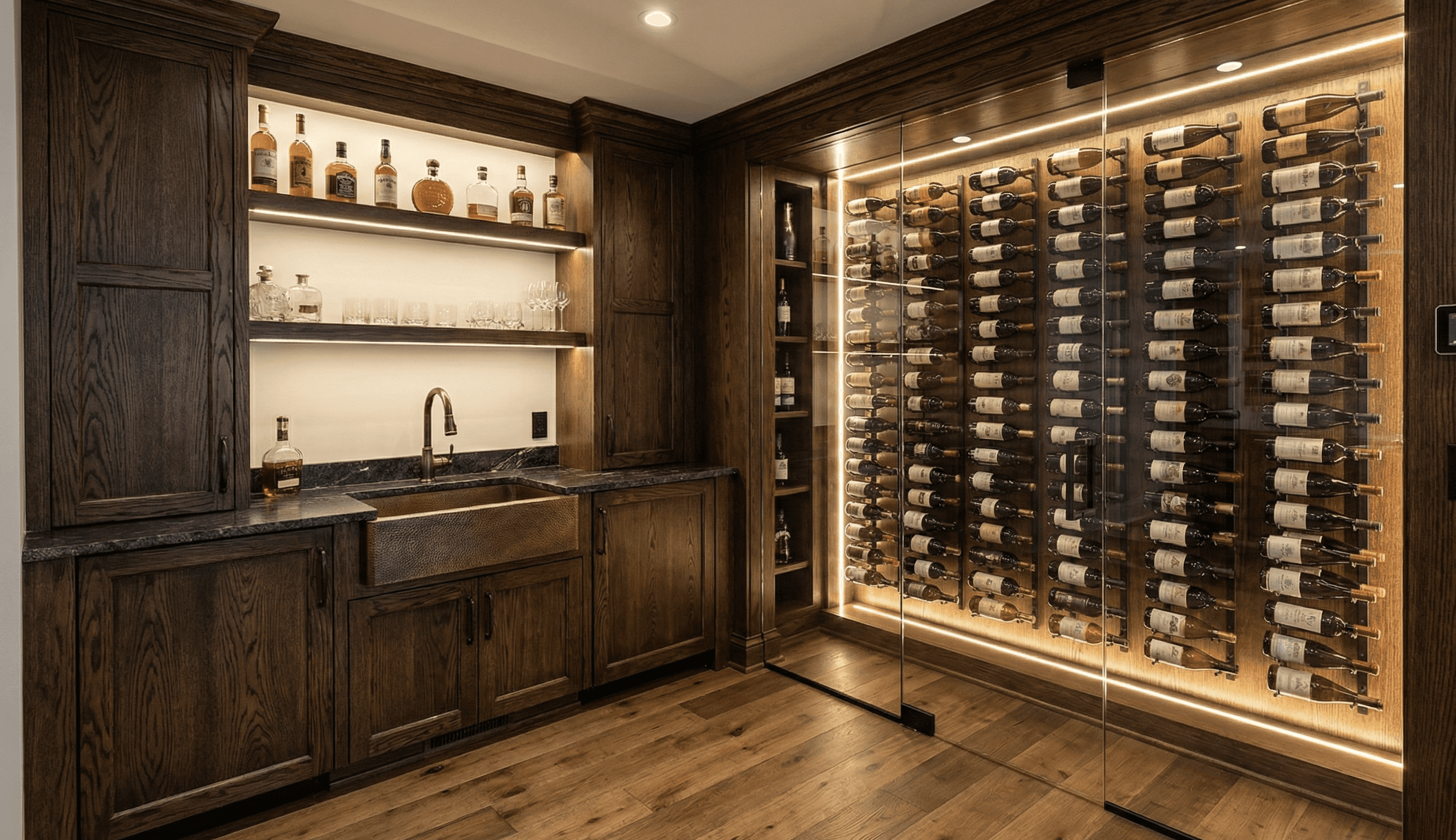
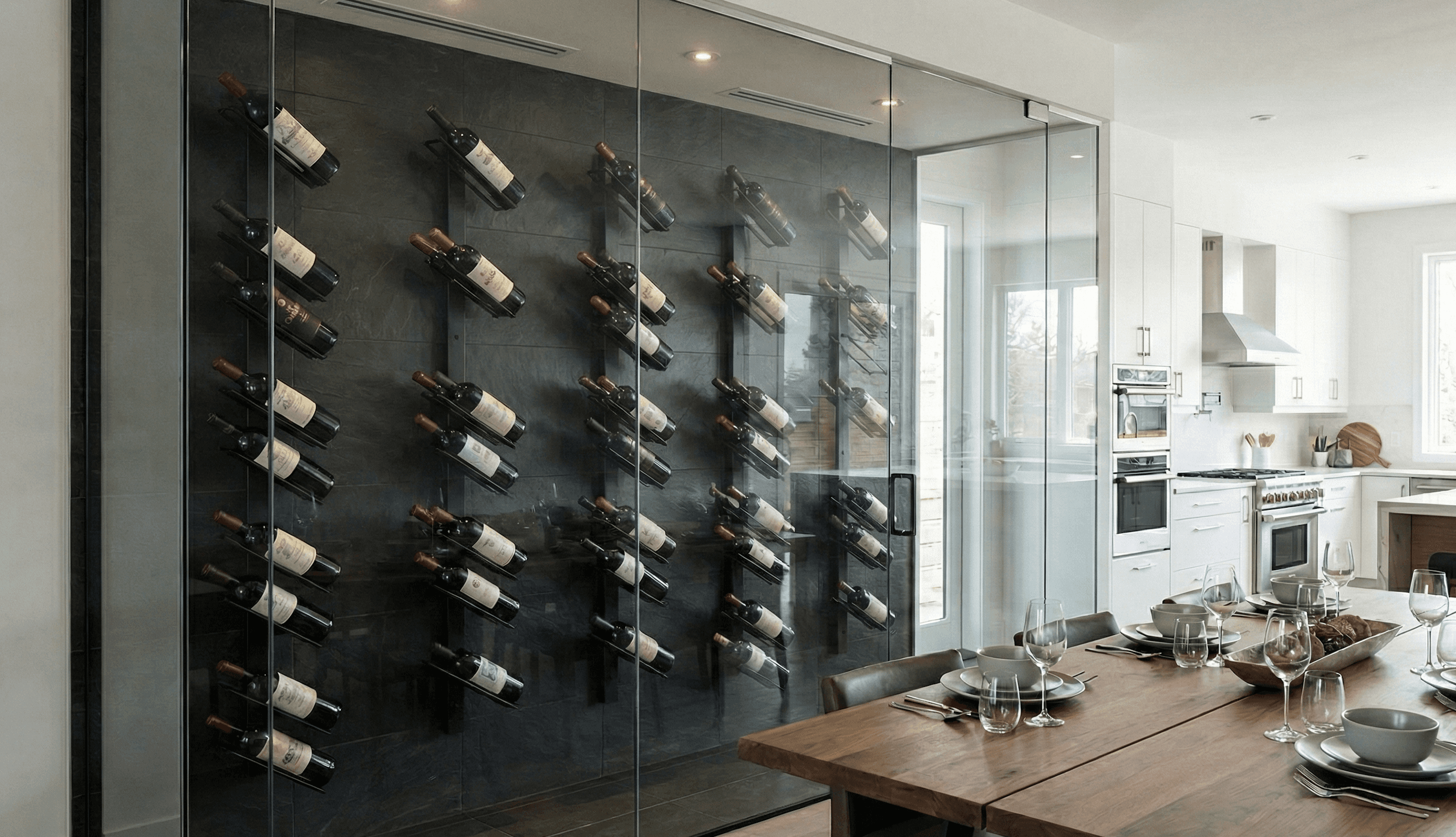
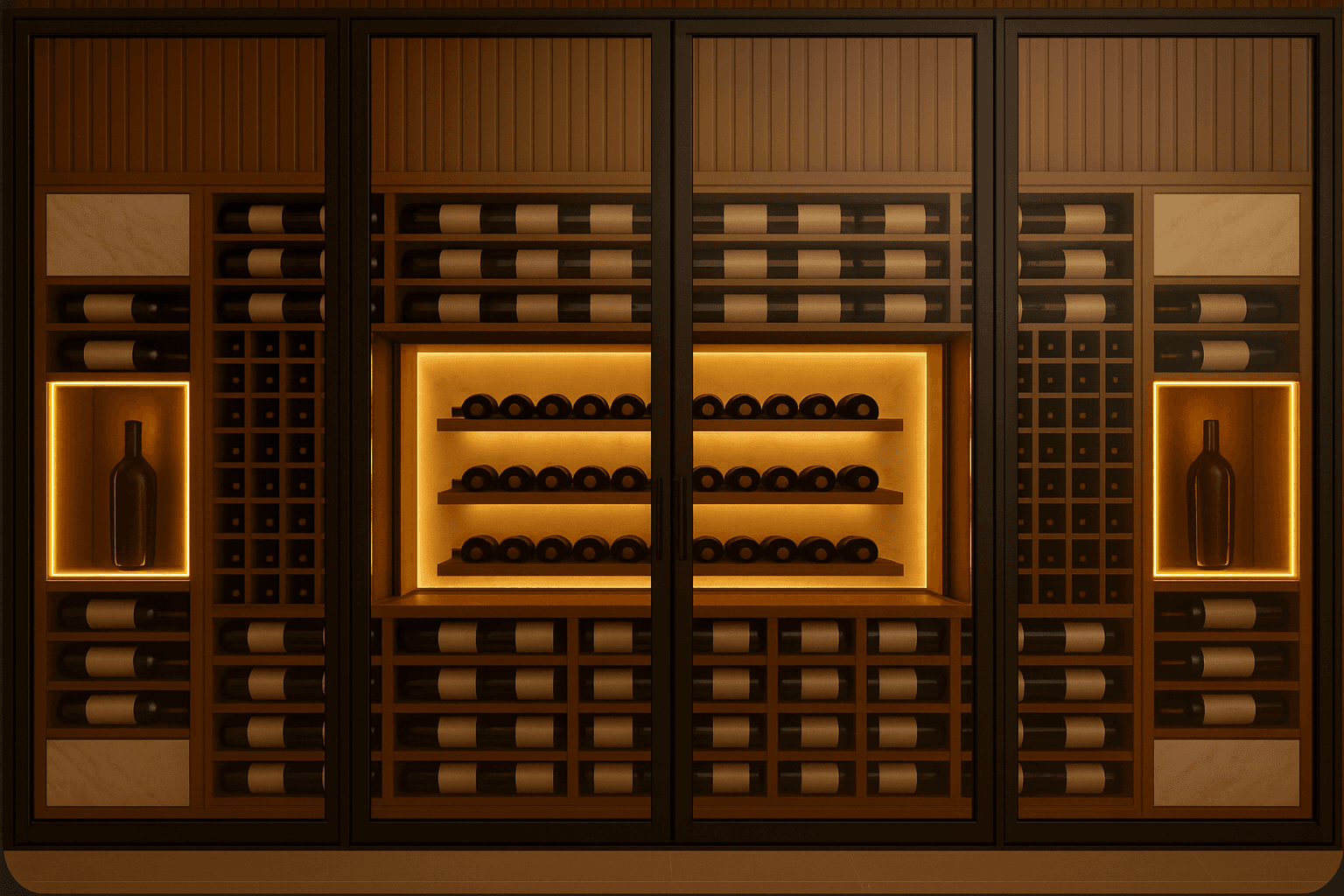
Glass-enclosed wine walls have become Austin favorites, particularly in modern Hill Country contemporary homes and downtown lofts. These transparent masterpieces transform wine storage into living art.
Glass-enclosed wine cellars maximize visual impact while maintaining precise storage conditions. Floor-to-ceiling glass panels create stunning sight lines from adjacent living spaces, turning your collection into an ever-changing gallery. When considering custom glass wine cellar design, hardware selection and thermal performance become critical factors.
Glass cellar advantages:
Dramatic visual presence from multiple rooms
Natural light control through strategic placement
Easier monitoring of collection inventory
Architectural statement piece that elevates home value
Flexibility in metal racking styles and finishes
Transitional Designs
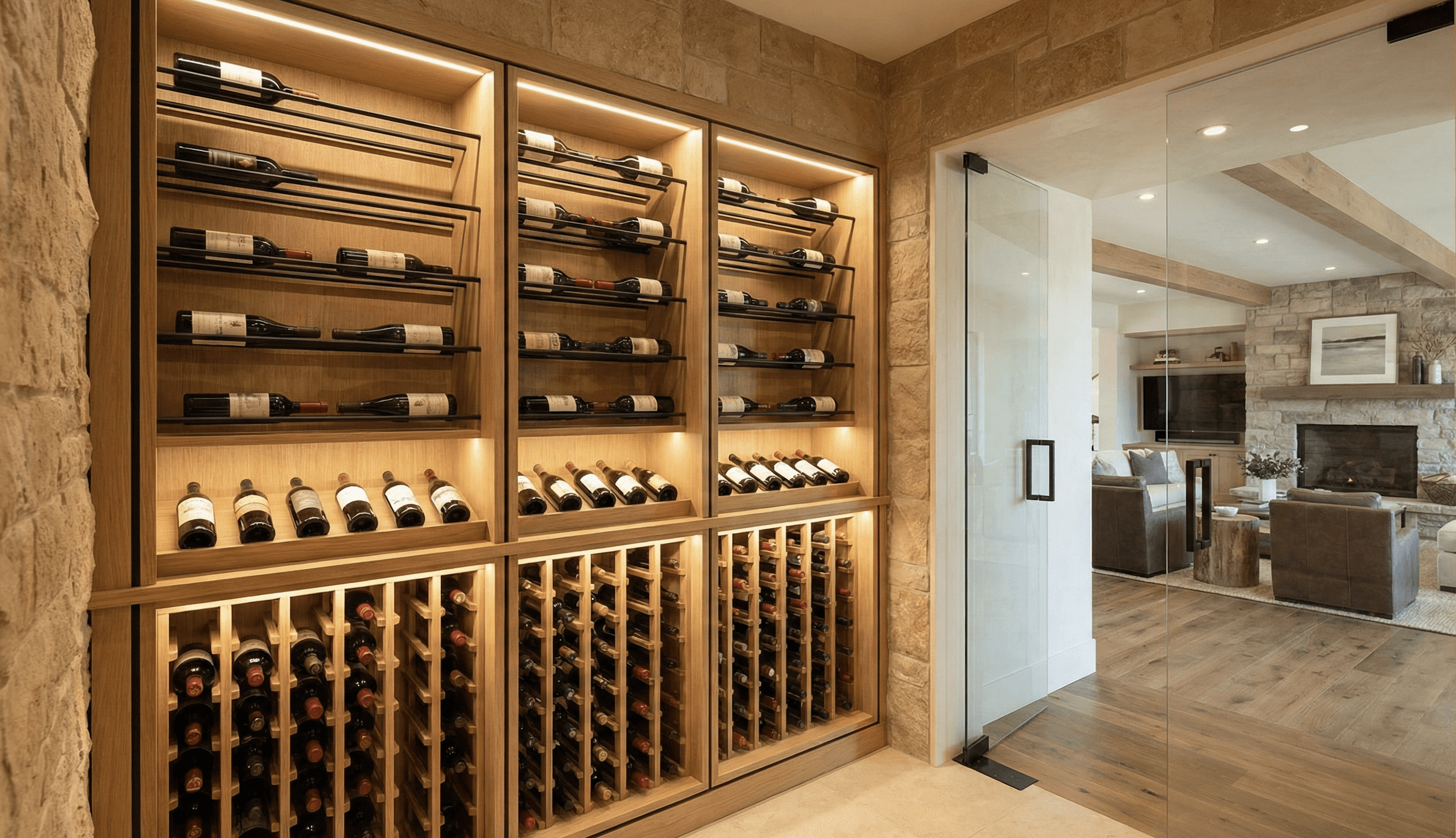
Many Austin homeowners prefer the best of both worlds. Transitional wine cellars blend traditional warmth with contemporary clean lines, creating sophisticated spaces that age beautifully.
Think wood racking with metal accents, frameless glass doors on classic millwork, or streamlined profiles in rich materials. This approach works exceptionally well in Austin's popular transitional-style homes.
Essential Components of Professional Installation
Building a custom wine cellar Austin collectors trust requires coordinating multiple specialized trades and components. Each element must work in harmony to create optimal storage conditions.
Climate Control Systems
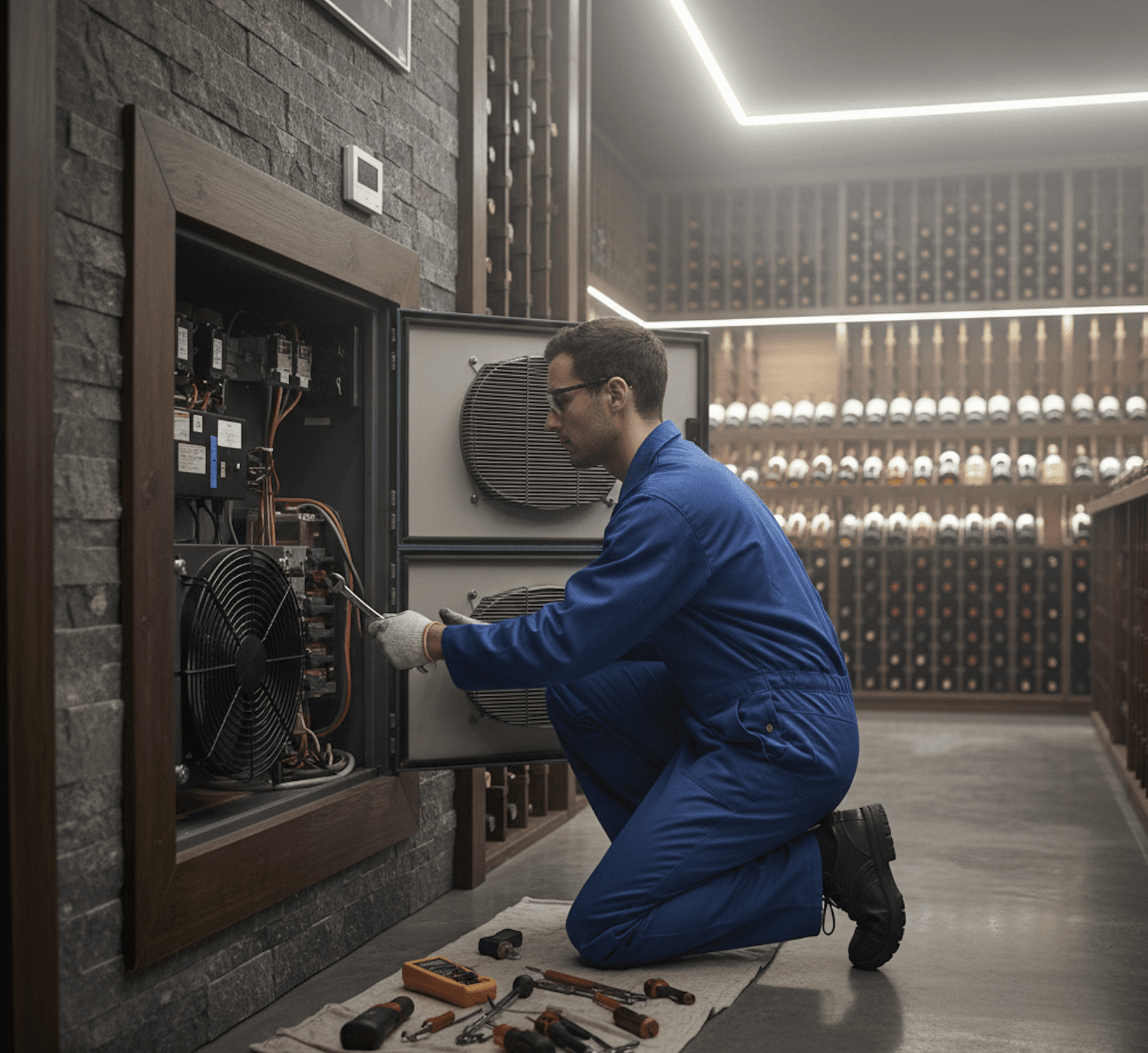
Your cooling unit is the heart of the operation. Undersized systems run constantly and fail prematurely. Oversized units cycle inefficiently, creating temperature swings that damage wine.
Professional load calculation accounts for:
Cellar cubic footage and ceiling height
Insulation R-values on all six surfaces
Glass percentage and thermal performance
Expected door opening frequency
Ambient room temperature outside the cellar
Interior lighting heat generation
Through-wall, ducted, and split systems each offer distinct advantages depending on your specific installation. Many Austin projects benefit from split systems that position the condenser remotely, reducing vibration and noise within the cellar itself.
Insulation and Vapor Barriers
Texas heat demands exceptional insulation. Walls, ceiling, and floor must achieve minimum R-19 insulation values, though R-30 is preferable for Austin installations. Closed-cell spray foam offers superior performance and creates an effective vapor barrier simultaneously.
Proper vapor barrier placement prevents moisture migration that leads to mold growth and insulation failure. This critical layer goes on the warm side of your insulation, facing the ambient space rather than the cooled cellar. Avoiding common design mistakes in this phase prevents expensive remediation later.
Door Selection and Sealing
Your cellar door must be both beautiful and functional. Solid wood doors require proper sealing and weather stripping. Glass doors need proper thermal breaks and low-E coatings.
Every door should include:
Quality threshold sweep for bottom seal
Compression weather stripping on jambs and header
Self-closing hinges or automatic door closers
Proper thermal break in glass installations
Adequate clearance for flooring and carpet

Material Selection for Longevity and Beauty
Materials must withstand consistent humidity while maintaining aesthetic appeal for decades. This dual requirement eliminates many conventional building materials.
Racking Materials
Wood racking considerations:
Wood Species | Characteristics | Best Applications |
|---|---|---|
Mahogany | Rich color, excellent stability | Traditional, formal spaces |
Walnut | Dark tones, beautiful grain | Contemporary, transitional |
Oak | Classic appeal, widely available | Traditional, rustic styles |
Redwood | Natural rot resistance | Any style, budget-conscious |
Metal racking in powder-coated steel or brushed aluminum offers modern aesthetics with exceptional durability. These materials never warp, require minimal maintenance, and create striking contemporary statements.
Selecting appropriate wine cellar materials impacts both immediate appearance and long-term satisfaction. Consider how materials age, maintenance requirements, and compatibility with your climate control system.
Flooring Options
Flooring must handle humidity without warping, cupping, or deteriorating. Engineered hardwood outperforms solid wood in controlled environments. Stone, tile, and sealed concrete provide excellent alternatives.
Avoid carpet unless specifically designed for high-humidity applications. Many Austin custom wine cellar installations incorporate beautiful stone or tile that complements the overall design while providing practical, long-lasting performance.
Maximizing Storage Capacity
Efficient space utilization separates adequate cellars from exceptional ones. Strategic planning accommodates current inventory while anticipating collection growth.
Racking Configuration Strategies
Standard wine racking stores bottles horizontally in individual compartments. This universal approach works well but doesn't maximize capacity for collectors with multiple cases of the same vintage.
Smart storage solutions include:
Diamond bins for case storage of same wines
Display rows at eye level for special bottles
Bulk storage in lower sections
Magnum and large-format specialized racks
Adjustable shelving for flexibility
Ceiling height dramatically impacts capacity. Eight-foot ceilings accommodate standard configurations comfortably. Nine or ten-foot ceilings enable upper display rows or decorative elements without sacrificing accessibility.
Custom Features Worth Considering
Beyond bottle storage, thoughtfully designed custom wine cellar Austin spaces often incorporate complementary elements. Tasting tables create inviting spaces for selection and appreciation. Proper seating transforms your cellar into an entertaining venue.
Many collectors value these additional services when planning comprehensive installations. Decorative lighting highlights prized bottles. Museum-quality artwork celebrates wine culture. Temperature and humidity monitors provide peace of mind.
Working With Professional Designers
Professional design services ensure your vision becomes reality while avoiding expensive mistakes. Experienced designers understand wine storage requirements, Austin building codes, and aesthetic principles that create cohesive, functional spaces.
The Design Process
Quality custom wine cellar design services begin with comprehensive consultation. Designers assess your space, understand your collection, learn your aesthetic preferences, and establish realistic budgets.
Initial site evaluation and measurement
Collection assessment and growth projection
Style exploration and material selection
Preliminary design concepts and 3D renderings
Design refinement based on your feedback
Final specifications and installation drawings
This methodical approach ensures nothing gets overlooked. You see exactly what you're getting before construction begins, eliminating surprises and buyer's remorse.
Investment Considerations
Custom wine cellar Austin pricing varies significantly based on size, materials, features, and complexity. Small reach-in cellars might start around $15,000-25,000, while elaborate walk-in installations in large homes easily exceed $100,000.
Budget factors include:
Square footage and ceiling height
Racking material and finish quality
Glass percentage and hardware specifications
Cooling system type and capacity
Lighting complexity and control systems
Flooring material and installation
Door style and sealing requirements
Quality installations represent significant investments that substantially increase home value while protecting wine collections worth far more than the cellar itself.

Regulatory Compliance and Permits
Austin's building requirements ensure safety and structural integrity. Professional installers navigate these regulations seamlessly, securing necessary permits and coordinating inspections.
Understanding common code violations in Austin prevents delays and costly corrections. Electrical work requires licensed contractors. HVAC modifications need proper permitting. Structural changes demand engineering approval.
Reputable builders handle permitting as part of comprehensive turnkey design-build services, removing this burden from homeowners while ensuring compliance at every stage.
Ongoing Maintenance and Care
Even perfectly engineered cellars require regular maintenance to perform optimally year after year. Establishing maintenance protocols from day one protects your investment.
Essential Maintenance Tasks
Cooling system filter changes every 3-6 months maintain efficiency and air quality. Annual professional servicing prevents costly repairs and extends equipment life. Door seals require periodic inspection and replacement as they compress over time.
Monthly monitoring checklist:
Temperature consistency (ideal 55-58°F)
Humidity levels (target 50-70%)
Unusual sounds from cooling equipment
Door seal compression and closure
Lighting function and bulb replacement needs
Professional wine cellar maintenance services provide comprehensive system checks, calibration, and repairs. Preventive maintenance costs far less than emergency repairs or wine loss from system failure.
Protecting Your Collection
Beyond mechanical maintenance, collection management ensures optimal aging. Organize bottles logically for easy retrieval. Track inventory to prevent forgotten treasures. Rotate stock appropriately, consuming ready-to-drink wines while allowing others to develop.
Consider inventory management software or simple spreadsheets. Many Austin collectors photograph their cellars and maintain digital records accessible from anywhere. This approach proves invaluable when selecting wines for special occasions or planning purchases.
Design Inspiration From Austin Projects
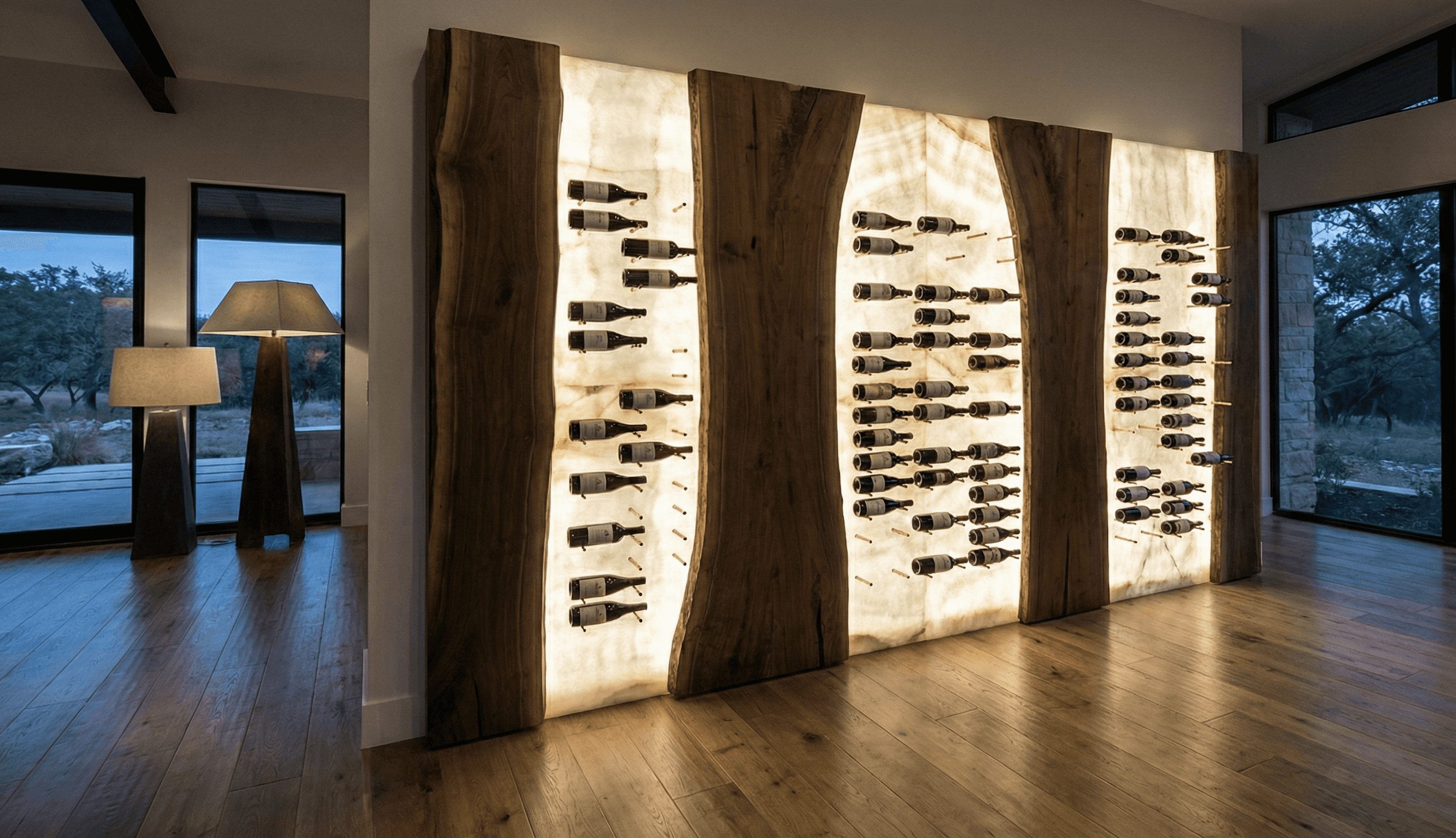
Austin's diverse architectural landscape inspires equally varied cellar designs. Hill Country estates often feature rustic elements with natural stone and reclaimed wood. Downtown condos showcase sleek modern wine cellars with minimalist metal and glass.
Reviewing completed portfolio designs helps crystallize your personal vision. Notice how different materials create distinct moods. Observe how lighting transforms spaces. Consider how various racking styles accommodate different bottle types.
Looking at various design styles across the industry broadens perspective, though working with local Austin experts ensures solutions appropriate for our specific climate and building practices.
Space Constraints and Creative Solutions
Not every Austin home offers abundant square footage for wine storage. Compact urban wine cellars demonstrate how thoughtful design maximizes limited spaces.
Under-stair installations, closet conversions, and even refrigerated wine cabinets provide legitimate storage when walk-in cellars aren't feasible. The key is maintaining proper temperature and humidity control regardless of size.
Creative solutions for small spaces include:
Floor-to-ceiling racking maximizing vertical storage
Slim-profile racking in narrow spaces
Single-depth configurations for shallow walls
Glass walls that visually expand perceived space
Multi-functional designs combining storage with display
These approaches prove that collection size, not space availability, should determine whether you invest in proper wine storage.
Finding the Right Installation Partner
Selecting your builder ranks among the most important project decisions. Experience with Austin's climate, familiarity with local codes, and proven design expertise separate exceptional results from disappointing outcomes.
Evaluate potential partners by reviewing their previous work, checking references, and understanding their process. Do they offer comprehensive design services or just installation? Will they handle permitting and inspections? What warranties do they provide?
The best partnerships feel collaborative rather than transactional. Your builder should listen carefully, offer expert guidance, respect your vision, and deliver exactly what they promise. Detailed contracts, clear timelines, and transparent communication prevent misunderstandings and ensure satisfaction.
Many Austin homeowners explore projects in nearby areas like custom wine cellars in West University Place or Westlake when gathering inspiration and identifying qualified builders with regional expertise.
Investment Value and Home Appreciation
Luxury amenities significantly impact Austin's competitive real estate market. Well-designed wine cellars appeal to discerning buyers and justify premium pricing.
High-quality installations typically return 60-100% of their cost in added home value. Exceptional showpiece cellars in luxury properties sometimes exceed initial investment, particularly when they integrate seamlessly with overall home design and quality.
Beyond financial returns, custom wine cellars enhance lifestyle and daily enjoyment. They create entertaining opportunities, protect valuable collections, and provide personal sanctuaries for wine appreciation. These intangible benefits often outweigh pure financial considerations for passionate collectors.
Creating a custom wine cellar Austin homeowners treasure requires balancing aesthetic vision with engineering precision, understanding local climate challenges, and selecting materials that deliver decades of beautiful, reliable performance. From initial concept through final installation and ongoing maintenance, every decision impacts how well your cellar preserves your collection and enhances your home. Prestige Wine Cellars brings specialized expertise in luxury wine storage solutions to Austin estates, combining innovative design with meticulous engineering to create bespoke cellars that protect your investment while reflecting your personal style.
Your Dream Wine Cellar Starts Here
Let our design team craft a cellar that matches your taste, space, and your collection — built for beauty, function, and prestige.
Email us at
Visit our office