
Custom Wine Cellar Round Rock: A+ Guide
Discover how to create a luxury custom wine cellar Round Rock TX. Expert design tips, climate control, materials, and local considerations.
Round Rock's thriving community of discerning homeowners and wine enthusiasts demands storage solutions that match their refined tastes. A custom wine cellar Round Rock project represents far more than a practical storage space; it's an investment in preserving valuable collections while creating an architectural statement that elevates any home. Whether you're planning a temperature-controlled sanctuary beneath your estate or transforming an unused space into a sophisticated tasting room, understanding the unique considerations of building in Central Texas ensures your cellar performs flawlessly for decades. The region's climate challenges, architectural trends, and growing appreciation for fine wine culture all influence how we approach cellar design and construction in this dynamic area.
Understanding Round Rock's Climate Demands
Central Texas presents distinct environmental challenges that directly impact wine cellar performance. Summer temperatures regularly exceed 100°F, while humidity levels fluctuate dramatically throughout the year. These conditions make proper insulation and climate control absolutely non-negotiable for any custom wine cellar Round Rock installation.
The region's clay-rich soil and unpredictable weather patterns also affect basement and foundation moisture levels. Many Round Rock homes sit on expansive clay that shifts with moisture changes, creating potential entry points for humid air. Your cellar must account for these geological realities through:
Comprehensive vapor barrier systems that protect against Texas humidity
Redundant climate control with backup systems for power outages
Strategic placement away from external walls that absorb summer heat
Sealed construction that prevents conditioned air loss
Professional installers familiar with preparing installation spaces understand these regional nuances. The difference between a cellar that maintains perfect 55°F temperatures and one that struggles during July heat waves often comes down to Central Texas-specific construction techniques.

Design Considerations for Texas Homes
Round Rock's architectural landscape ranges from Hill Country estates to modern suburban residences. Each style presents unique opportunities for custom wine cellar integration. Traditional homes with basements offer classic below-grade options, while newer constructions might feature glass-enclosed showcases visible from living areas.
Space utilization varies dramatically based on your home's layout. Under-stair conversions maximize forgotten square footage, while dedicated rooms allow for expansive collections and tasting areas. The signature styles available range from rustic wood displays that complement Hill Country aesthetics to sleek modern installations with LED accent lighting.
Material Selection and Craftsmanship
Premium materials form the foundation of any lasting custom wine cellar Round Rock project. Your choices affect not just aesthetics but also long-term performance and maintenance requirements.
Material Type | Benefits | Considerations |
|---|---|---|
Premium Redwood | Natural beauty, moisture resistance, aromatic qualities | Higher investment, requires periodic sealing |
Mahogany | Rich color, exceptional durability, prestigious appearance | Premium pricing, needs climate-stable environment |
Wrought Iron | Distinctive visual impact, excellent for label-forward displays | Limited insulation properties, works best as accent |
Acrylic/Glass | Modern aesthetic, light penetration, showcase potential | Requires UV filtering, professional installation critical |
Wood selection deserves particular attention in Texas installations. Traditional wine cellar designs using premium hardwoods create timeless elegance, but these materials must be properly acclimated and sealed to withstand regional humidity variations.
Metal racking systems offer contemporary sophistication while providing excellent structural support for heavy bottle loads. Many Round Rock homeowners blend materials, incorporating wooden display sections with metal label-forward racks for their most prestigious bottles.
Racking Configurations and Storage Capacity
The seven essential factors in wine cellar construction include thoughtful racking design that balances capacity with accessibility. Standard configurations include:
Individual bottle storage for premium collections requiring careful handling
Bin storage for cases of the same vintage
Display rows featuring labels outward for visual impact
Magnum racks accommodating larger format bottles
Specialty storage for champagne, dessert wines, and odd-sized vessels
A well-designed custom wine cellar Round Rock installation maximizes every inch while maintaining comfortable access. Calculate roughly 12 bottles per square foot for standard racking, though this varies based on bottle sizes and desired aesthetic density.
Climate Control Engineering
Temperature stability separates amateur storage from professional-grade preservation. Your collection deserves precision climate management that accounts for Texas's demanding environment.
Cooling System Selection
Sizing your cooling system requires precise heat load calculations. A system too small struggles during summer peaks, while oversized units cycle inefficiently and create temperature swings. Professional assessment considers:
Room dimensions and bottle capacity
Insulation R-values in walls, ceiling, and floor
Proximity to heat sources (exterior walls, kitchens, mechanical rooms)
Desired temperature and humidity parameters
Local climate data and seasonal temperature extremes
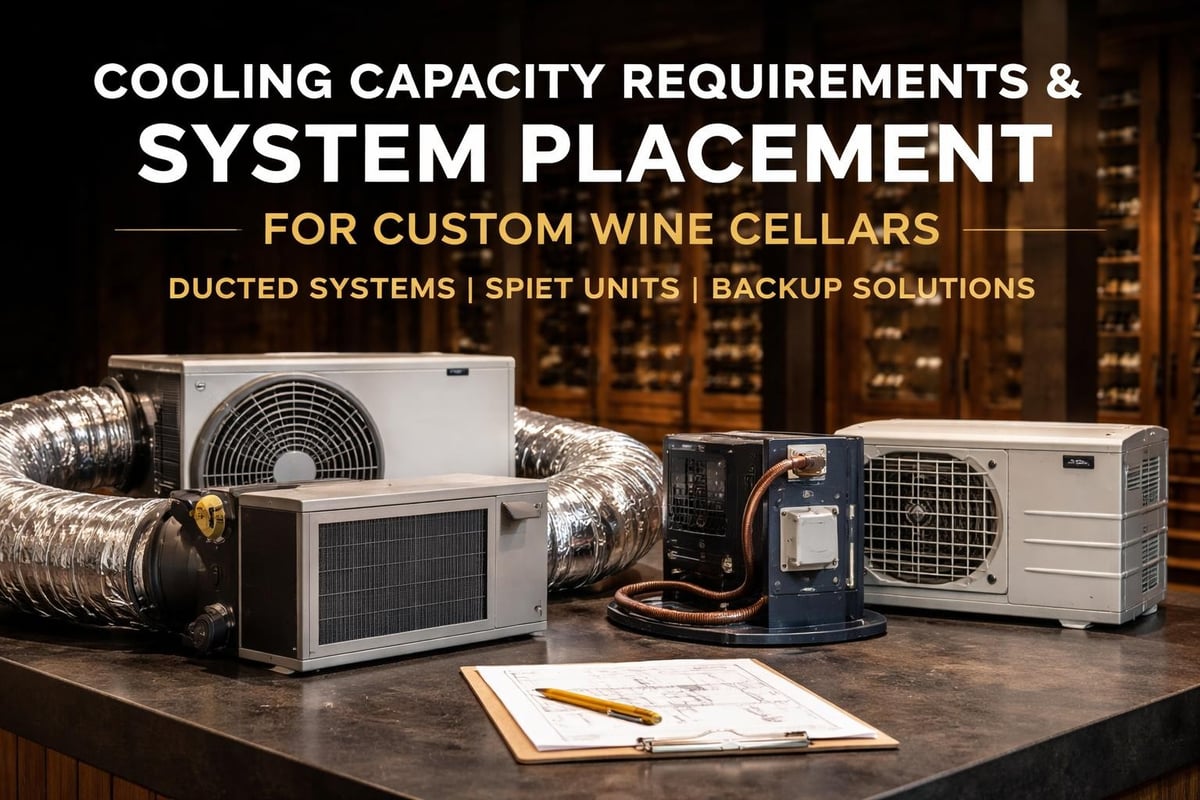
Through-wall units work effectively for smaller cellars with exterior access, while ducted systems serve larger installations or interior locations. Split systems offer flexibility when equipment placement requires separation between evaporator and condenser components. The heat load calculations determine which technology best suits your specific situation.
Redundancy matters tremendously in Round Rock's climate. Battery backup systems or secondary cooling provide insurance against equipment failures during peak summer heat. Some collectors install temperature monitoring with smartphone alerts, ensuring immediate notification if conditions drift outside safe parameters.
Humidity Management Strategies
Maintaining 60-70% relative humidity prevents cork drying while avoiding mold growth. Texas's variable humidity requires active management rather than passive hoping. Quality cooling systems incorporate humidity control, but standalone humidifiers or dehumidifiers might be necessary depending on your home's baseline conditions.
Proper sealing works in tandem with mechanical systems. Every penetration for electrical, plumbing, or ventilation represents a potential humidity leak. Professional wine cellar design addresses these details during planning rather than discovering problems after construction.
Construction Process and Timeline
Building a custom wine cellar Round Rock requires coordinated expertise across multiple disciplines. Understanding the typical workflow helps you plan accordingly and set realistic expectations.
Phase 1: Design and Engineering (2-4 weeks) Initial consultations establish your vision, collection size, budget parameters, and timeline. Designers create detailed renderings showing racking layouts, material selections, and lighting schemes. Engineering assessments determine structural requirements, climate control specifications, and electrical needs.
Phase 2: Site Preparation (1-2 weeks) Proper preparation following installation space guidelines ensures optimal performance. This includes installing vapor barriers, adding insulation beyond standard wall values, and rough-in work for electrical and HVAC components.
Phase 3: Construction and Installation (3-6 weeks) Timeline varies based on cellar size and complexity. Custom millwork, climate system installation, and finishing details require skilled craftsmanship that shouldn't be rushed. The turnkey design-build approach coordinates all trades under single-source accountability.
Phase 4: Testing and Commissioning (1 week) Systems run continuously to verify temperature stability, identify any air leaks, and ensure humidity levels remain consistent. This critical period catches issues before you stock valuable bottles.
Design Styles Popular in Round Rock
Local aesthetic preferences influence custom wine cellar Round Rock projects, though truly bespoke installations reflect individual personality rather than following trends blindly.
Hill Country Rustic Elegance
Many Round Rock estates draw inspiration from Texas Hill Country's natural beauty. Rustic estate wine cellars incorporate reclaimed wood beams, stone accent walls, and wrought iron details that echo the region's ranching heritage. These designs feel organic and established, as though the cellar has existed for generations.
Natural materials age gracefully in climate-controlled environments, developing rich patinas that enhance rather than diminish their beauty. Rough-hewn textures contrast beautifully with the refined bottles they protect, creating visual interest that feels authentically Texan.
Modern Minimalist Showcases
Contemporary Round Rock homes increasingly feature glass-enclosed showpiece cellars that function as living art installations. Floor-to-ceiling glass walls display collections while maintaining proper storage conditions. LED accent lighting transforms bottles into illuminated sculptures visible from adjacent spaces.
These designs require exceptional attention to insulation and climate control since glass provides minimal thermal resistance. Triple-pane systems, strategic placement away from direct sunlight, and robust cooling capacity overcome these challenges to deliver stunning results.
Cost Considerations and Investment Value
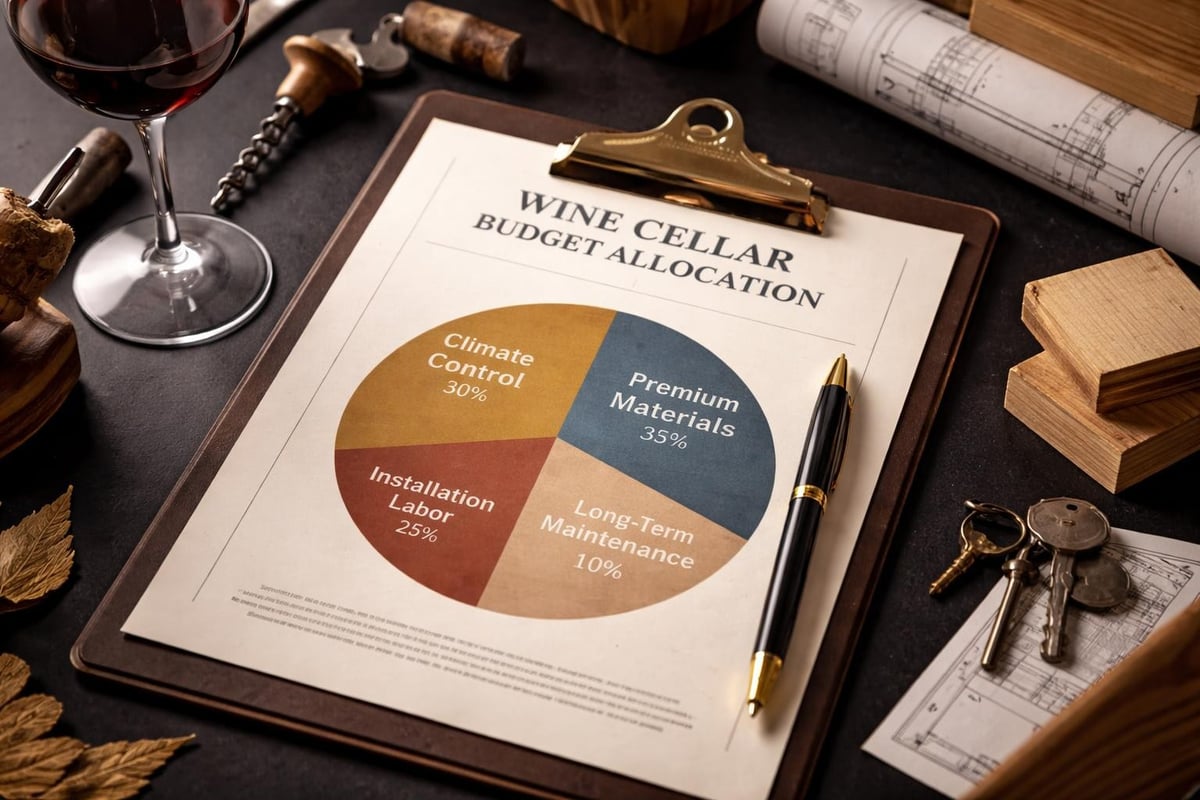
Budgeting for a custom wine cellar Round Rock project requires understanding the variables that influence final investment. Transparency about costs helps you make informed decisions aligned with your priorities.
Project Scope | Typical Investment Range | Key Features |
|---|---|---|
Small Conversion | $15,000 - $35,000 | Under-stair or closet, 200-500 bottles, basic racking |
Mid-Size Dedicated Room | $40,000 - $85,000 | 500-1,500 bottles, premium materials, custom design |
Luxury Showcase | $100,000 - $250,000+ | Extensive capacity, architectural glass, museum-quality finishes |
These ranges reflect complete installations including climate control, racking, doors, lighting, and professional installation. Geographic factors, material selections, and architectural complexity all impact where your specific project falls within these ranges.
Value extends beyond immediate costs. Properly designed cellars protect wine investments that might total hundreds of thousands of dollars. They also enhance home resale value in Round Rock's competitive luxury market, where distinctive amenities differentiate properties. Many homeowners view their cellars as they do chef's kitchens or resort-style pools: an investment in lifestyle quality that also serves practical purposes.
Working with Local Experts
Central Texas's unique requirements make local expertise invaluable for custom wine cellar Round Rock installations. Designers familiar with regional climate challenges, building codes, and architectural trends deliver solutions that distant contractors cannot match.
The Prestige Wine Cellars Approach
Serving Texas wine enthusiasts from their Austin base, experienced teams understand what works in Round Rock's specific environment. Their comprehensive services encompass every aspect from initial concept through long-term maintenance, ensuring continuity and accountability throughout your project.
The portfolio of completed projects demonstrates how bespoke solutions reflect each client's unique vision while incorporating proven engineering principles. No two cellars emerge identical because no two collectors share precisely the same priorities, space constraints, or aesthetic preferences.
Communication makes the difference between satisfactory results and truly exceptional cellars. Collaborative designers listen carefully to understand how you interact with your collection, which bottles deserve prime placement, and what ambiance you envision when sharing wines with guests. These insights inform every decision from door hardware selection to lighting temperature.
Maintenance and Long-Term Care
Your cellar requires ongoing attention to maintain peak performance. Professional maintenance services include annual climate system servicing, seal inspections, and racking adjustments as your collection evolves.
Establishing maintenance relationships during construction ensures continuity. The team that built your cellar understands its specific systems and can troubleshoot issues more efficiently than generic HVAC contractors unfamiliar with wine storage requirements.
Maximizing Your Cellar Experience
A custom wine cellar Round Rock represents more than storage; it's a personal sanctuary for enjoying and sharing your passion. Thoughtful details elevate functionality into genuine luxury.
Lighting Design Principles
Proper illumination serves practical and aesthetic purposes without threatening wine integrity. LED systems provide energy-efficient lighting that generates minimal heat, crucial in climate-controlled environments. Color temperature selection affects ambiance: warmer tones (2700-3000K) create intimate atmosphere, while cooler temperatures (3500-4000K) offer crisp visibility for reading labels.
Avoid direct UV exposure that degrades wine over time. Even though bottles provide some protection, prolonged light exposure accelerates aging unpredictably. Motion-activated systems ensure lights operate only when needed, reducing energy consumption and UV exposure while providing convenience.
Tasting Areas and Entertainment Spaces
Many Round Rock cellars incorporate comfortable seating where collectors can evaluate recent acquisitions or share special bottles with friends. A small table with proper glassware storage, a decanting station, and perhaps a discreet refrigerator for white wines creates a complete tasting experience without leaving the cellar.
Consider acoustic treatments if your cellar adjoins living spaces. Wine discussions and celebrations shouldn't disturb household members, nor should external noise intrude on your sanctuary. Sound-dampening materials integrate seamlessly into walls and ceilings during construction.
Navigating Permits and Building Codes
Round Rock's building regulations ensure safety and structural integrity. Most custom wine cellar installations require permits covering electrical work, HVAC modifications, and sometimes structural changes.
Professional builders navigate these requirements efficiently, understanding which modifications trigger permitting and how to secure approvals without delays. They also ensure work meets or exceeds code requirements for:
Electrical capacity and circuit protection
HVAC system installation and combustion air requirements
Structural load calculations for racking systems
Fire safety and egress considerations
Vapor barrier and insulation standards
Attempting unpermitted work risks future complications during home sales or insurance claims. The modest time and cost involved in proper permitting pale compared to potential liabilities from cutting corners.
Common Mistakes to Avoid
Learning from others' experiences helps you sidestep costly errors during your custom wine cellar Round Rock project.
Undersizing climate control represents the most frequent and expensive mistake. Systems struggling to maintain temperature during Texas summers cycle constantly, increasing energy costs while delivering inadequate performance. Professional heat load calculations prevent this entirely.
Inadequate insulation and vapor barriers create similar problems. Treating a wine cellar like a standard room guarantees disappointment. Walls, ceilings, and floors all require insulation values well beyond typical residential standards, with comprehensive vapor barriers preventing moisture infiltration.
Neglecting door specifications undermines even otherwise perfect cellars. Standard residential doors allow excessive air exchange. Properly sealed wine cellar doors with threshold seals and quality weatherstripping maintain environmental separation between cellar and home.
The Collection Planning Connection
Designing your custom wine cellar Round Rock starts with understanding your collection's current state and future trajectory. Honest assessment of your buying patterns, storage needs, and display priorities informs practical design decisions.
Inventory Assessment
How many bottles do you currently own? How quickly does your collection grow? Which wines require decade-long aging versus near-term consumption? These questions determine storage capacity and racking configurations.
Many collectors underestimate growth rates, creating cellars that reach capacity frustratingly quickly. Building modest expansion room into your initial design costs relatively little during construction but proves expensive to add later.
Display Versus Bulk Storage
Not all bottles deserve equal prominence. Reserve wines, rare vintages, and sentimental bottles merit featured placement where you can admire labels and share their stories. Everyday drinking wines and case quantities function perfectly in bulk bin storage that maximizes capacity.
Flexible racking systems accommodate shifting priorities as your collection matures. Modular designs allow reconfiguration without major renovation, adapting to your evolving preferences and discoveries.
Creating a custom wine cellar Round Rock demands careful attention to climate challenges, material selection, and design details that reflect your personal style while protecting valuable collections. From initial concept through long-term maintenance, success requires expertise that understands both fine wine preservation and Central Texas's unique environmental demands. Prestige Wine Cellars brings that specialized knowledge to every project, crafting bespoke cellars that enhance homes throughout Round Rock and beyond. Their comprehensive approach ensures your cellar becomes a timeless addition that serves your collection beautifully for generations.
Your Dream Wine Cellar Starts Here
Let our design team craft a cellar that matches your taste, space, and your collection — built for beauty, function, and prestige.

Email us at
Visit our office