
Essential Wine Storage Guide: Aging Tips 2026
Discover the art of wine storage in 2026. Get expert tips, tech insights, and design trends to protect and elevate your collection. Read the full guide.
Wine storage has never been more vital than it is in 2026. As collections expand and values rise, both enthusiasts and professionals face new challenges and exciting opportunities.
Innovations in proper wine storage technology and design are transforming how we preserve and enjoy our bottles. Whether you are a collector, a restaurateur, or simply passionate about wine, staying current is essential.
Imagine being able to protect, showcase, and optimize your collection with ease. The right wine storage ensures each bottle matures perfectly and maintains its worth.
This essential guide will help you make informed decisions and elevate your wine storage in 2026.
Understanding the Fundamentals of Wine Storage
Storing wine is both an art and a science. The right environment allows your bottles to mature gracefully, unlocking complexity and value over time. Ignore the basics, however, and even the finest vintages can falter. Let's explore what truly matters in proper wine storage and how you can ensure your collection flourishes.
The Science of Wine Aging
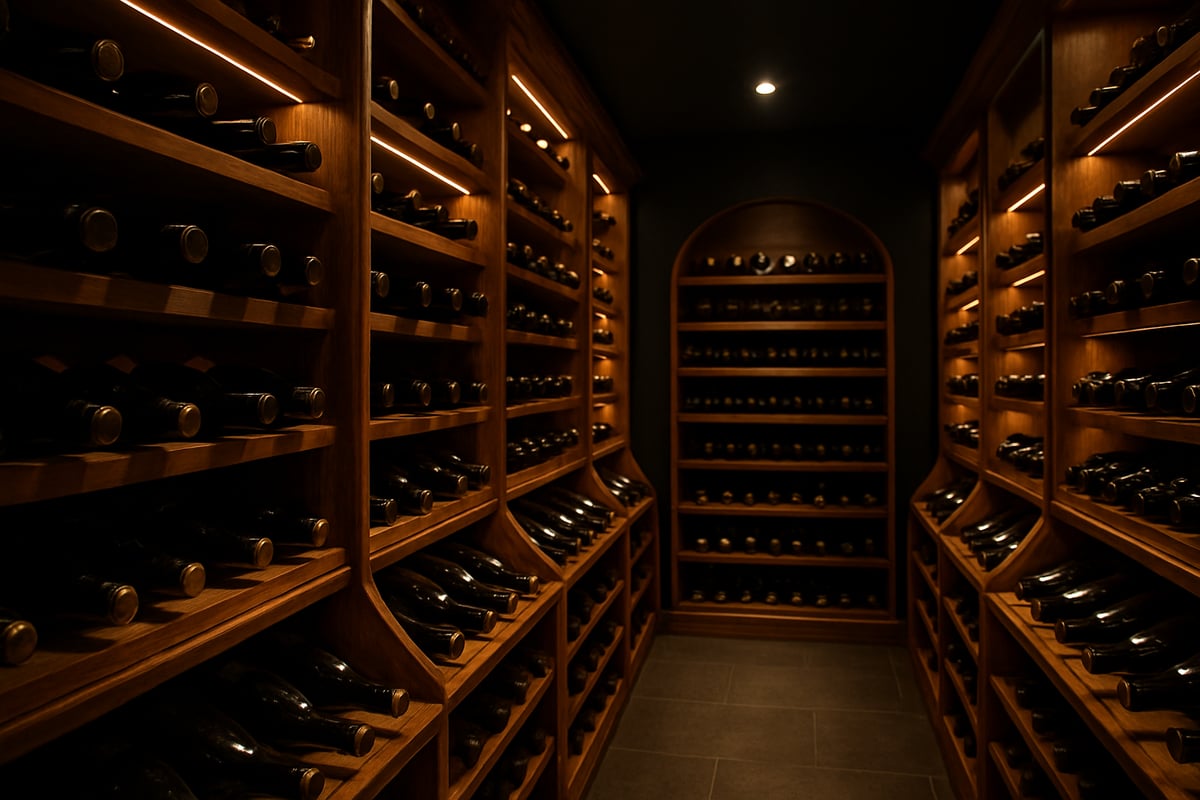
Wine is alive, evolving in the bottle through a delicate dance with its surroundings. The three pillars of proper wine storage are temperature, humidity, and light. Wine thrives at a steady 55°F (13°C), where chemical reactions unfold slowly and predictably. Fluctuating temperatures accelerate aging or, worse, spoil flavors.
Humidity matters, too. Aim for 60 to 70 percent. Too dry and corks shrink, letting air sneak in. Too damp and you risk mold. Light, especially UV, is another enemy. It breaks down compounds, fading aromas and colors.
Vibration and air quality also play crucial roles. Constant movement agitates sediments and disrupts aging, while odors can seep through corks, tainting wine. Industry data reveals that improper wine storage can cut a bottle’s value by up to 50 percent.
Consider two bottles of Bordeaux: one stored in a dark, climate-controlled cellar, the other on a kitchen shelf. After five years, the cellar-stored wine remains vibrant, while the shelf bottle tastes flat, its color dulled, its bouquet lost.
Tailoring Storage for Different Wines
Not all wines age the same way. Red wines generally prefer slightly warmer storage, while whites and sparkling wines do best a few degrees cooler. Sparkling wines are especially sensitive to vibration and temperature swings, which can dull their lively bubbles.
Fortified wines, like port or sherry, are more resilient but still benefit from darkness and stable humidity. If your collection spans multiple styles, consider dual-zone systems to cater to each wine’s unique needs.
Common Mistakes in Wine Storage
Even seasoned collectors can slip up. The most common errors in wine storage include letting temperatures fluctuate, exposing bottles to sunlight, or neglecting humidity. Dry corks are notorious for letting oxygen in, causing premature aging and spoilage.
For a thorough guide on how to avoid these pitfalls, see the best practices for storing wine, which covers everything from environmental control to organizing your collection.
Ignoring these basics can take a toll. Wines lose nuance, labels peel, and investment-grade bottles lose their market appeal. The right storage habits protect both your enjoyment and your investment.
Why Bottle Orientation Matters
How you position your bottles matters more than you might think. Storing bottles horizontally keeps corks moist, preventing shrinkage and unwanted air contact. Vertical storage risks drying out the cork, especially over years.
Proper wine storage also supports airflow around bottles, discouraging mold and maintaining even temperature. Whether you’re storing a few prized bottles or a full cellar, these fundamentals are the foundation of a thriving collection.
Advances in Wine Storage Technology for 2026
Wine storage has entered a new era in 2026, blending technology, design, and precision to safeguard every bottle. Whether you are a collector, restaurateur, or enthusiast, these innovations ensure your storage is as sophisticated as your collection. Let’s explore what’s redefining the future of wine storage.
Climate Control Innovations
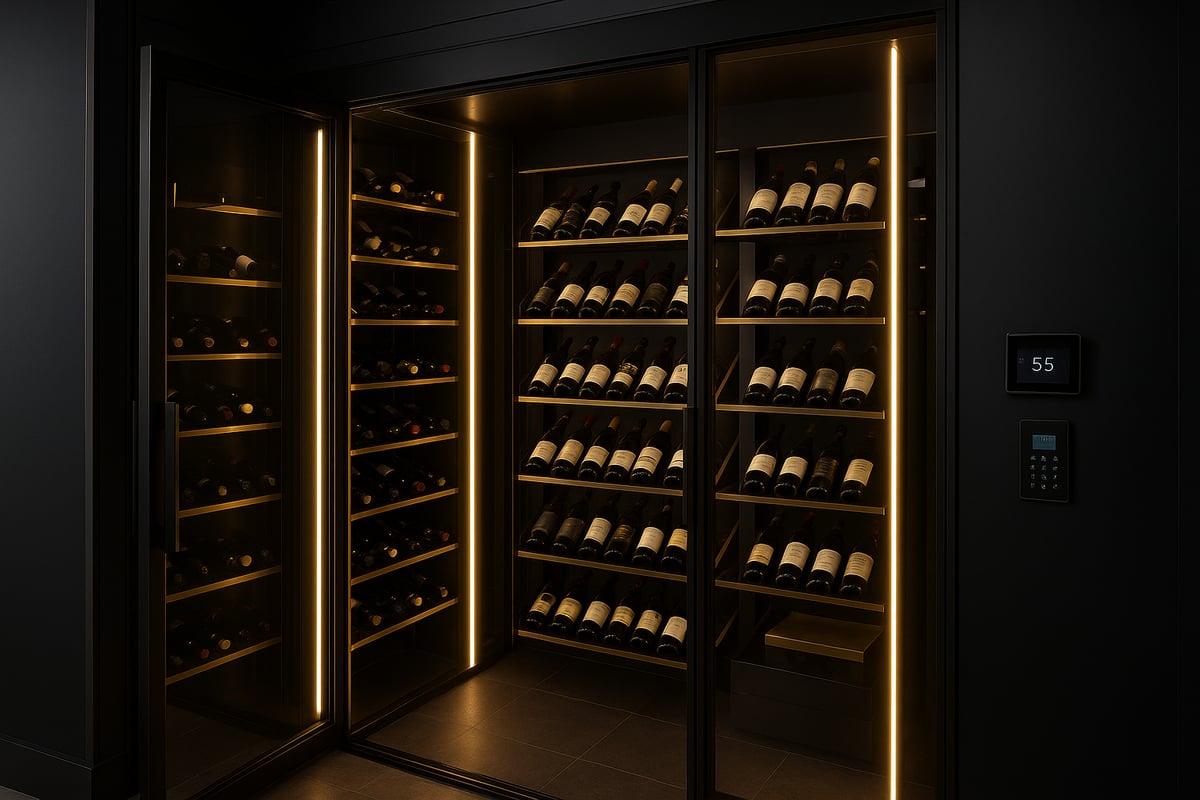
Precision climate control is the foundation of exceptional wine storage in 2026. Today’s top systems use IoT-enabled technology to monitor and regulate temperature and humidity with incredible accuracy. These advanced solutions can be controlled remotely through smartphone apps, giving you real-time alerts if any parameter drifts from the ideal.
Smart climate systems now log historical data, a feature once reserved for professional facilities. This lets collectors analyze trends and optimize their storage environment for long-term aging. Integration with home automation systems is common, so your wine storage adapts seamlessly to seasonal changes or power fluctuations.
Energy efficiency is a major focus, with improved insulation and vapor barriers keeping climate systems running sustainably. Many professional cellars also use backup generators to prevent spoilage during outages. If you want a deeper dive into these innovations, Emerging trends in wine storage technology details how AI and smart controls are setting new industry standards.
With these advances, storage is more reliable and tailored than ever, ensuring your bottles mature in perfect harmony.
Security and Access Upgrades
As wine collections grow in value, security is a critical component of modern wine storage. In 2026, 24/7 video surveillance and motion detection are standard in premium storage environments. These systems deter theft and provide peace of mind for collectors and businesses alike.
Access control has evolved dramatically. Keypads, biometric scanners, and app-based entry systems keep storage areas secure and trackable. Insurance providers now often require these enhanced features for high-value collections, making compliance easier for owners.
Smart storage units can send motion alerts directly to your phone, letting you respond instantly to any unusual activity. Secure delivery acceptance and digital inventory management further protect your investment. Disaster recovery planning, including flood and fire protection, is now a routine part of storage facility design.
By combining robust security with advanced access controls, wine storage in 2026 is safer, more convenient, and always under your watchful eye.
Wine Storage Racking and Display Solutions
Function meets artistry in today’s wine storage racking and display solutions. Modular racks are now highly customizable, accommodating everything from standard bottles to magnums and rare formats. Materials like wood, metal, acrylic, and glass each offer unique preservation and aesthetic benefits.
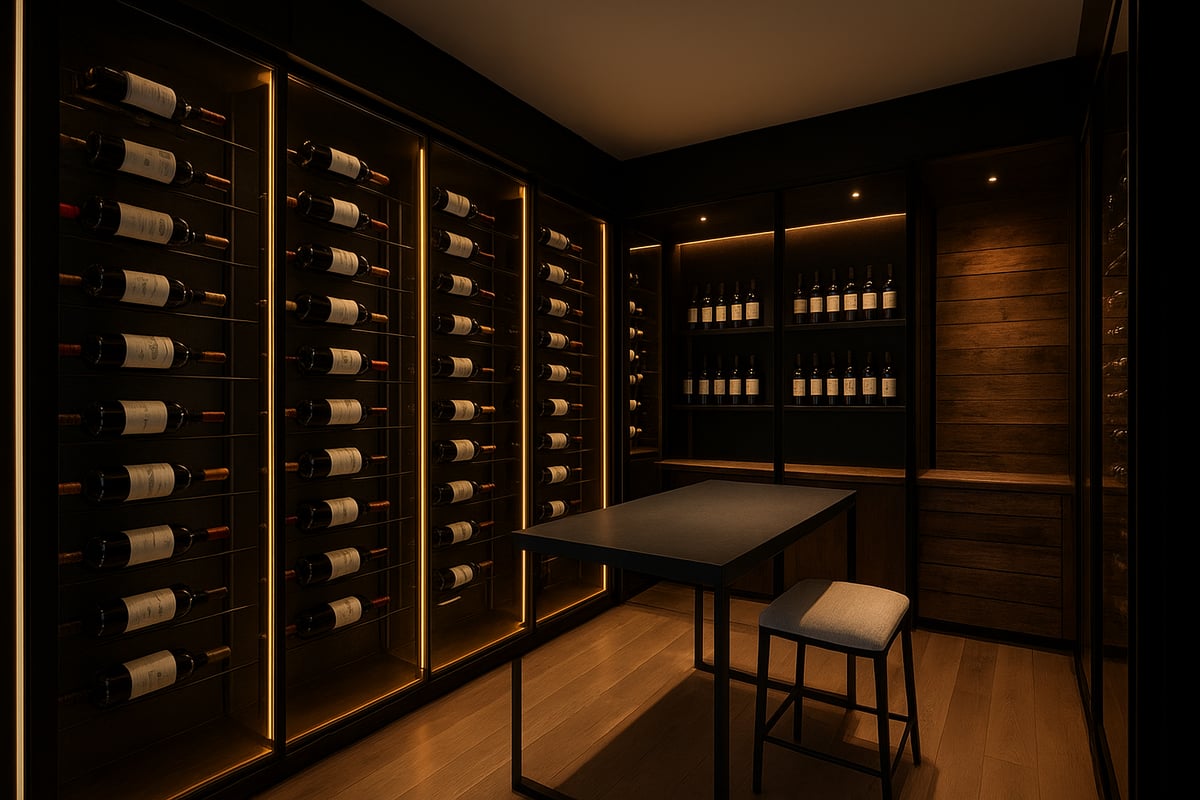
Space-saving and ergonomic designs make storage accessible for urban homes and commercial venues. Visual display trends spotlight label-forward racking, dramatic backlighting, and glass enclosures that turn wine storage into a showpiece. Many systems now integrate tasting tables or multi-purpose furniture, blending function with flair.
Proper racking supports airflow and bottle safety, essential for long-term storage. For example, the Living Series and GrandCellar racks are popular for their flexibility and visual appeal. Whether you prefer a minimalist wall display or a grand cellar centerpiece, 2026’s wine storage options give you the freedom to organize, showcase, and protect your collection with confidence.
Choosing the Right Wine Storage Solution: Home vs. Professional Options
Choosing the right wine storage solution is a pivotal decision for collectors, homeowners, and hospitality professionals in 2026. The value, longevity, and enjoyment of your collection depend on how and where your bottles are stored. Let's explore the leading options to help you find the perfect fit for your needs and goals.
Home Wine Cellars and Wine Rooms
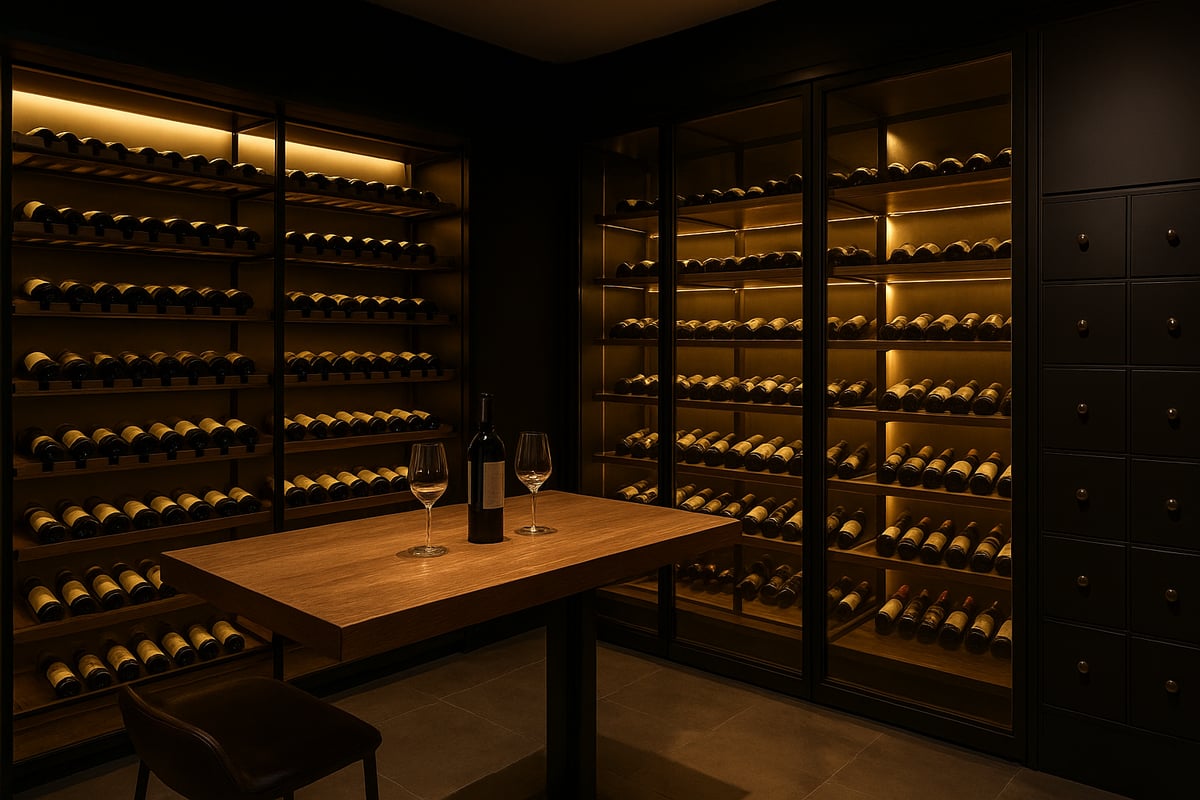
Designing a home wine storage cellar or dedicated wine room is a dream for many collectors. Start by assessing your available space, budget, and the size of your collection. Site selection is critical—choose a location away from direct sunlight, vibration, and heat sources.
Insulation and vapor barriers are foundational for proper storage. These elements stabilize temperature and humidity, helping to avoid common pitfalls like fluctuating conditions or dry corks. Incorporate a reliable climate control system to maintain the ideal environment for your bottles.
The decision between DIY and professional installation depends on your technical skill, budget, and long-term plans. While a DIY approach can be cost-effective, professional installers ensure optimal build quality and integration. Custom wine rooms with glass walls have become popular in luxury homes, blending function with striking visual appeal.
Ongoing maintenance is essential. Regularly check climate systems, monitor for moisture, and inspect racks for stability. According to the Wine Market Council, home wine cellars are now the fastest-growing segment in storage, reflecting increased interest among enthusiasts.
Challenges often include retrofitting existing spaces, managing humidity, and ensuring adequate security. For practical advice and inspiration, explore Home Wine Storage Rooms, which covers design options and setup tips tailored to residential needs.
Wine Fridges and Cabinets
When a full cellar isn't practical, wine fridges and cabinets offer a flexible wine storage solution. These appliances suit smaller collections or urban living where space is limited. Choose from countertop units storing 12 to 24 bottles, or larger cabinets that can accommodate up to 200 bottles.
Modern wine fridges offer dual-zone or multi-zone cooling, allowing you to store reds and whites at their respective optimal temperatures. Consider installation requirements, such as electrical access and ventilation needs, before purchase.
Freestanding models like Goguette fridges are ideal for apartments or as a secondary storage option in larger homes. The main advantages are portability and ease of setup, but keep in mind that some models can be noisy or consume more energy than a built-in cellar.
A quick comparison:
Feature | Wine Fridge | Wine Cabinet |
|---|---|---|
Capacity | 12-200 bottles | 50-200 bottles |
Portability | High | Moderate |
Noise Level | Moderate | Low |
Energy Use | Varies | Usually higher |
Wine fridges and cabinets are best for those with smaller, actively used collections who want reliable wine storage without the complexity of a built-in cellar.
Professional Wine Storage Facilities
For large collections or high-value assets, professional wine storage facilities deliver unmatched security, climate control, and convenience. These off-site solutions cater to collectors, investors, restaurants, and businesses seeking peace of mind.
Premium facilities offer tightly controlled temperature and humidity, 24/7 surveillance, secure access, and comprehensive insurance. You can choose from private lockers, shared vaults, or commercial-scale units. For example, Frisco Wine Storage provides units ranging from 10 to 500 cases, smart storage options, and on-site tasting rooms.
Pricing models vary, including monthly rentals or long-term contracts. Many facilities now provide value-added services such as delivery acceptance and digital inventory management. According to the Wine Storage Association, demand for professional wine storage rose by 18% in 2025, reflecting the growing needs of serious collectors.
Professional storage is ideal if you have a large, diverse collection, require advanced security, or need disaster recovery planning. It also suits those who want to offload day-to-day maintenance while maximizing the value and integrity of their wines.
Prestige Wine Cellars: Custom Wine Cellar Solutions
For those seeking a truly bespoke solution, Prestige Wine Cellars delivers custom wine storage environments that blend artistry with advanced engineering. Their team handles every aspect, from design and climate control to installation and ongoing care.
Projects are tailored to your collection, space, and design vision—serving private estates, restaurants, and hotels across Texas and beyond. With over 47 cellars built and more than $5M in turnkey projects completed, Prestige Wine Cellars is known for technical precision, craftsmanship, and seamless integration with interior design.
Choose Prestige Wine Cellars if you desire a timeless, architecturally integrated storage solution that elevates your collection and your living space.
Design Trends and Aesthetics in Wine Storage
The world of wine storage is evolving, blending technical precision with bold design statements. In 2026, collectors and designers are embracing form and function, turning storage into a visual centerpiece as well as a protective environment for prized bottles.
2026 Wine Storage Trends: Glass, Light, and Openness
Glass is everywhere in wine storage design this year. Transparent enclosures allow collectors to showcase their bottles while maintaining optimal storage conditions. LED accent lighting, especially in warm gold tones, highlights labels and creates a dramatic ambiance. Open-concept wine rooms are rising in popularity, blurring the boundaries between storage and entertainment spaces.
According to the Wine Design Trends Report, 60% of new storage projects in 2025 featured glass elements or open display concepts. For those seeking inspiration, Wine Storage Room Ideas offers a wealth of creative approaches for integrating storage into your home.
Integrating Wine Storage into Modern Living Spaces
Today’s luxury homes and hospitality venues are reimagining wine storage as part of daily living. No longer hidden away in basements, storage now appears in kitchens, dining rooms, and even entertainment areas. A glass wine wall in a dining room or a sleek cabinet in the living space provides both accessibility and visual allure.
This integration brings wine storage into the heart of social gatherings. Whether for a cozy dinner or a grand celebration, your collection becomes a conversation starter and a testament to your personal style.
Minimalist vs. Traditional: Materials and Aesthetic Choices
Material selection plays a pivotal role in defining the mood of a wine storage area. Minimalist spaces often use metal, acrylic, or glass, delivering clean lines and a modern vibe. Traditional cellars lean on rich woods, classic arches, and warm finishes for a timeless effect.
Material | Look & Feel | Pros | Cons |
|---|---|---|---|
Metal | Modern | Durable, sleek | Can feel industrial |
Acrylic | Contemporary | Lightweight, versatile | Scratches easily |
Wood | Classic | Warm, traditional | Needs maintenance |
Glass | Elegant | Visually open | Requires cleaning |
Choosing the right materials ensures your wine storage reflects your taste while preserving the integrity of your collection.
Statement Displays and Artistic Touches
Wine storage design in 2026 is about making a statement. Label-forward racking makes it easy to identify bottles and adds a gallery-like effect. Many collectors now commission custom artwork or feature sculptural racks as focal points.
Metal and acrylic racks are especially popular for modern interiors, offering both stability and style. Some wine rooms feature backlit panels, mosaic walls, or even interactive displays, turning storage into a work of art.
Sustainability and Innovation in Wine Storage Design
Eco-conscious wine lovers are driving demand for sustainable wine storage solutions. Designers are incorporating reclaimed wood, eco-friendly finishes, and energy-efficient LED lighting. These choices not only reduce environmental impact but also add character to the space.
A recent case study highlights a luxury hotel lobby transformed by a glass wine wall, merging sustainability and sophistication. Innovative technology supports both aesthetics and preservation, ensuring that wine storage in 2026 is as smart as it is beautiful.
Best Practices for Maintaining and Protecting Your Wine Collection
Maintaining your wine storage is not just about keeping your bottles safe, it is about preserving the soul of your collection. A well cared for cellar ensures your wines mature gracefully, retain their value, and are always ready to be enjoyed or shared.
Routine Maintenance and Climate Control
Start with regular checks of your wine storage climate system. Inspect temperature and humidity controls monthly, and clean filters or vents as needed to keep airflow unobstructed. Schedule annual professional maintenance for performance tuning and to catch issues early.
Proper climate control is the backbone of successful wine storage. According to the Cellar Maintenance Institute, routine upkeep can extend equipment lifespan by 30 percent. For more detailed guidance on optimal climate settings, see Wine Cellar Climate Control.
Monitoring for Mold, Pests, and Humidity
Keep a vigilant eye out for excess moisture, mold, or pest activity. Use digital hygrometers and dehumidifiers to track and manage humidity. Inspect corks, labels, and cellar corners for early signs of trouble.
If you notice condensation or musty odors, act swiftly. Addressing minor issues early prevents costly damage and protects your wine storage environment. Regularly wipe down racks, clean floors, and check for leaks to maintain a pristine cellar.
Inventory Management and Insurance
Efficient inventory management is crucial for any serious wine storage setup. Use digital cataloging tools or cellar management apps to track bottle locations, vintages, and values. Barcoding systems streamline organization and support accurate insurance documentation.
For high value collections, keep updated records and photographs for every bottle. Review your insurance policy yearly to ensure it reflects your current inventory and market values. This attention to detail safeguards your investment and offers peace of mind.
Emergency Preparedness and Smart Alerts
Prepare for the unexpected with backup power solutions and a disaster recovery plan. Install smart sensors that monitor for temperature or humidity fluctuations and send instant alerts to your phone.
Modern smart wine cellars integrate IoT features, allowing you to monitor and adjust conditions remotely. This technology is invaluable for wine storage, especially during vacations or power outages.
Test alarms and backup systems regularly. Keep contact info for service professionals handy, and review your emergency plan every season. With these steps, your collection will be protected for years to come.
Expert Tips for Maximizing Wine Storage Value in 2026
Unlocking the full value of your wine storage is both an art and a science. Whether you are a passionate collector or a hospitality professional, these expert strategies will help you protect, showcase, and grow your collection in 2026.
Step 1: Assess Your Collection and Goals
Start by taking a clear inventory of your current bottles. Note varietals, regions, vintages, and formats. Are you mainly collecting for enjoyment, investment, or both? This focus guides every wine storage decision.
Consider how your collection might grow over the next few years. Will you add more reds, whites, or large formats? Set a realistic budget and timeline for upgrades. For example, if you plan to expand into rare large bottles, ensure your storage can adapt.
Clarifying your goals helps you select the right storage solution from the beginning and prevents costly missteps later.
Step 2: Select the Optimal Storage Solution
Match your needs to the available wine storage types. Home cellars, wine fridges, and professional facilities each offer distinct benefits. If you expect your collection to grow, choose scalable and flexible options.
Evaluate your lifestyle. Do you entertain often, or need secure off-site access? Transitioning from a small fridge to a custom cellar is common as collections mature. Consulting with experts or storage providers can reveal hidden opportunities.
A thoughtful approach ensures your storage can evolve with you, protecting your investment and enjoyment.
Step 3: Prioritize Climate and Security
Reliable climate control is the backbone of effective wine storage. Invest in systems that maintain stable temperature and humidity, and include backup power for emergencies.
Security is equally vital. Consider locks, cameras, and smart monitoring for peace of mind. Environmental risks such as floods or fires should be addressed with disaster planning and robust insurance.
For example, smart sensors can send instant alerts to your phone, allowing you to act quickly if conditions change. Review your insurance annually to keep your collection fully protected.
Step 4: Organize and Catalog Your Collection
A well-organized wine storage system saves time and preserves bottle integrity. Use consistent racking and clear labeling for easy access. Digital inventory tools streamline tracking and valuation, especially for larger collections.
Plan your layout so frequently enjoyed wines are close at hand. Barcoding and cellar management apps offer efficiency, letting you scan bottles and update records instantly.
Regularly review your collection and reorganize as it evolves. This habit ensures you never lose track of a prized bottle and keeps your storage running smoothly.
Step 5: Maintain and Enhance Over Time
Routine inspections and maintenance are essential for long-term wine storage success. Schedule regular climate system checkups, clean racks, and fine-tune performance.
Upgrade components as technology advances. New lighting, racking, or control systems can boost both function and aesthetic appeal. Staying current with design and storage trends keeps your collection looking and performing its best.
Join storage communities for inspiration and advice. Sharing experiences with fellow enthusiasts can spark new ideas and solutions for enhancing your setup.
Step 6: Consult Professionals for Custom Needs
When your collection demands more—such as custom spaces, high-value assets, or unique architectural integration—seek expert guidance. Specialized cellar designers and builders bring technical precision and creative vision.
Collaborating with architects and interior designers ensures your storage blends seamlessly with your living space. Leveraging maintenance services from professionals safeguards your investment for years.
For tailored advice on creating a bespoke cellar, explore Custom Wine Cellar Design Tips to discover how craftsmanship and innovation can elevate your wine storage environment.
As you think about elevating your wine storage for 2026—whether you’re curating a private collection or designing a showpiece for your restaurant or hotel—you deserve a solution that’s as refined and forward-thinking as your vision. We’ve explored best practices, emerging technologies, and the art of blending form with function. If you’re ready to create a custom cellar that reflects your unique taste and protects your investment for years to come, let’s make it happen together. Connect with our team for expert guidance and start your journey toward a truly exceptional wine space—Contact Us.
Your Dream Wine Cellar Starts Here
Let our design team craft a cellar that matches your taste, space, and your collection — built for beauty, function, and prestige.

Email us at
Serving Austin, Dallas–Fort Worth, Houston & San Antonio