
The Ultimate Guide to Texas Wine Rooms in 2026
Explore the top 2026 wine room design trends. From high-tech climate control to minimalist racking, discover expert storage solutions and elegant ideas to eleva
Imagine walking into a space where your wine collection is the star, drawing admiration from every guest. In 2026, wine rooms are more than just storage—they blend luxury, technology, and personal style to elevate any home or business.
This guide is designed to help you create the ultimate wine room, tailored to your unique lifestyle and taste. Discover the latest trends, essential design elements, innovative climate control, storage solutions, real-world inspiration, and expert advice for building your dream space.
Ready to transform your passion into a showcase? Let’s explore how wine rooms can become the highlight of your environment.
The Evolution of Wine Rooms: Trends & Innovations for 2026
Imagine walking into a home or restaurant and being greeted by a stunning display of wine rooms, where bottles become art and the atmosphere feels both inviting and exclusive. In 2026, these spaces are no longer hidden away but have become essential features in luxury environments. Their evolution reflects not just a shift in storage, but a whole new approach to lifestyle and design.
The Rise of Wine Rooms in Modern Homes and Businesses
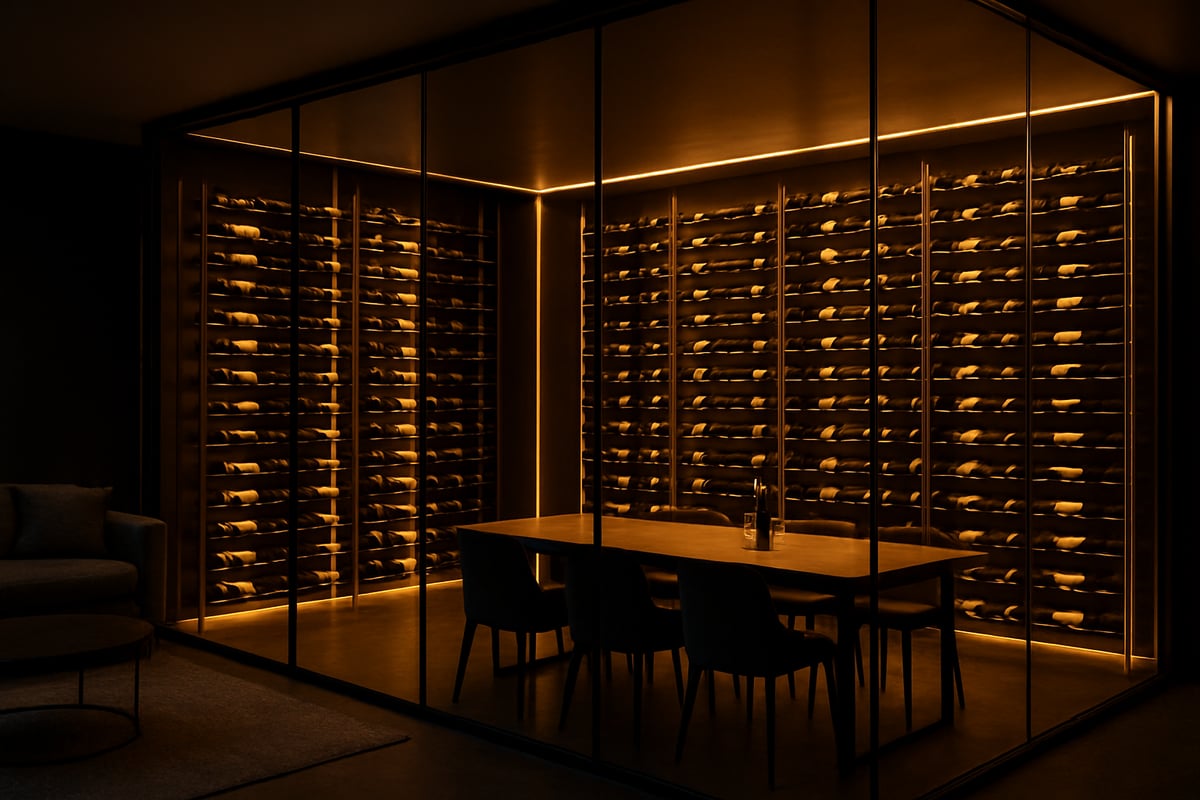
Wine rooms are taking center stage in both residential and commercial settings. Upscale homes in cities like Austin are increasingly including dedicated wine rooms as must-have features. Restaurants and hotels now use these spaces to create a sense of exclusivity for their guests.
Where traditional cellars were once hidden away, today's wine cellars are designed to be seen. Open displays invite conversation and showcase collections with pride. This shift is fueling a surge in installations across luxury markets.
Design Trends Shaping 2026
Designers are pushing boundaries with wine rooms, blending form and function like never before. Glass wine walls are a leading trend, allowing collections to become visual centerpieces in open-concept living spaces. Minimalist and industrial styles, with metal, concrete, and bold LED accents, are dominating the scene.
Modular storage systems offer flexibility, letting collectors adapt as their tastes evolve. Eco-friendly materials and energy-efficient climate solutions are now standard, reflecting a wider focus on sustainability. For more inspiration on contemporary glass enclosures, visit Glass Wine Rooms Inspiration.
Technological Advancements
Smart technology is revolutionizing wine cellars in 2026. App-based climate control lets owners monitor temperature and humidity from anywhere. Automated lighting and humidity sensors maintain perfect conditions, protecting every bottle.
Inventory management systems are now integrated, making it simple to track and organize collections. These advancements bring peace of mind, ensuring that wine rooms function as both beautiful showcases and high-performance preservation spaces.
Multifunctional Wine Spaces
Wine rooms in 2026 are more than storage—they're destinations for entertaining and relaxation. Many designs blur the lines between lounge, tasting area, and display. In homes, wine walls may anchor living rooms, while restaurants use statement pieces to enhance ambiance.
Flexible layouts allow spaces to serve multiple purposes. Modular furniture and movable displays make it easy to shift from private tasting to lively gathering, maximizing the value of wine cellars in any setting.
Data Points & Insights
Recent data highlights the importance of wine rooms in luxury real estate. Over 60% of high-end homeowners now consider a dedicated wine storage space essential, according to Spiral Cellars. Innovative products like modular “UnSpiral” concrete systems are enabling above- and below-ground installations, making wine cellars accessible to more people than ever.
This wave of innovation, sustainability, and personalization ensures wine rooms will remain at the forefront of luxury living and hospitality for years to come.
Essential Elements of Wine Room Design
Designing exceptional wine rooms means blending style, technology, and practicality. Whether you’re enhancing a residence or a commercial venue, getting the fundamentals right ensures your collection is both protected and beautifully displayed.
Location & Space Planning
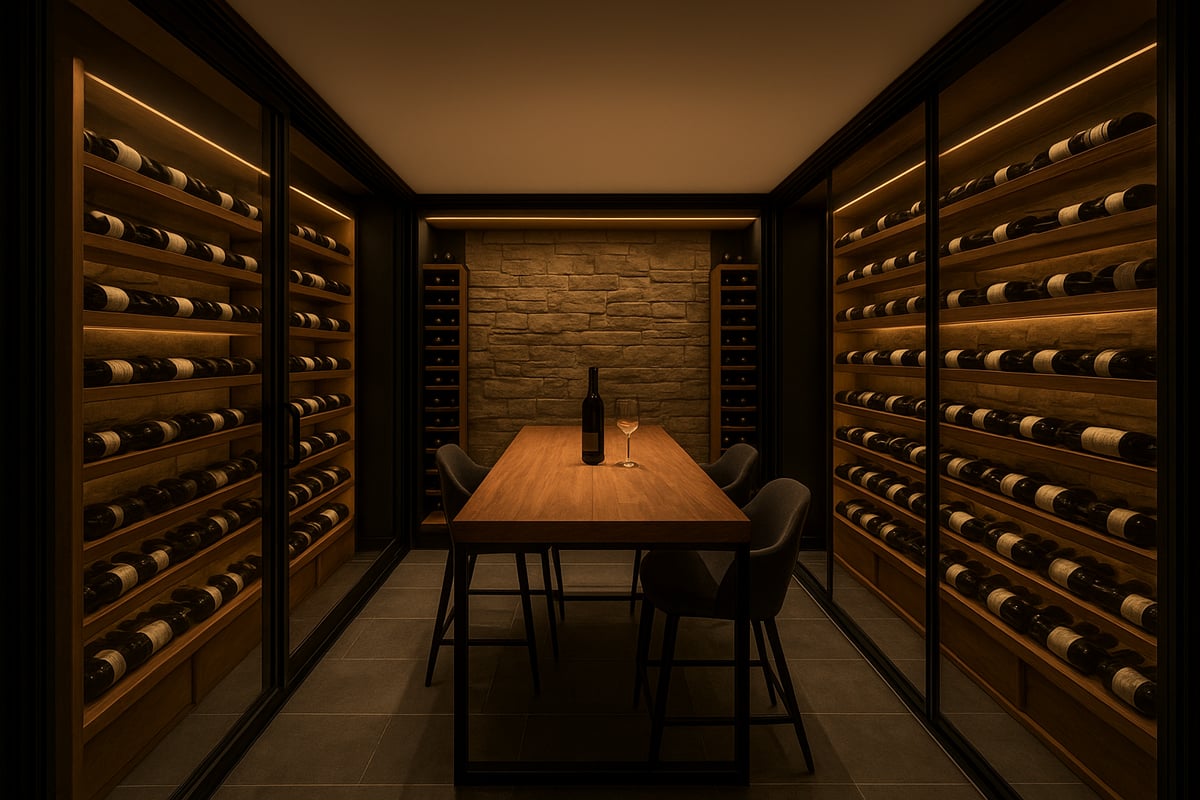
The first step in designing wine rooms is selecting the optimal location. Consider under-stair alcoves, basements, dining rooms, or even bespoke additions. Each space brings unique possibilities and limitations.
Accessibility is key for daily enjoyment, while security is crucial for valuable collections. Some choose open wine cellars for visual impact, while others opt for enclosed spaces to control climate and access. Spiral Cellars’ underground installations, for example, work well in homes without basements, maximizing unused vertical space.
Thoughtful planning ensures wine rooms integrate seamlessly with your lifestyle and layout.
Wine Storage Systems
Choosing the right storage is essential for both aesthetics and preservation in wine rooms. Options include classic wood, sleek metal, transparent acrylic, and modular systems that adapt as your collection grows.
Display racks highlight prized bottles, while bulk storage maximizes capacity. Vertical orientation saves space, while horizontal racking is traditional and helps keep corks moist. Compare popular materials:
Material | Appearance | Durability | Flexibility |
|---|---|---|---|
Wood | Warm, classic | High | Good |
Metal | Modern, sleek | Very high | Excellent |
Acrylic | Minimalist | Moderate | High |
For more detailed guidance on selecting and arranging racks, see these Wine Storage Room Design Tips.
Lighting & Ambience
Lighting transforms wine rooms from functional to unforgettable. Use UV-protected, dimmable LED lighting to protect your bottles and create a welcoming mood.
Accent lights can spotlight rare vintages or unique labels. Avoid placing heat-producing fixtures near wine storage, as temperature fluctuations can harm your collection. Layered lighting adds depth and drama, turning wine cellars into true showpieces for entertaining.
Flooring, Walls, and Finishes
Flooring and finishes in wine rooms should support climate stability and complement your interior style. Natural stone, hardwood, and glass are popular choices, offering elegance and resilience.
Custom cabinetry can frame collections, while insulated walls and doors help maintain ideal conditions. Choose materials that resist humidity and temperature shifts for lasting beauty and function.
Security & Access
Security matters, especially in wine rooms displaying rare or high-value bottles. Incorporate locking systems, secure glass panels, and smart access controls for peace of mind.
Many high-end restaurants use secure wine displays to showcase exclusive vintages while protecting them from unauthorized access. Smart locks and discreet security features blend seamlessly with sophisticated designs.
Acoustic Considerations
For wine rooms connected to living or dining areas, soundproofing enhances the experience. Insulated walls and acoustic panels help maintain a quiet, serene environment, perfect for tastings or relaxation.
Reducing noise also protects climate control systems from unnecessary strain, supporting the longevity of your equipment and collection.
Showcasing Your Collection
Wine cellars are about more than storage—they’re a canvas for your passion. Design focal points with featured bottles, integrate artwork or custom lighting, and consider a tasting table as a centerpiece.
Every detail, from display arrangement to decorative accents, should reflect your style and elevate the wine experience for you and your guests.
Climate Control: Preserving Your Collection
Imagine investing in a collection of fine wines, only to discover that poor storage conditions have spoiled your prized bottles. In wine rooms, climate control is the silent guardian that preserves flavor, aroma, and value. By mastering temperature, humidity, and air quality, you ensure every bottle matures gracefully. Let’s explore why climate systems are the heart of truly exceptional wine cellars.
Why Climate Control Is Critical
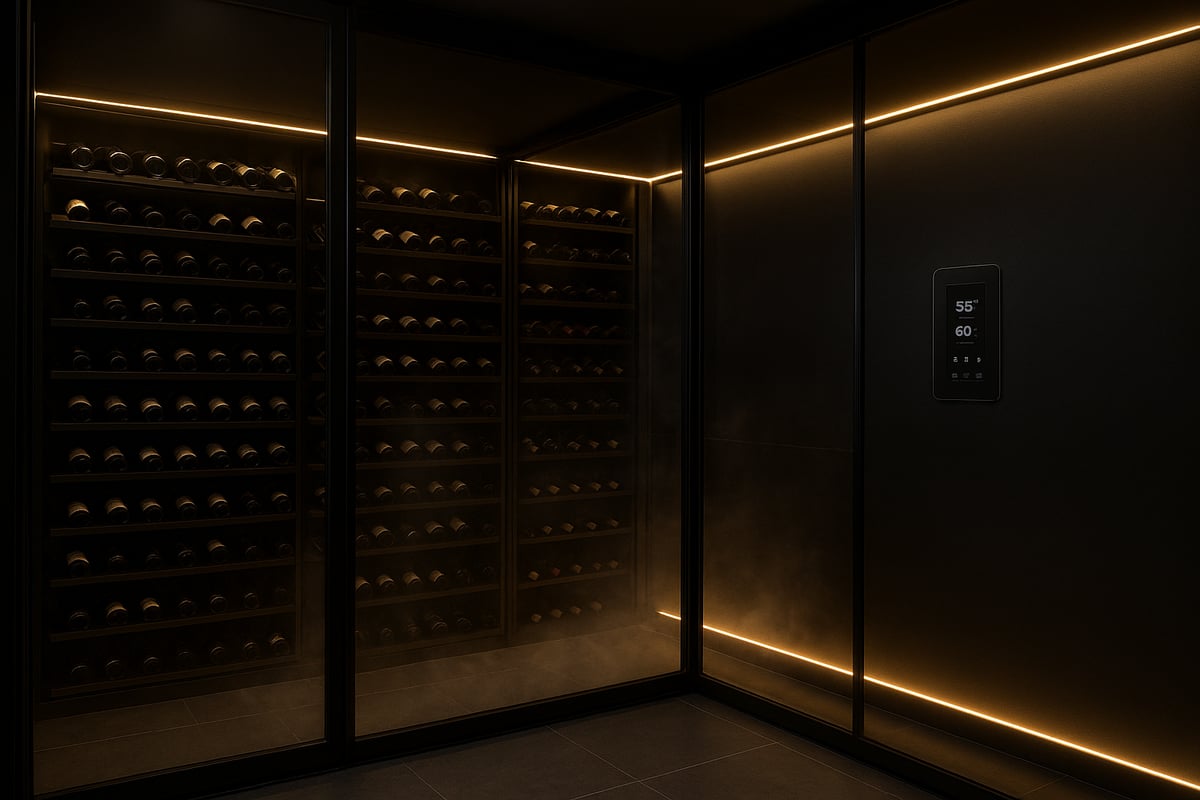
Climate control is essential for wine rooms because wine is sensitive to even minor temperature and humidity fluctuations. The ideal range is 55-58°F and 55-75% humidity. Deviations can cause corks to shrink or swell, leading to oxidation or mold. Without proper systems, wine cellars risk spoilage and diminished quality. For collectors and restaurateurs, climate control is the foundation of reliable, long-term wine preservation.
Types of Climate Control Systems
There are several climate control options for wine rooms, each suited to different needs. Ducted systems distribute cool air evenly for large spaces. Ductless units are compact and easier to install. Split systems keep noise outside the room for a quiet ambiance. Integrated humidity controls ensure bottles remain in perfect condition. For a deeper dive into system types and features, see the Wine Room Climate Control Guide.
Ducted cooling units
Ductless cooling units
Split systems
Integrated humidity controls
Installation Considerations
Proper installation is critical for wine rooms to achieve stable conditions. Insulate all walls, ceilings, and doors to prevent temperature swings. Install vapor barriers to lock in humidity and keep outside moisture out. Choose insulated glass for any viewing panels. These steps create an airtight envelope, so climate systems work efficiently and consistently. Failing to insulate can undermine even the best-designed wine cellars.
Smart Climate Monitoring
Modern wine rooms benefit from smart technology that makes climate control effortless. Wi-Fi-enabled sensors let you monitor temperature and humidity from anywhere. Automated systems send alerts if conditions drift out of range. Many setups now adjust settings automatically for seasonal changes. These innovations allow wine cellars to remain worry-free, even for owners who travel often or manage large collections.
Energy Efficiency & Sustainability
Today’s wine rooms are designed with sustainability in mind. Eco-friendly cooling systems use less energy while maintaining precise control. LED lighting reduces heat and energy consumption. Insulated glass helps maintain steady temperatures. By choosing sustainable options, you protect both your wine and the environment. Energy-efficient wine cellars are not just a trend—they’re a responsible investment for the future.
Maintenance Tips
Keep wine rooms performing at their best with regular maintenance. Service cooling units annually to prevent breakdowns. Change filters as recommended to ensure clean airflow. Inspect for leaks or condensation that could signal insulation issues. Stay proactive, and your wine cellars will provide consistent protection for your collection year after year.
Wine Room Styles & Inspiration: Ideas for Every Space
Wine rooms are as unique as the collections they protect and display. Whether your taste leans classic or contemporary, there’s a style to fit every space and vision. Let’s explore how wine rooms are being reimagined for modern living, creativity, and luxury.
Classic Cellars vs. Contemporary Wine Rooms
Traditional wine rooms evoke old-world charm with brick arches, stone walls, and rich wood racking. These underground sanctuaries are perfect for serious collectors who value history and ambiance. In contrast, contemporary wine cellars celebrate clean lines, glass enclosures, and minimalist materials. Modern installations often become striking focal points, blending seamlessly into living spaces. Whichever style you choose, wine rooms create a sense of ritual and luxury in daily life.
Creative Small-Space Solutions
Not every home or business has a sprawling basement, but wine rooms can thrive even in compact spaces. Designers transform under-stair nooks or unused closets into visually stunning wine cellars, maximizing every inch. Vertical storage and modular racks help collections grow without overwhelming the room. Smart planning ensures that wine cellars feel spacious, functional, and inviting, no matter their size.
Statement Wine Walls
Wine rooms can double as works of art with floor-to-ceiling wine walls. Glass and metal displays showcase bottles while keeping them secure and climate controlled. Integrated lighting highlights rare labels and adds drama to open-concept spaces. For more inspiration on minimalist aesthetics and illuminated displays, explore design trends for wine walls. Wine cellars with statement walls bring sophistication to both homes and restaurants.
Themed & Personalized Wine Rooms
Personalization is at the heart of today’s best wine rooms. Homeowners and designers incorporate custom murals, curated art, or unique lighting to reflect their passions. Tasting tables, lounge seating, and bespoke décor transform wine cellars into social hubs. Whether inspired by a favorite region or a modern gallery, wine rooms become an extension of personal style and storytelling.
Commercial Wine Rooms
Restaurants and hotels are embracing wine rooms as signature features. Glass displays in high-traffic dining areas invite guests to explore rare vintages and curated selections. Secure, climate-controlled wine cellars allow businesses to protect valuable collections while enhancing the dining experience. These commercial wine rooms often inspire homeowners to elevate their own spaces.
Outdoor & Hybrid Wine Spaces
For those seeking something truly unique, outdoor and hybrid wine rooms offer a fresh perspective. These wine cellars open onto patios or gardens, blending indoor comfort with outdoor beauty. Weatherproofing and year-round climate control keep collections safe. Hybrid designs allow wine rooms to serve as both private retreats and entertaining spaces, making every gathering memorable.
Real-World Examples & Data
The demand for modular wine rooms is rising, driven by the desire for flexibility and customization. Systems like UnSpiral Cellars adapt to any space or budget, making wine cellars accessible to a wider audience. Industry data shows that tailored wine cellars increase property value and homeowner satisfaction. With so many options available, wine rooms can be crafted to fit any vision, from cozy alcoves to show-stopping showcases.
Experience Bespoke Wine Room Design with Prestige Wine Cellars
Imagine transforming your space into a sanctuary where your wine collection truly shines. Prestige Wine Cellars brings this vision to life, crafting custom wine rooms that combine elegance, innovation, and meticulous craftsmanship. Each project begins with a deep understanding of your lifestyle, collection, and design aspirations.
From the first sketch to the final installation, the Prestige team delivers a seamless, end-to-end experience. Their expertise covers everything from architectural planning to advanced climate control, ensuring your wine cellars are both beautiful and functional. Whether you dream of a glass-enclosed showpiece or a hidden cellar, every detail is tailored to your needs.
What sets Prestige Wine Cellars apart?
Feature | Description |
|---|---|
Personalized Design | Every wine room is crafted to match your unique vision. |
Premium Materials | Glass, hardwood, stone, and custom finishes elevate the space. |
Smart Technology | Integrated climate control and inventory systems. |
Sustainability | Eco-friendly solutions for energy efficiency. |
Expert Collaboration | Transparent process and ongoing support. |
Their portfolio showcases stunning wine rooms in private homes, luxury hotels, and renowned restaurants across Texas and beyond. For inspiration on residential spaces, explore their Home Wine Room Ideas for creative solutions that fit any style or layout.
Clients praise Prestige Wine Cellars for their transparent proposals, attention to detail, and commitment to long-term wine preservation. The journey is collaborative, with open communication at every step.
Ready to elevate your collection? Book a private consultation with Prestige Wine Cellars to start designing your own custom wine cellars. Browse their portfolio to discover how your vision can become a reality.
Step-by-Step Guide to Planning Your Wine Room
Designing wine rooms is as much about vision as it is about details. Whether you’re dreaming of a cozy wine alcove or a grand showcase, following a clear process ensures your space is both beautiful and functional. Use this step-by-step guide to shape a wine room that fits your needs, style, and collection.
Step 1: Define Your Vision and Goals
Begin by clarifying what you want from wine rooms. Is your priority storage, display, entertaining, or a combination? Consider how your collection might grow. Are you a casual collector or a serious enthusiast? Outlining your goals helps shape every decision, from size and layout to features and finishes. Defining your vision early sets the foundation for a truly personalized wine room.
Step 2: Choose the Right Location
Selecting the right spot for wine rooms is crucial. Evaluate options like under-stair spaces, spare rooms, basements, or even new additions. Think about accessibility for you and guests, as well as proximity to entertaining areas. Natural light, temperature stability, and ease of installation all play a role. The right location supports both daily use and long-term wine preservation.
Step 3: Plan for Storage and Display
The heart of wine rooms is storage. Explore racking systems—wood, metal, acrylic, or modular—to accommodate your collection’s size and style. Decide if you want to showcase select bottles or maximize capacity. Vertical storage can save space, while horizontal racks protect corks and labels. Balance aesthetics with practicality for a wine room that’s both stunning and efficient.
Step 4: Address Climate Control Needs
Climate control is essential for wine rooms. Choose cooling and humidity systems that maintain steady conditions. Plan for proper insulation and vapor barriers to protect your investment. For modern convenience, consider smart technology in wine cellars to monitor temperature and humidity remotely. Reliable climate control means your collection stays safe and matures perfectly.
Step 5: Design Lighting and Finishes
Lighting sets the mood in wine rooms. Opt for LED accent lighting with UV protection to highlight your bottles and create ambiance. Select finishes—like natural stone, hardwood, or glass—that complement your home’s style and support climate stability. For an eco-friendly touch, explore sustainable materials in wine rooms and energy-efficient lighting to reduce your environmental impact.
Step 6: Integrate Security and Technology
Security is important for wine rooms, especially with rare or valuable bottles. Install smart locks, glass security, or access controls to safeguard your collection. Consider adding inventory management systems or remote monitoring for peace of mind. Integrate technology seamlessly so it enhances your experience without distracting from the room’s elegance.
Step 7: Budgeting and Professional Support
Set a realistic budget for your wine rooms project, considering design, materials, installation, and technology. Complex builds may benefit from expert designers or builders who understand the nuances of wine storage. Professional guidance ensures quality and can help avoid costly mistakes. Prioritize value and craftsmanship for a lasting investment.
Step 8: Installation and Ongoing Maintenance
During installation, oversee construction to guarantee quality. Regular maintenance of climate systems, lighting, and security features keeps wine cellars functioning flawlessly. Schedule routine checkups and address issues promptly. Consistent care preserves both your investment and the enjoyment of your wine room for years to come.
Expert Tips & Common Mistakes to Avoid in Wine Room Design
Designing wine rooms requires both artistry and technical expertise. Even the most beautiful space can fall short without attention to foundational details. Let’s explore expert strategies and avoidable pitfalls so your wine cellars become a true centerpiece.
Pro Tips for a Flawless Wine Room
Every detail matters in wine rooms. Start with robust insulation and airtight construction, which are essential for maintaining stable temperature and humidity. Choose modular storage to adapt as your collection grows or changes over time.
Layered lighting is another hallmark of expert wine cellars. Use a mix of accent, task, and mood lighting to highlight prized bottles and create ambiance. Always plan for future expansion, whether that means extra racking or space for new technology.
Quick Table: Expert Wine Room Strategies
Tip | Why It Matters |
|---|---|
Insulation | Preserves wine quality |
Modular Storage | Flexibility for growth |
Layered Lighting | Enhances atmosphere & display |
Future-Proof Design | Supports upgrades |
Mistakes to Avoid
While crafting wine rooms, some errors are surprisingly common. Don’t underestimate the space needed for a growing collection. Avoid neglecting climate control or insulation, both of which can lead to costly spoilage.
Steer clear of materials that might off-gas or interact negatively with your wines. Accessibility is key, too. An awkward layout can make it difficult to enjoy or manage your wine cellars.
Not planning for collection expansion
Skimping on climate control
Using inappropriate materials
Poor accessibility or layout
Insights from Industry Experts
Seasoned designers agree: custom wine rooms thrive with collaboration. Work closely with specialists who understand both aesthetics and technical requirements. Many successful projects begin with an in-depth consultation, leading to unique, functional designs.
Recent trends show homeowners and restaurateurs seeking immersive, experience-led wine cellars, inspired by the hospitality world. For a deeper dive into how these trends are reshaping expectations, see Experience-led wineries in 2026.
Data consistently reveals that most wine spoilage occurs due to improper storage conditions, underscoring the value of professional input.
Final Inspiration
Your wine rooms should reflect your taste while following proven design principles. Blend personal style with thoughtful planning and technical excellence.
Investing in professional guidance pays dividends, ensuring your wine cellars age as gracefully as your collection. With care and expertise, your wine cellars will become a legacy for years to come.
As you dream about crafting a wine room that’s not only beautiful but truly yours, remember—every collection deserves a space that reflects its owner’s taste and vision. Whether you’re envisioning a glass-walled showpiece for your home, a statement display for your restaurant, or a climate-controlled sanctuary for rare vintages, you don’t have to navigate the details alone. If you’re ready to turn inspiration into reality or discuss your ideas with experts in luxury wine room design, let’s connect and bring your vision to life. Contact Us
Your Dream Wine Cellar Starts Here
Let our design team craft a cellar that matches your taste, space, and your collection — built for beauty, function, and prestige.

Email us at
Serving Austin, Dallas–Fort Worth, Houston & San Antonio