
Wine Climate Guide 2026: Regions & Varieties
Understand how climate impacts wine regions and varietals in 2026. Get expert tips to select, collect, and savor wines of distinction. Read the guide.
Imagine savoring a glass of wine that captures the very soul of its birthplace. Each sip reveals a unique story, woven from the interplay of sun, rain, and soil.
This wine climate guide for 2026 uncovers how weather patterns and geography shape the world’s top wine regions and grape varieties. Whether you are a collector or a curious enthusiast, understanding wine climate will help you make smarter, more rewarding decisions.
In this guide, we’ll explore the science behind wine climate, the differences among global regions, how grape varieties adapt, and the ways climate change is reshaping the map. You’ll also gain expert tips for choosing wines that suit your taste and the times.
Curious which regions and grapes will shine in the years ahead? Let this guide be your companion, enhancing every bottle you select, collect, or share.
The Science of Wine Climate: Key Factors Shaping the Vine
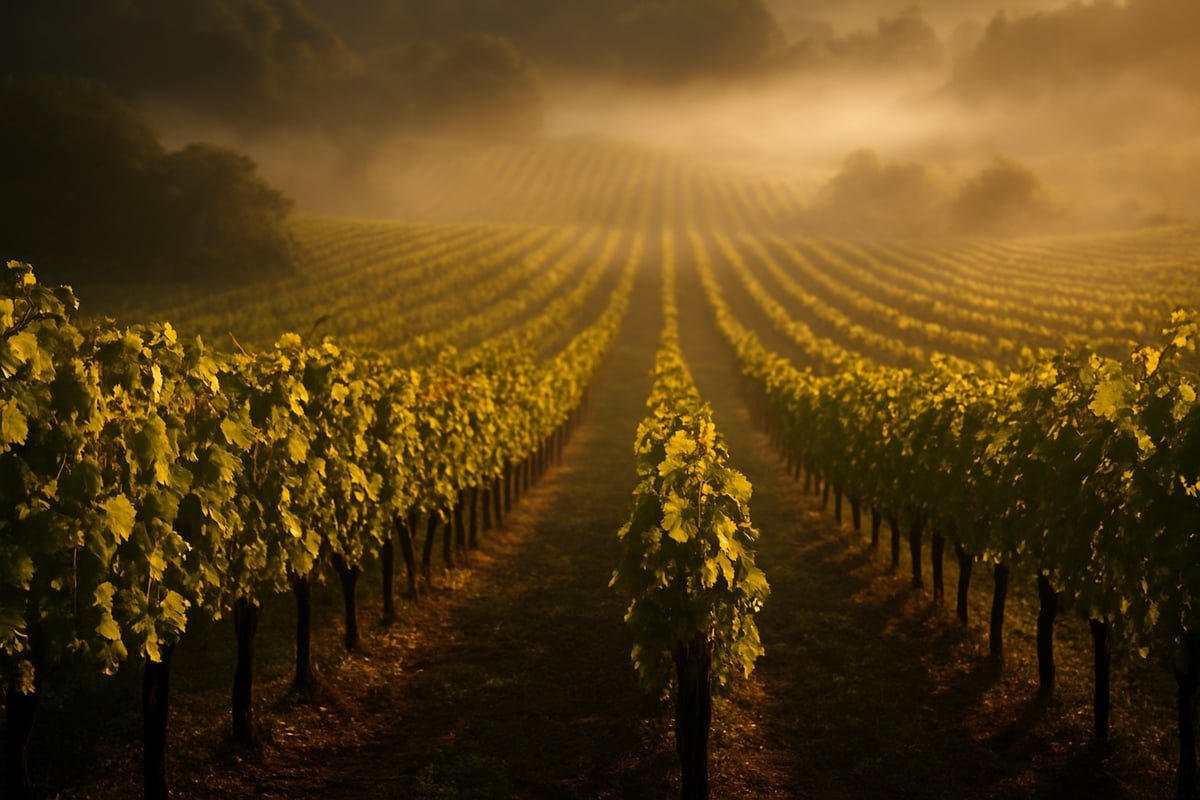
Imagine walking through a vineyard where every leaf, berry, and aroma is shaped by the unique dance of sun, wind, and rain. The science of wine climate is the key to unlocking why certain wines taste the way they do, and why some regions become legendary.
What Is Wine Climate?
Wine climate refers to the long-term weather patterns that influence a vineyard's grape-growing potential. It is the single most powerful force in viticulture, dictating which grape varieties will thrive and what styles of wine will emerge.
There are three main scales to consider:
Macroclimate: the overall regional climate, such as Burgundy or Napa Valley.
Mesoclimate: the climate of a specific vineyard or hillside.
Microclimate: the immediate environment around the grape cluster or vine.
Each level shapes how vines grow, ripen, and express their character. While soil and geography are important, wine climate generally has the upper hand in determining if a region produces crisp whites, bold reds, or elegant sparkling wines.
A classic example is Burgundy, where a cool, continental wine climate combines with limestone soils to produce Pinot Noir and Chardonnay of remarkable finesse.
Core Climate Variables Affecting Wine
Several key variables define the wine climate and shape the final bottle:
Temperature: Ideal growing season temperatures range from 13 to 21°C (55 to 70°F), influencing grape ripeness and style.
Heat accumulation: Measured by Growing Degree Days (GDD), this determines how much warmth is available for grapes to ripen.
Diurnal temperature shifts: Large day-night swings help preserve acidity and build complexity.
Rainfall and humidity: Too much rain can cause disease, while moderate levels concentrate flavors.
Solar radiation: Sunlight is essential for sugar production and flavor development.
Wind: Can reduce disease pressure and toughen grape skins, impacting tannin and structure.
Consider Napa Valley, where hot days and cool nights yield Cabernet Sauvignon with bold fruit yet balanced acidity. In contrast, Bordeaux’s more moderate wine climate produces wines that are nuanced and less overtly ripe.
Understanding these factors helps explain why two wines from the same grape can taste worlds apart.
Climate Classifications in Wine
Wine regions are typically categorized by their climate using the Köppen system. Here’s a quick comparison:
Climate Type | Example Regions | Main Features |
|---|---|---|
Mediterranean | Tuscany, Barossa | Warm, dry summers; mild winters |
Maritime | Bordeaux, Marlborough | Moderate temps, high humidity |
Continental | Burgundy, Mosel | Hot summers, cold winters, extremes |
Subtropical | Eastern US, SE Australia | Warm, humid, variable rainfall |
Mediterranean climates, though only 15% of global wine regions, are highly influential and home to many iconic wines. Maritime regions like Bordeaux and New Zealand have cooler, more humid conditions, resulting in fresher, lighter styles.
Continental climates, such as those in Burgundy and Central Europe, see greater temperature swings and vintage variation. Subtropical and humid wine climates are found in parts of the Eastern US and South America, where disease pressure and rainfall pose unique challenges.
As the world warms, these classifications are shifting. Climate change alters wine regions and grape varieties by pushing traditional boundaries, introducing new grape varieties, and transforming the taste of your favorite wines.
Global Wine Regions by Climate Zone
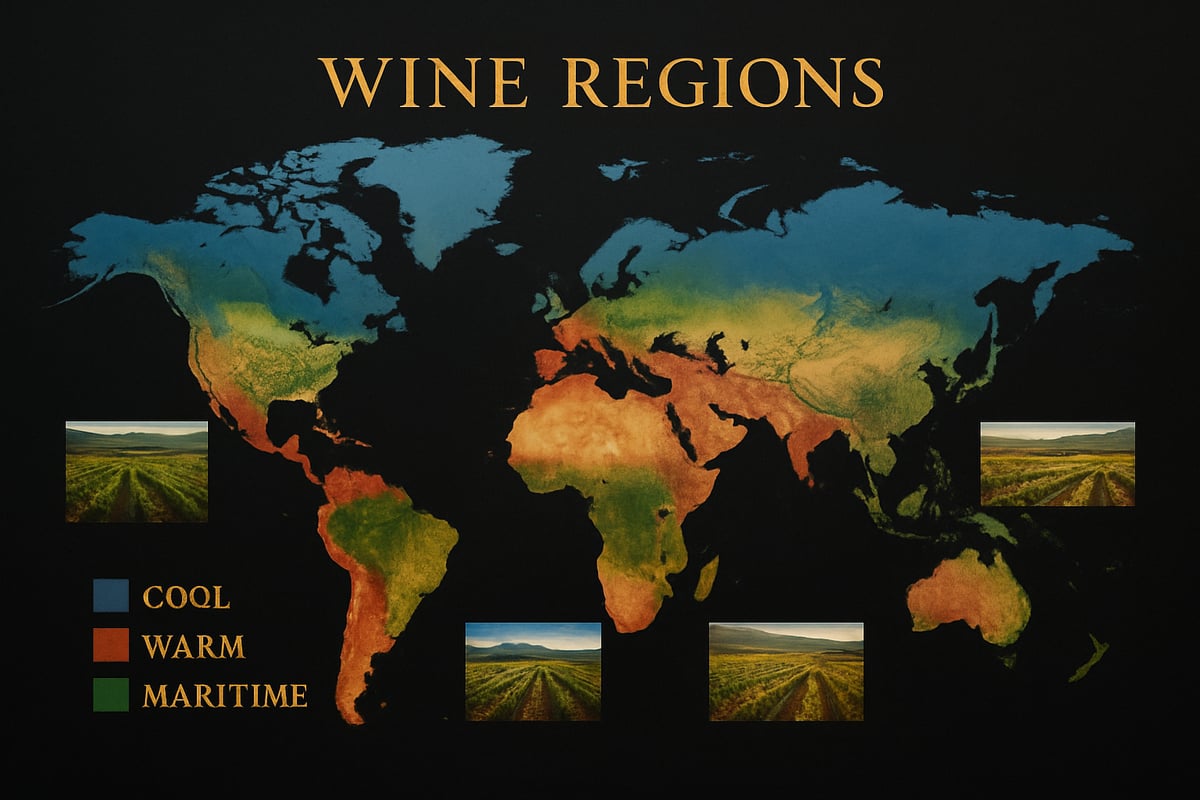
Wine climate is the unsung hero behind the world’s most expressive bottles. The interplay of temperature, rainfall, sunlight, and wind crafts the signature style of every region. By understanding how different wine climate zones shape grape character and wine style, you can unlock a new level of appreciation and make smarter choices for your cellar.
Cool Climate Wine Regions
Cool climate wine regions are celebrated for their finesse and vibrancy. These areas experience lower average temperatures, extended ripening periods, and significant diurnal temperature shifts. As a result, grapes retain higher acidity and develop nuanced flavors, making wines that are crisp, light-bodied, and elegant.
Classic cool climate regions include Champagne, Mosel, Oregon, Tasmania, and British Columbia. Here, the wine climate nurtures signature varieties like Pinot Noir, Riesling, and Chardonnay. These grapes thrive in cooler conditions, producing wines with red fruit, citrus, floral, and mineral notes. For example, Mosel’s Rieslings are renowned for their tartness and aromatic complexity.
Cool climates often yield award-winning sparkling and white wines. The longer growing season allows for slow sugar accumulation and flavor development, resulting in balanced, refreshing profiles. However, these regions face challenges such as late frosts, shorter growing seasons, and pronounced vintage variation.
Region | Signature Grapes | Notable Style |
|---|---|---|
Champagne | Pinot Noir, Chardonnay | Sparkling, crisp |
Mosel | Riesling | Aromatic, tart |
Oregon | Pinot Noir | Elegant, earthy |
If you seek wines with poise and freshness, exploring cool climate zones will elevate your collection and palate.
Warm and Hot Climate Wine Regions
Warm and hot climate wine regions are defined by higher average temperatures, shorter ripening periods, and abundant sunshine. The wine climate here encourages grapes to ripen quickly, resulting in fuller-bodied wines with higher alcohol, bold flavors, and lush textures. Think of these regions as the sun-drenched powerhouses of the wine world.
Key regions include Barossa Valley, Napa Valley, Mendoza, and the Douro. Grapes such as Shiraz, Cabernet Sauvignon, Zinfandel, and Malbec flourish in these climates. Wines from these zones offer black fruit, spice, chocolate, and jammy notes, with Barossa Valley Shiraz standing out for its intensity and richness.
Warm climate regions face unique challenges. Rapid sugar accumulation can lead to high alcohol and lower acidity, while drought and sunburn threaten vine health. In recent years, extreme weather events have disrupted production, as seen in reports of global wine production impacted by climate shocks. These disruptions highlight the importance of understanding wine climate when selecting wines for both enjoyment and investment.
Region | Signature Grapes | Notable Style |
|---|---|---|
Barossa Valley | Shiraz | Rich, powerful |
Napa Valley | Cabernet Sauvignon | Bold, ripe |
Mendoza | Malbec | Lush, dark fruit |
For those who love intensity and depth, warm climate wines deliver a sensory feast.
Maritime and Transitional Climate Regions
Maritime and transitional wine climate regions are influenced by nearby oceans or large bodies of water, creating moderate temperatures and high humidity. These conditions foster balanced, expressive wines with integrated fruit and lively aromatics. The wine climate in these zones is marked by narrower diurnal temperature ranges, which impacts grape ripeness and flavor development.
Famous maritime regions include Bordeaux, Sonoma Coast, Galicia, and Marlborough. Here, signature varieties such as Sauvignon Blanc, Merlot, Cabernet Franc, and Albariño thrive. Bordeaux’s maritime climate, for instance, contributes to the region’s celebrated vintage variation and complexity.
Maritime climates offer both opportunities and challenges. Rain during harvest can increase disease pressure and unpredictability from year to year. However, these regions are also known for their ability to produce wines with remarkable balance and subtlety.
Region | Signature Grapes | Notable Style |
|---|---|---|
Bordeaux | Merlot, Cabernet Franc | Balanced, structured |
Sonoma Coast | Pinot Noir, Chardonnay | Aromatic, fresh |
Marlborough | Sauvignon Blanc | Expressive, zesty |
If you’re drawn to wines with layered aromatics and harmony, maritime and transitional wine climate regions are essential destinations for your tasting journey.
Grape Varieties and Their Climate Preferences
Choosing the right grape variety for a specific wine climate is both an art and a science. Each variety responds differently to temperature, sunlight, rainfall, and seasonal rhythms. Understanding these preferences is key for wine lovers seeking bottles that truly express their region and style. Let’s explore how the world’s favorite grapes adapt to diverse wine climate zones.
Cool Climate Varieties
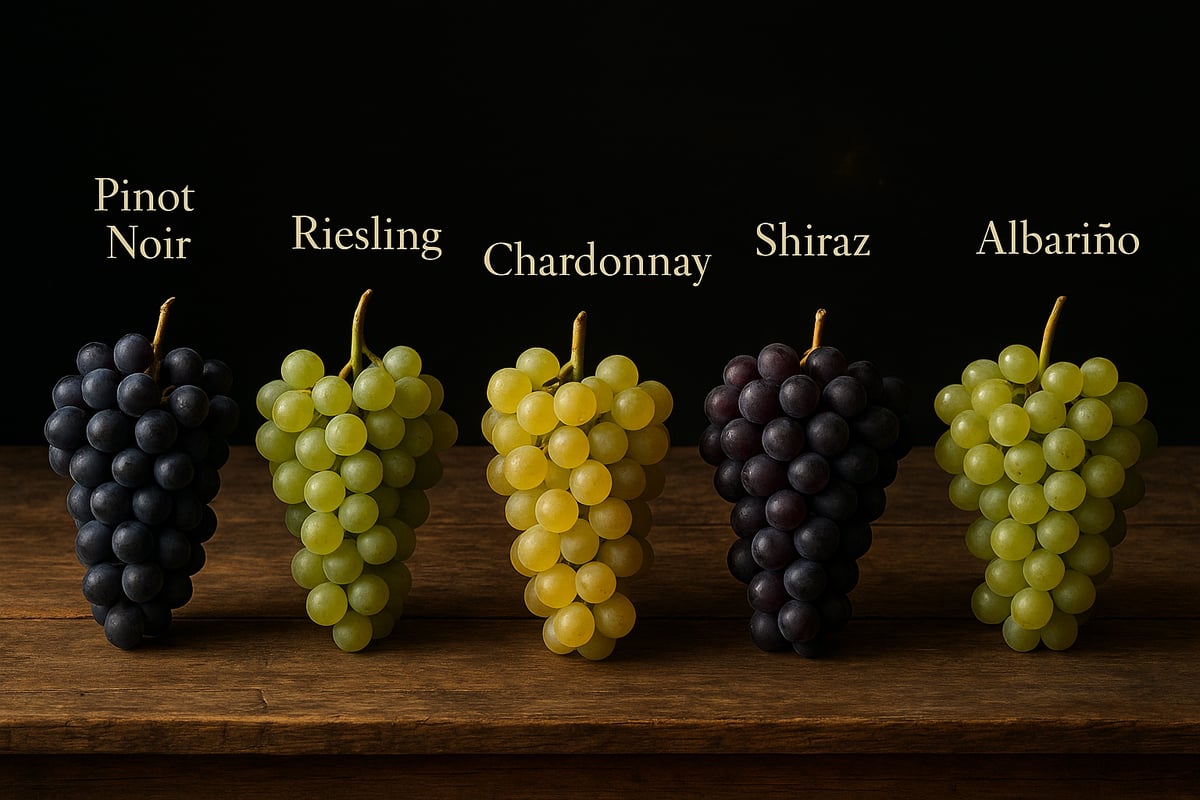
Grapes that thrive in a cool wine climate have evolved to make the most of shorter, less intense summers. Pinot Noir, Riesling, Chardonnay, Grüner Veltliner, and Gamay are classic examples. These varieties feature thin skins and tend to ripen early, allowing them to develop flavor before autumn chill sets in.
In a cool wine climate, grapes retain higher acidity, which translates into wines with refreshing crispness, elegance, and delicate aromatics. Think of Champagne’s Pinot Noir and Chardonnay, which create sparkling wines with finesse and mineral notes. Mosel Riesling is another icon, offering tart citrus, floral hints, and a striking mineral backbone.
Here’s a quick comparison of cool climate grape profiles:
Variety | Ideal Temp (°C) | Flavor Profile |
|---|---|---|
Pinot Noir | 13–16 | Red fruit, floral, mineral |
Riesling | 14–16 | Citrus, stone fruit, floral |
Chardonnay | 14–17 | Green apple, citrus, brioche |
Yet, cool wine climate regions pose challenges. Grapes are vulnerable to late spring frosts, rot, and inconsistent ripening. Pinot Noir, while beloved, is famously tricky—its thin skin makes it sensitive to weather swings and disease. Still, when conditions align, cool climate varieties produce some of the world’s most sought-after and age-worthy wines.
Warm Climate Varieties
When it comes to a warm wine climate, certain grape varieties have adapted to soak up the sun and withstand higher temperatures. Shiraz (Syrah), Grenache, Cabernet Sauvignon, Tempranillo, and Malbec all excel in these conditions. Their thick skins, late ripening, and robust tannins help them handle intense heat and sunlight.
In a warm wine climate, grapes accumulate more sugar, resulting in riper, fuller-bodied wines with higher alcohol and dark fruit flavors. Barossa Valley Shiraz is a prime example, bursting with blackberry, plum, and spice. Cabernet Sauvignon from Napa Valley delivers power, structure, and rich cassis notes, often outpacing its Bordeaux counterpart in ripeness.
Warm climate wines show bold character, often with lush or jammy notes. However, managing sugar levels and preserving acidity becomes a balancing act. Excessive heat can cause rapid ripening, pushing alcohol levels up while acidity drops. Winemakers in these regions often experiment with canopy management and irrigation to maintain harmony in the glass.
The warm wine climate also brings drought and sunburn risks, making vineyard practices crucial for quality. Still, these varieties shine where others would wilt, offering richness and depth that appeals to those who love bold, expressive wines.
Climate-Resilient and Emerging Varieties
As the global wine climate shifts, growers are increasingly turning to resilient and emerging grape varieties. These grapes, such as Touriga Nacional, Assyrtiko, Albariño, and innovative hybrids, are bred or selected for their ability to withstand drought, disease, and extreme heat.
Albariño, once confined to Galicia, now thrives in California’s changing wine climate, thanks to its thick skins and adaptability. Touriga Nacional, famous in Portugal, is gaining ground in warmer regions for its robust structure and aromatic intensity. Assyrtiko from Greece stands out for retaining acidity and freshness even in hot, arid climates.
In the last decade, plantings of climate-resilient varieties have risen by 15 percent, reflecting the urgency to adapt. These grapes offer new flavor experiences—think saline, citrusy Albariño or the deep, floral notes of Touriga Nacional. Growers also experiment with hybrids that combine disease resistance with classic wine character.
Adopting new varieties is not without challenges. Gaining consumer acceptance and regulatory approval can be slow, and winemakers must refine styles to match evolving tastes. Still, as climate change accelerates, varietal selection is a powerful adaptation strategy. For a deeper dive on this topic, see these adaptation strategies in viticulture to mitigate climate change effects.
Wine lovers can expect more diversity and innovation as climate-resilient grapes become part of the global wine story. Exploring these emerging varieties is a delicious way to experience the future of wine climate.
Climate Change and the Future of Wine Regions
Climate change is rewriting the map of the wine climate world. As temperatures rise and weather patterns shift, both traditional and emerging wine regions face new opportunities and significant challenges. Understanding these changes helps wine lovers and collectors anticipate where the most exciting bottles may come from in 2026 and beyond.
Shifting Wine Maps: New Frontiers and Risks
The boundaries of the wine climate are moving. Regions once considered too cold, like southern England, Scandinavia, and British Columbia, now produce wines with growing international acclaim. English sparkling wine, for example, has gained global recognition as warming temperatures make these areas suitable for grapes that once struggled to ripen.
At the same time, classic wine climate regions face new threats. Increased frost, unpredictable hail, intense heatwaves, wildfires, and disease pressure all put centuries-old vineyards at risk. According to projections, many areas could see average temperatures rise by 2°C by 2050, fundamentally altering the character of their wines.
Traditional regions, from Bordeaux to Tuscany, are adapting with strategies like canopy management, irrigation, and shifting plantings to higher altitudes. Regulatory bodies are also updating appellation rules to allow new grape varieties that can withstand the evolving wine climate. For a deeper dive into these risks and adaptations, you can explore how climate change threatens 70% of winemaking regions.
How Producers Are Adapting
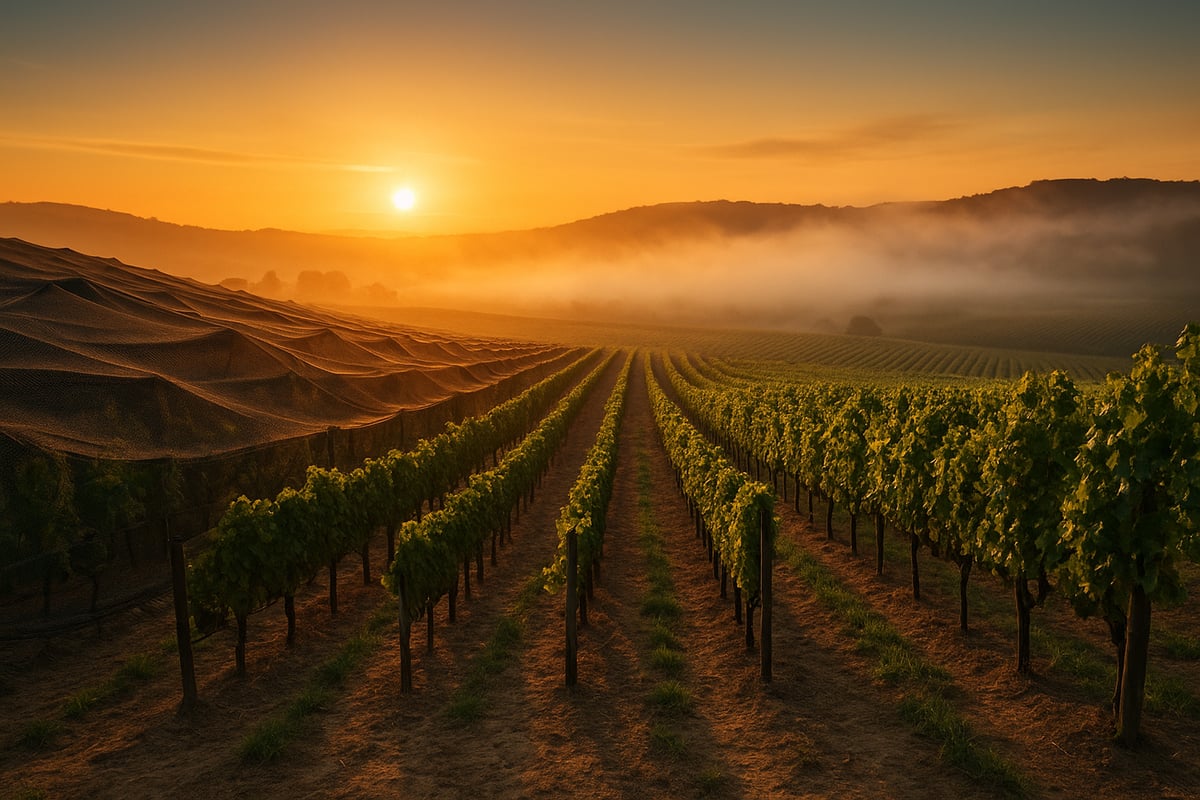
Producers in every wine climate are responding to these challenges with a blend of innovation and respect for tradition. Vineyard techniques are evolving rapidly. Shade nets help protect grapes from sunburn, while drought-resistant rootstocks conserve water and ensure vine health. Precision irrigation is becoming standard in regions where rainfall patterns are less predictable.
Harvest dates are shifting earlier to preserve acidity and balance as ripening accelerates. Many estates are replanting with varieties better suited to the new wine climate, such as Bordeaux’s recent approval of grapes like Touriga Nacional and Marselan. Seventy percent of French producers report changing their practices to respond to these new realities.
This wave of adaptation raises important questions about the future of wine. Some winemakers embrace cutting-edge solutions, while others strive to maintain the traditions that define their region’s wines. The balance between innovation and heritage will shape the identity of each wine climate in the years ahead.
What Wine Lovers Should Expect in 2026
For wine lovers, these changes mean more diversity and discovery. Expect to see a wider range of wine styles from traditional regions as producers respond to the shifting wine climate. New regions and lesser-known grape varieties will rise to prominence, offering fresh flavors and stories.
Vintage variation will become more pronounced, with each year reflecting the unique challenges and conditions of the evolving wine climate. Sustainability will take center stage, as both producers and consumers focus on environmentally responsible choices.
Keep an eye out for wines from places like Scandinavia and Canada, which are quickly gaining traction. Data shows that global wine region distribution is moving northward and to higher elevations, bringing new excitement to the world of wine climate. Whether you collect or simply enjoy a good glass, understanding these trends will help you make informed and rewarding choices.
Choosing Wine by Climate: Expert Tips for Collectors and Enthusiasts
Selecting the right bottle is about more than grape or region; understanding wine climate unlocks a new level of expertise. Whether you are a collector, a host, or simply enjoy a glass at dinner, using wine climate as your compass will transform your experience. Let’s explore how to read between the lines, match your palate to climate, curate a future-proof collection, and ensure your wines age with grace.
Reading Labels and Understanding Climate Cues
Deciphering a wine label is your first step to understanding wine climate. Most premium bottles prominently display the region, which gives strong hints about the local climate and, by extension, the wine’s style.
Look for these climate cues:
Altitude: High elevations often mean cooler wine climate and fresher styles.
Latitude: Regions farther from the equator tend to have cooler climates.
Proximity to water: Nearness to oceans, lakes, or rivers moderates temperature swings.
For example, a bottle from Burgundy signals a cool wine climate, while Mendoza’s high-altitude vineyards create a unique blend of cool nights and warm days. Did you know 85% of premium wines specify regional and climate details? If in doubt, ask your retailer or sommelier how the wine climate shaped the wine in your hands.
Pairing Varieties and Styles to Your Taste
Matching your wine to your personal taste starts with understanding how wine climate influences flavor and structure. Wines from cool climates typically offer bright acidity and delicate aromas, making them ideal for lighter dishes or spicy cuisine. In contrast, warm climate wines deliver bold, ripe flavors and a fuller body, perfect for hearty meals or grilled meats.
Try this simple approach:
Prefer fresh, zesty whites? Seek cool climate Riesling or Sauvignon Blanc.
Love rich, bold reds? Opt for warm climate Cabernet Sauvignon or Shiraz.
Want to experiment? Taste the same grape from different wine climate zones and compare.
Consumer surveys show 40% of wine lovers favor cool climate whites. Exploring these differences will help you discover how wine climate shapes your palate preferences and make each pairing more memorable.
Planning a Climate-Conscious Wine Collection
Building a wine collection is an art, and considering wine climate ensures diversity and longevity. Aim to include bottles from a range of climates—cool, warm, and maritime—to experience the full spectrum of styles and aging potential.
Key strategies:
Mix regions: Combine Bordeaux (maritime) with Napa (warm) and Mosel (cool).
Think aging: Cool climate reds, with higher acidity, often develop complexity over time.
Explore emerging regions: Wines from new wine climate frontiers can offer value and future appreciation.
A Bordeaux Cabernet may age gracefully for decades, while Napa’s version matures more quickly due to the warmer wine climate. Investing in bottles from less familiar, climate-resilient regions can future-proof your cellar as global wine climate shifts.
Climate and Wine Storage: The Importance of Proper Cellaring
No matter how carefully you select your wines, storage conditions can make or break your investment. Wine climate control in your cellar is essential for preserving flavor, structure, and aging potential.
Risks of improper storage include:
Premature aging or spoilage
Loss of varietal character
Cork failure due to humidity swings
Optimal storage means maintaining a steady 12–14°C (55–58°F) and about 70% humidity. For enthusiasts and collectors, investing in professional solutions pays off. For more detailed advice, see these Wine cellar climate control tips, which cover everything from temperature management to humidity and airflow. Remember, careful attention to wine climate in your storage space protects your collection for years to come.
As you explore how climate shapes every glass—whether you favor crisp cool climate whites or bold warm region reds—remember that storing and displaying your collection is just as important as choosing the right wine. At Prestige Wine Cellars, we blend artistry, engineering, and climate expertise to create spaces that protect and showcase your most treasured bottles. If you’re ready to elevate your wine experience with a cellar designed for both elegance and precision, I invite you to Learn More about our bespoke solutions for collectors, homeowners, and hospitality professionals alike.
Your Dream Wine Cellar Starts Here
Let our design team craft a cellar that matches your taste, space, and your collection — built for beauty, function, and prestige.

Email us at
Serving Austin, Dallas–Fort Worth, Houston & San Antonio