
Cellar Cooling Systems: Split vs Ducted 2026
Choose the right wine cellar cooling system in 2026. Get expert tips on installation, features, and trends for flawless wine preservation. Read the guide.
Unlock the secret to preserving your wine collection’s value and flavor with a state-of-the-art wine cellar cooling system in 2026. Whether you’re a passionate collector, a discerning homeowner, or a hospitality professional, precise climate control is the foundation of true wine preservation.
This guide demystifies the latest wine cellar cooling system technologies, helping you avoid costly mistakes and safeguard your investment for years to come. We’ll explore the most advanced types of systems, highlight essential features to look for in 2026, and provide expert tips on sizing, installation, and maintenance.
Ready to elevate your cellar experience? Use this comprehensive resource to make informed decisions and ensure your treasured bottles age in perfect harmony.
Understanding Wine Cellar Cooling Systems
Unlocking the art of wine storage begins with mastering the wine cellar cooling system. This technology is not just about keeping bottles chilled—it is the guardian of your collection's value, flavor, and aging potential. Let us explore how these systems work and why they are indispensable for every serious wine enthusiast.
What Is a Wine Cellar Cooling System?
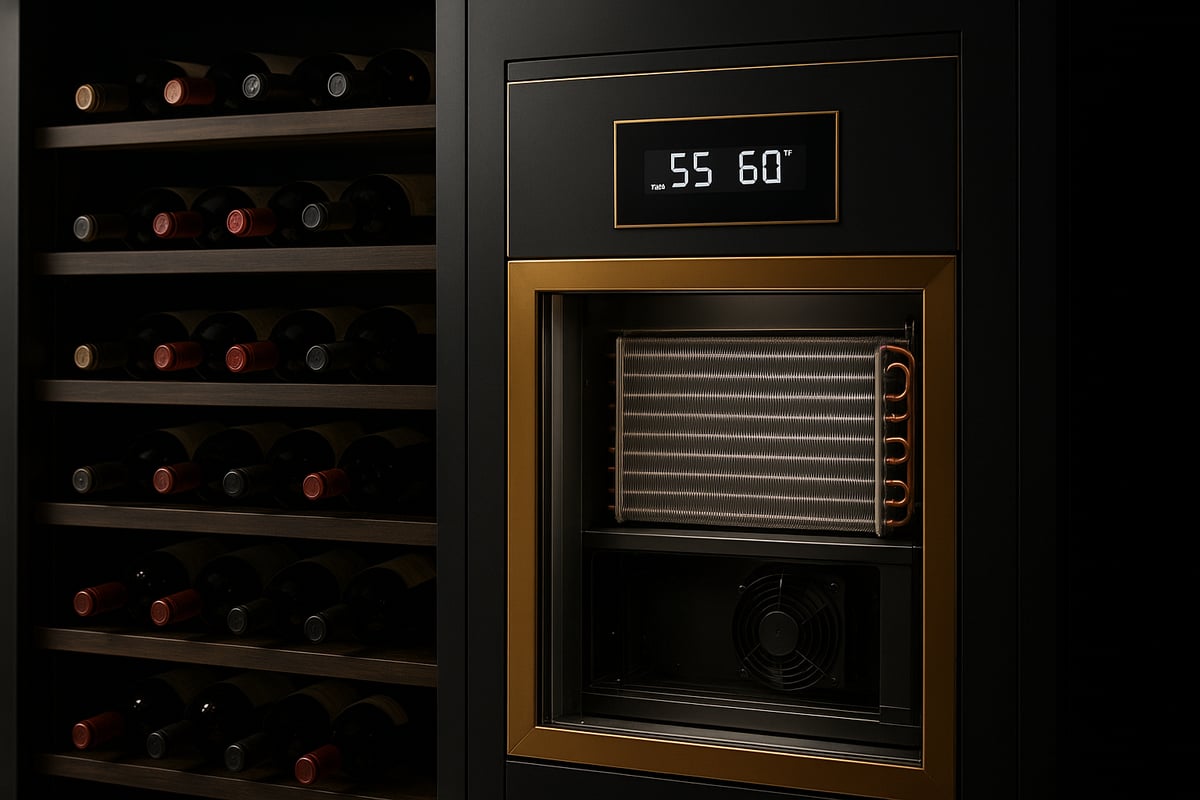
A wine cellar cooling system is a specialized climate control solution designed to maintain the ideal environment for storing and aging wine. Unlike standard HVAC units, these systems focus on consistent temperature and humidity, two crucial factors for wine preservation.
The core purpose is to protect wine from damaging fluctuations that can degrade flavor and aroma. Key components include a compressor, evaporator, and thermostat, all working in harmony to provide precise control. Even small variations in temperature or humidity can cause corks to dry out or labels to peel, impacting both taste and presentation. For example, a sudden spike in temperature can speed up oxidation, leading to spoiled wine.
Why Proper Cooling Matters for Wine Preservation
The wine cellar cooling system ensures bottles mature gracefully, shielded from environmental threats. Temperature and humidity directly influence how wine ages. If the space is too warm, chemical reactions accelerate, resulting in flat or oxidized flavors. Too much humidity can damage labels and foster mold, while too little dries out corks and lets air seep in.
Experts recommend maintaining cellar temperatures around 55°F and humidity between 50 and 70 percent. These ranges slow down the aging process, letting complex flavors develop over time. Scientific studies show that even minor deviations can alter the wine's chemistry, affecting aroma and structure.
Consider two cellars: one with a wine cellar cooling system and one without. The former preserves every bottle in pristine condition, while the latter risks spoilage, faded labels, and lost value. For a deeper dive into why precise climate control is so essential, visit Wine climate control essentials.
How Wine Cellar Cooling Systems Work
A wine cellar cooling system operates through a multi-step process. First, it draws in warm air from the cellar, passing it over evaporator coils filled with refrigerant. This cools the air to the set temperature, while integrated humidity controls add or remove moisture as needed. The cooled, conditioned air is then circulated evenly throughout the space.
Modern systems in 2026 utilize advanced, eco-friendly refrigerants that are both efficient and environmentally responsible. Proper insulation and vapor barriers are vital, as they prevent outside heat and humidity from disrupting the cellar environment. Many wine cellar cooling systems now integrate with smart home technology, allowing owners to monitor and adjust conditions remotely via smartphone apps. Visual guides and diagrams can help illustrate airflow and system placement for optimal performance.
Key Differences from Wine Refrigerators and Standard ACs
A wine cellar cooling system differs significantly from wine refrigerators and regular air conditioners. Wine cellar systems maintain steady temperatures and humidity over long periods, while fridges and ACs often fluctuate, leading to inconsistent storage conditions.
These systems also offer advanced humidity management, which standard appliances lack. Installation is typically more involved, sometimes requiring professional setup and specialized ventilation. Noise levels are generally lower in cellar cooling units, making them suitable for living spaces. While the initial investment may be higher, the long-term protection and value preservation justify the cost. For large or valuable collections, a dedicated wine cellar cooling system is the clear choice, while smaller collections may benefit from a high-quality wine fridge.
Types of Wine Cellar Cooling Systems in 2026
Choosing the right wine cellar cooling system in 2026 is essential for safeguarding your wine collection’s character and value. As technology evolves, the market offers a range of sophisticated options, each designed for specific cellar sizes, architectural styles, and user needs. Let’s explore the leading types of wine cellar cooling system solutions available this year, so you can confidently select the system that best aligns with your cellar and ambitions.
Self-Contained Cooling Systems
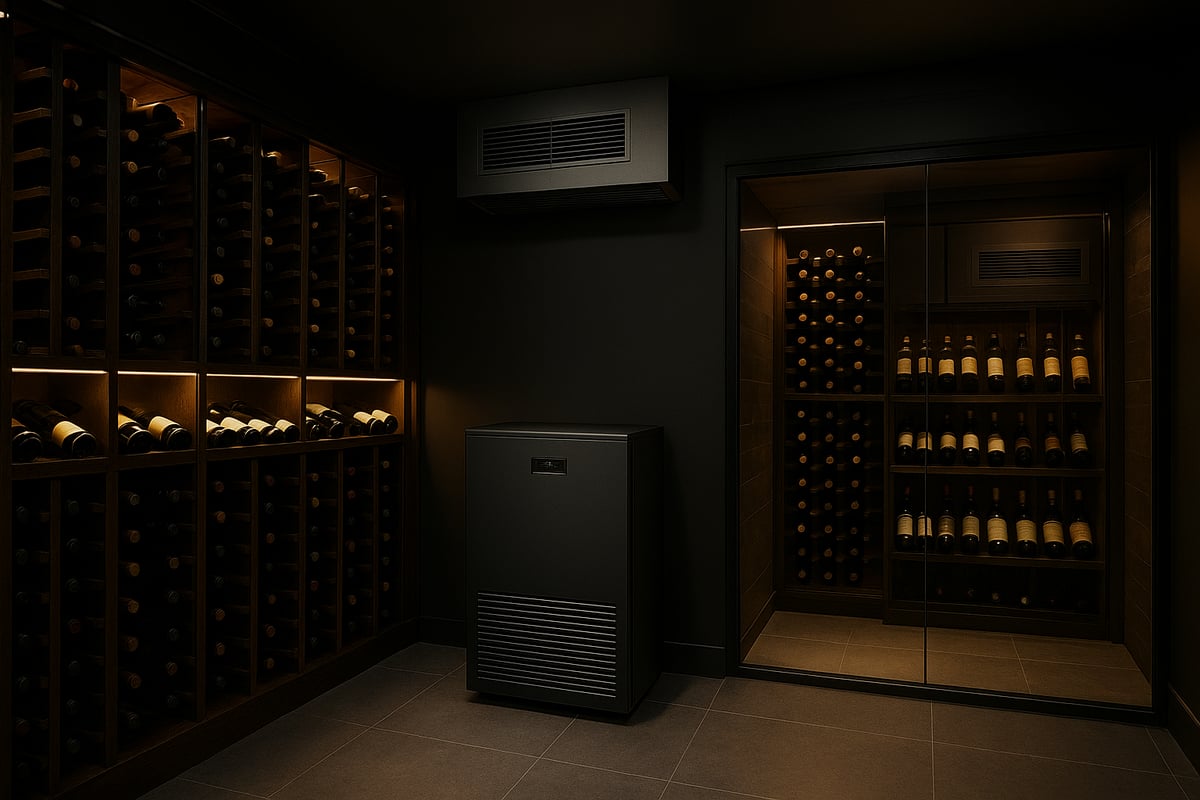
The self-contained wine cellar cooling system is a popular choice for homeowners seeking simplicity and efficiency. This unit combines all components within one case, allowing for straightforward installation—often through a wall or in a wine cabinet. These systems excel in small to medium spaces, typically up to 2000 cubic feet, and are favored for their compact footprint and cost-effectiveness.
Pros include easy installation, portability, and minimal maintenance. However, they can be noisier than other types and may struggle with larger cellars. In 2026, models feature improved digital controls, better energy efficiency, and quieter operation. For in-depth advice on optimizing a self-contained wine cellar cooling system, check out these wine cellar cooling tips.
Self-contained units are ideal for small wine rooms, condos, or urban spaces where installation flexibility is needed. They offer a practical entry point into climate-controlled wine storage.
Split System Cooling Units
Split system cooling units separate the evaporator and condenser, offering a premium wine cellar cooling system solution for those who prioritize quiet operation and flexibility. With the noisy condenser located away from the cellar—often outdoors or in a mechanical room—these systems minimize disturbance and reduce vibration, which can affect wine aging.
The main advantages include silent performance inside the cellar, enhanced climate stability, and the ability to cool larger or more complex spaces. Disadvantages are a higher upfront cost and the need for professional installation. In 2026, split systems feature smart controls, remote diagnostics, and integration with home automation platforms.
These systems are perfect for residential collectors or commercial venues with medium to large wine cellars. Their advanced capabilities make them a favorite among serious wine enthusiasts and restaurateurs.
Ducted Wine Cellar Cooling Systems
A ducted wine cellar cooling system utilizes a central unit connected by insulated ductwork, keeping the machinery out of sight and sound. This approach delivers uniform temperature and humidity throughout the cellar, with air distributed via discreet vents. It is especially suited for large, high-end cellars or glass wine walls where aesthetics are paramount.
Benefits include hidden installation, consistent climate control, and minimal vibration. Drawbacks are the complexity of installation and a higher price point. In 2026, ducted systems often feature advanced air purification, energy-saving modes, and compatibility with green building standards.
Ducted wine cellar cooling system solutions are ideal for luxury homes, restaurants, or boutique hotels where design and climate precision are non-negotiable. Their seamless integration upholds both the function and elegance of the cellar.
Through-the-Wall Cooling Systems
Through-the-wall wine cellar cooling system units are designed for quick retrofits and budget-friendly installations. These units are installed directly into a wall between the cellar and an adjacent room, making them accessible for maintenance and easy to install without major renovations.
Pros include affordability, simple installation, and suitability for small to mid-sized cellars. Cons are limited cooling capacity and the presence of visible hardware inside the cellar. The 2026 models offer quieter fans, digital thermostats, and improved efficiency.
This type of wine cellar cooling system is often chosen for urban apartments or smaller homes where space and cost are key considerations. It is a practical solution for upgrading existing storage into a climate-controlled environment.
Comparison Table: Which System Is Best for Your Needs?
Selecting the ideal wine cellar cooling system depends on your cellar’s size, design, and personal requirements. The table below summarizes key differences to guide your decision:
System Type | Capacity | Noise Level | Installation | Cost | Maintenance |
|---|---|---|---|---|---|
Self-Contained | Up to 2000 cu ft | Moderate | Easy/DIY | $ | Low |
Split System | Any size | Very Low | Professional | $$$ | Moderate |
Ducted | Large/luxury | Very Low | Complex/Professional | $$$$ | Moderate |
Through-the-Wall | Small/Medium | Moderate | Easy/Retrofit | $ | Low |
Market trends in 2026 show growing demand for split and ducted wine cellar cooling system options, especially among homeowners and hospitality venues seeking silent, high-performance solutions. For small spaces, self-contained or through-the-wall systems remain popular. Assess your space, goals, and budget to find your perfect fit.
Key Features to Look for in 2026 Wine Cellar Cooling Systems
Selecting the right wine cellar cooling system in 2026 means looking beyond the basics. Today’s discerning collectors and designers demand advanced features that blend performance, efficiency, and elegance. As technology and design evolve, understanding these key features ensures your collection is protected, showcased, and future-proofed.
Advanced Climate Control Technologies
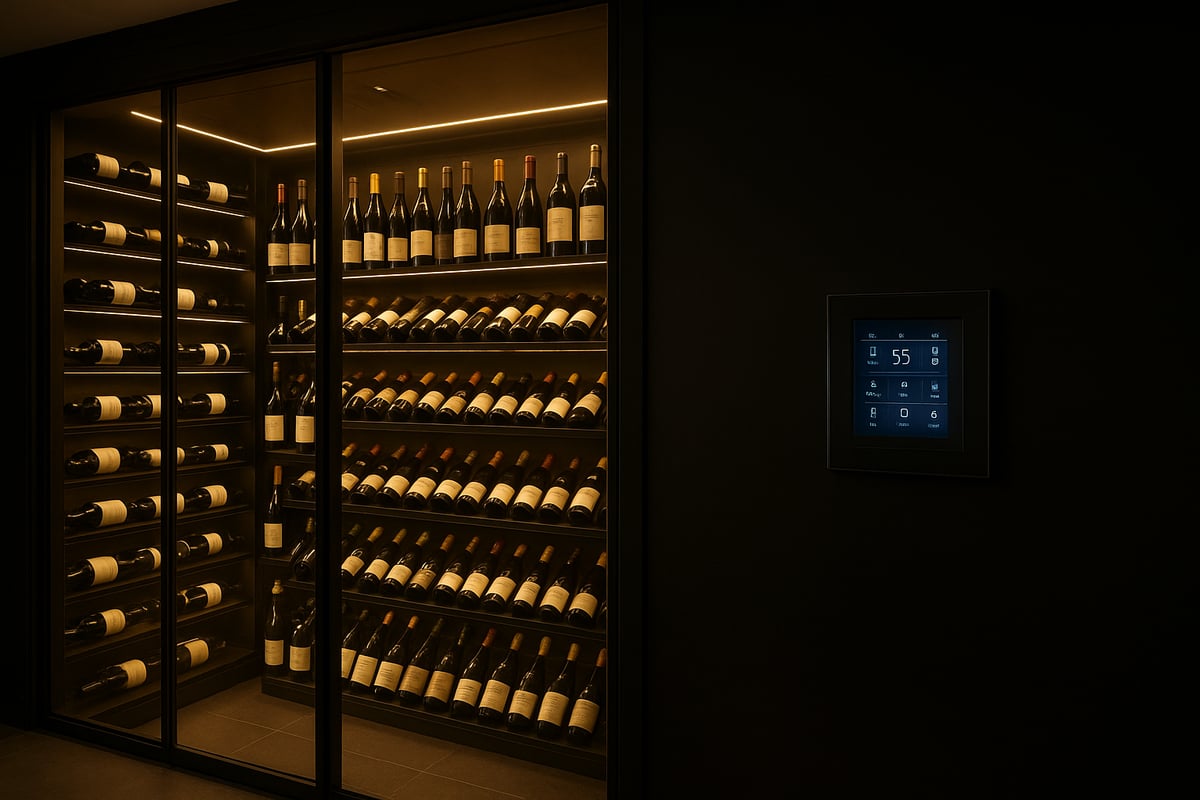
Modern wine cellar cooling system designs center on precision. In 2026, expect systems capable of maintaining temperature and humidity within a tight ±1°F range, safeguarding your wine’s subtle flavors. Dual-zone and multi-zone units cater to collectors who store reds, whites, and sparkling wines in a single cellar, each at its ideal setting.
Integration with IoT and smart home platforms is now standard. Imagine adjusting your wine cellar cooling system from a mobile app, receiving instant alerts if conditions shift, and tracking performance trends over time. Wi-Fi enabled controllers and remote sensors make this a reality, and adoption of these features continues to rise. According to recent Wine Cellar Cooling System Market Trends, smart controls and remote monitoring are among the fastest-growing segments for 2026.
Whether you’re a homeowner or a restaurateur, these innovations offer peace of mind and effortless control over your collection’s environment.
Energy Efficiency and Sustainability
Energy efficiency has become a cornerstone of every premium wine cellar cooling system. Look for Energy Star ratings and the use of eco-friendly refrigerants with low global warming potential. Variable speed compressors adjust cooling power to match demand, reducing energy waste and creating a quieter cellar atmosphere.
Sustainability features now include solar-ready systems and alignment with green building certifications. Commercial cellars often see significant reductions in energy bills by upgrading to modern, efficient units. In 2026, new regulations around refrigerants are pushing manufacturers to adopt even greener solutions, making it easier than ever to protect both your wine and the planet.
Choosing an energy-efficient wine cellar cooling system means enjoying your collection with a lighter environmental footprint and lower operating costs.
Noise and Vibration Reduction
A quiet, vibration-free environment is essential for wine preservation and enjoyment. The latest wine cellar cooling system models incorporate advanced soundproofing, low-vibration compressors, and specialized mounting systems to keep operational noise to a minimum.
Compare decibel ratings across system types:
System Type | Typical dB Level |
|---|---|
Self-contained | 50–60 |
Split System | 40–50 |
Ducted | 35–45 |
Through-the-wall | 55–65 |
Less vibration means less disturbance to delicate aging processes, and quieter operation ensures your wine cellar remains a tranquil retreat.
Maintenance and Serviceability
Ease of maintenance is a defining feature of a high-end wine cellar cooling system. Self-diagnostic capabilities and remote troubleshooting are now common, allowing issues to be detected and resolved before they escalate. Modular components simplify repairs, minimizing downtime and cost.
Manufacturers increasingly offer robust warranties and extensive support networks. Predictive maintenance, enabled by smart sensors, helps schedule service before problems arise, extending system lifespan and preserving your investment.
A well-maintained wine cellar cooling system is the key to consistent performance year after year.
Aesthetic Integration and Customization
Today’s wine cellar cooling system options are designed to harmonize with your space, not dominate it. Hidden units, custom finishes, and compact profiles make it possible to blend cooling technology seamlessly into glass wine walls or contemporary cellars.
Consider these design features:
Concealed ducted units behind architectural panels
Custom-finished vent covers to match cabinetry
Digital control panels with touchscreens or bespoke interfaces
Integration with lighting and display systems
In luxury homes and restaurants, these features transform the wine cellar into a true showpiece. Whether you prefer understated elegance or bold modernity, the right wine cellar cooling system elevates both form and function.
Sizing, Installation, and Best Practices
Designing a wine cellar cooling system is about more than just picking a unit off the shelf. The right approach ensures your wines age gracefully, your investment is protected, and your cellar remains a showpiece. Let’s break down how to size, install, and maintain your system for flawless results.
Calculating the Right Cooling Capacity
Getting the right wine cellar cooling system starts with accurate sizing. A system that’s too small won’t maintain ideal conditions, while one that’s too large cycles too quickly, causing temperature swings.
To calculate the correct BTU (British Thermal Units) needed, consider:
Cellar volume (length × width × height)
Insulation quality and type
Amount of glass, which increases heat load
Door material and how often it’s opened
For example, a 500 cu. ft. cellar with high insulation might need a 2,500 BTU system, while a 2,000 cu. ft. space with glass walls could require 8,000 BTUs or more. Avoid shortcuts—use professional heat load calculators or consult an expert to match the wine cellar cooling system to your unique environment.
Installation Considerations and Requirements
Proper installation is crucial for your wine cellar cooling system to perform at its peak. Decide early if you’ll go the DIY route or hire a professional. Most homeowners opt for expert installation, especially for split or ducted systems, to ensure electrical and ventilation requirements are met.
Key requirements include:
Dedicated electrical circuits for safe operation
Adequate ventilation for heat dissipation
High-quality vapor barriers and insulation to prevent condensation
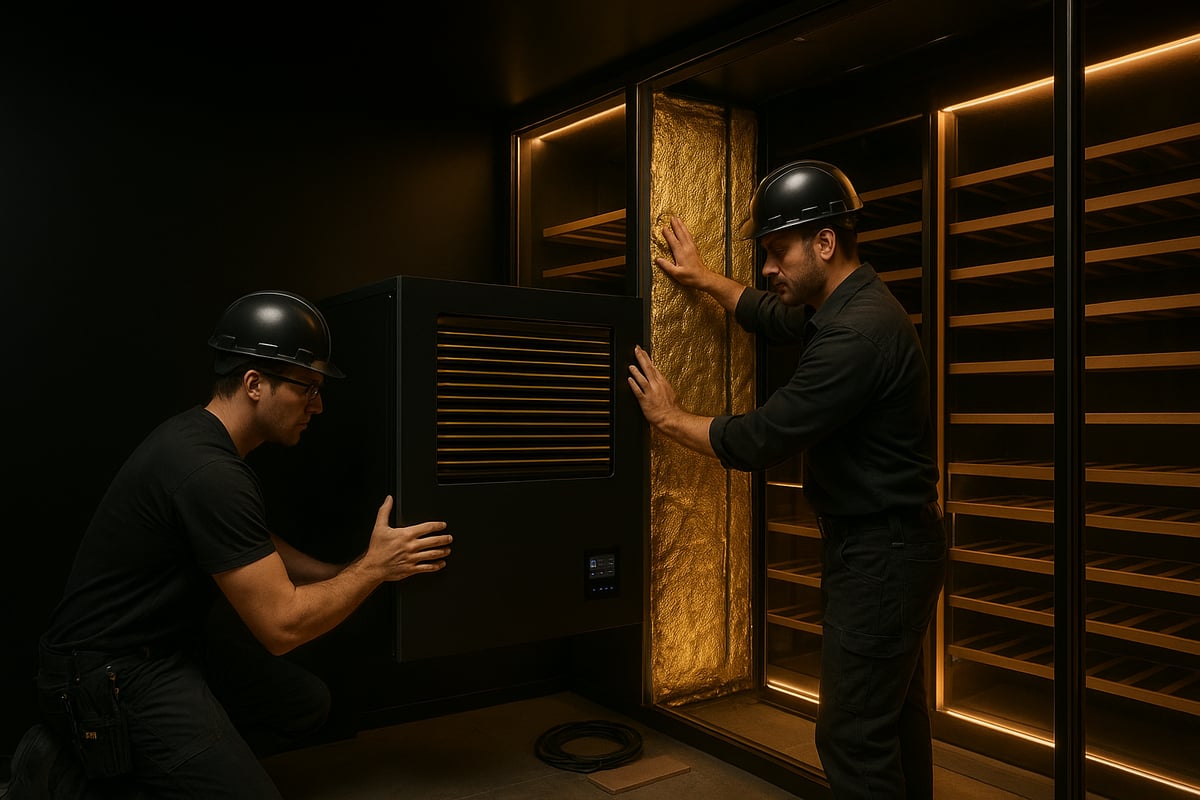
Installation typically involves framing, insulating, installing vapor barriers, and finally mounting the cooling unit. Challenges arise in retrofitting historic homes or when working with unique architectural features. For tailored advice on integrating cooling units into custom cellar designs, see this Custom wine cellar design advice guide.
Common Installation Mistakes and How to Avoid Them
Even the best wine cellar cooling system can falter if installed incorrectly. Here are frequent pitfalls and how to sidestep them:
Skimping on insulation, leading to temperature fluctuations
Failing to properly seal doors and windows, causing air leaks
Placing sensors or thermostats in direct airflow, resulting in inaccurate readings
Overlooking drainage needs, risking water damage
To avoid these mistakes, always follow manufacturer guidelines, double-check insulation and vapor barriers, and have a pro review your plans. Taking shortcuts now can mean costly repairs or spoiled wine later.
Integrating with Smart Home and Building Systems
Modern wine cellar cooling system technology fits seamlessly into today’s smart homes. Compatibility with platforms like Alexa or Google Home allows remote monitoring and control.
Key integration features include:
Real-time alerts for temperature and humidity shifts
Automated adjustments to maintain ideal conditions
Data logging to track cellar performance over time
A luxury hotel, for example, might use smart integration to monitor multiple wine cellars from a central dashboard, ensuring each collection is perfectly preserved. Embracing these smart tools adds convenience and peace of mind for serious collectors.
Working with Wine Cellar Professionals
Partnering with professionals is the ultimate way to ensure your wine cellar cooling system meets your expectations. Experts bring experience in design, engineering, installation, and troubleshooting.
What to expect from a pro:
Custom solutions tailored to your space and collection
Guidance on system selection, sizing, and placement
Flawless integration with architectural details and finishes
Choose contractors with a solid portfolio, transparent references, and a collaborative approach. Whether you’re outfitting a modern glass wine wall or restoring a heritage cellar, expert help transforms your vision into a reality that protects your wine for years to come.
Maintenance, Troubleshooting, and Longevity
A luxury wine cellar is only as reliable as its climate control. To keep your wine cellar cooling system performing at its best, consistent care and timely troubleshooting are essential. Let’s break down the key steps to protect your investment and ensure your collection matures perfectly.
Routine Maintenance Tasks for Optimal Performance
Regular maintenance is the secret to a long lasting wine cellar cooling system. Start by cleaning air filters and condenser coils every few months to prevent dust buildup, which can strain the system. Check refrigerant levels seasonally and inspect the drainage system for any blockages.
Monitor humidity and temperature sensors to ensure they provide accurate readings. Schedule a professional inspection at least once a year, especially for larger cellars or advanced systems. Maintenance schedules vary by model, but consistency is key.
For a step by step approach tailored to your system, consult a Wine cellar maintenance guide for best practices and checklists. Staying proactive helps you avoid unexpected breakdowns and keeps your collection safe.
Common Issues and Troubleshooting Tips
Even with diligent care, a wine cellar cooling system may occasionally act up. Look out for temperature fluctuations, unusual noise, or increased vibration. Water leaks and humidity imbalances can signal drainage or sensor problems.
When issues arise, start with a system reset and inspect visible parts for dust or obstructions. If problems persist, check for error codes on digital displays. For more complex troubleshooting, refer to the Prevent Costly Wine Cooler Repairs: A Maintenance Guide for expert tips on identifying and resolving common faults.
If you notice persistent issues, call a technician. Timely intervention can prevent minor annoyances from becoming costly repairs.
Extending the Lifespan of Your Cooling System
To maximize the lifespan of your wine cellar cooling system, prioritize regular maintenance and gentle use. Upgrade components like controllers or fans when necessary, and avoid overloading the unit with excessive heat sources or frequent cycling.
Protect your system with surge protectors and ensure a stable power supply. Most systems last 8 to 15 years, but attentive care can push the upper end of that range. Remember, an investment in maintenance is an investment in the longevity of your collection and the enjoyment of every bottle.
Signs It’s Time to Replace or Upgrade Your System
How do you know when your wine cellar cooling system is nearing the end of its service life? Watch for declining performance, rising energy costs, or frequent repairs. Outdated refrigerants or incompatible parts may also signal it’s time for an upgrade.
Modern systems offer smart controls and improved energy efficiency. Visible wear, corrosion, or recurring issues are clear indicators to act. Upgrading to a 2026 compliant model ensures your wine stays protected and your cellar remains a showcase for years to come.
Future Trends in Wine Cellar Cooling Systems
The world of wine cellar cooling system technology is evolving rapidly, promising a future where your collection is safer, smarter, and more sustainable than ever before. Whether you are a seasoned collector, a hospitality professional, or a passionate enthusiast, staying ahead of these trends ensures your investment stands the test of time.
Smart Technology and Automation
Smart technology is redefining the wine cellar cooling system landscape in 2026. With IoT integration, your wine cellar can now monitor and adjust temperature and humidity levels in real time, protecting your bottles from even the slightest environmental shifts. Predictive maintenance powered by AI helps you catch small issues before they become big problems, reducing downtime and safeguarding your collection.
These systems connect seamlessly with wine inventory management apps, offering a full picture of your cellar’s health and stock, all from your smartphone. Automated alerts notify you instantly if conditions stray from your set parameters. For a deeper dive into why precise climate control is essential, Wine Cellar Climate Control: Why It Matters and How to Ensure It offers valuable insights.
Sustainability and Green Innovations
Eco-conscious design is at the forefront of every modern wine cellar cooling system. Manufacturers are embracing low global warming potential refrigerants and recyclable materials, sharply reducing environmental impact. New systems can often be paired with solar panels, supporting off-grid operation and lowering utility costs.
The push for carbon-neutral wine cellars is leading to innovations like energy recovery ventilators and advanced insulation. Industry data suggests next-generation systems can cut energy use by up to 30 percent compared to models just a few years ago. As regulations evolve, expect even more focus on sustainability and green certifications for both residential and commercial cellars.
Design and Customization Trends
Today’s wine cellar cooling system is as much about aesthetics as it is about performance. Minimalist, invisible ducted units allow for uninterrupted glass wine walls and open-concept displays, letting your collection take center stage without visible hardware. Bespoke controls, touchscreens, and customizable interfaces offer effortless management and a personalized experience.
High-end projects now blend luxury finishes, architectural features, and advanced technology. Whether integrating with a designer’s vision for a modern home or a restaurant’s signature style, cooling systems are tailored to fit any space. This flexibility ensures your cellar is both functional and a true showpiece.
Market Outlook and Regulatory Changes
The market for wine cellar cooling system solutions is poised for significant growth through 2026, especially in residential and hospitality sectors. Building codes are shifting, placing stricter requirements on energy efficiency and refrigerant types. Staying informed about these changes is crucial for both compliance and investment protection.
Advanced systems are gaining market share, with adoption rates rising as more collectors and businesses seek to future-proof their cellars. Industry analysts predict increasing demand for smart, sustainable, and highly customizable solutions. Choosing a system that meets evolving standards will help safeguard your wine and your investment for years to come.
Whether you're dreaming of a modern wine room, planning a luxury glass wine wall, or simply want to ensure your prized bottles age in perfect conditions, having the right cooling system is key to preserving your collection’s value and flavor. At Prestige Wine Cellars, we blend expert craftsmanship, innovative technology, and a deep passion for wine to create custom spaces that reflect your vision and protect your investment for years to come. Ready to take the next step toward your ideal wine cellar? Reach out—we’d love to help bring your project to life.
Contact Us
Your Dream Wine Cellar Starts Here
Let our design team craft a cellar that matches your taste, space, and your collection — built for beauty, function, and prestige.

Email us at
Serving Austin, Dallas–Fort Worth, Houston & San Antonio