
Home Wine Cellar Guide: 2026 Design & Build | Prestige
Discover how to design the perfect home wine cellar with expert tips on planning, building, and trends for 2026. Elevate your collection with style and value.
Imagine elevating your passion for wine into a breathtaking centerpiece right at home. A home wine cellar is more than just storage, it is a fusion of craftsmanship, technology, and personal style. In this guide, you will discover every essential step to create, design, and care for your perfect collection in 2026. We will unveil the latest innovations, inspire you with expert advice, and empower you to build a flawless wine sanctuary. From planning and design to climate control, storage, maintenance, and future trends, your pathway to a remarkable wine cellar starts here.
Understanding the Essentials of Home Wine Cellars
Imagine stepping into a space where your wine collection is preserved, displayed, and celebrated. A wine cellar is more than a storage area—it is a curated environment that reflects your taste, enhances your home, and safeguards your investment. Let’s explore the essentials that define the modern home wine cellar in 2026.
Defining the Modern Home Wine Cellar
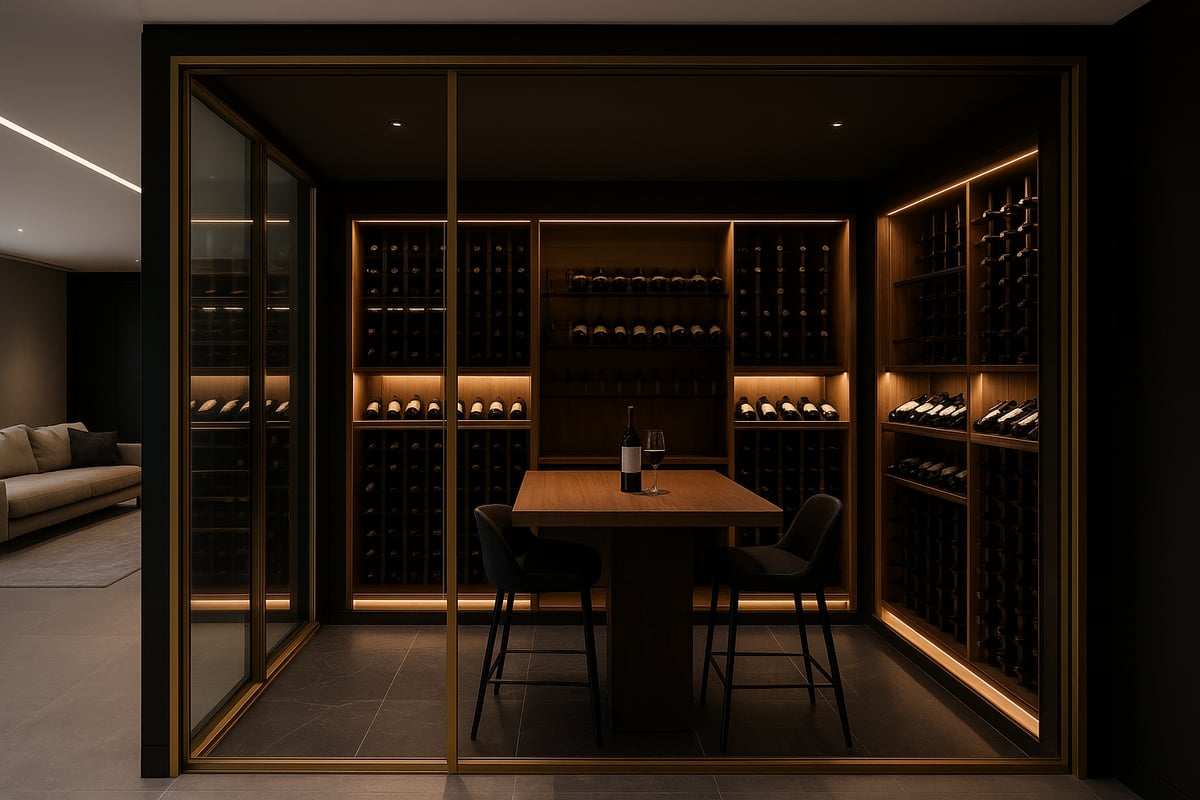
In 2026, a home wine cellar is a purpose-built, climate-controlled space designed to store, age, and showcase wine collections in style. Unlike the dark, hidden basements of the past, today’s cellars are often integrated into main living areas, kitchens, or even under-stair nooks.
There are three main formats:
Cellars: Fully enclosed, climate-controlled rooms, often below ground.
Wine rooms: Larger, open spaces with lounge or tasting areas.
Wine walls: Vertical, glass-enclosed displays for smaller collections.
Luxury homes feature custom glass walls, high-tech monitoring, and artful lighting. Urban homes maximize compact spaces with modular racks and minimalist designs. The modern wine cellar reflects a shift from hidden storage to a visible, interactive showpiece, driven by motivations like preservation, display, and even wine investment.
For more inspiration on the latest styles and layouts, see Modern Home Wine Cellar Ideas.
Key Benefits of a Home Wine Cellar
A home wine cellar offers several compelling advantages for collectors and homeowners. First, it preserves wine quality by maintaining ideal temperature and humidity, protecting your bottles from premature aging or spoilage.
Second, a well-designed wine cellar can enhance property value—homes with cellars can sell for up to 31% more, according to Realtor.com in 2023.
Other benefits include:
Creating a focal point for entertaining guests and enjoying wine in style
Allowing for organized collection expansion without clutter
Providing investment security, especially for rare or vintage bottles
With these benefits, a home wine cellar becomes both a luxury and a practical asset.
Core Components and Technologies
Every home wine cellar relies on essential components to function seamlessly. Racking systems come in wood, metal, or modular designs, offering flexibility for different bottle sizes and aesthetics. Climate control is critical: cooling units, humidifiers, and proper insulation maintain stable conditions.
Lighting plays a major role, with LED fixtures offering ambiance and UV protection. Modern cellars often feature glass enclosures and premium finishes for visual appeal. Smart technology is increasingly popular, integrating app-based monitoring, security systems, and automated climate controls for peace of mind and convenience.
Common Mistakes to Avoid
Even the most beautiful home wine cellar can be compromised by avoidable mistakes. Poor insulation allows temperature swings that can ruin wine. Inadequate humidity control leads to cracked corks and oxidized bottles.
Other pitfalls include:
Overlooking ventilation, causing odors or mold
Underestimating storage needs, limiting future collection growth
Neglecting accessibility and display, making it difficult to enjoy or organize your wines
Careful planning and professional guidance help ensure your wine cellar remains functional and beautiful for years to come.
Real-World Examples and Trends
Innovative home wine cellars are making headlines in luxury real estate and design circles. Recent builds showcase features like glass walls, minimalist racking, and app-based climate monitoring. For example, 67% of new luxury homes in Texas now include dedicated wine storage, according to the 2024 Luxury Home Market Report.
Celebrity cellars inspire with bold materials and custom lighting. Eco-friendly materials and energy-efficient systems are on the rise, reflecting a broader commitment to sustainability. The wine cellar of 2026 is as much about technology and environmental stewardship as it is about tradition and luxury.
Planning Your Home Wine Cellar: Step-by-Step
Designing a home wine cellar requires a thoughtful approach. Every successful project starts with understanding your needs, setting a clear budget, and making informed choices at each stage. Let’s walk through this process, step by step, so you can create a stunning, functional space for your wine collection.
Assessing Your Space and Collection Needs
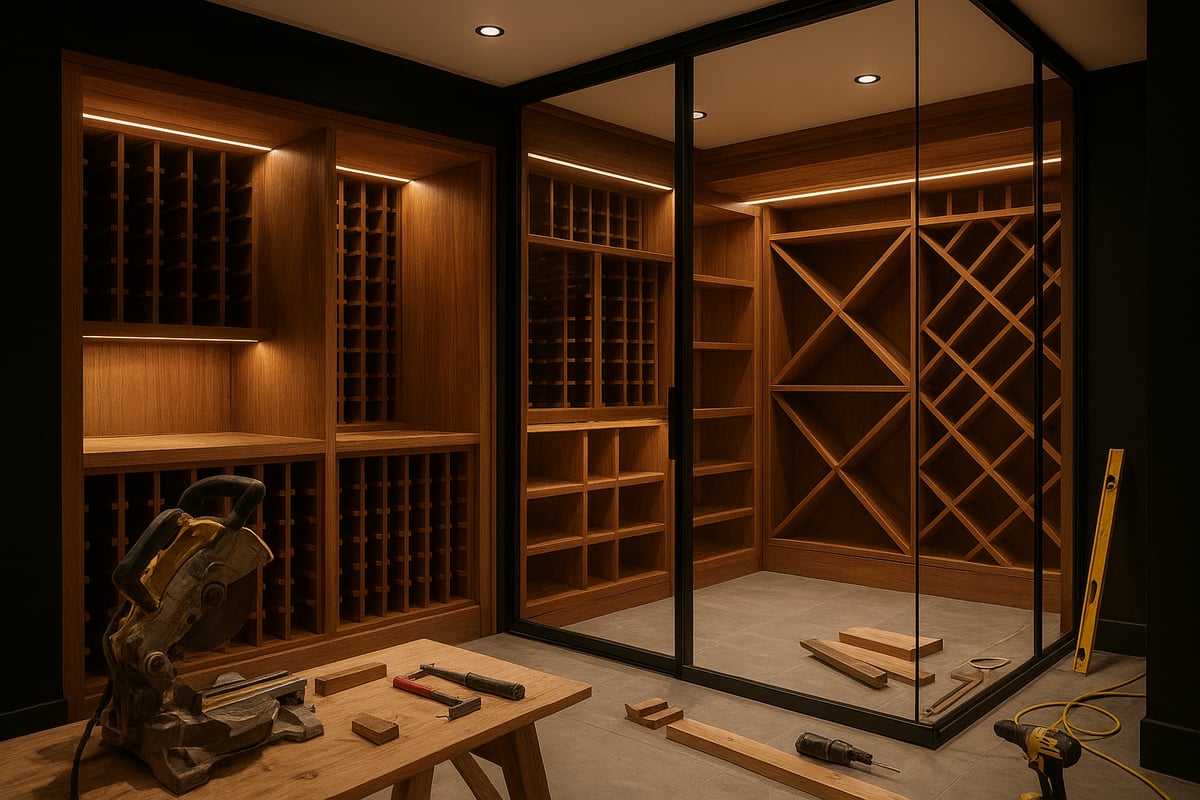
Before building your home wine cellar, evaluate all possible locations. Basements are classic, but modern cellars often transform spare rooms, under-stair nooks, or even large closets. Measure your available space and consider future collection growth.
Think about structural elements—are there load-bearing walls or flooring that need reinforcement? Look at environmental factors, such as light exposure, vibration from nearby appliances, and proximity to kitchens or laundry rooms. For example, converting a spare room into a wine haven can provide both convenience and flexibility.
Identify spaces with minimal light and vibration
Plan for easy access and security
Think about expansion as your collection grows
A well-chosen location ensures your wine cellar will protect your bottles and enhance your living space.
Setting a Realistic Budget
Budgeting for your home wine cellar is crucial. Costs typically range from $15,000 to over $100,000, depending on size, materials, and custom features. Consider both initial construction and ongoing expenses, such as climate control and maintenance.
Factors influencing the budget include:
Factor | Impact on Cost |
|---|---|
Materials | High (premium woods, glass, metal) |
Climate Systems | Moderate to high |
Labor | Varies (DIY vs. pro) |
Custom Features | High (glass doors, lighting) |
Decide if you’ll do it yourself or hire professionals. DIY can save money, but expert installation ensures longevity and performance. Always budget for future needs so your home wine cellar continues to meet your goals.
Designing for Functionality and Aesthetics
Blending function with style is the hallmark of a great home wine cellar. Choose racking that suits your collection—traditional wood, sleek metal, or modular systems for flexibility. Consider including tasting areas, seating, or display zones for entertaining.
Integrate your cellar with your home’s architectural style using glass, accent lighting, and custom finishes. For in-depth advice on designing a bespoke cellar, check out the Custom Wine Cellar Design Guide.
Select racking for bottle size and label visibility
Plan lighting for ambiance and UV protection
Coordinate finishes with home décor
A carefully designed wine cellar becomes a centerpiece for both storage and socializing.
Navigating Local Building Codes and Permits
Building a home wine cellar means following local regulations. Research zoning, electrical, and fire safety codes that apply to your area. Requirements can differ for basement versus main-floor cellars.
Consult local authorities or a professional for guidance. For example, Austin, TX, has specific ventilation and electrical codes for wine storage spaces. Ensuring compliance avoids costly delays and legal issues.
Obtain necessary permits before construction
Address ventilation and electrical safety
Document all approvals for future reference
Staying proactive with codes ensures your wine cellar is both safe and legally sound.
Choosing the Right Professionals
The right team makes all the difference. You may need designers, contractors, HVAC specialists, and electricians, all with experience in wine cellars. Examine portfolios and ask about previous projects.
Key considerations when hiring:
Experience with residential wine cellar builds
Knowledge of climate control systems
Transparent communication and clear contracts
Working with an integrated design-build firm often streamlines the process, ensuring a cohesive vision and smoother project management.
Prestige Wine Cellars: Custom Wine Cellar Experts
Prestige Wine Cellars stands out for designing and building luxurious home wine cellar spaces. Their turnkey approach means they handle everything—from initial design and engineering to climate control, installation, and maintenance.
Every project is tailored to the client’s collection, style, and space. The team uses only premium materials and advanced technology, delivering both preservation and visual wow-factor. Their master craftsmanship turns wine storage into an architectural statement.
If you’re in Texas or beyond, Prestige Wine Cellars has a strong reputation for creating residential wine cellars that are both functional and beautiful.
Timeline and Project Management
A typical home wine cellar project takes 2 to 6 months, depending on complexity. The process includes consultation, design, permitting, construction, and final touches.
Clear communication and milestone tracking are essential. Expect some delays—weather, material shortages, or permit issues may arise. Stay involved at key decision points, and don’t hesitate to ask questions.
Set a realistic project timeline with your team
Track progress with regular updates
Plan for contingencies to avoid surprises
Effective management ensures your home wine cellar journey is smooth, organized, and enjoyable.
Building the Perfect Cellar: Materials, Construction, and Climate
A truly exceptional home wine cellar is a blend of craftsmanship, technology, and style. Every detail, from the choice of materials to the final touches of climate control, shapes how your collection is preserved and showcased. Let’s break down the essential steps to building a cellar that delivers both form and function.
Selecting the Best Materials
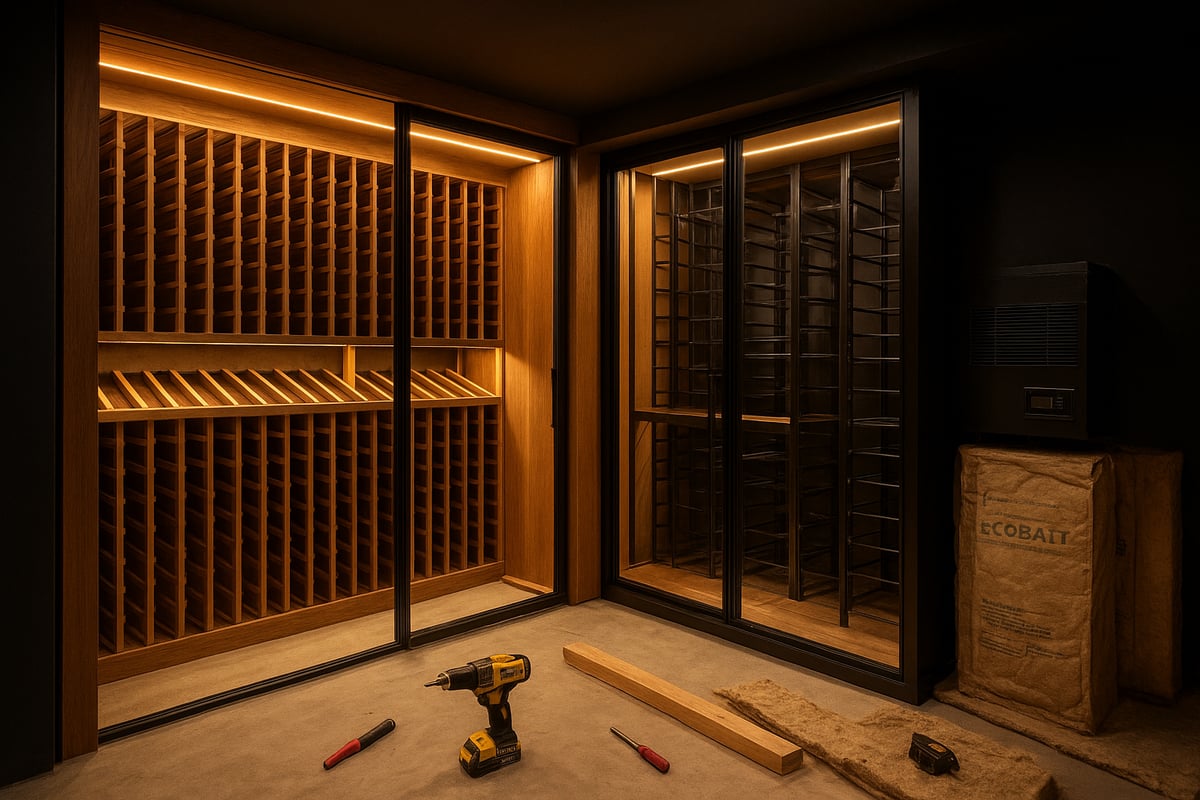
Choosing the right materials is the foundation of a durable and beautiful home wine cellar. Classic woods like mahogany, redwood, and pine each bring unique advantages. Mahogany resists warping and pests, redwood offers a warm tone, and pine is budget-friendly though less durable.
For a modern twist, many homeowners opt for metal or acrylic racking, which pairs well with glass doors and minimalist interiors. Glass walls and doors maximize visual impact, transforming your home wine cellar into a breathtaking showcase. Sustainable choices, including reclaimed wood and low-VOC finishes, are increasingly popular for eco-conscious collectors. For a deeper dive into options, explore this guide on Wine Cellar Materials and Finishes.
Construction Techniques and Best Practices
The construction phase is where your home wine cellar vision comes to life. Proper framing and insulation are non-negotiable for thermal stability, keeping your bottles at a consistent temperature. Vapor barriers are essential behind the walls to prevent moisture from seeping in and damaging both wine and structure.
Flooring options like stone, tile, or engineered wood offer durability and style. Soundproofing materials help reduce vibration, protecting delicate wines from disturbance. A step-by-step approach—framing, insulating, sealing, and finishing—ensures your home wine cellar stands the test of time.
Advanced Climate Control Systems
A home wine cellar must maintain precise temperature and humidity to protect your investment. Popular cooling units include self-contained, split, and ducted systems, each suited to different cellar sizes and locations. Humidification is just as critical, with 50 to 70 percent relative humidity ideal for healthy corks.
Smart thermostats and remote monitoring empower you to oversee your collection from anywhere. Prioritize energy efficiency and low-noise operation. With over 85 percent of wine spoilage caused by poor climate control, investing in robust systems is essential for any home wine cellar.
Lighting, Security, and Smart Features
Lighting brings out the beauty of your home wine cellar and protects your bottles. LED accent lighting is the gold standard, offering energy efficiency and UV protection. Motion sensors and automated controls add convenience and sophistication.
Security is paramount—consider locks, alarms, and camera systems to safeguard your collection. Modern cellars often feature app-based inventory management and climate tracking, allowing you to manage your home wine cellar with a tap. Take inspiration from luxury Austin homes that blend high-tech features with timeless design.
Installation Challenges and Solutions
Every home wine cellar project brings its own set of challenges. Small or awkward spaces require creative racking solutions, while older homes may need retrofitting for insulation and moisture control. Managing condensation and integrating with existing HVAC systems are common hurdles.
Sloped floors and uneven foundations can complicate builds, but experienced professionals can engineer solutions that maintain cellar integrity. Whether you’re working with a compact closet or a sprawling basement, careful planning ensures your home wine cellar exceeds expectations.
Sustainability and Energy Efficiency
Sustainability is at the forefront of home wine cellar design in 2026. Eco-friendly insulation, recycled materials, and reclaimed wood are top choices. Energy Star-rated cooling and lighting systems reduce environmental impact and operating costs.
Some homeowners integrate solar panels for off-grid operation or use water-saving humidification. Net-zero energy cellars are becoming more common, blending cutting-edge technology with environmental responsibility. Building a sustainable home wine cellar not only preserves your collection but also contributes to a greener future.
Smart Storage Solutions and Organization
Crafting a truly remarkable home wine cellar starts with smart storage solutions that balance form and function. Whether you’re curating a modest collection or managing hundreds of bottles, the right organization elevates both the enjoyment and longevity of your wines.
Racking Systems and Modular Designs
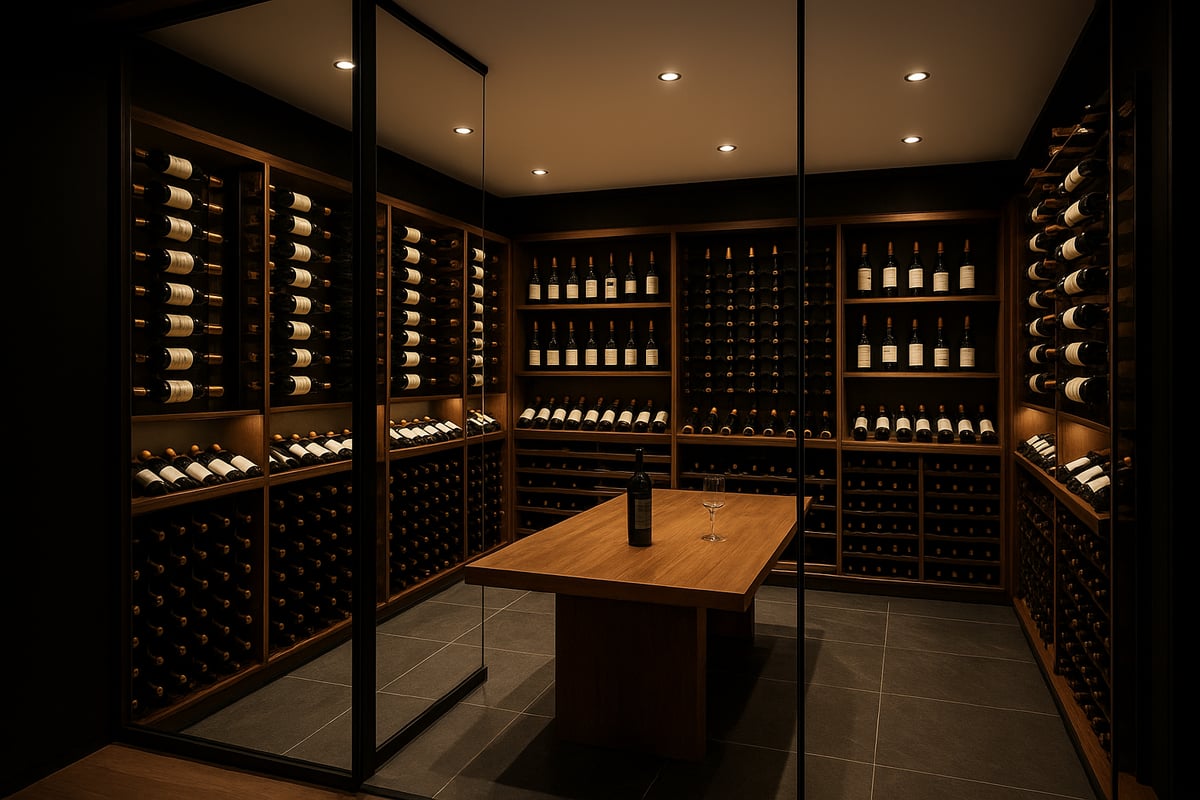
The backbone of any home wine cellar is its racking system. Options range from wall-mounted racks for sleek, space-saving storage to floor-to-ceiling units that maximize bottle capacity.
Wall-mounted racks suit smaller spaces or statement walls.
Floor-to-ceiling racks offer impressive bottle density.
Island racks and display cases add visual interest and flexibility.
Modular racking systems are especially popular for their adaptability. As your collection grows, you can reconfigure or expand modules to fit new bottles or accommodate unique sizes. Materials like wood, metal, and acrylic allow you to match your home wine cellar’s style, ensuring a seamless blend with your décor.
Optimizing label visibility is essential for quick selection and maintaining order. In a thoughtfully designed home wine cellar, modular racks keep bottles accessible while showcasing your favorite vintages.
Maximizing Space for Small and Large Collections
No matter the size of your home wine cellar, maximizing every inch is key. Vertical storage solutions let you stack bottles upwards, making use of high ceilings or awkward nooks.
Double-deep racks boost capacity in narrow spaces.
Under-stair and closet conversions unlock hidden potential.
Multi-purpose rooms combine wine storage with dining or relaxation.
Mobile shelving units offer flexibility, letting you adjust layouts as your needs change. For urban homes, modular systems make it easy to scale up without major renovations. According to Wine Cellar Innovations, 40 percent of new wine cellars are under 100 square feet, proving that even compact spaces can become elegant showcases.
A carefully planned home wine cellar adapts to your lifestyle, ensuring your collection is always organized and accessible.
Inventory Management and Labeling
Keeping track of your wine is just as important as storing it. In a home wine cellar, digital inventory apps and barcode systems simplify cataloging, letting you log details by varietal, region, or vintage.
Digital apps offer instant access and drink-by reminders.
Traditional options include tags, chalkboards, or engraved plaques.
Organize by maturity, so you never miss an optimal tasting window.
Regular audits help prevent forgotten bottles and ensure even rotation for proper aging. By tracking each addition and removal, your home wine cellar stays organized and ready for any occasion.
Whether you prefer high-tech solutions or classic labeling, a structured inventory system protects your investment and enhances your wine experience.
Display and Presentation Tips
A home wine cellar is more than storage—it’s a stage for your most prized bottles. Highlighting rare vintages with dedicated display racks or backlighting creates a dramatic focal point.
Showcase bottles with accent lighting or glass enclosures.
Incorporate art, sculpture, or custom glasswork for added flair.
Add tasting tables or decanting stations for memorable gatherings.
Modern trends favor minimalist displays and glass-enclosed designs. For inspiration, explore Glass-Enclosed Wine Cellars, where the cellar itself becomes a showpiece. With thoughtful presentation, your home wine cellar invites admiration while keeping your collection perfectly preserved.
Maintenance, Preservation, and Long-Term Care
A home wine cellar is more than just storage, it is a living environment that demands ongoing attention. To ensure your investment matures beautifully, you need a proactive approach to maintenance, climate management, security, and collection growth. Let’s explore how to keep your home wine cellar in pristine condition for years to come.
Routine Cellar Maintenance Tasks
Consistent care is the backbone of a healthy home wine cellar. Set a monthly schedule for dusting racks, cleaning floors, and wiping glass doors. Inspect seals on doors and windows to prevent air leaks, which can compromise temperature stability.
Check all climate control units for proper function.
Examine insulation and look for signs of condensation.
Clear vents and ensure airflow is unobstructed.
Professional servicing once or twice a year is wise, especially for complex systems. For a comprehensive checklist, consider these Wine Cellar Maintenance Tips. Small tasks, handled regularly, protect your home wine cellar from costly repairs later.
Climate Monitoring and Troubleshooting
Your home wine cellar’s climate is its lifeline. Invest in digital sensors to monitor temperature and humidity, aiming for 55–58°F and 55–70% relative humidity. Set up alarms for rapid changes, which can spoil bottles quickly.
Common issues include condensation, dry corks, or sudden temperature swings. If the cooling unit fails, act fast: relocate prized bottles to a cool, dark spot and call a technician. Always keep backup batteries for alarms and consider redundant climate systems for peace of mind.
Staying alert to minor fluctuations helps avoid major losses in your home wine cellar.
Protecting Your Investment: Security and Insurance
A well-secured home wine cellar preserves more than wine, it safeguards years of collecting and memories. Install robust locks on doors, consider alarm systems, and use surveillance cameras if your collection is valuable.
Document your bottles with photos, receipts, and appraisals. Specialized wine insurance protects against theft, fire, or flood—standard homeowner’s policies may not cover rare vintages. Review your coverage annually and update inventories as your collection evolves.
These steps ensure your home wine cellar remains a secure sanctuary for your most treasured bottles.
Aging, Rotation, and Collection Growth
Proper aging and rotation are essential for a thriving home wine cellar. Rotate bottles regularly to prevent corks from drying and to promote even aging. Use digital apps to track drinking windows and organize by varietal or vintage.
As your collection grows, invest in flexible racking or modular shelving. When selling or trading, research legal requirements and use reputable brokers. According to the Wine Market Council, nearly a quarter of collectors expand their home wine cellar within three years.
By planning for growth and careful rotation, you ensure every bottle reaches its peak, making your home wine cellar a lasting source of pride.
Home Wine Cellar Trends and Innovations for 2026
Step into 2026 and you will find the home wine cellar evolving into a true centerpiece of luxury living. Today’s cellars blend artisanal craftsmanship with cutting-edge technology, sustainable choices, and forward-looking design. Let us explore the most inspiring trends shaping the next generation of wine storage.
Design and Aesthetic Trends
Minimalism is redefining the look of the home wine cellar in 2026. Glass-enclosed spaces, seamless integration with living areas, and biophilic touches like natural wood and greenery are now essentials. Many designers are embracing clean lines, custom lighting, and curated art installations to create cellars that feel like art galleries. For a closer look at this aesthetic evolution, discover the dominance of Minimalist Wine Cellar Aesthetics. Multi-use spaces, such as cellars doubling as lounges or tasting rooms, are also gaining popularity, making every home wine cellar a true reflection of personal style and entertaining flair.
Technological Advancements
The home wine cellar is now a hub for smart innovation. AI-powered climate management systems ensure perfect storage conditions, while RFID-enabled smart racks make tracking bottles effortless. Homeowners can interact with their collections using voice control or enjoy virtual tastings through augmented reality. Integration with home automation platforms brings seamless control over lighting, security, and environment. With 42 percent of new cellars featuring smart technology, the future is digital. These advancements not only safeguard your wines but also offer a level of convenience and precision that was once unimaginable for the home wine cellar.
Sustainability and Green Building
Eco-conscious design is at the heart of the modern home wine cellar. Builders are now choosing reclaimed wood, recycled glass, and non-toxic finishes to reduce environmental impact. Energy-efficient cooling and water-saving humidification systems are becoming standard. For those interested in green design, explore more about Sustainable Materials in Wine Cellars. LEED-certified projects and solar-powered cellars are also emerging, blending luxury with responsibility. These sustainable choices not only benefit the planet but also enhance the long-term value and efficiency of your home wine cellar.
The Future of Home Wine Collecting
Looking ahead, the home wine cellar will reflect changing collector demographics and tastes. Younger, tech-savvy owners are driving interest in organic wines, virtual clubs, and remote cellar management. The value of rare and limited-edition bottles continues to rise, making proper preservation even more critical. Expect to see cellars that are adaptable, connected, and ready for new experiences. As the next decade unfolds, home wine cellar design will continue to evolve, blending tradition with innovation for collectors who seek both beauty and functionality.
As you dream about crafting a wine cellar that blends timeless elegance with modern innovation, remember that the journey to a flawless space starts with the right guidance and expertise. Whether you're envisioning a glass-walled showpiece or a cozy cellar tucked beneath the stairs, you deserve a solution that’s as unique as your collection. If you’re ready to explore your options or have questions about turning your vision into reality, I invite you to take the next step. Let’s connect and start designing your pathway to wine perfection—reach out through Contact Us.
Your Dream Wine Cellar Starts Here
Let our design team craft a cellar that matches your taste, space, and your collection — built for beauty, function, and prestige.

Email us at
Serving Austin, Dallas–Fort Worth, Houston & San Antonio