
Under Stair Wine Cellar : Complete 2026 Guide | Prestige
Transform unused space into a luxury showcase. Discover 2026 under-stair wine cellar trends, from frameless glass enclosures to smart climate control.
Imagine stepping into your home and seeing the unused space beneath your stairs transformed into a luxurious showcase for your finest wines. The under stair wine cellar is quickly becoming a statement piece in modern homes, blending elegance with smart space-saving design.
In this guide, you’ll discover how to assess your space, choose stylish layouts, and implement the latest innovations for a truly bespoke cellar. Whether you’re a homeowner, designer, or wine enthusiast, you’ll find practical tips and inspiration to turn your vision into reality.
Get ready to unlock the full potential of your under-stair area and create a wine display that’s both beautiful and functional.
Assessing Your Under Stair Space
Transforming the area beneath your staircase into an under stair wine cellar is a rewarding way to maximize unused square footage. Before diving into design, a careful assessment of your space is essential. This ensures your under stair wine cellar will be both visually stunning and functionally efficient.
Measuring and Evaluating Space Constraints
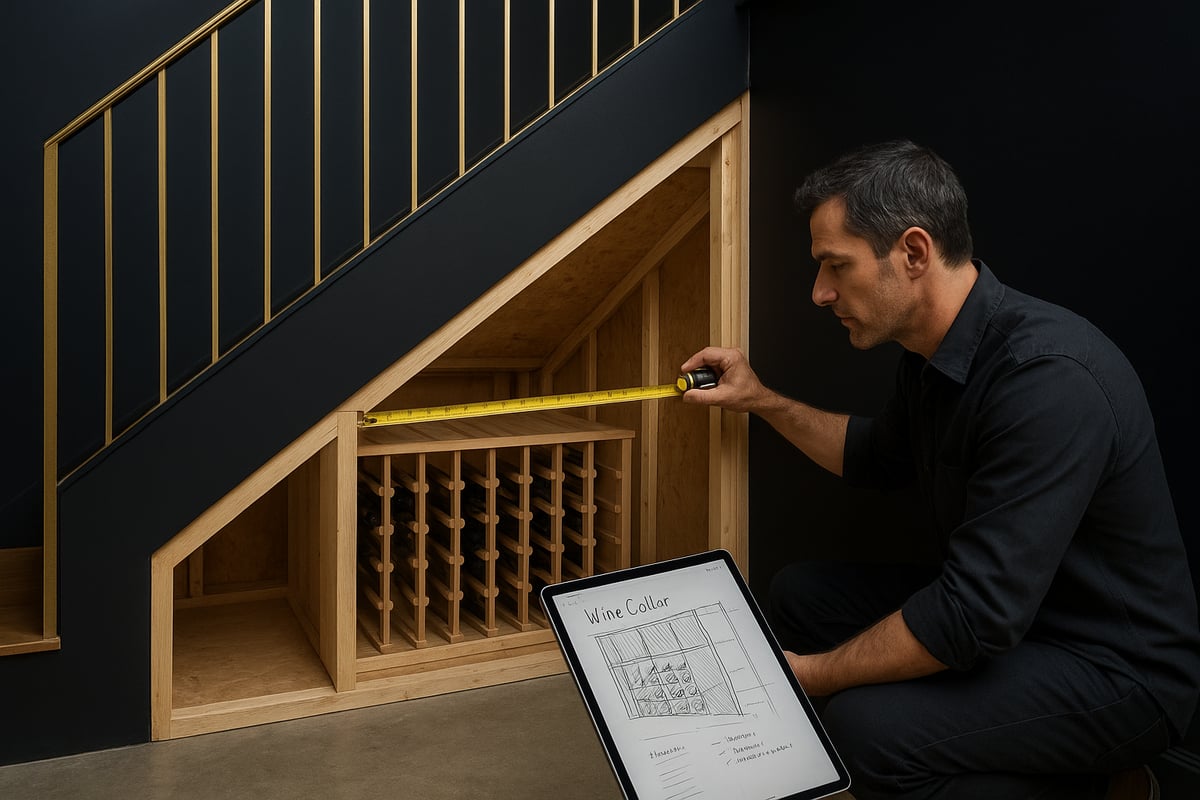
Start by measuring the height, width, and depth of the space under your stairs. Use a laser measure or tape to get accurate dimensions, paying special attention to any slopes or irregular angles. Staircases often feature sloped ceilings, which impact how much usable volume you actually have for your under stair wine cellar.
Next, identify any obstacles such as plumbing lines, electrical wiring, HVAC ducts, or access panels. These elements might limit where you can build or require creative planning to work around. Check for structural supports or low-clearance areas that could affect racking placement.
To visualize potential, compare your space against common layout types:
Layout Type | Description | Pros | Cons |
|---|---|---|---|
Half Slope | Uses half the stair’s run | Compact | Limited storage |
Full Slope | Utilizes entire run | More storage | Awkward angles |
Double Wall | Two adjacent walls | Efficient | Narrow access |
Full Room | Enclosed mini-room | Max storage | Needs more space |
For inspiration, explore Under Stair Wine Cellar Ideas to see real-world examples of these layouts in action. Planning for accessibility is key, especially if you want to easily reach every bottle or expand your collection later. Most under stair wine cellar projects range from 20 to 100 square feet, though even smaller spaces can be surprisingly functional with the right design.
Think about how you’ll enter the cellar. Will you want a glass door for display, or a hidden panel for a seamless look? Consider how future renovations or growing collections might impact your design. Planning ahead saves time and money down the line.
Determining Your Storage Needs and Goals
Now, focus on your specific wine storage goals. Are you a casual collector, or do you envision your under stair wine cellar as a showpiece for a growing collection? Estimate how many bottles you want to store, both now and in the future.
Decide if your priority is displaying prized bottles or maximizing total capacity. Display-focused designs feature label-forward racks and illuminated shelves, while high-density racking is ideal for serious collectors with limited space. Be sure to account for bottle sizes—standard, magnum, and even full cases—since these affect how your racks are configured.
Many under stair wine cellar projects now include case storage or larger bottle niches, reflecting the trend toward diverse collections. Balancing visual appeal with practical storage is crucial. You might want a mix of open display and hidden cubbies to keep the space tidy yet elegant.
Set a realistic budget early. Your desired features, finishes, and technology will influence costs. Factor in future growth so your under stair wine cellar remains functional and beautiful for years to come. Careful planning at this stage ensures your project meets both present and future needs.
Design Styles and Trends for 2026
Thinking about an under stair wine cellar in 2026? The possibilities are more exciting than ever. Homeowners and designers are embracing bold layouts, innovative materials, and cutting-edge lighting to transform overlooked spaces into true showpieces. Whether you seek a minimalist sanctuary or a dazzling display, today's design trends offer inspiration for every taste.
Popular Under Stair Wine Cellar Layouts
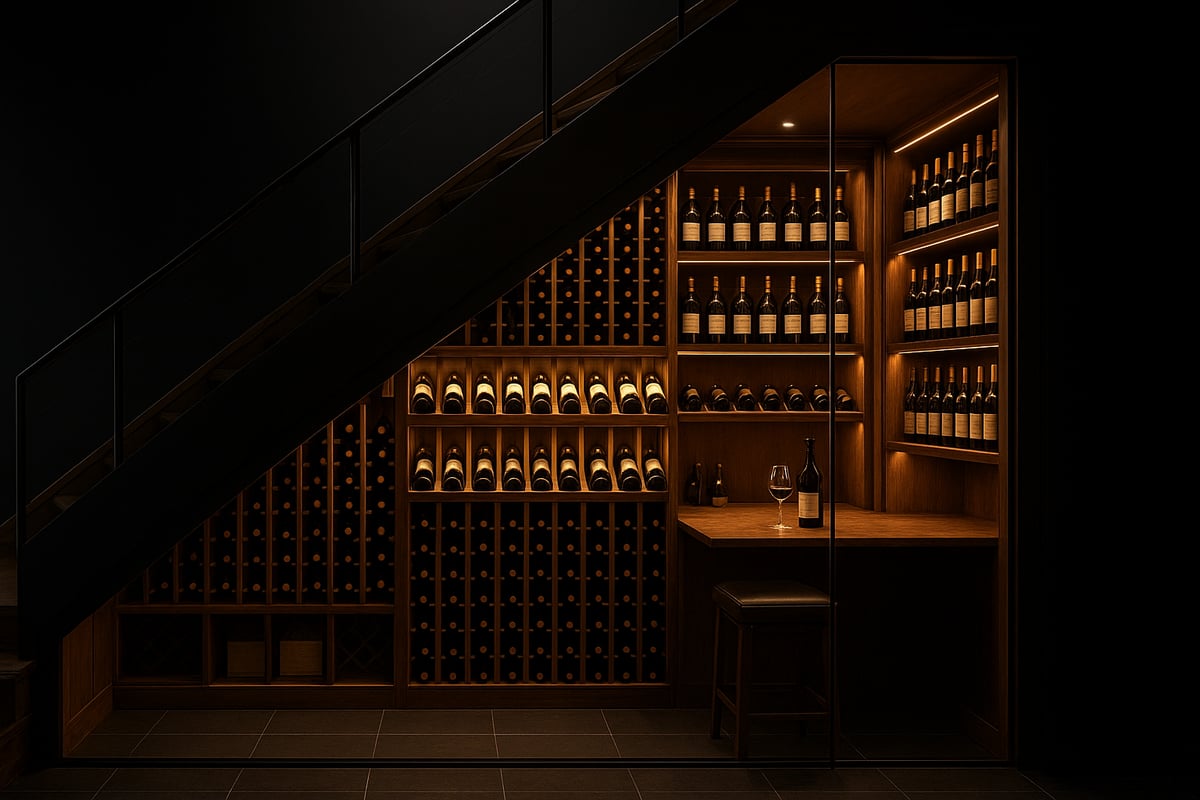
The foundation of any under stair wine cellar is its layout. In 2026, several configurations are trending, each offering distinct advantages. The Half Slope layout tucks bottles neatly beneath lower stairs, making the most of modest spaces. Full Slope cellars utilize the entire under-stair volume, maximizing capacity and visual impact. Double Wall designs line both sides of the staircase, creating a dramatic corridor effect. For those with ample square footage, Full Room and Tasting Room layouts transform the space into a private retreat.
Here's a quick comparison of popular layouts:
Layout | Best For | Pros | Cons |
|---|---|---|---|
Half Slope | Small homes | Simple, accessible | Limited capacity |
Full Slope | Medium spaces | High storage, striking look | May need custom racks |
Double Wall | Wide stairs | Display on both sides | Less floor space |
Full Room | Large homes | Max capacity, versatile | Requires more space |
Tasting Room | Entertainers | Social, immersive | Higher investment |
Glass-enclosed cellars are especially popular, blending modern elegance with visibility. For inspiration, explore Modern Glass Wine Cellars, which spotlights this trend in under stair wine cellar design. Many homeowners now incorporate tasting nooks or feature walls, even in compact spaces. In 2026, over 70 percent of new under stair wine cellar projects include glass panels or tasting elements, elevating both style and function.
Materials and Finishes: What’s Trending
Materials set the tone for your under stair wine cellar. Natural woods like mahogany and oak remain timeless choices, cherished for their warmth and durability. Modern tastes are leaning toward metal and glass, delivering a crisp, contemporary vibe. Glass enclosures, in particular, allow collections to shine while visually expanding the space.
Sustainability is also top of mind. Eco-friendly materials and reclaimed woods are increasingly sought after. Popular finishes in 2026 include matte black, brushed gold, and natural stains, each offering a unique personality. Custom cabinetry and pre-assembled racking ensure a seamless fit, even in irregular spaces. Floor-to-ceiling installations and true radius corners, borrowed from luxury cellars, are finding their way into under stair wine cellar projects.
Minimalist, contemporary, and transitional styles dominate, but there's room for personal expression. Whether you prefer sleek lines or ornate details, the right materials will balance practicality with beauty. Remember, the under stair wine cellar should complement your home's overall design, creating a cohesive and inviting atmosphere.
Lighting and Display Innovations
Lighting transforms an under stair wine cellar from storage to statement. In 2026, LED accent lights are the go-to for illuminating bottles and creating ambiance. These energy-efficient options can be installed along shelves, inside racking, or as backlit panels, highlighting prized vintages and architectural features.
Smart lighting controls are now standard, allowing you to set moods or automate schedules through your home system. Floating shelves and label-forward racking make it easy to showcase special bottles, while illuminated back panels turn the collection into art. Over 70 percent of new under stair wine cellar builds now feature integrated lighting, ensuring both function and flair.
Display features are all about customization. Highlight a rare magnum with a spotlight, or create a gallery wall of your favorite labels. The goal is to make your under stair wine cellar as visually engaging as it is practical. With the right lighting and display solutions, even the smallest cellar feels like a luxury destination.
Climate Control and Insulation Essentials
Designing a luxurious under stair wine cellar is about far more than just racks and bottles. To protect your collection and showcase it in style, you need to master climate control and insulation from the ground up. Let’s break down what you need to know to create the perfect environment for your wines.
Choosing the Right Cooling System
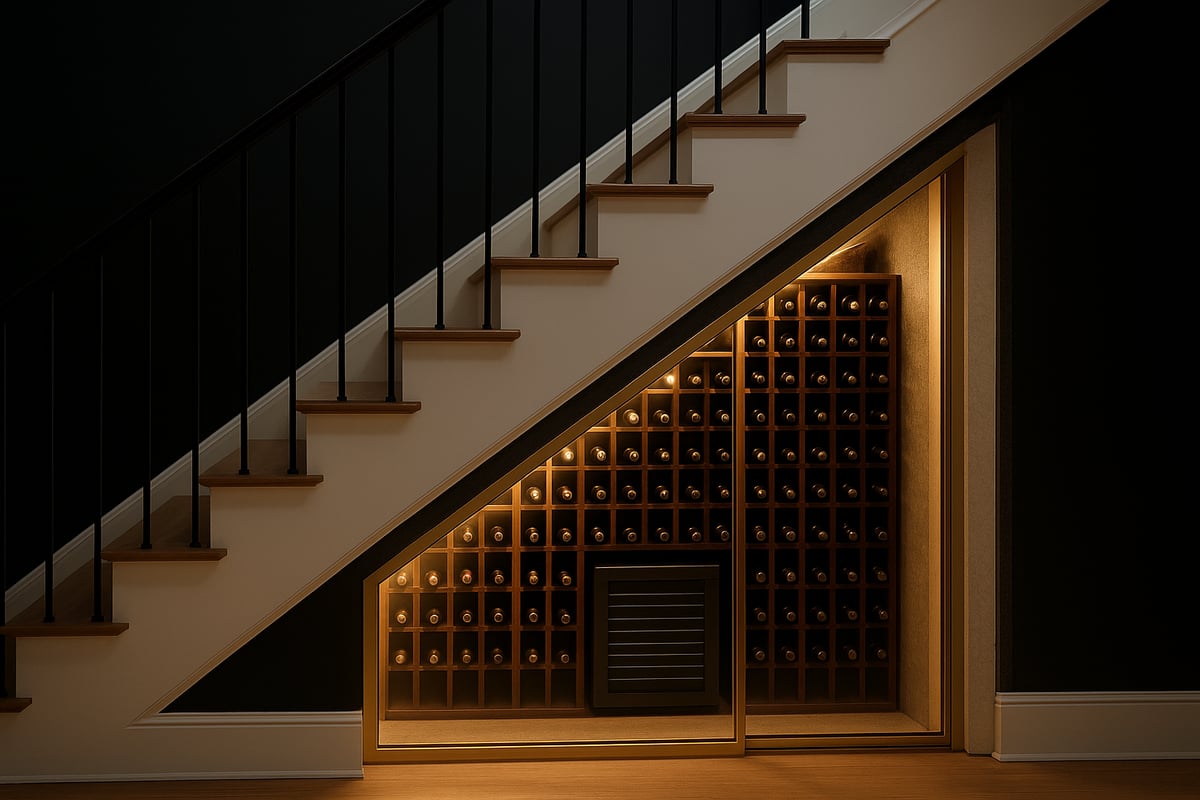
The heart of any under stair wine cellar is its cooling system. Because these spaces are compact and often irregular, you need a unit tailored to fit tight quarters while keeping noise to a minimum. The most popular options are ducted, ductless, and split systems. Each type offers unique benefits:
Cooling System | Best For | Pros | Cons |
|---|---|---|---|
Ducted | Isolated installations | Quiet, hidden | Complex install |
Ductless | Small, accessible spaces | Easy install, compact | Slightly noisier |
Split | High-end, visible cellars | Silent, efficient | Higher cost |
Sizing your cooling system correctly is essential. An oversized unit can spike humidity, while an undersized one can leave your wines vulnerable. For a deep dive on specific options and expert advice, see this guide on Wine Cellar Cooling Solutions.
Humidity control is just as important. Aim for 55% to 70% to prevent corks from drying out and labels from peeling. Modern units often include energy-efficient features to keep your under stair wine cellar both sustainable and quiet.
Insulation and Vapor Barriers
Proper insulation creates the foundation for stable temperatures in your under stair wine cellar. Insulate all walls, floors, and ceilings with materials rated at R-19 or higher in warmer climates like Texas. This prevents heat from creeping in and ensures your cooling system doesn't work overtime.
A vapor barrier is a must-have. Install it on the warm side of the insulation to keep moisture out and prevent costly water damage. Stairwell construction can pose challenges due to angled surfaces, so use spray foam or rigid board insulation for tricky spots.
Double-wall designs can add a layer of soundproofing and additional insulation. According to industry data, well-insulated cellars can lower energy costs by up to 30%. Prioritize eco-friendly insulation products to create a greener under stair wine cellar.
Monitoring and Maintenance
Even the best-designed under stair wine cellar needs ongoing attention. Smart climate monitoring systems let you check temperature and humidity from your phone, so you’re always in control. Set up alerts for sudden changes, which can help you act fast and avoid spoilage.
Routine maintenance is key. Clean filters, check seals, and service your cooling unit every six months. This prevents mold, mildew, and condensation, which are common in compact spaces.
Some professional cellar companies offer maintenance packages with performance checks and system tuning. These services are especially valuable for cellars with advanced features or high-value collections. With the right tools and habits, you can keep your under stair wine cellar performing beautifully for years to come.
Racking, Shelving, and Storage Solutions
Designing the perfect racking, shelving, and storage for your under stair wine cellar is where function meets artistry. The unique shape and scale of these spaces demand thoughtful solutions. Whether you’re a casual collector or a seasoned enthusiast, the right system ensures every bottle is not only stored safely but beautifully displayed.
Custom vs. Modular Racking
Choosing between custom and modular racking shapes the character and capacity of your under stair wine cellar. Custom racking is tailored to fit every curve and angle, maximizing storage and showcasing your collection with a seamless, built-in look. It’s ideal for irregular or compact spaces, allowing you to accommodate everything from standard bottles to magnums and cases.
Modular systems, on the other hand, offer flexibility and scalability. They come in pre-set sizes and styles, making them easier to install and adjust as your collection grows. Modular racks are typically more budget-friendly and can be rearranged if your storage needs change.
Here’s a quick comparison to help you decide:
Feature | Custom Racking | Modular Racking |
|---|---|---|
Fit | Precise, seamless | Standard sizes |
Installation | Professional | DIY-friendly |
Cost | Higher | Lower |
Scalability | Fixed | Flexible |
Aesthetic | Fully integrated | Mix-and-match |
For many, blending custom cabinetry with modular racks offers the best of both worlds. Whichever route you choose, ensure your under stair wine cellar racking supports various bottle sizes and future expansion.
Maximizing Storage Efficiency
Every inch counts in an under stair wine cellar. High-density racking systems are designed to store more bottles without sacrificing style. Consider label-forward racks for easy identification or presentation racks for highlighting special vintages. Incorporate drawers, cubbies, and display niches to make use of corners, low ceilings, and awkward angles.
Utilizing dead space is key. Floor-to-ceiling designs, true radius corners, and even the space beneath the lowest stair tread can be transformed into valuable storage. Custom racking can increase storage capacity by up to 40 percent in irregular spaces.
Need inspiration for optimizing your under stair wine cellar? Explore creative Under-Stair Wine Storage Solutions for real-world examples and design ideas.
Display and Accessibility Features
A well-designed under stair wine cellar isn’t just about storage—it’s about presentation and everyday enjoyment. Sliding shelves and pull-out drawers make it easy to access bottles without disturbing the rest of your collection. Rotating racks and label-forward displays turn your cellar into a visual centerpiece.
Safety is also a top priority. For families or homes in earthquake-prone areas, opt for racking with secure bottle cradles or locking features. If you entertain, consider integrating a tasting counter or a small prep area, making the space both functional and inviting.
Balancing accessibility with aesthetics ensures your under stair wine cellar remains a highlight of your home, ready to impress guests and serve your passion for wine.
Integrating Technology and Smart Features
The under stair wine cellar is no longer just a hidden nook, but a showcase of innovation and luxury. In 2026, technology transforms these unique spaces into smart, secure, and efficient environments. By integrating the latest gadgets and systems, you ensure your wine collection is both protected and beautifully displayed.
Smart Climate and Lighting Controls
A modern under stair wine cellar thrives on precise climate and lighting control. Wi-Fi-enabled thermostats and advanced humidity sensors maintain optimal storage conditions, crucial for preserving your collection. These systems allow you to monitor and adjust your cellar’s environment remotely, ensuring peace of mind even when you’re away.
Homeowners can schedule temperature and humidity settings, integrate controls with popular smart home platforms, and set up automated alerts for any fluctuations. Smart LED lighting not only highlights your bottles but also creates a dramatic ambiance for entertaining. With programmable lighting scenes, you can match the mood for any occasion.
For those seeking inspiration on custom integrations and high-end features, check out Custom Wine Cellar Design Tips for expert advice tailored to under stair wine cellar projects.
Security and Access Solutions
Protecting your under stair wine cellar is essential, especially when your collection includes rare or valuable bottles. Modern cellars offer lockable glass doors and cabinets, blending security with style. Keyless entry systems, including biometric fingerprint readers and app-based access, provide both convenience and peace of mind.
For added security, many designs incorporate discreet surveillance cameras. These systems can be monitored from your smartphone, letting you keep an eye on your cellar from anywhere. This seamless integration of safety features ensures that only authorized users can access your prized wines, whether you’re home or traveling.
Wine Inventory Management
Managing a growing wine collection in your under stair wine cellar is effortless with digital tools. Barcode scanning, RFID tagging, and app-based inventory systems streamline organization by varietal, region, or vintage. These platforms help you locate bottles quickly and even track optimal drinking windows.
Set up alerts for low stock or to remind you when a bottle is at its peak. In 2026, data shows that over half of new cellars include digital management tools as a standard feature. This not only enhances your cellar’s functionality, it elevates the entire wine collecting experience.
Working with a Professional: When and Why
Thinking about transforming your under stair wine cellar vision into reality? Partnering with a seasoned professional can make the difference between a challenging DIY project and a stunning, functional showcase that stands the test of time.
Benefits of Professional Design and Build Services
A professional brings expertise and creativity to every under stair wine cellar project. They start by assessing your unique space, identifying hidden challenges like structural quirks, insulation needs, and access to utilities.
Working with experts means you benefit from:
Creative solutions for awkward or sloped spaces
Access to premium materials and custom racking
Proper insulation, climate control, and code compliance
Streamlined project management from start to finish
Professionals also ensure your cellar maintains ideal storage conditions. For example, they follow wine cellar insulation best practices, safeguarding your collection from temperature swings and moisture issues. This level of detail protects your investment and elevates your home's value.
Professional teams can anticipate future needs, designing with expansion and collection growth in mind. Their experience helps avoid costly mistakes and ensures a seamless process for any under stair wine cellar build.
Prestige Wine Cellars: Luxury Custom Wine Cellar Solutions
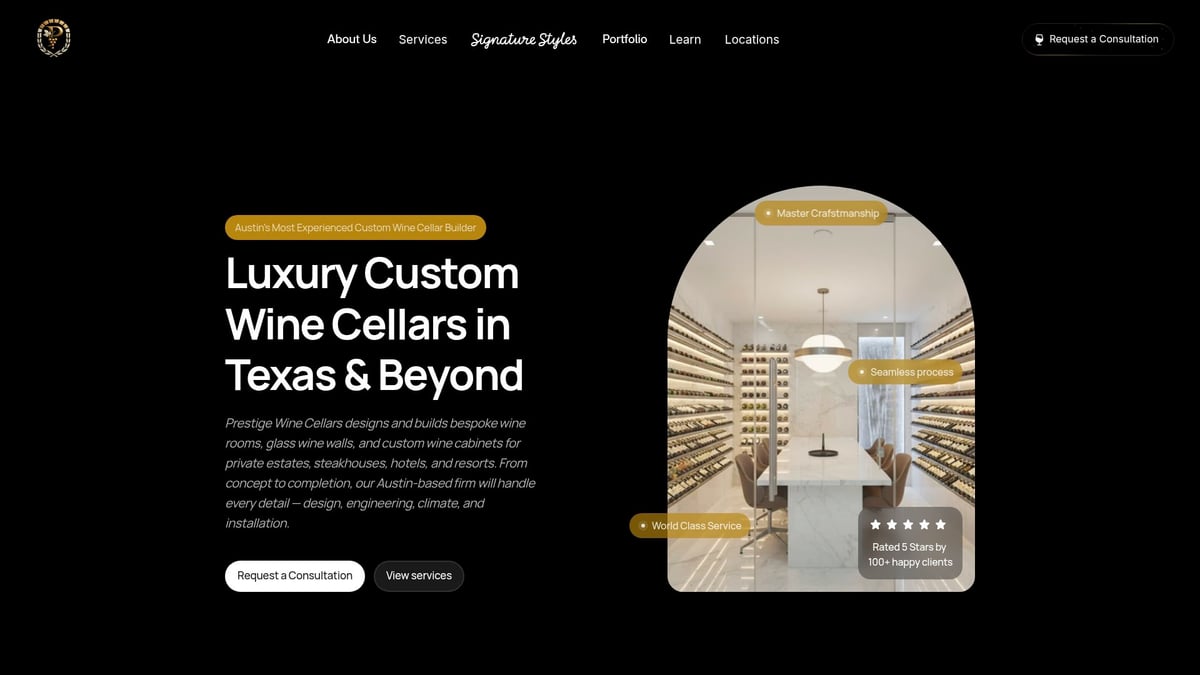
Prestige Wine Cellars stands out as a leader in luxury under stair wine cellar design and construction. Their team blends art, engineering, and innovation to turn overlooked spaces into timeless cellars.
What sets Prestige apart?
Bespoke designs tailored for under stair wine cellar installations
Engineering expertise for challenging layouts and climate control
Full-service project management, from consultation to maintenance
Seamless integration of premium materials and finishes
Clients enjoy personalized consultations and transparent proposals, ensuring every detail aligns with their vision. Prestige's portfolio includes high-profile projects throughout Texas, featuring floor-to-ceiling racking, glass enclosures, and smart features.
Choosing Prestige means investing in craftsmanship, technical precision, and ongoing support. Your under stair wine cellar becomes a lasting centerpiece, crafted for both beauty and performance.
DIY vs. Professional Installation
While some homeowners consider a DIY under stair wine cellar build, it's important to weigh the pros and cons. DIY can offer cost savings and creative control, but often requires advanced carpentry, climate expertise, and code compliance knowledge.
Professionals bring:
Custom solutions for irregular spaces
Reliable timelines and fewer surprises
Access to specialized materials and tools
A side-by-side comparison helps clarify:
Approach | Pros | Cons |
|---|---|---|
DIY | Lower upfront cost, hands-on | Risk of errors, limited finishes, time |
Professional | Expertise, quality, efficiency | Higher cost, less DIY control |
Consulting an expert is wise for complex designs, challenging layouts, or when optimal storage conditions are crucial. Many competitor projects demonstrate that professional input leads to superior, long-lasting under stair wine cellar installations.
Cost Planning, Budgeting, and Project Timeline
Transforming an under stair wine cellar from vision to reality requires careful financial planning, smart budgeting, and a clear understanding of the project timeline. Knowing what to expect helps you avoid surprises and ensures your investment delivers lasting value.
Estimating Project Costs
Project costs for an under stair wine cellar can vary widely. The main factors include the size of your space, choice of materials, type of cooling system, and whether you opt for custom or modular elements. In 2026, most under stair wine cellar installations range from $5,000 for a basic setup to $30,000 or more for high-end, fully custom designs.
Here is a sample cost breakdown:
Component | Budget-Friendly | Premium |
|---|---|---|
Design/Planning | $500 | $2,500 |
Materials | $1,500 | $10,000 |
Cooling System | $1,000 | $5,000 |
Racking/Shelving | $1,000 | $7,000 |
Lighting/Finishes | $500 | $3,500 |
Installation | $500 | $2,000 |
Custom glass enclosures and luxury finishes command higher prices. For more ideas on premium layouts and finishes, explore Innovative Wine Cellar Designs. Remember, your under stair wine cellar should reflect both your taste and your budget.
Setting a Budget and Avoiding Surprises
Setting a realistic budget for your under stair wine cellar is crucial. Begin by listing must-have features, then identify nice-to-have upgrades. Always leave room for contingencies—hidden costs are common in home projects.
Common hidden costs include:
Structural modifications for stair support
Building permits and inspections
Electrical and lighting upgrades
Upgraded cooling or insulation for challenging spaces
Prioritize items that directly impact wine storage quality, such as climate control and insulation. When reviewing proposals, request detailed estimates and timelines. Transparent pricing and clear communication with your contractor help you avoid last-minute expenses. Planning ahead ensures your under stair wine cellar is completed on time and within budget.
Project Timeline: From Concept to Completion
Most under stair wine cellar projects take between 4 and 12 weeks, depending on complexity and customization. The process typically unfolds in these phases:
Consultation and space assessment
Design and material selection
Permitting (if required)
Construction and installation
Finishing touches and final walkthrough
Delays can happen, especially if materials are backordered or permits take longer than expected. Working with experienced professionals keeps your project on track. Clear scheduling and proactive communication are key. The right team ensures your under stair wine cellar is delivered efficiently and meets your expectations.
Future-Proofing Your Investment
A well-planned under stair wine cellar adds value to your home and adapts as your needs evolve. Design with future collection growth in mind by choosing flexible racking and modular components. Technology upgrades, such as smart lighting and digital inventory management, keep your cellar current and user-friendly.
Maintenance matters. Schedule regular checkups for your cooling unit, and monitor for humidity issues. Investing in quality materials and professional installation pays off over time. If you ever sell, a thoughtfully designed under stair wine cellar can enhance your property’s appeal and resale value. For guidance on maintaining optimal conditions, consult resources like the Wine Cellar Climate Control Guide.
Transforming the space under your stairs into a breathtaking wine cellar is more than just a design trend—it’s a celebration of your collection and your unique style. Whether you’re envisioning a sleek glass showcase, custom racking for rare vintages, or seamless climate control, the possibilities are as limitless as your imagination. If you’re ready to bring your vision to life or want expert guidance on every detail from layout to finishing touches, let’s take the next step together. Reach out today and start your journey toward a cellar that’s as exceptional as your wine.
Your Dream Wine Cellar Starts Here
Let our design team craft a cellar that matches your taste, space, and your collection — built for beauty, function, and prestige.

Email us at
Serving Austin, Dallas–Fort Worth, Houston & San Antonio