
Lakeway Wine Cellar Installation: Read Before You Build
Discover everything about Lakeway wine cellar installation, from design choices to climate control. Expert insights for luxury wine storage.
Nestled along the shores of Lake Travis, Lakeway represents one of Texas Hill Country's most distinguished communities, where luxury living meets natural beauty. For discerning homeowners in this area, a properly designed wine cellar installation transforms more than just storage space-it creates a centerpiece that reflects sophistication and passion for fine wine. Whether you're planning a traditional wood-railed cellar or a contemporary glass-enclosed showpiece, understanding the unique considerations for Lakeway wine cellar installation ensures your investment protects your collection while elevating your home's aesthetic and value.
Understanding the Lakeway Climate Challenge
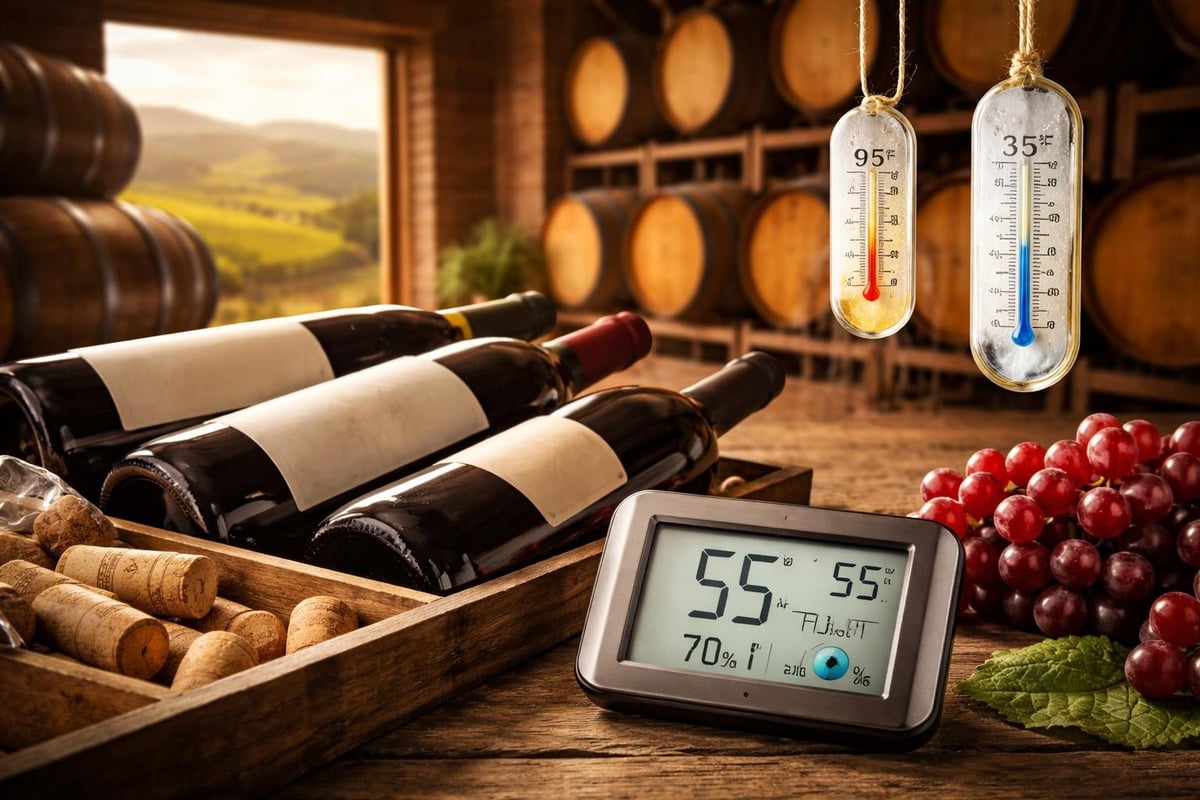
The Central Texas climate presents specific challenges that directly impact wine storage solutions. Lakeway experiences hot, humid summers with temperatures regularly exceeding 95°F and mild winters that rarely see sustained freezing conditions.
These environmental factors require specialized approaches:
High humidity levels demand robust moisture management systems
Extreme temperature fluctuations necessitate commercial-grade cooling units
Seasonal variations require year-round climate stability
Lake proximity can introduce additional humidity considerations
Unlike wine cellars in temperate climates, a lakeway wine cellar installation must combat persistent heat and humidity to maintain the ideal 55-60°F temperature and 60-70% humidity range. This makes selecting the right cooling system absolutely critical rather than optional. The proper placement and ambient temperature considerations become essential planning elements from day one.
Choosing the Perfect Location Within Your Home
Location determines everything from construction complexity to long-term performance. The best spaces for lakeway wine cellar installation typically share certain characteristics that optimize both function and visual impact.
Interior vs. Below-Grade Spaces
Below-grade locations naturally maintain cooler temperatures, reducing the workload on climate control systems. However, Lakeway's rocky terrain and elevation variations can make basement installations more challenging and expensive than in other regions.
Interior ground-level options include:
Under-staircase conversions for compact collections
Former closets or pantries requiring minimal structural modification
Repurposed guest rooms offering maximum design flexibility
Kitchen-adjacent spaces for convenient access during entertaining
Ground-level installations actually offer advantages in the Lakeway market. They typically cost less to construct, provide easier access for maintenance, and can incorporate stunning glass-enclosed designs that become architectural focal points visible from entertaining spaces.
Avoiding Problem Areas
Certain locations compromise wine cellar performance regardless of investment in climate control. Exterior walls exposed to western sun create constant thermal loads. Spaces above garages experience temperature extremes. Areas near laundry rooms or kitchens introduce excess heat and vibration.
The ideal location sits on an interior wall away from heat sources, features minimal window exposure, and provides adequate space for proper insulation and cooling unit installation. When evaluating your Lakeway home, consider how you'll access the space during entertaining while maintaining the privacy serious collectors prefer.
Design Styles That Complement Hill Country Architecture
Lakeway homes range from traditional Hill Country ranch estates to contemporary lakefront properties with walls of glass overlooking the water. Your wine cellar design should harmonize with your home's existing aesthetic while expressing your personal style.
Design Style | Best For | Key Features | Typical Bottle Capacity |
|---|---|---|---|
Traditional Wood | Classic estates | Mahogany or walnut rails, crown molding, ladder systems | 1,000-5,000+ bottles |
Modern Minimalist | Contemporary homes | Cable racking, LED accents, metal and glass | 500-2,000 bottles |
Transitional | Versatile spaces | Mixed materials, clean lines with warm finishes | 750-3,000 bottles |
Glass Showpiece | Open-concept layouts | Floor-to-ceiling glass walls, dramatic lighting | 300-1,500 bottles |
Traditional wine cellars featuring classic wood remain timelessly elegant, particularly in established Lakeway neighborhoods. The richness of hand-selected hardwoods creates warmth and sophistication that complements Hill Country architecture beautifully.
For lakefront properties with contemporary design, modern wine cellar aesthetics incorporate sleek materials like brushed metal, frameless glass, and innovative LED lighting systems. These installations become sculptures that showcase bottles as art while maintaining precise environmental control.
The portfolio of completed Lakeway projects demonstrates how custom design adapts to diverse architectural styles while maintaining the functionality serious collectors require.
Engineering Climate Control for Texas Conditions
Climate control represents the single most critical system in any lakeway wine cellar installation. Without proper temperature and humidity regulation, even the most beautiful cellar fails its primary purpose: preserving wine.
Sizing Your Cooling System
Cooling unit capacity depends on multiple factors beyond simple square footage. Heat load calculations must account for insulation quality, glass square footage, ambient room temperature, ceiling height, and bottle capacity.
Essential cooling system considerations:
Self-contained units work well for cellars under 500 cubic feet with ducting access
Split systems offer quieter operation and flexibility for larger or remote installations
Ducted systems maintain aesthetic purity by hiding equipment entirely
Redundant systems provide backup protection for valuable collections
Professional wine cellar cooling installation requires proper drainage, adequate airflow, and strategic placement to ensure even temperature distribution throughout the space. In Lakeway's climate, undersizing the cooling capacity by even 10% can result in constant system operation, premature failure, and compromised wine quality.
Insulation and Vapor Barriers
The cellar envelope must be completely sealed and insulated to R-19 or higher on all six sides-walls, ceiling, and floor. This level of insulation prevents thermal transfer and reduces cooling system workload.
A continuous vapor barrier on the warm side of the insulation prevents moisture infiltration that could lead to mold growth or structural damage. This becomes especially important in Lakeway installations where summer humidity regularly exceeds 70%.
Material Selection and Construction Quality
The materials you choose impact both immediate aesthetics and long-term performance. Quality lakeway wine cellar installation demands materials that withstand constant cool temperatures and elevated humidity without warping, cracking, or deteriorating.
Racking Materials
Material | Advantages | Considerations | Maintenance |
|---|---|---|---|
Mahogany | Rich color, exceptional durability | Higher cost, requires sealing | Minimal |
Walnut | Beautiful grain, strong structure | Premium pricing | Low |
Metal (powder-coated) | Modern aesthetic, unlimited configurations | Can feel cold to touch | Very low |
Acrylic/Glass | Contemporary look, bottle visibility | Requires careful handling | Regular cleaning |
Selecting appropriate wine cellar materials goes beyond aesthetics. In humid environments, certain woods perform better than others. Proper sealing and finishing protect against moisture damage while allowing materials to acclimate to cellar conditions gradually.
Glass Wall Considerations
Glass-enclosed wine cellars create stunning visual impact, particularly in open-concept Lakeway homes where the cellar becomes a living architectural element. However, glass introduces additional heat load that must be compensated for with increased cooling capacity.

Low-E insulated glass minimizes heat transfer while maintaining clarity. Door systems require specialized seals that maintain airtight closure without compromising the seamless aesthetic. The investment in proper glass specification pays dividends in both energy efficiency and visual drama.
The Installation Process Timeline
Understanding what to expect during lakeway wine cellar installation helps you plan around construction and set realistic timelines for project completion.
Phase One: Design and Engineering (1-2 weeks)
Initial consultation establishes your vision, collection size, and budget parameters. Detailed measurements and site evaluation identify any structural considerations. Design development produces 3D renderings that bring your concept to life.
Engineering specifies climate control equipment, insulation requirements, and electrical needs. This phase concludes with comprehensive construction documents that guide the entire installation process.
Phase Two: Site Preparation (1-3 days)
The existing space is cleared and prepared for construction. This may include:
Removing existing flooring, drywall, or fixtures
Upgrading electrical service for cooling equipment
Installing dedicated circuits for lighting and climate control
Addressing any moisture issues or structural repairs
Phase Three: Construction (1-2 weeks)
Framing creates the cellar envelope with proper insulation cavity depth. The vapor barrier is installed continuously across all surfaces. Insulation fills every cavity to specified R-values.
Climate control equipment is positioned and connected. Drywall or other wall finishes are installed and finished to showroom quality. Flooring goes down-often stone, tile, or engineered wood that tolerates cellar conditions.
Phase Four: Millwork and Finishing (8-12 weeks)
Custom racking is fabricated to exact specifications and installed with precision. Glass walls, if specified, are measured to final dimensions and installed. Lighting systems are positioned to highlight bottles without generating excessive heat.
Final touches include hardware installation, door adjustments, and thorough cleaning. The climate control system undergoes commissioning to verify proper operation and calibration.
Maintenance and Long-Term Care
A properly executed lakeway wine cellar installation requires surprisingly little maintenance when systems are specified correctly from the beginning. However, certain routine care ensures decades of reliable performance.
Essential maintenance tasks include:
Monthly: Check temperature and humidity readings for consistency
Quarterly: Inspect door seals for wear and proper closure
Semi-annually: Clean cooling unit filters and coils
Annually: Professional system service and refrigerant level check
The cooling system represents the cellar's heart. Professional wine cellar maintenance catches small issues before they become catastrophic failures. In Lakeway's demanding climate, semi-annual professional service typically costs $500 and is required by manufacturers to warranty their products, but also protects collections worth many thousands or even millions of dollars.

Investment Considerations and Home Value Impact
Quality lakeway wine cellar installation represents a significant investment that ranges from $40,000 for compact conversions to $250,000+ for showpiece installations with extensive capacity and luxury finishes.
Cost Breakdown by Component
Most installations allocate budget roughly as follows:
Climate control system: 10-25%
Custom racking and millwork: 10-20%
Construction and insulation: 20-25%
Glass walls and doors: 10-25% (if specified)
Lighting and accessories: 5-10%
Understanding whether you need a wine cellar depends partly on collection size and entertaining habits. For serious collectors with 500+ bottles, proper storage isn't optional, it's essential protection for a valuable asset.
The impact on home value varies by property tier and buyer demographics. In luxury Lakeway real estate where wine appreciation is common among buyers, professionally installed cellars often return 50-70% of installation cost at resale while providing full enjoyment value during ownership.
Working With Installation Professionals
The complexity of lakeway wine cellar installation combining climate engineering, millwork craftsmanship, and design sophistication makes professional expertise invaluable. Selecting a design-build partner with comprehensive experience ensures cohesive execution from concept through completion.
Questions to ask potential installation partners:
How many cellars have you completed in the Lakeway/Austin area specifically?
Can you provide references from clients with similar project scope?
Do you handle all trades or coordinate subcontractors?
What warranties cover climate control equipment and custom millwork?
How do you handle unexpected site conditions or change orders?
Visiting completed installations provides insight into craftsmanship quality and design capabilities. The extensive portfolio of custom wine cellar designs demonstrates how experienced builders adapt to diverse spaces and styles while maintaining uncompromising quality standards.
Regional expertise matters tremendously. Builders familiar with Lakeway's building codes, typical home construction, and climate challenges deliver solutions engineered specifically for local conditions rather than importing generic approaches from other markets.
Unique Opportunities in Lakeway Properties
Lakeway homes often feature architectural elements that create exceptional wine cellar opportunities. Homes built into hillsides may have partially below grade spaces ideal for cellars. Properties with lake views can position glass-walled cellars to capture natural light while maintaining climate control.
Many Lakeway residents entertain frequently, making wine cellar location and accessibility strategic considerations. Positioning the cellar between kitchen and dining areas facilitates service without constant trips to remote storage. Designing a wine cellar that balances function and entertainment value requires thinking beyond pure storage to consider how you'll use the space.
The growing Lakeway restaurant and hospitality scene also creates opportunities for commercial wine cellar installations in steakhouses, resort properties, and event venues where wine programs differentiate the guest experience. These projects demand even more robust climate control and often incorporate display elements that showcase bottles as part of the dining atmosphere.
Creating a exceptional wine cellar in Lakeway requires balancing aesthetic vision with engineering precision, adapted specifically to Texas Hill Country's demanding climate. From initial concept through final commissioning, every decision impacts how well your cellar protects and presents your collection. Whether you're planning an intimate 300-bottle room or an expansive collector's showcase, Prestige Wine Cellars brings decades of specialized experience to Lakeway wine cellar installation projects. Their comprehensive approach ensures your investment delivers both immediate visual impact and generations of reliable performance.
Your Dream Wine Cellar Starts Here
Let our design team craft a cellar that matches your taste, space, and your collection — built for beauty, function, and prestige.

Email us at
Visit our office