
Custom Wine Cellar Leander: Design & Build Guide 2026
Expert guide to custom wine cellar design and construction in Leander, TX. Learn about climate control, materials, and luxury solutions.
Nestled just northwest of Austin, Leander has emerged as one of Texas's most desirable communities for homeowners who appreciate the finer things in life. As wine collecting has evolved from hobby to passion for many residents in this thriving city, the demand for sophisticated storage solutions has grown exponentially. A custom wine cellar Leander homeowners can be proud of represents more than just climate-controlled storage-it's an investment in preserving liquid treasures while creating an architectural focal point that elevates your entire home. Whether you're a seasoned collector with hundreds of bottles or just beginning to curate your personal wine library, understanding the nuances of custom cellar design ensures your investment protects your collection for decades to come.
Understanding Leander's Climate Challenges
Texas heat presents unique challenges for wine storage that demand professional expertise and precision engineering. Leander experiences summer temperatures that routinely exceed 95°F, creating substantial thermal stress on any climate-controlled environment.
Why Standard Storage Falls Short
Your wine collection deserves better than a closet or basement corner. Temperature fluctuations, humidity swings, and exposure to light can irreparably damage even modest collections within months. Wine requires consistent conditions: 55-58°F temperature and 60-70% relative humidity year-round.
The critical factors in wine cellar construction extend far beyond installing a cooling unit. Vapor barriers, insulation R-values, and door sealing all work in concert to maintain ideal conditions.
Leander's climate demands particular attention to:
Thermal load calculations accounting for extreme summer heat
Vapor barrier placement to prevent moisture infiltration
Insulation specifications exceeding standard residential requirements
Cooling system redundancy for uninterrupted protection
Design Approaches for Leander Homes
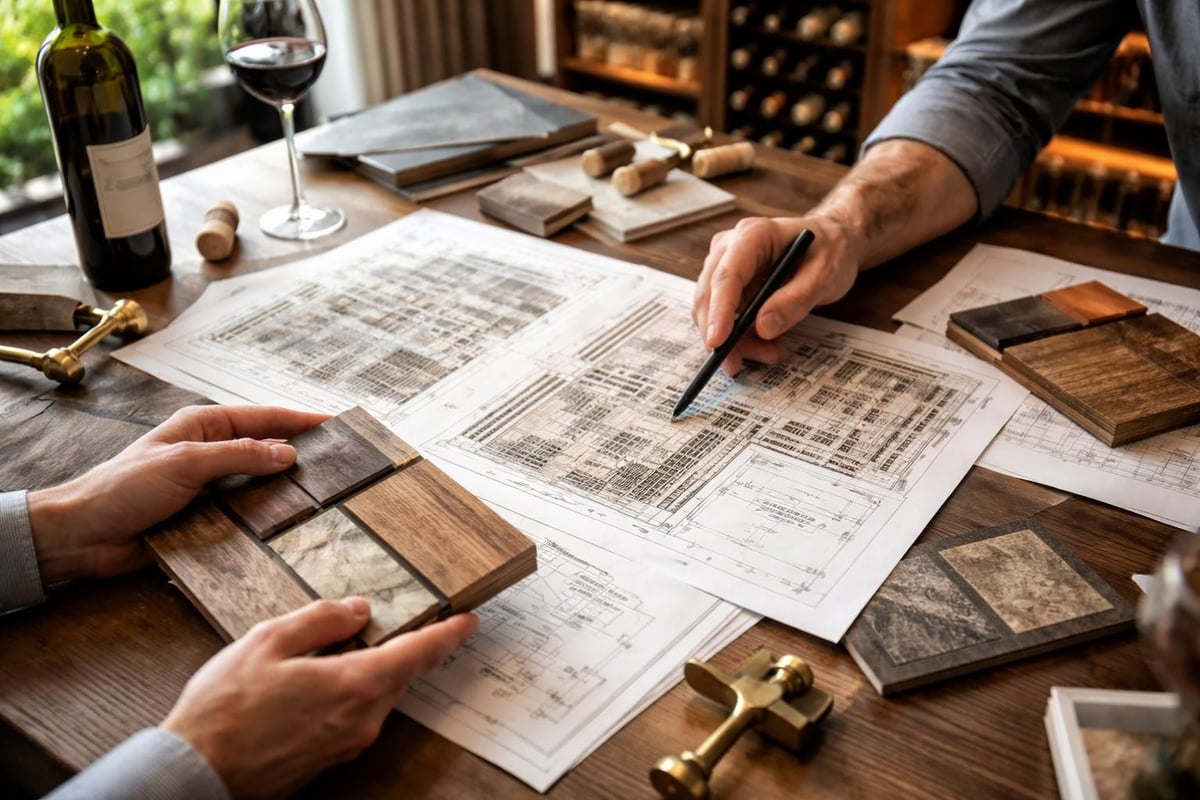
Every custom wine cellar Leander residents commission begins with understanding how the space integrates into your home's architecture and your lifestyle. The most successful projects harmonize aesthetic vision with technical precision.
Matching Architectural Styles
Leander showcases diverse architectural styles, from Hill Country contemporary to Texas traditional. Your wine cellar should feel like a natural extension of your home's character, not an afterthought.
Contemporary homes benefit from glass-enclosed wine walls that create transparent displays while maintaining climate control. These glass-enclosed showpiece cellars transform wine storage into living art visible from dining rooms or entertaining spaces.
Traditional estates call for classic wood racking systems in mahogany, cherry, or walnut. Rich wood tones and crown molding details create the ambiance of European wine caves while providing modern functionality.
Space Planning Fundamentals
Location Type | Capacity Range | Key Considerations |
|---|---|---|
Spare Bedroom | 1,000-3,000 bottles | Existing HVAC conflicts, window removal |
Under Stairs | 300-800 bottles | Irregular dimensions, creative racking |
Basement | 2,000-5,000+ bottles | Moisture control, accessibility |
Climate Closet | 500-1,500 bottles | Compact efficiency, door sealing |
The blueprint for crafting a custom wine cellar requires meticulous attention to spatial relationships. Bottle capacity, display preferences, and future collection growth all influence the optimal layout.
Technical Specifications That Matter
Building a custom wine cellar Leander homeowners trust requires adherence to exacting technical standards. Cutting corners on construction fundamentals compromises both performance and longevity.
Insulation and Vapor Barriers
Proper insulation isn't optional-it's the foundation of climate stability. Walls require R-19 insulation minimum, while ceilings demand R-30 or higher. The preparation guidelines for custom wine cellars detail specific requirements that professional installers follow religiously.
Vapor barriers must be installed on the warm side of insulation-the exterior of cellar walls facing conditioned living spaces. Six-mil polyethylene sheeting, properly sealed at seams and penetrations, prevents moisture migration that would otherwise compromise insulation effectiveness.
Common construction mistakes include:
Installing vapor barriers on the wrong side
Using insufficient insulation R-values
Neglecting ceiling insulation entirely
Failing to seal electrical penetrations
Installing standard residential doors instead of exterior-grade units
Climate Control Systems
Your cooling system represents the heart of your wine cellar's life support. Undersized units run constantly and fail prematurely, while oversized systems cycle too frequently, creating temperature swings.
Professional heat load calculations account for:
Wall, ceiling, and floor surface areas
Insulation R-values throughout
Glass surface dimensions and exposure
Ambient room temperatures
Desired internal temperature
Climate zone and seasonal variations
The design and cooling guidance for wine cellars from industry experts emphasizes proper system sizing as the most critical specification decision.
Material Selection and Aesthetics
The materials you select for your custom wine cellar Leander installation define both visual impact and functional performance. Quality materials justify their cost through decades of reliable service and timeless beauty.
Racking Systems Comparison
Material | Aesthetic | Durability | Price Point | Best For |
|---|---|---|---|---|
Mahogany | Rich, traditional | Excellent | $$$ | Classic estates |
Walnut | Warm, sophisticated | Excellent | $$$$ | Luxury installations |
Metal | Modern, industrial | Superior | $$-$$$ | Contemporary designs |
Acrylic | Sleek, minimalist | Very Good | $$$ | Modern showcases |
Quality wine cellar materials extend beyond racking to include flooring, lighting, and hardware selections. Stone or tile flooring provides moisture resistance, while LED lighting prevents heat generation and UV exposure.
Door Selection Criteria
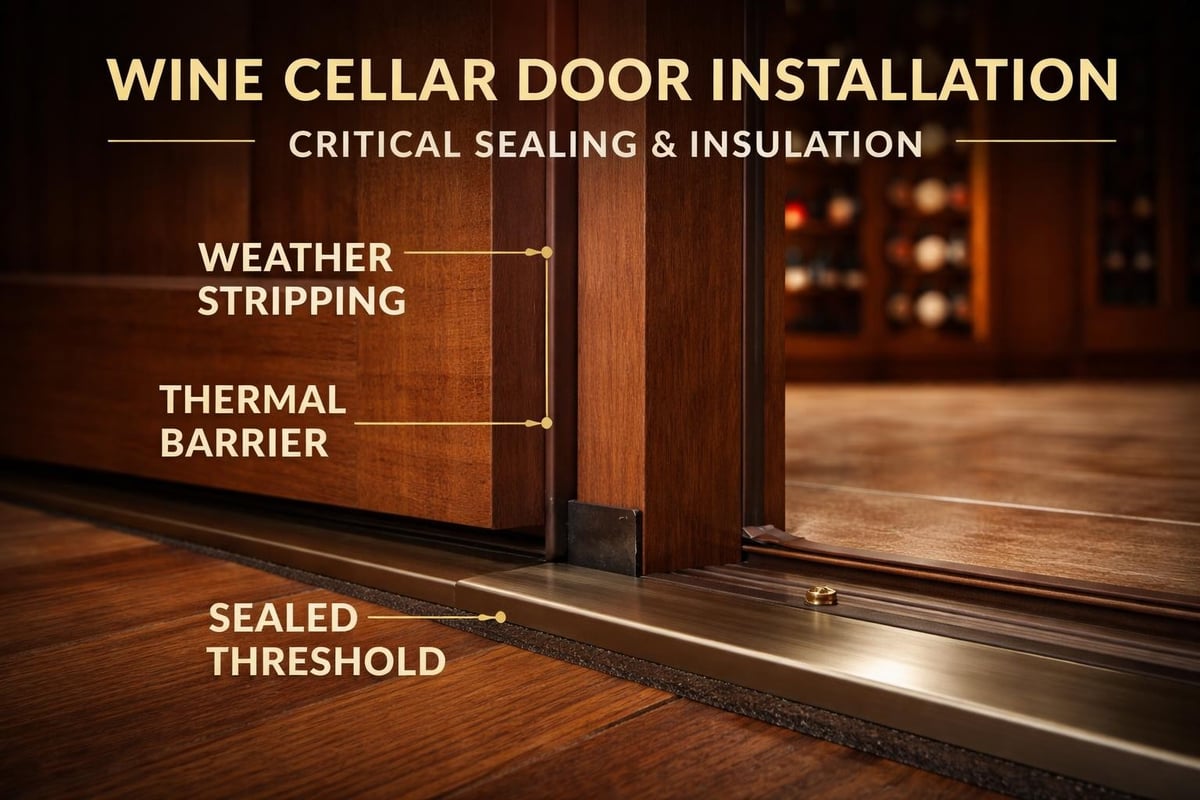
Your cellar door serves as the primary thermal barrier between controlled and ambient environments. Exterior-grade doors with weather stripping provide necessary sealing performance that interior doors cannot match.
Glass doors offer dramatic visual impact but require special consideration. Triple-pane, thermally broken glass systems maintain insulation values while enabling display visibility. Proper installation includes threshold seals and automatic door sweeps.
The Design-Build Process
Creating a custom wine cellar Leander residents cherish involves multiple phases, each building upon previous steps. Understanding the timeline and milestones helps you plan accordingly.
Initial Consultation and Concept
Your journey begins with understanding your vision, collection size, and growth projections. Professional designers assess your space, discuss aesthetic preferences, and review budget parameters. This phase typically requires one to two weeks.
During initial meetings, we explore:
Current collection size and future acquisitions
Preferred wine storage configurations (individual bottles, case storage, large format)
Display priorities versus bulk storage needs
Integration with existing home systems
Access requirements and traffic flow
Design Development
Following concept approval, detailed drawings specify every element. CAD renderings show precisely how your cellar will appear, while technical drawings guide construction teams. This phase generally spans two to three weeks.
The comprehensive approach to turnkey wine cellar design-build services streamlines coordination between design, engineering, and construction phases.
Construction and Installation
Site preparation: Framing modifications, electrical rough-in
Insulation and barriers: Professional installation per specifications
Climate system: Equipment mounting and refrigerant line installation
Interior finishing: Drywall, painting, flooring
Racking installation: Custom millwork and hardware mounting
Final commissioning: System testing and calibration
Construction typically requires four to eight weeks depending on project scope and complexity. The preparation steps for wine cellar installation ensure your space is ready before construction begins.
Customization Options for Collectors
No two collections are identical, and your custom wine cellar Leander design should reflect your unique requirements. Thoughtful customization transforms functional storage into a personalized wine sanctuary.
Specialized Storage Solutions
Magnum and large format racking accommodates bottles larger than standard 750ml sizes. These specialized sections prevent costly bottles from resting precariously in standard openings.
Case storage areas provide efficient bulk storage for wines you purchase by the case. Deep bins or diamond bins maximize capacity while maintaining accessibility.
Display rows at eye level showcase your most prized bottles, creating conversation pieces during entertaining. Individual bottle lighting can highlight special vintages or vertical collections.
Technology Integration
Modern wine cellars incorporate sophisticated monitoring and control systems. Smartphone-connected sensors alert you immediately to temperature or humidity deviations, protecting your investment even when you're traveling.
Inventory management software helps serious collectors track:
Bottle locations within the cellar
Purchase dates and costs
Drinking windows and maturity curves
Cellar value fluctuations
Consumption patterns
Maintenance and Long-Term Care
Protecting your investment extends beyond initial construction. Regular maintenance ensures your custom wine cellar Leander installation continues performing flawlessly for decades.
Routine Service Requirements
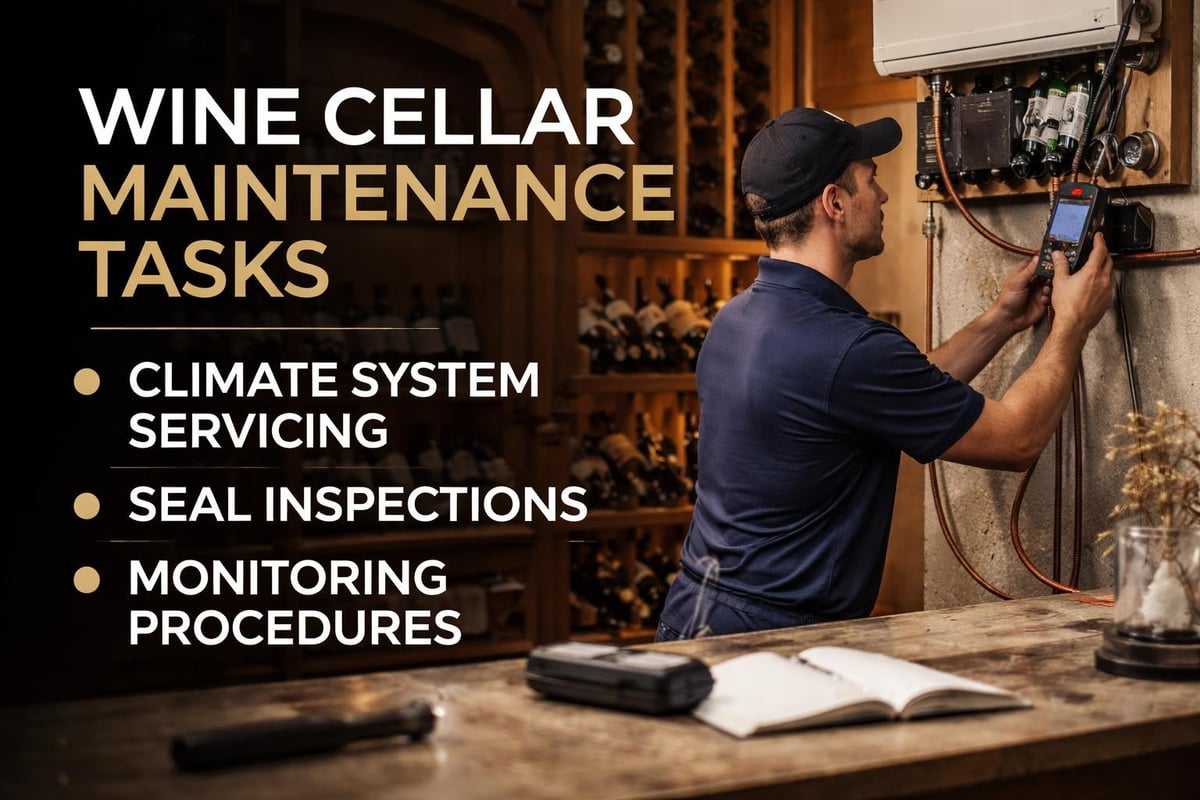
Climate control systems require annual professional servicing. Refrigerant levels, condenser coils, and electrical connections all need periodic inspection. Most systems include washable filters requiring quarterly cleaning.
Monthly monitoring should include:
Temperature verification with calibrated thermometer
Humidity level confirmation
Door seal inspection
Lighting function check
Cooling system operation sounds
The importance of wine cellar maintenance cannot be overstated. Small issues caught early prevent catastrophic failures that could endanger entire collections.
Seasonal Considerations
Texas summers place maximum demand on cooling systems. Before peak heat arrives, schedule professional maintenance to ensure optimal performance when your system works hardest.
Winter months in Leander can bring occasional freezes. While your cellar maintains consistent temperature, ensure backup power options protect against outages. Battery backup systems or whole-home generators provide peace of mind during severe weather events.
Investment Considerations and Value
A custom wine cellar Leander homeowners commission represents significant investment in both their collection and property. Understanding the financial aspects helps you make informed decisions aligned with your goals.
Construction Cost Factors
Project costs vary based on numerous variables. A compact 500-bottle cellar might begin around $80,000, while extensive 3,000+ bottle installations can exceed $500,000. Key cost drivers include:
Square footage and bottle capacity
Racking material selections
Climate system complexity
Architectural finishes and millwork
Glass walls or specialty features
Exploring signature styles helps align aesthetic preferences with budget realities. Different approaches offer varying cost-to-impact ratios.
Return on Investment
Quality wine cellars add substantial value to luxury homes. Discriminating buyers in Leander's premium neighborhoods expect sophisticated amenities. A professionally designed cellar demonstrates attention to detail and commitment to quality throughout the home.
Beyond property value, proper storage prevents wine spoilage. A single case of premium Bordeaux or California cult Cabernet can represent thousands of dollars. Protecting those bottles from heat damage pays for sophisticated storage many times over.
Working with Design Professionals
Selecting the right partner for your custom wine cellar Leander project determines success or frustration. The difference between competent execution and exceptional results lies in experience, attention to detail, and commitment to excellence.
Evaluating Expertise
Review portfolio examples showcasing completed projects similar to your vision. Look for technical proficiency alongside aesthetic sophistication. Projects should demonstrate proper construction methodology, not just attractive finishes.
Ask potential partners about:
Years of specialized wine cellar experience
In-house versus subcontracted capabilities
Climate system warranties and service availability
References from recent clients
Membership in industry organizations
The Collaborative Process
The best projects emerge from genuine collaboration between homeowner and designer. Your insights about how you use your collection inform functional decisions, while professional expertise ensures technical excellence.
Clear communication throughout the project prevents misunderstandings and ensures your vision translates accurately into reality. Regular progress updates, decision points clearly identified, and transparent budget management build confidence and trust.
Regional Considerations for Leander
Leander's position in the Austin metropolitan area presents specific opportunities and challenges for custom wine cellar projects. Understanding local factors helps optimize your investment.
Building Codes and Permits
Wine cellar construction typically requires building permits, particularly for electrical and HVAC work. Professional installers navigate local requirements seamlessly, ensuring compliance without delays.
Leander's building department reviews plans for structural modifications, electrical capacity, and mechanical systems. Working with experienced professionals who understand Texas wine cellar requirements streamlines approval processes.
Proximity to Austin Wine Culture
Leander residents enjoy easy access to Austin's thriving wine scene, from tasting rooms to collector events. As your appreciation deepens, your cellar grows alongside your knowledge. Designing with future expansion in mind accommodates your evolving passion.
The city's location also provides convenient access to design and construction resources. Short travel distances for consultations, site visits, and service calls ensure responsive support throughout your project and beyond.
Creating a custom wine cellar Leander homeowners treasure requires balancing technical precision with aesthetic vision, ensuring your collection enjoys ideal conditions within a space that reflects your personal style. When you're ready to transform your wine storage dreams into reality, Prestige Wine Cellars brings decades of specialized expertise to every project, crafting bespoke solutions that protect your investment while enhancing your home's luxury and sophistication.
Your Dream Wine Cellar Starts Here
Let our design team craft a cellar that matches your taste, space, and your collection — built for beauty, function, and prestige.

Email us at
Visit our office