
Wine Cellar Service Guide: Expert Tips for 2026
Master wine cellar service in 2026 with expert tips on maintenance, smart tech, and luxury care. Protect your collection’s value and savor every bottle’s potential.
Proper wine cellar service is the secret to preserving both the value and flavor of your prized collection. Are you prepared for the new standards arriving in 2026?
Even a single lapse in wine cellar service can mean the difference between a flourishing collection and bottles lost to temperature swings or faulty systems. The stakes are higher than ever as collectors and professionals seek to safeguard their investments.
This guide offers expert-backed, actionable tips to keep your wine cellar in peak condition, no matter its size or style. Ready to take control? Follow along for step-by-step strategies designed for discerning owners.
Inside, you’ll discover essential wine cellar service tips, maintenance routines, troubleshooting advice, and the latest smart tech solutions. Whether you’re a homeowner, designer, or restaurateur, you’ll find everything you need to ensure your collection thrives in 2026.
Understanding Wine Cellar Service: Why It Matters in 2026
A well-maintained wine cellar is more than a luxury—it is a safeguard for your investment and taste experience. In 2026, standards for wine cellar service are evolving, and understanding the reasons behind proper maintenance is essential for every collector and hospitality professional.
The Value of Professional Wine Cellar Service
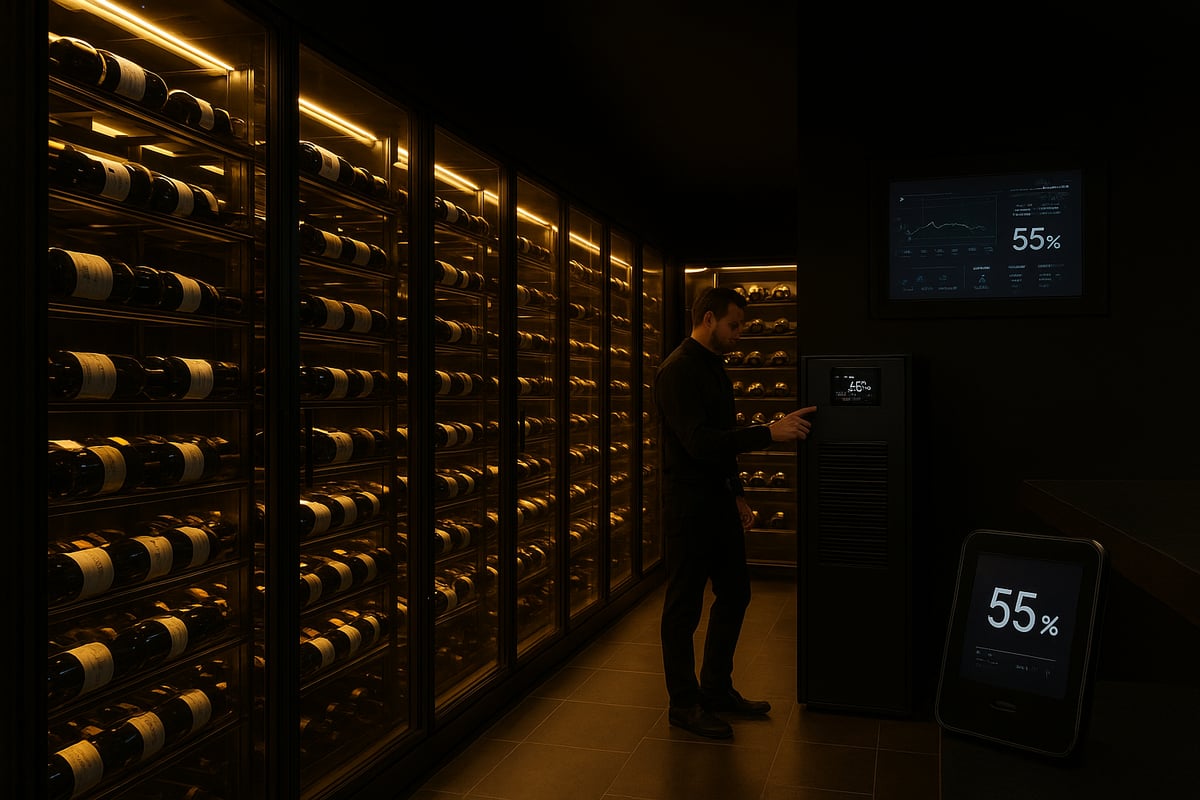
Wine cellar service means more than routine cleaning. It involves systematic inspection, maintenance, and calibration of all equipment and storage conditions. Regular wine cellar service extends the life and flavor profile of your collection.
By scheduling professional Wine Cellar Maintenance Services, you minimize the risk of sudden equipment failures and expensive repairs. As wine collections grow in value, expert care becomes vital. For instance, a Texas collector recently avoided a total loss when a technician discovered a failing compressor during a scheduled service—saving rare bottles worth thousands.
Key Risks of Neglecting Wine Cellar Maintenance
Ignoring wine cellar service can have costly consequences. Unstable temperatures and humidity cause irreversible damage to wine.
Common risks include:
Fluctuating climate leading to premature aging or spoilage
Mold and mildew growth, resulting in cork taint
Cooling system breakdowns causing rapid deterioration
Financial loss, with industry reports estimating millions lost annually to wine spoilage
A real-world example saw a restaurant lose a prized collection when their cooling unit failed overnight, highlighting the importance of consistent wine cellar service.
2026 Trends: Evolving Standards in Wine Storage
The landscape of wine cellar service is changing fast. New smart technologies and service protocols are emerging, bringing precision and efficiency.
Key trends include:
Adoption of remote monitoring and automation for real-time alerts
Regulatory changes focusing on sustainability and energy efficiency
Growing use of eco-friendly materials and equipment upgrades
Industry data shows a steady increase in smart wine cellar installations. Today’s collectors and hospitality venues expect flawless cellar performance, making advanced wine cellar service essential.
Who Needs a Service Plan?
Wine cellar service is no longer just for enthusiasts—private collectors, restaurants, hotels, and luxury venues all benefit. Both new and legacy cellars require ongoing care to maintain value and performance.
A well-designed service plan enhances property value and guest experience. Luxury hotels, for example, often promote their wine cellar service as a selling point, ensuring every bottle is preserved to perfection. In the high-end wine storage industry, service plans have become the gold standard.
Signs Your Wine Cellar Needs Immediate Service
Watch for these urgent warning signs that your wine cellar service is overdue:
Unusual temperature or humidity readings
Visible moisture, condensation, or mold
Musty odors or changes in wine aroma
Increased energy bills or noisy equipment
If you notice any of these, prompt wine cellar service can prevent further damage and protect your collection’s integrity.
Essential Wine Cellar Maintenance Tasks for 2026
Keeping your wine cellar in peak condition requires more than a quick glance at the thermostat. True wine cellar service is about meticulous attention to detail, proactive care, and a commitment to preserving both value and flavor. Let’s break down the essential maintenance tasks that every collector should prioritize in 2026.
Climate Control System Inspection & Upkeep
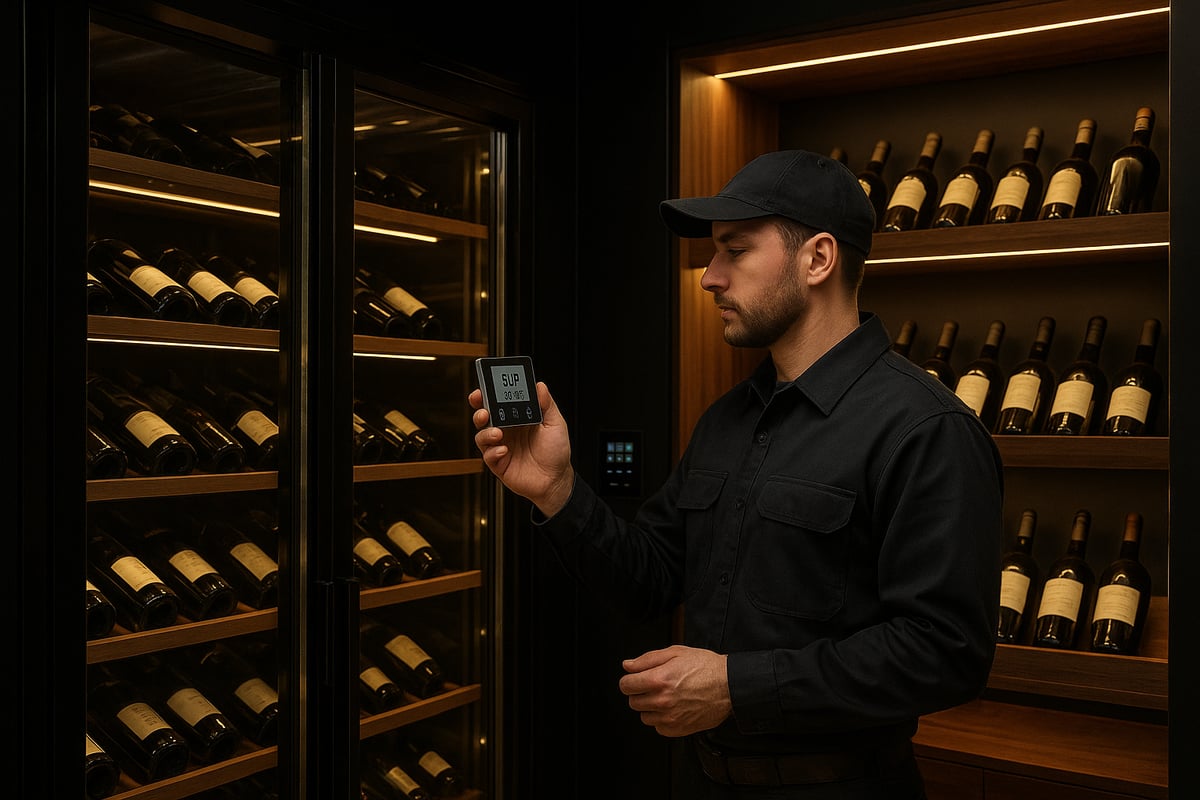
The heart of wine cellar service is your climate control system. Annual and seasonal inspections are non-negotiable. Begin by cleaning condenser coils and checking refrigerant levels. Calibrate thermostats and hygrometers to ensure accuracy, and replace air filters or worn components. These steps help prevent system freeze-ups, which are a leading cause of wine spoilage.
A proactive approach is key. For example, regular filter changes can stop dust buildup from causing compressor failure. According to industry reports, most cooling system breakdowns stem from neglected maintenance. If you want a deeper dive, the Cellar Cooling System Guide offers expert tips for servicing every part of your system.
A well-maintained climate system is the backbone of wine cellar service. It safeguards your investment and sets the stage for optimal wine aging.
Humidity Management Best Practices
Humidity is the silent guardian of any cellar. The optimal range for wine preservation is 55 to 75 percent. If humidity drops too low, corks shrink, letting air in and spoiling wine. Too high, and you risk mold growth.
Use humidifiers, dehumidifiers, and smart sensors to monitor and adjust moisture levels. Digital loggers are especially helpful for tracking trends over time. One overlooked humidity failure can result in a batch of corked wine, costing you dearly.
Staying on top of humidity is a core part of wine cellar service, ensuring every bottle matures as intended.
Racking, Shelving, and Structural Maintenance
A solid structure protects your collection from both time and accidents. Inspect racks for warping, wood rot, or loose fittings. Tighten hardware as needed and look for signs of pest activity. For glass enclosures, use non-abrasive cleaners to keep surfaces sparkling and free from smudges.
Modern cellars often feature dramatic glass wine walls. These require extra care, with regular inspections for chips or seal failures. Consistent attention to racking and shelving is a sign of reliable wine cellar service and preserves the visual appeal of your space.
Lighting, Security, and Environmental Controls
Lighting should be functional and protective. Check that LED fixtures emit minimal heat and block UV rays, both of which can damage wine. Test your security systems, including alarms and cameras, to guard against unauthorized access.
Monitor air quality for volatile organic compounds (VOCs) and odors that could taint your collection. Many cellars are upgrading to smart lighting, which cuts energy costs and offers precise control. These enhancements are a valuable part of comprehensive wine cellar service.
Cleaning and Sanitation Protocols
Cleanliness is essential for a healthy cellar environment. Use only safe, non-abrasive cleaners on all interiors. Regular dusting prevents debris from accumulating on bottles and racks.
If you spot mold or mildew, act fast with approved removal products and increase ventilation. Keeping a strict cleaning schedule is a fundamental piece of wine cellar service, protecting both your collection and your peace of mind.
Troubleshooting Common Wine Cellar Problems
Every wine lover knows that even the best cellars can face unexpected issues. Proactive wine cellar service is your first line of defense, but knowing how to troubleshoot common problems can save time and protect your collection’s value. Let’s explore the most frequent challenges and expert solutions.
Diagnosing Temperature and Humidity Fluctuations
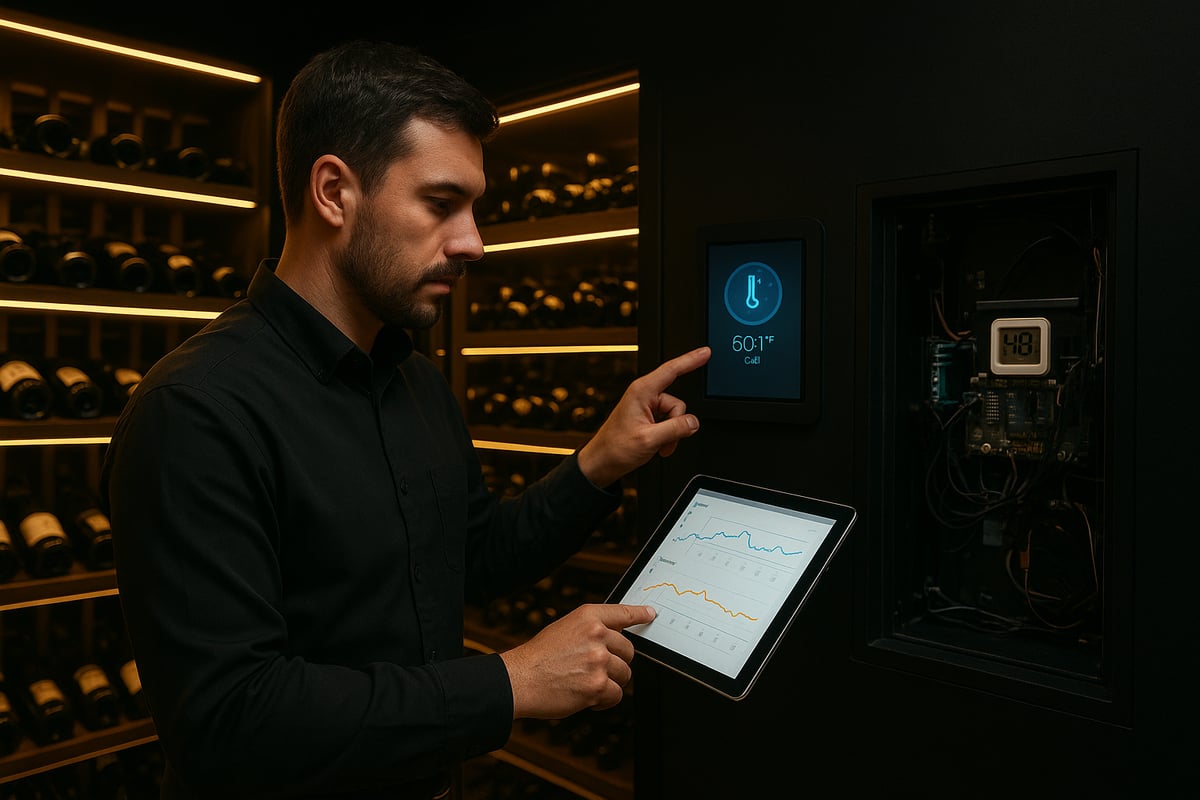
Stable climate is non-negotiable for wine preservation. Fluctuations in temperature or humidity can quickly threaten your bottles. Start by checking your monitoring systems for irregular readings. Is the sensor accurate? Are there sudden spikes or drops?
Review your digital logs for trends or anomalies.
Test sensors and recalibrate if needed.
Inspect for blocked vents or ice buildup near cooling units.
If you notice persistent issues, consult Wine Climate Control Tips for expert advice before calling for wine cellar service. Sometimes, a loose sensor or dirty filter is the culprit. But, if conditions don’t stabilize, professional intervention is a must.
Addressing Cooling System Failures
A malfunctioning cooling system is every collector’s nightmare. Common causes include refrigerant leaks, failing fans, or electrical faults. Watch for warning signs:
Unusual noises or vibrations from the unit.
Frost buildup or water pooling near equipment.
Rapid temperature increases inside the cellar.
Begin troubleshooting by shutting off power to prevent further damage. Check for tripped breakers or visible signs of wear. If you cannot quickly identify the issue, schedule wine cellar service promptly. According to industry data, most emergency repairs stem from neglected routine maintenance.
Dealing with Mold, Mildew, and Odors
Mold and mildew are not only unsightly but can also spoil wine and damage cellar materials. The main culprits are leaks, poor ventilation, or humidity above recommended levels.
Inspect corners, racking, and seals for visible growth.
Address condensation or standing water immediately.
Use safe, non-abrasive cleaners for removal.
Persistent odors or recurring mold point to bigger problems with climate control. Scheduling regular wine cellar service ensures these issues are caught early. One restaurant avoided a costly outbreak by acting at the first musty smell.
Handling Power Outages and Emergency Scenarios
Power failures can quickly compromise your entire collection. Preparation is key to minimizing risk.
Invest in backup power solutions like generators or battery systems.
Set up remote monitoring for instant alerts.
Develop a step-by-step emergency plan for quick action.
If an outage occurs, avoid opening the cellar door to maintain temperature. Contact your wine cellar service provider for guidance on next steps. A well-executed plan once saved a private collector’s vintage Bordeaux during a summer storm.
Preventing and Managing Pest Infestations
Pests such as rodents, insects, or wood borers can slip in through tiny gaps and wreak havoc. Early detection is crucial.
Look for droppings, gnawed wood, or damaged seals.
Seal cracks and entry points with durable materials.
Schedule routine inspections and use non-toxic deterrents.
Consistent wine cellar service includes checking for signs of infestation and reinforcing barriers. Regular maintenance is the best defense, ensuring your cellar remains a sanctuary for your prized bottles.
Smart Technology & Automation: The Future of Wine Cellar Service
The world of wine cellar service is evolving fast, and 2026 is set to be a turning point. Smart technology and automation are reshaping how collectors, designers, and hospitality professionals care for their prized bottles. Let’s explore the innovations making wine cellar service smarter, more precise, and more sustainable.
Integrating Smart Climate Control Systems
Smart climate control systems are now essential for maintaining optimal storage conditions. These advanced solutions offer precise temperature and humidity regulation, remote access, and seamless integration with both new and legacy cellars.
Benefits include energy savings, fewer manual adjustments, and consistent protection for your collection. Many systems feature automated alerts and data logging for compliance. For a deeper understanding of why climate control plays such a critical role in wine cellar service, explore this Wine Cellar Climate Control Importance guide.
Imagine a system that automatically prevents costly temperature spikes before they threaten your wine. That’s the reality in 2026, ensuring every bottle stays at its best.
Remote Monitoring and Alert Systems
Remote monitoring is transforming wine cellar service by putting real-time insights at your fingertips. Smartphone apps now allow you to check temperature and humidity from anywhere. Automated alerts notify you instantly if readings drift outside your preferred range.
This technology reduces the risk of spoilage and gives peace of mind, especially for those managing multiple cellars or valuable collections. Data logs help track trends and maintain service records for insurance and compliance.
A hospitality venue, for example, can now prevent spoilage by acting on remote alerts before issues escalate. This level of control is setting a new standard for wine cellar service.
Predictive Maintenance and AI Diagnostics
AI-powered analytics are changing how wine cellar service is delivered. Predictive maintenance uses real-time data to spot early warning signs and schedule repairs before breakdowns occur. This proactive approach reduces emergency costs and extends equipment life.
With AI diagnostics, service teams can identify issues quickly and accurately, minimizing downtime and protecting your wine investment. Cellar owners benefit from fewer unexpected disruptions and improved reliability.
Industry data shows that predictive tech can cut emergency repairs by up to 40%. That’s a game-changer for anyone serious about wine cellar service.
Sustainability and Energy Efficiency Upgrades
Eco-friendly upgrades are now a key part of modern wine cellar service. Advanced cooling units, improved insulation, and smart lighting systems all contribute to lower energy use and a smaller environmental footprint.
Many cellars are adopting materials and systems that align with the latest sustainability regulations and even qualify for incentives. Smart controls help optimize energy consumption without compromising wine preservation.
For luxury estates and commercial venues, energy-efficient wine cellar service is both a mark of sophistication and a practical investment in long-term value.
Choosing the Right Wine Cellar Service Provider
Selecting the best wine cellar service provider is a crucial decision for any collector or hospitality professional. The right partner ensures your investment is protected, your cellar performs flawlessly, and every bottle is preserved at its peak. Let’s explore what sets apart a world-class provider in this refined space.
What to Look for in a Service Partner
When evaluating a wine cellar service partner, prioritize experience, specialized certifications, and a reputation for excellence. Look for providers who understand both modern and legacy cellar systems, and who offer a comprehensive range of services. These should include routine maintenance, emergency repairs, and upgrades.
Transparency in pricing and clear service agreements are essential. A provider that offers tailored solutions for luxury and custom cellars stands out. If you’re considering a new build or a significant upgrade, explore Custom Wine Cellar Design Insights to understand how design choices impact long-term service needs.
Compare potential partners by reviewing case studies and asking about their approach to preventative care. The right wine cellar service provider will treat your collection with the same dedication you do.
Questions to Ask Before Signing a Service Contract
Before finalizing any wine cellar service agreement, ask targeted questions to gauge reliability and fit. Inquire about:
Response times for both routine and emergency support.
Use of genuine parts and advanced diagnostic tools.
References from clients with similar cellar styles.
Warranty terms and liability coverage.
Data on customer satisfaction can reveal much about a provider’s track record. Scrutinize sample service reports and ask how they handle unexpected challenges. A reputable wine cellar service partner will be transparent and proactive, ensuring your peace of mind.
Prestige Wine Cellars: Comprehensive Wine Cellar Solutions
Prestige Wine Cellars exemplifies expertise in wine cellar service, design, and maintenance. Their team crafts bespoke solutions for private estates, restaurants, and hotels across Texas and beyond. From initial design consultation to climate control engineering, installation, and ongoing care, they deliver a seamless end-to-end experience.
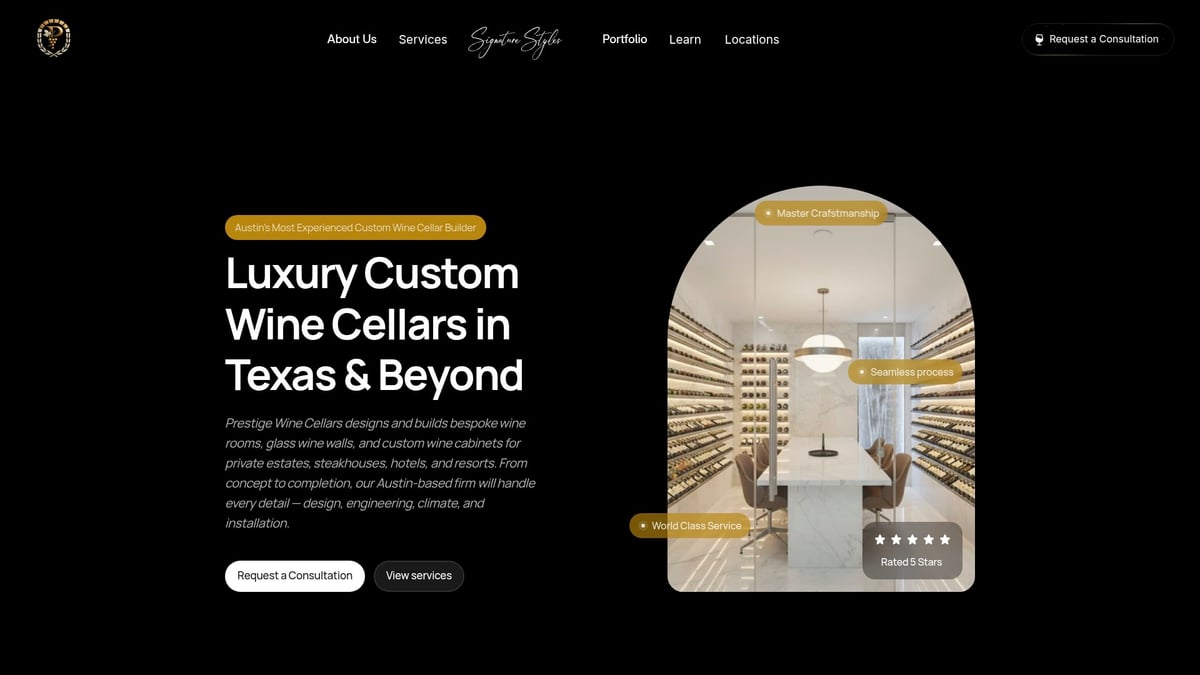
What sets Prestige apart is their blend of artistry, technical skill, and collaborative approach with each client. Notable projects include luxury residential cellars and prominent hospitality venues, all backed by glowing client testimonials. Their commitment to excellence makes them a trusted name in wine cellar service.
Evaluating Service Plans and Maintenance Agreements
A thorough review of service plans is key to maximizing your investment in wine cellar service. Compare coverage types, service frequencies, and the flexibility of each plan. Look for options that include regular inspections, seasonal tune-ups, and priority response for emergencies.
Consider the return on investment: proactive maintenance often prevents costly repairs and preserves the value of your collection. The best wine cellar service plans are those tailored to your cellar’s unique needs and your peace of mind.
Step-by-Step Guide: Scheduling and Managing Wine Cellar Service in 2026
Scheduling and managing wine cellar service in 2026 is easier with a practical, stepwise approach. Whether you are a homeowner, restaurateur, or property manager, following these steps will help you protect your wine collection and keep your cellar operating at its best.
Step 1: Conduct a Self-Assessment
Begin your wine cellar service routine by conducting a thorough self-assessment. Check the temperature and humidity using reliable digital tools. Look for visible signs such as condensation, mold, or musty odors. Review the condition of racks, glass, and shelving for any warping or loose fittings.
Use a checklist for clarity:
Verify temperature and humidity are within optimal ranges
Inspect equipment for noise or irregularities
Assess cleanliness and air quality
For humidity, consult guides like Ideal Humidity for Wine Storage to ensure your cellar stays between 60 and 70 percent. Address any issues before contacting a professional wine cellar service provider.
Step 2: Research and Select a Qualified Service Provider
After your assessment, research specialists in wine cellar service. Seek referrals from peers or industry contacts. Read online reviews to gauge reliability and results.
Check credentials and experience, especially with your cellar type—residential, commercial, or glass installations. Ask for detailed proposals and request a site evaluation so you can compare approaches.
A good wine cellar service provider will tailor their offering to your needs, ensuring the right balance of technical expertise and personalized care. For modern or custom designs, prioritize providers with relevant project portfolios.
Step 3: Schedule Routine Service and Maintenance Visits
Establish a regular schedule for wine cellar service to prevent unexpected failures. Most collections benefit from annual, semi-annual, or quarterly visits, depending on usage and climate.
Coordinate service appointments around seasonal changes or busy periods, such as before major events. For restaurants, scheduling maintenance during off-hours minimizes disruption.
A proactive wine cellar service plan includes:
Equipment inspections and cleaning
Climate system calibrations
Filter replacements and minor repairs
Routine visits help keep your wine collection safe and your cellar running smoothly year-round.
Step 4: Monitor Results and Maintain Records
After each wine cellar service, track all work performed, repairs made, and upgrades installed. Use digital logs or apps for easy access and compliance, especially if your cellar is part of a commercial operation.
Regularly review service reports and monitor climate data to spot trends or recurring issues. Well-kept records support warranty claims and can even help with insurance.
By making monitoring and record-keeping part of your wine cellar service plan, you ensure lasting value and peace of mind for your collection.
As you plan for the future of your wine collection, remember that the right service strategy is your best defense against unexpected issues and costly mistakes. Whether you’re safeguarding a private cellar, a bustling restaurant collection, or a showcase glass wine wall, expert maintenance ensures your investments continue to mature in style and value. If you’re ready to take the next step and want tailored advice or a service plan designed around your unique needs, let’s connect. \
Reach out to our team today—your 2026-ready cellar starts here: Contact Us
Your Dream Wine Cellar Starts Here
Let our design team craft a cellar that matches your taste, space, and your collection — built for beauty, function, and prestige.

Email us at
Serving Austin, Dallas–Fort Worth, Houston & San Antonio