
Wine Cellar Refrigeration Units: The 2026 Expert Guide
Discover the 2026 expert guide to wine cellar refrigeration units Explore types features installation and trends to protect and elevate your wine collection
Wine is more than just a beverage, it is a living investment that responds to its environment. In 2026, as wine collections grow and storage technology advances, maintaining precise temperature and humidity is essential to preserve every bottle’s character.
The demand for wine cellar refrigeration units is surging as collectors, restaurants, and luxury homeowners seek to protect their collections and elevate their storage spaces. The right wine cellar refrigeration units not only safeguard your wine investment but also enhance the aesthetics of your cellar and make management effortless.
In this expert guide, you will discover everything you need to know about choosing, installing, and maintaining wine cellar refrigeration units. Explore the latest features, learn about future trends, and ensure your collection is preserved to perfection.
Understanding Wine Cellar Refrigeration Units
Maintaining the perfect environment for your wine collection requires more than just a cool room. In 2026, wine cellar refrigeration units have evolved to deliver precise control, safeguarding both rare vintages and everyday bottles. Let’s explore what sets these systems apart and why they are essential for any serious collector or hospitality professional.
What Are Wine Cellar Refrigeration Units?
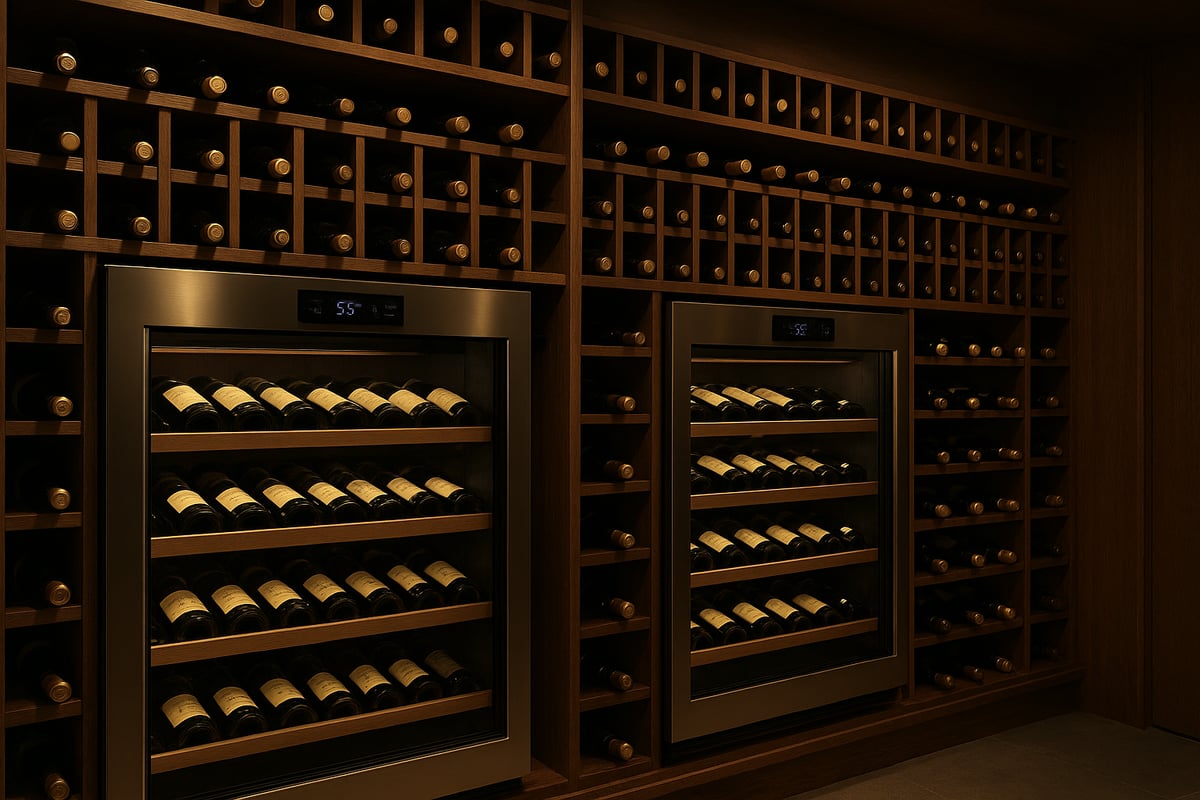
Wine cellar refrigeration units are specialized systems designed to create the ideal climate for wine storage. Unlike standard air conditioning or household refrigerators, these units provide targeted temperature and humidity control tailored specifically for wine preservation.
A key distinction is their ability to maintain a stable environment within the narrow range that wine demands. While regular cooling systems can cause fluctuations, wine cellar refrigeration units hold steady at 55-58°F with humidity between 55% and 75%. This consistency is vital to prevent corks from drying and wine from spoiling.
For a deeper dive into system design and selection, the Wine cellar cooling guide offers expert insights and practical advice.
Why Specialized Refrigeration Matters
Improper storage conditions can ruin even the finest wines. Temperature spikes accelerate aging, while low humidity dries corks and allows oxidation. Using non-specialized cooling systems often leads to uneven cooling, excess dryness, or even mold growth.
Wine cellar refrigeration units are engineered to address these risks directly. Consider the collector who lost a prized Bordeaux due to a basic air conditioner’s cycling, or the restaurant with ruined inventory after a standard fridge failed to regulate humidity. Stories like these highlight the importance of investing in the right equipment.
Protecting your wine means trusting only systems designed for the job. Specialized units help preserve flavor, aroma, and value over the years.
Core Components and How They Work
At the heart of wine cellar refrigeration units are several key components:
Evaporator: Absorbs heat from the cellar air, cooling it to the set temperature.
Condenser: Releases the absorbed heat outside the cellar.
Thermostat: Monitors and regulates temperature, ensuring precision.
Humidifier: Maintains optimal moisture levels to prevent cork shrinkage.
Each part plays a vital role in keeping the cellar environment stable. There are three main system types: self-contained, split, and ducted. Self-contained units are compact and easy to install, while split systems separate noisy components for quieter operation. Ducted systems offer flexibility, allowing cooling equipment to be placed away from the cellar for a seamless look.
Types of Wine Cellar Refrigeration Units
Selecting the right type of wine cellar refrigeration units depends on your unique space and needs. Here’s a quick overview:
Type | Pros | Cons | Best For | 2026 Highlight |
|---|---|---|---|---|
Self-contained | Simple installation | More noise, visible unit | Small, well-insulated cellars | Compact, smart models |
Split | Quiet, flexible placement | Higher cost, pro install | Medium to large or luxury spaces | Low-vibration tech |
Ducted | Hidden, ultra-quiet | Ducting required, expensive | Large, open-concept cellars | Advanced air distribution |
Self-contained units are ideal for smaller spaces. Split systems shine in custom or luxury settings, where aesthetics and quiet operation matter. Ducted units are preferred for large or showcase cellars, blending performance with invisible design.
Sizing and Capacity Considerations
Proper sizing of wine cellar refrigeration units is critical for performance and longevity. Undersized units struggle to maintain conditions, leading to constant cycling and premature wear. Oversized systems cool too quickly, failing to control humidity.
To calculate the right capacity, measure your cellar’s cubic footage and factor in insulation quality, glass walls, and external heat sources. For example, a 500-cubic-foot cellar with high-quality insulation may require a 2,500 BTU unit. A poorly insulated or glass-walled space of the same size could need a larger system.
Common mistakes include ignoring insulation, underestimating heat load, or choosing a unit based solely on price. Taking the time to match your unit to your cellar’s specifics ensures your wine ages gracefully and your investment is protected.
Key Features to Look for in 2026
Selecting wine cellar refrigeration units in 2026 is about more than just keeping bottles cool. The right system offers a blend of advanced technology, energy efficiency, comfort, stunning design, and peace of mind. Let’s explore the features that set the latest units apart and help you make the best investment for your collection.
Advanced Climate Control Technologies
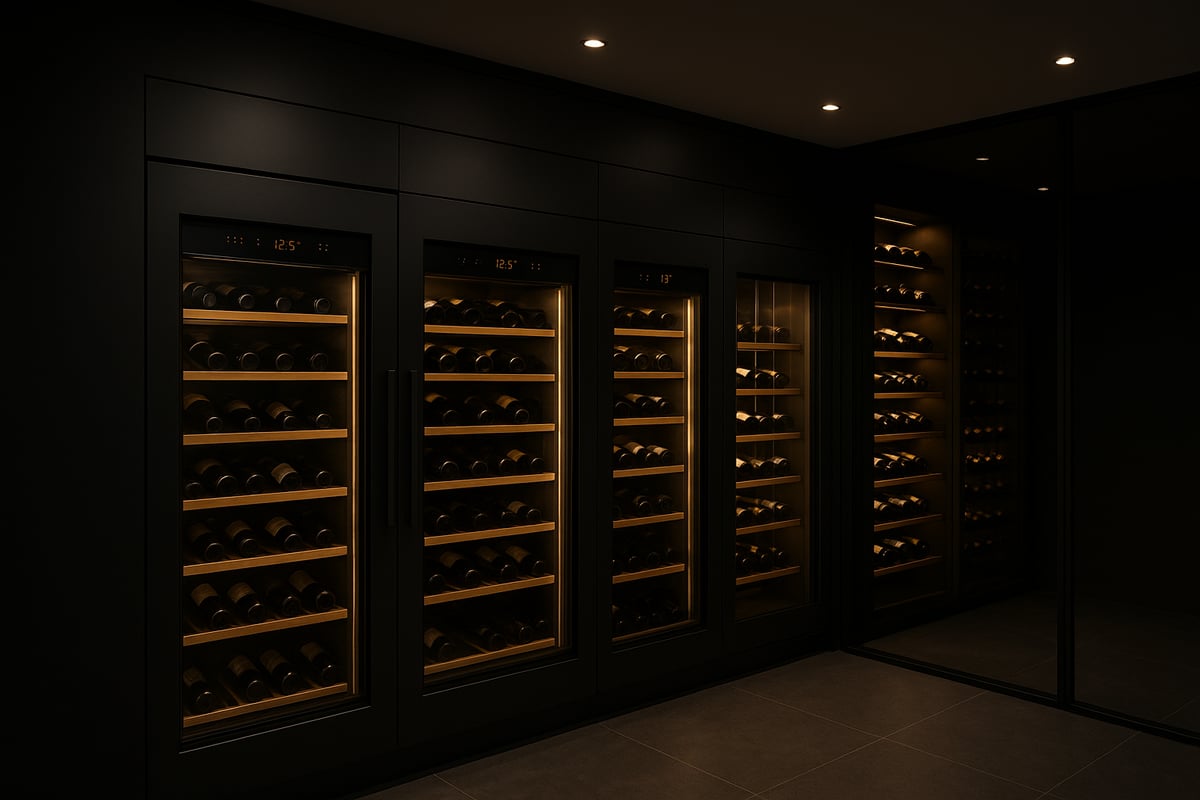
Wine cellar refrigeration units in 2026 leverage smart technology to deliver precise temperature and humidity management. Digital thermostats, Wi-Fi-enabled sensors, and app-based controls are now standard. These advances allow collectors to fine-tune conditions from anywhere, ensuring every vintage ages perfectly.
Humidity regulation has also improved, with integrated humidifiers maintaining ideal levels even in dry climates. Many units can now sync with home automation platforms for seamless operation. For a deeper look at the latest innovations and the future of wine cellar technology, check out 2026 Custom Wine Cellar Trends.
Energy Efficiency and Sustainability
Energy efficiency is a top priority for wine cellar refrigeration units in 2026. Modern systems use eco-friendly refrigerants and advanced inverter compressors, reducing both operating costs and environmental impact. Energy ratings are higher than ever, and some models offer real-time energy monitoring.
By choosing units with green certifications and low global warming potential, you help preserve both your wine and the planet. These sustainable features ensure your cellar is as responsible as it is refined.
Noise Reduction and Vibration Control
For cellars located in homes or restaurants, quiet operation is essential. The newest wine cellar refrigeration units utilize advanced soundproofing materials and silent fan technology to keep noise at a minimum. Some units operate at less than 40 decibels, making them virtually undetectable in living spaces.
Vibration control is equally important, as even minor disturbances can affect wine aging. Modern systems feature anti-vibration mounts and precision fans, ensuring optimal preservation and a peaceful environment.
Design, Aesthetics, and Customization
In 2026, wine cellar refrigeration units are as beautiful as they are functional. Sleek, minimalist designs blend effortlessly with modern interiors. Custom paneling and concealed installations allow for a tailored look, whether you prefer a statement piece or an invisible solution.
Luxury installations often feature glass walls, designer lighting, and integrated cooling systems that highlight both the bottles and the space. The right unit enhances your cellar’s ambiance while protecting your investment.
Safety, Security, and Monitoring Features
Protecting your collection goes beyond temperature control. Wine cellar refrigeration units now offer robust safety and security features. Remote monitoring lets you check conditions via smartphone, while automated alerts warn of any fluctuations.
Many models include lockout controls and backup systems to safeguard your wine during power outages. With these innovations, you can rest assured your collection is secure, no matter where you are.
Step-by-Step Guide: Selecting and Installing the Right Unit
Choosing and installing wine cellar refrigeration units is an investment in both your collection and your peace of mind. This step-by-step guide walks you through the process, ensuring your wine cellar is equipped for optimal storage, longevity, and style.
Step 1: Assessing Your Wine Cellar’s Needs
Start by evaluating your space. Measure the dimensions of your cellar, noting ceiling height and total volume. Check the insulation quality and determine if your cellar is above or below ground.
Consider your current wine collection and future growth. Will you display bottles on racks, in cases, or behind glass walls? Each element affects the choice of wine cellar refrigeration units.
Special requirements such as display lighting, glass doors, or unique architectural features should be listed. These influence both the cooling load and the system type best suited for your needs.
Step 2: Choosing the Appropriate Refrigeration System
With your assessment complete, match the right system to your cellar. Self-contained wine cellar refrigeration units are ideal for small, insulated spaces. Split systems work well for larger or luxury cellars, offering flexibility and quieter operation.
Ducted units provide the most discreet appearance, integrating with your home’s design and reducing noise. Review real-world examples from recent 2026 installations to see how each system type performs in similar environments.
Discuss your preferences for aesthetics, placement, and maintenance to narrow down your options.
Step 3: Calculating Cooling Load and Sizing
Proper sizing is crucial for wine cellar refrigeration units. Use the formula:
Factor in heat sources such as lighting, electronics, and nearby appliances. External walls exposed to sunlight may require additional cooling capacity.
Refer to sizing charts and manufacturer guidelines to avoid under- or over-sizing. For example, a 500-cubic-foot cellar with average insulation might need a 2,000–2,500 BTU unit, while larger spaces demand higher capacity.
Cellar Size | Volume (cu. ft.) | Suggested BTU |
|---|---|---|
Small | 100–500 | 1,000–2,500 |
Medium | 500–1,000 | 2,500–4,000 |
Large | 1,000+ | 4,000+ |
Step 4: Professional Consultation and Site Preparation
Consulting a wine cellar specialist ensures your wine cellar refrigeration units are precisely matched to your environment. Experts assess insulation, vapor barriers, and electrical requirements.
Prepare your space by sealing gaps, adding insulation, and installing a vapor barrier to maintain consistent climate control. Ensure electrical outlets are properly rated for the chosen unit.
Avoid common pitfalls like underestimating heat gain from glass walls or inadequate insulation, which can overwork your system and risk wine quality.
Step 5: Installation Process Overview
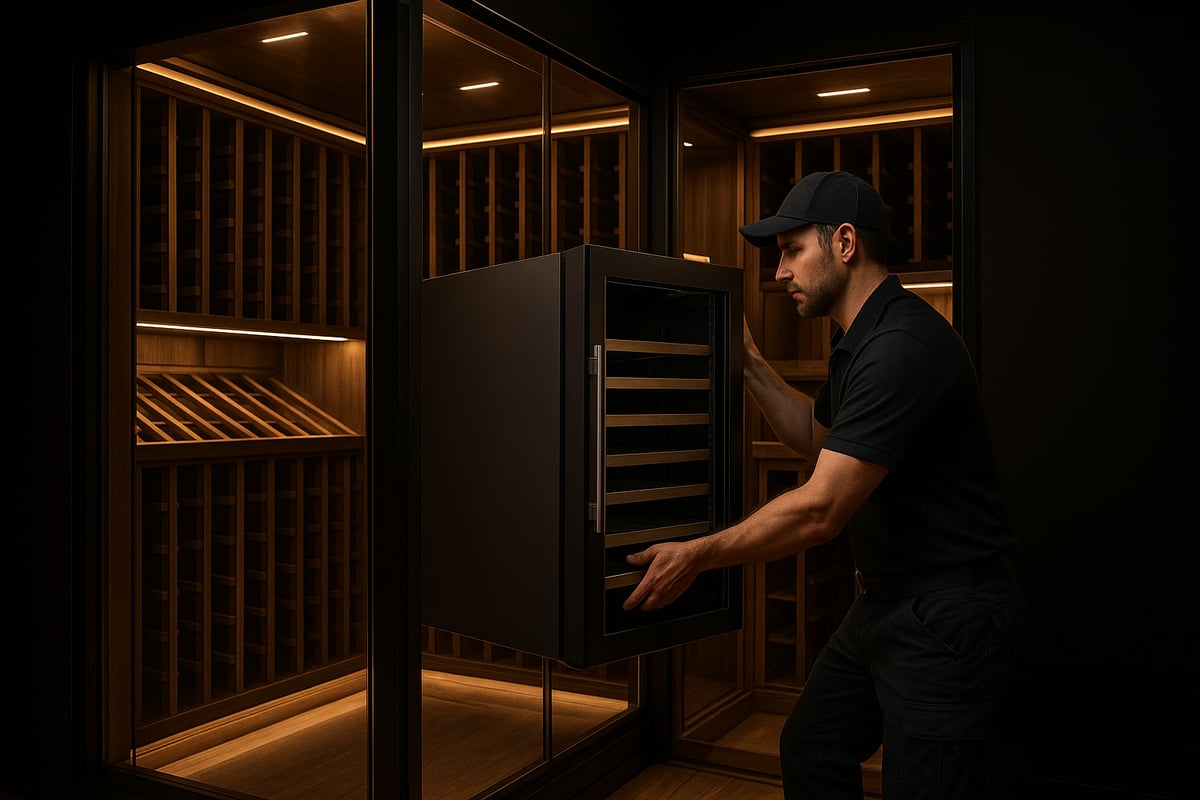
Professional installation guarantees both performance and warranty protection for your wine cellar refrigeration units. The process typically starts with delivery and inspection, followed by secure mounting and connection of electrical and, if needed, ductwork.
Certified HVAC or refrigeration technicians handle system integration and ensure safe operation. Most installations take one to three days, depending on system complexity and site conditions.
Clear communication with your installer helps avoid delays and ensures all design goals are met.
Step 6: Initial Setup, Testing, and Calibration
Once your wine cellar refrigeration units are installed, power up the system and perform initial checks. Set your target temperature (typically 55°F/13°C) and humidity (60–70%) for ideal wine preservation.
Monitor system performance over the first 48 hours, checking for even cooling and stable humidity levels. Adjust settings if you notice fluctuations or uneven climate zones.
For more detailed guidance on achieving precise conditions, review these wine climate control tips to help fine-tune your setup for optimal results.
Step 7: Ongoing Maintenance and Troubleshooting
Regular care extends the life and performance of your wine cellar refrigeration units. Clean air filters monthly, inspect coils quarterly, and check door seals for leaks.
Watch for warning signs like unusual noise, temperature swings, or frost buildup. Reset controls or consult your technician if issues persist.
A proactive maintenance routine ensures your investment remains protected and your wine ages gracefully, year after year.
Maintenance, Longevity, and Troubleshooting
Keeping your wine cellar refrigeration units in peak condition is essential for protecting your collection and investment. Regular care, proactive troubleshooting, and timely upgrades ensure a stable environment for your wines, year after year.
Routine Maintenance Tasks
Routine maintenance is the cornerstone of reliability for wine cellar refrigeration units. Set a monthly reminder to inspect and gently clean air intake filters, as dust and debris can hamper airflow. Every quarter, check the evaporator and condenser coils, wiping them clean to prevent efficiency loss.
Each year, inspect door seals and gaskets for any signs of wear or gaps. Calibrate the humidity control systems to ensure your wines age gracefully. A detailed checklist helps you stay on track and extends the life of your wine cellar refrigeration units.
Common Issues and How to Address Them
Even the best wine cellar refrigeration units may face occasional hiccups. If you notice temperature swings, first verify thermostat settings and look for blocked vents. Condensation or small leaks might indicate a clogged drain or worn seal, both of which are easy to address with prompt cleaning or replacement.
Frost buildup on coils often signals airflow problems or a malfunctioning defrost cycle. Resetting system controls can resolve minor error codes, but persistent issues are a cue to consult your technician. Quick action keeps your wine cellar refrigeration units running smoothly.
Extending Lifespan of Your Refrigeration Unit
Longevity starts with correct installation and continues with diligent upkeep. Make sure your wine cellar refrigeration units are installed by certified professionals who understand cellar insulation and airflow. This foundation reduces strain on components and improves efficiency.
Regular cleaning, filter changes, and prompt repairs can add years to your system’s life. Always follow manufacturer guidelines for maintenance to keep warranties valid. Investing in proper care now pays off in the long run, protecting both your unit and your wine.
When to Upgrade or Replace Your Unit
Is your cellar struggling to maintain ideal conditions? If your wine cellar refrigeration units are more than a decade old, or you notice frequent breakdowns, it may be time to consider a replacement. Advances in 2026 have introduced quieter, more energy-efficient models with better climate control.
Compare repair costs to the price of a new unit. If repairs exceed half the value of a new system, upgrading makes sense. Modern wine cellar refrigeration units offer smarter features and longer warranties, making them a wise investment for serious collectors.
Professional Maintenance Services
Partnering with experts for scheduled upkeep ensures your wine cellar refrigeration units operate at their best. Service contracts often include thorough inspections, cleaning, and system calibration, catching small problems before they escalate.
During a professional visit, expect technicians to check refrigerant levels, test safety controls, and provide a detailed report. In 2026, average annual maintenance costs are modest compared to the value of your collection. For in-depth support, consider professional wine cellar maintenance to safeguard your investment and enjoy peace of mind.
2026 Trends and Innovations in Wine Cellar Refrigeration
The world of wine cellar refrigeration units is evolving quickly in 2026. New technology, eco-friendly approaches, and consumer preferences are shaping the future of wine storage. Whether you are a collector, designer, or restaurateur, staying ahead of these trends ensures your cellar remains both functional and luxurious.
Smart Technology and Remote Management
Smart technology is at the heart of next-generation wine cellar refrigeration units. In 2026, collectors expect real-time monitoring and remote control for their cellars. IoT-enabled systems connect to smartphones, allowing users to adjust temperature and humidity from anywhere.
Cloud-based analytics help track trends and alert owners to potential issues before they escalate. Many luxury homes and restaurants now feature smart cellars with integrated sensors, automated alerts, and seamless management tools. These advancements make wine preservation more precise and accessible, turning every bottle into a carefully protected investment.
Eco-Friendly and Low-Impact Solutions
Sustainability is now a top priority in wine cellar refrigeration units. Modern systems use natural refrigerants like R290 and CO2, which are both efficient and environmentally friendly. Solar-powered options and energy-recovery ventilation are becoming more common, reducing the overall carbon footprint of wine storage.
Regulations in 2026 are also encouraging the adoption of greener technologies. For a deeper dive into how CO2 systems are transforming the industry, see this overview on CO2 Refrigeration in Wineries. These innovations ensure that preserving wine does not come at the expense of the planet.
Integration with Home and Commercial Design
Design integration is transforming the look and feel of wine cellar refrigeration units. Today’s units are built to blend seamlessly with home and restaurant interiors. Custom finishes, concealed ductwork, and minimalist control panels allow for elegant, unobtrusive installations.
Architects and designers now collaborate closely with refrigeration experts to create cellars that are both beautiful and functional. Built-in options and creative use of space mean that even open-concept rooms can accommodate climate-controlled wine storage. These trends ensure that your refrigeration system enhances, rather than detracts from, your overall design vision.
Market Outlook and Consumer Preferences
The demand for premium wine cellar refrigeration units is on the rise in 2026. Data shows that collectors and the hospitality sector are investing more in advanced climate control solutions. Consumers are seeking features like smart connectivity, energy efficiency, and customizable aesthetics.
Industry forecasts predict steady growth over the next five years, driven by a passion for wine preservation and a desire for luxury experiences. For a detailed look at where the market is headed, review the Wine Cellar Cooling System Market Forecast. Staying informed of these trends helps you make the best choices for your collection and your cellar’s future.
Expert Consultation: When to Seek Professional Help
Navigating the world of wine cellar refrigeration units can become complex, especially when your cellar goes beyond standard designs. If you have unique needs or a growing collection, seeking expert help ensures your investment is protected and your cellar performs at its best.
Recognizing Complex Cellar Requirements
Some wine cellars demand more than off-the-shelf solutions. Multi-zone configurations, glass enclosures, underground locations, or cellars housing rare vintages all require tailored approaches to wine cellar refrigeration units.
If your vision includes dramatic glass walls, intricate display racks, or storing a high-value collection, professional expertise becomes essential. Complex requirements often mean balancing aesthetics with precise climate control, something only experienced designers and engineers can achieve.
For example, a luxury restaurant adding a showpiece cellar needs a system that handles temperature variations from frequent door openings. Similarly, collectors with large, varied inventories may need multiple zones for optimal aging. In these cases, working with professionals ensures every detail is addressed.
Benefits of Professional Design and Engineering
Choosing expert guidance for your wine cellar refrigeration units brings significant advantages. Professionals analyze airflow, insulation, and system integration, ensuring every aspect works together seamlessly.
They use advanced fault detection and monitoring, such as the latest CO2 refrigeration system diagnostics, to maintain ideal conditions. This reduces the risk of unnoticed temperature or humidity shifts that could jeopardize your collection. For those interested in the future of maintenance, Enhancing Fault Detection in CO2 Refrigeration Systems highlights how machine learning is shaping reliability in 2026.
Testimonials from collectors and hospitality venues show that professional design not only preserves wine but also enhances the cellar’s beauty and function. Experts help you avoid costly mistakes that can arise from improper sizing or inadequate insulation.
Working with Custom Wine Cellar Specialists
Collaborating with specialists in wine cellar refrigeration units means your project benefits from start to finish. These professionals coordinate every detail, from design and product selection to installation and ongoing support.
The consultation process begins with an in-depth evaluation of your space, collection, and goals. Experts then create custom plans, integrating refrigeration systems that blend with your cellar’s architecture. For further insights on design considerations and integration, explore this custom wine cellar design advice.
Tailored solutions ensure even the most ambitious or unconventional spaces achieve perfect storage conditions. Specialists also provide clear timelines and transparent communication, making the process smooth and enjoyable.
Prestige Wine Cellars: Custom Wine Cellar Expertise
Prestige Wine Cellars stands out as a leader in designing and building luxury wine cellars with integrated climate control. Their team brings unmatched expertise to engineering, installation, and maintenance of wine cellar refrigeration units, ensuring collections are preserved under ideal conditions.
From private estates to high-end hospitality venues, their bespoke projects demonstrate meticulous craftsmanship and attention to detail. Clients in Texas and beyond trust Prestige for projects involving glass displays, underground rooms, or large-scale collections.
Starting a consultation is simple. Reach out to Prestige Wine Cellars to discuss your vision, and their experts will guide you through every stage, from concept to completion, ensuring your investment is protected for years to come.
As you explore the latest innovations in wine cellar refrigeration and how they can safeguard your collection for years to come, remember that choosing the right system is just the beginning. At Prestige Wine Cellars, we blend artistry and engineering to create custom cellars that are as functional as they are beautiful—whether for your home or hospitality venue. If you’re ready to elevate your wine storage with expert guidance on design, installation, and maintenance, let’s start a conversation about your vision and needs.
Contact Us
Your Dream Wine Cellar Starts Here
Let our design team craft a cellar that matches your taste, space, and your collection — built for beauty, function, and prestige.

Email us at
Serving Austin, Dallas–Fort Worth, Houston & San Antonio