
Wine Cellar Racks: Your Complete Guide to Storage Excellence
Discover everything about wine cellar racks: materials, styles, and design strategies to showcase your collection with elegance and precision.
The foundation of any exceptional wine cellar lies in its storage system. Whether you're designing a private collection in a River Oaks estate or outfitting a steakhouse in downtown Austin, the racking you choose determines how your wines age, how your space flows, and how your collection tells its story. Wine cellar racks are far more than functional storage. They're the architectural backbone that transforms bottles into a curated exhibition, protecting vintages while creating visual drama that captivates every guest who steps into your space.
Understanding Wine Cellar Rack Materials
The material you select for your wine storage system shapes everything from aesthetic impact to long-term durability. Each option carries distinct advantages that align with specific design visions and environmental requirements.
Wood Racking Systems
Hardwood remains the traditional choice for wine enthusiasts who value warmth and classic elegance. Species like mahogany, redwood, and walnut offer natural beauty that deepens with age, creating spaces that feel both intimate and sophisticated.
Wood provides exceptional advantages:
Natural insulation properties that help maintain stable temperatures
Customization potential through staining, carving, and finish work
Timeless aesthetic that complements traditional and transitional designs
Sustainability when sourced from responsibly managed forests
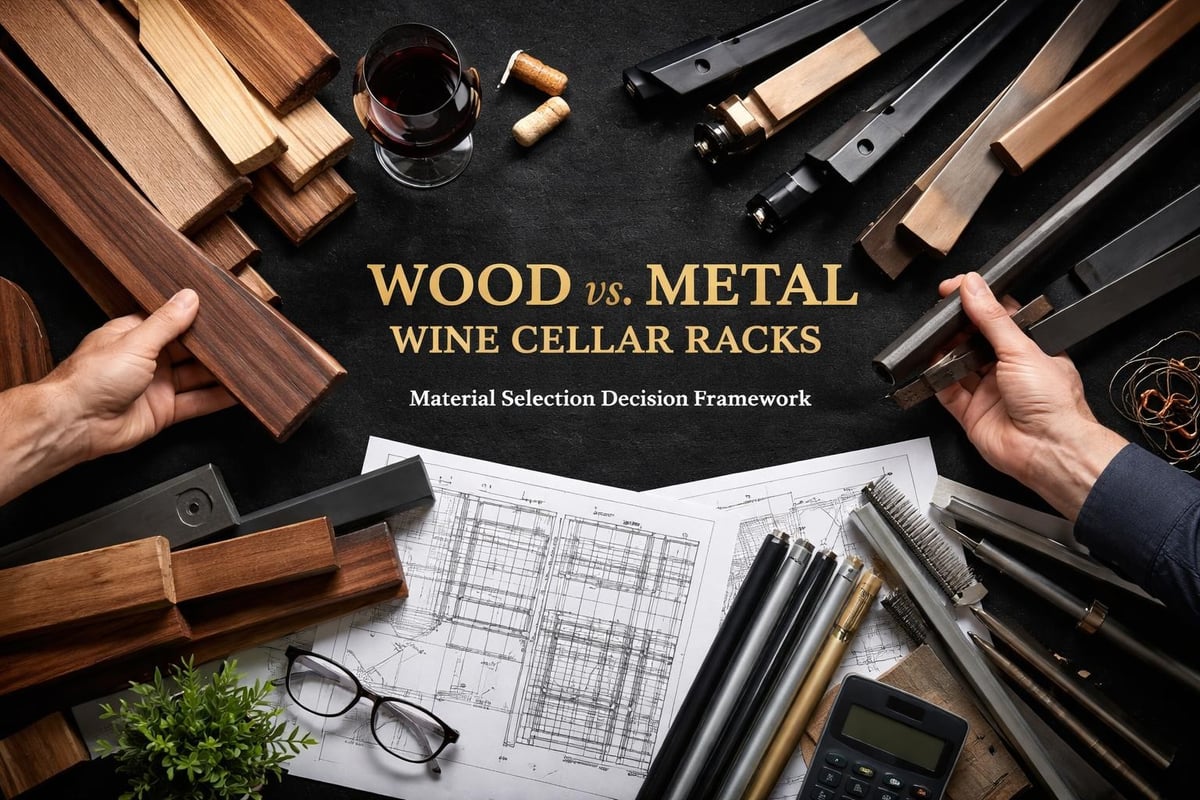
The comparison between wood and metal wine racks reveals how material choice impacts both form and function. Wood develops character over time, acquiring a patina that tells the story of your collection's journey. However, it requires proper humidity control to prevent warping and must be sealed appropriately for cellar environments.
Metal Wine Racks
Contemporary spaces increasingly feature metal racking that delivers clean lines and industrial elegance. Powder-coated steel, wrought iron, and brushed aluminum create striking visual statements in modern wine rooms.
Metal systems excel in specific applications:
Feature | Wood Racking | Metal Racking |
|---|---|---|
Aesthetic | Classic, warm | Modern, sleek |
Humidity Tolerance | Requires control | Highly resistant |
Customization | Carved, stained | Welded, powder-coated |
Longevity | Decades with care | Generations |
Weight | Moderate | Lighter or heavier depending on gauge |
Metal's resistance to moisture and temperature fluctuations makes it ideal for challenging installations. It's particularly valuable in commercial applications where durability matters most, though it can conduct temperature more readily than wood if not properly engineered.
Hybrid and Alternative Materials
Innovation brings fresh possibilities to wine storage. Acrylic panels combined with metal frames create floating bottle displays that seem to defy gravity. Stone accents integrated with traditional racking add textural richness. Some designers now incorporate reclaimed materials, turning vintage wood or industrial metal into conversation pieces that honor sustainability.
Wine Cellar Rack Configuration Styles
How you arrange your bottles transforms both accessibility and visual impact. The right configuration balances practical retrieval with aesthetic presentation.
Individual Bottle Storage
Label-forward racking positions each bottle so its identity remains visible without handling. This configuration suits collectors who want to survey their holdings at a glance, making selection effortless during dinner parties or quiet evenings.
Individual storage offers:
Maximum visibility for every label
Easy retrieval without disturbing neighboring bottles
Sophisticated presentation that highlights collection diversity
Flexibility to showcase special bottles as focal points
The various racking options explained demonstrate how individual bottle systems can be engineered for different bottle sizes, from standard Bordeaux to oversized magnums.
Bulk and Case Storage
Serious collectors who purchase by the case need dedicated bulk storage zones. These configurations maximize capacity while maintaining organization, typically positioning bottles neck-forward to save space.
Bulk storage excels when:
You purchase futures or invest in verticals
Your collection includes dozens of the same vintage
Space efficiency matters more than constant visibility
You maintain detailed inventory systems outside the cellar
Display Racking Features
Architecture becomes art when wine cellar racks incorporate display elements. Floating shelves showcase horizontally positioned bottles, creating breathing room between dense storage zones. Backlit sections transform select bottles into glowing sculptures. Waterfall designs cascade bottles down curved surfaces that command attention.
Consider these display strategies:
Architectural niches for rare bottles or decanters
Glass-enclosed showcases that protect while highlighting prized vintages
LED accent lighting integrated into racking to enhance ambiance
Mixed-depth configurations that create visual rhythm along walls
When working on custom wine cellar design, integrating display features transforms functional storage into an experiential space that reflects your passion.
Capacity Planning and Space Optimization
Understanding your collection's growth trajectory prevents costly renovations down the road. Strategic planning ensures your wine cellar racks accommodate both current holdings and future acquisitions.
Calculating Bottle Capacity
Start by auditing your existing collection and projecting five years forward. Most enthusiasts underestimate growth, finding their carefully planned cellars filled within two years.
Standard bottle dimensions:
Bordeaux: 11.5 inches tall, 2.9 inches diameter
Burgundy: 11.5 inches tall, 3.5 inches diameter
Champagne: 12.5 inches tall, 3.75 inches diameter
Magnum: 14 inches tall, 4 inches diameter
Factor in space for these variations when selecting wine cellar racks. A 500-bottle cellar designed only for Bordeaux bottles becomes restrictive when you discover premier Burgundy producers.
Vertical Space Utilization
Floor-to-ceiling installations maximize capacity without expanding footprint. However, practical retrieval limits height. Most designers place everyday selections between hip and eye level, relegating long-term cellaring bottles to upper and lower reaches.
Rolling ladders add both function and visual appeal, becoming design elements that evoke old-world wine libraries. For commercial installations like the Cambria Waco hotel wine cellar, staff accessibility influences configuration differently than private residential projects.
Design Integration and Aesthetic Considerations
Wine cellar racks establish the visual language of your space. Their style should harmonize with your home's architecture while honoring the wines they protect.
Matching Architectural Styles
Traditional homes call for classic racking details: crown molding, decorative columns, and rich wood tones that echo the residence's heritage. A Tanglewood estate might feature mahogany racks with turned posts that mirror the home's formal dining room.
Modern architecture demands cleaner expressions. Floating metal racks, cable suspension systems, and minimalist wood grids complement contemporary spaces. The Westlake Modern Noir wine cellar demonstrates how black metal and glass create dramatic impact in sleek environments.
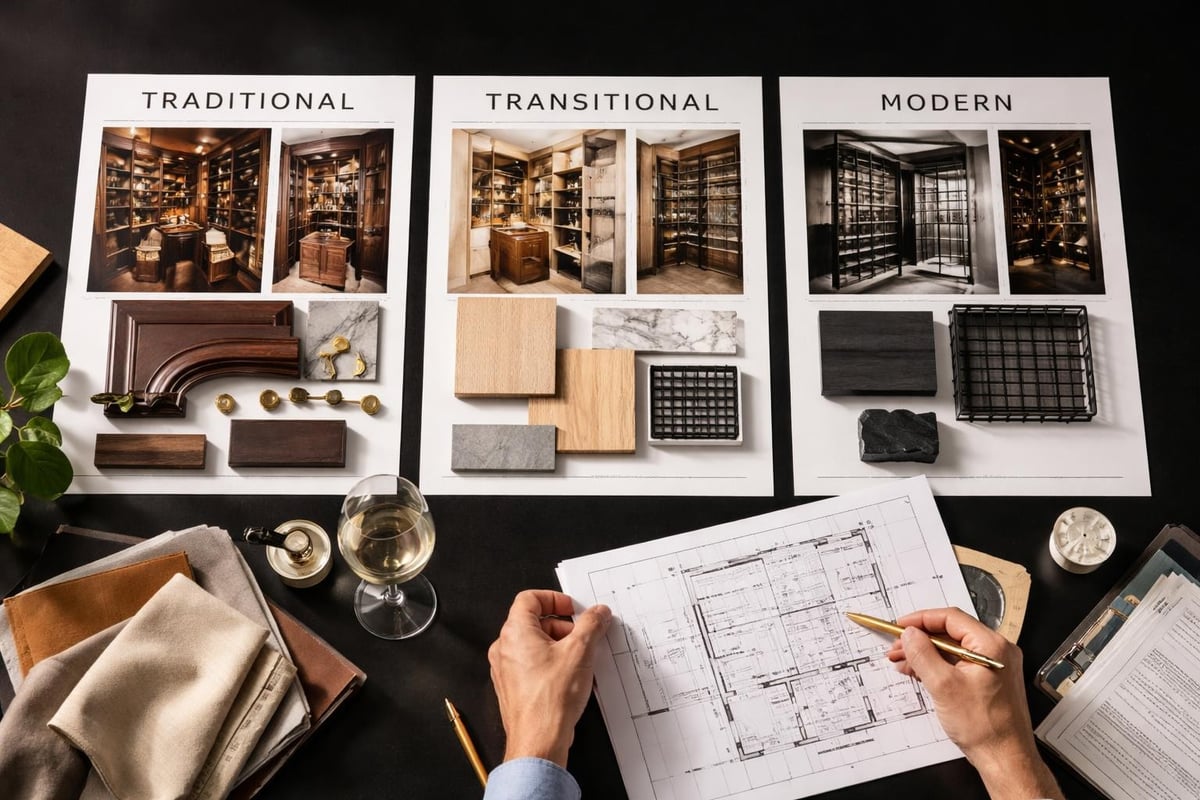
Transitional designs bridge these worlds, combining wood warmth with metal accents for versatility that ages gracefully alongside evolving tastes.
Color and Finish Selection
Natural wood stains range from honey-toned oak to espresso walnut, each creating different moods. Lighter finishes expand visual space and reflect light, valuable in compact cellars. Darker tones add gravitas and hide dust accumulation between cleanings.
Metal finishes offer equal variety:
Matte black for bold contemporary statements
Brushed nickel for subtle sophistication
Bronze patinas for old-world charm
Powder-coated custom colors for brand integration in commercial settings
Your finish choice should consider lighting conditions. Natural light (generally avoided in cellars) reveals warm wood tones beautifully but can highlight metal's industrial edges harshly. LED systems offer control over how finishes appear throughout the day.
Critical Selection Factors for Wine Cellar Racks
Making informed choices requires evaluating multiple dimensions beyond immediate aesthetics. The key factors when purchasing wine racks include construction quality, sustainability credentials, and long-term value.
Structural Integrity and Load Capacity
A full wine bottle weighs approximately 3 pounds. A modest 500-bottle cellar holds 1,500 pounds of glass, liquid, and cork before accounting for racking weight. Wall-mounted systems must anchor into studs with appropriate hardware. Freestanding units need bases stable enough to prevent tipping.
Quality indicators include:
Joinery methods: dovetail and mortise-and-tenon joints outlast screws
Material thickness: substantial stock resists warping under load
Reinforcement: cross-bracing and backing panels prevent racking
Mounting systems: professional-grade brackets rated for wine storage loads
Cutting corners on structural elements creates safety hazards and risks damaging valuable bottles. Investment in engineered systems pays dividends through decades of reliable service.
Climate Compatibility
Wine cellar racks must withstand the environment you create for your wines. Optimal storage conditions (55-58°F, 60-70% humidity) affect materials differently.
Humidity challenges wood if not properly sealed. Quality manufacturers apply multiple finish coats that protect against moisture absorption while allowing natural breathing. Metal resists humidity damage but may develop condensation in improperly insulated spaces.
When planning wine cellar materials, consider how racking, insulation, and climate control work as integrated systems rather than separate elements.
Installation and Modularity
Pre-assembled modular systems offer flexibility for evolving collections. Individual units can be repositioned, expanded, or reconfigured as needs change. This approach suits collectors still developing their focus or those anticipating residential moves.
Custom-built installations deliver seamless integration and maximize every inch of available space. They're permanently installed, creating architectural continuity that feels original to the home. For projects requiring turnkey wine cellar design-build services, custom approaches ensure every element aligns perfectly.
Emerging Trends in Wine Storage Design
The wine cellar industry continues evolving as new materials, technologies, and aesthetic preferences reshape expectations. Staying current ensures your investment remains relevant and inspiring.
Transparency and Visibility
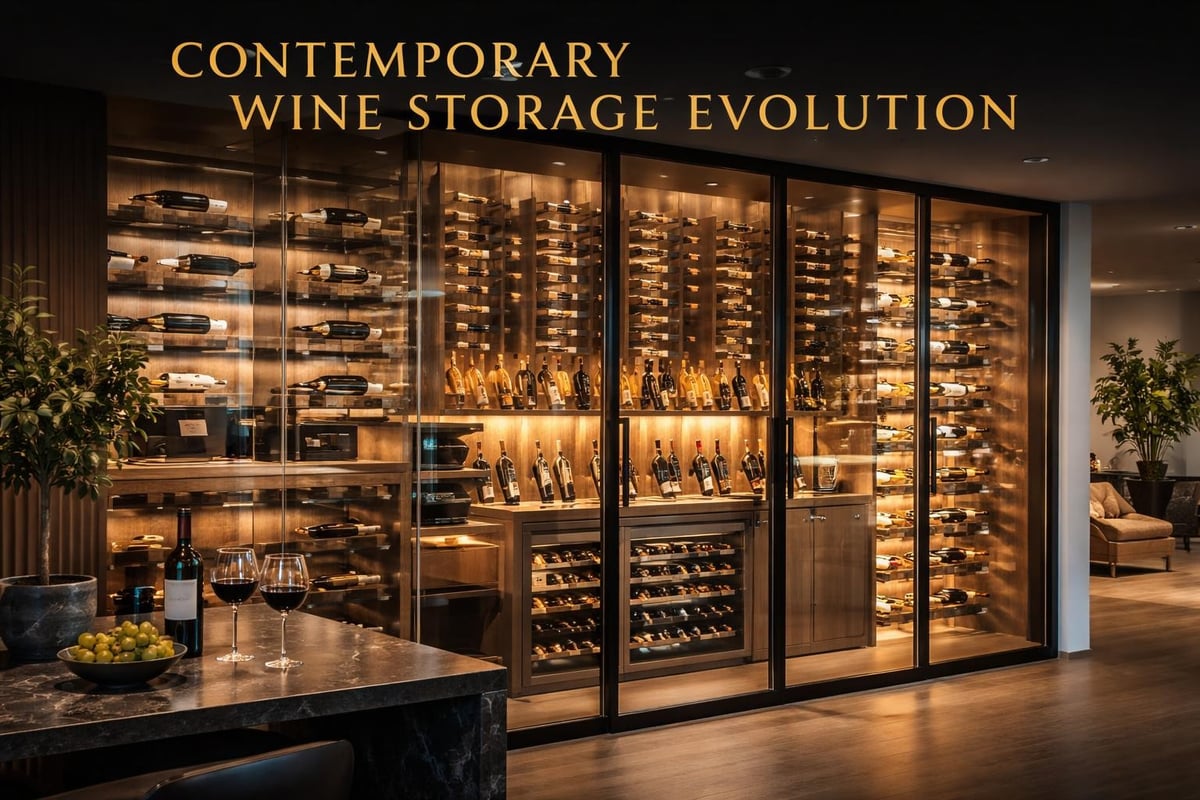
Glass wine walls have revolutionized wine display, bringing collections into living spaces rather than hiding them in basements. These installations use climate-controlled glass enclosures with integrated racking, creating dramatic focal points in dining rooms, kitchens, and entertaining areas.
The latest trends in wine storage highlight this shift toward visibility. Collectors increasingly want wines as participatory elements in daily life, not dusty basement secrets accessed only for special occasions.
Sustainable and Reclaimed Materials
Environmental consciousness influences material choices. Reclaimed wood from barns, wine barrels, and industrial buildings brings history into contemporary cellars while reducing environmental impact. Some manufacturers now offer FSC-certified woods and recycled metal options.
Sustainability extends beyond materials to include local sourcing that reduces transportation impacts and supports regional craftspeople. Texas collectors might specify locally harvested mesquite or pecan for unique character that connects cellars to place.
Technology Integration
Smart cellars incorporate inventory management systems, environmental monitoring, and security features directly into racking design. RFID tags track individual bottles. Digital displays show collection value and optimal drinking windows. Some systems send alerts when temperature or humidity drift from parameters.
While technology enhances functionality, the most successful installations integrate it subtly. Visible screens and obvious sensors can detract from the timeless elegance that makes wine cellars special. The best designs hide technology behind beautiful materials and thoughtful detailing.
Commercial Applications and Considerations
Wine cellar racks for restaurants, hotels, and private clubs face different demands than residential installations. Understanding these distinctions ensures specifications match use patterns.
High-Traffic Durability
Restaurant wine programs experience constant bottle movement. Staff retrieve selections dozens of times nightly, creating wear that private cellars never experience. Commercial wine cellar racks require reinforced construction, durable finishes that resist scratches, and configurations that enable quick access during service.
Consider these commercial factors:
Residential Priority | Commercial Priority |
|---|---|
Aesthetic beauty | Operational efficiency |
Collection showcase | Staff accessibility |
Personal curation | Inventory turnover |
Long-term aging | Current availability |
Intimate scale | Impressive capacity |
Projects like the Cambria Waco hotel wine cellar balance guest impact with staff functionality, creating spaces that perform beautifully under commercial demands.
Security and Access Control
Commercial wine collections represent significant financial investments requiring enhanced security. Locking glass doors, limited access configurations, and surveillance integration become essential elements rather than optional upgrades.
Staff training on proper bottle handling prevents damage and ensures wines remain properly positioned. Some commercial installations include separate zones for current selections versus aging inventory, restricting access to rare bottles while keeping house wines readily available.
Maintenance and Long-Term Care
Proper maintenance ensures wine cellar racks remain beautiful and functional for generations. Establishing care routines prevents minor issues from becoming expensive problems.
Cleaning and Preservation
Dust accumulates quickly on racking surfaces, especially in actively used cellars. Monthly dusting with microfiber cloths prevents buildup that can transfer to bottles. Avoid harsh chemicals that might damage finishes or leave residues.
Wood racking benefits from annual conditioning with appropriate products that maintain moisture balance without leaving sticky films. Metal systems require only occasional cleaning with damp cloths, though powder-coated finishes should be checked for chips that could lead to corrosion.
Inspection and Adjustment
Seasonal humidity changes can cause wood to expand and contract. Annual inspections identify issues before they affect wine storage. Check for loose joints, warped boards, or shifting mounting hardware.
Professional wine cellar maintenance services include comprehensive assessments of racking systems alongside climate control equipment. Catching problems early prevents cascading failures that endanger entire collections.
Working with Design Professionals
Creating exceptional wine storage requires collaboration between collectors, designers, and builders who understand the nuanced relationship between wine, space, and materials.
The Design Process
Initial consultations establish vision and requirements: collection size, growth projections, aesthetic preferences, and budget parameters. Experienced designers ask questions that reveal unstated needs, like entertaining frequency or interest in specific wine regions that might influence bottle size planning.
Space analysis determines what's possible within existing architecture. Converting a closet requires different approaches than building a ground-up cellar. Reviewing portfolio examples helps communicate style preferences and identify features that resonate.
Customization Versus Pre-Fabricated Systems
Pre-fabricated wine cellar racks offer speed and cost efficiency for standard spaces. Quality systems provide beautiful results when properly specified and installed.
Custom design unlocks possibilities that pre-made systems can't achieve: unusual room dimensions, specific bottle requirements, integrated features like tasting tables or decanters stations, and architectural detailing that matches existing millwork.
The investment in custom design pays returns through optimized space utilization, distinctive character, and seamless integration that feels intentional rather than retrofitted. Working with firms experienced in custom wine cellars across Texas ensures local expertise in climate challenges and design trends specific to the region.
Regional Considerations for Texas Wine Cellars
Texas's climate presents unique challenges that influence wine cellar rack selection and installation. Understanding these regional factors prevents costly mistakes.
Heat and Humidity Management
Texas summers push air conditioning systems hard, and wine cellars demand precise climate control regardless of external conditions. This impacts material selection, as wood finishes must withstand humidity cycling when systems run continuously.
Proper insulation becomes critical to maintain stable conditions without excessive energy consumption. Wine cellar racks should allow air circulation behind and around bottles, preventing hot spots that could age wines unevenly.
Local Material Sourcing
Texas craftspeople offer distinctive materials that connect cellars to regional character. Native mesquite and pecan woods provide hardness and grain patterns unavailable elsewhere. Working with local fabricators reduces lead times and supports Texas businesses.
Regional expertise matters when designing for Texas estates. Builders familiar with local construction practices understand how foundation settling, soil conditions, and building codes affect cellar installations. This knowledge prevents structural issues that might damage wine cellar racks years after installation.
Selecting the right wine cellar racks transforms bottles into legacy, creating spaces where memories form around exceptional wines shared with people who matter most. Whether you're planning an intimate residential collection or a dramatic commercial installation, the choices you make about materials, configuration, and design establish foundations that will serve your passion for decades. Prestige Wine Cellars brings comprehensive expertise to every project, combining artistry with engineering precision to create bespoke wine storage solutions that reflect your vision and protect your investment throughout Texas and beyond.
Your Dream Wine Cellar Starts Here
Let our design team craft a cellar that matches your taste, space, and your collection — built for beauty, function, and prestige.

Email us at
Serving Austin, Dallas–Fort Worth, Houston & San Antonio