
Custom Wine Cellar Design & Construction Guide 2026
Discover how to design and build a luxury custom wine cellar. Expert insights on materials, climate control, and creating timeless spaces.
Creating a dedicated space for your wine collection transforms more than just a room. It elevates your entire experience with wine, protecting your investment while showcasing bottles you've carefully selected over years. Whether you're planning an intimate residential cellar or a stunning display for your restaurant, understanding the nuances of custom design and construction ensures your vision becomes a reality that stands the test of time.
Understanding Custom Wine Cellar Fundamentals
A custom wine cellar represents far more than climate-controlled storage. It's an investment in preserving the integrity of wines that deserve proper aging conditions, while creating an architectural statement that reflects your taste and sophistication.
The foundation of any successful project begins with understanding your collection's needs. Temperature stability, humidity control, and proper insulation form the holy trinity of wine preservation. Red wines, white wines, and vintage champagnes all thrive in environments maintained between 55-58°F with 60-70% relative humidity. Even slight fluctuations can compromise aging potential and flavor development.
Essential Components Every Project Requires
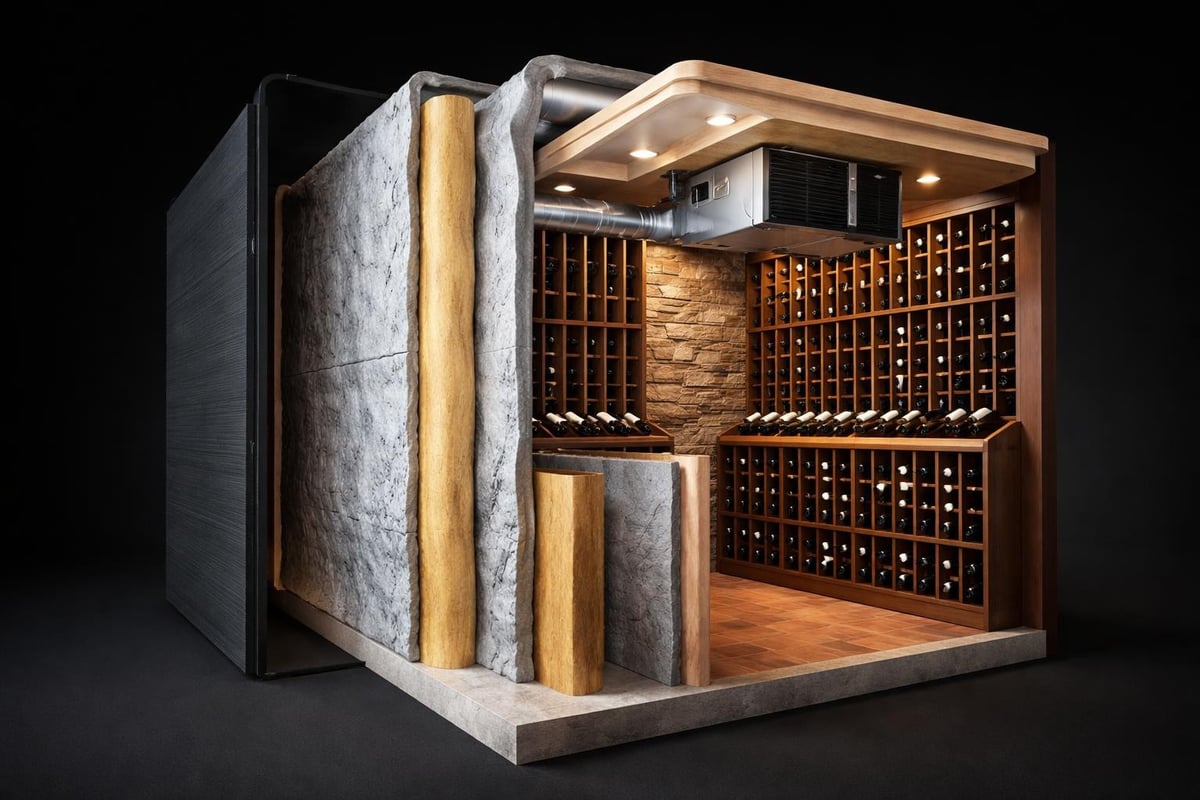
Before construction begins, every custom wine cellar demands careful attention to several critical elements:
Vapor barriers that prevent moisture intrusion and condensation
Insulation materials rated for consistent thermal performance
Climate control systems sized precisely for your space
Proper framing that accommodates both structure and utilities
Entry doors with adequate sealing properties
Racking systems designed for your specific bottle sizes and collection growth
When planning your wine cellar construction, professionals emphasize the importance of sequential installation. Each layer builds upon the previous one, creating an envelope that maintains ideal conditions year-round.
Design Styles That Define Your Space
Your custom wine cellar should tell a story. From the moment someone steps through the door, the design communicates your appreciation for wine, architecture, and craftsmanship.
Traditional cellars evoke old-world charm through rich wood tones, arched doorways, and classic racking configurations. Think mahogany or walnut paired with wrought iron details and soft ambient lighting. These spaces transport you to the châteaux of Bordeaux or the hillside estates of Tuscany.
Contemporary designs embrace clean lines, minimalist hardware, and dramatic material contrasts. Metal racking systems in brushed nickel or matte black create striking visual interest against white oak or acrylic panels. Glass walls transform wine storage into living art, particularly effective in open-concept homes where the cellar becomes a focal point rather than a hidden room.
Design Style | Key Materials | Best For | Notable Features |
|---|---|---|---|
Traditional | Mahogany, walnut, wrought iron | Classic homes, estates | Ornate details, warm tones |
Modern | Metal, glass, white oak | Contemporary spaces | Clean lines, minimalism |
Transitional | Mixed wood and metal | Versatile applications | Balance of old and new |
Rustic | Reclaimed wood, stone | Ranch homes, casual settings | Textured, organic feel |
Exploring different design approaches helps clarify which aesthetic resonates with your vision. Many homeowners discover their style preference evolves during the design consultation process, especially when viewing our portfolio of completed projects.
Material Selection and Longevity
The materials you choose impact both immediate aesthetics and long-term durability. Wood selection deserves particular attention, as not all species perform equally well in controlled humidity environments.
Redwood and mahogany naturally resist moisture and maintain stability across temperature variations. These premium options develop richer patinas over time, adding character to your cellar. White oak offers a lighter aesthetic while providing excellent structural integrity. For budget-conscious projects, pine or poplar work well when properly sealed and maintained.
Metal racking has gained popularity for several compelling reasons. Powder-coated steel and aluminum eliminate concerns about humidity damage while supporting heavier bottle loads. The sleek appearance suits modern and transitional designs beautifully, and choosing the right materials significantly influences your project's final aesthetic.
Climate Control Engineering and Technology
Temperature and humidity control systems represent the heart of any custom wine cellar. Without proper environmental management, even the most beautiful space fails its primary purpose of wine preservation.
Sizing Your Cooling System Correctly
Undersized cooling units run constantly, wearing out components prematurely while struggling to maintain consistent temperatures. Oversized units cycle on and off too frequently, creating temperature swings that damage wine.
Professional engineers calculate heat load based on multiple factors:
Total cubic footage of the conditioned space
Insulation R-values in walls, ceiling, and floor
Glass surface area and door specifications
Ambient temperature of surrounding rooms
Bottle capacity and desired collection size
Geographic location and climate patterns
Using a heat load calculator provides baseline estimates, but experienced designers refine calculations based on real-world installation experience. Texas homes, for instance, face different challenges than those in northern climates. Summer heat and air conditioning compete with cellar cooling systems, requiring thoughtful equipment placement and ductwork design.
Through-wall units work well for smaller residential cellars, mounting directly into an exterior wall with minimal modifications. Ducted split systems offer flexibility for larger installations or situations where equipment must be remotely located. Self-contained units combine all components in a single cabinet, simplifying installation in certain applications.

Humidity Management and Moisture Control
Maintaining proper humidity prevents corks from drying out while avoiding excess moisture that encourages mold growth. Most cooling systems naturally dehumidify air, so many cellars require supplemental humidification rather than removal.
Passive humidifiers using evaporation pans work in smaller spaces with moderate humidity demands. Active humidification systems integrate with climate controls, automatically adding moisture when levels drop below setpoints. The key lies in monitoring and adjustment, ensuring your system responds to seasonal changes and usage patterns.
Following proper preparation guidelines for vapor barriers and moisture-resistant materials creates the foundation for successful humidity control. Even the best equipment cannot compensate for poorly constructed building envelopes.
Construction Process and Timeline Considerations
Building a custom wine cellar requires coordination between multiple trades and careful sequencing of installation steps. Understanding the process helps set realistic expectations for project duration and budget.
Phase One: Space Preparation and Framing
Whether converting existing space or building new construction, proper framing establishes the structure for everything that follows. Standard 2x4 or 2x6 framing accommodates insulation thickness requirements, while allowing room for electrical conduit, lighting fixtures, and climate control ductwork.
Door openings deserve special attention. Exterior-grade doors with weatherstripping prevent air exchange between the cellar and adjacent spaces. Many designers specify glass doors that showcase collections while maintaining thermal performance through low-E coatings and insulated glass units.
Phase Two: Vapor Barriers and Insulation Installation
This phase determines your cellar's long-term performance. Six-mil polyethylene sheeting creates an effective vapor barrier when properly overlapped and sealed at seams. Installation occurs on the warm side of insulation, preventing moisture from reaching the cold cellar interior where condensation forms.
Insulation selection balances thermal performance with space constraints. Spray foam insulation provides superior R-values per inch while sealing air gaps that reduce efficiency. Batt insulation offers cost-effective performance when properly installed without compression or gaps. Ceiling insulation deserves extra attention, as heat rises and without proper barriers, cooling systems work overtime compensating for losses.
Phase Three: Climate System Installation and Testing
Professional installation of cooling equipment ensures proper airflow, drainage, and electrical connections. Testing should occur before final finishes, allowing time to address any performance issues without damaging completed racking or flooring.
Commissioning procedures verify temperature setpoints, humidity levels, and system cycling patterns. Run equipment continuously for 48-72 hours while monitoring performance, checking for unusual noises, vibrations, or temperature variations within the space.
Construction Phase | Duration | Key Activities | Critical Checkpoints |
|---|---|---|---|
Space Preparation | 3-5 days | Framing, electrical rough-in | Door opening size, level floor |
Envelope Sealing | 2-3 days | Vapor barrier, insulation | Continuous barrier, sealed penetrations |
Climate Installation | 2-4 days | Equipment mounting, ductwork | Proper airflow, condensate drainage |
Racking Installation | 5-10 days | Custom millwork, mounting | Level installation, secure anchoring |
Finishing Details | 3-5 days | Lighting, flooring, trim | Sealed penetrations, functional doors |
Total project timelines typically range from four to eight weeks for residential installations, while commercial projects may extend longer based on scope and complexity. Engaging with comprehensive design services early in the planning process helps streamline construction and avoid costly delays.
Racking Systems and Storage Optimization
Racking design balances aesthetic appeal with practical functionality. Your system must accommodate current bottle inventory while allowing for collection growth, all within the physical constraints of available space.
Bottle Capacity Planning
Standard wine bottles require approximately 3.5 inches of depth and 4 inches of width for comfortable storage and retrieval. Larger format bottles, magnums, and champagnes demand specialized racking with adjustable or custom configurations.
Smart designers incorporate multiple racking styles within a single cellar:
Individual bottle storage for everyday drinking wines and rotating inventory
Case storage bins for wines purchased by the case awaiting optimal drinking windows
Display rows featuring label-forward presentation for prized bottles
Bulk diamond bins maximizing capacity in available space
Presentation niches highlighting special acquisitions or vertical collections
Calculate storage needs conservatively. Most collectors underestimate growth rates, finding their "perfectly sized" cellar filled within two years. Building 20-30% additional capacity into initial designs accommodates inevitable expansion without requiring renovation.
Display and Accessibility Features
A truly custom wine cellar balances storage efficiency with the pleasure of showcasing exceptional bottles. LED lighting systems illuminate labels without generating heat that affects temperature control. Strips installed beneath shelving or within racking creates dramatic uplighting effects while remaining energy efficient.
Pull-out shelving and tasting tables enhance usability, particularly in larger installations where entertaining becomes part of the cellar experience. Some homeowners incorporate climate-controlled cigar storage or spirits displays, creating comprehensive beverage sanctuaries.
For commercial applications like restaurants and hotels, visible racking systems behind glass walls become marketing tools as much as functional storage. Guests dining nearby enjoy dramatic presentations while understanding the establishment's commitment to proper wine service. Our hotel and resort projects demonstrate how strategic design elevates guest experiences.
Location Selection and Space Requirements
Where you build matters as much as how you build. The ideal location balances convenience, structural considerations, and environmental factors that impact construction costs and long-term performance.
Below-grade locations offer natural temperature stability and minimal exposure to external heat gain. Basements provide ideal conditions, though drainage, waterproofing, and egress requirements demand attention. Above-grade installations work beautifully with proper insulation and climate control, allowing integration into main living areas as architectural features.
Avoid locations adjacent to:
Laundry rooms where dryers generate heat and moisture
Mechanical rooms with furnaces or water heaters creating thermal loads
Exterior walls with southern or western exposure in warm climates
Bathrooms where humidity and temperature fluctuate
Kitchens where cooking generates heat and odors
Many Texas homeowners discover that converting underutilized spaces like formal dining rooms, guest bedrooms, or awkward closets creates stunning cellars without foundation work or extensive structural modifications. When building new homes, working with architects during initial design phases allows optimal placement and infrastructure integration.
Minimum Space Guidelines
While custom designs accommodate nearly any footprint, certain minimums ensure functional, comfortable cellars:
Small residential cellars (100-300 bottles) require at least 6x8 feet of floor space with 7-8 foot ceilings. This allows adequate racking, a small aisle for access, and proper door swing clearance.
Mid-size collections (300-1,000 bottles) benefit from 8x10 feet or larger with room for tasting tables, display features, and comfortable navigation between racking sections.
Large private cellars exceeding 1,000 bottles typically require 150+ square feet, particularly when incorporating multiple room sections, temperature zones for different wine types, or entertaining areas.
Regional Considerations for Texas Installations
Building custom wine cellars in Texas presents unique opportunities and challenges compared to other regions. Understanding these factors ensures your investment performs flawlessly in our climate.
Heat and humidity define Texas summers, placing extraordinary demands on cooling systems. Ambient temperatures exceeding 100°F and relative humidity above 80% require properly sized equipment with adequate capacity reserves. Many installations benefit from oversized condensers and enhanced insulation packages beyond standard specifications.
Foundation movement and soil conditions in areas with expansive clay soils affect below-grade installations. Proper waterproofing and drainage systems prevent moisture intrusion that compromises vapor barriers and promotes mold growth. French drains, sump pumps, and foundation sealing become critical components rather than optional upgrades.
Energy costs in Texas favor efficient climate control systems and premium insulation investments. Calculate operating expenses over five-year periods when comparing equipment options, as higher initial investments often generate substantial savings through reduced electricity consumption.
Projects across Houston, Dallas, and throughout Central Texas each present site-specific considerations. Working with designers who understand regional construction methods and climate challenges prevents costly mistakes and ensures lasting performance.
Commercial Applications and Hospitality Projects
Restaurants, hotels, and private clubs approach custom wine cellar design with different priorities than residential clients. Visibility, capacity, and operational efficiency take precedence alongside aesthetic impact.
Glass-walled cellars in dining rooms create theater around wine service while demonstrating commitment to proper storage. Temperature-controlled displays become conversation pieces, encouraging guests to explore wine lists and upgrade selections. The investment in dramatic presentation often pays immediate returns through increased wine sales and enhanced reputation.
Back-of-house storage requires different strategies, maximizing bottle capacity while maintaining organization systems that support efficient inventory management and service staff access. Color-coded racking, digital inventory systems, and clearly labeled sections streamline operations during busy service periods.
Steakhouses particularly benefit from custom wine cellars that complement their premium positioning. Showcasing extensive collections reinforces the overall luxury experience guests expect, justifying higher check averages and building loyalty among wine-focused clientele.
Maintenance and Long-Term Care
Even perfectly designed and constructed custom wine cellars require ongoing attention to maintain optimal performance. Establishing maintenance routines prevents minor issues from becoming expensive problems while protecting your wine investment.
Annual System Checkups
Schedule professional inspections of climate control equipment at least yearly, preferably before summer when systems face maximum loads. Condenser coil cleaning, refrigerant level verification, and electrical connection inspection prevent unexpected failures during critical periods.
Humidity sensors drift over time, requiring recalibration to ensure accurate readings. Temperature monitoring systems with remote alerts provide peace of mind, notifying you immediately if conditions drift outside acceptable ranges.
Racking and Structural Maintenance
Wood racking benefits from periodic cleaning with slightly damp cloths, avoiding harsh chemicals that damage finishes or affect wine through proximity. Inspect mounting hardware annually, tightening any loose connections before they create safety hazards or damage bottles.
Door seals and weatherstripping wear from repeated use, eventually allowing air exchange that compromises climate control. Replace seals showing cracks, compression set, or gaps, maintaining the tight envelope essential for efficiency.
Consider professional maintenance services that provide comprehensive care including equipment servicing, racking inspection, and climate monitoring. Regular professional attention extends system lifespans while ensuring your wines age under ideal conditions year after year.
Investment Considerations and Return Potential
Custom wine cellars represent significant investments, with projects ranging from modest residential installations to elaborate commercial showcases. Understanding cost drivers helps establish realistic budgets while identifying areas for optimization.
Construction costs include framing, insulation, vapor barriers, doors, and finish work. These fundamentals consume 30-40% of typical budgets, representing non-negotiable requirements for proper function.
Climate control equipment accounts for 20-30% of investment, varying based on system type, capacity, and installation complexity. Premium units with advanced features and warranties cost more initially but often provide better long-term value through reliability and efficiency.
Racking systems range from 25-35% of budgets, depending on materials, customization level, and bottle capacity. Custom millwork and exotic woods increase costs significantly compared to modular systems or standard configurations.
Lighting, flooring, and architectural details complete the investment, typically representing 10-15% of total costs. These finishing touches distinguish truly custom installations from basic storage spaces.
For residential properties, well-designed custom wine cellars often return 60-80% of investment upon sale, with exceptional installations potentially recovering full costs. Beyond financial return, consider the intangible value of protecting wine collections worth tens or hundreds of thousands of dollars, plus the enjoyment derived from a beautifully crafted space.
Commercial installations generate measurable returns through increased wine sales, higher check averages, and enhanced brand positioning. Many restaurateurs report that dramatic wine displays pay for themselves within 18-36 months through improved wine program performance.
Smart Design Tips From Industry Experts
Decades of experience designing and building luxury wine cellars reveal patterns in what works exceptionally well versus what disappoints. These insights help you avoid common pitfalls while incorporating features that enhance both function and beauty.
Plan for growth by building larger capacity than current needs suggest. Collections expand faster than expected, and adding racking later often proves more expensive and disruptive than initial installation.
Prioritize the envelope over decorative elements. Proper insulation and vapor barriers matter more than exotic wood species or elaborate lighting. A functional cellar with basic finishes outperforms a beautiful space that cannot maintain proper conditions.
Invest in quality climate control rather than selecting equipment solely by price. Reliable temperature and humidity management protects wine investments worth far more than cooling system upgrades cost.
Consider professional design services rather than DIY approaches. Expert designers understand construction sequencing, material compatibility, and climate engineering in ways that prevent expensive mistakes.
Engage early in new construction to optimize placement, coordinate utilities, and integrate cellars seamlessly into architectural plans. Retrofitting existing spaces works beautifully, but purpose-built cellars offer advantages worth pursuing when building homes.
These smart design principles apply whether creating intimate residential spaces or elaborate commercial installations. Success comes from thoughtful planning, quality execution, and understanding that wine cellars serve both practical preservation needs and aesthetic desires.
Creating a custom wine cellar transforms how you experience and preserve your collection, blending sophisticated climate engineering with artful design that reflects your personal style. From material selection and cooling systems to racking configurations and finishing details, every decision shapes both immediate beauty and long-term performance. Whether you're envisioning an intimate residential retreat or a show-stopping commercial display, Prestige Wine Cellars brings decades of expertise to projects throughout Texas and beyond, delivering bespoke solutions that honor your vision while ensuring your wines age gracefully for generations to come.
Your Dream Wine Cellar Starts Here
Let our design team craft a cellar that matches your taste, space, and your collection — built for beauty, function, and prestige.

Email us at
Serving Austin, Dallas–Fort Worth, Houston & San Antonio