
Wine Cellar Construction: Your All In One Guide
Discover the essential elements of wine cellar construction, from climate control to materials. Expert insights for creating a flawless space.
Building a wine cellar is an investment in both your collection and your property. Whether you're designing a private sanctuary beneath your estate or crafting a showpiece for a boutique hotel, the technical precision behind wine cellar construction determines whether your wines mature gracefully or deteriorate prematurely. The difference between a functional storage space and a masterpiece lies in understanding the critical interplay of climate control, materials, and meticulous execution. Every detail matters, from the vapor barrier hidden behind your walls to the precise positioning of cooling units.
Understanding the Foundation of Wine Cellar Construction
The success of any wine cellar project begins long before the first bottle finds its home. Wine cellar construction demands more than aesthetic vision-it requires engineering expertise and an unwavering commitment to creating the ideal microclimate. Temperature stability, humidity control, and proper insulation form the holy trinity of wine preservation, and compromising on any single element puts your entire collection at risk.
The physics of wine storage dictate specific conditions: temperatures between 55-58°F with humidity levels hovering around 60-70%. These aren't arbitrary numbers pulled from a textbook; they represent the sweet spot where wines develop complexity without premature aging or label degradation. When you're investing in bottles that appreciate over decades, environmental consistency becomes non-negotiable.
Location Selection and Space Planning
Choosing where to build your wine cellar shapes every subsequent decision in the construction process. Below-grade spaces offer natural temperature advantages, while above-grade locations require more robust climate control systems. Interior rooms without exterior walls minimize thermal transfer, reducing the burden on cooling equipment and lowering long-term operational costs.
Consider these location factors:
Proximity to living spaces: Will foot traffic disturb sediment in aging bottles?
Accessibility for deliveries: Can cases reach the cellar without navigating tight staircases?
Structural capacity: Can existing floors support thousands of pounds of wine?
Future expansion potential: Does the space allow for collection growth?
The most successful projects we've encountered at Prestige Wine Cellars share one common trait: thoughtful site selection that anticipates both immediate needs and long-term aspirations.
The Science of Insulation and Vapor Barriers
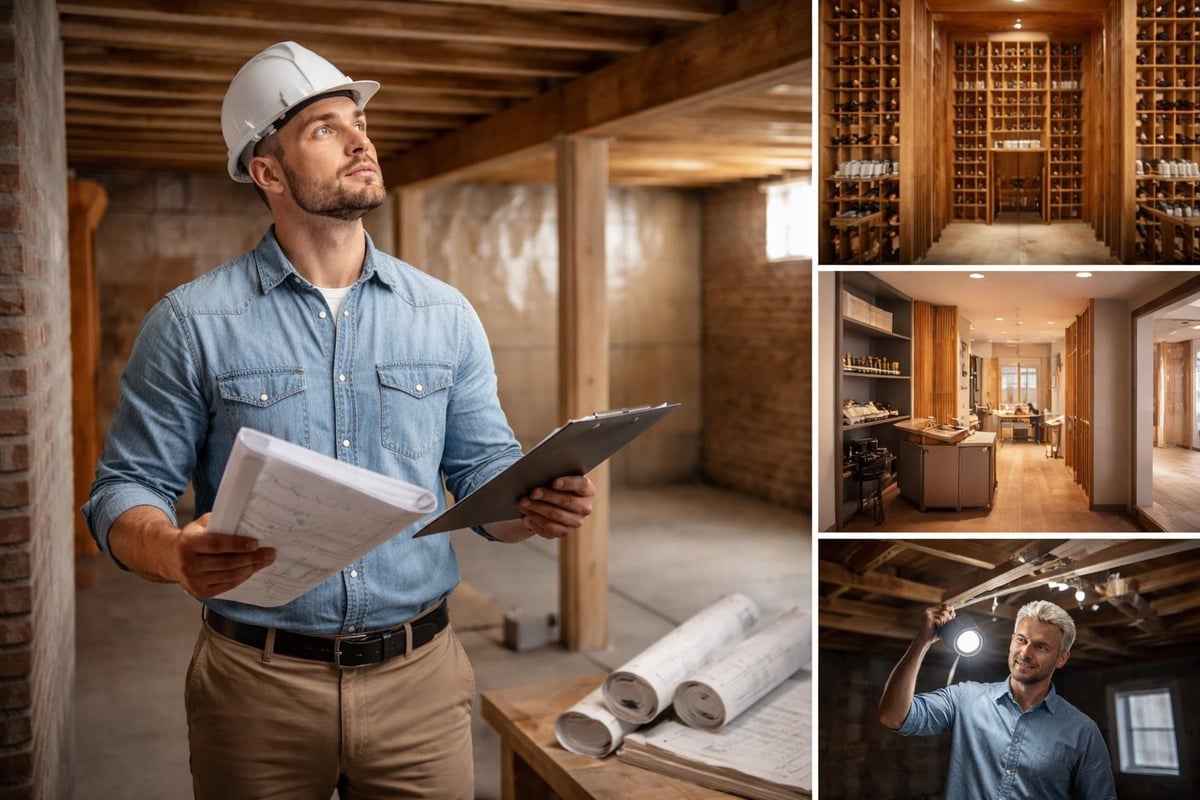
Insulation isn't just about keeping cold air inside-it's about creating a hermetic seal that prevents moisture migration and temperature fluctuations. Wine cellar construction requires R-19 insulation in walls and R-30 in ceilings as minimum standards, though many high-performance installations exceed these values. The type of insulation matters as much as the R-value; closed-cell spray foam provides superior moisture resistance compared to traditional fiberglass batts.
Vapor barriers represent the unsung hero of successful cellars. Installed on the warm side of insulation, these 6-mil polyethylene sheets prevent humid air from condensing within wall cavities. Many construction failures trace back to improperly installed or omitted vapor barriers, leading to mold growth, structural damage, and compromised climate control. Professional preparation of your installation space ensures these critical elements receive proper attention.
Wall and Ceiling Construction Specifications
The structural envelope determines your cellar's ability to maintain stable conditions year-round. Standard construction falls short of wine storage requirements, necessitating enhanced techniques that transform ordinary rooms into preservation chambers.
Component | Standard Building | Wine Cellar Requirement |
|---|---|---|
Wall Insulation | R-13 | R-19 minimum |
Ceiling Insulation | R-19 | R-30 minimum |
Vapor Barrier | Often omitted | 6-mil poly, warm side |
Door | Hollow core | Insulated exterior-grade |
Seal Quality | Basic weatherstrip | Magnetic gasket seal |
Following detailed wine cellar specifications ensures your construction meets the demanding requirements of long-term wine storage. The walls themselves should be 2x6 framing to accommodate thicker insulation, and every penetration-electrical outlets, climate control lines, lighting-must be carefully sealed to maintain envelope integrity.
Climate Control Systems: The Heart of Your Cellar
Selecting and sizing climate control equipment represents one of the most critical decisions in wine cellar construction. Undersized units run continuously, failing to properly dehumidify while driving up energy costs. Oversized systems short-cycle, creating temperature swings that stress your collection. Precise heat load calculations, accounting for insulation values, cubic footage, and anticipated bottle density, determine the appropriate cooling capacity.
Through-wall units offer simplicity and lower initial costs, exhausting heat into adjacent spaces. Ducted split systems provide flexibility in equipment placement and whisper-quiet operation within the cellar itself. Water-cooled systems deliver the highest performance levels, ideal for large commercial installations or cellars in challenging climates.
Installation positioning affects both performance and longevity. Climate control units should draw from low in the cellar and discharge cool air high, leveraging natural convection. This creates gentle circulation without the aggressive airflow that disturbs sediment or accelerates evaporation from bottles.
Consider these climate control essentials:
Calculate heat load accurately using room dimensions, insulation, and lighting heat
Account for worst-case scenarios including summer peaks and door opening frequency
Plan for redundancy in critical installations with backup systems
Schedule professional wine cellar maintenance to ensure consistent performance
Understanding the relationship between your cellar's construction quality and cooling requirements helps manage both upfront costs and operational efficiency. Superior insulation and sealing reduce the burden on mechanical systems, creating savings that compound over decades of operation.
Door Selection and Sealing Technology
The entry to your wine cellar represents the weakest point in your thermal envelope. Standard residential doors lack the insulation and sealing capabilities necessary for maintaining stable conditions. Wine cellar construction demands exterior-grade doors with solid cores, insulated glass if transparency is desired, and commercial-quality magnetic gasket seals that compress tightly against the jamb.
Glass doors create stunning visual impact, transforming wine collections into living art installations. However, they require triple-pane insulated glass with low-E coatings to prevent heat transfer and UV exposure. The frameless glass systems popular in modern wine wall designs incorporate specialized sealing systems that maintain climate integrity while maximizing visibility.
Threshold and Sweep Sealing
The gap beneath your cellar door creates a thermal breach that undermines even the most sophisticated climate control systems. Adjustable thresholds combined with heavy-duty door sweeps eliminate this vulnerability. Many professional installations incorporate automatic door bottoms that drop when the door closes, creating an airtight seal, then retract when opened to clear carpet or raised thresholds.
Testing door performance after installation verifies seal quality. A simple smoke test reveals air infiltration points, while monitoring temperature differentials across the door during climate system operation confirms thermal performance. These verification steps separate amateur construction from professional-grade installations.
Material Selection for Racking and Surfaces
The materials that touch your wine directly influence aging outcomes and aesthetic impact. Wood remains the traditional choice, with mahogany, redwood, and walnut offering beauty, stability, and natural resistance to moisture. Each species brings distinct characteristics: mahogany's rich tones complement traditional estates, while walnut's contemporary grain patterns enhance modern designs featured in our portfolio of custom cellars.
Metal racking systems deliver contemporary aesthetics with exceptional structural capacity. Powder-coated steel or anodized aluminum resist corrosion in humid cellar environments while supporting high-density bottle storage. Cable wine racks create dramatic floating presentations, particularly effective in glass-enclosed spaces where visual lightness enhances transparency.
Flooring choices extend beyond aesthetics to functional considerations. Stone and tile provide durability and moisture resistance, essential in spaces where humidity hovers perpetually above 60%. Cork flooring offers sustainability and natural insulation properties, though it requires sealing to prevent moisture absorption. Whatever surface you choose, avoid anything that off-gasses or harbors odors-wines readily absorb ambient scents through permeable corks.
Lighting Design Without Compromise
Wine's enemies include heat and ultraviolet light, making lighting design a delicate balance between showcasing your collection and protecting it. LED technology revolutionized cellar illumination, providing brilliant light with minimal heat generation and zero UV emissions. Low-voltage systems further reduce energy consumption while creating design flexibility through diminutive fixture profiles.
Strategic lighting placement highlights architectural features and prized bottles without bathing the entire cellar in constant illumination. Motion sensors and dimmers allow light when needed while keeping the cellar dark during dormant periods. Many sophisticated installations featured in luxury Texas wine cellars incorporate programmable scenes that adapt illumination to different occasions-bright for inventory management, subtle for intimate tastings.
Addressing Common Construction Mistakes
Even experienced builders sometimes underestimate the precision required for successful wine cellar construction. Learning from others' missteps saves both money and heartache. Inadequate insulation tops the list of costly errors, followed closely by vapor barrier omissions or incorrect placement. When moisture condenses within wall cavities, the resulting damage remains hidden until mold appears or climate systems fail.
Poor air sealing around penetrations creates thermal bridges that compromise efficiency. Every electrical box, climate control line, and cable pass-through must receive careful attention with expanding foam or specialized sealants. The cumulative effect of dozens of small gaps equals leaving a window cracked open year-round.
Avoiding common design mistakes requires planning that extends beyond aesthetics. Insufficient bottle capacity frustrates collectors who quickly outgrow their cellars. Awkward access points make inventory management tedious. Poor lighting renders label reading impossible without disturbing the entire collection.
Common Mistake | Consequence | Prevention Strategy |
|---|---|---|
Undersized cooling | Temperature fluctuations | Professional heat load calculation |
Missing vapor barrier | Mold and structural damage | 6-mil poly on warm side of insulation |
Inadequate racking | Limited storage capacity | Design for 20% growth beyond current collection |
Poor door sealing | Climate control failure | Magnetic gaskets with adjustable threshold |
Ventilation and Air Quality Management
While wine cellars must remain sealed to maintain climate control, they still require thoughtful air quality management. Stagnant air promotes mold growth and musty odors that permeate corks and contaminate wines. Proper climate control systems incorporate gentle air circulation that turns over the entire room volume without creating strong currents that disturb sediment.
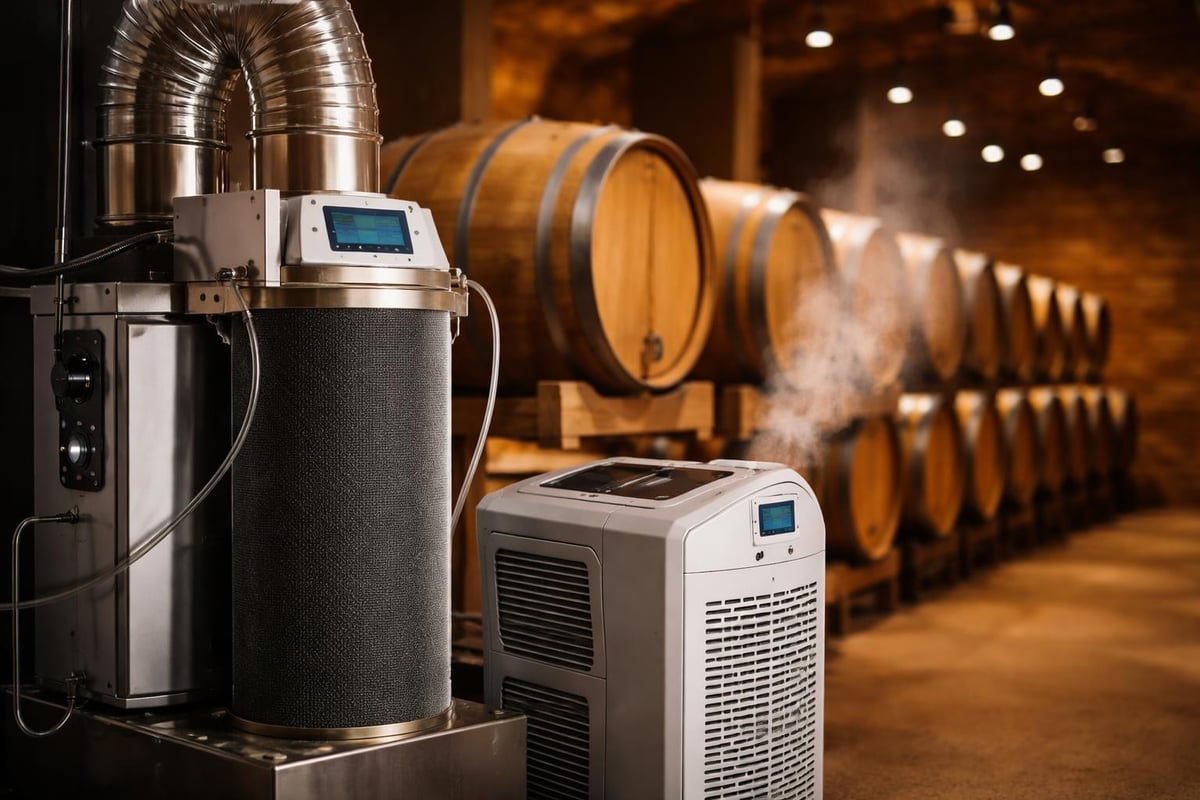
Carbon filtration removes odor compounds before they affect your collection. Some installations integrate air purification directly into climate control systems, while others employ standalone units that operate independently. The goal remains constant: pristine air quality that allows wines to develop complexity without external contamination.
Commercial installations, particularly those in restaurants and hotels where cellar access occurs frequently, benefit from vestibule entries that minimize the impact of door openings. This airlock approach maintains stable conditions in the main storage area while accommodating the practical demands of high-traffic environments like hotel wine cellars.
Integration with Home Architecture
The most compelling wine cellars feel like natural extensions of the homes they inhabit rather than afterthoughts tucked into available space. This integration begins during the construction phase, where decisions about sightlines, access routes, and material continuity shape how the cellar relates to surrounding rooms. Glass walls transform cellars into architectural features visible from living areas, while hidden entries maintain privacy for collections requiring discretion.
Structural integration addresses load-bearing requirements before construction begins. A fully stocked 1,000-bottle cellar weighs over 3,000 pounds before accounting for racking systems and fixtures. Floor joists, especially in above-grade installations, may require reinforcement to safely support this concentrated weight. Consulting structural engineers during planning prevents costly corrections after construction is complete.
The relationship between your cellar and adjacent spaces influences both construction approach and system selection. Locating a cellar beneath a bedroom suggests ducted climate control to minimize noise, while placement near kitchens or entertaining spaces might inspire glass walls that invite visual connection. These contextual factors shape technical specifications as much as aesthetic preferences.
Professional Construction Versus DIY Approaches
The complexity of wine cellar construction tempts some homeowners to attempt DIY projects, attracted by perceived cost savings. While capable builders can handle framing and basic insulation, the specialized knowledge required for proper vapor barrier installation, climate control sizing, and seal verification typically exceeds general construction experience. The stakes intensify when collections worth tens or hundreds of thousands of dollars depend on construction quality.
Professional wine cellar builders bring systematic approaches refined across hundreds of installations. They understand subtle details like proper refrigerant line sizing, condensate management in humid climates, and how local building codes affect construction methods. This expertise becomes particularly valuable when constructing cellars in Texas, where extreme heat and humidity create demanding operating conditions.
The investment in professional construction pays dividends through superior performance, lower operating costs, and peace of mind. When climate systems maintain precise conditions year after year without intervention, when humidity remains stable through summer's heat and winter's cold, the value of expert execution becomes unmistakable. Consider exploring turnkey design-build services that coordinate every aspect from concept through commissioning.
Preparing for Construction: Pre-Installation Checklist
Before the first nail is driven, thorough preparation sets the foundation for successful wine cellar construction. This planning phase addresses everything from permit requirements to utility access, ensuring construction proceeds smoothly without costly interruptions or revisions.
Begin with these essential preparation steps:
Verify local building codes regarding structural modifications and HVAC installations
Confirm electrical capacity for climate control and lighting loads
Identify drainage options for condensate removal from cooling systems
Document existing conditions with photos and measurements
Establish material staging areas protecting deliveries from weather exposure
Coordinate trades scheduling to sequence work logically and efficiently
Understanding how to build a wine cellar involves recognizing that proper preparation consumes significant time before visible progress begins. Rushing this phase to accelerate timelines inevitably creates complications that delay completion and inflate costs. Patient, methodical planning creates the conditions for efficient execution.
Long-Term Maintenance and System Monitoring
Wine cellar construction establishes the foundation for decades of reliable service, but ongoing maintenance preserves that initial investment. Climate control systems require annual professional servicing-cleaning coils, checking refrigerant levels, verifying control calibrations. These preventive measures catch small issues before they escalate into failures that compromise your collection.
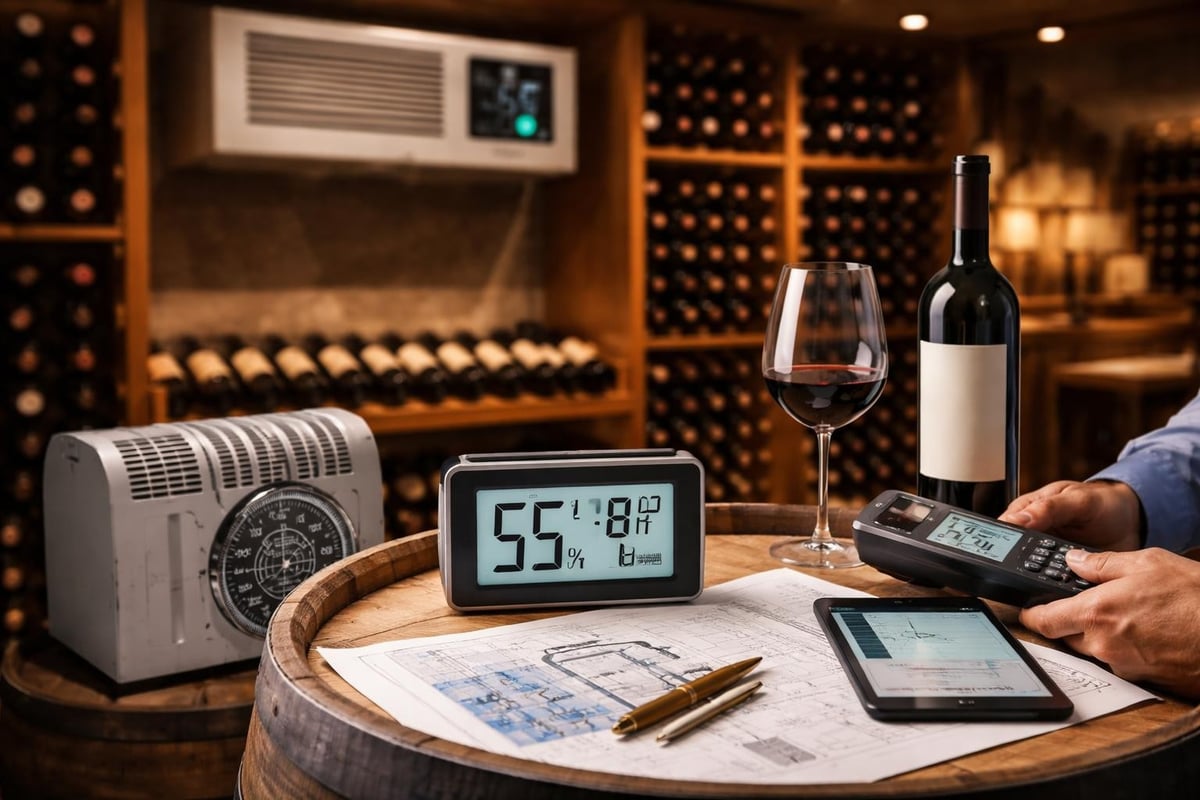
Monitoring technology has evolved dramatically, with modern systems providing real-time alerts if temperature or humidity drift beyond acceptable ranges. Smart sensors communicate via WiFi, sending notifications to your phone before conditions reach critical thresholds. This vigilance proves especially valuable for collectors who travel frequently or maintain cellars in secondary properties.
Professional maintenance services extend beyond equipment servicing to encompass seal inspections, insulation verification, and door adjustment. Wood racking benefits from periodic conditioning with appropriate sealers that protect against moisture while avoiding aromatic compounds that might affect wine. These attentive practices ensure your cellar continues performing as flawlessly in year twenty as it did upon completion.
Investment Value and Return Considerations
Wine cellar construction represents substantial investment, with costs varying dramatically based on size, finishes, and technical complexity. Understanding where money is best spent versus where economies are prudent helps optimize both budget and outcome. Investing heavily in insulation, vapor barriers, and climate control creates long-term value through lower operating costs and superior wine preservation. Conversely, extravagant finishes in rarely-seen spaces may offer limited return.
The impact on property value depends largely on market and execution quality. Luxury homes in wine-appreciating markets see strong returns from well-executed cellars, particularly when the installation quality matches the home's overall finish level. Boutique hotels and high-end restaurants benefit from the marketing value and enhanced guest experience that showcase cellars provide, often seeing returns through increased patronage beyond simple construction costs.
Creating value through wine cellar construction requires aligning the project scope with your specific goals. Private collectors prioritize optimal storage conditions and capacity, while commercial installations balance functionality with visual impact. Understanding these priorities from the outset ensures construction budgets focus on elements that deliver meaningful value for your particular application.
Successful wine cellar construction blends technical precision with artistic vision, creating spaces where wines mature flawlessly while reflecting your personal style. From initial site selection through final commissioning, every decision impacts your collection's long-term wellbeing and your enjoyment of the space. Whether you're planning a private sanctuary in your estate or designing a statement piece for your restaurant, Prestige Wine Cellars brings the expertise and dedication necessary to transform your vision into reality, ensuring your investment protects and showcases your collection for generations to come.
Your Dream Wine Cellar Starts Here
Let our design team craft a cellar that matches your taste, space, and your collection — built for beauty, function, and prestige.

Email us at
Serving Austin, Dallas–Fort Worth, Houston & San Antonio