
The Expert Guide to Home Wine Rooms in 2026
Discover the 2026 expert guide to home wine rooms Explore trends, design tips, and smart solutions to create a stunning space that elevates your collection
In 2026, home wine rooms have become the ultimate mark of sophistication and smart living, no longer reserved for seasoned collectors. Whether you are a passionate enthusiast or simply love to entertain, these spaces offer both luxury and practicality.
This expert guide will walk you through everything you need to know about designing, building, and maintaining home wine rooms that fit your taste, collection, and budget. Our mission is to empower you with up-to-date insights and actionable steps, turning your wine room vision into reality.
Discover the latest trends, from sleek glass-enclosed cellars to sustainable materials and smart climate control. Learn how to plan, organize, and care for your wine collection with confidence and style. Ready to showcase your passion and protect your investment? Let’s begin.
The Evolution and Trends of Home Wine Rooms in 2026
The story of home wine rooms is one of transformation and innovation. What began as dark, subterranean cellars for serious collectors has evolved into a centerpiece of modern living. In 2026, home wine rooms reflect both tradition and cutting-edge design, offering homeowners a way to blend passion, sophistication, and functionality.
Home wine rooms have shifted from hidden, utilitarian spaces to architectural focal points. Early cellars were about storage, but today's approach is about experience and display. With the rise of open-plan homes, wine rooms are now integrated into main living areas, making collections both accessible and visually stunning.
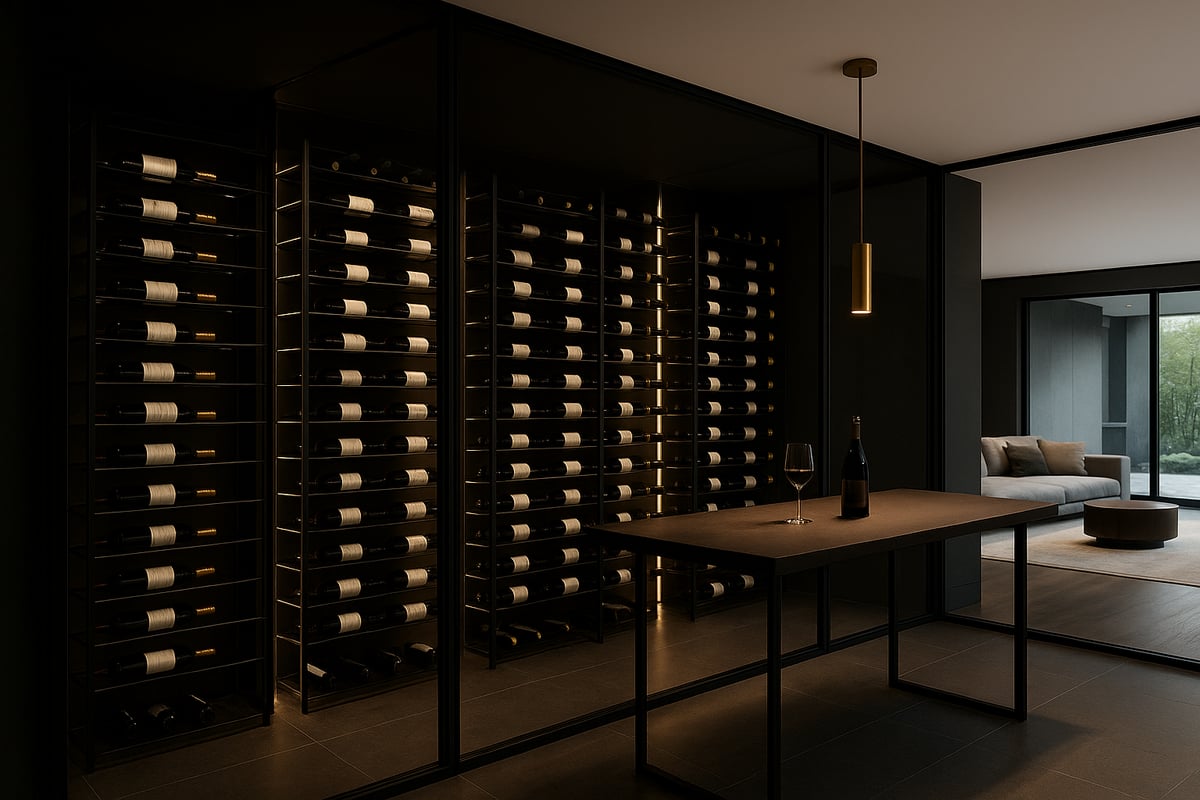
A major trend in 2026 is the rise of glass-enclosed cellars and minimalist aesthetics. Homeowners are choosing transparent walls, sleek metal racking, and floating bottle displays that turn wine collections into art installations. Smart home integration is also on the rise, allowing climate control, lighting, and security to be managed from a single device. For a deeper dive into these innovations, see Modern Glass Wine Cellar Trends. Multi-functional spaces that combine tasting lounges with storage are also popular, creating social hubs for entertaining.
Sustainability is increasingly important in home wine rooms. Eco-friendly materials, such as reclaimed wood and low-VOC finishes, are sought after. Energy-efficient climate systems and LED lighting help minimize environmental impact while keeping collections safe. Homeowners value both the aesthetics and the ethics of their wine room choices, blending industrial chic with classic elegance for a timeless look.
The numbers speak for themselves: luxury home wine room installations have grown by 37% since 2022 (Houzz, 2025). These rooms are not just beautiful—they are smart investments. According to Zillow (2025), a well-designed wine room can add an average of 7% to property value. The most coveted home wine rooms feature modular glass walls, LED accent lighting, and sustainable racking, transforming once-overlooked corners into showpieces that impress guests and potential buyers alike.
Here’s a quick snapshot of the leading trends and impacts in 2026:
Trend/Aesthetic | Popularity (%) | Impact on Value | Notable Features |
|---|---|---|---|
Glass-Enclosed Cellars | 62 | High | Modular walls, LED lighting |
Minimalist/Modern Racking | 54 | Moderate | Floating displays, metal accents |
Smart Home Integration | 48 | High | App-based control, security systems |
Sustainable Materials | 45 | Moderate | Reclaimed wood, energy efficiency |
Multi-Functional Spaces | 39 | High | Tasting areas, display niches |
The evolution of home wine rooms in 2026 is about more than storage—it is about making a statement. Whether you are a seasoned collector or a new enthusiast, today’s wine rooms offer style, sustainability, and substantial return on investment.
Planning Your Home Wine Room: Step-by-Step
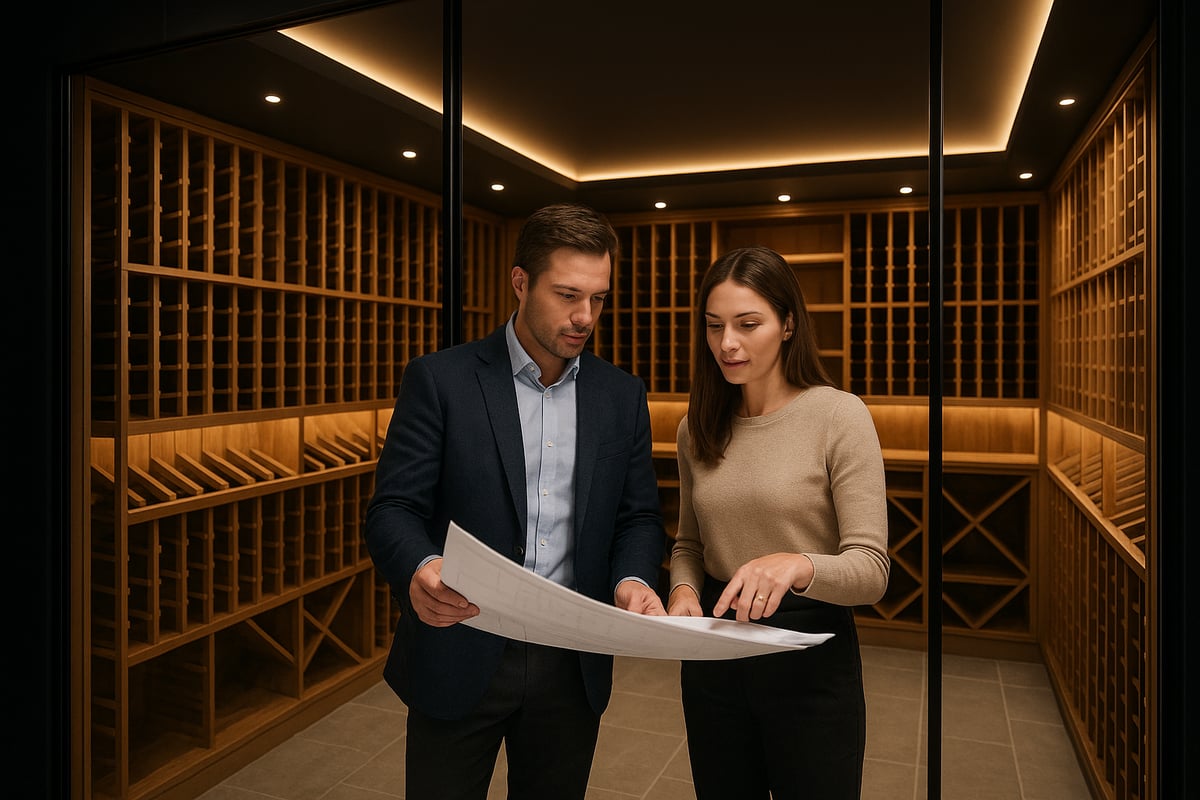
Designing home wine rooms in 2026 is an exciting journey, blending luxury with practicality. This step-by-step guide breaks down the planning process so you can create a wine room tailored to your space, collection, and lifestyle. Let’s explore how to bring your vision for home wine rooms to life, from initial assessment to expert execution.
Assessing Your Space and Collection
The first step in designing home wine rooms is evaluating your available space and collection goals. Start by identifying potential locations, such as basements, spare rooms, under-stair alcoves, or even unused pantries. Each spot offers unique benefits for home wine rooms, but all require careful measurement.
Consider minimum dimensions—most home wine rooms need at least 25 to 50 sq. ft., with ceilings high enough for racking and ventilation. Adequate airflow is crucial for preserving your collection. Think about how close the wine room will be to entertaining areas or the kitchen for easy access during gatherings.
Plan capacity by tallying your current bottles and anticipating growth. For example, many homeowners transform a 50 sq. ft. closet into a 350-bottle wine room, ensuring space for future acquisitions. Remember, one common mistake is underestimating space for expanding collections. Proper planning now means your home wine rooms will adapt as your passion grows.
Budgeting and Setting Expectations
Budgeting for home wine rooms is all about balance. Begin by listing costs for construction, materials, climate control, racking, and lighting. Here’s a quick table to summarize the main expenses:
Item | Estimated Cost ($) |
|---|---|
Construction | 5,000–25,000 |
Climate Control | 4,000–18,000 |
Racking | 4,000–20,000 |
Lighting | 2,000–8,000 |
Finishing Touches | 2,000–9,000 |
Luxury home wine rooms typically require an investment of $40,000–$200,000 (Forbes, 2025). While the upfront cost can be significant, home wine rooms often add value to your property and enhance daily living.
Think about your priorities—what features are essential, and which can be added later? The timeline from design to completion usually ranges from two to six months. Setting clear expectations from the start helps you enjoy the process and avoid surprises.
Legal and Technical Considerations
Before construction, home wine rooms must comply with local building codes and permit requirements. Check with your city or county for specific regulations. Insurance is another key factor, especially if your collection is valuable. Make sure your policy covers potential losses.
Security features like locks, alarms, and surveillance protect your investment. For wine rooms near living areas, soundproofing is wise to maintain peace at home. Regional regulations can also influence your plan. In Texas, for example, strict humidity controls are required for proper wine storage. Addressing these technical details ensures your home wine rooms are built to last and safeguard your collection.
Working with Professionals vs. DIY
Choosing between a professional team and a DIY approach is a pivotal decision for home wine rooms. Hiring experts in wine room design, engineering, and installation brings peace of mind and ensures every technical detail is handled. The result is often a seamless, elegant space.
DIY projects can save money, but require time, skill, and research. Consider your experience level and the complexity of your vision. When interviewing contractors or designers, ask about their portfolio, references, and process. For a deeper look at professional services, check out Custom Wine Cellar Design Services.
A professionally built wine room is more likely to meet strict standards for climate, security, and aesthetics. DIY efforts may be rewarding, but the difference in craftsmanship and long-term performance is often noticeable.
Prestige Wine Cellars: Custom Wine Room Solutions
Prestige Wine Cellars specializes in crafting luxury home wine rooms from concept to completion. Their Austin-based team brings together bespoke design, premium materials, and advanced climate engineering for discerning homeowners.
Services include personalized collaboration, transparent proposals, and meticulous installation. With over 57 high-end cellars completed, Prestige Wine Cellars blends artistry with technical precision. Clients enjoy five-star service and ongoing maintenance support.
If you’re ready to bring your home wine rooms vision to life, contact Prestige Wine Cellars for a consultation. Their expertise ensures your wine room becomes a showpiece that reflects your style and passion.
Wine Room Design: Styles, Materials, and Aesthetics
Designing home wine rooms in 2026 is an artful blend of personal expression and advanced technology. Today, your wine room is more than just storage, it is a showpiece that elevates your home’s ambiance and showcases your collection with pride.
Popular Styles for 2026
Home wine rooms now reflect a range of styles to suit any taste. Modern minimalist rooms use clean lines, floating racks, and uncluttered layouts. Glass-enclosed cellars have become a favorite, offering transparency and a sense of openness that integrates seamlessly with living spaces.
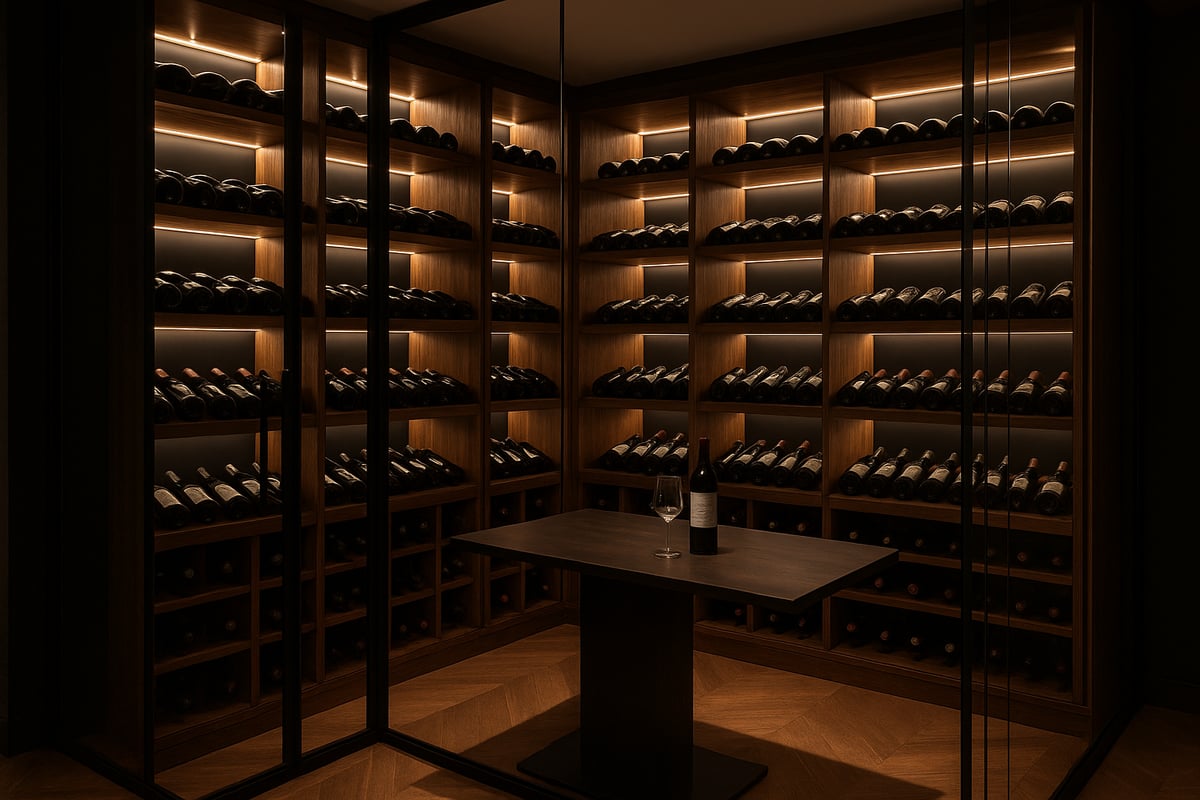
Traditional wood wine rooms remain timeless, with rich finishes like walnut and mahogany creating warmth and classic charm. Industrial metal designs use exposed steel and raw finishes for a bold, contemporary feel. Hybrid spaces combine elements, such as pairing glass with wood or metal, to create a unique, personalized look for your home wine rooms.
Material Selection: From Sustainable to Luxurious
Material choice sets the tone for your wine room’s aesthetic and function. Sustainable hardwoods like oak and walnut are popular, offering both durability and eco-friendly appeal. Acrylic and stainless steel are modern choices that provide a sleek, reflective look while ensuring longevity.
UV-protected glass is essential, especially for rooms with natural light exposure. Using these materials not only protects your wine but also enhances the sophistication of home wine rooms. Many homeowners are now seeking out recycled materials and sustainably sourced woods to align with green living trends.
Innovative Racking Systems and Smart Storage
The heart of home wine rooms lies in their storage solutions. Custom racking maximizes space and showcases prized bottles, while modular systems offer flexibility for growing collections. Wall-mounted racks free up floor space and create a floating effect, perfect for minimalist designs.
For the latest in built-in racking trends and smart storage features, explore built-in wine rack design trends for inspiration. Floor-to-ceiling racks are favored for dramatic displays and optimal capacity, making your wine room both functional and visually stunning.
Finishing Touches and Lighting Features
Every detail matters in home wine rooms. Flooring choices range from natural stone to engineered wood, balancing luxury with practicality. Wall treatments, such as textured panels or custom murals, add depth and character.
Ceiling features like recessed lighting or coffered designs elevate the space. LED accent lighting and backlit displays highlight your collection while maintaining energy efficiency. Smart lighting controls offer convenience and let you set the mood for tastings or entertaining.
Personalization and Artistic Elements
Customization is at the heart of home wine rooms in 2026. Many designs now include dedicated tasting tables, display niches for rare bottles, and integrated artwork or sculptures. For a dramatic effect, consider combining glass walls with rich walnut racking, creating a striking contrast that draws attention to your collection.
Personal touches make your wine room truly yours, transforming it into a centerpiece that reflects your taste and lifestyle. These details elevate home wine rooms beyond storage, making them an immersive experience.
Trends and Data: Glass, Acrylic, and Beyond
According to Wine Spectator, 62% of new wine rooms in 2025 feature glass or acrylic elements, reflecting the shift toward open, modern aesthetics. As home wine rooms continue to evolve, expect to see even more creative fusions of style, materials, and technology.
A thoughtfully designed wine room is more than a luxury—it is a statement of elegance, functionality, and investment in your home’s value.
Climate Control and Wine Preservation Technology
Creating the perfect environment for your wine is the cornerstone of all home wine rooms. In 2026, technology transforms preservation from a challenge into an art, blending precision control with smart automation. Whether you are storing a few prized bottles or a vast collection, understanding climate, security, and sustainability is essential.
Temperature and Humidity Management
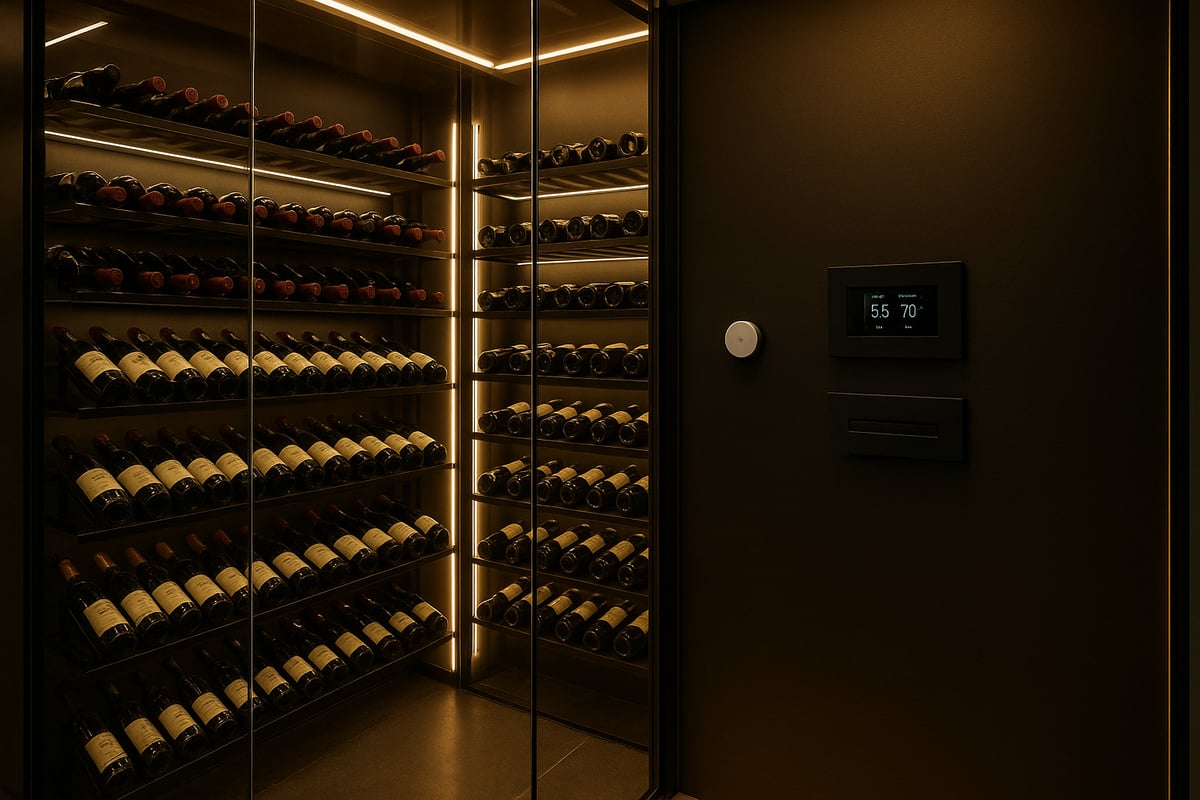
The heart of all home wine rooms is the balance of temperature and humidity. Experts agree that the ideal storage condition is a steady 55°F and 60–70% humidity. This range preserves both flavor and structure, ensuring your wines mature gracefully.
Today's climate control systems offer more precision than ever. Homeowners can choose between ducted and ductless units, split systems, or fully integrated smart controls. Each option caters to different room sizes and budgets, but all focus on consistency.
Humidity is just as critical. Modern home wine rooms rely on both humidification and dehumidification to avoid cork shrinkage or mold. For instance, smart sensors now monitor conditions in real time, sending alerts and adjusting settings automatically. This level of automation drastically reduces the risk of wine spoilage, which, according to Wine Enthusiast, rises by 30% without proper controls.
For a deeper dive into system options and best practices, the Wine Cellar Climate Control Guide is a must-read resource for anyone planning home wine rooms.
Advanced Security and Monitoring
Protecting your investment is a top priority for home wine rooms. Advanced security systems now blend seamlessly into your space. Access control, discreet alarms, and video surveillance keep collections safe without disrupting aesthetics.
Digital inventory management has also evolved. RFID tagging and digital cataloging simplify tracking, while remote monitoring apps let you check temperature, humidity, and security from anywhere. Integrating these systems with your smart home platform adds another layer of convenience.
Imagine being notified instantly if your wine room's temperature shifts or if someone accesses the collection unexpectedly. For discerning collectors, these solutions bring peace of mind and effortless control.
Energy Efficiency and Sustainability
Eco-friendly innovation is shaping the future of home wine rooms. High-efficiency climate systems now use inverter compressors and energy recovery ventilators, dramatically reducing energy consumption.
Proper insulation and vapor barriers are crucial. They prevent energy loss and maintain consistent conditions, saving on utility costs. Some homeowners opt for solar-powered systems or use recycled materials for racks and finishes, aligning luxury with sustainability.
Recent data from Green Home Journal shows a 21% reduction in energy costs for home wine rooms equipped with cutting-edge eco systems. As environmental awareness grows, these features are becoming standard in luxury wine spaces.
Storage Solutions and Organization for Every Collection
A well-designed storage system is the foundation of all great home wine rooms. Whether you’re curating a modest collection or showcasing rare vintages, the right storage ensures both beauty and preservation. In today’s luxury homes, storage is not just functional—it’s a statement of taste and organization.
Racking Types for Every Collection
Home wine rooms offer a variety of racking options to suit every style and collection size. Popular choices include:
Individual bottle racks for precise organization and easy access.
Bulk storage bins ideal for everyday selections or cases.
Magnum and specialty racks that accommodate oversized bottles.
Display shelves to highlight featured or rare wines.
Choosing the right combination of racks allows you to maximize storage while creating visual interest. For collectors who value flexibility, modular racking can adapt as your collection grows.
Modular vs. Custom Storage and Display Options
When planning home wine rooms, deciding between modular and custom storage is key. Modular systems offer flexibility and can be expanded or rearranged as your needs evolve. Custom solutions, on the other hand, are tailored to your exact space and aesthetic preferences.
Display options are just as important. Label-forward racks make it easy to identify bottles at a glance, while angled and floating racks create a dramatic effect for special bottles. According to recent research, 48% of collectors prefer label-forward racking for its blend of function and style. For a deeper dive into storage innovations, explore Wine Room Storage Solutions.
Organization and Accessibility Strategies
Efficient organization transforms home wine rooms into showcases of order and elegance. Many collectors sort their wines by varietal, region, or vintage, using clear labeling or digital tracking to keep inventory current.
Accessibility is equally important. Features like pull-out shelves and rolling ladders make it easy to reach every bottle, even in tall or compact spaces. An ergonomic layout, paired with a tasting table featuring under-table storage, ensures both convenience and a sense of luxury when entertaining guests.
Maintenance, Example, and Data
Maintaining home wine rooms is simple with the right materials and design. Opt for easy-to-clean surfaces such as sealed hardwoods or metal, which help prevent dust accumulation and preserve the room’s pristine look.
Consider this example: integrating a tasting table with built-in storage beneath not only saves space but also streamlines entertaining. Consistent maintenance, like wiping down racks and updating inventory, keeps your collection in top condition. Well-organized home wine rooms can extend wine lifespan and elevate your daily living experience.
Maintaining and Enhancing Your Home Wine Room
A home wine room is more than a beautiful showcase—it is a delicate environment that demands ongoing attention. Protecting your collection and investment means making maintenance a regular part of your routine. Even the finest home wine rooms require a thoughtful approach to care, ensuring every bottle reaches its full potential.
Routine Maintenance Essentials
To keep home wine rooms functioning perfectly, schedule regular checks for climate control systems. Inspect cooling units, replace filters, and look for early signs of malfunction. Clean racking and glass surfaces with non-abrasive products to prevent dust buildup and preserve finishes. Small repairs, like fixing loose racking or adjusting door seals, can prevent bigger issues down the line.
Adapting to the Seasons
Seasonal changes impact temperature and humidity, even in well-insulated home wine rooms. Adjust settings as needed to maintain the ideal 55°F and 60–70% humidity. Use a digital inventory system to track your collection, rotate bottles for even aging, and update records after every addition or removal.
Upgrading for Longevity and Enjoyment
Enhancing home wine rooms with smart technology, new lighting, or updated racking elevates both style and function. Consider integrating features inspired by the latest wine cellar design trends 2024, such as LED displays or modular storage. These upgrades can make your wine room more efficient and showcase-worthy.
Professional Services and Maintenance Schedules
While some tasks are easy to handle yourself, periodic professional inspections ensure optimal system performance. Many experts recommend quarterly checkups to catch issues before they escalate. A well-maintained wine room can extend the lifespan of your collection by up to 15 years, making regular care a smart investment.
Maintenance Task | Frequency | Who Handles It |
|---|---|---|
Climate system inspection | Quarterly | Professional |
Filter replacement | Quarterly | Owner/Technician |
Cleaning racking and surfaces | Monthly | Owner |
Inventory update | Ongoing | Owner |
Full system performance check | Annually | Professional |
Attentive care and timely upgrades keep home wine rooms in peak condition. By combining daily diligence with professional expertise, you ensure your collection ages gracefully and your wine room remains a highlight of your home.
Now that you’ve explored the latest trends, smart climate control, and expert tips for designing an exceptional home wine room in 2026, you might be picturing your own collection showcased in a space that’s as elegant as it is functional. If you’re ready to turn inspiration into reality—whether you’re starting from scratch or enhancing an existing cellar—Prestige Wine Cellars is here to help you bring your vision to life with craftsmanship, innovation, and personal attention. Let’s start a conversation about your ideal wine room and make every detail count.
Contact Us
Your Dream Wine Cellar Starts Here
Let our design team craft a cellar that matches your taste, space, and your collection — built for beauty, function, and prestige.

Email us at
Serving Austin, Dallas–Fort Worth, Houston & San Antonio