
Wine Storage Rooms: 2026 Design & Build Tips
Design an elegant wine storage room in 2026 with our expert strategies. Explore trends, tech, and tips for flawless wine preservation. Read the guide.
Imagine opening your cellar to find every bottle at its absolute best, thanks to thoughtfully planned wine storage rooms. This guide unlocks expert strategies to help you design, build, and maintain a space where your collection not only stays safe but truly thrives. Explore the latest trends, essential design elements, climate control tips, and smart technology to elevate your wine experience in 2026. Set your collection up for lasting excellence with insights trusted by top collectors and hospitality leaders.
The Evolution of Wine Storage Rooms: Trends & Innovations for 2026
Wine storage rooms have undergone a remarkable transformation as we approach 2026. No longer hidden away, these spaces have become true centerpieces in homes and hospitality venues. The evolution is driven by a passion for both preservation and presentation, blending aesthetics with advanced functionality.
The Shift from Traditional Cellars to Modern Wine Rooms
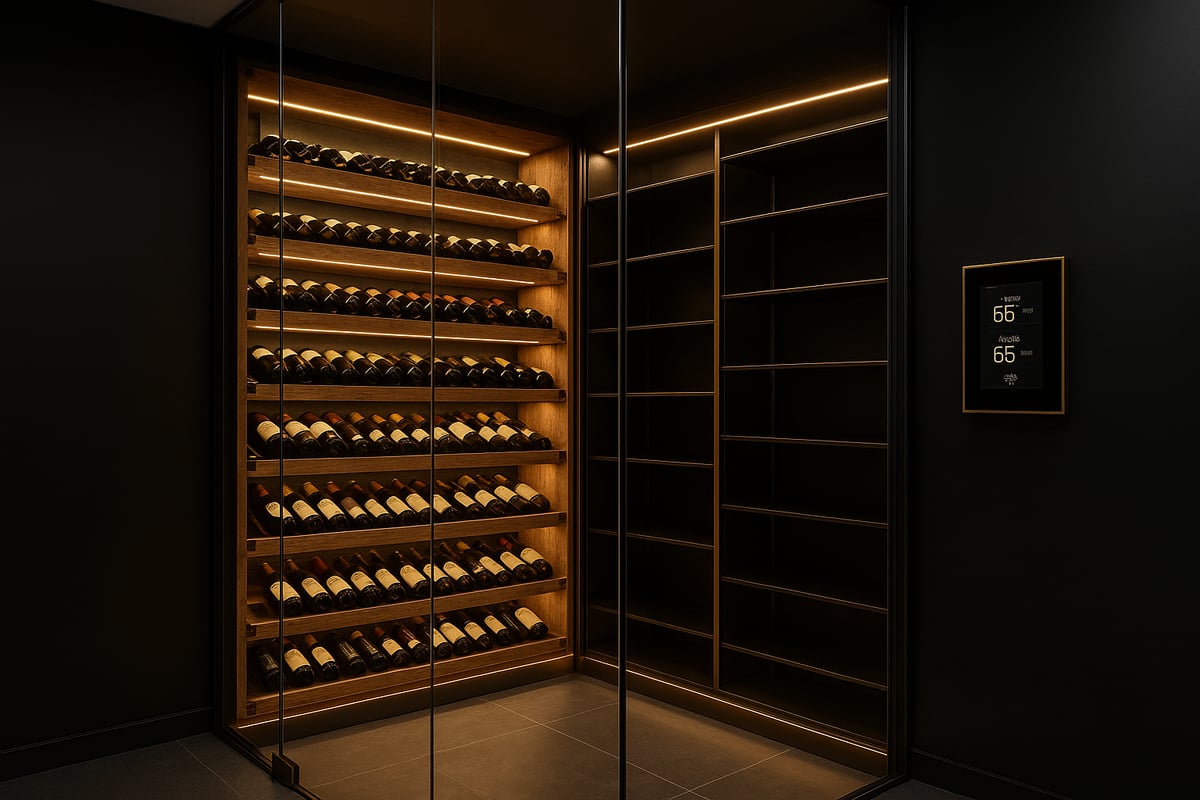
For decades, wine storage rooms meant stone-lined basements, cool and dimly lit. Today, we see a bold move toward above-ground, glass-enclosed rooms that serve as both storage and art installations. Homeowners and restaurateurs now favor visibility and accessibility, often integrating wine displays into living spaces or dining areas. Frameless glass walls and minimalist design are particularly popular, as seen in modern glass wine cellar designs. These changes signal a broader shift toward making wine storage rooms architectural statements, not just functional spaces.
Trending Design Elements & Materials
The materials used in wine storage rooms have evolved along with design preferences. Sustainable choices like reclaimed wood, metal, and clear glass are now at the forefront. Many opt for modular racking systems that allow for easy expansion or reconfiguration. Statement lighting, such as LED strips and spotlights, highlights prized bottles and adds ambiance. Customizable shelving offers flexibility, ensuring wine storage rooms adapt to collections both large and small. These design elements blend luxury with eco-consciousness, appealing to today's sophisticated collectors.
Technology-Driven Innovations
Technology is revolutionizing wine storage rooms like never before. Smart climate control systems, often IoT-enabled, allow precise temperature and humidity adjustments from anywhere. Automated inventory management using RFID and barcode scanning makes it easy to keep track of every bottle. App-based controls let owners adjust lighting, monitor conditions, and receive alerts in real time. These innovations ensure wine storage rooms not only protect collections but also simplify management, creating a seamless, modern experience.
Sustainability & Energy Efficiency
Sustainability is now a key consideration in new wine storage rooms. Eco-friendly insulation and cooling solutions are widely adopted, helping to maintain optimal conditions while reducing energy consumption. Energy-efficient LED lighting is standard, offering both preservation and ambiance. According to Wine Spectator, 38 percent of new wine storage rooms in 2025 featured sustainable design elements. This trend reflects a growing awareness of environmental responsibility among collectors and professionals alike.
Demand Drivers: Who’s Investing in Wine Rooms?
The audience for wine storage rooms is expanding rapidly. Luxury homeowners see these spaces as must-have amenities, while boutique hotels and high-end restaurants use them to enhance guest experiences. A recent report noted a 27 percent increase in wine room installations across the US hospitality sector in 2024. This surge is fueled by a desire to blend function with showstopping design, making wine storage rooms a status symbol as well as a practical investment.
The Role of Expert Consultation
Designing and building wine storage rooms requires specialized knowledge. Professional consultation ensures proper climate control, structural integrity, and aesthetic harmony. DIY attempts often fall short, especially when it comes to insulation and environmental consistency. Experts help navigate the complexities, reducing the risk of costly mistakes and ensuring collections are both protected and beautifully displayed. For anyone considering a wine storage room, expert guidance is the key to success.
Key Factors in Designing the Perfect Wine Storage Room
Designing wine storage rooms is both an art and a science. Every detail, from the room’s location to the final lighting choice, plays a vital role in protecting your collection. Whether you’re curating a private retreat or a dramatic showcase, thoughtful planning ensures your bottles age gracefully and your space remains functional, secure, and elegant.
Location & Space Planning
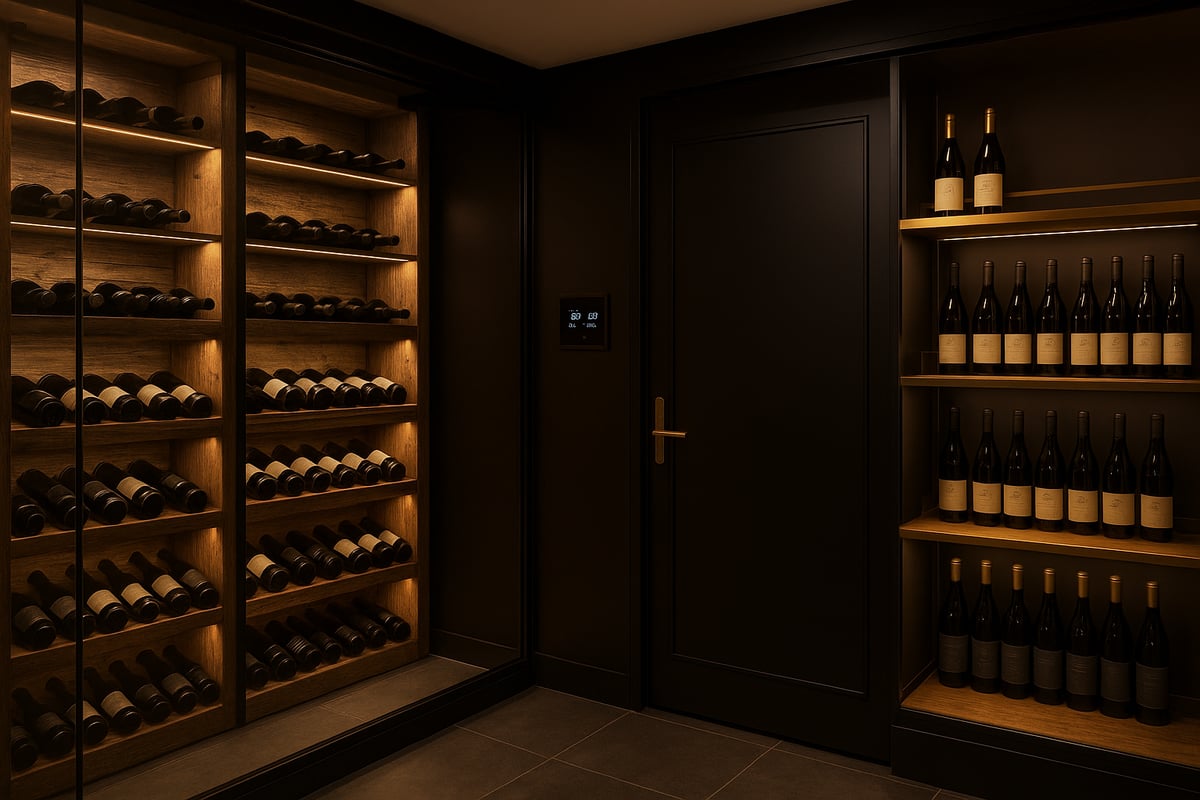
Choosing the perfect spot for wine storage rooms sets the foundation for long-term success. Basements are traditional favorites due to stable temperatures, but main-floor or penthouse installations are increasingly popular in modern homes.
Evaluate your available square footage based on the size of your current collection and future growth. Consider how the space will flow with the rest of your home or business. For compact spaces, creative solutions like glass wine walls or under-stair installations can maximize both storage and style.
Accessibility is also essential. Ensure your wine storage rooms are easy to reach yet protected from foot traffic and vibration, which can disturb aging bottles. If you’re seeking inspiration for small areas, check out small glass wine cellar ideas.
Insulation & Vapor Barriers
Proper insulation and vapor barriers are non-negotiable for wine storage rooms. Without them, temperature and humidity can fluctuate, putting your collection at risk. The most effective materials include closed-cell foam, rigid insulation panels, and polyethylene vapor barriers.
A well-sealed envelope keeps outside air and moisture from seeping in. Overlooking this step can lead to costly consequences, as seen in cases where poor insulation resulted in thousands of dollars in spoiled wine. For a deeper dive into the best materials, the Wine cellar insulation and materials guide provides expert recommendations.
Racking, Shelving, and Display Solutions
Racking is the backbone of wine storage rooms, combining function and aesthetics. Traditional wood racks offer timeless appeal, while metal grids and acrylic displays cater to modern tastes. Custom solutions can be tailored to odd-shaped rooms, but modular systems provide flexibility as your collection evolves.
When planning racking, balance storage density with visual impact. Too much shelving can crowd the space, while too little limits capacity. Consider a mix of horizontal and vertical displays to highlight prized bottles and improve accessibility.
Racking Type | Material | Pros | Cons |
|---|---|---|---|
Traditional Wood | Redwood, Oak | Classic, durable | Higher cost |
Metal Displays | Steel, Aluminum | Modern, sleek | Can feel industrial |
Acrylic Displays | Acrylic | Minimalist, clear view | Less traditional |
Lighting Design for Preservation & Ambiance
Lighting in wine storage rooms serves two purposes: preservation and presentation. The right lighting protects your bottles and enhances the room’s ambiance. Opt for UV-resistant, dimmable LED fixtures to minimize heat and prevent wine degradation.
Layered lighting is key. Use accent lights to spotlight your finest bottles and task lighting for easy bottle selection. A 2025 survey revealed that nearly half of wine storage room owners upgraded their lighting for both aesthetic and practical reasons.
Be mindful of placement, ensuring lights don’t shine directly on bottles. This small detail can make a significant difference in the longevity of your wines.
Security & Access Control
Protecting your collection in wine storage rooms requires robust security. Modern solutions include electronic locks, biometric access, and integrated surveillance cameras. For high-value collections, consider connecting your system to whole-home automation for real-time monitoring.
Access control is not just about theft prevention. It also safeguards against environmental changes caused by unauthorized entry or accidental door openings. A secure wine storage room gives you peace of mind, knowing your investment is safe around the clock.
Budgeting & Cost Considerations
Budgeting for wine storage rooms involves several key components: design, materials, installation, and climate control. Costs can vary widely, with luxury projects ranging from $40,000 to $525,000 depending on size and features.
Breakdown of typical expenses:
Design and consultation: 1–5%
Materials (racking, insulation, lighting): 35–50%
Installation and labor: 20–30%
Climate control systems: 10–20%
Plan for future expansion and maintenance costs as well. Allocating a budget of about $1k/year ensures your wine storage rooms deliver value, longevity, and enjoyment for years to come.
Climate Control: Protecting Your Collection’s Value
Safeguarding your investment in wine storage rooms starts with mastering climate control. Even the most beautiful space is useless if temperature or humidity wavers. Let’s explore the essentials of keeping your wine collection secure, flavorful, and ready for years of enjoyment.
Temperature & Humidity Essentials
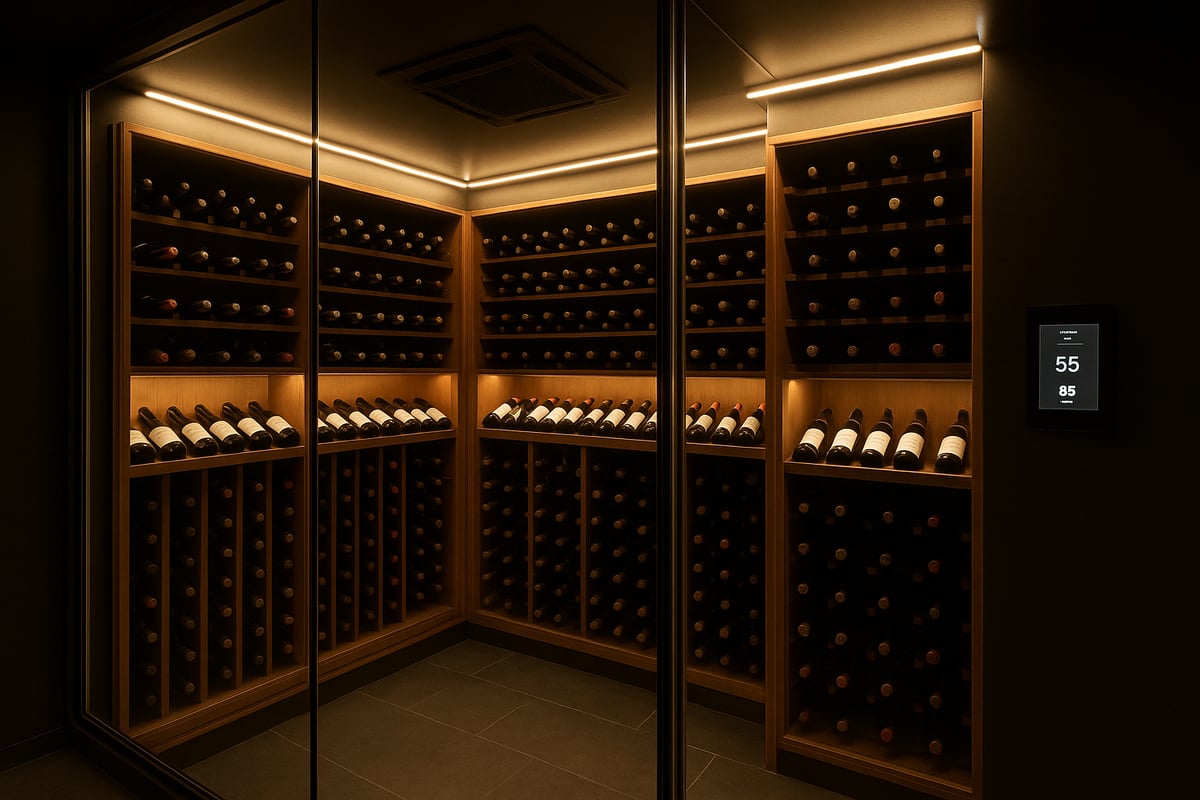
Achieving the perfect environment is the heart of all wine storage rooms. Experts recommend a stable temperature between 55°F and 58°F, with humidity levels maintained from 60% to 70%. Straying from these ranges can lead to cork shrinkage, oxidation, or even spoilage.
Wine is sensitive to even minor climate fluctuations. A sudden spike or drop can permanently damage your investment. For a deeper dive into optimal conditions and why they matter, check out Wine Cellar Climate Control Essentials.
Cooling Systems: Types & Selection
Choosing the right cooling system for wine storage rooms is crucial. There are three main types:
Self-contained systems: Ideal for small to medium spaces, these are easy to install.
Split systems: Place the noisy compressor outside the room, keeping things quiet inside.
Ducted systems: Offer flexible installation and are perfect for larger collections.
Each system has its pros and cons, depending on your room size and location. Consulting a specialist ensures your wine storage rooms get a system tailored to your unique needs.
Monitoring & Alarms
Constant vigilance is key in wine storage rooms. Digital hygrometers and temperature sensors provide real-time data, while WiFi-enabled alarms alert you instantly to any deviations.
Imagine catching a cooling failure before it ruins your collection. Smart monitoring tools make this possible. Many owners opt for automated alerts and mobile notifications for peace of mind, knowing their wine storage rooms are always under watch.
Backup Power & Redundancy
Power outages are a major threat to wine storage rooms. Even a few hours without climate control can have disastrous effects. That’s why backup generators or uninterruptible power supplies (UPS) are essential.
According to recent data, 19% of wine storage failures in 2024 were traced back to power loss. A layered approach, with both primary and backup systems, is the gold standard for safeguarding your collection.
Maintenance & Professional Servicing
Regular maintenance is the unsung hero of effective wine storage rooms. Schedule filter changes, coolant checks, coil cleaning, and annual calibrations by certified refrigeration technicians and or wine cellar companies.
Professional servicing prevents minor issues from becoming major problems. Keeping a maintenance log helps you track service dates and spot patterns early. In the world of fine wine, a little diligence goes a long way.
Integrating Smart Technology and Modern Features
Step into the future of wine storage rooms, where innovation meets sophistication. Today’s collectors are embracing digital tools and modern features to make showcasing and safeguarding their collections effortless. Smart technology isn’t just a luxury, it is fast becoming the gold standard for wine storage rooms in homes, hotels, and restaurants.

Smart Wine Inventory Management
Managing a growing collection in wine storage rooms is simpler than ever with smart inventory tools. RFID tags and barcode scanning let you track every bottle’s location and provenance. Many systems sync with popular wine apps, so you can access your collection data with a tap, whether you are at home or traveling.
Collectors now enjoy features like automated bottle logging, expiration alerts, and integration with tasting notes. For a glimpse at how these innovations are shaping luxury wine storage rooms, explore the Wine Cellar Design Trends for 2025.
Smart inventory management not only streamlines organization but also adds a new layer of security and convenience.
Automated Lighting & Environmental Controls
Lighting and environmental control systems are evolving fast in wine storage rooms. App-based scheduling lets you set optimal lighting times, protecting wine from UV exposure and creating dramatic displays. Dimmable LEDs, paired with motion sensors, ensure every bottle is shown at its best and preserved safely.
Voice-activated systems, compatible with Alexa, Google Home, and control 4, allow seamless adjustments to temperature or humidity. With these features, wine storage rooms become intuitive spaces where technology works quietly behind the scenes.
Automated controls offer peace of mind, letting you monitor and adjust your environment, even when you are away.
Visual Enhancements: Glass Walls & Digital Displays
The modern aesthetic of wine storage rooms now includes frameless glass enclosures and digital displays. Glass walls invite guests to admire your collection from any angle, turning storage into a centerpiece. Digital displays provide real-time collection stats, provenance info, and even tasting history at a glance.
These enhancements create a gallery-like experience in wine storage rooms, blending function with refined design. For restaurant owners and hoteliers, such features elevate the guest experience, making each visit memorable.
Integrating visual tech ensures your wine storage rooms are as impressive as the bottles they protect.
Future-Proofing Your Wine Room
As technology evolves, so should your wine storage rooms. Modular racking and upgradeable climate systems make it easy to retrofit older cellars with the latest tech. Compatibility with emerging platforms ensures your investment remains relevant for years.
In 2026, retrofitting classic spaces with smart features is a top trend, allowing both new and seasoned collectors to future-proof their wine storage rooms. Planning for adaptability means your space can grow with your collection and with innovation.
A forward-thinking approach guarantees your wine storage rooms stay at the forefront of design and preservation.
Maintenance, Upkeep, and Long-Term Preservation
Even the most beautifully designed wine storage rooms require ongoing care to safeguard your collection’s value. Regular attention ensures each bottle matures gracefully and avoids preventable spoilage. Let’s explore the essential steps for keeping your wine storage rooms pristine and your wines at their best.
Routine Cleaning and Organization
Keeping wine storage rooms clean is vital for long-term preservation. Dust, debris, and neglected spills can attract pests and lead to label damage. Use a soft microfiber cloth to dust racks and shelves weekly. Avoid harsh chemicals, which can leave lingering odors.
Organize bottles by region or vintage, making it easier to locate and rotate them. Schedule a deep clean each season, including wiping down racks and gently cleaning bottle labels. For tailored advice, check out these custom wine cellar maintenance tips.
Inspecting for Mold, Pests, and Leaks
Routine inspections help catch issues before they escalate. Mold thrives in poorly ventilated or improperly sealed wine storage rooms. Watch for musty odors, discoloration on walls, or fuzzy growth near insulation seams.
Look for signs of pests, such as droppings or gnaw marks, and address leaks immediately. Seal any cracks and ensure that vapor barriers remain intact. Early intervention can prevent a minor nuisance from turning into a costly disaster.
Climate System Maintenance
A reliable climate system is the backbone of wine storage rooms. Schedule regular filter changes and inspect coolant levels to keep systems running efficiently. Consider annual servicing by a qualified technician to calibrate temperature and humidity settings.
Many owners benefit from app-based monitoring, receiving alerts if conditions fluctuate. For more guidance on optimizing climate and preventing costly errors, review these wine storage best practices.
Inventory Audits and Rotation
Performing periodic inventory audits protects your investment. Check for cork issues, label deterioration, or signs of spoilage. Rotate bottles so older vintages are accessible and consumed at their peak.
Create a digital record of your collection, noting provenance and condition. Regular audits help wine storage rooms maintain a lower spoilage rate, ensuring every bottle is enjoyed as intended.
Insurance and Documentation
Insuring valuable collections is non-negotiable for discerning collectors. Work with a provider who understands the unique needs of wine storage rooms. Update your policy as your collection grows or changes.
Keep detailed digital records, including purchase receipts and provenance documents. In the event of loss or damage, thorough documentation streamlines the claims process and protects your investment.
Case Studies & Expert Insights: Real-World Wine Room Success Stories
Building or upgrading wine storage rooms goes beyond technical specs—it’s about transforming spaces to both protect and showcase your collection. Let’s explore how real homeowners, restaurateurs, and designers are redefining wine storage rooms, and what you can learn from their experiences.
Residential Wine Room Transformations
In 2026, urban penthouses and suburban homes alike are embracing custom wine storage rooms as focal points. One standout project involved converting a rarely used den into a climate-zoned showpiece. Designers installed frameless glass walls and layered LED lighting, merging the room with the living space.
Homeowners often draw inspiration from Modern Wine Rack Design Trends to select minimalist or floating racks that maximize display and airflow. This approach not only elevates aesthetics but also improves bottle access and organization. The result? A space that impresses guests and preserves every vintage at its peak.
Hospitality & Commercial Wine Room Innovations
Boutique hotels and upscale restaurants are investing in wine storage rooms that double as architectural statements. For example, a boutique hotel in Napa Valley designed a walk-in wine room with glass walls and interactive digital displays, allowing guests to browse the collection virtually before choosing a bottle.
A renowned city restaurant faced limited space but still wanted a dramatic presentation. They opted for modular shelving and vertical displays, making the most of every inch while keeping the wine storage rooms accessible to staff and guests. These innovations drive both operational efficiency and unforgettable guest experiences.
Lessons from Common Mistakes
Not all wine storage rooms are created equal. One collector learned the hard way after skipping professional advice: improper insulation led to temperature swings and significant spoilage. Another hotel suffered from mold outbreaks due to neglected vapor barriers and insufficient ventilation.
Key lessons include:
Always invest in robust climate control and regular maintenance.
Prioritize professional installation, especially for vapor barriers.
Monitor humidity and temperature with reliable sensors.
Stay vigilant against mold and pests.
Learning from these setbacks helps ensure your wine storage rooms stand the test of time.
Expert Recommendations for 2026 and Beyond
Experts agree that the future of wine storage rooms is both smart and sustainable. Top trends include integrating app-based climate controls, modular racking for easy upgrades, and energy-efficient lighting.
For new collectors, start with scalable solutions that allow for future growth. Seasoned connoisseurs should consider retrofitting older cellars with IoT-enabled monitoring and eco-friendly cooling. In all cases, regular audits and detailed documentation are crucial for protecting your investment and enjoying your collection for decades.
As you’ve seen, designing a wine storage room in 2026 is about so much more than storing bottles—it’s about creating a space that reflects your passion, protects your collection, and enhances your lifestyle. Whether you’re dreaming of a sleek glass wine wall for your home, or want to elevate your restaurant’s cellar with smart technology and timeless elegance, expert guidance makes all the difference. If you’re ready to bring your vision to life or just want to explore what’s possible, let’s start the conversation. Contact Us
Your Dream Wine Cellar Starts Here
Let our design team craft a cellar that matches your taste, space, and your collection — built for beauty, function, and prestige.

Email us at
Serving Austin, Dallas–Fort Worth, Houston & San Antonio