
The Expert Guide to Cellar Design for 2026
Unlock the secrets of cellar design for 2026 with expert trends, planning tips, and luxury solutions Learn how to create a sophisticated cellar that lasts
The world of luxury and functional cellar design is evolving fast as we head into 2026. Discerning homeowners, designers, and restaurateurs are seeking spaces that blend timeless elegance with cutting-edge features.
This expert guide unlocks the secrets to extraordinary cellar design, offering you proven strategies and the latest trends. Discover how to plan, innovate, and future-proof your wine sanctuary.
Explore modern concepts, essential planning steps, smart technology, sustainable choices, and insider tips. Ready to create the ultimate cellar? Follow our guide and transform your vision into a sophisticated, lasting reality.
Cellar Design Trends and Innovations for 2026
Cellar design in 2026 is defined by a bold fusion of luxury, technology, and sustainability. Homeowners and professionals are seeking spaces that are visually stunning, highly functional, and tailored to modern lifestyles. Let’s explore the most exciting trends shaping the future.
Embracing Modern Aesthetics and Materials
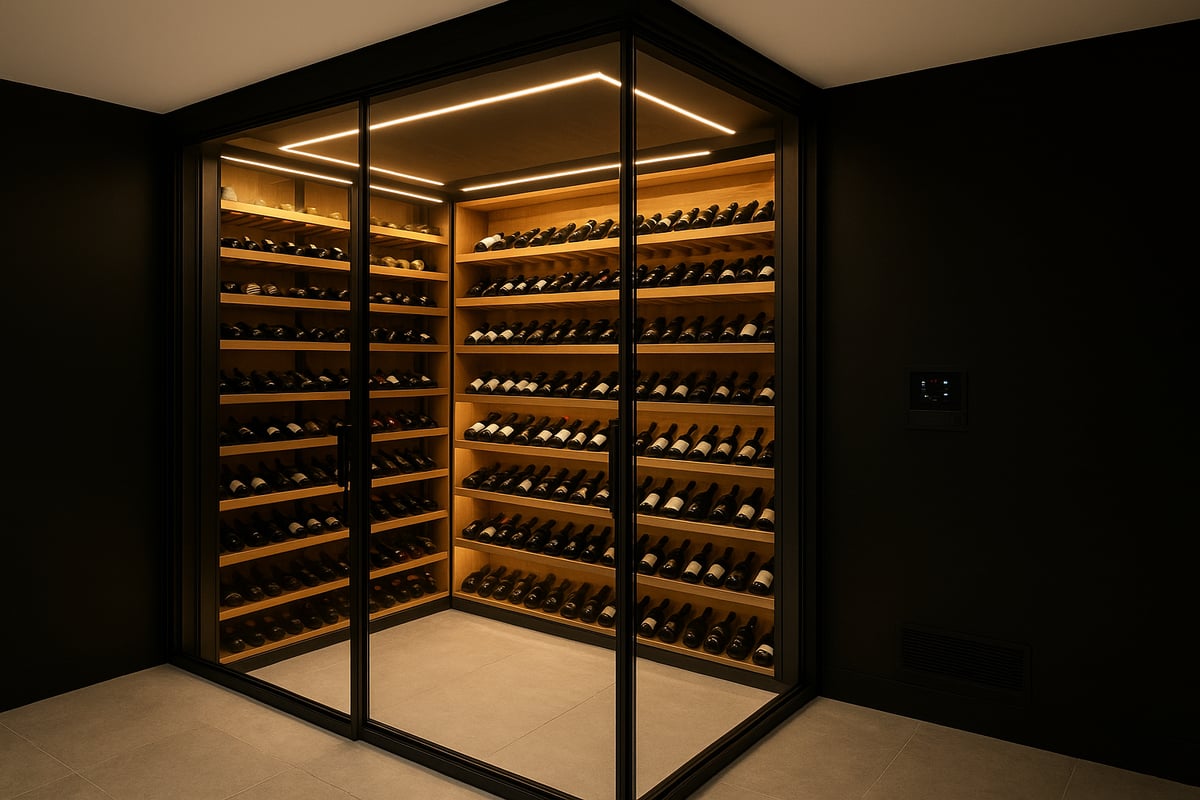
The shift toward minimalist and contemporary cellar design is unmistakable. Clean lines, open layouts, and a focus on materials like glass, steel, and sustainable wood are dominating high-end projects. Glass wine walls, once exclusive to restaurants, are now a signature element in luxury homes. According to a 2024 industry report, there has been a 35% increase in glass-enclosed cellars within luxury builds.
These materials do more than look stunning. They create visual transparency, expand perceived space, and set the stage for dramatic wine displays. For more inspiration and details on this aesthetic shift, explore Modern wine cellar design trends.
Smart Technology Integration
Wine Cellars are embracing technology like never before. Advanced climate control systems now offer remote monitoring, so you can adjust temperature and humidity from your phone. LED lighting not only enhances ambiance but also protects wine from heat damage. Smart inventory management apps make it simple to track bottles, vintages, and tasting notes.
Wi-Fi enabled cooling units are becoming standard for precise, reliable temperature control. This integration of smart features ensures that your wine cellar keeps collections safe and accessible, while also elevating the overall experience.
Sustainability and Eco-Friendly Solutions
Sustainability is at the heart of 2026 cellars. Owners are prioritizing energy-efficient climate systems and high-performance insulation to reduce environmental impact. Reclaimed wood and other recycled materials are increasingly popular for racking and flooring, adding character and eco-conscious value.
Innovative water-saving humidification systems are also gaining ground. According to the 2023 Wine Industry Sustainability Survey, 40% of new cellars incorporate eco-friendly features. This commitment to green solutions sets a new standard for responsible luxury in cellar design.
Customization and Personalization
Bespoke cellar design is all about reflecting the owner’s passion and personality. Custom racking can accommodate unique bottle sizes or rare formats, ensuring every collection is displayed to its best advantage. Many cellars now include tasting lounges or multi-use spaces, perfect for entertaining or quiet enjoyment.
Personalized touches—such as curated art, custom lighting, and unique display cases—transform a cellar from a storage space into a true expression of style. The trend toward customization ensures that every design is as unique as its collection.
Security and Preservation
As wine cellar design evolves, so do the measures to protect valuable collections. Advanced security systems, including cameras and alarms, are standard for high-end cellars. UV-protective glass safeguards wine from harmful light, while vibration reduction technology preserves bottle integrity.
These innovations ensure that even the rarest and most delicate wines remain in pristine condition, providing peace of mind and long-term value for collectors.
Planning Your Cellar: Key Considerations and Steps
Embarking on a wine cellar project is an exciting journey, blending vision, practicality, and craftsmanship. Whether you dream of a grand wine sanctuary or a compact showcase, thoughtful planning lays the foundation for a cellar that stands the test of time. Let’s break down the essentials, ensuring every step is a confident stride toward your perfect cellar design.
Site Selection and Space Assessment
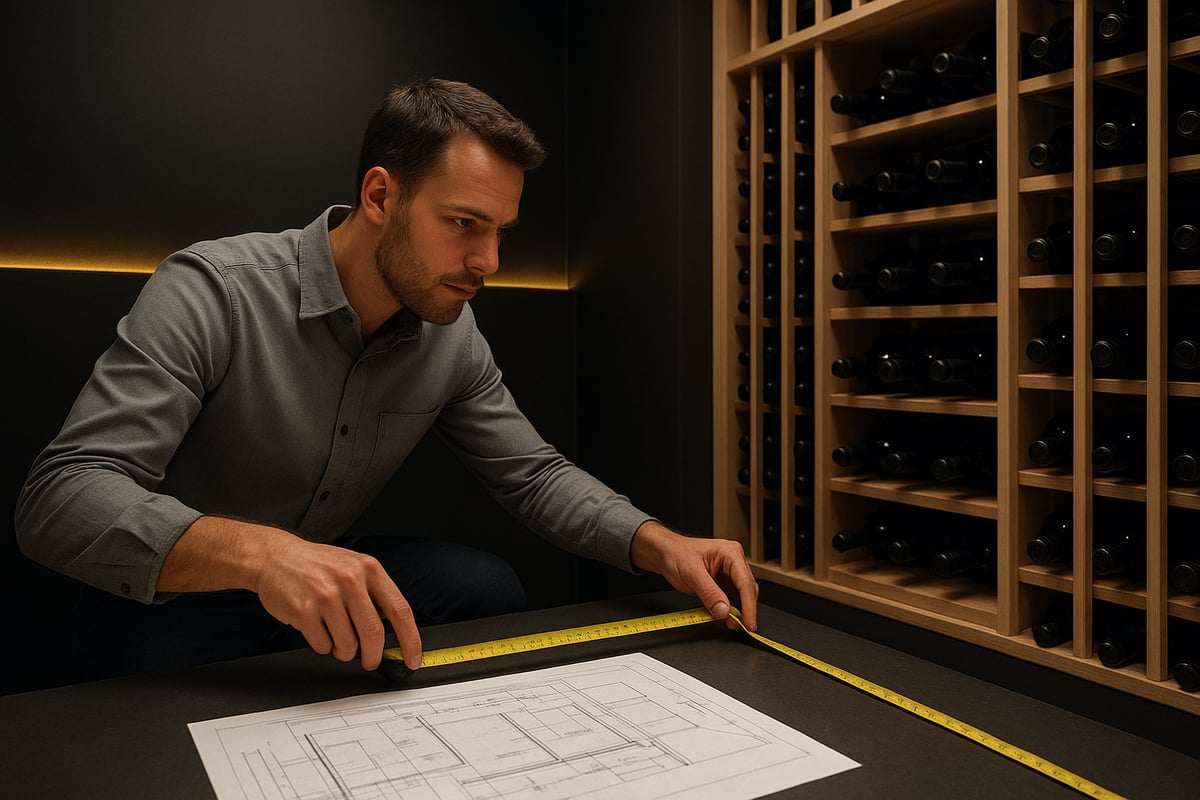
The first step in cellar design is choosing the right spot. Basements are classic for their stable temperatures, but under-stair nooks and spare rooms can also become impressive cellars. Evaluate your home’s structural integrity and existing insulation to ensure a solid foundation.
List of potential locations:
Basement corners with minimal sunlight
Unused closets or pantries
Under-stair spaces with easy access
Consider ceiling height, ventilation, and proximity to living spaces. Even unconventional areas can become stunning cellars with careful planning. By assessing these factors early, you set the stage for a cellar design that maximizes both form and function.
Defining Purpose and Capacity
Before you sketch a single shelf, clarify your cellar design’s main goal. Are you showcasing prized bottles, entertaining guests, or building an investment collection? Each purpose shapes layout and storage needs.
Key questions:
Is the focus storage, display, entertaining, or investment?
What is your current bottle count, and how fast will it grow?
Do you collect standard bottles, magnums, or unique formats?
Plan for growth—most new collectors aim for 1,000+ bottles. Use a simple table to estimate future needs:
Bottle Type | Current | 5-Year Growth | Total Needed |
|---|---|---|---|
Standard | 400 | +300 | 700 |
Magnum | 20 | +10 | 30 |
Champagne | 30 | +20 | 50 |
A forward-thinking approach ensures your cellar design evolves with your collection.
Budgeting and Cost Factors
A refined cellar design balances ambition with budget. Factor in design, materials, installation, and climate control. Don’t overlook hidden costs like permits, insulation upgrades, and future maintenance.
Typical cost breakdown:
Design/engineering: 10-20%
Materials (racks, doors, glass): 30-40%
Installation/labor: 25-35%
Climate systems: 15-25%
DIY projects can save on labor, but professional builds offer expertise and long-term value. Weigh upfront savings against the investment in durability and precision. A realistic budget keeps your cellar design both beautiful and financially sound.
Regulatory and Safety Compliance
Every cellar design must comply with local building codes and safety standards. Research required permits before construction. Pay special attention to fire safety, electrical wiring, and proper ventilation.
Checklist for compliance:
Secure necessary building permits
Install fire-rated doors and smoke detectors
Ensure electrical systems meet code
Provide adequate ventilation for climate systems
Consult with local authorities and professionals to avoid costly redesigns or delays. Safety and compliance protect your investment and peace of mind.
Workflow: Step-by-Step Planning Process
A clear workflow transforms cellar design ideas into reality. Follow these steps for a seamless process:
Conduct a detailed site analysis and take precise measurements.
Define your design goals and storage requirements.
Create a realistic budget and source quality materials.
Engage professionals for design and engineering expertise.
Finalize permits and ensure all compliance measures are met.
Professional guidance is invaluable at every stage. For those seeking expert support, custom wine cellar design services can streamline planning, optimize layouts, and guarantee a result that exceeds expectations.
With a strategic approach and careful attention to detail, your cellar design will seamlessly blend elegance, function, and longevity.
Engineering and Climate Control Essentials
Engineering and climate control are the heartbeat of exceptional cellar design. Whether you are safeguarding a prized wine collection or curating a space for entertaining, precision matters. Optimal engineering ensures your investment is preserved and showcased in perfect conditions. Let’s explore the fundamentals that elevate cellar design to a true art.
Climate Control Fundamentals
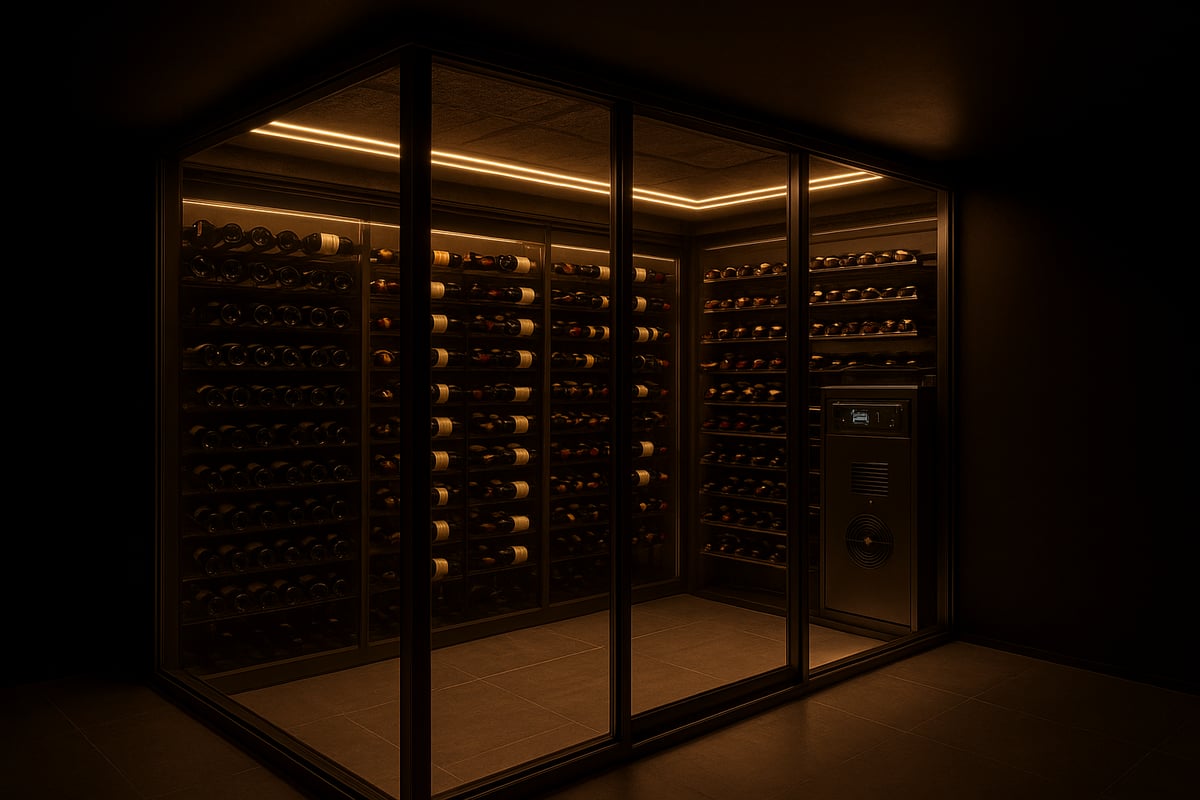
The foundation of superior cellar design is maintaining the ideal environment for wine. Temperature should remain steady at 55°F, while humidity levels stay between 60 and 70 percent. This balance prevents corks from drying out and stops oxidation, which can ruin flavor and value.
Fluctuations in these conditions can lead to spoiled wine, mold, or label damage. Investing in a dedicated climate control system is essential. For an in-depth breakdown of maintaining optimal temperature and humidity, explore this Wine cellar climate control essentials guide.
When planning cellar design, always prioritize reliable climate management. This ensures every bottle matures gracefully, regardless of outside weather.
Insulation and Vapor Barriers
Proper insulation is a non-negotiable step in cellar design. Quality insulation helps maintain a consistent temperature, reduces energy use, and guards against external heat or cold.
Vapor barriers are installed on the warm side of walls and ceilings to prevent moisture from seeping in or out. This step is crucial for stopping condensation, which could damage wine and the room itself.
Common choices for insulation include closed-cell spray foam and rigid foam panels. Both deliver strong thermal resistance and moisture protection, making them favorites among cellar design professionals.
Cooling System Options
Selecting the right cooling system is a critical decision in cellar design. There are two main types: self-contained and split systems.
Here’s a quick comparison:
System Type | Pros | Cons |
|---|---|---|
Self-contained | Easy installation, cost-effective | Louder, less flexible for large rooms |
Split | Quiet, suited for luxury or large cellars | Higher upfront cost, professional install required |
Sizing your system correctly is vital. Always match the unit’s capacity to the room’s volume and insulation effectiveness. For high-end homes, ducted split systems are popular, offering silent operation and even cooling throughout the space.
Humidification and Air Quality
Humidity control is just as important as temperature in cellar design. If air is too dry, corks shrink and wine spoils. Too humid, and mold may thrive.
Install a dedicated humidifier to maintain the ideal range. Air purifiers are also recommended to prevent mold, dust, and lingering odors. These systems work quietly in the background, protecting both your collection and the cellar itself.
Choosing equipment rated for wine storage ensures reliable performance year-round. Many modern humidification systems are energy efficient, aligning with sustainable cellar design goals.
Monitoring and Maintenance
Ongoing monitoring is key to preserving your cellar design investment. Remote sensors and smart alarms alert you instantly to temperature or humidity changes, even when you are away.
Establish a routine maintenance schedule. Tasks include checking filters, inspecting insulation, and servicing cooling units. This proactive approach extends the life of your systems and keeps the cellar’s climate stable.
A well-maintained cellar design not only protects your wine but also delivers peace of mind and lasting value for years to come.
Layout, Racking, and Storage Solutions
Designing a cellar is about more than just storage. The right cellar design transforms your space into a functional, elegant showcase for your collection. Every detail, from layout to lighting, plays a role in both preservation and presentation.
Optimizing Cellar Layout
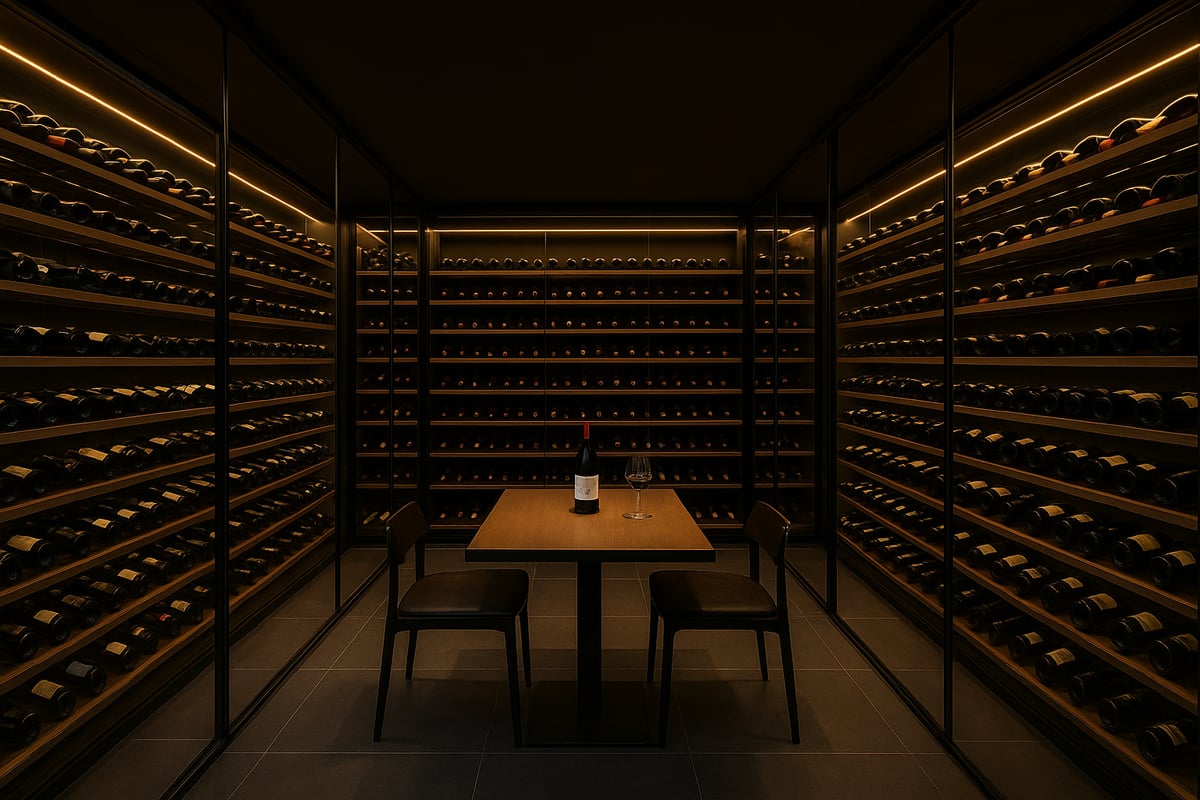
A well-planned cellar layout is the foundation of exceptional cellar design. Start by assessing the available space and planning efficient traffic flow. Position entryways and aisles for easy access to all zones of your collection.
Zone your cellar by wine type, vintage, or collection segment. This keeps your bottles organized and makes it simple to find what you need. Consider future expansion when mapping out your cellar design, leaving room for additional racks or display features.
Smart layout choices also enhance safety and preservation. Avoid placing racks near heat sources or direct light. Ensure ventilation and climate systems are unobstructed for optimal performance.
Racking Systems and Materials
The heart of any cellar design is its racking system. Today's options blend form and function, offering flexibility for collections of any size. Choose between modular, custom, or wall-mounted racks to suit your needs.
Materials matter as much as configuration. Wood exudes warmth and tradition, while metal and acrylic create a modern edge. Each material has its benefits, from durability to aesthetics, so select what aligns with your cellar design vision.
For inspiration and guidance on innovative built-in racking, explore Innovative wine cellar racking solutions for ideas that maximize both style and capacity.
Material | Aesthetic | Durability | Best Use Cases |
|---|---|---|---|
Wood | Classic | High | Traditional, warm spaces |
Metal | Contemporary | Very High | Modern, industrial |
Acrylic | Sleek, modern | Moderate | Display, small cellars |
Bottle Orientation and Preservation
Proper bottle orientation is a cornerstone of cellar design. Store bottles horizontally to keep corks moist, which protects wine from spoilage. This simple step preserves flavor and extends the life of your collection.
Specialized racks cater to magnums, champagne, or unique bottle shapes. Mix standard and specialty racks to accommodate every bottle in your cellar design. This ensures each piece is presented and preserved with care.
By tailoring racking to your collection, you protect your investment while showcasing your most prized bottles.
Display and Lighting
Display and lighting transform cellar design from functional to extraordinary. Feature walls and floating shelves create striking focal points, perfect for highlighting rare vintages or themed collections.
LED lighting is the gold standard for cellars. It emits minimal heat, preserving your wine while adding ambiance. Consider backlit displays or accent lighting to draw attention to standout bottles without compromising storage conditions.
Personal touches such as art or custom signage elevate the overall aesthetic and make your cellar design truly unique.
Space-Saving and Expandable Designs
Not every cellar design starts with vast square footage. Compact solutions like under-stair racks or wall-mounted shelving maximize small spaces. Use modular racking systems that can expand as your collection grows.
Expandable designs are key for future-proofing. Opt for racks that can be reconfigured or added over time, ensuring your cellar design adapts to evolving needs. Creative storage solutions let you enjoy both beauty and practicality, no matter the size of your space.
Flexible cellar design guarantees your wine collection will have room to flourish for years to come.
Integrating Cellar Design with Home and Lifestyle
Designing a cellar is about more than storage, it's about crafting a lifestyle statement. The best cellar design effortlessly bridges luxury, function, and your home's unique character. As demand for sophisticated, integrated cellars grows, let's explore how the right approach can elevate both your collection and your daily living.
Seamless Architectural Integration
The success of any cellar design begins with its relationship to the surrounding home. Imagine a glass wine enclosure acting as a luminous focal point in your dining area or lounge. This trend is gaining traction, with homeowners opting for cellars that echo the architecture and style of their broader spaces.
From rustic wood finishes that blend with farmhouse kitchens to sleek glass installations in modern condos, customization is key. For inspiration and real-world examples of how cellar design can transform a space, explore the Luxury wine cellar project portfolio.
Short on room? Under-stair cellars or feature walls can create drama without sacrificing square footage. The goal is a cellar that feels like a natural extension of your living environment.
Multi-Functional Cellar Spaces
Today's cellars are designed for more than aging bottles. Homeowners increasingly seek multi-purpose rooms that invite relaxation and entertaining. Imagine a cellar design that doubles as a tasting lounge or private dining nook.
Add a built-in bar, cozy seating, or even a small kitchen for pairing experiences. These spaces become the heart of gatherings, blending hospitality with everyday enjoyment. Flexible layouts also allow you to adapt your cellar design for changing needs, from intimate tastings to lively celebrations.
Enhancing Property Value
A thoughtfully integrated cellar design is a proven investment in your home's value. Luxury buyers are drawn to properties with custom wine rooms, often viewing them as a mark of sophistication and exclusivity.
Recent insights show that a well-executed cellar can increase property value by 7 to 10 percent. Whether you're building for personal enjoyment or future resale, your cellar design should balance beauty, function, and long-term appeal. Highlight premium finishes and smart features to maximize returns.
Showcasing Collections and Experiences
Your cellar is a showcase for your passion and personality. Use creative racking, floating shelves, or illuminated display cases to spotlight rare vintages. Art and sculpture can add a gallery-like ambiance, while digital displays offer tasting notes or collection history.
For those inspired by the latest trends in contemporary cellars, discover more ideas in this Modern glass wine cellar inspiration guide. With the right cellar design, your collection becomes an interactive experience for guests and a daily delight for you.
Maintenance and Lifestyle Considerations
Elegant cellar design should simplify maintenance, not complicate it. Choose materials that resist stains and are easy to clean, like sealed stone or treated hardwood. Plan for routine care, such as dusting racks and checking climate systems, to preserve both bottles and beauty.
A well-planned cellar design fits seamlessly into your lifestyle, offering effortless enjoyment and peace of mind. With smart planning, your cellar will be a source of pride and pleasure for years to come.
Expert Tips, Mistakes to Avoid, and Future-Proofing Your Cellar
Designing a cellar is a rewarding journey, but even seasoned collectors can stumble over details. The difference between a good and exceptional cellar design lies in understanding common pitfalls, embracing expert advice, and planning for the future. Whether you're planning a home sanctuary or a high-traffic restaurant cellar, these insights will help you create a space that’s both beautiful and enduring.
Common Design and Construction Mistakes
Even with the best intentions, many cellar design projects are derailed by avoidable errors. Overlooking space requirements ranks high on the list. It’s easy to underestimate how quickly a collection grows, leading to cramped layouts and awkward bottle access.
Rushing through insulation or climate control decisions can leave wines at risk. Skimping on quality lighting or placing fixtures in the wrong spots can harm both aesthetics and preservation. Other frequent issues include:
Ignoring future collection growth
Using the wrong racking for diverse bottle sizes
Neglecting ventilation or fire safety standards
Choosing the right professionals early can help avoid these common cellar design mistakes, ensuring your investment stands the test of time.
Expert Tips for Lasting Value
Quality trumps quantity in every aspect of cellar design. Invest in the best insulation and climate systems your budget allows. Choose racking that adapts to your collection, such as modular or custom options for magnums and half bottles.
Eco-friendly choices elevate both design and conscience. Consider reclaimed woods, natural stone, and energy-efficient lighting. For more inspiration on green materials, explore sustainable wine cellar materials used in high-end installations.
Early collaboration with design professionals ensures seamless integration with the rest of your home or business. Prioritize flexibility, so your cellar can evolve with your tastes and needs.
Future-Proofing Your Cellar
The best cellar design anticipates tomorrow’s needs. Modular systems and scalable racking let you adapt to new bottle formats and collection sizes. Smart technology is reshaping the way we manage and protect our collections. Features like remote climate monitoring and app-based inventory tracking are now essential for serious collectors. To learn more about these innovations, check out this overview of smart technology in wine cellars.
Plan lighting and display with flexibility in mind, so you can easily showcase new acquisitions or rare finds. Think ahead about access to power, Wi-Fi, and security upgrades. These steps ensure your investment remains relevant and valuable for years to come.
Security and Insurance Best Practices
Protecting your collection goes beyond simple locks. Advanced cellar design now incorporates security cameras, motion sensors, and alarm systems tailored to wine storage environments. UV-protective glass and vibration dampening keep rare bottles safe from harm.
Insuring your collection is equally vital. Work with insurers who understand the nuances of wine value, and keep detailed inventories with photos and receipts. Schedule regular appraisals to keep coverage up to date, giving you peace of mind no matter what the future holds.
Case Studies and Real-World Examples
Real-world projects reveal how thoughtful cellar design transforms spaces and lifestyles. Consider a residential cellar that blends a tasting lounge with artful bottle displays, creating an inviting retreat for both storage and entertaining.
Restaurants, often short on space, maximize vertical storage with floor-to-ceiling racks and compact cooling units. Here’s a quick comparison:
Feature | DIY Build | Professional Build |
|---|---|---|
Initial Cost | Lower | Higher |
Customization | Limited | Extensive |
Time Investment | High | Lower |
Climate Control | Basic | Advanced |
Resale Value | Moderate | High |
Whether you’re designing for a home or business, the right approach makes all the difference.
Resources for Continued Learning
Stay ahead in cellar design by tapping into industry resources. Leading books, design blogs, and professional associations offer a wealth of knowledge. Consider exploring:
“Wine Cellar Design” by Tony Wilkes
The Cellar Design Collective blog
Wine Spectator’s annual cellar features
Local wine collector associations
Certified courses in wine storage and preservation
Attending industry events and connecting with fellow enthusiasts can spark new ideas and keep your skills sharp.
Prestige Wine Cellars: Bespoke Solutions for Luxury Cellar Design
For those seeking the pinnacle in cellar design, Prestige Wine Cellars delivers unmatched expertise. Their Austin-based team has crafted artful, functional spaces for private estates, restaurants, and luxury hotels. From initial planning to climate control and ongoing maintenance, they offer a comprehensive service tailored to collectors’ unique visions.
Prestige Wine Cellars excels in integrating technology, sustainability, and personalized design elements that set each project apart. Their portfolio includes everything from glass-walled showpieces to cozy, multi-use cellars, all engineered for lasting performance and elegance.
After exploring the latest trends, smart technology, and timeless design principles in this expert guide, you’re already one step closer to creating a cellar that’s as functional as it is elegant. Whether you’re envisioning a striking glass wine wall for your home or a bespoke wine room for your restaurant, every detail matters in bringing your vision to life. If you’re ready to elevate your collection with craftsmanship and innovation, let’s make it happen together.
Contact Us
to start your custom cellar journey with Prestige Wine Cellars.
Your Dream Wine Cellar Starts Here
Let our design team craft a cellar that matches your taste, space, and your collection — built for beauty, function, and prestige.

Email us at
Serving Austin, Dallas–Fort Worth, Houston & San Antonio