
Residential Wine Wall: Design & Build In Texas
Transform your home with our expert residential wine wall guide for 2026 Discover design inspiration display options installation tips and maintenance advice
Imagine walking into your home and seeing a striking feature that displays your wine collection with elegance and modern style. A well-designed residential wine wall does more than store bottles; it transforms any room into a conversation piece and a reflection of your taste.
In this guide, you will learn how to plan, design, and install a residential wine wall that is both functional and beautiful. Explore the latest trends, smart display options, and expert tips to create a custom solution that elevates your living space.
Understanding Residential Wine Walls: What & Why
Imagine stepping into a room where your wine collection becomes the star, elegantly displayed and always within reach. The residential wine wall is a modern design feature that transforms storage into a statement. Unlike traditional wine cellars or dedicated wine rooms, a residential wine wall is a slim, vertical display, often integrated into main living spaces.
Here's a quick look at how these options compare:
Feature | Wine Wall | Wine Cellar | Wine Room |
|---|---|---|---|
Size | Compact/Vertical | Large/Enclosed | Full Room |
Visibility | High | Low to Moderate | Moderate |
Installation | Flexible | Complex | Extensive |
Climate Control | Optional | Essential | Essential |
Home Integration | Living areas, kitchens | Basement, separate room | Dedicated space |
Curious to learn more about the differences? Check out this Guide to Wine Walls for deeper insights.
Over the past few years, the residential wine wall has surged in popularity, especially in luxury homes. Designers and homeowners alike are embracing this trend for its blend of artistry and practicality. The latest 2024-2026 trends highlight minimalist glass displays, integrated lighting, and smart climate features as must-haves.
Why choose a residential wine wall? The benefits are compelling:
Maximizes space, even in smaller homes
Enhances visual appeal, turning bottles into décor
Offers easy access and organization
Can increase property value with a high-end touch
You’ll find these stylish displays in a variety of locations:
Dining rooms
Kitchens and breakfast nooks
Hallways and entryways
Living rooms
Under staircases
When planning a residential wine wall, consider whether you want a glass-fronted or open design. Glass fronts offer dust protection and a sleek look, while open displays provide immediate access and can feel more casual. Climate-controlled wine walls ensure bottles age properly, but ambient options may suit short-term storage and entertaining needs.
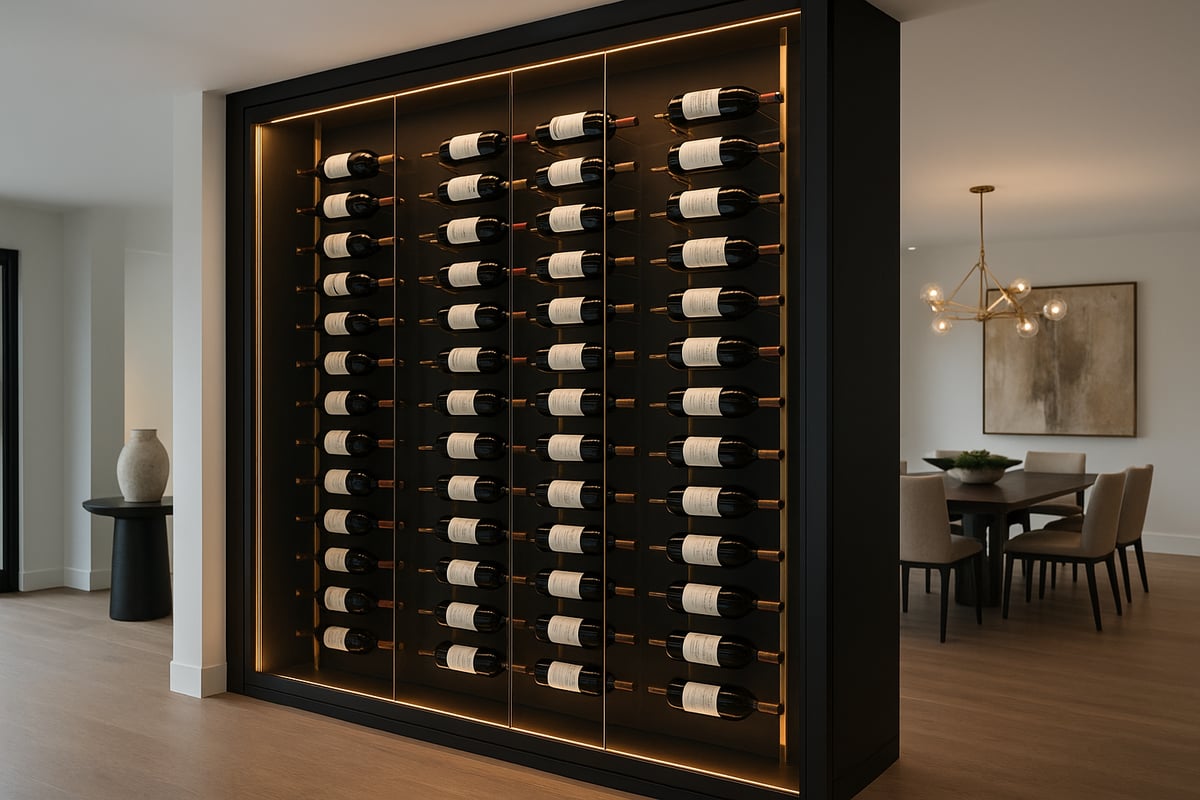
Award-winning homes have showcased residential wine wall installations as central features. For instance, a recent penthouse renovation used a glass-enclosed wall to divide the dining and living areas, creating both function and drama.
According to a 2025 industry survey, over 35% of luxury home renovations now include some type of wine display feature. This statistic underscores just how mainstream the residential wine wall has become in upscale design.
Whether you’re a collector, entertainer, or simply love the look, the residential wine wall brings together style, convenience, and a touch of luxury in today’s homes.
Planning Your Wine Wall: Design Considerations for 2026
Designing a residential wine wall is an exciting journey that blends artistry, engineering, and personal expression. Thoughtful planning ensures your display is both a visual masterpiece and a functional asset for your home. Let us walk through the essential considerations to help you create a residential wine wall that truly reflects your taste and lifestyle.
Assessing Your Wine Collection
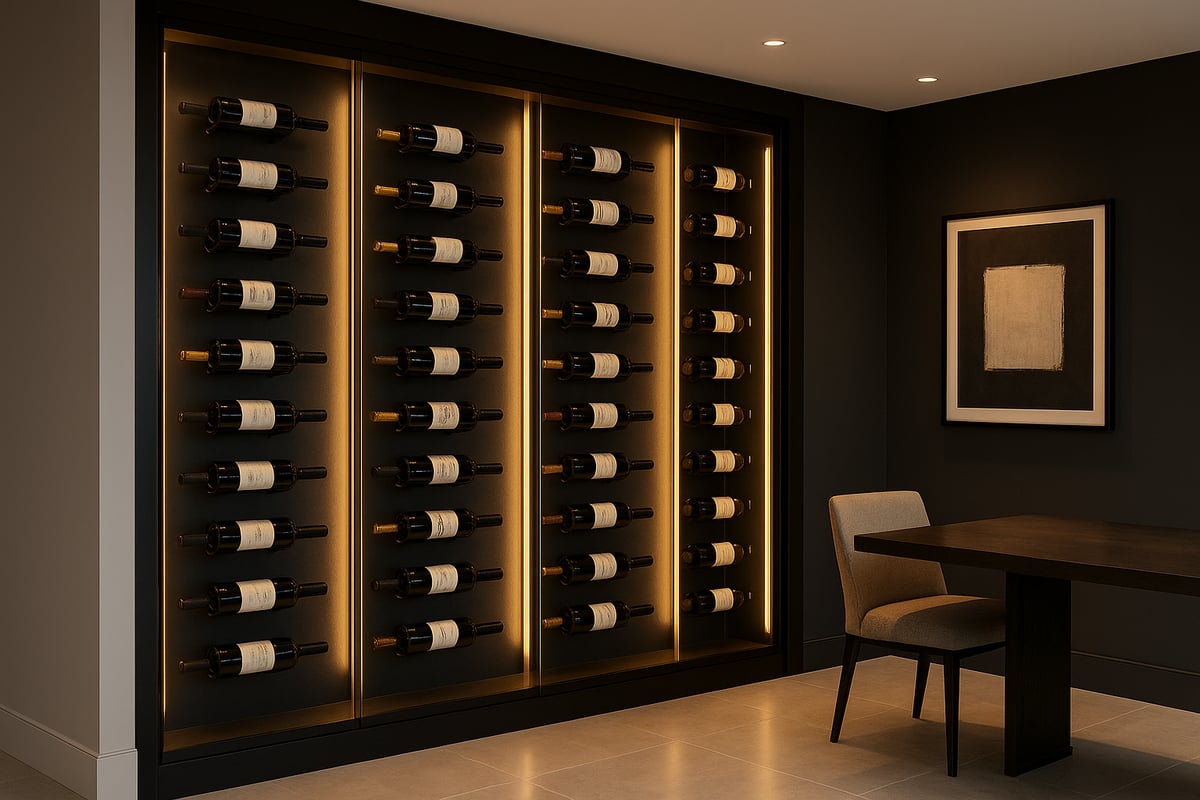
Begin by evaluating your current and future wine inventory. Consider your bottle count, preferred varietals, and any special formats such as magnums or half-bottles. Do you anticipate your collection growing rapidly? Planning for expansion now will prevent overcrowding later and ensure your residential wine wall remains organized.
A simple table can help map your needs:
Collection Size | Recommended Wall Size | Rack Type |
|---|---|---|
Up to 100 | 4–6 feet | Modular/pegs |
100–300 | 6–10 feet | Rails/shelves |
300+ | 10+ feet | Custom mix |
Choosing the Perfect Location
Placement is crucial for both aesthetics and preservation. Ideal locations for a residential wine wall include dining rooms, hallways, kitchens, living spaces, or under stairs. Prioritize areas away from direct sunlight and strong heat sources.
Evaluate these factors:
Light: Avoid UV exposure to protect labels and wine quality.
Temperature/Humidity: Target 55–60°F and 60–70% humidity for most wines.
Vibration: Keep away from appliances or speakers to prevent bottle disturbance.
Defining Your Style and Material Palette
Your residential wine wall should harmonize with your home's overall design. Whether your taste leans contemporary, traditional, or a blend, material selection is key. Glass, wood, metal, and acrylic are popular choices, each bringing a unique character.
Glass wine walls, in particular, are trending for their sleek profiles and ability to double as room dividers. For inspiration and practical tips, explore these Glass Wine Wall Design Ideas to see how glass can elevate your space. Metal racks offer a modern, minimalist feel, while wood adds warmth and classic appeal.
Lighting and Personal Touches
Lighting transforms a residential wine wall from simple storage into a true showpiece. LED strips, backlit panels, and spotlights all highlight your collection while protecting it from heat. Opt for lighting with UV filters to safeguard labels.
Personalization adds character. Display artwork, vintage corks, or engraved plaques. Showcase rare bottles or create a dedicated tasting nook to make your residential wine wall an inviting focal point.
Security and Smart Technology
Security is essential, especially for high-value collections. Integrate discreet locks, alarms, or even biometric access to protect your investment. Many homeowners now opt for smart home integration, allowing remote monitoring of temperature, humidity, and security systems.
Smart climate sensors and app-based controls can ensure your residential wine wall always provides optimal storage conditions. This peace of mind is invaluable for serious collectors.
Budget Planning and ROI
Budgeting for a residential wine wall involves more than just materials. Factor in professional installation, climate control, lighting, and ongoing maintenance. Costs can range from a few thousand dollars for modular systems to well over $30,000 for bespoke, climate-controlled installations.
Investing wisely not only enhances your daily enjoyment but can also increase your property's value. A thoughtfully designed residential wine wall is a sought-after feature for future buyers, offering both luxury and practicality.
Display & Storage Options: Showcasing Your Collection
A well-designed residential wine wall is more than storage—it is a statement of taste and sophistication. The right display and storage options can turn your wine collection into the centerpiece of your living space. Let us explore the essential choices that will help you maximize both function and visual appeal in your residential wine wall.
Bottle Orientation: Horizontal vs. Vertical
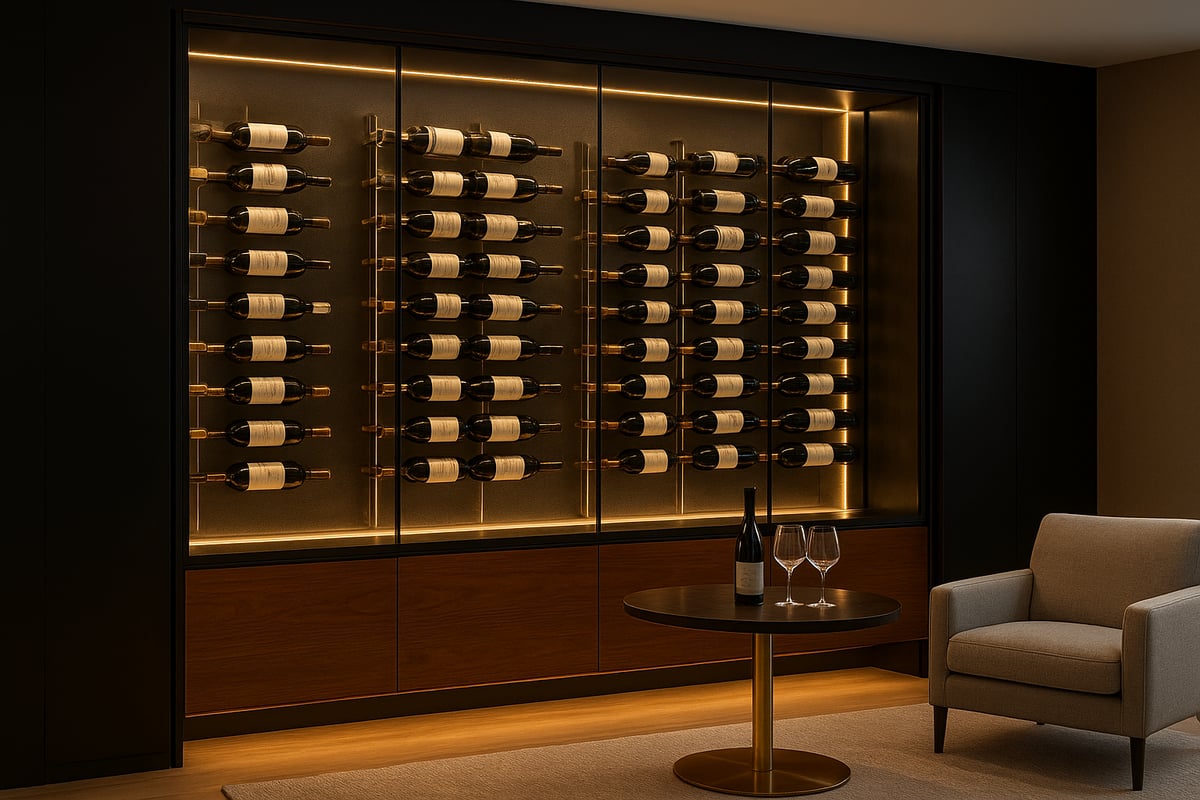
The orientation of your bottles is the foundation of your residential wine wall design. Horizontal storage remains the gold standard for long-term preservation, keeping corks moist and labels visible. It also creates a visually rhythmic display that draws the eye across your collection.
Vertical bottle orientation, while less traditional, can add a dramatic, modern twist to your residential wine wall. This approach is ideal for showpiece bottles and quick access, though it is best reserved for wines meant to be enjoyed soon rather than aged.
Comparison Table: Bottle Orientation
Orientation | Preservation | Visual Impact | Best Use Cases |
|---|---|---|---|
Horizontal | Excellent | Classic, sleek | Aging, full collections |
Vertical | Fair | Bold, modern | Ready-to-drink, statement bottles |
Racking Styles & Display Systems
Your choice of racking sets the tone for your residential wine wall. Popular styles include:
Pegs: Minimalist and almost “invisible,” perfect for a floating effect.
Rails: Clean lines for label-forward displays.
Floating Shelves: Offer flexibility and a contemporary look.
Label-Forward Racks: Make it easy to identify bottles and showcase unique labels.
Mixing and matching these racking styles creates depth and visual interest. Modular systems allow you to adapt as your collection grows, while custom racks can be tailored to fit unusual bottle shapes or magnums.
Hybrid Display & Bulk Storage Solutions
A residential wine wall often blends display and storage, creating a hybrid system that is both practical and beautiful. Combine open racks for your most prized bottles with bulk storage behind tinted glass or in drawers for everyday wines.
Hybrid layouts are perfect for collectors who want to highlight rare finds while keeping the rest of their collection organized and accessible. This flexible approach maximizes both space and impact.
Glass Enclosures & Lighting Enhancements
Glass enclosures transform a residential wine wall into a showpiece. Frameless glass offers a seamless, modern look, while framed or double-pane options provide extra insulation and security.
Lighting is the secret to elevating your display. LED strips, backlit panels, and spotlights illuminate your bottles without damaging them. For a bold statement, consider color-changing LEDs or accent lighting that highlights specific shelves or artwork.
Lighting Tips:
Use UV-protected LEDs to avoid label fading.
Layer ambient, accent, and task lighting for depth.
Highlight focal points, such as rare bottles or decanting stations.
Incorporating Tasting Features
Why not make your residential wine wall the heart of your entertaining space? Add a tasting table, decanting station, or integrated bar features. These elements invite guests to linger and create a luxurious, interactive experience.
Built-in glassware storage, pull-out trays, and even small sinks can turn your wine wall into a functional tasting destination. These touches add both convenience and a sense of occasion to your home.
Showcasing Rare Bottles & Focal Points
Every serious collector dreams of highlighting rare vintages and magnums. Niche shelving, illuminated alcoves, and custom cubbies draw attention to your most prized bottles.
Consider using contrasting materials or colors to make a focal point stand out. Displaying signed or limited-edition bottles at eye level gives your residential wine wall a gallery-like feel, turning each bottle into a conversation starter.
Real-World Inspiration: Modern Wine Wall Renovation
Looking for inspiration? Explore how a multi-zone penthouse installation blends all these features in the Modern Wine Wall Renovation Case Study. This real-world project showcases a residential wine wall with layered racking, frameless glass, mood lighting, and a tasting bar, proving that function and artistry can coexist beautifully.
The right display and storage options bring out the best in your residential wine wall. By thoughtfully combining orientation, racking, lighting, and special features, you can create a space that celebrates your passion and elevates your home.
Step-by-Step Installation Guide for Residential Wine Walls
Transforming a blank wall into a breathtaking residential wine wall is a rewarding project. The process involves detailed planning, careful execution, and a focus on both function and aesthetics. Whether you’re working with a professional or taking a hands-on approach, following a clear installation roadmap will help you achieve a seamless, show-stopping result.
1. Pre-Installation Checklist
Start by confirming your vision and requirements for the residential wine wall. Secure any necessary permits if structural changes are involved. Carefully measure your space, accounting for ceiling height, wall width, and depth for racking and enclosures.
Prepare the site by clearing the area and protecting adjacent finishes. Consider access for bulky materials like glass panels. If you’re retrofitting, assess existing electrical and HVAC systems.
2. Framing and Wall Reinforcement
A residential wine wall can be surprisingly heavy, especially with glass, metal, and a full collection. Reinforce wall studs and framing to support the weight of racks, bottles, and enclosures. Add horizontal blocking where racks or pegs will attach.
If your design includes a floating or double-sided feature, ensure both sides are structurally sound. For under-stair installations, check the integrity of the stair framing as well.
3. Insulation and Vapor Barriers for Climate Control
If you’re creating a climate-controlled residential wine wall, insulation and vapor barriers are essential. Use closed-cell foam or rigid insulation to maintain temperature and humidity stability. Install a continuous vapor barrier to prevent condensation and moisture issues.
For more detailed guidance on these steps, the Wine Cellar Installation Guide offers practical tips on preparing your installation space.
4. Electrical and Lighting Setup
Plan for both functional and accent lighting. Install dedicated circuits for LED fixtures, display spotlights, or backlit panels. Place outlets for climate control units and smart home integrations.
Route wiring before finishing walls or installing racks. Consider dimmers and smart controls for flexible ambiance and energy savings.
5. Mounting Racks, Pegs, and Shelving
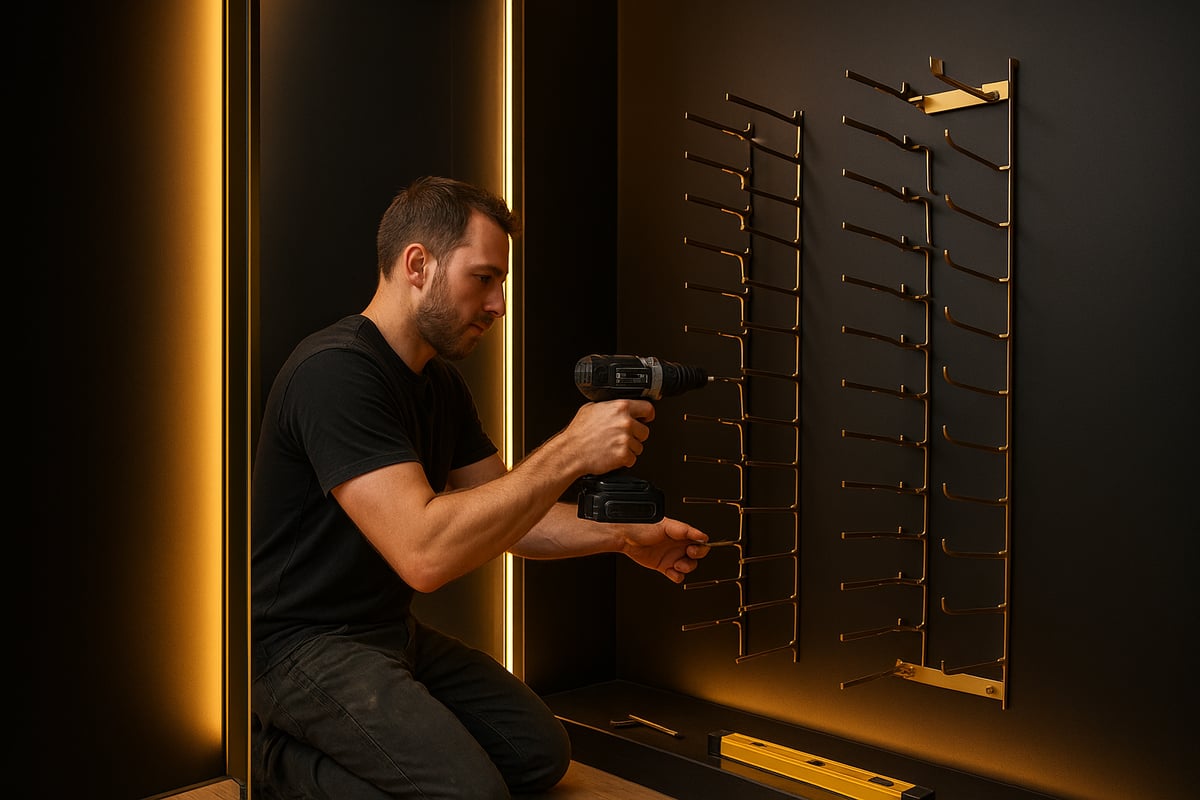
Mark rack locations carefully, using a laser level for precision. Secure mounting hardware to reinforced framing or blocking. For modular systems, assemble components according to the manufacturer’s instructions.
If your residential wine wall features floating shelves or label-forward displays, double-check spacing to accommodate various bottle sizes. Test-fit a few bottles before final tightening.
6. Installing Glass Panels or Enclosures
Glass adds a luxurious, protective element to any residential wine wall. Choose between frameless, framed, or double-pane glass based on your design and insulation needs.
Install panels with care, using proper lifting equipment and protective gear. Seal all joints with clear, mold-resistant silicone to prevent air leaks. For inspiration on integrating glass, see 2026 Home Design Trends for ideas that blend transparency and modern style.
7. Integrating Climate Control Units
For temperature- and humidity-sensitive collections, install a ducted, split, or self-contained cooling unit. Place sensors in discreet yet effective locations.
Ensure the unit is sized for your wine wall’s volume and insulation. Test all controls and monitor initial performance before loading your bottles.
8. Final Assembly, Finishing Touches, and Quality Checks
Install door hardware, locks, and any security features. Touch up trim, caulking, and paint as needed. Clean all surfaces, remove fingerprints from glass, and polish metal or wood finishes.
Before stocking, check for rattles, loose hardware, or airflow issues. Test lighting and smart integrations.
9. Safety Tips
Always distribute bottle weight evenly across racks.
Use earthquake-proofing hardware where required.
Avoid overloading shelves beyond manufacturer recommendations.
Double-check all electrical connections for safety.
Residential Wine Wall Installation Timeline Example
Here’s a typical timeline for an 8-foot residential wine wall:
Step | Duration (Days) |
|---|---|
Permits & Planning | 2–5 |
Framing & Reinforcement | 1–2 |
Insulation & Vapor Barrier | 1 |
Electrical & Lighting | 1–2 |
Rack & Shelving Installation | 1–2 |
Glass Enclosure Installation | 1 |
Climate Control Integration | 1 |
Final Assembly & Quality Checks | 1 |
Total Project Duration | 8–15 |
This schedule can vary based on complexity, site conditions, and custom features. Planning ahead and working with experienced professionals will help your residential wine wall project run smoothly and deliver a truly exceptional result.
Maintenance and Long-Term Care
A well-maintained residential wine wall preserves both the beauty of your collection and the investment in your home. Consistent care ensures your bottles age gracefully, your displays stay pristine, and your system operates at peak performance.
Routine Cleaning and Upkeep
Dust and fingerprints can quickly dull the visual impact of your residential wine wall. Use a soft, lint-free cloth to clean glass panels and gently wipe racks or shelving. For wood or metal, choose products safe for the specific material to avoid damage or streaking.
Do not forget to clean the wine bottles themselves. A quick dusting maintains their labels and keeps the collection looking curated. Make a habit of checking for spills or cork debris, especially after hosting guests.
Clean glass with a microfiber cloth and non-abrasive cleaner
Wipe racks and shelving with appropriate products
Dust bottles and labels gently
Inspect for cork or wine residue regularly
Climate and Environmental Monitoring
A residential wine wall’s environment matters as much as its aesthetics. Use digital thermometers and hygrometers to monitor temperature and humidity, aiming for 55-58°F and 55-70% relative humidity. These ranges help prevent cork drying, mold growth, and wine spoilage.
UV light can fade labels and harm wine. Install UV-filtering glass or window films, and use LED lighting with UV protection. Address any condensation promptly, as excess moisture may indicate insulation issues.
Annual checks of climate control systems are crucial. Replace filters, calibrate sensors, and clear vents of dust. Early detection of fluctuations prevents costly damage to your residential wine wall.
System Maintenance and Professional Support
While many tasks are DIY-friendly, some aspects of caring for your residential wine wall require an expert touch. Locks, alarms, and climate control units should be tested regularly for security and reliability. If alarms or temperature readings become erratic, call a technician without delay.
For detailed guidance, consult resources like these Wine Cellar Maintenance Tips, which cover everything from filter changes to humidity troubleshooting. Scheduling an annual service visit helps identify hidden issues before they become major problems.
Long-Term Value and Cost Considerations
A residential wine wall, when properly maintained, can last decades and add significant value to your property. Most systems have a lifespan of 15-25 years, with typical yearly maintenance costs ranging from $200 to $600 depending on complexity and climate control needs.
Security reviews, such as checking locks and alarm batteries, should be part of your seasonal routine. If you notice persistent condensation, mold, or mechanical issues, do not hesitate to bring in a professional for repairs or upgrades.
Maintenance Task | Frequency | Estimated Cost (2025-2026) |
|---|---|---|
Glass & rack cleaning | Weekly | Minimal |
Climate system checkup | Yearly | $150 - $400 |
Security/alarm inspection | Quarterly | $50 - $100 |
Professional service visit | Annually | $200 - $600 |
Consistent attention ensures your residential wine wall remains a showpiece, protecting both your collection and your investment for years to come.
After exploring the essentials of wine wall design, display, and installation, you’re probably imagining how a stunning, custom wine wall could transform your own space. Whether you’re envisioning a sleek glass showcase or a bold architectural statement, bringing your vision to life starts with expert guidance and craftsmanship. If you’re ready to elevate your collection and create a focal point that blends artistry with functionality, let’s take the next step together. Reach out to discuss your ideas, get personalized advice, or start planning your project with a team that truly understands luxury wine spaces.
Contact Us
Your Dream Wine Cellar Starts Here
Let our design team craft a cellar that matches your taste, space, and your collection — built for beauty, function, and prestige.

Email us at
Serving Austin, Dallas–Fort Worth, Houston & San Antonio