Wine and Cellar Guide: Austin Collector Tips
Unlock the world of wine and cellar mastery with expert tips for 2026 collectors Discover how to select invest and protect your collection with confidence
Imagine stepping into a world where your wine and cellar are not just a source of pride, but a savvy investment admired by fellow collectors in 2026.
This guide is crafted for both new and experienced enthusiasts, offering expert strategies to help you select collectible bottles, design the perfect storage, and master every aspect of your wine and cellar journey.
Explore how to build a collection that stands the test of time, avoid costly mistakes, and stay ahead of evolving market trends. Ready to elevate your passion? Let’s embark on this refined adventure together.
Understanding the 2026 Wine Collecting Landscape
Step into the dynamic world of wine and cellar collecting in 2026, where tradition meets innovation. The landscape has transformed rapidly, shaped by new technology, shifting markets, and evolving tastes. What does it take to curate a collection that stands out and gains value in this new era? Let’s explore the major trends and factors driving the wine and cellar scene today.
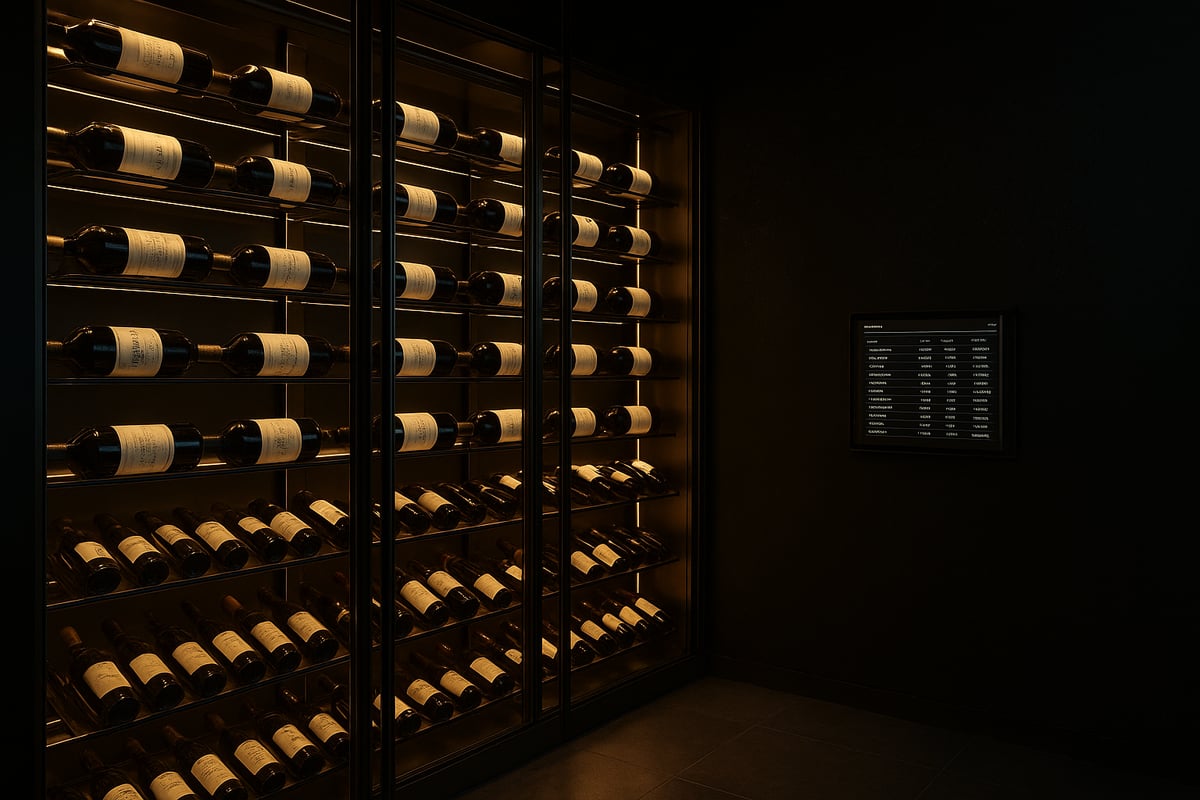
The Evolution of Wine Collecting: 2020–2026
The wine and cellar landscape has undergone remarkable changes since 2020. Collectors now come from more diverse backgrounds, with younger enthusiasts and global investors joining seasoned connoisseurs. Their motivations range from personal enjoyment to strategic investment, making the community more vibrant than ever.
Globalization is a key driver. Wine and cellar collections now feature bottles from emerging regions like China and South America, not just Bordeaux and Napa. This global reach brings new flavors and stories into the fold. Climate change also plays a role, influencing vintage quality and prompting regions to adapt. For example, Napa Valley is experimenting with new grape varieties, while Champagne producers focus on organic and biodynamic methods.
Digitization has redefined how collectors track, buy, and authenticate bottles. Wine tracking apps, online auctions, and even NFT-backed certificates are now commonplace. Sustainability is another major trend, with eco-conscious collectors seeking organically farmed wines and green cellar designs.
Statistically, the wine and cellar market has seen impressive growth. Wine investment funds are on the rise, auction records have been shattered, and participation in online sales has doubled since 2022. The Bordeaux 2022 en primeur market saw record demand, while luxury wine and cellar solutions are gaining popularity in urban homes.
For a deeper dive into recent market shifts and trends, see the Global Wine Market Outlook 2025.
Key Factors Shaping Collectible Wines in 2026
What makes a wine and cellar collection truly valuable in 2026? Scarcity and provenance are more important than ever. Collectors seek bottles with impeccable history and limited production, knowing these factors drive both prestige and price.
Critic scores and social media buzz can make or break a wine and cellar investment. Influential reviews and viral posts quickly elevate certain labels, while vintage variation adds excitement and risk. The reputation of the producer continues to be a deciding factor, with established estates and cult winemakers in high demand.
The most collectible categories include blue-chip Bordeaux, cult California Cabernets, and a wave of exciting Italian and Spanish producers. Auction data from 2023 to 2025 shows Burgundy and Champagne maintaining strong performance, while regions like Barolo and Priorat are rising stars.
Here’s a quick comparison of top-performing regions:
Region | Notable Varietals | Auction Growth (2023–2025) |
|---|---|---|
Bordeaux | Cabernet, Merlot | +18% |
Burgundy | Pinot Noir, Chardonnay | +22% |
Champagne | Pinot Noir, Chardonnay | +16% |
California | Cabernet, Pinot Noir | +20% |
Italy (Barolo, Tuscany) | Nebbiolo, Sangiovese | +15% |
Spain (Priorat, Ribera) | Garnacha, Tempranillo | +13% |
Understanding these trends allows wine and cellar enthusiasts to make informed choices, balancing personal taste with investment potential. As the landscape evolves, staying informed is essential for building a collection that thrives.
Selecting Wines for Your 2026 Collection
Building a remarkable wine and cellar collection in 2026 starts with knowing what to buy. The right bottles not only offer pleasure but can also become valuable assets. In today’s world of wine and cellar collecting, expertise and a strategic approach matter more than ever.
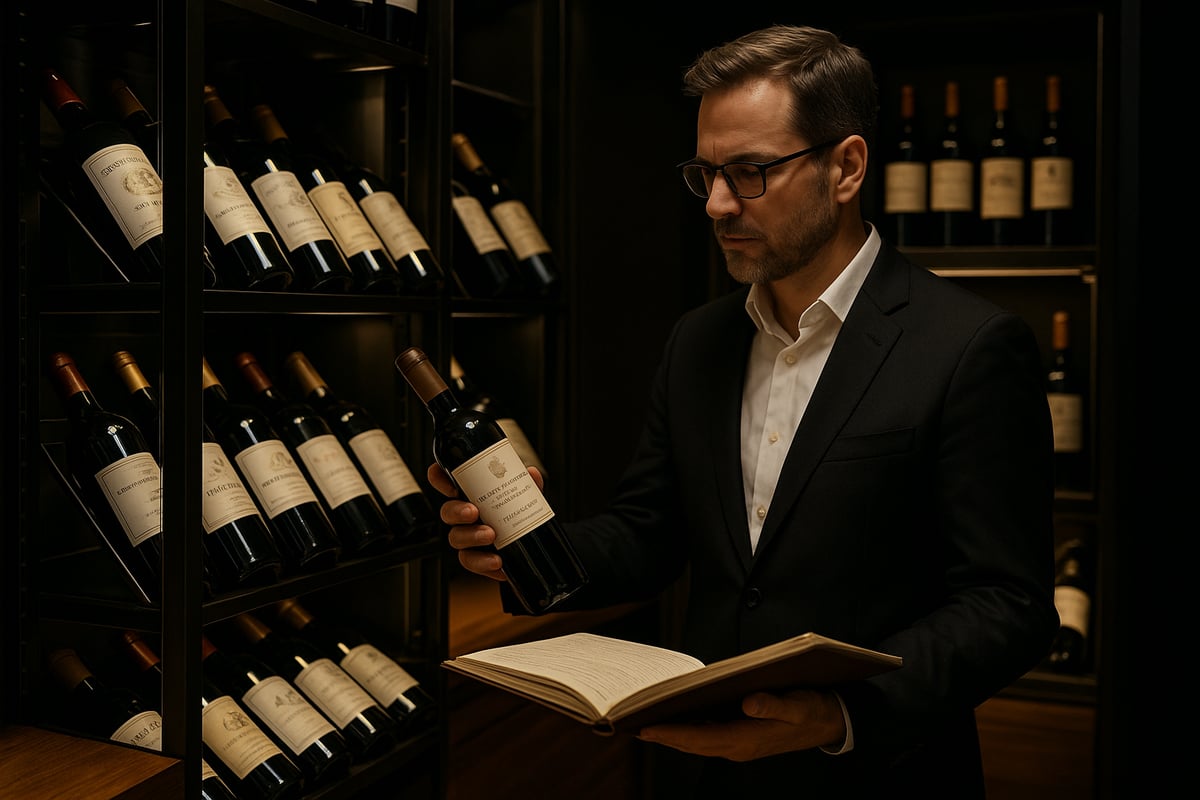
Criteria for Choosing Investment-Grade Wines
Selecting the best bottles for your wine and cellar means looking beyond the label. Provenance is crucial. Always verify a wine’s history, ensuring it has been stored and transported correctly. Rarity is another key driver—limited releases or small-production wines often command higher prices.
Aging potential sets investment-grade wines apart. Focus on varietals and regions known for longevity, like top Bordeaux or Barolo. The producer’s reputation and a track record of critical acclaim give further confidence. Market liquidity matters, too. Choose wines with established demand and active secondary markets.
Authenticity is a growing concern for wine and cellar enthusiasts. Look for thorough documentation and, when possible, utilize new technologies for verification. Recent advances, such as non-invasive spectroscopy and blockchain records, help protect collectors from fraud. For a data-driven edge, review Top Appreciating Wines of 2025 before making your next purchase.
Spotlight on 2026’s Most Promising Regions and Producers
The wine and cellar landscape in 2026 is shaped by both classic and emerging wine regions. Burgundy and Bordeaux remain timeless, but look for rising stars within these areas—up-and-coming producers are shaking up the scene. Champagne continues its organic revolution, with both prestige cuvées and grower champagnes gaining traction.
California’s cult Cabernets and Oregon’s Pinot Noirs are sought after by collectors who want to diversify. Italy’s Super Tuscans, Barolo, and Spain’s Priorat and Ribera del Duero are also generating excitement. Don’t overlook boutique producers in Australia, New Zealand, and South Africa, as they are earning international acclaim.
Here’s a quick comparison of top-performing regions and notable producers for wine and cellar collectors:
Region | Notable Producers | Collectible Varietals |
|---|---|---|
Burgundy | Domaine de la Romanée-Conti | Pinot Noir, Chardonnay |
Bordeaux | Château Lafite, Margaux | Cabernet, Merlot blends |
Champagne | Krug, Jacques Selosse | Chardonnay, Pinot Noir |
California | Screaming Eagle, Harlan Estate | Cabernet Sauvignon |
Italy | Gaja, Sassicaia, Giacomo Conterno | Nebbiolo, Sangiovese |
Spain | Vega Sicilia, Alvaro Palacios | Tempranillo, Garnacha |
Incorporate a mix of established and new producers to future-proof your wine and cellar.
Balancing Your Collection: Drinking vs. Investing
A successful wine and cellar is more than a vault of blue-chip bottles. Aim for a balanced portfolio that lets you enjoy the fruits of your labor while seeing long-term appreciation. Divide your collection into three categories: age-worthy investments, ready-to-drink selections, and a few speculative bottles for upside potential.
Allocate your budget across regions and vintages to minimize risk. For example, a 100-bottle starter wine and cellar collection under $20,000 might include:
40% classic regions (Bordeaux, Burgundy, Champagne)
30% New World icons (California, Oregon)
20% Italian and Spanish gems
10% boutique finds from Australia, New Zealand, and South Africa
Track your holdings, taste regularly, and adjust your strategy based on market trends and personal preferences. This approach ensures your wine and cellar delivers both enjoyment and value as your collection matures.
Designing and Building the Ideal Wine Cellar in 2026
Imagine stepping into your dream wine and cellar space, where every bottle is showcased and preserved like a work of art. In 2026, designing the ideal cellar is more than just storage; it's about creating a luxurious sanctuary that elevates your collection and your lifestyle. Whether you're a seasoned collector or just setting out, a well-designed wine and cellar can transform your passion into a legacy.
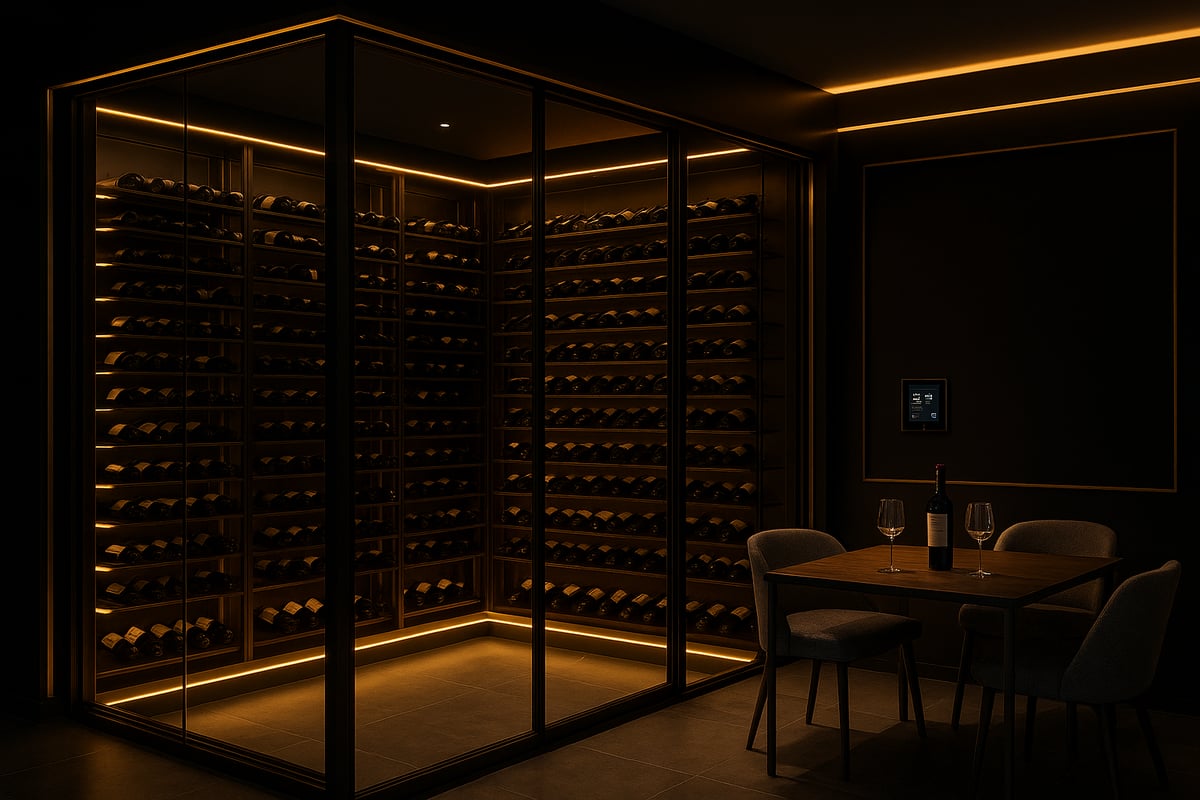
Modern Wine Cellar Design Trends
The wine and cellar landscape in 2026 is defined by sleek materials, advanced technology, and seamless integration with your living space. Glass and metal have become the materials of choice, lending a contemporary edge while ensuring full visibility of prized bottles. Many collectors now opt for glass wine walls, especially in urban penthouses, to blend sophistication with function.
Smart technology is at the heart of every top-tier wine and cellar. Automated climate monitoring, inventory management apps, and security systems help protect your investment around the clock. Sustainability is equally important, with eco-friendly materials and energy-efficient cooling systems now standard in luxury cellars.
For a deeper dive into these innovations, explore the Modern Wine Cellar Design Trends shaping the way collectors build their dream spaces. With these trends, your wine and cellar becomes a showpiece as much as a storage solution.
Essential Elements of Proper Wine Storage
Every great wine and cellar starts with the science of preservation. Ideal storage conditions keep your collection safe from spoilage and ensure each bottle matures gracefully. The fundamentals? Stable temperature (typically 55°F/13°C) and humidity (around 60-70 percent). Modern cellar systems offer precise digital controls for both.
Light is another critical factor. UV rays can harm wine, so cellar lighting should be both functional and gentle, often using LED solutions. Vibration and airflow also play a role. Minimizing movement helps wines age undisturbed, while proper ventilation prevents mold and keeps corks healthy.
Investing in monitoring solutions allows you to track these variables in real time. With the right wine and cellar setup, you protect both the flavor and the future value of your collection.
Racking Systems and Capacity Planning
Selecting the right racking system is essential for any wine and cellar, whether it's a compact home installation or a large-scale estate project. Options range from classic wood racks, which offer warmth and tradition, to modular metal systems that maximize space and flexibility. Custom designs allow you to tailor storage to your collection's unique needs.
Planning for capacity is just as important as design. Think ahead: will your collection grow, or do you prefer a curated selection? Modular racking lets you expand easily, while custom solutions can be engineered for precise bottle counts, magnums, or specialty formats.
A well-planned wine and cellar not only looks stunning but also adapts with you. By balancing aesthetics and function, you ensure your investment is protected for years to come.
Professional vs. DIY Cellar Construction
When it comes to building your wine and cellar, you have two main paths: professional installation or a do-it-yourself approach. Custom-built cellars, crafted by experienced designers, offer tailored climate control, architectural harmony, and peace of mind. These projects often blend artistry with engineering, ensuring every detail is optimized for preservation.
DIY solutions, such as pre-fabricated kits, are more budget-friendly and can be assembled quickly. However, they may lack the precision and longevity of bespoke builds. Consider your investment: a professionally designed wine and cellar can add value to your property and safeguard your collection, while DIY setups are best for smaller or starter collections.
Always consult an expert for climate control and structural advice. The right guidance ensures your wine and cellar is both beautiful and built to last.
Mastering Wine Cellar Management and Organization
A truly impressive wine and cellar setup is more than just stunning bottles and elegant racks. It is a living, evolving system that demands thoughtful organization, reliable tracking, and careful stewardship. Whether you are a new collector or a seasoned enthusiast, mastering these essentials ensures your collection’s value and enjoyment grow over time.
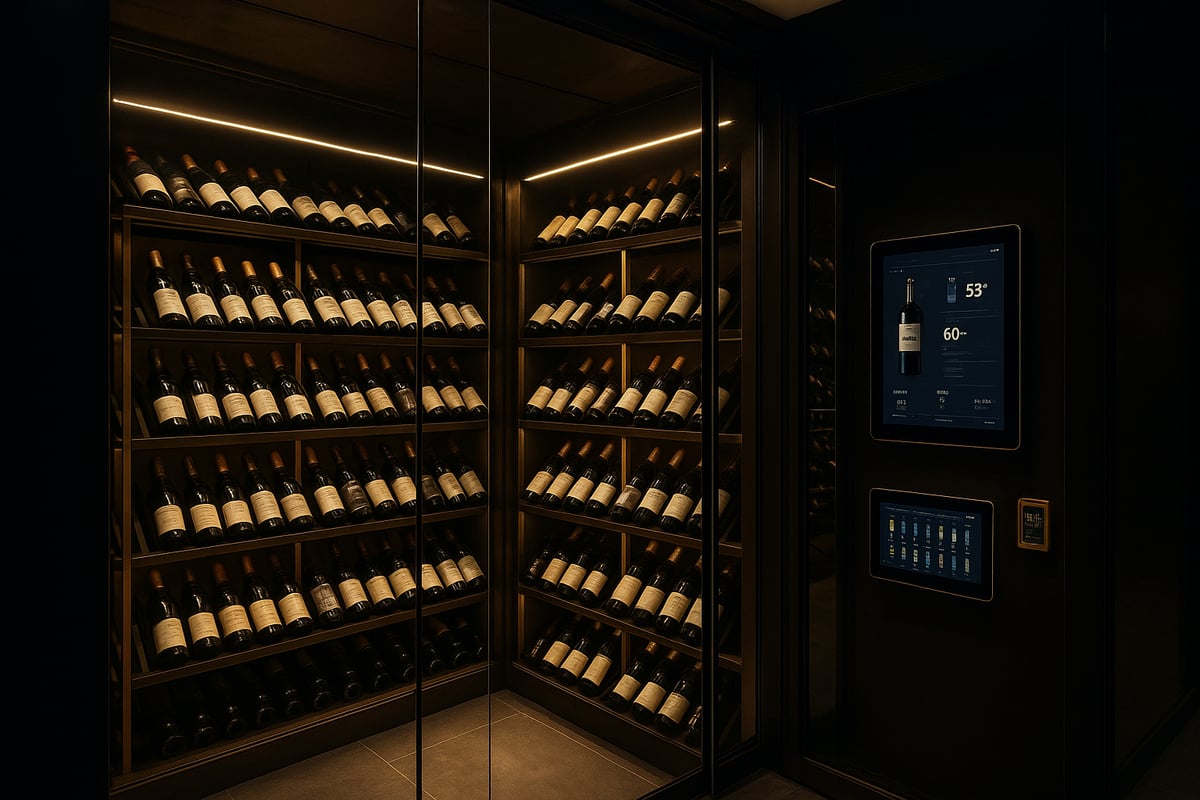
Inventory Management and Tracking Tools
The foundation of every organized wine and cellar is precise inventory management. Digital platforms have revolutionized how collectors catalog, value, and monitor provenance. Tools like CellarTracker, Vivino, and InVintory let you scan labels, sync data to the cloud, and track bottle history from acquisition to consumption.
With these platforms, you can view tasting notes, monitor market valuations, and set alerts for optimal drinking windows. Mobile integration makes updating your wine and cellar collection effortless, whether you are at home or buying at auction.
Many collectors choose to export their inventories for insurance and estate planning. This digital-first approach not only safeguards your investment but also brings peace of mind, knowing your wine and cellar treasures are always accounted for.
Rotation, Consumption, and Aging Strategies
A thriving wine and cellar collection is dynamic, not static. Effective rotation ensures bottles are enjoyed at their peak and nothing is forgotten at the back of the rack. The FIFO (First In, First Out) method helps you track bottle age, while digital tools can remind you when prized vintages reach maturity.
Pay attention to optimal drinking windows, as some wines shine after a decade while others reward early enjoyment. Maintain tasting notes for each bottle, noting impressions and potential improvements for future purchases. This ongoing record refines your palate and guides your wine and cellar decisions.
Balancing bottles for near-term enjoyment with those destined for long aging brings both pleasure and investment potential. Keeping your collection organized helps you savor every moment.
Security, Insurance, and Risk Mitigation
Protecting your wine and cellar assets is essential, especially as values rise. Start with robust physical security: quality locks, alarm systems, and video monitoring deter theft and offer peace of mind. For collections of significant worth, specialized insurance policies provide coverage for fire, flood, theft, and breakage.
Document every bottle’s provenance and value, updating records after each acquisition or sale. Regularly review your coverage to ensure it matches your wine and cellar’s growth. Prepare for the unexpected with backup power systems and environmental controls to guard against disasters.
A proactive approach to risk management ensures your wine and cellar collection remains safe, secure, and ready to be enjoyed for years to come.
Maintenance and Preservation Best Practices
Preserving your wine and cellar is a commitment to both quality and longevity. Routine checks of climate control systems are vital to maintain consistent temperature and humidity. Clean racking, monitor for mold or pests, and address any signs of cork taint promptly.
For larger or high-value collections, consider professional maintenance services to ensure optimal conditions year-round. Self-care, such as regular inspections and cleaning, remains important for all collectors. For a deeper dive into optimal storage techniques, explore these Wine Storage Best Practices.
By prioritizing maintenance, you protect the integrity of every bottle in your wine and cellar, ensuring each one reaches its full potential.
Navigating the 2026 Wine Market: Buying, Selling, and Investing
Entering the world of wine and cellar collecting in 2026 offers both excitement and complexity. Whether you are buying rare bottles, selling prized labels, or exploring the latest investment trends, understanding the market landscape is essential. The right approach will help you build a wine and cellar collection that stands the test of time.
Where and How to Buy Collectible Wines
Finding collectible bottles for your wine and cellar involves more options than ever before. Trusted retailers, specialist brokers, and online marketplaces offer curated selections, while auction houses like Sotheby’s and Christie’s remain go-to venues for rare finds. Many collectors now leverage direct-from-producer allocations and exclusive mailing lists to secure sought-after releases.
Consider these popular buying platforms:
Platform Type | Pros | Cons |
|---|---|---|
Retailers/Brokers | Reliable, vetted inventory | May have higher prices |
Online Marketplaces | Wide selection, global reach | Risk of counterfeits |
Auction Houses | Access to rare vintages | Buyer premiums, competitive bidding |
Producer Allocations | Guaranteed provenance | Limited availability |
No matter your approach, always verify provenance and storage conditions to protect your wine and cellar investments.
Selling and Trading: Maximizing Returns
When it is time to sell or trade, timing and venue matter. Tracking vintage hype, release cycles, and economic trends helps maximize your wine and cellar returns. Private sales and consignment can offer discretion and flexibility, while auctions provide access to a global audience.
Think about your goals: are you seeking quick liquidity, or aiming for the highest possible price? Understanding tax implications and legal requirements, both in the US and abroad, is crucial. Expert appraisers and legal advisors can guide you through the process, ensuring your wine and cellar transactions are smooth and profitable.
Wine Investment Funds and Alternative Assets
The wine and cellar landscape now includes innovative investment options. Wine investment funds offer fractional ownership of blue-chip collections, managed by industry experts. These funds often outperform traditional investments, especially during periods of economic uncertainty.
NFT-backed wine assets and blockchain authentication are gaining traction, providing digital proof of ownership and provenance. Comparing ROI between wine and cellar investments and stocks from 2022 to 2025 shows the potential for strong returns. Always review fund performance and transparency before committing capital.
Avoiding Scams and Ensuring Authenticity
Safeguarding your wine and cellar from fraud is more important than ever. The rise of counterfeit bottles and fraudulent sellers means due diligence is a must. Pay attention to red flags like suspicious pricing, vague documentation, or inconsistent provenance.
For advanced collectors, non-invasive authentication methods offer peace of mind. New techniques, such as Wine Authentication Techniques, use near-infrared fluorescence spectroscopy to verify unopened bottles, setting a new standard for the industry. Always seek reputable sources and expert verification to protect the integrity of your wine and cellar collection.
Common Pitfalls and Expert Tips for 2026 Collectors
Embarking on your wine and cellar journey in 2026 is thrilling, but it comes with its own set of challenges. Even experienced collectors can stumble if they overlook key details. Let’s explore the most common pitfalls, expert strategies, and resources to help you create a wine and cellar collection that stands the test of time.
Mistakes to Avoid When Building a Collection
Building a wine and cellar collection is not just about acquiring bottles, but about making smart choices from the start. Here are some missteps to watch for:
Overbuying without a clear storage plan, which leads to wasted investment.
Under-insuring your collection, leaving it vulnerable to loss or damage.
Poor storage practices that compromise bottle quality.
Neglecting provenance and failing to keep documentation.
Chasing trends instead of curating wines you truly enjoy.
Avoiding these mistakes helps safeguard both the value and enjoyment of your wine and cellar investment. For a step-by-step approach to proper planning and execution, the Building a Wine Cellar Guide offers practical, actionable advice.
Expert Tips from Leading Collectors and Sommeliers
Seasoned collectors know that a great wine and cellar collection is built on strong relationships and ongoing learning. Here are expert strategies to elevate your approach:
Cultivate connections with reputable merchants and trusted producers.
Attend tastings, wine fairs, and industry events to expand your palate.
Consult with professional cellar designers and inventory specialists for large-scale projects.
Keep meticulous records of purchases, provenance, and tasting notes.
Diversify your collection across regions, styles, and vintages.
By integrating these tips, your wine and cellar will reflect both passion and expertise.
Staying Ahead of Industry Trends
To keep your wine and cellar collection relevant and valuable, stay connected to the pulse of the industry. What should you focus on?
Monitor auction results, critic scores, and vintage reports for emerging opportunities.
Prioritize sustainability and eco-friendly practices in your purchasing.
Join collector communities and wine clubs to share insights and discover new releases.
Embrace digital tools for tracking, authentication, and market trends.
Remaining proactive ensures your wine and cellar collection evolves with the times.
Real-World Success Stories
Learning from others’ journeys can inspire your wine and cellar strategy. Here’s a snapshot of real-world outcomes:
Collector | Strategy | Result | Lesson |
|---|---|---|---|
Novice | Focused on blue-chip Bordeaux, kept detailed records | Collection doubled in value over 5 years | Documentation is key |
Enthusiast | Overbought trendy wines, neglected insurance | Suffered loss in a storage mishap | Insure and store properly |
Restaurateur | Partnered with experts for cellar design | Created a showpiece cellar, boosted business | Expert input pays off |
Let these stories guide your own wine and cellar ambitions.
Resources for Ongoing Education and Support
Success in wine and cellar collecting is a continuous journey. Equip yourself with these resources:
Books: “The Wine Bible,” “Wine Folly”
Podcasts: “GuildSomm Podcast,” “I’ll Drink to That!”
Forums: Wine Berserkers, CellarTracker Community
Organizations: Wine & Spirit Education Trust, Court of Master Sommeliers
Seek out reputable cellar designers, appraisers, and maintenance providers for professional support.
With these tools, your wine and cellar collection will remain dynamic, valuable, and deeply satisfying.
As you look ahead to building or refining your wine collection for 2026, there’s nothing quite like the peace of mind that comes from having trusted experts by your side. Whether you’re dreaming of a showstopping glass wine wall or a climate controlled cellar that protects every bottle, we’re here to help you bring your vision to life—down to the last detail. Let’s make sure your cellar is as exceptional as the wines you collect. If you’re ready to talk ideas or want expert guidance tailored to your unique space and goals, Contact Us.
Your Dream Wine Cellar Starts Here
Let our design team craft a cellar that matches your taste, space, and your collection — built for beauty, function, and prestige.

Email us at
Serving Austin, Dallas–Fort Worth, Houston & San Antonio