
Prestige Cellars: The Art of Luxury Wine Storage
Discover how prestige cellars transform wine storage into art. Expert insights on design, climate control, and craftsmanship for collectors.
The finest wine collections deserve more than simple storage. They demand environments that preserve, protect, and showcase each bottle as the work of art it represents. Prestige cellars have emerged as the gold standard for serious collectors, combining meticulous climate control with breathtaking design to create spaces that honor both the wine and the collector's passion. These aren't merely functional rooms-they're architectural statements that elevate the entire experience of wine collecting, from acquisition to enjoyment.
The Evolution of Wine Storage Excellence
Wine storage has transformed dramatically over the past two decades. What began as simple temperature-controlled rooms has evolved into sophisticated prestige cellars that rival museum installations in their attention to detail and presentation. Modern collectors understand that proper storage isn't optional-it's essential for protecting investments that can appreciate significantly over time.
The key elements that define prestige cellars include:
Precision climate control maintaining consistent temperature and humidity
Custom architectural design that reflects the collector's aesthetic
Strategic lighting that showcases without damaging
Professional racking systems that organize while optimizing capacity
Integration with home automation and security systems
According to Wine Spectator, proper storage conditions can mean the difference between a wine reaching its full potential and premature oxidation or cork failure. Temperature fluctuations of even a few degrees can accelerate aging unpredictably, while humidity levels outside the ideal 50-70% range can compromise cork integrity.
Why Location and Space Planning Matter
The placement of prestige cellars within a home or commercial space requires thoughtful consideration. Basement locations offer natural temperature stability, but modern construction techniques allow for stunning installations on any level. The portfolio of completed projects demonstrates how creative design solutions can transform unexpected spaces into world-class wine storage.
Interior design firms like Etch Design Group often collaborate on these projects, ensuring that wine cellars integrate seamlessly with the overall architectural vision. When wine storage becomes part of a cohesive design narrative, it elevates both the cellar and the surrounding spaces.
Design Philosophies That Define Prestige
Contemporary prestige cellars embrace diverse aesthetic approaches, from traditional European-inspired designs featuring rich mahogany and wrought iron to sleek, minimalist installations with frameless glass and LED accent lighting. The choice depends entirely on personal preference and architectural context.
Material Selection and Craftsmanship
Material | Benefits | Ideal Applications |
|---|---|---|
Mahogany | Rich color, durability, traditional elegance | Classic residential cellars, private estates |
Walnut | Beautiful grain patterns, warmth, versatility | Transitional designs, luxury homes |
Metal & Glass | Modern aesthetic, visual transparency, space efficiency | Contemporary homes, commercial installations |
Acrylic | Crystal clarity, seamless integration, architectural impact | Glass wine walls, restaurant displays |
The selection of wine cellar materials goes beyond aesthetics. Each material performs differently in controlled environments, with varying expansion rates, moisture responses, and aging characteristics. Expert craftsmen understand these nuances and select materials that will maintain their beauty and structural integrity for decades.
Professional installation ensures:
Proper sealing and insulation for climate efficiency
Structural support for fully loaded racking systems
Integration of electrical, lighting, and cooling systems
Accessibility for future maintenance and collection growth
Architectural Digest regularly features prestige cellars that demonstrate how material choices create distinct atmospheres-from warm, intimate tasting rooms to dramatic showpiece installations that command attention.
Engineering the Perfect Environment
Climate control represents the technical heart of any prestige cellar. Without precise environmental management, even the most beautiful cellar fails its primary purpose. Temperature should remain constant between 55-58°F, with humidity maintained at 60-70%. These aren't arbitrary numbers-they represent decades of research into optimal wine aging conditions.
Modern cooling systems have evolved far beyond simple air conditioners. Today's specialized wine cellar refrigeration units provide:
Precise temperature regulation with minimal fluctuation
Independent humidity control preventing cork degradation
Vibration dampening that protects sediment and aging processes
Quiet operation that maintains the contemplative atmosphere
Energy efficiency that reduces operating costs over time
The comprehensive services required for prestige cellars extend from initial design concepts through installation and ongoing maintenance. Each phase demands specialized expertise that ensures long-term performance.
Capacity Planning and Collection Management
Serious collectors often underestimate their future storage needs. A prestige cellar designed for 500 bottles may feel constraining within a few years as a collection grows. Smart planning incorporates flexibility, allowing for expansion without compromising design integrity.
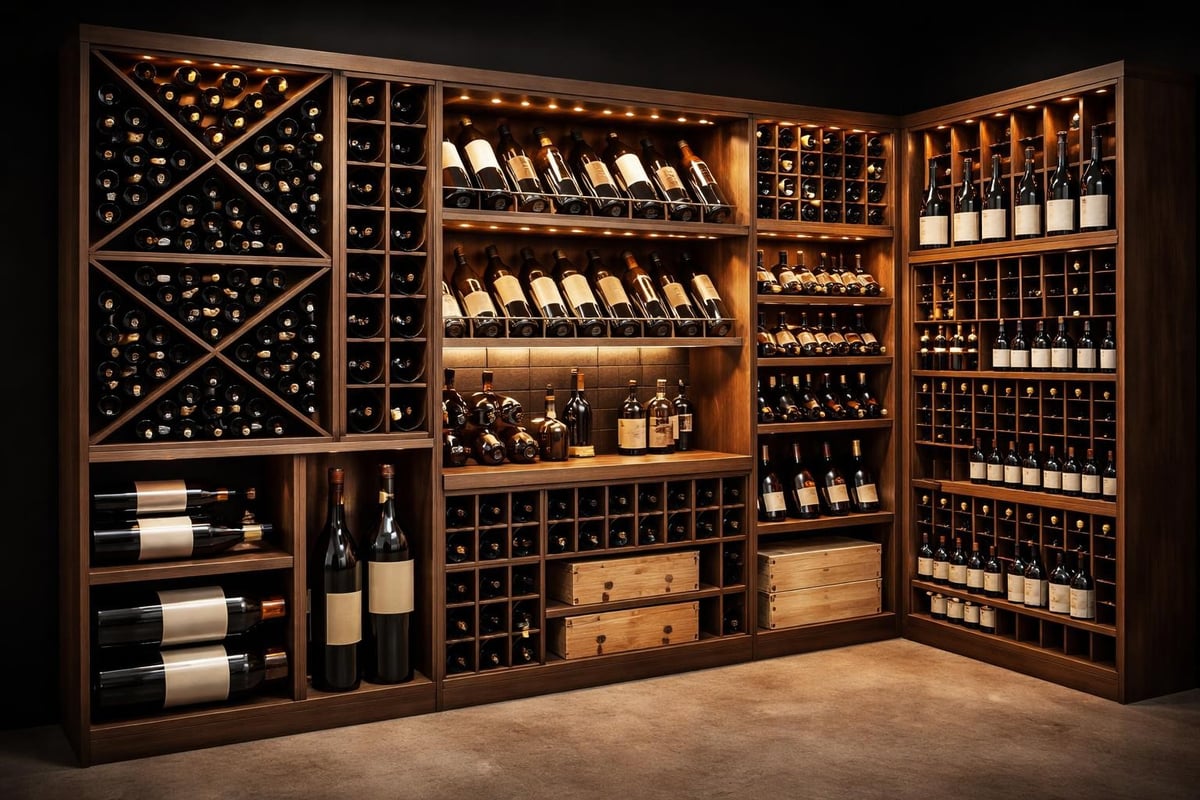
Consider these capacity factors:
Standard Bordeaux bottles versus larger formats and Champagne
Display storage for prized bottles versus bulk aging areas
Vertical vintage collections requiring dedicated sections
Temperature zoning for wines with different optimal storage conditions
Regional Considerations for Texas Installations
Building prestige cellars in Texas presents unique challenges and opportunities. The climate demands robust cooling systems capable of handling extreme summer temperatures, while the state's appreciation for luxury and entertaining creates ideal contexts for showpiece installations.
Commercial applications particularly thrive in Texas markets. High-end steakhouses, resort properties, and boutique hotels increasingly feature prestige cellars as experiential elements that enhance dining and guest experiences. These installations serve dual purposes-functional storage and theatrical presentation that elevates brand perception.
The diverse locations served across Texas demonstrate how regional architectural styles influence cellar design. A River Oaks estate might favor classical European elegance, while a Westlake contemporary home demands clean-lined modernism. Both represent prestige cellars-just with different aesthetic vocabularies.
Climate Load Calculations
Texas heat creates significant thermal challenges. Proper insulation and vapor barriers become critical, as does accurate heat load calculation. Undersized cooling systems struggle constantly, leading to temperature fluctuations and premature equipment failure. Oversized systems cycle inefficiently, creating humidity problems and excessive energy consumption.
Professional installation teams assess multiple factors:
Square footage and ceiling height
Exterior wall exposure and insulation values
Glass percentages and thermal properties
Desired temperature differential from ambient conditions
Number of entries and anticipated access frequency
Investment Value and Collection Protection
Prestige cellars protect substantial investments. Fine wine portfolios can easily reach six or seven figures, with individual bottles valued in the thousands or even tens of thousands of dollars. According to Sotheby's Wine, the rare wine market has shown consistent appreciation, making proper storage not just practical but financially prudent.
Beyond monetary value, prestige cellars safeguard irreplaceable bottles-gifts from meaningful occasions, vintages from birth years, wines no longer in production. The emotional and historical significance of these collections deserves protection equal to any fine art or heirloom jewelry.
Risk factors that proper cellars mitigate:
Temperature-induced premature aging or degradation
Humidity extremes causing label damage or cork failure
UV light exposure degrading wine chemistry
Vibration disturbing sediment and aging processes
Security vulnerabilities in standard storage areas
The design process for prestige cellars should address each risk comprehensively. This requires collaboration between architects, engineers, and wine storage specialists who understand both technical requirements and aesthetic aspirations.

Integration with Lifestyle and Entertainment
The most successful prestige cellars extend beyond storage to become central gathering spaces. They set the stage for intimate tastings, celebratory dinners, and contemplative moments of appreciation. Thoughtful design accommodates these social dimensions while maintaining optimal storage conditions.
Lifestyle integration elements include:
Tasting areas with appropriate seating and surfaces
Display lighting that can be adjusted for different occasions
Sound systems for background ambiance
Temperature-controlled zones for wines ready to serve
Decanting stations and accessory storage
When working with design professionals like Etch Design Group, the cellar becomes part of a larger residential narrative. The transition from living spaces into the wine cellar should feel natural and intentional, whether through complementary materials, lighting design, or architectural details that create visual flow.
Forbes reports that luxury home buyers increasingly prioritize wine storage in their property searches, viewing prestige cellars as essential amenities rather than optional luxuries. This trend elevates well-designed cellars from personal indulgences to smart real estate investments that enhance property values.
Commercial Applications and Hospitality
Restaurants, hotels, and resorts leverage prestige cellars as powerful marketing tools. A stunning wine installation visible from the dining room creates theater and elevates the entire guest experience. These commercial cellars must balance storage functionality with visual drama, often incorporating glass walls and strategic lighting that transform wine into living architecture.
The technical requirements for commercial prestige cellars exceed residential standards. Higher access frequency, larger inventories, and public visibility demand robust systems and impeccable presentation. Commercial projects featured in recent portfolio work demonstrate how these challenges become opportunities for extraordinary design.
Application Type | Primary Goals | Design Priorities |
|---|---|---|
Private Residence | Personal enjoyment, collection growth | Intimacy, customization, flexibility |
Restaurant | Marketing impact, inventory access | Visibility, drama, efficient service flow |
Hotel/Resort | Guest experience, brand differentiation | Wow factor, security, showcasing premium selections |
Retail/Tasting Room | Sales support, education | Accessibility, organization by region/varietal, lighting |
Maintenance and Long-Term Performance
Even the finest prestige cellars require ongoing attention. Cooling systems need annual service, seals and insulation should be inspected periodically, and racking may need adjustment as collections evolve. Proactive maintenance programs prevent small issues from becoming costly problems.
Regular maintenance tasks include:
Cooling system filter changes and coil cleaning
Temperature and humidity monitoring and calibration
Seal and weatherstripping inspection
Lighting system checks and bulb replacement
Racking stability and hardware tightness verification
Collectors should maintain detailed records of their cellars-not just wine inventories, but also service history, equipment specifications, and any modifications. This documentation proves invaluable for insurance purposes and helps future service providers understand the system's evolution.
Wine Business emphasizes that proper maintenance extends equipment lifespan significantly. A well-maintained cooling system can operate reliably for 15-20 years, while neglected units often fail within 7-10 years, requiring expensive emergency replacements.
The Role of Technology and Innovation
Contemporary prestige cellars embrace technology that enhances both functionality and enjoyment. Digital inventory systems track collections, monitor storage conditions, and suggest optimal drinking windows. Climate control interfaces provide real-time data and remote monitoring, alerting owners to any deviation from ideal conditions.
Emerging technologies transforming prestige cellars:
Smart glass that adjusts transparency and UV filtering
Automated inventory scanning using RFID or barcode systems
AI-driven climate optimization learning seasonal patterns
Integration with whole-home automation platforms
Virtual reality tools for collection visualization and planning
According to insights shared on industry learning resources, technology should enhance rather than complicate the wine collecting experience. The best implementations operate invisibly, providing benefits without demanding constant attention or creating new points of failure.
Selecting Your Design Partner
Creating prestige cellars requires expertise across multiple disciplines-architecture, engineering, climate science, woodworking, and wine knowledge. The most successful projects result from collaboration with specialists who bring proven experience and genuine passion to the work.
When evaluating potential design-build partners, consider:
Portfolio depth: Review completed projects across different styles and scales
Technical expertise: Verify knowledge of climate systems and installation methods
Material quality: Examine the craftsmanship and materials used in existing work
Client references: Speak with previous clients about their experience and satisfaction
Warranty and support: Understand what's covered and for how long
The signature styles offered by experienced builders provide starting points for customization. These established designs can be adapted to specific spaces, collections, and aesthetic preferences, ensuring each prestige cellar remains unique while benefiting from proven approaches.
The Personal Journey of Wine Collecting
Ultimately, prestige cellars represent more than climate-controlled storage-they embody the personal journey of wine collecting. Each bottle tells a story: the Bordeaux purchased on a anniversary trip, the Burgundy gifted by a mentor, the California Cabernet from a memorable vineyard visit. The cellar becomes a curated autobiography written in wine.
This narrative quality should inform design decisions. Arrangement might follow personal themes rather than strict regional or varietal organization. Display areas can highlight bottles with special significance. The space should invite contemplation and connection, creating an environment where memories are made and preserved alongside the wine.
Decanter regularly features collectors whose cellars reflect distinctive personalities and collecting philosophies. Some pursue vertical collections of favorite estates, others build horizontal surveys of regions and vintages. The prestige cellar accommodates any approach while providing the optimal environment for each bottle to develop as intended.
Prestige cellars represent the pinnacle of wine storage, where technical precision meets artistic vision to create spaces that protect, preserve, and celebrate exceptional collections. Whether you're planning an intimate residential installation or a dramatic commercial showcase, the expertise required spans multiple disciplines and demands unwavering attention to detail. Prestige Wine Cellars brings together the craftsmanship, engineering knowledge, and design sensibility needed to transform your vision into reality, creating a timeless space that honors your collection and enhances your enjoyment for decades to come.
Your Dream Wine Cellar Starts Here
Let our design team craft a cellar that matches your taste, space, and your collection — built for beauty, function, and prestige.

Email us at
Serving Austin, Dallas–Fort Worth, Houston & San Antonio