
Home Bar & Wine Cellar Design 2026 | Prestige
Expert guide to designing a bar wine cellar in 2026 Discover trends smart features and elegant solutions to elevate wine service and boost your bar’s success
Transform your bar’s ambiance and elevate your wine program in 2026 by creating a signature bar wine cellar. This expert guide reveals a step-by-step blueprint for designing a cellar that is both visually stunning and incredibly functional.
Discover the latest trends in cellar design, master climate control, and learn how to make the most of every inch of space. Explore smart technology, creative storage solutions, and the essentials for legal compliance.
With curated wine experiences in high demand, a well-designed cellar sets your bar apart. Ready to build a standout cellar? Let’s begin.
Understanding the Purpose and Value of a Bar Wine Cellar
Creating a bar wine cellar is about much more than storage—it's about setting the stage for memorable experiences, preserving every bottle at its peak, and driving real business results. Let's explore how a bar wine cellar can elevate your venue, from first impression to final pour.
Enhancing the Guest Experience
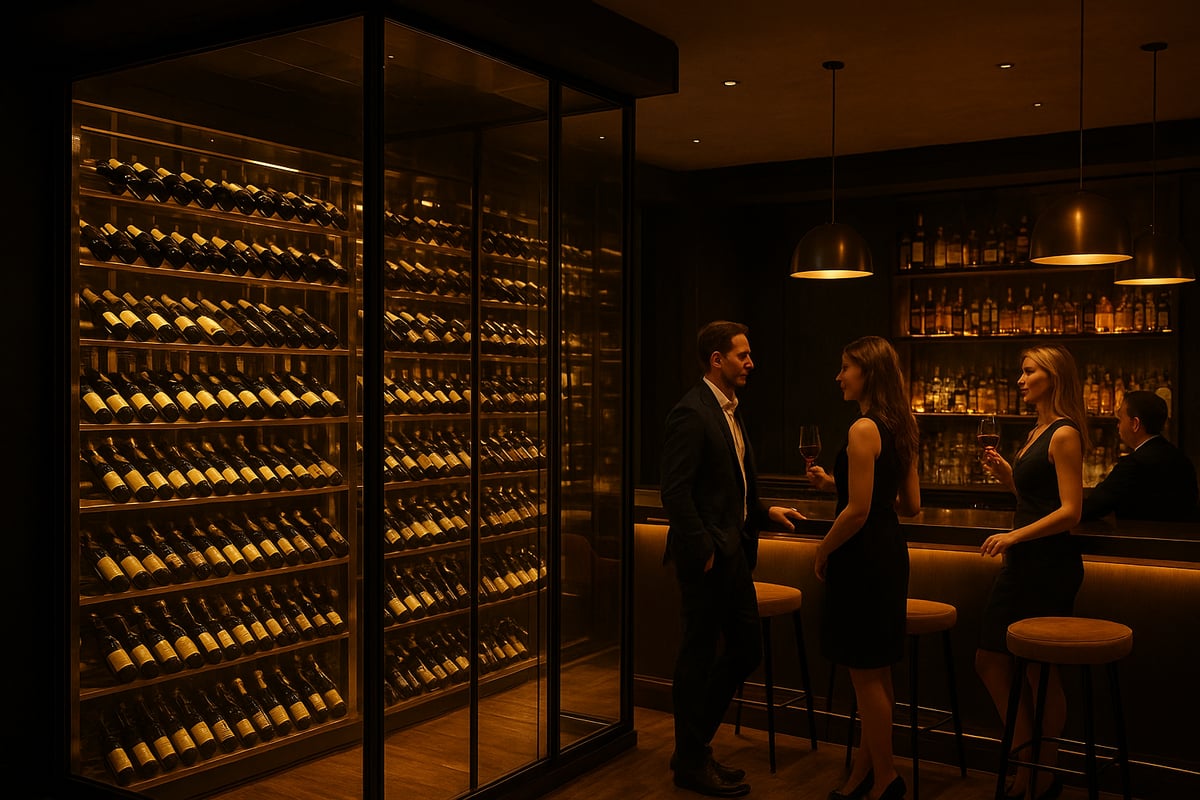
A bar wine cellar instantly becomes a conversation starter and a visual anchor in your space. Guests are drawn to the sight of carefully curated bottles, sparking curiosity and excitement. When you showcase premium selections behind glass walls, you not only boost the perceived value of your offerings but also create an atmosphere of sophistication.
Bars with visible wine displays report up to 20 percent higher wine sales, according to Wine Guardian data. Incorporating modern glass wine cellar designs amplifies both ambiance and guest engagement. The result? A wine cellar that transforms wine from a menu item into an experience.
Supporting Wine Quality and Preservation
Consistency is everything when it comes to wine. A bar wine cellar provides the controlled environment essential for preserving both taste and longevity. By maintaining stable temperature and humidity, you protect your investment from spoilage and ensure each pour is true to its character.
It's important to distinguish between cellars for serving wine and those for aging. Fluctuating temperatures can quickly compromise quality, so a dedicated bar wine cellar helps minimize risks, keeping every vintage at its best until it reaches the guest's glass.
Business Benefits and ROI
A well-designed bar wine cellar is more than a storage upgrade—it is a profit center. With the ability to upsell rare bottles, offer wine flights, and host exclusive tastings, your cellar directly contributes to higher revenue per guest. Data shows that bars with dedicated cellars see increased customer dwell time, leading to more opportunities for engagement and sales.
The marketing benefits are substantial as well. A visually stunning bar wine cellar becomes a social media magnet, elevating your brand and attracting new clientele. It positions your venue as a destination for wine lovers and event planners alike.
Trends Influencing 2026 Design
The bar wine cellar of 2026 is defined by experiential design. Guests crave spaces that are Instagram-worthy and immersive. Expect to see sustainable materials, energy-efficient systems, and bespoke finishes that reflect your brand's unique identity.
Customization is key, allowing your bar wine cellar to stand out in a crowded market. From reclaimed wood racking to smart lighting, every detail is tailored to create a memorable, eco-conscious space that tells your story and delights your guests.
Key Planning Considerations Before You Begin
Designing a standout bar wine cellar starts long before the first bottle is shelved. Every decision, from space selection to sustainability, shapes the cellar’s performance and guest appeal. Careful planning ensures your investment delivers both beauty and business value.
Assessing Space and Location
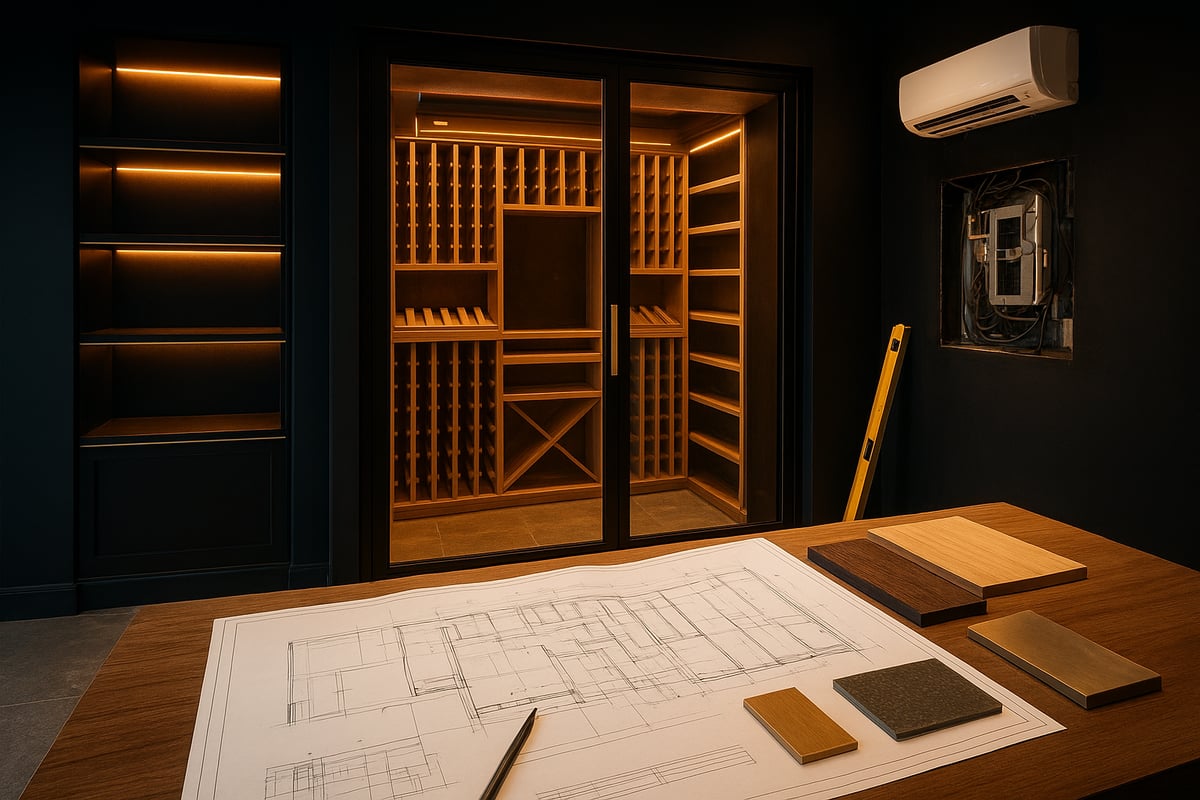
The foundation of a successful bar wine cellar is choosing the right space. Evaluate your bar’s available square footage and consider how a cellar will fit into the existing flow. Will it serve as a dramatic centerpiece in the main area, a discreet under-stair installation, or a dedicated room in the back of house?
Each location offers unique benefits. Central placements attract attention and spark conversation, while tucked-away cellars can offer exclusivity. Think about guest access, proximity to service areas, and the impact on your bar’s ambiance. A well-placed wine cellar becomes a functional showpiece.
Determining Cellar Capacity and Wine Program Needs
Determining how much wine your bar wine cellar should hold is a balancing act. Start by evaluating your wine list, turnover rate, and plans for future expansion. Will you focus on rare vintages, everyday favorites, or a mix of both?
Calculate the number of bottles you’ll need to store, factoring in reds, whites, and sparkling wines. Consider flexible racking solutions that adapt as your program grows. Think ahead: a scalable bar wine cellar lets you evolve your offerings without costly renovations.
Budgeting and Cost Factors
Creating a bar wine cellar is an investment, so it’s essential to plan your budget carefully. Factor in the costs of materials, climate control, labor, and ongoing maintenance. Glass-fronted cellars typically cost 20 to 30 percent more than traditional builds due to specialized materials and installation.
Break down expenses to compare short-term outlay with long-term value. Energy-efficient systems may have higher upfront costs but deliver savings over time. For a detailed breakdown of design options, see the Custom wine cellar design guide. Thoughtful budgeting ensures your wine cellar delivers both performance and ROI.
Compliance and Regulatory Requirements
Navigating compliance is crucial when building a bar wine cellar. Local health, fire, and safety codes govern everything from construction materials to cellar accessibility. Ensure your design meets ADA requirements and that you secure all necessary building permits.
Alcohol licensing regulations may dictate storage methods and access controls. Ignoring these factors can delay your project or result in costly changes. A compliant bar wine cellar not only protects your investment but also builds guest trust and confidence.
Sustainability and Energy Efficiency
Modern bar wine cellar design increasingly emphasizes sustainability. Choose eco-friendly insulation, LED lighting, and Energy Star-rated cooling units to minimize your environmental impact. Efficient systems can reduce energy costs by up to 15 percent, making them a smart business choice.
Sustainable materials, such as reclaimed wood or recycled glass, add character while supporting green initiatives. These choices appeal to environmentally conscious guests and position your bar wine cellar as a forward-thinking feature. Prioritizing energy efficiency is both responsible and rewarding.
Essential Design Elements for a Modern Bar Wine Cellar
A modern bar wine cellar is more than just storage—it’s the heart of your wine program, blending aesthetics and functionality in every detail. To create a space that captivates guests and preserves your collection, you’ll need to focus on six essential elements. Let’s explore how each design choice shapes the ultimate bar wine cellar experience.
Climate Control and Humidity Management
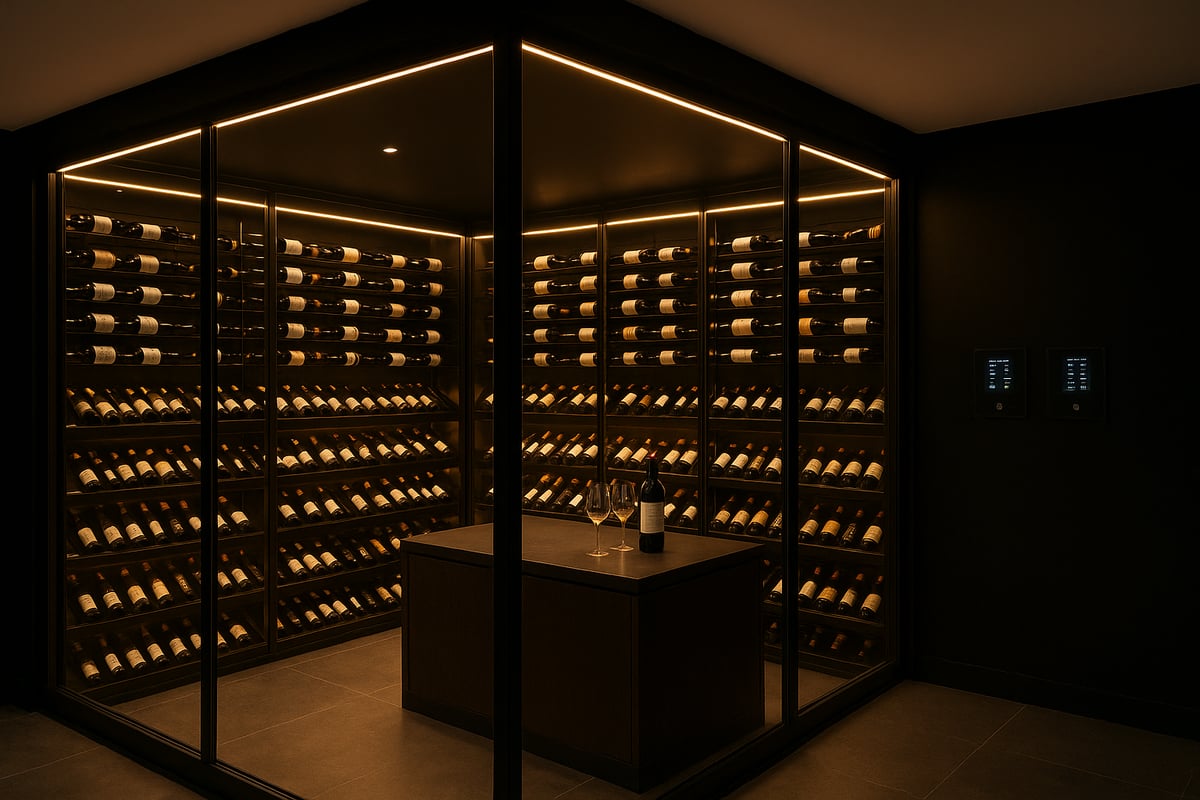
Temperature and humidity control are the backbone of any bar wine cellar. The ideal range for wine storage is 55 to 58°F, with humidity levels between 50 and 70 percent. Fluctuations can lead to cork drying, label damage, and wine spoilage, so investing in a reliable system is essential.
There are several types of commercial cooling units: ducted systems for even air distribution, split systems for quiet operation, and through-the-wall units for simpler spaces. Advances in smart controls allow remote monitoring, ensuring the bar wine cellar remains at optimal conditions even during busy hours.
For a deeper dive into best practices, explore these Wine cellar climate control tips. Features like Wine Guardian’s Serving Temperature Option make it easy to serve reds and whites at their perfect temperature, elevating the guest experience.
Insulation, Vapor Barriers, and Construction Materials
Building a bar wine cellar that lasts starts with the right insulation and vapor barriers. High-performance insulation maintains a stable climate, while vapor barriers prevent condensation and mold—key for spaces with glass walls or high humidity.
Material selection is equally important. Glass, stainless steel, reclaimed wood, and stone are popular for their durability and visual appeal. Choose fire-rated and health-compliant finishes to meet safety codes and support long-term use in your wine cellar.
When planning construction, consult with professionals to ensure every layer works together. The right materials not only protect your wine but also reinforce the cellar’s identity as a showpiece.
Lighting and Visual Impact
Lighting transforms the look and feel of your bar wine cellar. LED fixtures are the gold standard, offering energy efficiency and gentle illumination that won’t harm wine. Accent lighting can spotlight premium bottles or draw attention to unique architectural features.
Avoid fixtures that emit heat or UV rays, as these can degrade both wine and labels. Multi-storied glass towers and backlit shelving create visual drama, turning the bar wine cellar into a conversation starter.
Consider layering different lighting elements for flexibility. Dimmable lights let you set the mood for tastings or private events, making the cellar a true focal point in your space.
Racking, Shelving, and Display Solutions
The right racking and shelving are crucial for maximizing storage and showcasing your collection. Modular systems offer flexibility to adjust layouts as your bar wine cellar inventory evolves, while custom racks can accommodate magnums, half-bottles, and specialty wines.
Horizontal storage keeps corks moist and labels visible. Incorporate tasting stations or sommelier workspaces to enhance service and guest interaction within the bar wine cellar.
For more ideas on optimizing your setup, explore creative configurations that blend function and flair. The goal is to present your wine selection as both accessible and visually stunning.
Security and Access Control
Security is a non-negotiable aspect of any bar wine cellar, especially when housing rare or high-value bottles. Modern locking systems, surveillance cameras, and inventory management technology safeguard your investment.
Decide early whether your bar wine cellar will be open for guest exploration or restricted to staff only. Access control systems can track entries, adding a layer of accountability and protection.
Balancing security with accessibility ensures your team can serve efficiently while maintaining the integrity of your collection. Regular audits and updated protocols reinforce this foundation.
Acoustic and Ambient Considerations
The ambiance of your bar wine cellar is as important as its physical structure. Soundproofing materials keep noise levels low, creating a refined, intimate setting for tastings and events.
Ambient music and noise control systems help maintain a consistent, welcoming atmosphere. These touches elevate the guest experience, making the wine cellar a destination rather than just a storage space.
Thoughtful design of acoustics and ambiance ensures your cellar is both functional and memorable, seamlessly blending into the overall vibe of your establishment.
Integrating Technology and Smart Features
Today’s bar wine cellar is more than a storage space—it is a dynamic hub powered by innovation. Technology not only protects your wine investment, but also creates an immersive guest experience and streamlines operations. Let’s explore how integrating smart features into your bar wine cellar can set your venue apart.
Inventory Management Systems
Managing inventory in your bar wine cellar is easier than ever with today’s digital solutions. Smart inventory systems allow you to track bottle counts, vintages, and reorder needs with precision.
Sync your inventory with POS and bar management software for seamless operations.
Use RFID tagging to monitor every bottle in real time.
Set up automatic alerts for low stock or upcoming expiration dates.
A well-managed wine cellar ensures you never run out of guest favorites and helps prevent costly losses.
Smart Climate and Lighting Controls
Maintaining the ideal environment is essential for any bar wine cellar. Modern climate control systems let you monitor temperature and humidity remotely from your smartphone or tablet.
Program automated lighting schedules to reduce energy use and showcase your collection.
Receive instant alerts if conditions drift outside the optimal range.
Adjust settings on the go to adapt to seasonal changes or special events.
Smart systems help keep your wines at their best and make your bar wine cellar more energy efficient.
Interactive Guest Experiences
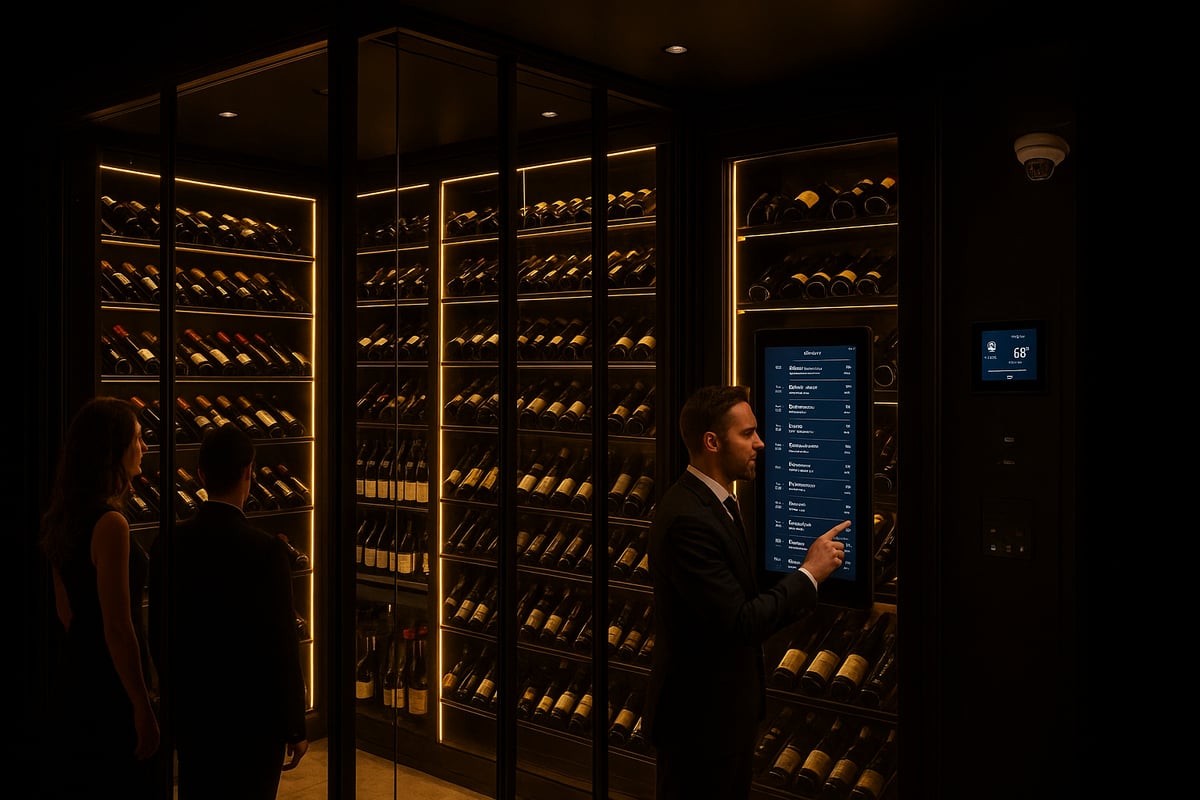
Technology can turn your bar wine cellar into a true destination. Digital wine lists and touchscreen displays let guests browse your collection and discover new favorites.
Offer QR codes on displays for instant wine education and pairing tips.
Use augmented reality to bring stories of rare bottles to life.
Create memorable experiences that guests love to share on social media.
For more ideas on how technology is transforming the wine cellar, explore Wine Cellar Design Trends for 2025.
Security and Monitoring Enhancements
Protecting your investment in your bar wine cellar is critical. Advanced security features give you peace of mind and streamline oversight.
Install CCTV cameras for continuous monitoring of your collection.
Use access logs to track staff entry and maintain accountability.
Manage multiple locations with cloud-based systems for real-time oversight.
With these tools, your bar wine cellar remains secure, efficient, and ready to impress every guest.
Step-by-Step Process: Designing and Building Your Bar Wine Cellar in 2026
Designing a standout bar wine cellar in 2026 is a journey of vision, detail, and craftsmanship. Each step, from concept to long-term care, shapes a cellar that is both a business asset and a work of art. Let’s break down the process into actionable, expert-driven steps you can follow.
Step 1: Conceptualization and Vision
Every exceptional bar wine cellar begins with a clear concept. Define your goals—do you want a showpiece that draws guests, a functional storage hub, or a blend of both?
Explore inspiration from leading global bars and the latest design trends in modern cellar spaces, where industrial meets luxury. Involve stakeholders early, including owners, designers, and sommeliers, to align on vision and brand identity.
Think of this stage as sketching the blueprint for your wine cellar’s personality. Will it be sleek and minimal, or warm and rustic? Set a tone that reflects your clientele and elevates your bar’s ambiance.
Step 2: Detailed Planning and Design
With your vision in place, turn ideas into actionable plans. Develop floor plans and 3D renderings to visualize the bar wine cellar’s flow and capacity. Select materials that balance aesthetics, durability, and compliance.
Storage matters—choose between modular and custom racks, and plan for a mix of bottle sizes and display options. For a deep dive into maximizing space, explore wine racks and storage solutions that fit your cellar’s unique needs.
Don’t forget lighting schemes, finishes, and future expansion. Every design choice plays a role in making your bar wine cellar both functional and visually stunning.
Step 3: Engineering and Climate Control Specifications
Precision engineering ensures your bar wine cellar preserves wine at its best. Calculate heat loads, airflow, and select the right commercial-grade cooling and humidity systems. Consider backup power and system redundancy for peace of mind.
For expert advice on advanced cooling systems, review Wine Cellar Cooling in Commercial Spaces. Proper engineering keeps your investment safe and your wines aging gracefully.
Document every technical requirement, and work closely with HVAC specialists to avoid costly mistakes. The right setup is the backbone of a reliable bar wine cellar.
Step 4: Construction and Installation
Now, your bar wine cellar moves from paper to reality. Schedule and coordinate contractors to ensure smooth sequencing: insulation, vapor barriers, flooring, racking, and lighting.
Quality control is crucial—inspect each phase before moving to the next. Keep communication lines open between designers, builders, and bar staff. This collaborative approach ensures your wine cellar comes together seamlessly.
Remember to document progress, address issues quickly, and maintain a clean worksite. A well-managed build sets the stage for operational excellence.
Step 5: Technology and System Integration
Modern bar wine cellars rely on smart technology. Install inventory management software, climate controls, and lighting systems. Train your team to use these tools efficiently.
Test all systems for reliability and ease of use before going live. Integrate technology with your bar’s POS and management software for streamlined operations.
Smart features not only protect your wine investment but also enhance guest interaction. Your bar wine cellar becomes a hub of innovation and hospitality.
Step 6: Final Styling and Stocking
With construction complete, focus on the finishing touches. Arrange bottles for both accessibility and visual impact. Add décor elements that reinforce your bar’s identity.
Consider display strategies that highlight premium selections and encourage conversation. Use accent lighting to create a warm, inviting atmosphere.
Train staff on stocking protocols and presentation. A thoughtfully styled bar wine cellar turns everyday storage into an unforgettable guest experience.
Step 7: Ongoing Maintenance and Optimization
A bar wine cellar is a living part of your business. Schedule regular maintenance for climate systems and rack integrity. Update inventory lists and rotate stock based on seasonality and trends.
Gather feedback from guests and staff to refine operations. Continuous improvement keeps your wine cellar ahead of evolving tastes and expectations.
By following these steps, your bar wine cellar will stand as a testament to your commitment to quality, hospitality, and memorable wine experiences.
Storage, Service, and Operational Best Practices
Creating a truly exceptional bar wine cellar goes beyond design. The right storage, service, and operational strategies make all the difference in preserving quality, boosting sales, and delivering memorable experiences. Let us explore the essentials to keep your wine cellar running at its best.
Optimal Wine Storage Protocols
Consistent storage practices are the backbone of a successful bar wine cellar. Rotate your wine stock regularly to ensure older bottles are served first, reducing spoilage. Maintain temperature and humidity within precise ranges to protect every varietal. For best results, follow expert Wine Cellar Refrigeration Guidelines & Tips to keep your collection in peak condition.
Clean racks, glass, and surfaces often to prevent dust and residue buildup. Schedule weekly checks so your wine cellar always looks and performs its best. Attention to these details safeguards wine quality and builds guest trust.
Staff Training and Service Excellence
Well-trained staff are essential to the smooth operation of your bar wine cellar. Educate your team on cellar protocols, proper wine handling, and safety measures. Teach them about ideal serving temperatures for reds, whites, and sparkling wines, ensuring every pour is perfect.
Encourage staff to offer cellar tours or guided tastings. This elevates the guest experience and turns your bar wine cellar into a destination. When your team is confident and knowledgeable, guests notice the difference.
Inventory and Loss Prevention
Protecting your investment in wine is critical for any bar wine cellar. Implement regular inventory audits and track loss to minimize shrinkage. Secure rare or high-value bottles with locking racks or cabinets to prevent unauthorized access.
Bars that use rigorous inventory systems often report up to 10% lower shrinkage. Digital management tools help you monitor stock and quickly identify discrepancies. With these protocols, your wine cellar remains both profitable and secure.
Guest Engagement and Marketing
A bar wine cellar is a powerful marketing tool. Host private events, tastings, or wine-pairing dinners to showcase your cellar’s unique features. Share cellar highlights on social media to attract new guests and create buzz.
Transparent displays and sommelier recommendations encourage guests to explore your wine program. By making the wine cellar a focal point, you boost engagement and build lasting customer loyalty.
Now that you’ve explored the latest design trends, essential features, and step by step strategies for creating a standout bar wine cellar in 2026, you might be imagining how your own space could be transformed. Whether you’re aiming to elevate your guest experience, optimize storage, or showcase your collection in style, having a dedicated expert by your side makes all the difference. If you’re ready to bring your vision to life with craftsmanship and innovation, let’s take the next step together. Reach out and Contact Us to start designing a wine cellar that’s uniquely yours.
Your Dream Wine Cellar Starts Here
Let our design team craft a cellar that matches your taste, space, and your collection — built for beauty, function, and prestige.

Email us at
Serving Austin, Dallas–Fort Worth, Houston & San Antonio