Wine Cellar Wine Guide: 2026 Selection | Prestige
Discover expert tips for storing selecting and enjoying wine cellar wine in 2026 Elevate your collection with timeless elegance and cutting edge innovation
Imagine opening a perfectly aged bottle from your wine cellar in 2026 and savoring flavors that have matured under ideal conditions. Interest in wine cellars is soaring, as more collectors and enthusiasts appreciate the artistry of wine aging and preservation.
A thoughtfully designed cellar not only elevates the value of your collection, it transforms every tasting into an unforgettable experience. Whether you are a seasoned collector or just beginning your journey, mastering wine cellar wine is essential to making the most of your passion.
In this guide, you will discover expert strategies for storing, selecting, and enjoying wine cellar wine in 2026. Explore everything you need to know, from cellar fundamentals and optimal storage to the latest trends, innovations, and recommendations for a world-class wine experience.
Understanding Wine Cellar Wine: Definition, History, and Value
Wine cellar wine is more than just a bottle placed in storage. It refers specifically to wine that has been kept in a dedicated, purpose-built environment designed to nurture and preserve its character over time. Unlike general wine storage, wine cellar wine benefits from optimal conditions that allow it to age gracefully, unlocking complexity, depth, and elegance that casual storage simply cannot provide.
The story of wine cellaring wine stretches back thousands of years. Ancient civilizations, from the Greeks to the Romans, carved underground caves to protect their most prized bottles from heat and light. These early cellars laid the foundation for today’s sophisticated wine rooms, which blend tradition with modern engineering. By the twentieth century, the concept of the private wine cellar had evolved into a symbol of refinement and connoisseurship, and in recent years, technology and design have pushed the boundaries even further.
What sets wine cellar wine apart is the environment in which it matures. Controlled temperature, humidity, and the absence of light and vibration help preserve the delicate balance of aromas and flavors within each bottle. This careful preservation process enables the wine to develop layers of complexity, soften tannins, and express unique terroir over years or even decades. The result is a drinking experience that is both refined and deeply personal.
The value of wine cellaring wine is multi-dimensional. Economically, rare and well-aged bottles stored under ideal conditions often command high prices at auctions and private sales. Collectors view wine cellar wine as both a passion and an investment, with select vintages appreciating significantly over time. On a sentimental level, each bottle can mark a special occasion or milestone, transforming wine into a cherished memory. For many, building a collection is a journey of discovery and self-expression.
Interest in wine cellar wine has surged dramatically in the 2020s. According to industry reports, private wine cellar installations have grown by more than 30 percent worldwide since 2020, reflecting a renewed appreciation for craftsmanship and tradition. Homeowners, restaurateurs, and hospitality professionals are embracing cellaring as a way to elevate their offerings and create memorable experiences for guests.
Some of the world’s most famous wine cellars, such as the ancient cellars beneath Château de Chambord in France or the legendary collection at Berry Bros. & Rudd in London, have shaped global wine culture. These spaces are not only repositories of extraordinary bottles but also hubs of knowledge, community, and celebration.
Today, wine cellar wine is perceived as a hallmark of luxury and sophistication. It signals a commitment to quality, patience, and the art of living well. Whether you are a seasoned collector or just beginning your journey, understanding the fundamentals of wine cellar wine is essential. For a deeper dive into the principles behind cellar design and optimal storage, explore this guide on Wine Cellar Fundamentals and Design.
As the world of wine collecting continues to evolve, wine cellar wine remains at the heart of a lifestyle that values heritage, innovation, and the pursuit of excellence.
Essential Wine Cellar Conditions for 2026
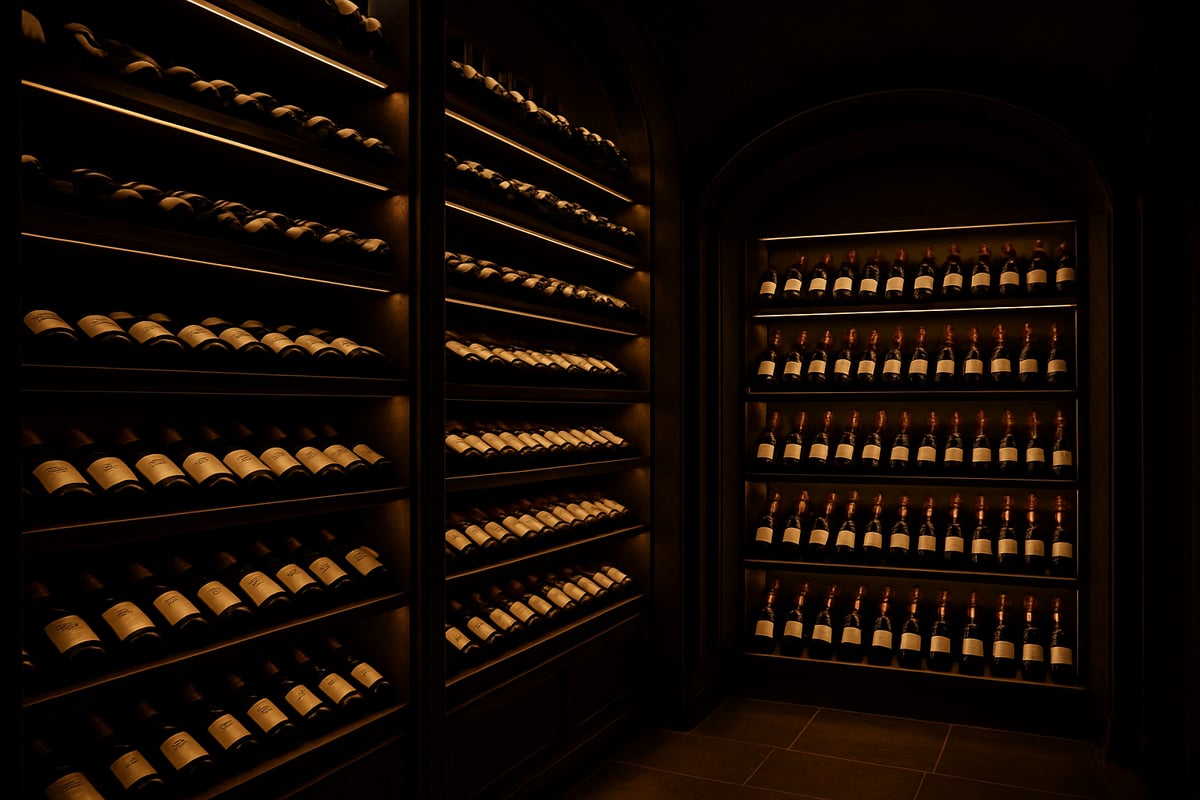
Creating the ideal environment for wine cellar wine is both an art and a science. In 2026, collectors and enthusiasts know that even the finest vintages can falter if storage conditions are not carefully controlled. Let’s explore the key factors that ensure every bottle matures gracefully and retains its value.
The Foundations: Temperature and Humidity
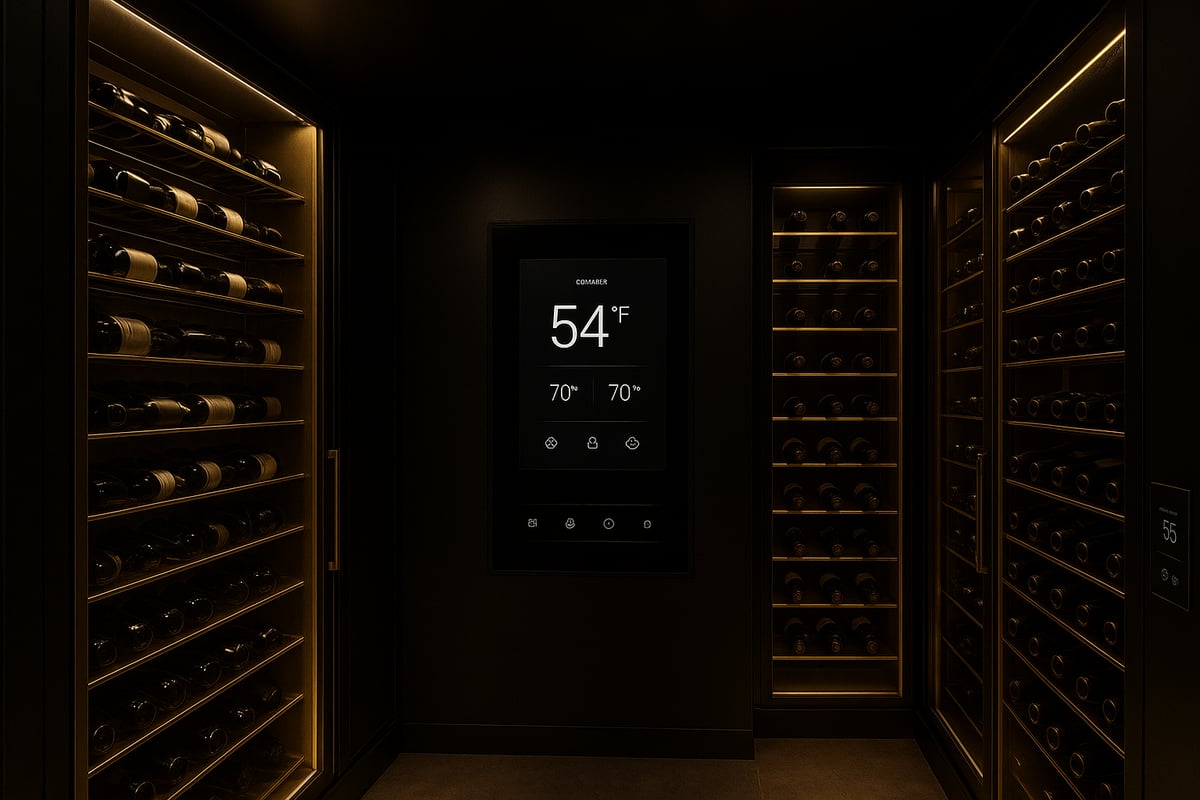
Temperature stability is the cornerstone of preserving wine cellar wine. Experts recommend maintaining a steady 55°F (13°C), which slows aging and lets flavors evolve harmoniously. Fluctuations can spoil delicate aromas, causing wine cellar wine to age prematurely or unevenly.
Humidity is just as crucial. Aim for 60-70% relative humidity to keep corks moist and airtight. If humidity drops, corks shrink, letting air seep in and spoil the wine. Too much humidity, however, can encourage mold growth. Here’s a quick reference:
Condition | Ideal Range | Impact on Wine Cellar Wine |
|---|---|---|
Temperature | 55°F (13°C) | Preserves flavor and structure |
Humidity | 60-70% | Maintains cork integrity |
Light, Vibration, and Air Quality
Wine cellar wine needs protection from light, especially UV rays, which can break down flavor compounds and cause premature aging. Cellars should be dark, with minimal artificial lighting and UV-filtered glass if windows are present.
Vibrations can disturb sediment and disrupt the slow aging of wine cellar wine. Avoid placing cellars near appliances, heavy foot traffic, or areas with frequent movement. Modern racking systems often include features to dampen vibration.
Proper air circulation prevents musty odors and mold, preserving the purity of wine cellar wine. Ventilation systems and odorless materials are vital in 2026 cellars. Regular checks help maintain fresh air and ensure no foreign scents compromise your collection.
Active vs. Passive Cellars
There are two main types of wine cellars: active and passive. Active cellars use climate-control technology to keep temperature and humidity constant, regardless of external conditions. They’re ideal for urban homes or regions with seasonal extremes.
Passive cellars rely on natural insulation, often built underground or within thick-walled spaces. While more traditional, these require a stable local climate and careful site selection to protect wine cellar wine year-round.
Innovations and Trends in 2026
Advancements in technology have revolutionized how we care for wine cellar wine. Smart systems now offer remote monitoring, automated adjustments, and alerts for any deviation in conditions. These innovations are driving significant growth in the cellar climate control market, as more collectors demand precision and peace of mind.
For a deeper dive into achieving optimal storage, explore these Wine Cellar Climate Control Tips which cover the latest best practices.
In 2026, the perfect environment for wine cellar wine is not just about tradition but also about embracing technology and data-driven solutions. By mastering these essential conditions, you ensure that every bottle in your cellar matures to its fullest potential, delivering exceptional experiences for years to come.
Selecting Wines for Your Cellar: Trends and Recommendations for 2026
Selecting the right wine cellar wine for 2026 is both an art and a science. The bottles you choose today will define the future value and tasting experience of your collection. As the world of wine evolves, knowing what to cellar—and why—has never been more exciting.
Criteria for Cellaring: What Makes a Wine Worthy?
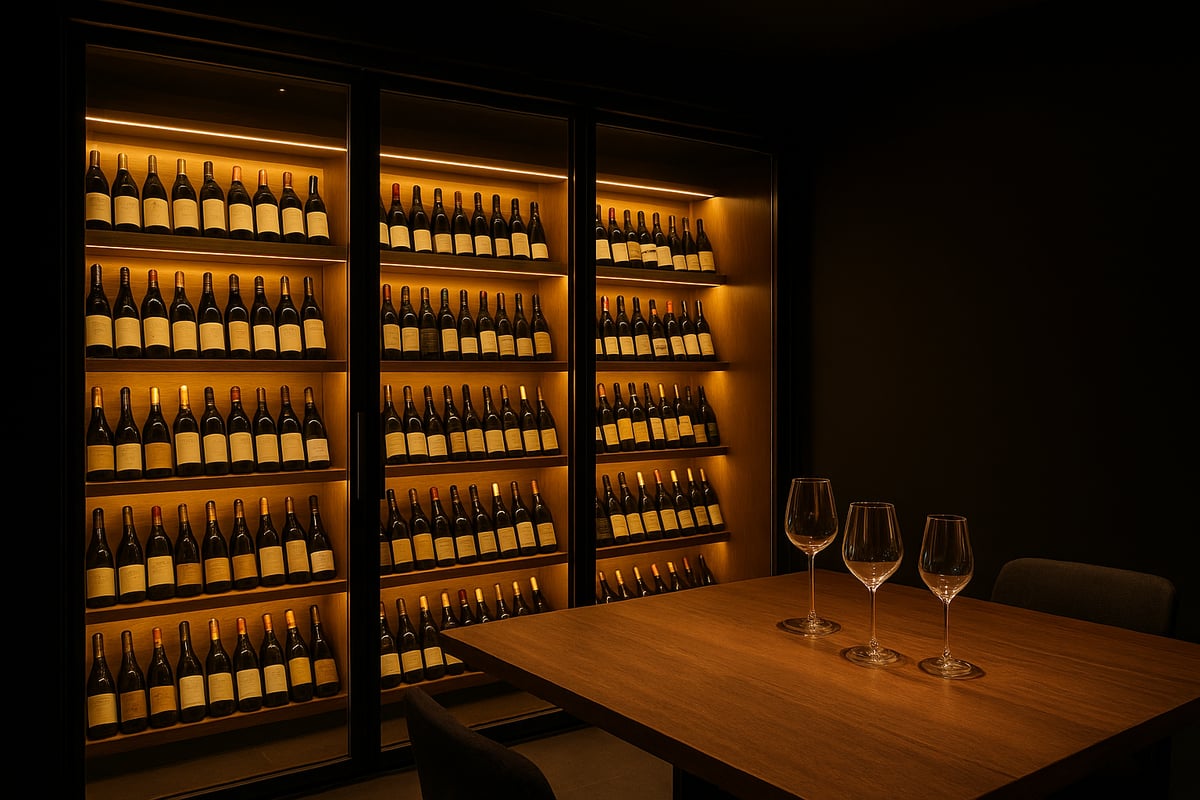
When evaluating wine cellar wine, focus on structure, balance, and pedigree. Wines with high acidity, firm tannins, and robust fruit concentration tend to age gracefully. Classic grapes such as Cabernet Sauvignon, Nebbiolo, and Riesling, from respected producers and top vintages, are perennial favorites for cellaring.
Consider the region’s track record and the reputation of each vintage. Some years produce wines with extraordinary longevity, while others are best enjoyed young. Producer consistency and style also influence how well wine cellar wine evolves over time.
Emerging Regions and Varietals: The New Stars
The world of wine cellar wine is expanding beyond Bordeaux and Burgundy. In 2026, collectors are turning to places like Portugal’s Douro Valley, South Africa’s Stellenbosch, and Argentina’s Uco Valley for cellar-worthy reds and whites. Lesser-known varietals such as Tannat, Assyrtiko, and Xinomavro are gaining traction for their aging potential.
According to Uncorking 2026: 5 Wine Trends Redefining the Modern Wine List, chillable reds and Portuguese blends are making waves among collectors who want diversity and freshness in their wine cellar wine.
Organic, Biodynamic, and Natural Wines: Modern Must-Haves
Sustainability and purity are now central to wine cellar wine selection. Organic, biodynamic, and natural wines are becoming essential for forward-thinking collectors. These wines not only express terroir but also offer unique aging journeys, often evolving with more complexity and character over time.
Look for producers who use minimal intervention and emphasize soil health. As the demand for transparent, eco-friendly wine cellar wine grows, these bottles can become both conversation pieces and smart investments.
Investment-Grade Wines: Classics and New Contenders
Investment in wine cellar wine remains strong. Time-tested regions like Bordeaux, Burgundy, Napa Valley, and Tuscany still dominate auction headlines. Labels such as Château Lafite Rothschild, Domaine de la Romanée-Conti, and Harlan Estate are blue-chip choices.
Yet, the landscape is shifting. Top-tier wines from Spain’s Ribera del Duero, Australia’s Margaret River, and Oregon’s Willamette Valley are joining the ranks of investment-worthy wine cellar wine. Savvy collectors monitor critical scores and market trends to spot the next big thing.
Table: Top Investment Regions for Wine Cellar Wine (2026)
Region | Notable Varietals | Investment Appeal |
|---|---|---|
Bordeaux | Cabernet, Merlot | High, consistent |
Burgundy | Pinot Noir, Chardonnay | Very high, rare |
Napa Valley | Cabernet Sauvignon | Strong, rising |
Tuscany | Sangiovese, Blends | Stable, prestigious |
Douro Valley | Touriga Nacional, Blends | Emerging, promising |
Sourcing Rare and Limited-Edition Wines
Finding exceptional wine cellar wine requires diligence and connections. Seek out limited releases, single-vineyard bottlings, and library selections from established estates. Building relationships with reputable merchants, auction houses, and winery mailing lists gives you access to rare gems.
Join wine clubs, attend tastings, and participate in allocation programs. These steps will help you secure wine cellar wine that stands out for both quality and exclusivity.
Expert Recommendations and Market Trends
Experts advise diversifying your wine cellar wine collection by balancing blue-chip investments with personal favorites and emerging stars. Track auction results and critical scores to spot trends. In recent years, collectors have seen significant returns on both classic and up-and-coming regions.
Stay informed by reading market reports and consulting with sommeliers or wine advisors. A well-rounded approach ensures your wine cellar wine offers both enjoyment and long-term value, making your cellar future-proof for 2026 and beyond.
Enjoying Wine Cellar Wine: Tasting, Serving, and Entertaining
Opening a bottle of wine cellar wine is a celebration of patience and craftsmanship. The anticipation builds as you select a bottle that has matured gracefully, knowing each sip will reveal layers shaped by time and care. Whether you are savoring a rare vintage alone or sharing with friends, the experience is both luxurious and deeply personal.
Retrieving your wine cellar wine begins with gentle handling. Avoid shaking or disturbing settled sediment, especially in older reds. Let the bottle rest upright for a few hours if needed. When it is time to open, choose the right decanting technique. Young reds may need vigorous aeration, while mature bottles benefit from a slow and gentle pour. Whites, sparkling, and dessert wines also shine when served at their ideal temperatures: 45-50°F for whites and sparklings, 55-60°F for reds, and slightly cooler for sweet wines.
Glassware is more than a detail—it transforms the tasting experience. Select glasses that match the style of your wine cellar wine, allowing aromas and flavors to fully develop. A Bordeaux glass enhances bold reds, while a tulip-shaped flute preserves the effervescence of sparkling wines. For tasting events, offer a variety of shapes so guests can explore the nuances each wine brings to the table.
Creating the perfect atmosphere elevates every occasion. Thoughtful lighting, curated music, and elegant decor set the stage for memorable tastings and dinners. Many homeowners and designers now embrace Wine Cellar Design Trends for 2025, blending natural materials and smart technology to craft inviting, functional spaces. Hosting a wine cellar wine tasting or cellar tour becomes an immersive journey, as guests discover rare finds and personal stories behind each bottle.
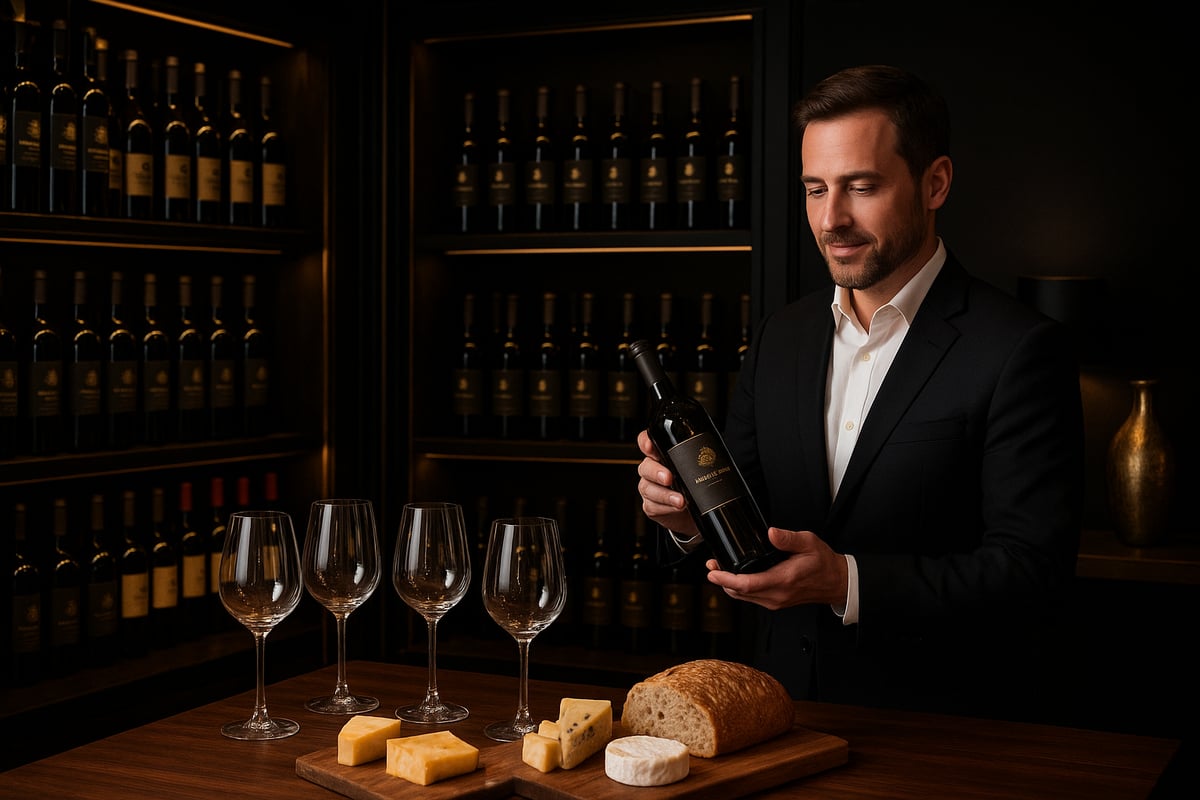
Pairing wine cellar wine with food adds another layer of enjoyment. Classic combinations—like aged Bordeaux with lamb or mature Burgundy with duck—highlight the complexity that cellaring brings. For a modern twist, experiment with local cheeses, artisanal breads, and seasonal produce. The post-2020 surge in home tastings and private events reflects a growing desire to connect, learn, and celebrate in style.
Whether entertaining a crowd or savoring a quiet evening, the ritual of serving wine cellar wine is about more than what is in the glass. It is about creating moments that linger in memory, just like the wine itself.
The Future of Wine Cellar Wine: Trends and Expert Insights for 2026 and Beyond
As we look ahead to 2026, the world of wine cellar wine is poised for remarkable transformation. New trends, technologies, and philosophies are reshaping how collectors, designers, and hospitality professionals think about storing and enjoying their most treasured bottles.
Sustainability and Smart Technology
Eco-conscious design and smart automation are now essential for any future-ready wine cellar wine collection. Homeowners and designers are prioritizing materials with a low carbon footprint and energy-efficient systems to maintain ideal conditions with minimal environmental impact. At the same time, smart sensors, remote climate monitoring, and integrated security are redefining cellar management. According to Modern Wine Cellar Innovations, leading-edge cellars in 2026 leverage automation for precise temperature, humidity, and lighting control, creating the perfect environment for every bottle.
Personalization and Minimalist Design
The desire for bespoke, personalized spaces continues to grow, with custom lighting, modular shelving, and minimalist aesthetics dominating wine cellar wine design. Collectors now seek cellars that reflect their unique taste and lifestyle, blending form and function. Features like display cases for prized bottles, touchless access, and curated art installations are becoming status symbols. For a deeper dive into these design shifts, see 2025 Wine Cellar Trends Every Designer Should Know, highlighting how the modern cellar is both a sanctuary and a showpiece.
Climate Change and Cellaring
Climate change is reshaping the world of wine cellar wine from vineyard to cellar. As traditional wine regions face unpredictable weather, collectors are adapting their storage strategies. Cellars must now be equipped to buffer against rising temperatures and humidity swings, protecting investments and flavor profiles. Some experts recommend advanced insulation and backup power to ensure uninterrupted climate control, especially for rare or investment-grade bottles.
Digital Communities, AI, and Analytics
The digital revolution is bringing wine enthusiasts together like never before. Virtual cellar management apps, online tasting groups, and AI-driven recommendations are redefining the wine cellar wine experience. Artificial intelligence analyzes drinking windows, aging potential, and even auction values, helping collectors make informed decisions. Digital inventory tools now offer instant access to tasting notes, provenance, and cellar analytics, taking the guesswork out of managing a growing collection.
Transparency, Sourcing, and Traceability
Modern collectors expect full transparency when it comes to wine cellar wine. Blockchain and digital tagging are making it easier to trace bottles from vineyard to cellar, ensuring authenticity and ethical sourcing. This trend is especially important for investment-grade wines, where provenance can affect both value and enjoyment. Producers and cellars are responding with detailed records, QR codes, and secure digital certificates for every bottle.
Market Growth and Expert Perspectives
Industry data points to a robust future for wine cellar wine. According to market analysts, the global wine cellar market is projected to grow steadily through 2026, driven by rising interest in luxury living, home entertaining, and wine investment. Experts like sommeliers and cellar designers predict that the most successful cellars will blend tradition with innovation, offering both optimal storage and unforgettable experiences.
Wine Cellar Wine as a Lifestyle
Ultimately, wine cellar wine is more than a beverage, it is a lifestyle statement. The cellars of 2026 are gathering places for friends, family, and fellow enthusiasts, blending technology, sustainability, and artistry. Whether you are a seasoned collector or just beginning your journey, the future offers endless possibilities to savor, share, and celebrate every bottle.
Whether you’re dreaming of savoring perfectly aged vintages at home or elevating your restaurant’s wine program, creating a remarkable cellar is both an art and a science. We’ve explored the essentials—from the latest innovations in design and climate control to curating and caring for your collection—all so you can enjoy every bottle at its peak. If you’re ready to bring this vision to life or want expert guidance for your next project, I invite you to Contact Us and discover how Prestige Wine Cellars can help you craft a truly exceptional wine space tailored to your needs.
Your Dream Wine Cellar Starts Here
Let our design team craft a cellar that matches your taste, space, and your collection — built for beauty, function, and prestige.

Email us at
Serving Austin, Dallas–Fort Worth, Houston & San Antonio