Best Guide to Building Your Wine Collection 2026
Build an exceptional wine collection in 2026 with expert tips on sourcing, storage, and investment. Discover timeless strategies for lasting value and enjoyment.
Imagine savoring a perfectly aged bottle from your own curated wine collection, each sip reflecting your unique taste and passion. Today, building a wine collection is easier than ever, whether you are just starting out or already an enthusiast. This guide will demystify the process with expert strategies, insider tips, and practical steps. Ready to begin? Discover how to start, organize, and grow your ultimate wine collection for 2026, with advice on storage, buying, and selecting bottles for every budget. Let this be your roadmap to a collection that is both personally meaningful and investment-worthy. We will cover everything from setting clear goals to advanced collecting strategies.
Setting Your Wine Collection Goals
Building a wine collection is more than just buying bottles—it’s about crafting a personal journey that reflects your taste and aspirations. Whether you dream of hosting elegant dinners or investing for the future, well-defined goals are the foundation of a rewarding wine collection.
Defining Your Purpose and Vision
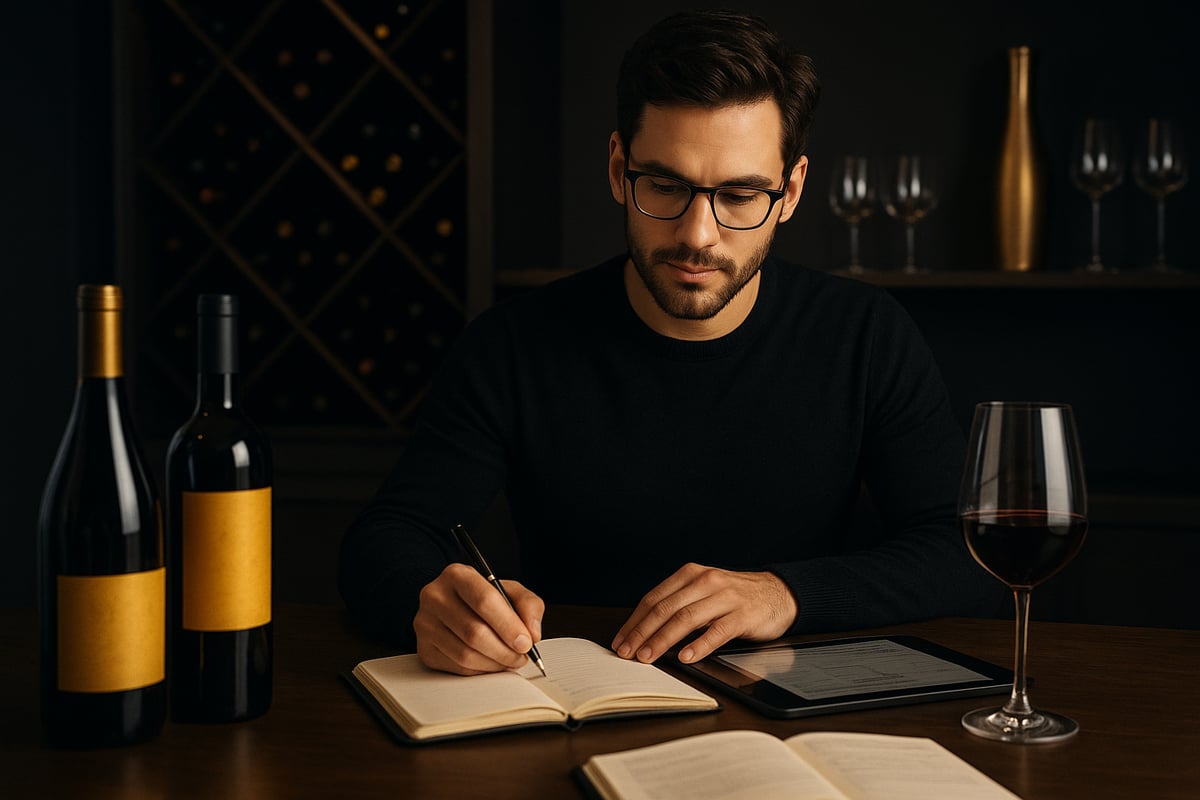
The first step to curating a meaningful wine collection is understanding your motivation. Are you collecting for pure enjoyment, investment, gifting, or as a legacy to pass down? Your purpose shapes every decision you’ll make.
Consider how your personal taste, lifestyle, and entertaining habits influence your wine collection. If you love hosting, you might focus on versatile bottles for dinner parties. If you’re aiming for long-term value, investment-worthy wines become a priority.
Let’s look at some collector profiles:
The Casual Drinker: Seeks everyday enjoyment, focuses on approachable wines.
The Entertainer: Curates selections for parties and special occasions.
The Investor: Prioritizes rare vintages and regions with proven track records. For example, Burgundy wine investment outperforms S&P 500, making it an attractive option for long-term growth.
The Legacy Builder: Gathers bottles to share with future generations.
Set a collection size and budget early. Many people start with a goal of 50–100 bottles, expanding as their wine collection and confidence grow. Remember to balance short-term enjoyment with long-term aging potential.
A clear vision for your wine collection helps prevent costly mistakes and guides every purchase. Yet, stay flexible—your preferences will evolve as you gain experience and explore new wines.
Research and Education: Building Your Wine Knowledge
A successful wine collection is built on knowledge. Learning about grape varieties, regions, and vintages empowers you to make informed choices and avoid common pitfalls.
Explore resources like:
Books and online courses focused on wine fundamentals
Local tastings and wine clubs to refine your palate
Reputable online platforms for up-to-date information
For example, attending tastings or joining a wine club can help you discover what truly excites you. These experiences not only inform your wine collection but also connect you with a community of fellow enthusiasts.
Informed collectors make smarter buying and storage decisions, ensuring their wine collection stands the test of time. According to industry experts, those who invest in wine education enjoy higher satisfaction and greater longevity in their collections.
Set clear goals, embrace ongoing learning, and watch your wine collection evolve into something uniquely yours.
Wine Collection Fundamentals: What to Buy and Where
Building a wine collection is both an art and a science, blending personal taste with an understanding of what makes each bottle special. To create a wine collection that’s both enjoyable and valuable, you need to know which wines to buy, where to find them, and how to build your cellar with purpose.
Understanding Wine Types, Regions, and Aging Potential
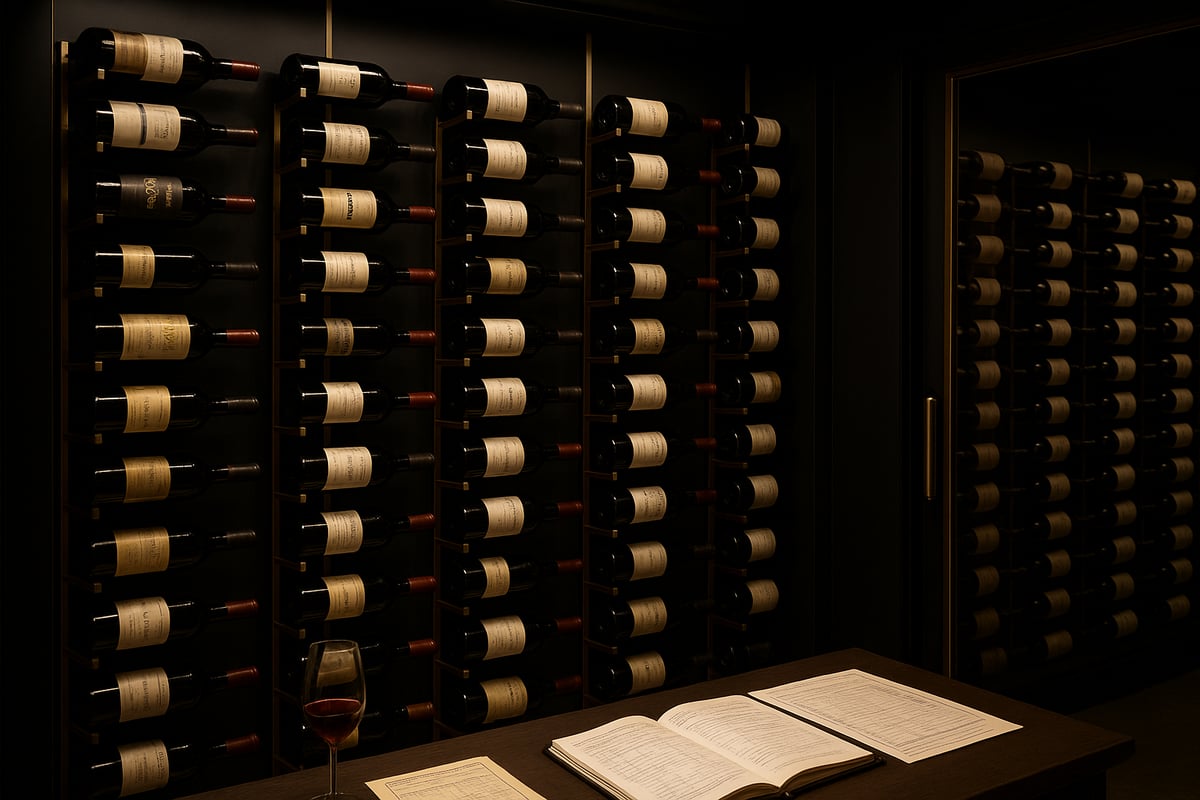
A well-rounded wine collection thrives on diversity. Start by exploring the main wine styles: reds, whites, rosés, sparkling, and dessert wines. Each category offers unique flavors and aging potential, bringing balance to your wine collection.
Classic regions like Bordeaux, Burgundy, Napa Valley, and Tuscany are renowned for their pedigree and investment value. However, emerging areas such as Paso Robles, Central Otago, and the Mâconnais are producing outstanding bottles that can elevate your wine collection with fresh discoveries.
Region Type | Examples | Value Focus |
|---|---|---|
Classic | Bordeaux, Burgundy, Napa | Prestige, aging, resale |
Emerging | Paso Robles, Otago, Mâconnais | Quality, innovation |
Terroir, producer reputation, and vintage all play a role in a wine’s quality and how it will develop over time. Some wines, like fine Bordeaux or Barolo, are built to age for decades, while others, such as most Sauvignon Blancs or rosés, shine best in their youth. For a deeper look at how storage and aging influence quality, see this bottle aging and storage impact on wine quality guide.
Choosing a mix ensures your wine collection is ready for both immediate enjoyment and long-term growth.
Sourcing Wines: Retailers, Auctions, and Direct Purchases
Where you buy your wine matters. Local wine shops offer personalized advice and the chance to build relationships with knowledgeable staff, making them a great starting point for your wine collection. Online retailers provide access to global selections and competitive pricing, while auctions can be treasure troves for rare finds and mixed lots.
Retailers: Trusted shops may offer allocations to loyal customers, giving you access to sought-after releases.
Auctions: Buying mixed lots is a cost-effective way to add depth to your wine collection and try new producers.
Direct Purchases: Wineries and wine clubs often provide exclusive bottlings and early access to new vintages.
Be vigilant about authenticity, especially with older or high-value bottles. Underrepresented regions like Pouilly-Fumé or Quincy often deliver exceptional value and introduce you to hidden gems. Secondary labels from top producers can also be a smart gateway into prestigious estates without the premium price tag.
Budgeting and Building Over Time
Your wine collection doesn’t need to be vast to be impressive. Start small and scale as your palate expands. Many collectors begin with a monthly plan, such as purchasing six bottles at $25 each, focusing on quality over quantity.
Establish a budget: Decide upfront how much you want to invest in your wine collection each year.
Track spending: Use spreadsheets or apps to monitor purchases and cellar growth.
Set goals: Aim for a balanced mix of ready-to-drink wines and bottles for aging.
Most experts recommend allocating $20–$50 per bottle when starting out. Gradual, thoughtful buying helps you build a wine collection that matures in both pleasure and value. Consistent effort, rather than impulsive splurges, leads to a robust and rewarding cellar.
Essential Wine Storage and Preservation
A well-curated wine collection deserves thoughtful storage to ensure every bottle reaches its full potential. Proper storage protects your investment, enhances flavors, and preserves value for years to come. Whether you’re just starting or expanding a prized wine collection, understanding the essentials of storage and preservation is the foundation for long-term enjoyment.
The Science of Proper Wine Storage
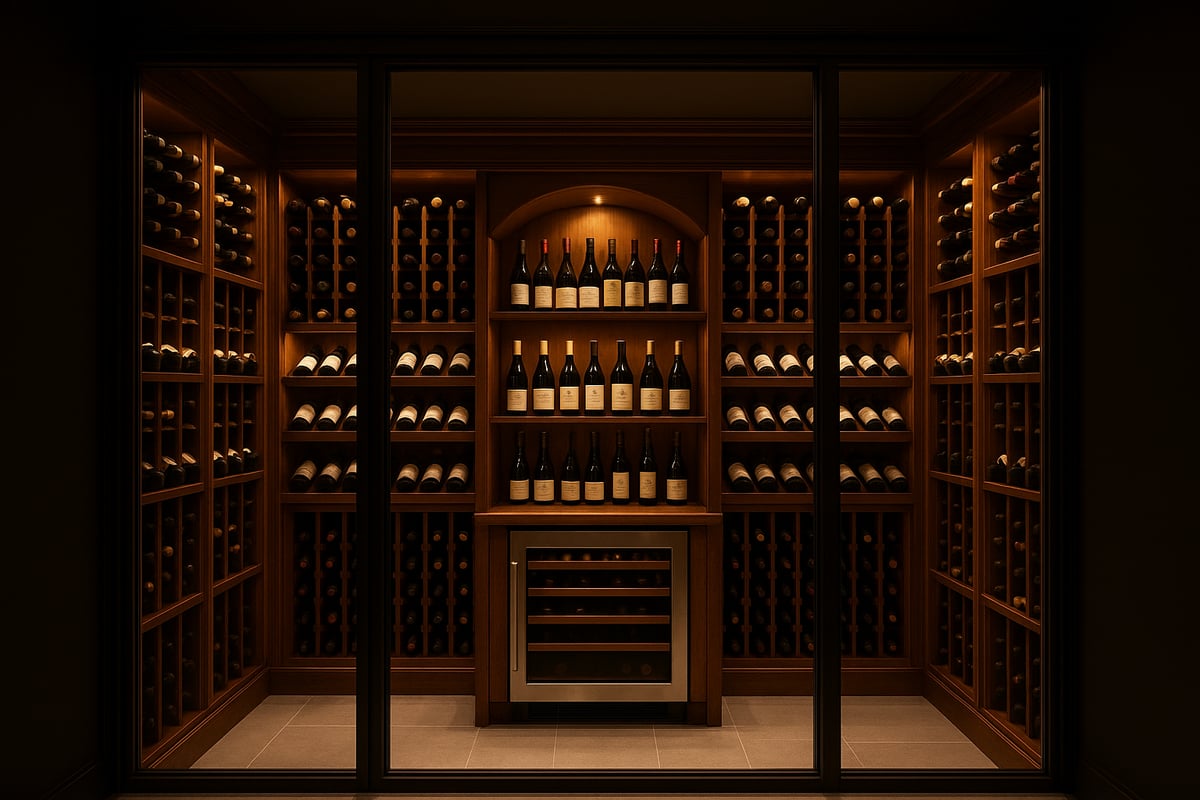
Every wine collection is an evolving journey, and the science behind storage is key to its longevity. Wine is sensitive to its environment. Too much heat, shifts in humidity, or even a stray ray of sunlight can quickly spoil prized bottles.
Aim for a consistent temperature of 55°F (13°C) with humidity levels between 50% and 70%. This balance prevents corks from drying out or mold from forming. Light exposure accelerates aging and can damage delicate flavors, so always store your wine collection in darkness or use UV-protected glass.
Vibration is another hidden threat. Constant movement can disturb sediment and affect aging. Even small steps, like placing your wine collection in a quiet area or using a dedicated wine fridge, can make a big difference. For many, investing in a compact wine fridge, often starting at $150, is an accessible way to protect a budding wine collection.
Risks of improper storage include oxidation, off flavors, and irreversible spoilage. Studies show that bottles stored under ideal conditions can gracefully age for decades, while poorly stored wines may deteriorate in just a few years. Treat your wine collection with care, and it will reward you with memorable moments.
Storage Solutions: From Wine Fridges to Custom Cellars
Choosing the right storage solution for your wine collection depends on your space, goals, and budget. Options range from simple racks to sophisticated climate-controlled cellars. Here’s a quick comparison:
Storage Solution | Ideal For | Pros | Cons |
|---|---|---|---|
Wine Racks | Beginners, small spaces | Affordable, flexible | No climate control |
Wine Fridge | Growing collections | Temperature/humidity control | Limited capacity |
Wine Cabinet | Serious collectors | Stylish, some climate control | Higher cost |
Custom Cellar | Large, aging collections | Maximum protection, prestige | Significant investment |
If you’re just starting your wine collection, basic racks or a countertop fridge may suffice. As your wine collection grows, consider upgrading to a larger fridge or a dedicated wine room with precise controls. Features to prioritize include adjustable racking, solid insulation, and reliable cooling systems.
Many collectors are drawn to modern glass wine walls, which blend aesthetics with function. These installations showcase your wine collection while maintaining optimal conditions. For more detailed advice on effective storage solutions, explore these wine cellar storage tips.
No matter the size of your wine collection, proper storage is essential. It safeguards your bottles, maximizes enjoyment, and ensures every investment matures beautifully.
Wine Cellar Design and Customization
Designing a space for your wine collection is about more than just storage; it’s about creating an environment that reflects your taste and lifestyle. Whether integrating a cellar into your home or business, thoughtful design enhances both function and beauty.
Consider capacity, display preferences, and security when planning your wine collection’s home. Custom features like LED lighting, climate zones, and secure glass doors add both flair and practicality. Restaurants and homeowners alike invest in bespoke cellars to showcase premium bottles and elevate the guest experience.
A custom cellar adds value to your property, preserves wine quality, and becomes a focal point for entertaining. Ultimately, the right design transforms your wine collection into a personal statement and a lasting legacy.
Step-by-Step Guide: Building Your Wine Collection in 2026
Building a wine collection is a journey, not a sprint. Whether you dream of a modest assortment or a grand cellar, following a clear roadmap helps you avoid common pitfalls and creates a foundation for long-term enjoyment. Let’s break down the process into six actionable steps that will help you create a wine collection that reflects your taste, fits your space, and evolves with you.
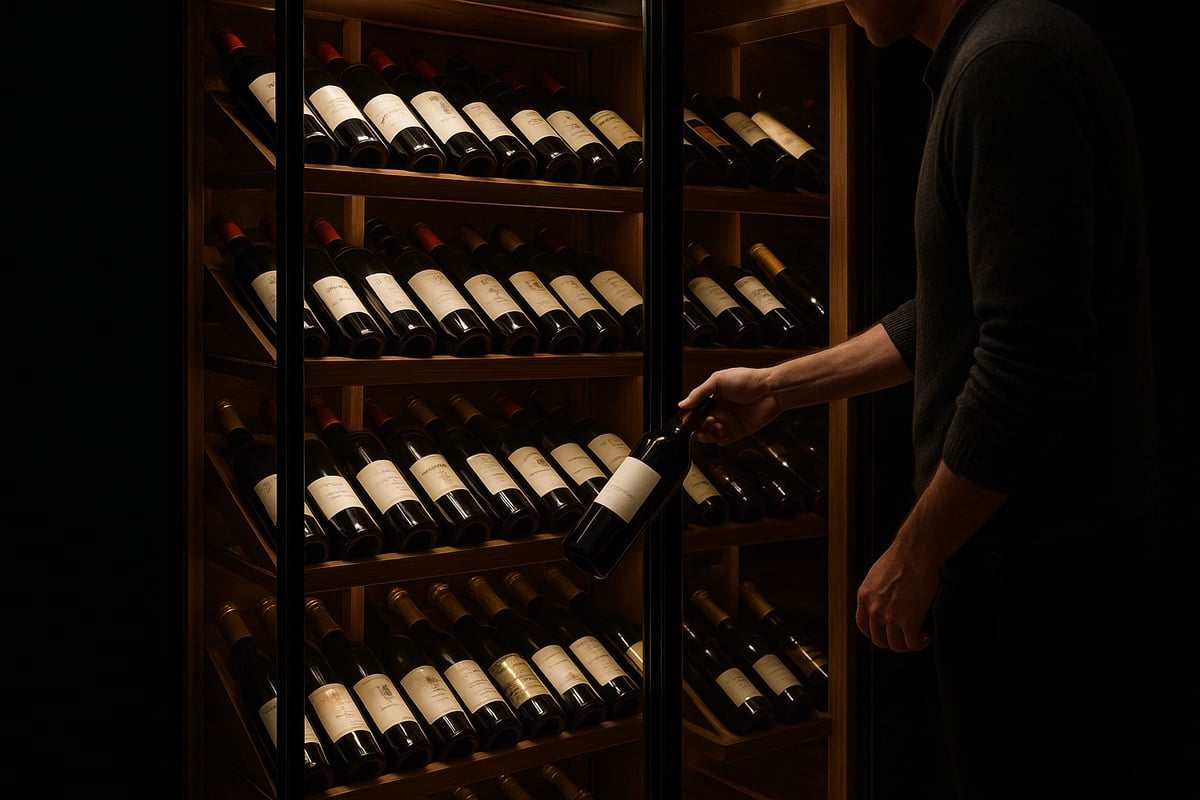
Step 1: Assess Your Space and Storage Needs
Before adding bottles to your wine collection, evaluate where and how you’ll store them. Start by surveying your available space, whether it’s a kitchen nook, under-stairs closet, or dedicated room. Consider how many bottles you plan to keep and for how long.
Short-term storage can be as simple as a countertop wine fridge or compact rack. For long-term preservation, look at climate-controlled options to maintain optimal temperature and humidity. If you’re dreaming of a show-stopping cellar, explore this custom wine cellar design guide for inspiration and best practices.
Matching your storage to your wine collection’s size and goals protects your investment and enhances your daily enjoyment.
Step 2: Set Your Budget and Collection Goals
Decide how much you want to invest in your wine collection at the outset and over time. Setting a monthly or annual budget keeps your purchases intentional and sustainable. Think about your drinking habits, entertaining style, and whether you’re collecting for pleasure, investment, or both.
Here’s a sample monthly budget table for new collectors:
Budget | Bottles/Month | Price per Bottle | Total Monthly Spend |
|---|---|---|---|
$150 | 6 | $25 | $150 |
$300 | 8 | $37.50 | $300 |
$500 | 10 | $50 | $500 |
Establishing clear goals for your wine collection—such as focusing on a region or building a mix for aging—will guide your buying decisions and maximize your satisfaction.
Step 3: Start with a Core Selection
Begin your wine collection with a solid foundation of versatile bottles. Choose reds, whites, and sparkling wines that suit your palate and offer flexibility for meals and occasions. Select wines from classic regions like Bordeaux or Napa, and don’t overlook up-and-coming areas for value and excitement.
A balanced core might include:
Bourgogne Rouge (France)
Paso Robles Cabernet Sauvignon (California)
Pouilly-Fumé Sauvignon Blanc (Loire Valley)
Prosecco or Champagne for sparkling options
Aim for wines that are ready to drink now alongside those that can age. This approach ensures your wine collection is always ready for a celebration or a quiet night in.
Step 4: Track and Manage Your Inventory
Organization is the backbone of a successful wine collection. Use a digital app or a simple journal to log each purchase, noting the wine’s region, vintage, price, and tasting notes. Tracking helps you avoid duplicates, plan future buys, and remember which bottles are ready to open.
Popular tools like CellarTracker make managing your wine collection easy, allowing you to sort by varietal, region, or drinking window. Staying organized brings peace of mind and lets you enjoy your wines at their peak.
Step 5: Expand and Diversify Gradually
As your wine collection grows, branch out by exploring new producers, lesser-known regions, and different styles. Attend local tastings, join a wine club, or consult with knowledgeable retailers to discover hidden gems and expand your perspective.
Consider buying mixed lots at auction or seeking secondary labels for access to prestigious producers at a lower cost. Diversification adds depth and excitement to your wine collection, ensuring there’s always something new to enjoy or share.
Step 6: Maintain and Reassess Regularly
A thriving wine collection isn’t static. Regularly review your goals and adjust your buying habits as your tastes evolve. Rotate your stock so bottles are enjoyed at their best, and plan for special occasions or themed tastings.
Set aside time each year to reassess your wine collection, tracking what you’ve loved and what you’d like to try next. This ongoing attention keeps your cellar relevant, engaging, and full of memorable experiences.
Advanced Collecting Strategies and Investment Insights
Building a wine collection at an advanced level is both an art and a science. As your cellar grows, you’ll find that the stakes—and the rewards—rise. Whether your aim is investment, enjoyment, or both, mastering these strategies will help your collection thrive and evolve with the market.
Collecting for Value: Investment vs. Enjoyment
The world of wine collection offers two primary paths: pursuing bottles for personal enjoyment or targeting wines as financial assets. Both approaches can overlap, but understanding the difference is crucial. Investing in wine requires patience, research, and a keen eye for market trends, while collecting for pleasure is about personal taste and memorable experiences.
Consider this table for a quick comparison:
Approach | Focus | Typical Bottles | Risk Level |
|---|---|---|---|
Investment | Value appreciation | Blue-chip regions | Moderate to high |
Enjoyment | Personal preference | Diverse, everyday | Low to moderate |
The global fine wine market has become a true pillar of luxury, reaching an impressive €58 billion in 2024. This growth reflects the increasing interest in wine collection as both a passion and a savvy investment.
To succeed, align your buying strategy with your goals. Some choose to split their wine collection, dedicating a portion to blue-chip Bordeaux or Burgundy for investment, while reserving the rest for everyday enjoyment.
Sourcing Rare and Limited-Edition Bottles
Accessing rare or limited-edition wines is a defining moment for any serious wine collection. These bottles often come from top producers, acclaimed vintages, or exclusive releases. Securing them requires more than just budget—it demands relationships and timing.
Here’s how advanced collectors source these gems:
Join winery mailing lists and allocation programs for early access
Build rapport with trusted retailers and importers who can offer inside tracks
Participate in en primeur campaigns for Bordeaux and select global regions
Attend high-profile tastings and trade events to network and discover hidden treasures
A wine collection that includes rare bottles not only elevates its prestige but can also enhance its investment potential. Limited editions often appreciate faster, especially when provenance and storage conditions are impeccable.
Remember, authenticity is non-negotiable. Always verify provenance, check for original packaging, and request storage histories. In doing so, your wine collection becomes a showcase of both discernment and diligence.
Navigating Auctions and the Secondary Market
Auctions and the secondary market offer unique opportunities to diversify and strengthen your wine collection. Unlike retail buying, auctions allow you to acquire older vintages, mixed lots, or bottles no longer available on primary markets.
Before bidding, research the auction house’s reputation and understand the lot composition. Mixed lots can be a cost-effective way to sample different producers or regions within your wine collection.
Key auction strategies include:
Setting a strict budget before bidding begins
Reviewing condition reports and provenance documentation
Comparing hammer prices with retail values to gauge fair deals
Mixed lots at auction often deliver savings of 10–20 percent compared to retail, making them an attractive option for expanding your wine collection. With each purchase, document the provenance and store bottles under optimal conditions to protect both value and drinkability.
Protecting and Insuring Your Collection
As your wine collection grows, so does the need for protection. Insurance is a smart move, especially if your cellar includes high-value or irreplaceable bottles. Start by organizing a detailed inventory, noting purchase dates, provenance, and current market values.
When choosing an insurance policy:
Seek coverage for breakage, theft, and climate-related incidents
Work with insurers who specialize in fine wine or luxury collectibles
Update your policy regularly as your wine collection evolves
Proper documentation is essential. Take clear photos, keep receipts, and store digital records securely. An insured wine collection offers peace of mind, ensuring that your investment and enjoyment are safeguarded against unforeseen events.
Staying Ahead of Trends: 2026 and Beyond
The wine world is dynamic, and a forward-thinking wine collection stays attuned to emerging trends. Regions like Central Otago, Paso Robles, and Mâconnais are gaining traction for their quality and value. Collectors are also paying closer attention to organic, biodynamic, and sustainable producers.
Climate change continues to influence vintage variability and regional prominence. Technology, from smart cellar management to blockchain provenance tracking, is reshaping how collectors manage and authenticate their wine collection.
Stay informed by:
Reading industry reports and following expert commentary
Joining collector forums and attending trade events
Experimenting with new grape varieties and up-and-coming producers
By keeping your wine collection current and diverse, you ensure its relevance, value, and the ongoing thrill of discovery for years to come.
Managing, Enjoying, and Sharing Your Collection
Curating a wine collection is about more than acquiring bottles, it is about creating a living library to enjoy, share, and evolve over time. The real magic happens when your collection is accessible, organized, and ready to enrich both everyday moments and special occasions.
Organizing for Accessibility and Enjoyment
An organized wine collection makes every bottle easier to find, appreciate, and enjoy. Begin by grouping wines by region, varietal, or drinking window. Invest in clear labeling, and use an inventory app or a simple spreadsheet to track what you own.
Storing wines by occasion or readiness helps you plan for celebrations or casual evenings. Rotate bottles to keep older vintages accessible, and consider showcasing your favorites with display racks or feature shelves. For creative inspiration on how to integrate storage seamlessly, explore home wine room inspiration.
Hosting Tastings and Sharing with Others
A wine collection invites connection. Hosting tastings is a wonderful way to explore your bottles and deepen your understanding. Try themed events, such as vertical tastings (different vintages of the same wine) or region-focused evenings.
Pairing wines with food enhances both the meal and the bottle. Share tasting notes, encourage discussion, and make each gathering a learning experience. Sharing your collection creates memorable moments, whether you are entertaining friends or celebrating milestones.
Preserving Open Bottles and Reducing Waste
Preserving the quality of opened bottles is essential for maximizing your wine collection’s enjoyment. Tools like vacuum pumps or Coravin systems allow you to savor premium wines by the glass without rushing.
Store opened bottles upright in a cool, dark space to slow oxidation. These simple habits help reduce waste and let you open special bottles more often, confident nothing will go to waste.
Giving and Gifting from Your Collection
A well-chosen bottle from your wine collection is a thoughtful gift for friends, family, or clients. Select wines that suit the recipient’s taste or commemorate a shared memory.
Presentation matters—consider elegant gift bags or custom labels for a personal touch. When gifting rare or valuable bottles, share tasting notes or serving tips to enhance the experience. Giving from your collection reflects your generosity and passion.
Evolving Your Collection Over Time
Your wine collection should grow and change as your palate evolves. Regularly review your inventory, sell or trade bottles that no longer fit your tastes, and plan for future acquisitions.
Some collectors choose to donate bottles to charity auctions or pass their collection on as a legacy. For those seeking new ways to display and protect their investment, modern wine cellar design ideas offer inspiration for both function and style. A well-managed collection brings lasting value, joy, and connection.
As you start mapping out your wine collection for 2026, remember that the right storage isn’t just about preservation—it’s about creating a lasting showcase for your passion and investment. Whether you envision a sleek, climate controlled cellar for your home or a striking glass wine wall for your restaurant, every detail matters. If you’re ready to elevate your collection with a custom solution that combines artistry, engineering, and true craftsmanship, let’s talk about your vision. Reach out today and take the next step toward a cellar that’s uniquely yours—crafted to stand the test of time.
Contact Us
Your Dream Wine Cellar Starts Here
Let our design team craft a cellar that matches your taste, space, and your collection — built for beauty, function, and prestige.

Email us at
Serving Austin, Dallas–Fort Worth, Houston & San Antonio