
Wine Cellar Guide: 2026 Storage Tips | Prestige
Elevate your wine cellars with expert 2026 storage tips - Discover climate control design and security secrets to protect and showcase your collection in style
Unlock the secrets to preserving your prized bottles for decades and make 2026 the year you transform your approach to wine cellars. Whether you dream of aging rare vintages or showcasing your collection in style, this essential guide will walk you through everything needed to design, build, and maintain the perfect storage space.
Explore the latest in wine cellar types, climate control, racking materials, security, and expert tips designed for collectors, homeowners, and restaurateurs. Are you storing your wine for the long haul or ready to display your collection with pride? Discover the newest trends, technology, and strategies to protect and enhance your investment. Start building or upgrading your wine cellar today with our expert guidance.
Understanding Wine Cellar Basics
A well-designed wine cellar is the cornerstone of any serious wine collection. Whether you are a passionate collector or just starting your journey, understanding the essentials of wine cellars ensures your bottles age gracefully and maintain their value for years to come.
What Is a Wine Cellar?
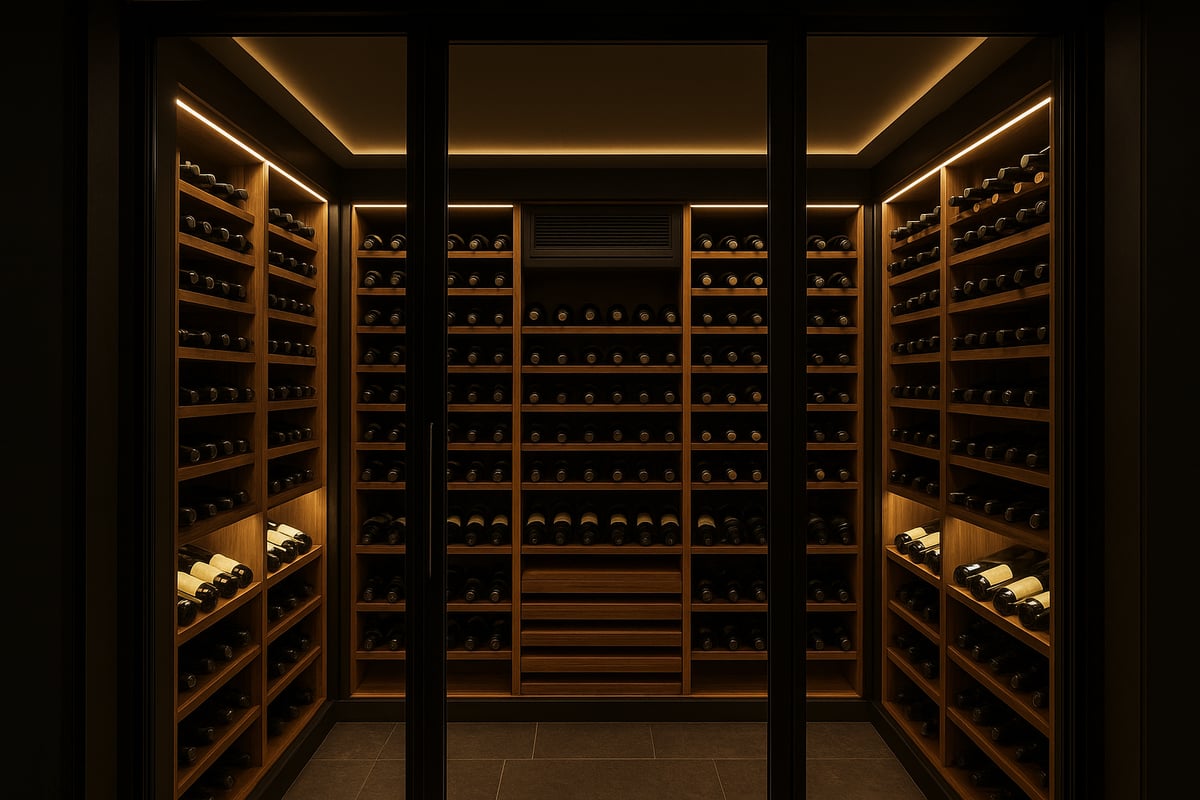
Wine cellars are purpose-built spaces designed to store and age wine under the most favorable conditions. The foundation of a wine cellar is its ability to maintain a controlled temperature, steady humidity, darkness, and a vibration-free environment.
There are two main types of wine cellars: passive cellars, which rely on the natural coolness of basements, and active cellars, which use mechanical cooling systems for precise control. For example, a basement cellar might stay cool year-round, while a glass-enclosed room uses advanced refrigeration.
The importance of wine cellars cannot be overstated. They help preserve flavor, protect your investment, and extend the longevity of every bottle. The ideal storage temperature is 55°F with 50-70% humidity. Every collector who values their bottles should consider a dedicated storage solution.
Types of Wine Cellars
Wine cellars come in various forms to suit different needs and spaces. Residential cellars are popular in private homes, ranging from grand estates to creative under-stair or closet conversions. In commercial settings, restaurants, wine bars, and hotels often feature custom wine cellars to showcase their collections and impress guests.
Modern glass wine walls are a striking trend, blending aesthetics with function for contemporary spaces. Some collectors choose custom-built cellars tailored to their architecture, while others opt for modular, prefabricated systems. For inspiration on the latest in glass wine rooms and stylish displays, explore modern glass wine cellar designs. Whether integrated into a home bar or a restaurant tasting room, cellars can elevate any environment.
Key Benefits of Proper Wine Storage
Storing wine in dedicated spaces offers several key benefits. First, it maintains wine quality and prevents spoilage, ensuring that every bottle reaches its full potential. Proper wine storage also allow for long-term aging, which can increase the value of rare vintages.
Organization is another advantage, making it easy to access and track your collection. Protecting your investment is crucial as collections can be worth thousands of dollars. In addition, custom wine storage can create a unique and inviting space for entertaining. With the average U.S. collector owning over 200 bottles, the demand for smart storage solutions continues to grow.
Common Wine Storage Mistakes to Avoid
Even the finest wine cellars can fall short if certain mistakes are made. Fluctuating temperatures and humidity are the most common culprits, as they can spoil wine quickly. Exposure to light, especially UV rays, will damage both wine and labels.
Storing bottles upright for extended periods can dry out corks, leading to oxidation. Vibration and frequent movement disturb sediment and affect aging. Finally, inadequate security or improper racking puts your collection at risk. By avoiding these pitfalls, wine cellars become a safe haven for your valuable bottles.
Climate Control: The Heart of Wine Cellar Storage
Preserving your wine collection’s integrity begins with mastering climate control. For wine cellars, this is the heartbeat—a subtle yet powerful force that determines whether your bottles flourish or falter. Let’s explore the fundamentals every collector needs to know.
Ideal Temperature and Humidity for Wine
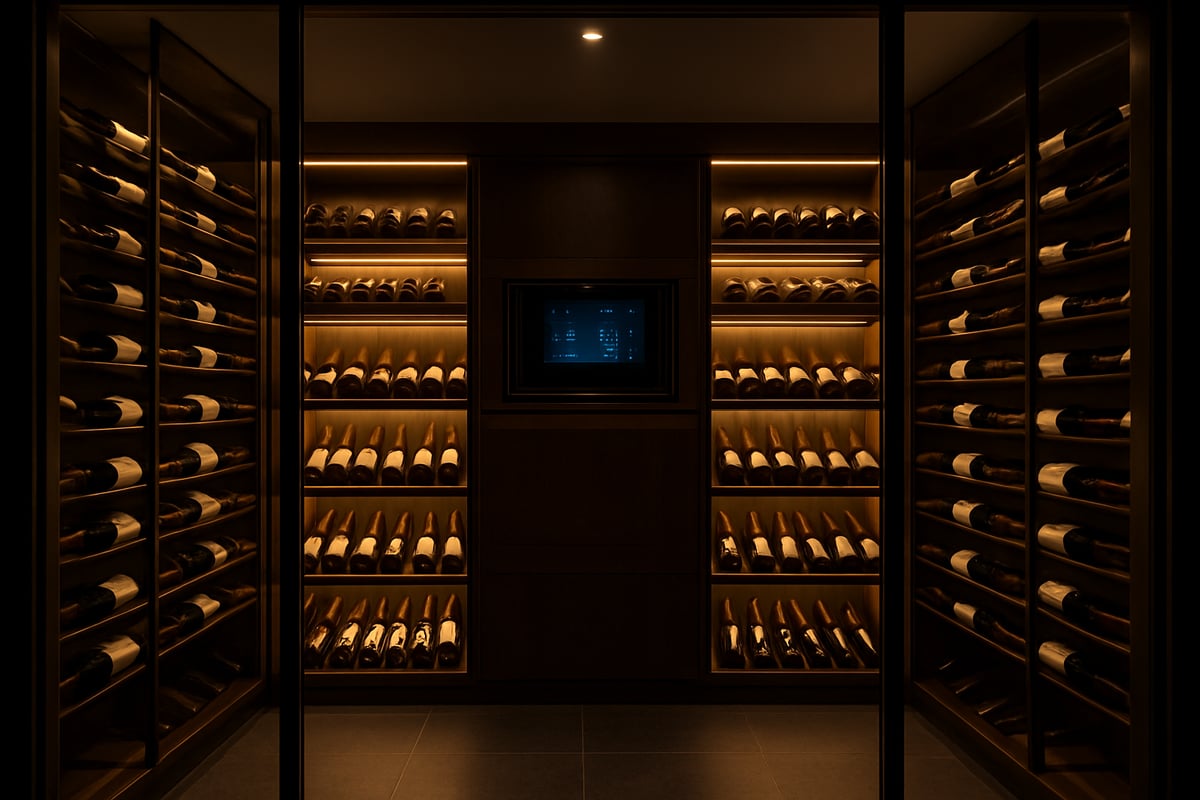
The foundation of all great wine cellars is a stable environment. The gold standard for storing most wines is a temperature of 55°F (13°C), paired with humidity levels between 50% and 70%. Why does this matter? Too much heat speeds up aging, while dryness causes corks to shrink and let air in, leading to spoilage.
Parameter | Ideal Range | Impact on Wine |
|---|---|---|
Temperature | 55°F (13°C) | Preserves flavor |
Humidity | 50-70% | Protects cork/labels |
Even a small fluctuation of 5°F can shorten a wine’s lifespan. During summer heat waves, collections without proper climate control can be ruined overnight. That’s why dedicated wine storage is essential for anyone serious about wine.
Climate Control Systems and Technology
Active and passive systems are at the core of modern wine cellars. Active cooling uses refrigeration, split, or ducted systems to regulate the environment. Passive cellars rely on the natural coolness of basements or underground locations.
Today’s innovations include smart thermostats, remote monitoring, and energy-efficient units. Brands like WhisperKool and Wine Guardian lead the market, but the best choice depends on your cellar’s size and location. For a deeper dive into options and best practices, explore Climate-Controlled Wine Cellars for expert insights.
Choosing the right system ensures your wine cellars maintain the perfect conditions year-round, no matter the season.
Insulation, Vapor Barriers, and Construction
To keep wine cellars efficient, invest in quality insulation—R-19 for walls is recommended. Vapor barriers are crucial, as they stop condensation and prevent mold growth behind your walls. Pay close attention to doors and windows, which should feature tight seals and double or triple glazing for added protection.
Glass wine rooms demand advanced insulation techniques to avoid energy loss and protect your collection. Poor insulation can drive up energy bills by 30 percent and compromise wine storage. Every detail in construction matters for lasting results in wine cellars.
Monitoring and Maintenance Best Practices
Even the most advanced wine cellars require diligent monitoring. Digital sensors should be used to check temperature and humidity regularly. Annual servicing of cooling units is a must to avoid unexpected breakdowns.
Consider installing Wi-Fi-enabled monitors that send instant alerts if conditions change. Backup power solutions, like generators or battery backups, are essential during outages. By taking these steps, you prevent costly wine loss and ensure your wine cellars always perform at their best.
Security and Protection Measures
Security is paramount for valuable wine cellars. Install alarm systems, locks, and access controls to protect your investment. Fire suppression systems and water leak detectors provide peace of mind.
For high-value collections, specialized insurance is wise. Commercial wine cellars often use biometric access for added safety. With wine theft and damage claims increasing by 12 percent recently, robust security is not just a luxury—it’s a necessity for modern wine cellars.
Wine Racking, Shelving, and Display Solutions
Designing exceptional wine cellars means blending artistry, function, and technical precision. Racking, shelving, and display choices not only showcase your collection but also safeguard its value and accessibility. Let’s explore the materials, organization strategies, and design elements that define the ultimate wine cellars in 2026.
Wine Racking Materials and Styles
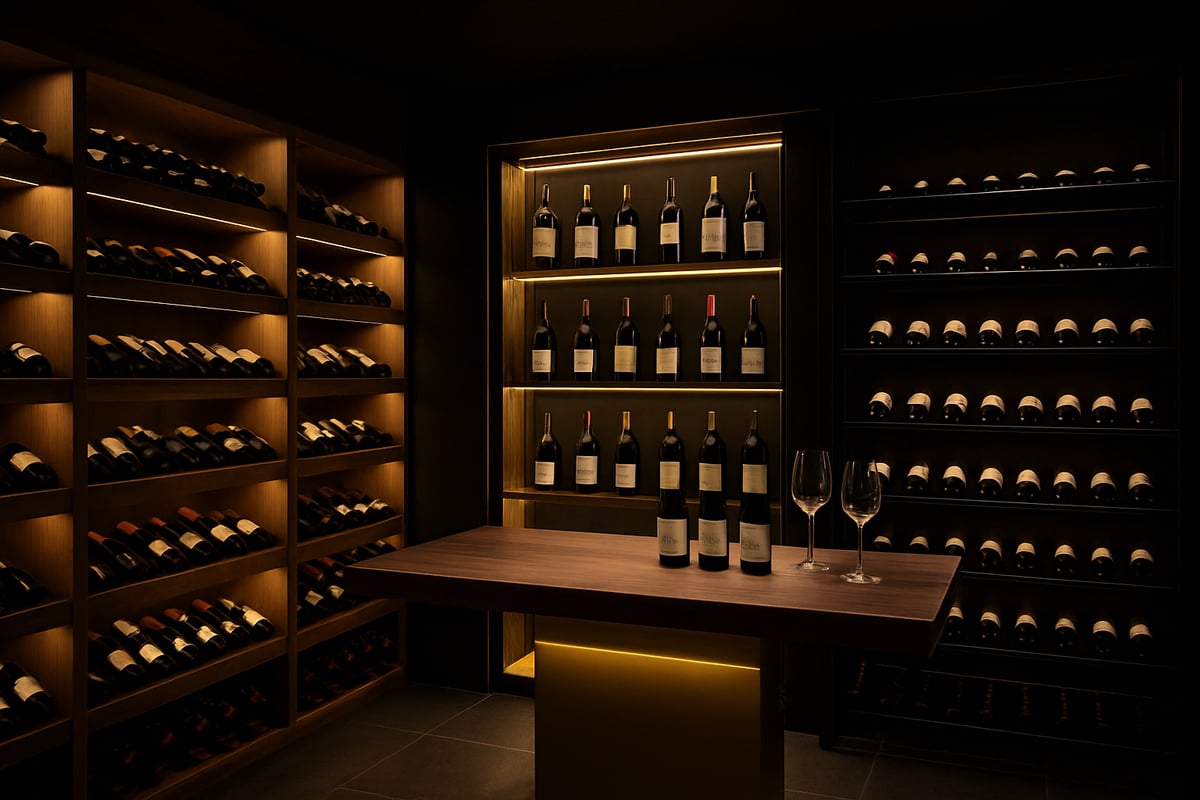
The foundation of all great wine cellars is the racking system. Classic wood options like redwood, mahogany, and pine evoke timeless elegance and provide durability in varying humidity. Metal racks, with their modern lines, create minimalist displays that maximize space and add an architectural touch. For those seeking innovation, acrylic and glass racking offers a see-through effect, letting your collection shine as a visual masterpiece.
Custom racking can be tailored to any space or bottle size, while modular systems allow for flexibility and growth as your wine cellars expand. Metal peg systems, for example, are popular in luxury wine walls, offering both form and function. If you’re looking for creative ideas, explore built-in wine racks and storage ideas to see how different materials and configurations can elevate your wine cellars.
Bottle Orientation and Organization
Proper bottle orientation is essential for aging and presentation in wine cellars. Storing bottles horizontally keeps corks moist, protecting wine from oxidation. Many collectors prefer label-forward displays, which make it easy to identify bottles without disturbing them, while neck-forward options offer traditional appeal.
Thoughtful organization brings order and beauty to wine cellars. Sort bottles by varietal, region, or vintage for quick access and visual harmony. Commercial wine cellars often feature high-reveal display rows, allowing prized bottles to take center stage. With strategic placement, you can maximize both the look and efficiency of your wine cellars.
Space Planning and Capacity
Maximizing every inch is a hallmark of well-designed wine cellars. Start by calculating current and future bottle capacity. Use vertical space with floor-to-ceiling racks or convert underutilized areas, such as beneath staircases, into hidden gems. Adjustable shelving accommodates large-format bottles and magnums, ensuring every wine finds its perfect spot.
Stackable racks offer flexibility as your wine cellars grow, while modular units adapt to different layouts. According to Wine Racks America, a standard rack holds 72 bottles, making it easier to plan for your needs. Smart space planning transforms even the smallest wine cellars into functional, organized showcases.
Aesthetic and Functional Design Elements
Luxury wine cellars blend practical features with stunning design. Lighting is key—LED, accent, and UV-safe options highlight bottles and protect wine from damage. Flooring choices like stone or tile add durability and style, while wall finishes and ceiling treatments set the mood for tastings and celebrations.
Incorporate tasting tables, stemware racks, or custom display cases for added flair. Many high-end wine cellars feature glass enclosures or custom murals, turning storage into art. The best wine cellars reflect both the collector’s taste and the craftsmanship behind every detail.
Prestige Wine Cellars: Custom Design and Build Expertise
Prestige Wine Cellars stands out for its bespoke approach to wine cellars, crafting luxury spaces for residences and commercial venues alike. Their services encompass design, engineering, installation, and ongoing maintenance, ensuring every wine cellar is both beautiful and technically sound.
With a portfolio that includes high-end estates, steakhouses, and hotels across Texas and beyond, Prestige Wine Cellars delivers seamless integration of art, climate control, and precision engineering. Choosing a custom builder means your wine cellars are tailored to your unique collection and architectural vision, elevating both value and enjoyment for years to come.
Materials, Construction, and Finishing Touches
Selecting materials for wine cellars is both an art and a science. The right choices ensure longevity, beauty, and optimal storage conditions. Start by considering durability, aesthetics, and resistance to humidity. Wood remains a classic favorite, with mahogany, redwood, and pine offering both strength and timeless appeal. Metal, especially powder-coated or stainless steel, brings a modern edge and low maintenance. Glass is perfect for contemporary wine cellars, provided it is insulated and UV-resistant. For a deep dive into wood options, Choosing the best wine cellar wood offers expert guidance. Don't overlook flooring—stone or moisture-resistant tile delivers durability and elegance. Whether you prefer traditional or modern wine cellars, material selection lays the foundation for quality.
Choosing the Right Materials for Longevity
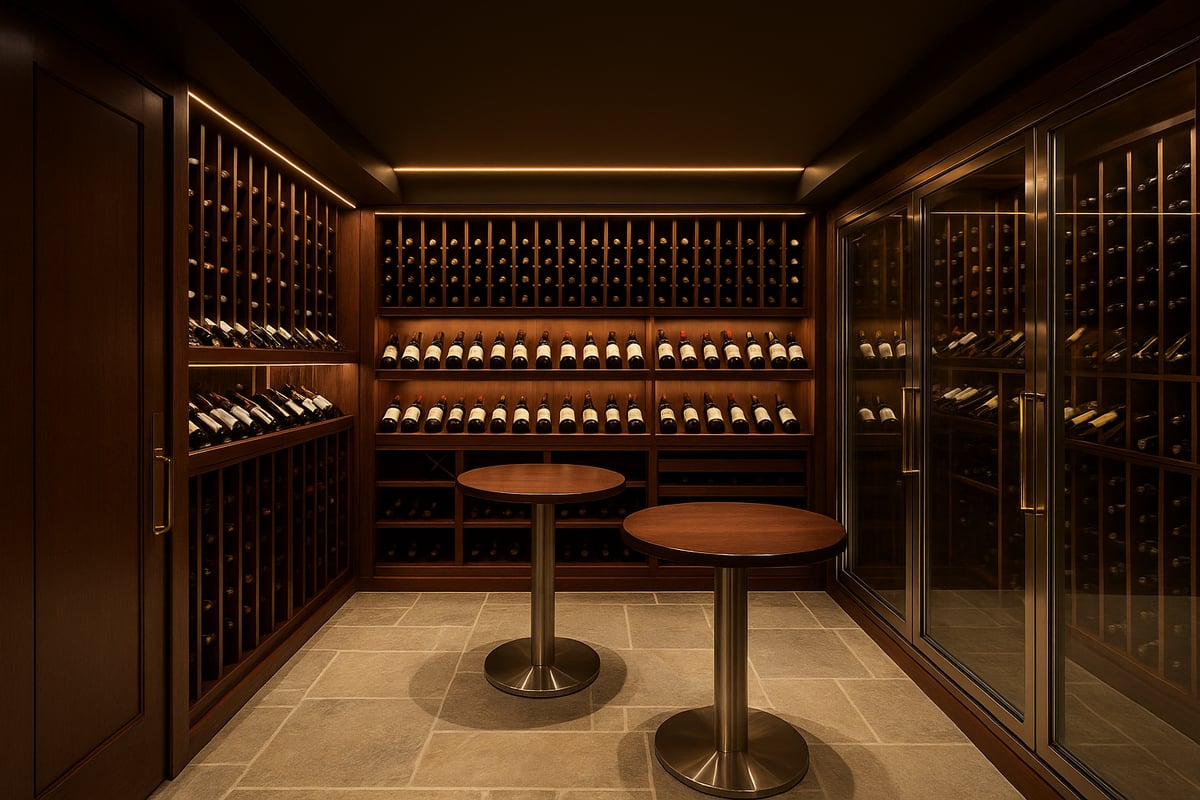
When building wine cellars, prioritize materials that stand the test of time. Mahogany and redwood are prized for their resistance to warping and humidity, making them ideal for racks and shelving. Stainless steel and powder-coated metals provide sleek, contemporary alternatives that resist corrosion. Glass, when tempered and UV-treated, adds drama while safeguarding your collection. Flooring should be non-porous—think natural stone, ceramic tile, or engineered wood for moisture resistance. Each element in wine cellars should balance form and function, supporting both storage and style.
Construction Best Practices for 2026
Proper construction is essential for wine cellars to maintain precise conditions year after year. Begin with sturdy framing and wall assembly, using eco-friendly insulation to boost energy efficiency. Vapor barriers are vital, stopping moisture from seeping in and causing mold. Plan electrical layouts early, ensuring safe installation for lighting and climate systems. Seals around doors and windows prevent air leaks. As green building materials are projected to rise in popularity by 2026, consider sustainable options that align with your values. This careful approach ensures wine cellars remain both beautiful and resilient.
Lighting and Ambiance
Lighting transforms wine cellars from simple storage rooms into stunning showcases. LED lights are the gold standard, offering bright illumination without heat or UV rays that could damage wine. Place accent lighting to highlight prized bottles, display cases, or architectural features. For a dramatic effect, use backlit glass racks or under-shelf LEDs. Choose fixtures that complement your cellar’s style—sleek and modern or warm and rustic. Remember, in wine cellars, lighting should always enhance ambiance while preserving the integrity of your collection.
Final Touches: Accessories and Personalization
Finishing touches bring personality and sophistication to wine cellars. Custom doors—crafted from glass, wrought iron, or rich wood—make a memorable first impression. Security features such as smart locks and discreet cameras protect your investment. Add decorative elements like art, personalized signage, or display cases to reflect your taste. Built-in tasting tables or decanting stations elevate the experience for you and your guests. Ultimately, these details ensure wine cellars are not just storage spaces, but a true reflection of your passion and lifestyle.
Step-by-Step Guide: Planning and Building Your Wine Cellar
Designing and constructing wine cellars is a rewarding journey that blends craftsmanship, utility, and personal taste. Whether you are starting from scratch or upgrading, this step-by-step guide will help you create a cellar that preserves your collection and elevates your experience.
Step 1: Assess Your Needs and Space
Begin by evaluating your current and future wine collection. How many bottles do you own, and how fast is your collection growing? Take note of the types of wine you store, from everyday reds to vintage Champagne.
Identify potential spaces for wine cellars in your home. Basements, spare rooms, closets, or even the area under your stairs can be transformed. Think about your goals: Do you want a showpiece for entertaining or a purely functional storage area?
Planning for growth is essential. It is always better to allow extra capacity than to outgrow your cellar within a few years.
Step 2: Design and Layout
Sketch a floor plan to visualize the flow and organization of your wine cellar. Consider bottle capacity, racking styles, and whether you want areas for tasting or display. Custom layouts let you incorporate unique features, such as a glass wall or a built-in tasting nook.
Explore different racking options, from classic wood to modern metal. Lighting and decor choices will set the mood and emphasize your collection's beauty. For inspiration, browse Luxury wine cellar inspiration to see how top designers blend artistry and function in wine cellars.
A well-thought-out design increases both practicality and property value.
Step 3: Select Materials and Climate Control Systems
Choose materials that balance durability, aesthetics, and the unique needs of wine cellars. Redwood, mahogany, and powder-coated metals are popular for their longevity and style. When selecting finishes, think about how they will withstand humidity and temperature fluctuations.
Insulation and vapor barriers are vital for maintaining stable conditions. Select a cooling system tailored to your cellar's size and location—options range from through-wall units to ducted systems. Modern glass wine walls pair beautifully with ducted cooling for a sleek, contemporary look.
Striking the right balance between form and function will help your wine cellars stand the test of time.
Step 4: Construction and Installation
Decide whether to hire professionals or take a DIY approach. Professional builders bring expertise in framing, electrical work, and HVAC installation, minimizing risks and ensuring that wine cellars meet technical requirements.
During construction, focus on sealing joints and controlling moisture to prevent mold and structural issues. Install racking and shelving with care, making sure all elements are level and secure. For intricate features like glass enclosures or climate control units, specialized contractors are invaluable.
Professional installation often results in fewer costly mistakes and a smoother process overall.
Step 5: Stock, Organize, and Maintain
Inventory your wine collection as you stock your new cellar. Arrange bottles by varietal, region, or vintage for easy access and optimal aging. Adjustable racking accommodates large-format bottles and changing needs.
Set up a maintenance routine. Regularly monitor temperature and humidity, and schedule annual cooling system checks. For tips on optimizing organization and capacity, check out Maximizing Storage Space in Your Wine Cellar. Digital cellar management apps can help track bottles and tasting notes with ease.
Ongoing care preserves the integrity of wine cellars and protects your investment.
Step 6: Enjoy and Showcase Your Collection
Now comes the best part: enjoying your wine cellars. Host tastings, share your space with friends, and celebrate the craftsmanship of your cellar. Rotate your collection periodically, updating displays and organization as your tastes evolve.
Consider incorporating seasonal decor or creating a signature event, like an annual tasting. Showcasing your collection in a well-designed space turns wine cellars into a lifestyle centerpiece—a reflection of your passion and taste.
Your wine cellar is more than storage; it is a sanctuary for your collection and a place to create lasting memories.
Advanced Storage Tips and Trends for 2026
Unlocking the full potential of your wine cellars requires more than just the basics. As we approach 2026, advanced strategies and emerging trends can help you preserve, protect, and showcase your collection with confidence. Explore these expert tips to future-proof your wine cellars and elevate your storage experience.
Aging Wine for Maximum Value and Enjoyment
Aging wine correctly is both an art and a science. Not every bottle benefits from years in wine cellars, but prized varietals like Bordeaux and Burgundy often reach their peak after a decade or more. To maximize value, track vintage windows and monitor optimal drinking dates for each bottle.
Rotate bottles regularly to avoid sediment buildup and disturbance. Use cellar management apps to log tasting notes and aging progress. For collectors, properly aged wine can appreciate by 10-15 percent annually, making strategic storage in wine cellars a wise investment. Curious about best practices? Explore these Best Practices for Wine Storage for expert guidelines on aging and preservation.
Smart Technology and Automation
Wine cellars in 2026 are embracing intelligent solutions for peace of mind and convenience. Wi-Fi-enabled climate monitors track temperature and humidity from your phone, sending alerts if conditions fluctuate. Automated lighting systems can illuminate your favorite bottles the moment you enter, while smart locks offer secure, app-based access.
Inventory management software simplifies cataloging and makes it easy to locate any bottle at a glance. For vacation properties, remote monitoring ensures your wine cellars stay protected even when you are away. Investing in these innovations streamlines management and enhances security, letting you focus on enjoying your collection.
Sustainability and Energy Efficiency
Eco-friendly wine cellars are no longer a luxury—they are a must for forward-thinking collectors. Choose insulation and racking materials with low environmental impact. Energy-efficient climate control systems, like variable-speed compressors or solar-powered units, reduce your carbon footprint and utility costs.
Water-efficient humidifiers and green building certifications, such as LEED, add value and align with modern sustainability goals. With demand for green wine cellars projected to rise by 20 percent by 2026, adopting these practices not only benefits the planet but also future-proofs your investment.
Security and Insurance for High-Value Collections
As the value of wine cellars climbs, robust protection is essential. Specialized insurance policies cover loss from theft, fire, or climate failures. Install cameras, alarms, and fire suppression systems for comprehensive security.
Document your collection with professional appraisals and maintain updated inventories to streamline potential claims. Commercial wine cellars often use advanced access controls and monitoring, a trend now appearing in high-end residential projects. Safeguarding your wine cellars ensures your investment is protected for years to come.
Trends: Design, Display, and Entertaining
Wine cellars are becoming the centerpiece of luxury homes and restaurants. Open-concept glass wine rooms create stunning focal points, while multi-purpose spaces blend storage, tasting lounges, and bars. Artistic racking, dramatic lighting, and bespoke finishes transform wine cellars into works of art.
Restaurants with wine walls visible to diners inspire conversation and elevate the dining experience. For a look at what is shaping the future of wine cellars, see the latest Wine Cellar Design Trends for 2025. With 60 percent of new luxury homes now including custom wine cellars, there has never been a better time to invest in both form and function.
As you look ahead to 2026, now’s the perfect time to rethink how you protect and showcase your wine collection. Whether you dream of a sophisticated glass wine wall or a classic cellar tucked beneath your home, you deserve a space that blends elegance, innovation, and lasting value. At Prestige Wine Cellars, we bring your vision to life with custom designs, expert climate control, and timeless craftsmanship—so every bottle is stored in optimal conditions and every gathering feels unforgettable. Ready to elevate your wine storage experience?
Contact Us
Your Dream Wine Cellar Starts Here
Let our design team craft a cellar that matches your taste, space, and your collection — built for beauty, function, and prestige.

Email us at
Serving Austin, Dallas–Fort Worth, Houston & San Antonio