
Wine Cellar Chillers: In Depth Guide
Discover expert guidance on choosing and caring for your wine cellar chiller in 2026. Elevate your collection with top tips on selection, installation, and innovation.
Imagine opening a prized bottle only to find it ruined by poor storage. A wine cellar chiller is the silent guardian that protects your collection from temperature swings and humidity mishaps. For serious collectors and passionate enthusiasts alike, this device is the cornerstone of wine preservation in 2026.
But what exactly does a wine chiller do, and why is it so vital? Unlike standard cooling systems, it maintains the precise environment wines need to age gracefully. Without the right chiller, even the best vintages can spoil.
In this expert guide, discover everything you need to know: from choosing the right type and size, to installation tips, cutting-edge technology, maintenance routines, and professional recommendations. Enjoy peace of mind, knowing your investment is in perfect hands.
Understanding Wine Cellar Chillers: Types and Functions
A wine cellar chiller is more than a luxury—it is essential for any serious wine collector or business aiming to preserve wine at its peak. Unlike ordinary cooling solutions, these systems are tailor-made to deliver precise climate control, safeguarding your investment from temperature swings and humidity issues.
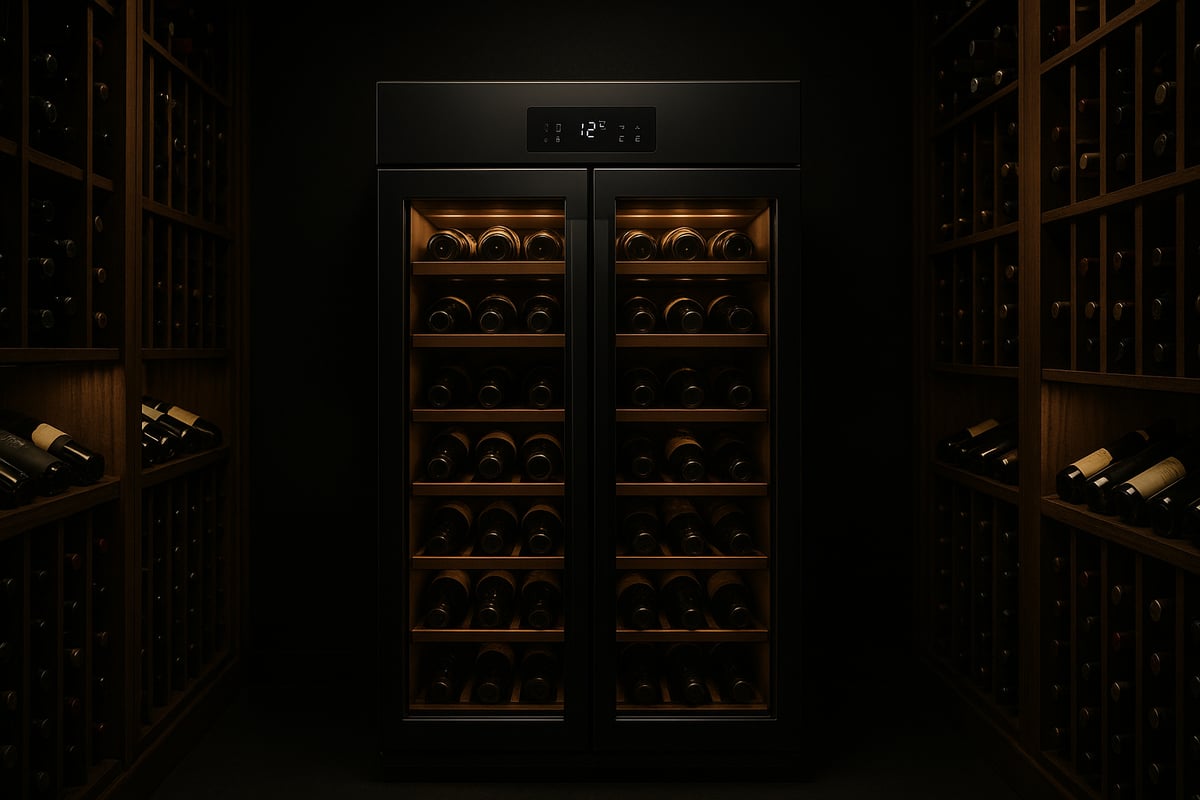
What Is a Wine Cellar Chiller?
A wine cellar chiller is a specialized refrigeration system designed to maintain the perfect environment for wine storage. Its main role is to keep your collection at a stable 55°F, with humidity between 50% and 70%. Unlike standard HVAC units, a wine cellar cooling unit precisely regulates both temperature and moisture, preventing corks from drying or mold from forming.
The difference lies in the attention to detail. While a typical air conditioner cools quickly and dries the air, a wine cellar chiller works gradually, ensuring the delicate balance that fine wines demand. This careful control is what keeps aromas and flavors intact for years.
Main Types of Wine Cellar Chillers
Choosing the right wine cellar chiller means understanding the different system types and their applications. Here is a quick breakdown:
Self-contained systems: All-in-one units, easy to install for small cellars, but may be noisier and less discreet.
Split systems: Separate the evaporator and condenser, reducing noise inside the cellar and allowing flexible installation.
Ducted systems: Move air via ducts, ideal for large or commercial cellars, offering quiet operation and hidden equipment.
Water-cooled vs. air-cooled: Water-cooled models are quieter and more efficient but require plumbing, while air-cooled units are simpler to install.
Below is a comparison of popular brands:
Brand | Type | Ideal Use | Key Features |
|---|---|---|---|
WhisperKOOL | Self-contained, Split | Residential, Small-Medium | Quiet, digital controls |
CellarPro | Split, Ducted | Medium-Large | Energy efficient, flexible |
Wine Guardian | Ducted, Split | Commercial, Large | Smart controls, reliability |
For a deeper dive into system selection and installation, explore this Wine cellar cooling system guide.
Core Functions and Performance Metrics
A wine cellar chiller is all about consistency. The ideal temperature range is 50°F to 59°F, with 55°F considered the gold standard. Humidity is just as crucial, and the chiller must keep levels between 50% and 70%. This prevents corks from shrinking and wine from oxidizing.
Energy efficiency matters for both your wallet and the environment. Look for chillers with high SEER ratings and low decibel output, especially if the cellar is near living spaces. Top brands report lifespans of 10 to 15 years with regular care, and most systems come with warranties for peace of mind.
Noise levels can make or break the wine-tasting experience. Split and ducted systems are quieter, while self-contained units may be more noticeable. Reliability statistics from leading manufacturers show that well-maintained chillers operate trouble-free for years.
Latest Trends in Wine Cellar Chiller Technology (2026)
Innovation is reshaping the wine cellar chiller landscape in 2026. Smart controls and remote monitoring are now standard, letting you adjust climate settings from your phone or integrate with home automation systems. Eco-friendly refrigerants and energy-saving features are reducing environmental impact without sacrificing performance.
IoT-enabled chillers are gaining popularity in luxury residences, offering real-time alerts and predictive diagnostics. These advances ensure your collection is always protected, even when you are away. As technology evolves, choosing a wine cellar cooling unit is not just about preservation—it is about embracing the future of wine care.
Sizing and Selecting the Right Wine Cellar Chiller
Choosing the right wine cellar chiller is key to ensuring your wine investment matures gracefully, not prematurely. An undersized or poorly matched chiller can lead to damaging temperature swings and humidity issues, while an oversized unit wastes energy and money. Let’s break down how to size and select the perfect system for your unique cellar.
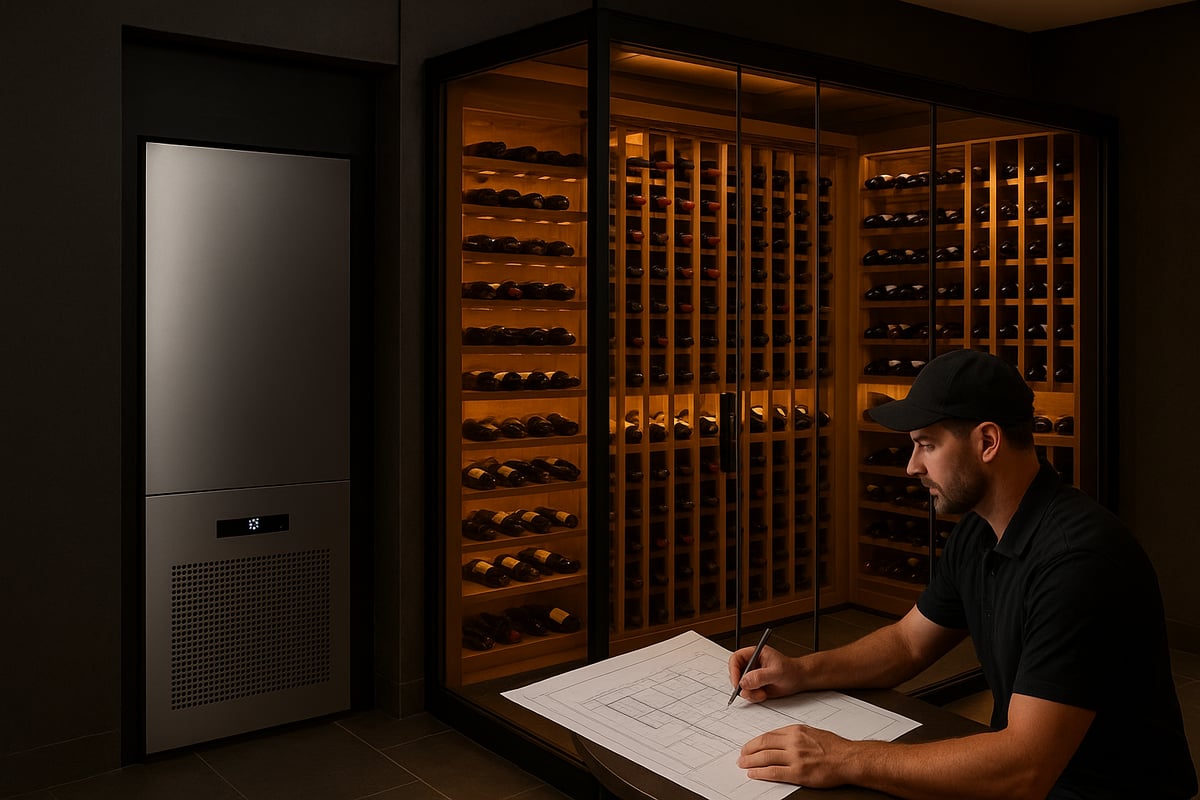
Calculating Chiller Capacity for Your Space
Getting the capacity right is the foundation of wine cellar chiller performance. Begin by measuring your cellar’s volume (length × width × height). Next, factor in insulation quality, the presence of glass walls, and lighting—all of which impact heat load. A well-insulated, fully enclosed cellar will need less cooling power than one with large glass panels or lots of lighting.
For most residential cellars, the recommended target is maintaining 55°F and 60% humidity. Calculating BTUs required can be complex, so using an online heat load calculator for wine cellars can save time and reduce error. For example, a 500-bottle cellar with double-pane glass and LED lighting may require a 2,000–2,500 BTU wine cellar chiller, but always confirm with a professional assessment for peace of mind.
Matching Chiller Type to Cellar Design
Your wine cellar chiller must complement your cellar’s design. Walk-in cellars, often larger and with higher ceilings, may need a ducted or split system for even cooling. Cabinet-style cellars, on the other hand, usually benefit from compact, self-contained units.
Glass walls and open floor plans look stunning but can make climate control challenging. These designs let in more ambient heat, requiring a more robust wine cellar cooling unit or enhanced insulation. One common misstep is choosing a residential-grade unit for a commercial or display cellar, leading to uneven temperatures and risk to your collection.
Climate and Location Considerations
Where you live plays a huge role in chiller selection. In hot climates like Texas or Southern California, your wine cellar chiller will work harder to maintain ideal conditions. Humid regions require systems that control both temperature and humidity, not just cooling.
If your cellar is located in a garage or near exterior walls, expect greater heat transfer. In these situations, opt for a wine cellar chiller rated for high ambient temperatures and consider additional insulation. For example, chillers designed for high-heat environments can maintain stability even when outside temps soar above 100°F.
Budget, Energy Efficiency, and Long-Term Costs
Investing in a wine cellar chiller is about balancing upfront costs with long-term savings. While premium units may cost more initially, they often have higher Energy Star ratings, leading to lower electricity bills over time. Annual savings can be significant, especially in large or commercial cellars.
Maintenance and repairs are part of the equation too. Factor in the cost of filter replacements, annual servicing, and potential repairs. Many manufacturers provide data on average operating costs, so compare these before making your decision. A well-chosen wine cellar chiller will protect your collection and your wallet.
Expert Tips for Avoiding Common Pitfalls
Avoid these common mistakes when selecting a wine cellar chiller:
Over-sizing the unit, causing short cycling and humidity imbalance
Under-sizing, resulting in constant running and premature failure
Neglecting proper ventilation and airflow, which leads to overheating
Ignoring manufacturer installation guidelines
Industry statistics show that up to 30% of chiller issues stem from incorrect sizing or poor installation. Always consult an expert and follow best practices—your wine collection deserves nothing less.
Wine Cellar Chiller Installation: Step-by-Step Guide
Installing a wine cellar chiller is a crucial step for any serious wine collector or hospitality professional. The process requires careful planning and attention to detail, ensuring the system delivers perfect conditions for your valuable collection. Let’s walk through each stage of a successful installation, from preparation to troubleshooting.
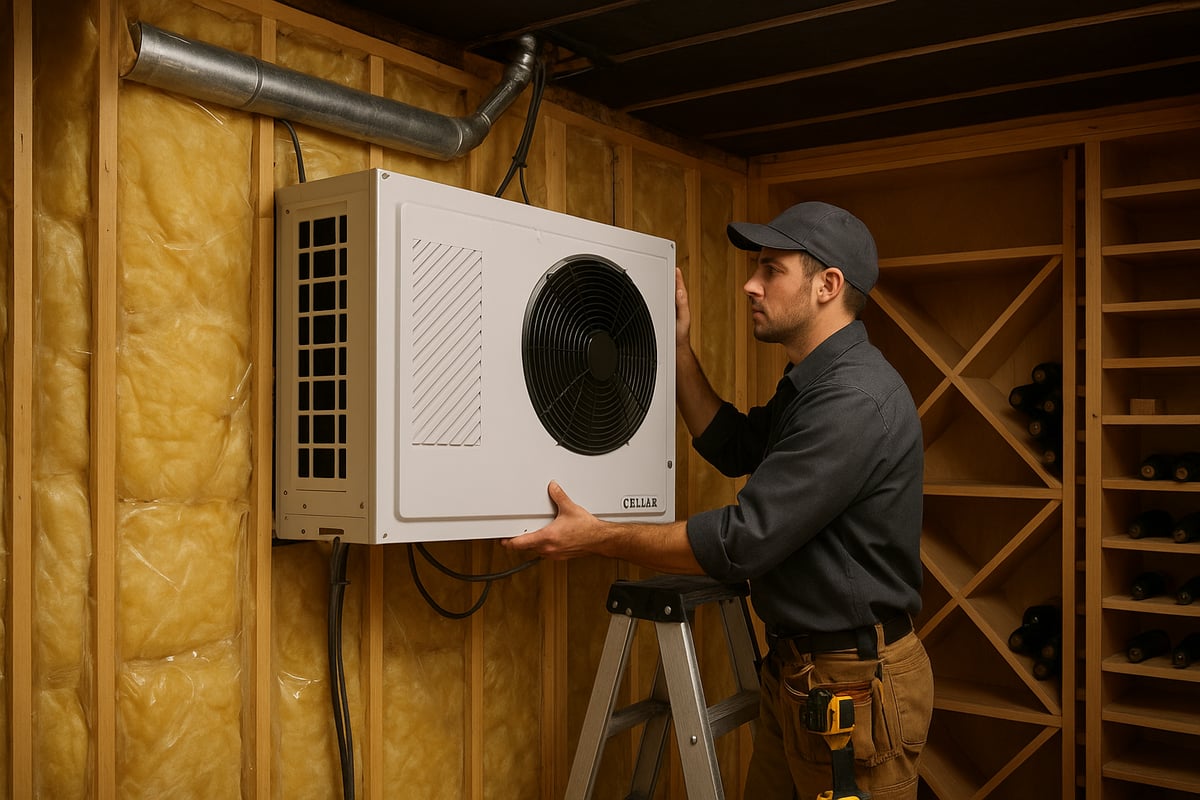
Pre-Installation Preparation
Before installing a wine cellar chiller, assess your cellar’s insulation and vapor barrier. Proper insulation prevents temperature swings, while a high-quality vapor barrier stops moisture from seeping in. This foundation is essential for maintaining a stable environment.
Check electrical requirements, ensuring outlets are rated for the chiller’s power needs. Plan for drainage, especially if your system produces condensate. Some chillers need a direct drain line, while others have internal reservoirs that require periodic emptying.
Review local building codes and secure any necessary permits. A compliant installation avoids costly setbacks and ensures your wine cellar chiller operates safely and efficiently.
Choosing the Right Location for the Chiller
Selecting the best spot for your wine cellar chiller is vital for performance and aesthetics. Wall-mounted units are popular in compact cellars, while ceiling-mounted models work well in spaces with limited wall area. Remote units, often used in larger or commercial cellars, can be installed away from the tasting area to minimize noise.
Consider noise and vibration. Place the chiller away from seating or display zones to maintain a serene atmosphere. Look for manufacturer placement diagrams to guide installation—these show optimal airflow and help prevent hot spots.
Aesthetics matter, too. Conceal ductwork where possible, and choose a unit style that complements your cellar’s design. The right location enhances both performance and the overall ambiance.
Professional vs. DIY Installation
Deciding between a professional and DIY installation impacts your wine cellar chiller’s longevity and warranty. Certified installers bring expertise in handling electrical work, refrigerant lines, and code compliance. They also provide peace of mind that your investment is protected.
DIY installation may seem appealing, but it carries risks. Mistakes can void warranties, reduce efficiency, or even damage your collection. Data from manufacturers shows higher failure rates and more frequent repairs in systems installed without professional help.
If you choose DIY, carefully follow instructions and never skip safety checks. For most homeowners and businesses, hiring an experienced installer is a wise long-term decision.
Step-by-Step Installation Process
A successful wine cellar chiller installation follows a clear sequence:
Schedule delivery and inspect the chiller for shipping damage.
Unpack all components, checking for missing parts.
Prepare the mounting area, ensuring solid support and proper clearances.
Secure the unit, whether wall, ceiling, or remote location.
Complete electrical wiring, following manufacturer specs and local codes.
Install ductwork or piping, ensuring airtight connections for split or ducted systems.
Set up drainage to handle any condensate the wine cellar chiller produces.
Power up the system and check for initial startup issues.
Safety is key. Use the right tools, wear protective gear, and never bypass grounding or circuit protection. For a standard split system, expect installation to take several hours, including testing. Repeat the wine cellar chiller setup steps as outlined to ensure everything functions as intended.
Initial Testing and Troubleshooting
Once installed, set the initial temperature and humidity on your wine cellar chiller—typically 55°F and 60% humidity. Use a reliable thermometer and hygrometer to confirm readings.
Monitor the system’s performance closely for the first 48 hours. Watch for temperature swings, humidity drops, or unusual noises. If you encounter problems, check the power supply, air filters, and drainage first.
Common startup issues include tripped breakers, loose wiring, or blocked airflows. Address minor problems immediately, but contact a professional if serious errors persist. Thorough testing ensures your wine cellar chiller delivers optimal protection from day one.
Maintenance, Troubleshooting, and Longevity
Proper care is the secret to keeping your wine cellar chiller performing at its peak for years to come. Neglecting maintenance can lead to temperature swings, noisy operation, and even spoiled wine. Let’s explore the essential routines, troubleshooting tips, and innovations that safeguard your investment and collection.
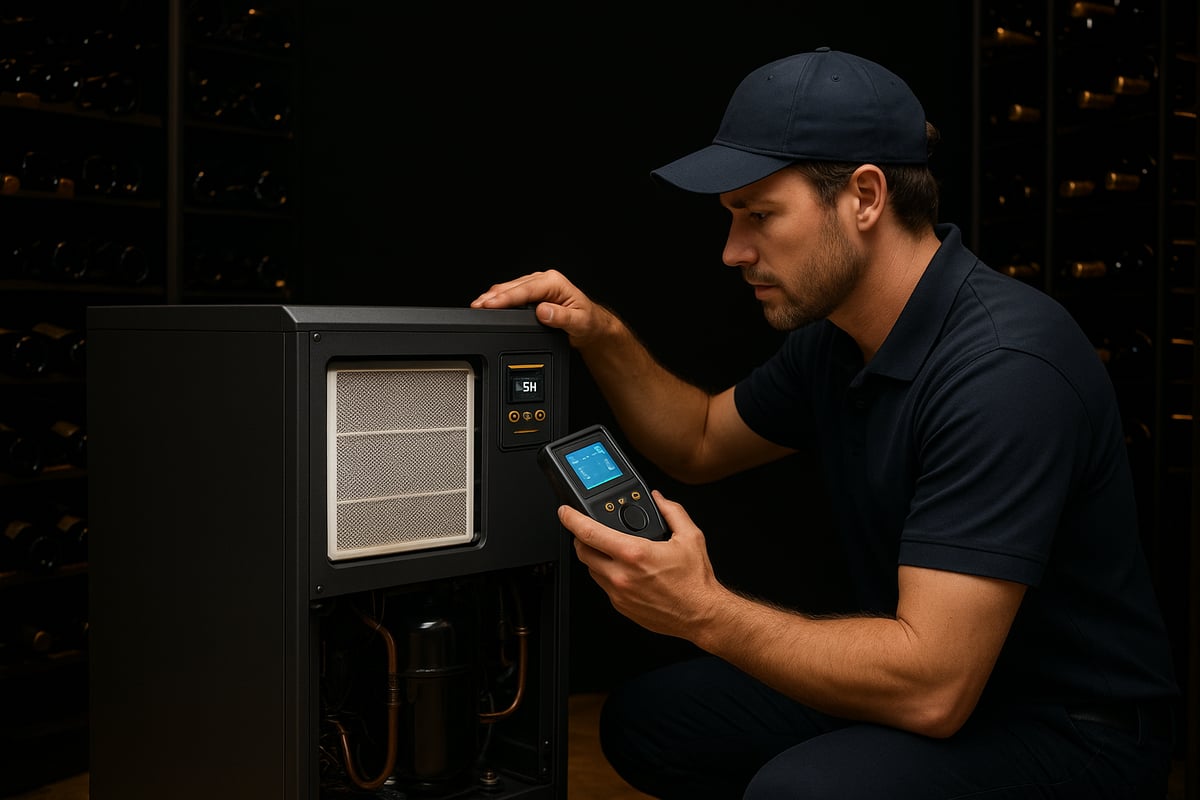
Routine Maintenance Checklist
A consistent routine ensures your wine cellar chiller operates efficiently. Here’s what every owner should do:
Clean coils and replace or wash air filters every three months.
Inspect and clear condensate drain lines regularly to prevent clogs.
Check refrigerant levels and electrical connections each season.
Test humidity sensors and calibrate controls as needed.
Following a thorough checklist, like those found in Routine wine cellar maintenance tips, reduces the risk of breakdowns and keeps your wine cellar chiller running smoothly. Schedule professional service at least once a year for optimal results.
Diagnosing Common Chiller Problems
Even the best wine cellar chiller may experience issues over time. Typical problems include:
Temperature fluctuations that threaten wine preservation.
Loud noises or vibrations indicating loose parts or wear.
Water leaks, condensation, or poor humidity control.
Addressing these symptoms early prevents more serious damage. Monitoring your wine cellar chiller regularly helps you spot minor issues before they escalate, keeping your collection safe and your system efficient.
Solutions and When to Call a Professional
Some minor wine cellar chiller problems have simple fixes, like cleaning filters or tightening screws. However, signs such as persistent temperature swings, electrical faults, or refrigerant leaks demand expert attention. On average, repairs cost between $300 and $800, with downtime ranging from a few hours to several days.
If you notice recurring issues or your wine cellar chiller fails to maintain stable conditions, call a certified technician. Acting quickly minimizes the risk of wine spoilage and extends your system’s life.
Maximizing Chiller Lifespan
Regular maintenance is the cornerstone of a long-lasting wine cellar chiller. Upgrading components, like sensors or control boards, can boost performance and reliability. A well-maintained system can last 15 years or more, as shown in real-world case studies.
For a deeper dive into best practices, consult resources such as Preventative Maintenance for Wine Cooling Units. Proactive care not only saves money but also ensures your chiller protects your prized bottles year after year.
Innovations in Maintenance Technology (2026)
The future of wine cellar chiller care is smart and connected. Predictive diagnostics now alert owners to potential failures before they occur, while remote maintenance services allow technicians to monitor performance off-site.
In 2026, more wine cellar chiller owners are adopting preventative maintenance plans with smart alerts and IoT-enabled systems. This technology reduces emergency repairs and gives peace of mind, letting you focus on enjoying your collection rather than worrying about equipment.
Innovations and Future Trends in Wine Cellar Chillers
As we look toward 2026, the world of wine storage is evolving at a rapid pace. The modern wine cellar chiller is no longer just a cooling unit, but a sophisticated system blending technology, sustainability, and bespoke design. Let’s explore the groundbreaking trends transforming the wine cellar chiller landscape for collectors and professionals alike.
Smart Technology and Automation
Smart technology is reshaping the wine cellar chiller experience. With Wi-Fi controls and intuitive mobile apps, owners can monitor and adjust temperature or humidity from anywhere in the world. These systems integrate easily with home automation platforms, offering voice commands and automated alerts for peace of mind.
For example, remote monitoring helps prevent spoilage by sending instant notifications if conditions change unexpectedly. As detailed in Smart Technology Integration in Wine Cellar Cooling Systems, IoT-enabled chillers have surged in popularity, especially among luxury homeowners seeking precise control. This new era of wine cellar chiller automation ensures every bottle ages gracefully, no matter where you are.
Eco-Friendly and Sustainable Solutions
Sustainability is now at the heart of wine cellar chiller innovation. Manufacturers are embracing low-impact refrigerants, advanced insulation, and even solar-powered options to reduce environmental impact. Modern chillers are designed for maximum energy efficiency, boasting improved Energy Star ratings and lower operating costs.
The trend toward green technology is not just about saving energy, but also about preserving wine integrity in a responsible way. As highlighted in 2026 Innovations in Cellar Cooling Technology, these eco-friendly advancements are setting new standards for both performance and environmental stewardship. Choosing a wine cellar chiller with these features reflects a commitment to quality and sustainability.
Customization and Design Integration
Today’s wine cellar chiller is as much a design statement as it is a technical powerhouse. Bespoke units can be tailored to match any aesthetic, from minimalist modern to classic elegance. Options include concealed installations, silent operation, and even custom finishes that blend seamlessly with shelving or lighting.
Architects and designers now collaborate with chiller manufacturers to create cellars that showcase both the wine and the technology. This level of customization ensures the wine cellar chiller not only protects your collection but enhances the overall ambiance of the space. For luxury residences and commercial venues, the result is a harmonious blend of function and style.
Market Insights and Consumer Preferences for 2026
Recent data shows a marked increase in demand for premium wine cellar chiller systems. Discerning collectors are prioritizing health, sustainability, and convenience, driving the market toward advanced cooling solutions. Premium units are capturing a larger share of the global market, thanks to superior reliability and innovative features.
Table: Market Share Trends (2024 vs. 2026)
Segment | 2024 Share | 2026 Share (Projected) |
|---|---|---|
Premium | 40% | 55% |
Standard | 60% | 45% |
Consumer preferences are shifting rapidly, with more homeowners and restaurateurs seeking smart, eco-friendly, and beautifully integrated wine cellar chiller options.
Expert Predictions: What’s Next?
Industry experts anticipate even greater advancements in the wine cellar chiller sector. Predictive diagnostics, adaptive climate controls, and further integration with smart home ecosystems are on the horizon. Regulatory standards are expected to evolve, placing greater emphasis on energy efficiency and refrigerant safety.
Leading engineers and sommeliers agree: the future of wine cellar chiller technology lies in seamless automation, sustainability, and personalized user experience. Staying ahead of these trends ensures every bottle in your collection receives the care it deserves.
As you’ve seen, choosing the right wine cellar chiller isn’t just about technology—it’s about preserving your passion and elevating your collection with care and precision. Whether you’re dreaming up a custom cellar for your home, designing a showpiece for a luxury restaurant, or seeking the latest in smart climate control, expert guidance makes all the difference. If you’re ready to craft a cellar as unique and timeless as your wine, let’s start the conversation. Reach out to our team for personalized advice and discover how we turn vision into reality—Contact Us.
Your Dream Wine Cellar Starts Here
Let our design team craft a cellar that matches your taste, space, and your collection — built for beauty, function, and prestige.

Email us at
Serving Austin, Dallas–Fort Worth, Houston & San Antonio