
Home Wine Cellar Guide: 2026 Design & Build | Prestige
Unlock expert insights on home cellars for 2026 Discover trends, design tips, and smart solutions to create an elegant cellar that elevates your wine experience
Imagine stepping into your own private retreat, where every bottle of wine is perfectly stored, ready to share or savor. With home cellars becoming the ultimate symbol of comfort and sophistication, more homeowners are embracing this trend to elevate their spaces and collections.
This 2026 guide offers expert insights to help you create a cellar that fits your lifestyle and passion. Explore the latest trends, smart planning tips, and innovative designs that make storing and enjoying wine at home easier and more rewarding than ever.
The Evolution of Home Cellars: Trends & Innovations for 2026
The landscape of home cellars is rapidly transforming, reflecting a blend of tradition and cutting-edge innovation. More homeowners are turning their attention to creating elegant, functional spaces for their wine collections. With shifting lifestyles and a renewed focus on luxury at home, the desire for beautifully designed home wine cellars has never been stronger.
The Rise of Home Cellaring: Why More Homeowners Are Investing
Over the past few years, home cellars have surged in popularity. Homeowners are seeking to elevate their living spaces, inspired by both the luxury of fine wine and the convenience of having collections close at hand. The trend is driven by the rise of remote work and a greater emphasis on home entertaining.
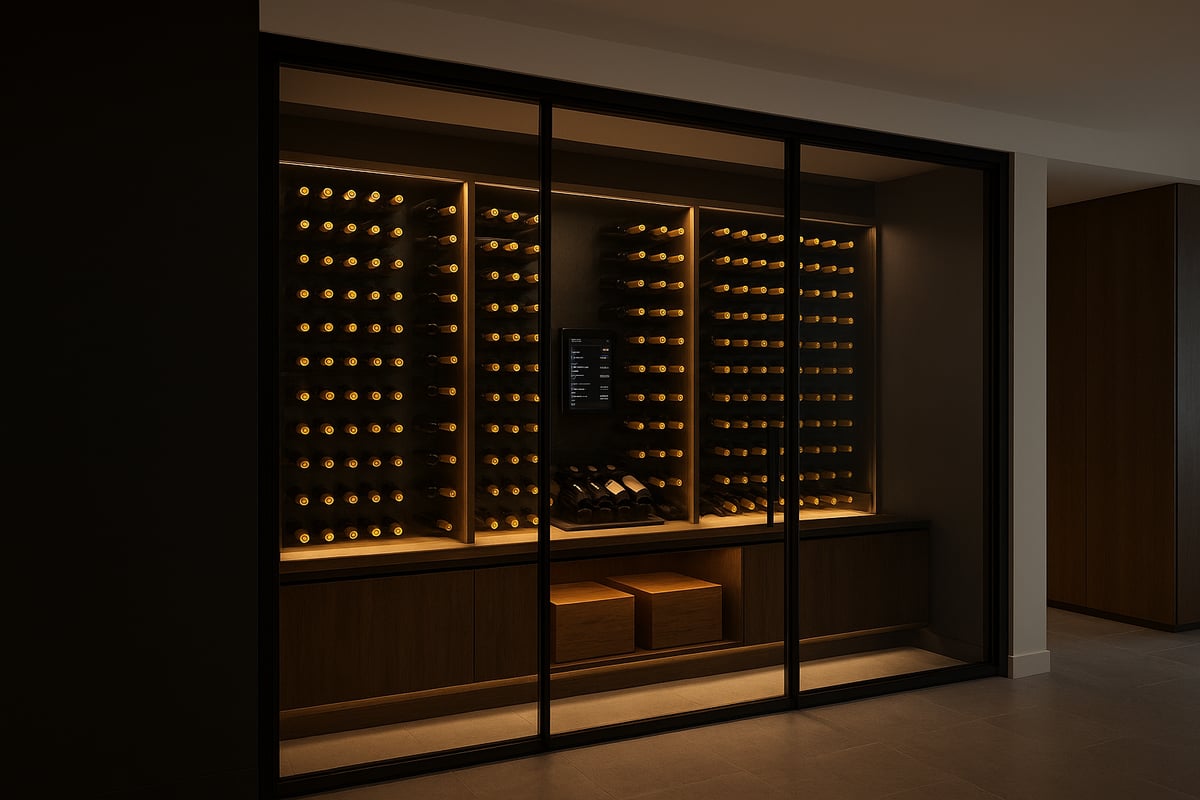
Industry reports reveal a remarkable 35% increase in home cellar installations between 2022 and 2025. Urban dwellers are opting for glass wine walls that double as showpieces, while suburban estates are dedicating entire rooms to wine storage. This shift positions home cellars as both a lifestyle upgrade and a statement of personal taste.
Design Trends Shaping 2026 Cellars
Design in home cellars is embracing both minimalism and sustainability for 2026. Homeowners are gravitating toward glass enclosures and open-concept displays, which create a sense of openness and sophistication. Eco-friendly materials, such as reclaimed wood and low-VOC finishes, are now favored for their environmental benefits and timeless appeal.
Smart lighting and digital inventory systems are becoming integral, allowing for both ambience and precise bottle management. For a deeper dive into the latest visual styles and racking solutions, explore the Wine Cellar Design Trends 2025, which highlights the growing influence of glass, minimalist racking, and smart technology in home wine cellars.
Technological Innovations in Cellar Construction
Technology is revolutionizing home cellars, making them more energy efficient and user-friendly. Modern climate control systems now offer precise temperature and humidity regulation, crucial for wine preservation. IoT sensors provide real-time alerts, helping homeowners monitor their collections from anywhere.
App-controlled environments give users the ability to adjust settings remotely, ensuring peace of mind. These innovations reduce energy consumption and help maintain ideal conditions, proving that home wine cellars are as smart as they are stylish.
Customization and Personalization
Personalization is at the heart of today’s home cellars. Bespoke racking accommodates everything from magnums to half bottles, ensuring every collection is showcased perfectly. Homeowners are incorporating artistic touches like statement lighting, custom cabinetry, and dedicated tasting niches.
One standout example is a client who designed a cellar as the centerpiece for social gatherings, blending functionality with visual drama. These custom approaches turn home wine cellars into true reflections of the owner’s personality and passion.
Investment Value and Home Resale
Beyond enjoyment, home cellars offer measurable financial benefits. Real estate data shows that a well-designed wine cellar can boost home value by up to 7% and attract a discerning pool of buyers. For luxury properties, home wine cellars are now seen as essential features, appealing to wine lovers and collectors alike.
This combination of lifestyle enhancement and investment potential ensures that home cellars remain a coveted addition to modern homes.
Planning Your Home Cellar: Step-by-Step Expert Approach
Transforming a vision of home cellars into a reality begins with smart planning. Whether you dream of a showpiece cellar or a cozy alcove for your favorite bottles, following a methodical approach ensures both beauty and function. Let’s break down the process into five essential steps that set the foundation for a cellar you’ll love for years to come.
Step 1: Assessing Your Space and Collection
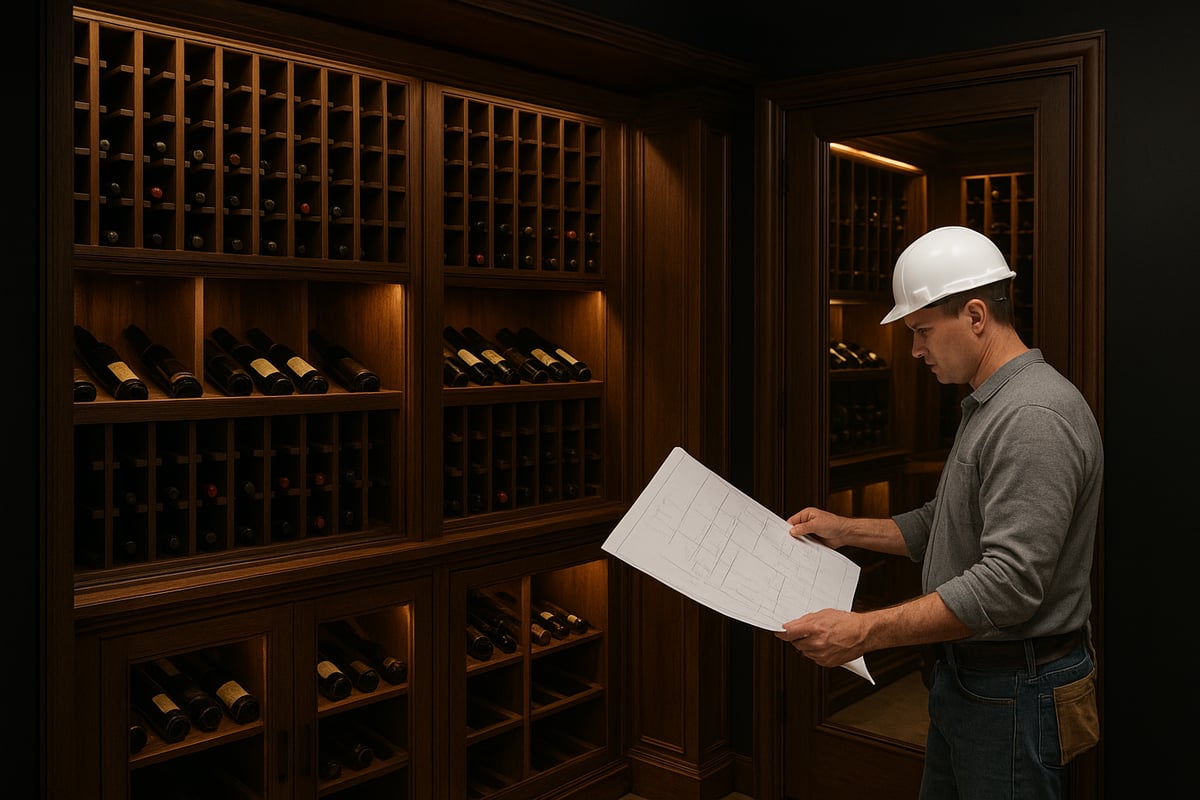
The first step in designing home cellars is evaluating your available space. Basements are classic choices due to their stable temperature and humidity, but don’t overlook under-stair nooks, spare rooms, or even closets. Each location presents unique opportunities and constraints.
Consider how many bottles you want to store now and in the future. Are you collecting for personal enjoyment, entertaining, or investment? Mapping out your collection size helps determine the right capacity and layout.
Accessibility matters, too. Placing your cellar near entertaining spaces makes it easy to share a bottle with guests. Think about how the cellar will fit into your daily life and home flow.
Step 2: Budgeting and Cost Considerations
Budgeting for home cellars is all about balancing dreams with practicality. Costs can range from $15,000 for a small, simple installation to over $100,000 for a luxury, fully customized space. Your budget will be shaped by size, material choices, climate control systems, and the complexity of your design.
Here’s a quick table summarizing common cost factors:
Factor | Impact on Cost |
|---|---|
Size & bottle count | Higher capacity, higher cost |
Materials | Premium woods or glass increase price |
Climate systems | Advanced technology adds expense |
Custom features | Bespoke racks, lighting, and décor raise costs |
Remember, investing in quality now can protect your wine’s value later. Align your budget with your collection’s worth and your long-term goals for home cellars.
Step 3: Choosing the Right Materials and Finishes
Material selection is crucial for both aesthetics and performance in home cellars. Wood racking offers warmth and tradition, while metal or acrylic provides a modern, minimalist look. Glass elements are trending for their sleek style and visibility.
When choosing finishes, prioritize insulation and vapor barriers to maintain a stable environment. Sustainable options like reclaimed wood or low-VOC finishes add eco-friendly appeal.
For more inspiration and practical advice on selecting materials and design elements, check out these Home Wine Cellar Design Tips.
Step 4: Engaging Professionals vs. DIY
Deciding between a DIY approach and hiring experts is a pivotal choice for home cellars. Professionals bring experience in design, engineering, and installation, ensuring your project meets both aesthetic and technical standards.
Ask potential contractors about their process, portfolio, and how they handle climate control or custom requests. DIY projects can be rewarding, but common pitfalls include poor insulation, inadequate cooling, and design errors that may compromise your wine.
If you value peace of mind and flawless execution, partnering with specialists is often the best route for complex or high-value home cellars.
Step 5: Legal and Safety Considerations
Before construction begins, review local building codes and permit requirements for home cellars. Regulations may cover electrical work, fire safety, and structural changes.
Ensure all wiring and climate systems are installed to code, and consider the insurance implications of storing a valuable wine collection at home. Protecting your investment means planning for both safety and compliance from the start.
Thoughtful attention to these details will help your home cellars project proceed smoothly and stand the test of time.
Climate Control & Preservation: The Science of Wine Storage
Creating the ideal environment for your wine is at the heart of luxury home cellars. Without precise climate control, even the finest bottles can lose their value and taste. Understanding the science behind wine storage ensures your collection matures gracefully and remains ready for any occasion.
Why Climate Control Matters
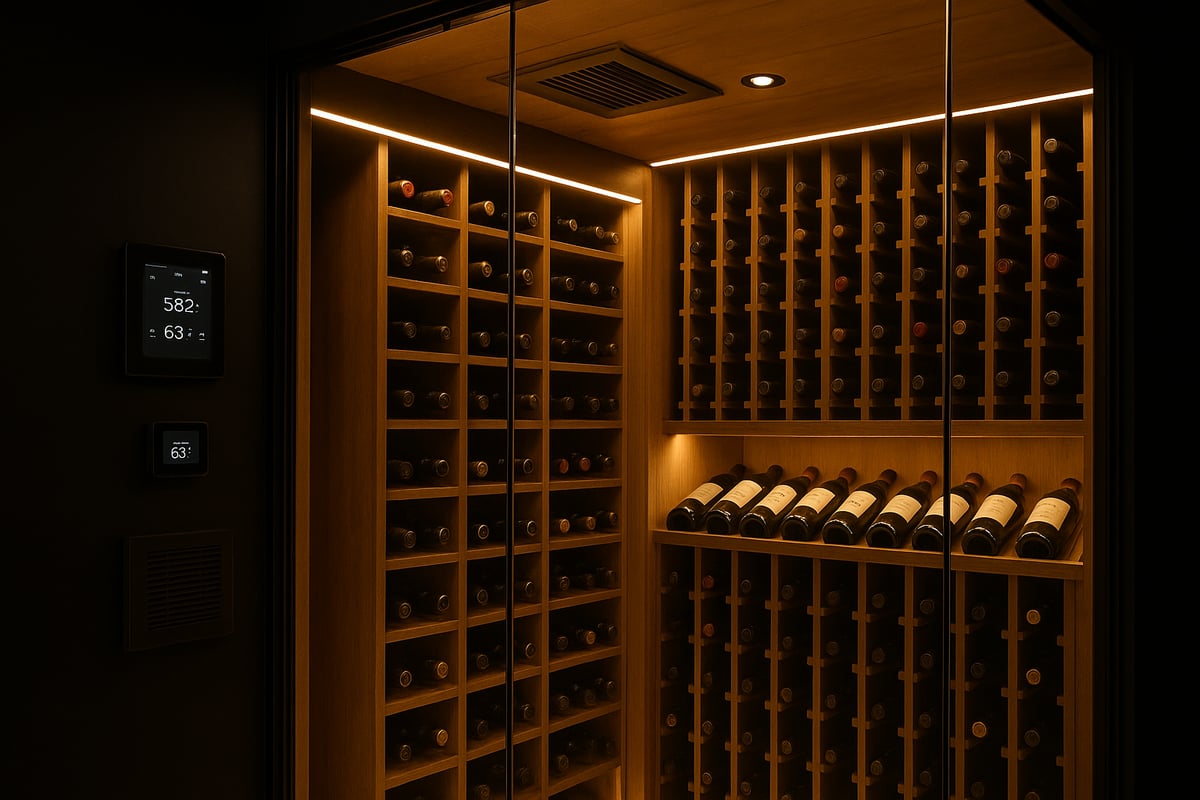
Temperature and humidity are the two pillars of proper wine preservation in home cellars. Fluctuations in these factors can cause wine to age unpredictably, spoil, or even leak. If your cellar is too warm, wine matures rapidly and loses its nuanced flavors. Too cold, and aging slows, sometimes freezing the wine.
Humidity is just as vital. Low humidity dries out corks, letting air in and damaging both wine and labels. High humidity can lead to mold and ruined packaging. The best home cellars maintain stable conditions, protecting your investment and elevating your wine experience.
Essential Climate Control Technologies (2026)
Modern home cellars benefit from advanced cooling and humidity systems. Choosing between ducted and ductless cooling depends on your space and design goals:
System | Pros | Cons |
|---|---|---|
Ducted | Quiet, hidden, even air distribution | Higher install cost |
Ductless | Flexible, easier to retrofit | May be visible |
Humidifiers and dehumidifiers keep levels in check, while new systems use inverter compressors and green refrigerants for efficiency. For a deeper dive into these options, see the Wine Cellar Climate Control Guide.
Smart Monitoring and Automation
Today’s luxury home cellars are smarter than ever. Wi-Fi sensors track temperature and humidity, sending instant alerts if anything strays from ideal. Many systems offer app-based controls, letting you adjust settings from anywhere.
Automated data logging keeps a record of your cellar’s environment. This helps you spot trends, troubleshoot issues, and ensure every bottle ages perfectly. Smart technology brings peace of mind to serious collectors and casual enthusiasts alike.
Best Practices for Long-Term Preservation
For optimal results, home cellars should follow these best practices:
Keep temperature steady at 55°F (13°C)
Maintain humidity between 60% and 70%
Store bottles horizontally to keep corks moist
Shield wine from light, vibration, and strong odors
Proper layout and racking also help. Organize your collection by type or vintage for easy access and ideal aging.
Troubleshooting Common Issues
Even the best home cellars can face challenges. Watch for these warning signs:
Temperature or humidity swings on your monitor
Mold spots or musty odors
Unusual condensation on glass or racking
Quick fixes may include changing filters or resetting your system. If problems persist, call a cellar professional to protect your investment. Routine checks keep your wine safe and your home cellars performing at their best.
Designing for Style & Function: Layouts, Lighting, and Display
Transforming home cellars into elegant, functional spaces is an art and a science. Every detail from floor plan to lighting impacts both bottle preservation and the visual experience. Let’s explore how top designers balance form and function to create truly exceptional home cellars.
Optimizing Cellar Layout and Flow
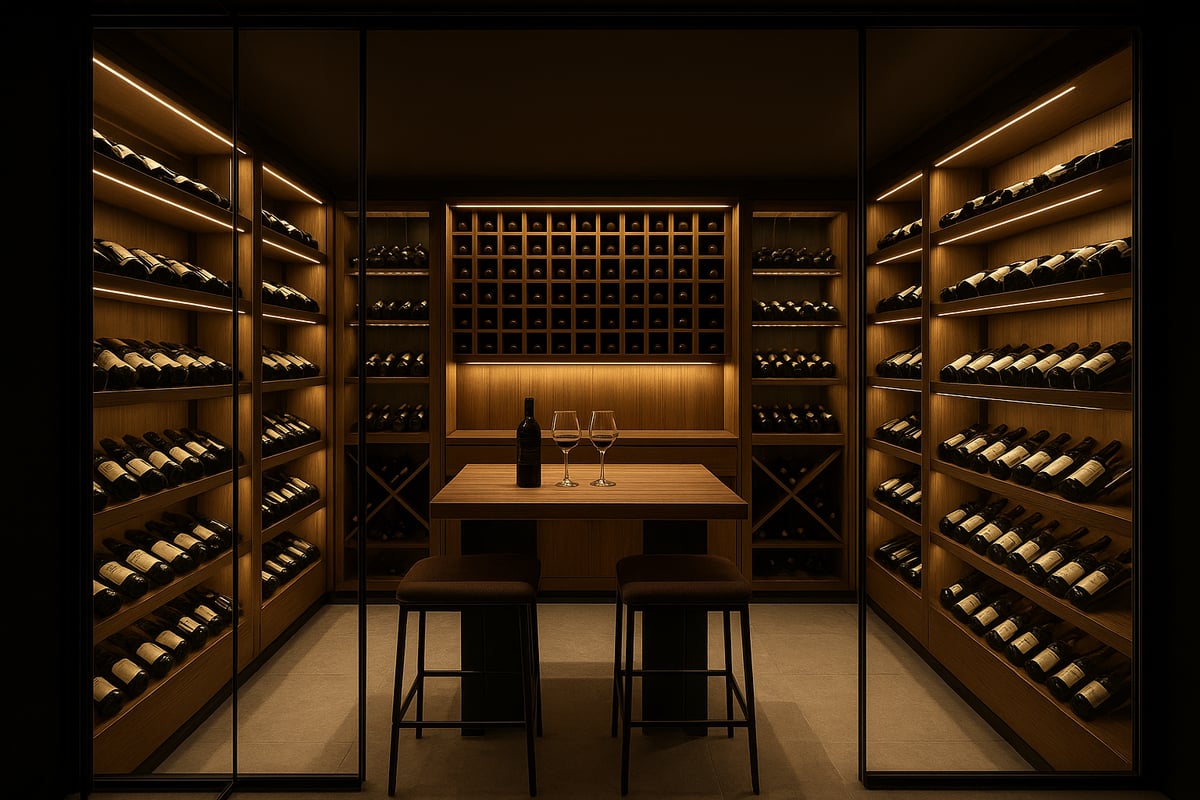
The layout of home cellars determines how easily you can navigate and enjoy your collection. Start by mapping out zones for reds, whites, and sparkling wines. Place high-traffic areas, like tasting tables or seating, near the entrance for easy access.
Maximize bottle capacity using vertical storage
Maintain at least 36 inches of walkway clearance
Position tasting areas to invite conversation
Thoughtful planning ensures home cellars feel open yet intimate, making wine selection a pleasure rather than a chore.
Racking Systems and Storage Solutions
Racking is the backbone of all home cellars, supporting both storage and display. Modular racks suit growing collections, while custom options cater to unique bottle sizes and aesthetics.
Racking Type | Pros | Cons |
|---|---|---|
Modular | Flexible, affordable | Less tailored look |
Custom | Perfect fit, elegant | Higher cost |
Metal | Sleek, space-saving | May lack warmth |
Wood | Classic, durable | Needs maintenance |
Consider label-forward racks for easy identification. Store magnums or odd-shaped bottles in diamond bins or open shelves to keep your home cellars organized and visually striking.
Lighting Design for Ambience and Protection
Lighting in home cellars must balance beauty and bottle safety. LED fixtures are popular for their low heat and energy use. Fiber optic lights add drama to displays without jeopardizing wine integrity.
Use dimmable LEDs for accent and task lighting
Avoid direct sunlight to prevent UV damage
Highlight feature bottles or architectural details
A well-lit cellar creates ambiance, enhances labels, and showcases your collection while protecting your investment.
Glass Walls and Modern Display Features
Modern home cellars often feature glass walls, turning collections into stunning focal points. Frameless glass enclosures provide a sleek, gallery-like feel, while thermal breaks and low-E coatings help control climate and prevent condensation.
Glass displays create visual impact in open-plan homes
Etched panels and backlighting add artistic flair
Carefully engineered frames ensure insulation
For more inspiration on incorporating glass into your design, explore these Modern Glass Wine Cellar Ideas for creative trends and technical tips.
Integrating Technology and Art
Today’s home cellars blend tech with artistry. Digital inventory screens help track bottles and vintages at a glance. Touchscreen panels can control lighting and climate, making management seamless.
Install digital displays for cellar stats and bottle lists
Add custom murals, wine-inspired art, or sculptural racks
Use motion sensors to activate lighting as you enter
Combining technology and design elevates home cellars into interactive, gallery-like spaces.
Accessibility and Aging in Place
Designing home cellars with accessibility in mind ensures they remain enjoyable for years. Use ergonomic racks at various heights for easy bottle retrieval. Wide walkways and non-slip flooring help all guests navigate safely.
Incorporate pull-out shelves for heavy cases
Choose lever-style handles over knobs
Plan seating areas for relaxed tastings
By following universal design principles, home cellars stay practical and welcoming, adapting to your lifestyle as it evolves.
Maintenance, Security & Smart Management for Home Cellars
Proper maintenance, robust security, and smart management are essential for safeguarding your investment in home cellars. Taking a proactive approach ensures your collection stays pristine, your space remains secure, and your experience is always seamless.
Routine Cellar Maintenance
Routine care is the foundation of preserving home cellars. Start with regular cleaning of racking, floors, and glass surfaces to prevent dust and mold buildup. Check for leaks and condensation weekly, as moisture can harm both wine and structure.
Schedule annual checkups for your climate control system, replacing filters and verifying temperature stability. Inspect for pests, especially in wood racking, and use odor-absorbing materials to keep your cellar fresh. For more ideas on maintaining and elevating your space, explore Home Wine Room Inspirations for creative solutions and real-world examples.
Security Solutions for Valuable Collections
Security is a top concern for luxury home cellars. Install keypad or biometric locks on entry doors for controlled access. Surveillance systems, such as discreet cameras, can monitor activity and provide peace of mind.
Inventory management is equally important. Use digital or manual logs to track bottles and spot discrepancies. Insurance coverage tailored to the value of your collection adds another layer of protection. These measures help ensure your prized wines remain safe and accounted for at all times.
Smart Home Integration
Modern home cellars benefit from seamless smart home integration. Connect your climate control and lighting systems to your home automation platform for effortless management. Features like remote access, real-time alerts, and voice controls make it easy to monitor conditions and respond quickly to any changes.
A case in point: One homeowner set up automated notifications for temperature fluctuations, ensuring their collection stayed protected even while traveling. Smart tech transforms home cellars into responsive, user-friendly spaces.
Managing and Growing Your Collection
Effective management is key to maximizing the enjoyment and value of home cellars. Digital apps can organize your inventory, track bottle locations, and provide valuation insights. Rotate bottles periodically to ensure you enjoy wines at their peak.
When expanding your collection, plan for future storage needs and consider integrating new racking or display solutions. Regularly review your holdings to identify wines ready to drink, sell, or gift. This proactive approach keeps home cellars dynamic and tailored to evolving tastes.
Professional Support and Service Contracts
Partnering with professionals guarantees home cellars stay in peak condition. Scheduled maintenance plans cover everything from climate system servicing to deep cleaning and pest inspections. Having experts on call means small issues are resolved before they become costly problems.
When considering repairs or upgrades, consult cellar specialists for tailored advice and quality workmanship. Reliable service providers can be found through industry associations or referrals from fellow collectors. Investing in professional support ensures your home cellars are always ready to showcase and protect your wines.
Inspiring Home Cellar Case Studies & Design Ideas
Step into the world of home cellars, where design meets passion and every detail is a reflection of the collector’s taste. These real-life case studies and creative ideas showcase the diverse ways homeowners are elevating their wine experience.
Urban Elegance: Glass Wine Walls in City Lofts
Urban living does not mean sacrificing your love for home cellars. In downtown lofts, glass wine walls are transforming compact spaces into showstopping displays. Imagine a sleek, temperature-controlled glass enclosure that doubles as a statement piece between your kitchen and living area.
A recent project in Dallas turned a narrow hallway into a vertical wine gallery, using label-forward racking and smart LED lighting. This approach makes the most of limited square footage while keeping the collection easily accessible.
For those seeking inspiration, Top Wine Cellar Design Trends 2025 highlights how glass and modern finishes are redefining urban home cellars.
Classic Luxury: Traditional Cellars in Estate Homes
For homeowners who appreciate timeless elegance, classic home cellars remain the gold standard. Think handcrafted mahogany racks, stone accents, and a cozy tasting room tucked away beneath grand staircases. These cellars are often the heart of estate homes, blending tradition with today’s climate technology.
One Texas family created a cellar with arched ceilings and custom mosaic tile, offering both storage and ambiance for private gatherings. The investment in such spaces often pays off, as luxury buyers value these features when considering a property.
Careful planning and attention to material quality are essential for creating enduring home cellars that stand the test of time.
Modern Minimalism: Contemporary Cellar Concepts
Minimalist design is gaining ground in the world of home cellars, especially among those who value clean lines and uncluttered aesthetics. Frameless glass enclosures, monochrome color palettes, and streamlined shelving create a sense of calm sophistication.
A Houston couple recently installed a wall-mounted system with hidden supports and subtle backlighting, allowing their collection to float visually in the room. The focus is on the wine itself, with tech integrations like digital inventory screens blending seamlessly into the design.
Modern minimalism in home cellars proves that less truly can be more, offering a refined way to showcase your passion.
Entertainer’s Dream: Cellars Designed for Social Spaces
For those who love to host, home cellars can become the ultimate entertaining zone. Integrating wine storage with dining rooms, kitchens, or even outdoor living areas creates a seamless flow for guests.
One standout example features a glass-enclosed cellar adjacent to a marble-topped tasting bar, complete with lounge seating and curated art. Flexible lighting and modular racking make it easy to adapt the space for different occasions.
Designing home cellars for entertaining ensures your collection is always at the center of the action, making every gathering memorable.
Eco-Friendly and Sustainable Cellars
Sustainability is shaping the future of home cellars. Homeowners are choosing reclaimed wood, low-VOC finishes, and energy-efficient climate systems to reduce their environmental footprint.
A recent project in Austin achieved net-zero energy use by combining advanced insulation with solar-powered cooling. Recycled materials and smart controls ensure both form and function align with eco-conscious values.
Building eco-friendly home cellars not only benefits the planet but also adds a unique story to your wine sanctuary.
Collector’s Showcase: Custom Features for Serious Enthusiasts
Serious collectors know that home cellars are more than storage—they are galleries for prized bottles and rare finds. Custom features like rotating racks, display pedestals, and digital inventory panels offer both security and style.
One enthusiast integrated a climate-controlled display niche for magnums and investment-grade vintages, complete with biometric access. Artistic touches, such as sculptural metalwork, turn the cellar into a conversation piece.
Bespoke design ensures home cellars reflect the personality and priorities of their owners, making every visit a curated experience.
Lessons Learned: Expert Tips from Real Homeowners
No two home cellars are alike, but every project offers valuable lessons. Homeowners often cite the importance of planning for future growth, investing in reliable climate control, and working with experienced professionals.
Common pitfalls include underestimating storage needs and neglecting lighting or security. Many would advise first-timers to focus on flexibility, allowing the cellar to evolve with their collection over time.
Let these insights inspire you to create a home cellar that truly fits your lifestyle and vision.
As you explore the latest trends and expert advice in this 2026 Home Cellars Guide, you’ll see how transforming your wine storage isn’t just about preserving bottles—it’s about creating a refined, personal retreat that elevates your entire home. Whether you’re dreaming of a sleek glass wine wall or a classic cellar, every detail shapes your collection’s story and value. Ready to turn inspiration into a bespoke cellar tailored to your vision Let’s take the next step together—discover how our expertise can bring your project to life. Contact Us
Your Dream Wine Cellar Starts Here
Let our design team craft a cellar that matches your taste, space, and your collection — built for beauty, function, and prestige.

Email us at
Serving Austin, Dallas–Fort Worth, Houston & San Antonio