
Glass Wall Wine Cellars: 2026 Design Trends
Discover the ultimate 2026 glass wall wine cellar guide Explore trends design tips installation and climate control for an elegant and functional showcase
The allure of the glass wall wine cellar is transforming homes and hospitality spaces into showcases of taste and sophistication. As a standout trend for 2026, these striking installations blend modern design with timeless luxury.
This guide empowers homeowners, designers, and hospitality professionals to craft a glass wall wine cellar that is both visually stunning and highly functional. We break down every step, from design inspiration to construction, climate control, and maintenance.
Discover the benefits, explore essential design considerations, and follow our step-by-step process. Learn how to preserve your collection and keep your display pristine. Ready to elevate your space? Let’s begin your journey to the ultimate glass wall wine cellar.
The Rise of Glass Wall Wine Cellars: Trends and Benefits
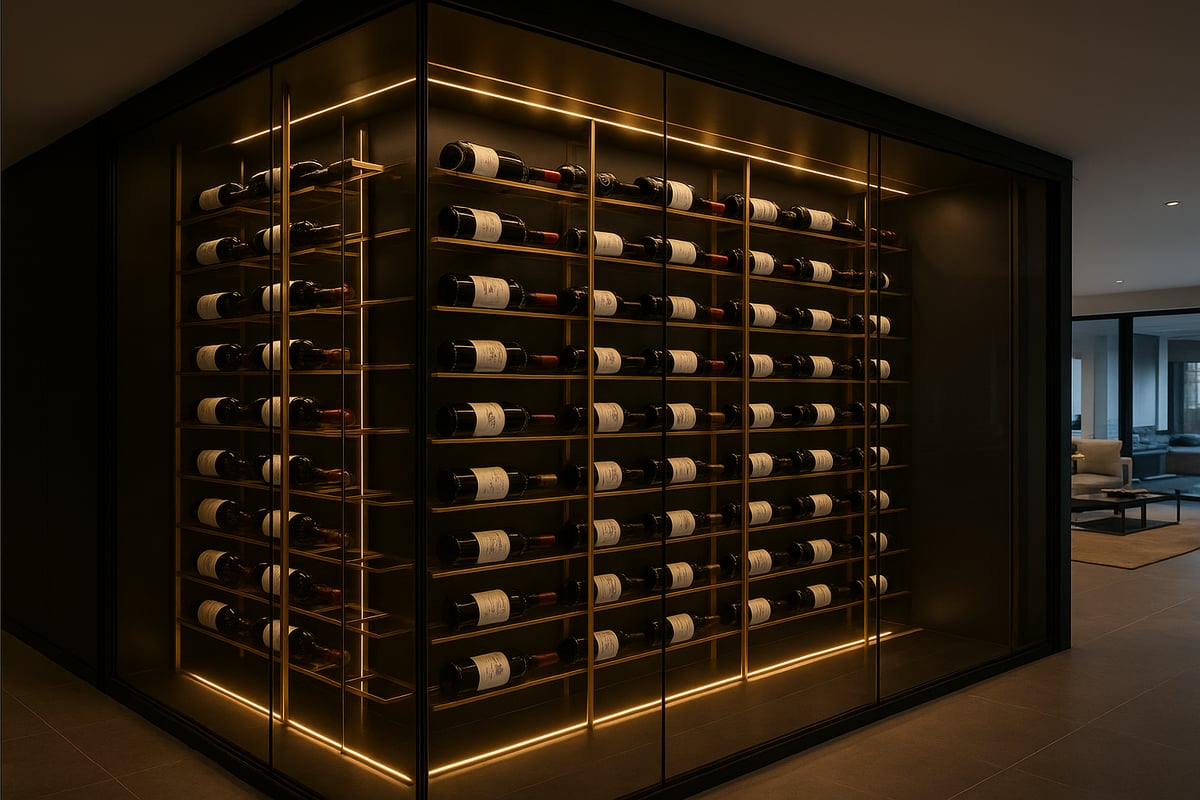
The allure of the glass wall wine cellar is impossible to ignore. In 2026, this feature has become a signature of luxury living, transforming both private homes and elite hospitality spaces. With their sleek lines and transparent walls, these cellars turn wine collections into living art, all while blending seamlessly with modern interiors.
The Surge in Popularity
Luxury homeowners, restaurateurs, and hoteliers are increasingly choosing the glass wall wine cellar as a focal point. According to 2024 industry reports, installations of glass wine cellars in the US have risen by 30 percent in the past year. This surge is fueled by a desire for open-concept living, where walls disappear and spaces flow together. Showcasing a curated wine collection has also become a status symbol, signaling connoisseurship and refined taste.
Key Trend Drivers
What makes the glass wall wine cellar so desirable? First, it aligns with the modern shift toward transparency and spatial connectivity. Glass walls invite natural light, making rooms feel larger and more inviting. Second, wine collecting is no longer just about storage, it is about storytelling. Displaying bottles in a glass wall wine cellar allows owners to share their journey, their favorite regions, and rare vintages with guests.
Interior designers note that these cellars help define spaces without closing them off, creating visual interest from every angle. The glass wall wine cellar also integrates effortlessly with smart home systems, offering climate control, security, and lighting at the touch of a button.
Benefits of Glass Wall Wine Cellars
The advantages of a glass wall wine cellar extend far beyond aesthetics. Here are the top benefits:
Benefit | Description |
|---|---|
Visual Showcase | Turns your collection into a striking centerpiece |
Space Efficiency | Fits into tight spaces, under stairs, or room dividers |
Property Value | Increases home or venue value and appeal |
Easy Accessibility | Grab, admire, or reorganize bottles with ease |
With a glass wall wine cellar, even small spaces can host a world-class collection. Strategic lighting and thoughtful racking make every bottle stand out, adding both luxury and function to any environment.
Comparison with Traditional Wine Cellars
How does a glass wall wine cellar stack up against classic designs? Let us take a quick look:
Feature | Glass Wall Wine Cellar | Traditional Wine Cellar |
|---|---|---|
Visual Impact | High, modern, artistic | Subtle, classic, hidden |
Space Requirement | Minimal to moderate | Often requires dedicated room |
Accessibility | Easy, visible selection | Tucked away, less visible |
Maintenance | Needs glass cleaning, less dust | Stable, but may need more climate control |
While traditional cellars offer old-world charm, the glass wall wine cellar excels in making wine part of the living space. Maintenance is also more straightforward, with less risk of dust and easier monitoring.
Inspirations and Notable Examples
Some of the most stunning examples of glass wall wine cellars can be found in high-end hotels, Michelin-starred restaurants, and custom homes. Imagine a backlit glass wall behind a chef’s table or a vertical wine display in a penthouse dining room. Designers praise these installations for their ability to visually expand rooms and highlight prized bottles.
Curious to explore more? Dive into Modern glass wine cellar ideas for inspiration and real-world examples that showcase just how transformative this trend can be.
Essential Design Considerations for Glass Wall Wine Cellars
Designing a glass wall wine cellar is all about blending form and function. With the right approach, you can create a showpiece that elevates any space, whether in a home or a hospitality venue. Let’s break down the essential factors that ensure your glass wall wine cellar stands out for both beauty and performance.
Space Planning and Location
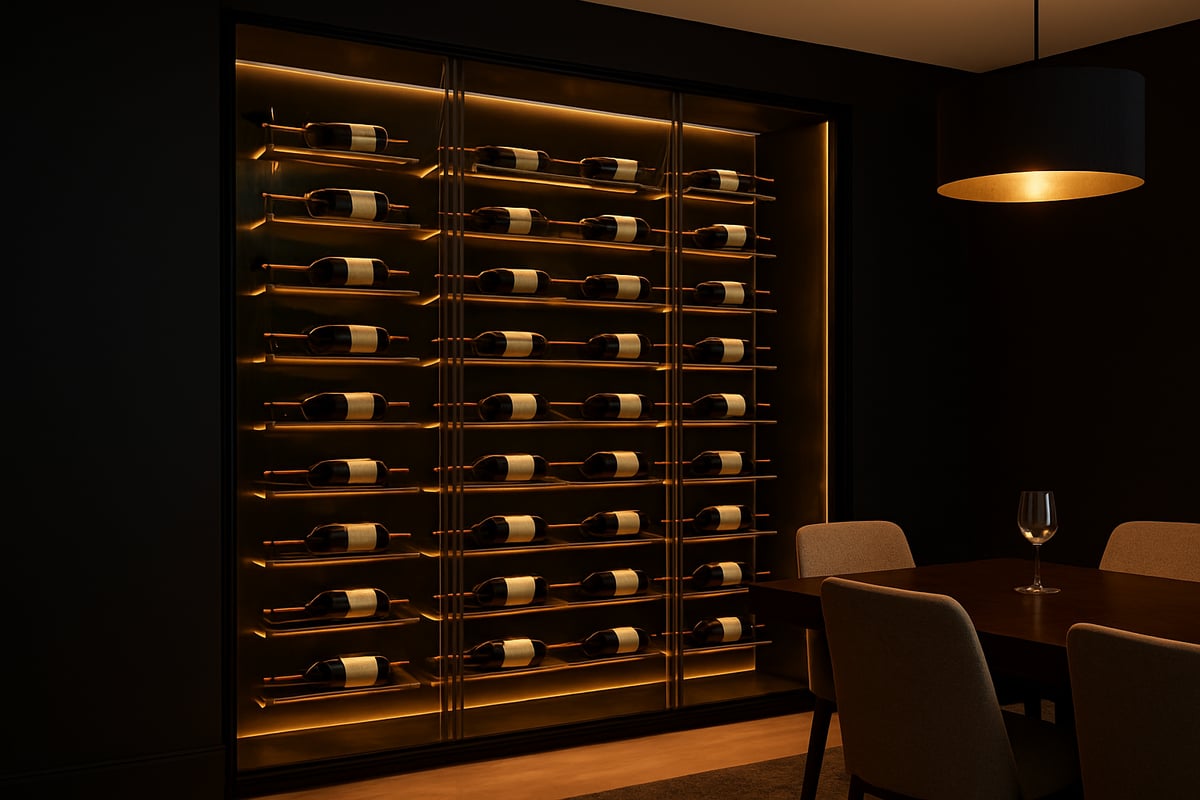
The first step in designing a glass wall wine cellar is choosing the perfect location. Visibility and accessibility are key, as you want your collection on display and within easy reach. Consider spaces like dining rooms, entryways, or under staircases for maximum impact.
Environmental factors play a crucial role. Avoid direct sunlight and areas with large temperature swings. In commercial settings, glass wall wine cellars often become the centerpiece of a restaurant or lounge, drawing the eye and inviting conversation.
Maximizing small spaces is possible with vertical glass installations. For example, a tall, narrow wine wall can transform an unused hallway into a sophisticated showcase. Proper space planning ensures your glass wall wine cellar enhances both function and style.
Glass Types, Framing, and Insulation
Selecting the right glass is essential for both safety and preservation. Tempered glass is a popular choice for its strength and resilience, while laminated glass adds an extra layer of security. UV-resistant coatings protect your wine from harmful light, preserving delicate flavors.
Thickness matters too. Most glass wall wine cellars use panels ranging from ½ to 1 inch, balancing durability and clarity. Framing options include frameless for a sleek look, minimal metal frames for subtle definition, or bold metal accents for an industrial vibe.
Insulation is non-negotiable. Double-paned insulated glass, especially in warmer climates like Texas, helps maintain consistent temperature and humidity. Vapor barriers prevent condensation, keeping your glass wall wine cellar crystal clear and efficient.
Lighting and Display Options
Lighting transforms a glass wall wine cellar from simple storage into a work of art. Integrated LED lighting not only highlights your bottles but also sets the mood. Choose warm or cool tones depending on your interior style.
Display racks come in many styles. Floating racks create a sense of weightlessness, wall-mounted racks save space, and floor-to-ceiling systems offer dramatic vertical displays. Label-forward designs make it easy to admire and select your favorite vintages.
Backlit glass walls are a favorite in luxury restaurants, casting a golden glow that spotlights rare bottles. Creative lighting and thoughtful display options turn your glass wall wine cellar into a true conversation starter.
Security and Access
A glass wall wine cellar deserves robust protection. Modern locking mechanisms, from discreet keyed locks to digital keypad systems, keep your collection safe. In commercial settings, access control is a must to maintain inventory security.
Smart access systems integrate seamlessly with home automation, letting you monitor and control entry remotely. This added layer of convenience ensures your glass wall wine cellar is both secure and user-friendly.
Budget and Customization
Budgeting for a glass wall wine cellar involves several key factors. Size, glass quality, hardware, and custom features all impact the final cost. Customization options include etched glass, tinted finishes, and even personalized branding for a truly bespoke touch.
Costs range widely, from $800 to $2,500 per linear foot in 2024, depending on your design choices. Working with specialists who offer custom wine cellar design services can help you clarify your vision and budget, ensuring every detail is tailored to your needs.
Whether you opt for subtle elegance or a bold architectural statement, customization allows your glass wall wine cellar to reflect your unique style. Invest in quality materials and expert craftsmanship to enjoy a cellar that stands the test of time.
Step-by-Step Guide: Designing and Building a Glass Wall Wine Cellar
Embarking on a glass wall wine cellar project is an exciting journey. This section walks you through every crucial step, from your first idea to the final unveiling. Whether you’re a homeowner, designer, or hospitality pro, these steps ensure your vision becomes a showstopping, functional centerpiece.
Step 1: Initial Consultation and Vision
Every stunning glass wall wine cellar starts with a clear vision. Begin by defining your goals—do you want to showcase a rare collection, add value to your property, or create a dramatic dining experience?
Consider your style preferences. Are you drawn to minimalism, industrial chic, or classic elegance? Assess the approximate size of your wine collection and future growth plans. This early clarity helps you communicate effectively with architects, designers, and contractors.
Consulting seasoned professionals at this stage is invaluable. They will evaluate feasibility, provide creative solutions, and ensure your glass wall wine cellar aligns with your lifestyle and space.
Step 2: Conceptual Design and 3D Visualization
With your vision in place, the next step is translating ideas into tangible plans. Professionals create floor plans and digital renderings to visualize your future glass wall wine cellar. These 3D models allow you to see how the cellar integrates with your home or venue.
You can experiment with layout, lighting effects, and racking options. Adjustments are made to fit architectural constraints and optimize flow. This process ensures your glass wall wine cellar is both beautiful and functional, while giving you confidence before construction begins.
Step 3: Engineering and Material Selection
Engineering is at the core of every reliable glass wall wine cellar. Structural requirements must support the weight of glass panels and wine racks. Choosing the right glass type—tempered or laminated with UV protection—is essential for safety and preservation.
Material selection extends to racking systems, hardware, and climate control units. Architects and contractors coordinate to ensure seamless integration with your building’s design. Attention to detail at this stage guarantees your glass wall wine cellar will stand the test of time.
Step 4: Climate Control Planning
Climate control is vital for preserving wine quality in a glass wall wine cellar. Assess environmental factors like heat from sunlight, insulation, and overall room conditions. Select a cooling system that matches your cellar’s specific needs—ducted or ductless split systems are popular options.
Proper planning prevents issues like condensation and uneven temperatures. For expert insights on what to avoid and how to optimize climate management, see Cooling Glass Wine Cellars: 5 Design Mistakes to Avoid with Panthaire APEX.
Take time to review system placement and ensure accessibility for maintenance. Smart controls and sensors can provide extra peace of mind.
Step 5: Construction and Installation
With plans finalized, construction of your glass wall wine cellar begins. The site is prepared for safe delivery and handling of large glass panels. Each step—framing, sealing, and hardware installation—requires precise craftsmanship.
Airtight seals and accurate alignments are crucial for energy efficiency and aesthetics. Safety protocols protect both workers and delicate materials. Regular inspections during installation help catch issues early, ensuring your glass wall wine cellar meets the highest standards.
Step 6: Finishing Touches and Commissioning
The finishing phase is where your glass wall wine cellar truly comes to life. Final inspections confirm all components are installed correctly and functioning. Integrated lighting is calibrated to highlight your bottles and create ambiance.
Organize your wine collection with care, using racks that match your display preferences. Test climate controls and smart features to guarantee everything operates smoothly. This attention to detail ensures your glass wall wine cellar is ready to impress and preserve your investment.
Working with a Professional: Prestige Wine Cellars
Partnering with a specialist like Prestige Wine Cellars elevates your glass wall wine cellar experience. Their team guides you from concept to completion, offering tailored solutions and technical expertise.
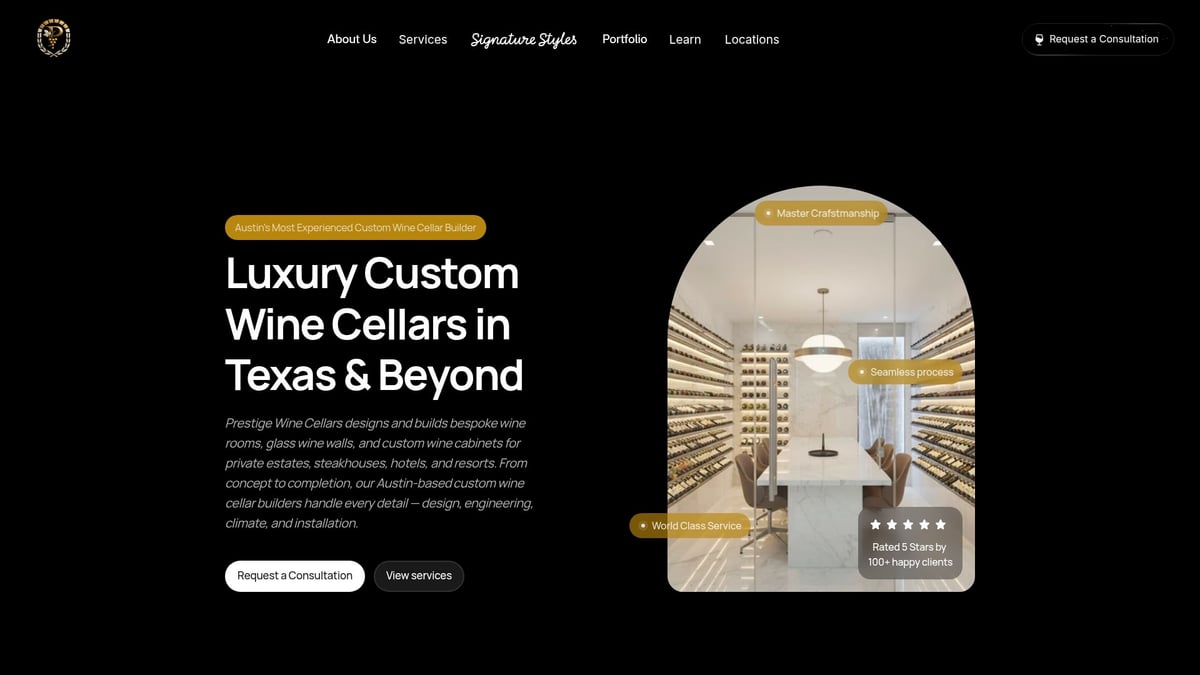
Prestige Wine Cellars manages every detail, from design to installation and ongoing maintenance. Their project portfolio showcases a range of custom glass wall wine cellar installations in homes and hospitality venues. Initiating a consultation is simple—expect a collaborative process that brings your vision to life with elegance and precision.
Climate Control and Preservation in Glass Wall Wine Cellars
A glass wall wine cellar is as much a showpiece as it is a sanctuary for your prized vintages. But with all that visual drama comes the responsibility of creating the perfect environment for preservation. Climate control is not just a luxury in these spaces—it is a necessity if you want your collection to age gracefully and maintain its value.
Why Climate Control Is Essential
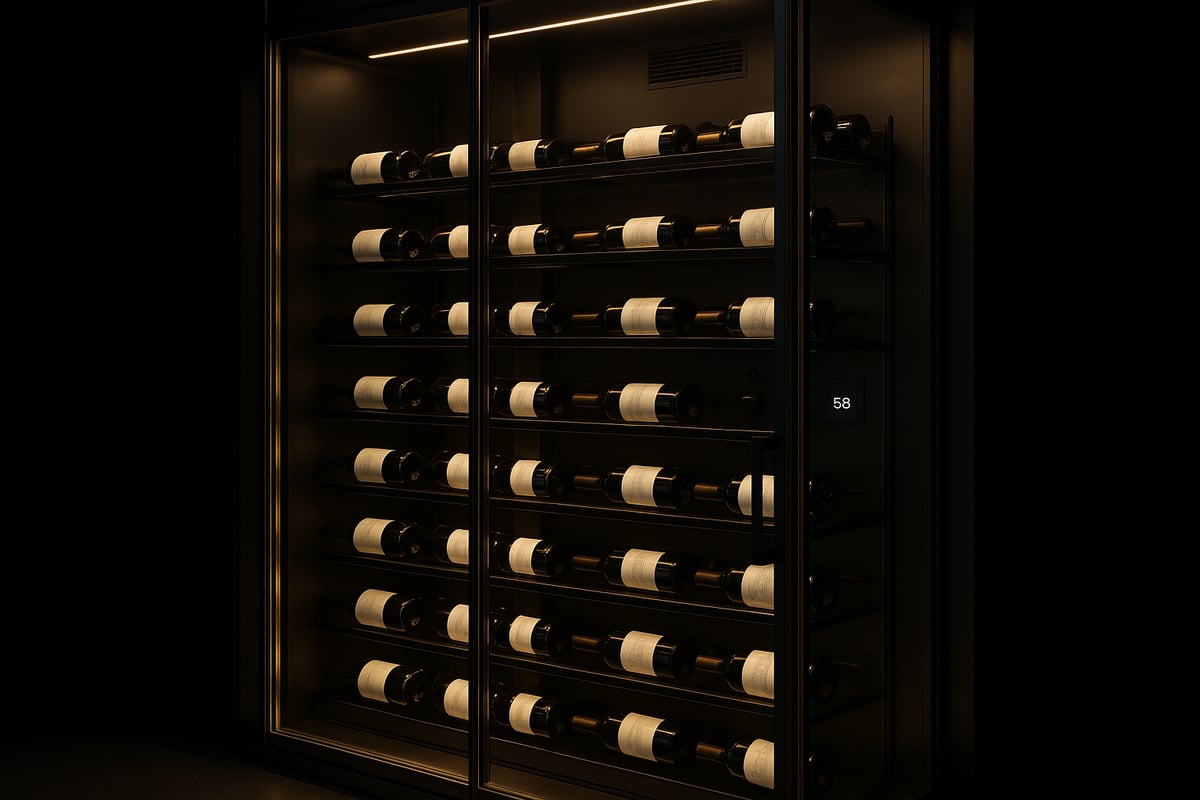
Wine is delicate, and even small fluctuations in temperature or humidity can spoil its flavor, aroma, and structure. In a glass wall wine cellar, maintaining stability can be more challenging than in traditional cellars. This is due to increased exposure to light, heat gain from nearby rooms, and less thermal insulation from glass surfaces.
Industry standards recommend keeping your glass wall wine cellar at 55°F and 60-70% humidity. These conditions slow aging and prevent corks from drying out, which is key for long-term quality.
Unique Challenges of Glass Enclosures
Glass brings beauty but also unique preservation challenges:
Heat Gain: Sunlight and ambient light can quickly warm the space, risking wine spoilage.
UV Exposure: UV rays can degrade wine, even through standard glass.
Condensation: Humid air meeting cool glass can lead to fogging and water damage.
Air Tightness: Without proper seals, climate systems work harder and may not maintain steady conditions.
To address these, modern glass wall wine cellar designs use double- or triple-paned glass, UV coatings, and robust insulation methods.
Types of Climate Control Systems
Choosing the right system depends on your glass wall wine cellar’s size, location, and design. Here is a quick comparison:
System Type | Best For | Pros | Cons |
|---|---|---|---|
Self-contained | Small cellars | Easy install, compact | Louder, less efficient |
Split | Medium/Large cellars | Quiet, flexible placement | More complex install |
Ducted | Large/custom builds | Invisible, even cooling | Higher cost, needs space |
Ductless | Retrofits, tight spaces | Simple, cost-effective | Visible units |
Integration is key. A glass wall wine cellar often requires climate systems that can be hidden or seamlessly blended with racking and architectural features.
Smart Monitoring and Integration
Today’s luxury collectors demand more than just cooling. Smart sensors and app-based controls let you monitor temperature and humidity from anywhere. Remote alarms can alert you to any deviation, giving peace of mind that your collection is always protected.
Many homeowners and designers are turning to resources like Wine cellar climate control tips for guidance on system selection and maintenance.
Real-World Example: Texas Glass Wall Wine Cellar
Consider a recent glass wall wine cellar installation in Texas. Facing intense summer heat and humidity, the design team used insulated, UV-resistant glass and a ducted split system for precise control. Integrated humidity sensors and remote monitoring ensured conditions remained steady, even during power outages. The result: a beautiful, functional showcase that protects valuable bottles year-round.
Data and Recommendations
Here is a quick reference for optimal conditions:
Parameter | Recommended Range |
|---|---|
Temperature | 55°F (13°C) |
Humidity | 60-70% |
Maintaining these levels in a glass wall wine cellar can prevent issues like fogging, mold, and cork deterioration. For a deeper dive into why these numbers matter, see Wine Cellar Climate Control: Why It Matters and How to Ensure It.
Preventing Common Issues
To keep your glass wall wine cellar at its best:
Regularly check seals and insulation.
Use UV-protected glass and low-heat LED lighting.
Schedule annual climate system maintenance.
Monitor conditions with reliable sensors.
By prioritizing climate control and preservation, your glass wall wine cellar will not only look stunning but also safeguard your collection for years to come.
Maintenance, Cleaning, and Long-Term Care
A glass wall wine cellar is a showpiece, so keeping it pristine is essential for both aesthetics and function. Regular upkeep not only protects your wine investment but also ensures your cellar remains a luxurious highlight in your home or business.
Routine Cleaning Best Practices
Frequent cleaning is vital for a glass wall wine cellar. Use a soft microfiber cloth and a non-ammonia glass cleaner to prevent streaks and scratches on glass panels. For racks and hardware, dust regularly and wipe with a damp cloth. Stainless steel or metal finishes benefit from specialty cleaners designed for their surfaces.
Recommended Products and Techniques
Choose cleaners specifically formulated for glass and metal to avoid damage. Here’s a quick comparison:
Surface | Cleaner Type | Technique |
|---|---|---|
Glass panels | Non-ammonia glass cleaner | Microfiber cloth, circular |
Metal racks | Stainless steel polish | Soft cloth, with grain |
Wood accents | pH-neutral wood cleaner | Light damp cloth, dry after |
Never use abrasive pads. Always dry surfaces thoroughly to prevent water spots.
Climate System Maintenance
A glass wall wine cellar relies on precise temperature and humidity. Replace climate system filters every three to six months. Schedule annual inspections to check refrigerant levels and system calibration. Address unusual noises or fluctuations promptly to avoid wine spoilage.
Managing Condensation and Preserving Labels
Condensation can cloud your cellar’s beauty and harm labels. Ensure seals around glass panels are tight and intact. Use desiccant packs or dehumidifiers if humidity spikes. To protect wine labels, store bottles label-forward and minimize direct light exposure.
Professional Maintenance Services
For peace of mind, consider scheduling quarterly deep cleans, especially in hospitality venues where presentation is critical. Many owners use Wine cellar maintenance solutions to handle technical upkeep, deep cleaning, and preventative care for their glass wall wine cellar.
Long-Term Investment Protection
Protect your glass wall wine cellar by reviewing warranty coverage for glass, hardware, and climate systems. Keep records of all maintenance and repairs. Regular care not only preserves your collection but also enhances the long-term value and appeal of your space.
Maintaining a glass wall wine cellar is a commitment to luxury and preservation. With routine attention and expert support, your cellar will continue to be a sparkling centerpiece for years to come.
As you dream up your perfect glass wall wine cellar—whether for your home, restaurant, or next luxury project—you deserve guidance from experts who blend craftsmanship with innovation. At Prestige Wine Cellars, we’re passionate about transforming visions into elegant, functional spaces that elevate every collection. If you’re ready to start planning, want advice on design possibilities, or have questions about climate control and installation, let’s connect and make your ideas a reality. Your journey to a showstopping cellar begins with a simple conversation—reach out and Contact Us today.
Your Dream Wine Cellar Starts Here
Let our design team craft a cellar that matches your taste, space, and your collection — built for beauty, function, and prestige.

Email us at
Serving Austin, Dallas–Fort Worth, Houston & San Antonio