
Wine Cellar Design Guide: 2026 Build Tips | Prestige
Discover how to create the perfect cellar for wine in 2026 with expert tips on design, climate control, and smart technology for lasting elegance and value.
Imagine savoring your favorite vintage in a cellar for wine, custom-built to preserve every nuance and character your collection holds. The journey to the perfect cellar for wine is both an art and a science, blending passion with precision.
In this expert guide, you’ll uncover the essential steps and latest innovations for designing a cellar for wine in 2026. We’ll explore everything from choosing the right location and mastering climate control to selecting elegant racking, lighting, and integrating smart technology.
Whether you’re a seasoned collector or just starting out, let this guide inspire you to create a personalized sanctuary that protects your investment and elevates your enjoyment. Let’s begin the journey to your flawless wine retreat.
Understanding the Fundamentals of Wine Cellaring
Building the perfect cellar for wine starts with understanding why storage matters, what environmental factors influence preservation, and how to plan for a growing collection. Let’s explore the essentials every collector should know.
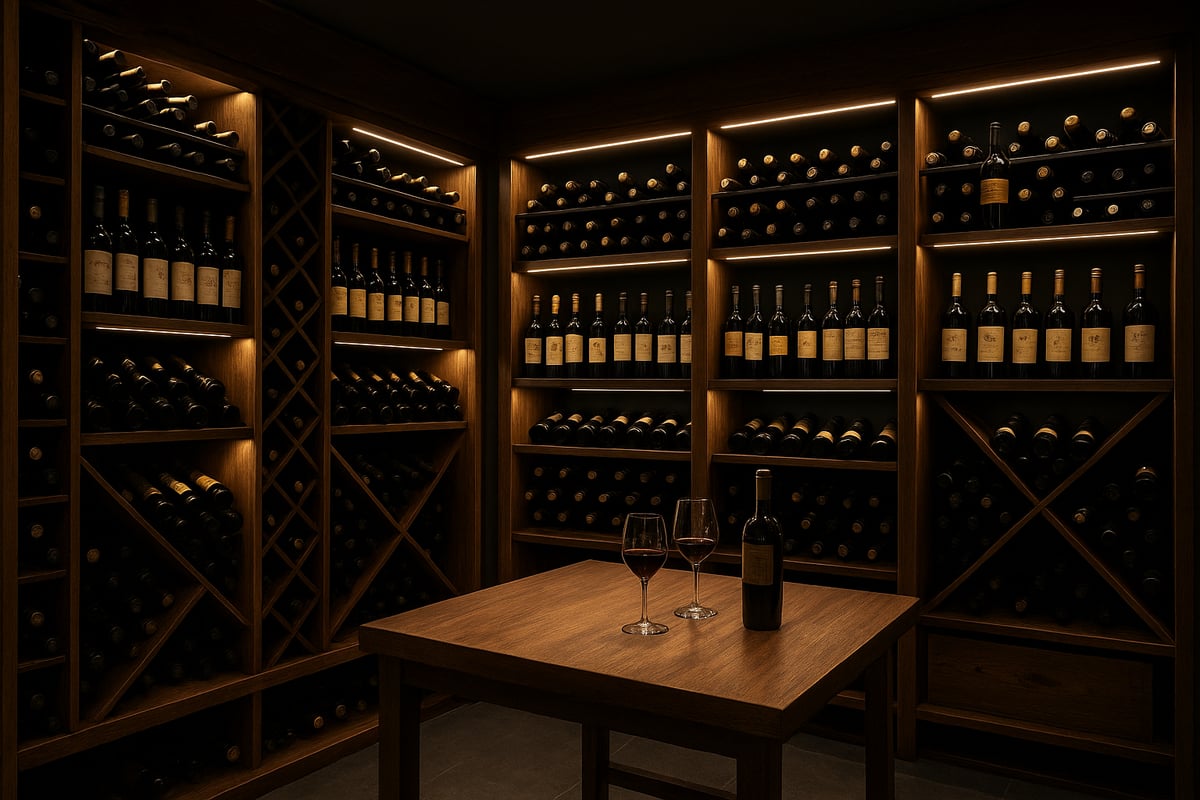
Why Proper Wine Storage Matters
Wine is a living product, constantly evolving in the bottle. A well-designed cellar for wine ensures each bottle matures gracefully, preserving both flavor and value. Temperature swings, humidity shifts, and light exposure are the main threats to your investment.
Collectors who neglect storage risk significant financial loss if wines spoil or age too quickly. For example, a Bordeaux held at 55°F develops complexity, while one kept at 70°F loses its character. According to industry research, around 70% of wine faults are caused by poor storage conditions. Proper storage is not just about protection—it’s an act of passion. For a deeper dive into the science behind wine storage, see Storage of Wine.
Key Environmental Factors for Wine Preservation
A cellar for wine must maintain a steady environment to safeguard your collection. The ideal temperature is 55°F (13°C) with minimal fluctuation, while humidity should stay between 60% and 70% to keep corks moist.
Light, especially UV rays, can degrade wine, so darkness is best. Vibration disturbs sediment and accelerates aging, so cellars should be free from constant movement. Air quality is crucial, too, since odors can seep through corks and spoil wine. Underground cellars naturally offer these stable conditions, but modern technology allows you to recreate them anywhere. Professional cellars almost always use climate control systems to guarantee consistency.
Types of Wine Cellars: Passive vs. Active
Choosing the right cellar for wine means deciding between passive and active designs. Passive cellars rely on natural insulation and stable environments, making them cost-effective but less adaptable to changing climates. Active cellars use technology for precise temperature and humidity control, offering greater flexibility but at a higher investment.
Modern homes often need active cellars because indoor temperatures fluctuate more than in traditional underground spaces. In commercial and hospitality settings, active systems are the standard for reliability. As a trend, many luxury projects now use hybrid solutions, combining natural and mechanical methods for maximum security.
Planning for Collection Growth and Value
When designing a cellar for wine, consider both your current collection and future growth. Assess how many bottles, magnums, and cases you want to store, and choose racking that can accommodate different sizes. A well-planned cellar increases property value—one Texas estate added $50,000 after installing a custom cellar.
Many collectors expand within five years, so flexibility is key. Modular racks and adjustable shelving help your cellar adapt as your tastes evolve. Homes with wine cellars also sell faster in luxury markets, underlining the practical and financial benefits. Plan ahead, and your cellar becomes both a treasured retreat and a smart investment.
Choosing the Ideal Location for Your Wine Cellar
Selecting the perfect location for your cellar for wine is the foundation of any successful collection. Whether you’re transforming a basement, a closet, or a commercial space, the right placement sets the tone for both preservation and pleasure.
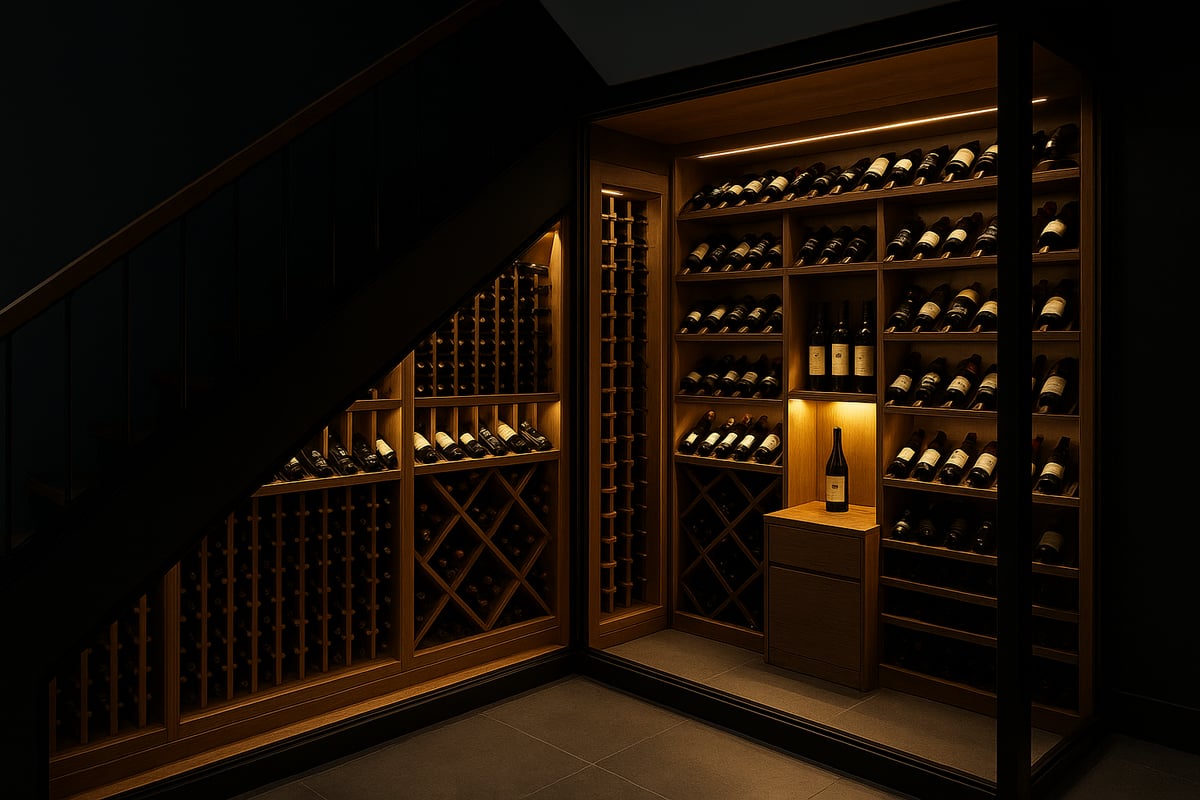
Assessing Your Space: Home, Commercial, and Unconventional Options
Traditionally, the basement has been the go-to spot for a cellar for wine, naturally offering cool, stable conditions. However, with advances in design, nearly any area can become a wine sanctuary.
Unused rooms, under-stair alcoves, spacious closets, or even a garage can be transformed with the right planning. In commercial settings, restaurants and hotels often showcase their collections in visible glass enclosures to create drama and invite guest admiration.
For city dwellers, above-ground cellars for wine are becoming popular, especially where basements are rare. Consider how close the cellar for wine is to your kitchen or dining area for maximum convenience. Even unconventional spots can be elevated with smart design, making your cellar for wine both accessible and a visual centerpiece.
Structural and Environmental Considerations
No matter where you place your cellar for wine, proper insulation is non-negotiable. Insulation and vapor barriers are crucial to maintain the steady temperature and humidity essential for wine preservation.
Choose floor and ceiling materials that can handle moisture, and ensure that any walls supporting heavy racking are truly load-bearing. Retrofitting older homes demands special expertise to avoid issues like mold or condensation.
In fact, most failures in a cellar for wine stem from overlooked insulation or missing vapor barriers. Early attention to these details saves significant time and cost down the road. For a deeper dive into the essentials of cellar design, you can explore Wine Cellar Design Essentials.
Accessibility, Security, and Aesthetics
A well-placed cellar for wine should invite regular enjoyment. Easy access means you’re more likely to reach for a bottle when the mood strikes, while secure, lockable doors and discreet surveillance protect valuable collections.
Aesthetics matter, too. Glass doors with UV protection let you display your wines while keeping them safe. Tailor the look of your cellar for wine to harmonize with your home or business—lighting and custom finishes can transform it into a true showpiece.
Collectors often request bespoke doors and integrated lighting, balancing security, display, and ambiance. The right design not only safeguards your investment but enhances your space’s overall style.
Working with Experts: Design and Engineering Partners
Building the ultimate cellar for wine is rarely a solo project. Professional designers bring technical expertise and a flair for personalized style, while engineers solve structural and environmental challenges.
Collaborating with architects ensures your cellar for wine is seamlessly integrated into your home or business. High-end projects often require multidisciplinary teams, combining craftsmanship, climate control, and unique artistry. Investing in expert guidance pays off in both performance and long-term value.
Designing for Optimal Storage and Display
Designing a cellar for wine is both a practical and creative endeavor. Every detail, from racking to lighting, influences not just how your collection ages but how it is experienced and enjoyed. Let’s explore how to create a storage and display environment that elevates your wine and your space.

Selecting the Right Racking Systems
Choosing racking is the foundation of a functional and beautiful cellar for wine. Wood, metal, and acrylic racks each offer unique benefits. Wood, such as mahogany or redwood, provides warmth and tradition, while metal and acrylic deliver a modern edge and durability. Modular racks adapt to growing collections, and custom-built options maximize every inch.
Horizontal storage is key for keeping corks moist and ensuring longevity. Display rows can spotlight prized bottles, turning your collection into a gallery. When planning, consider spacing for different bottle sizes and label visibility.
Combining materials adds visual interest and sophistication. For more inspiration on racking solutions and design options, explore Built-In Wine Racks Solutions. The right racking makes your cellar for wine both efficient and a visual masterpiece.
Layouts for Efficient Use of Space
A well-designed layout transforms any cellar for wine into a streamlined, accessible sanctuary. U-shaped, L-shaped, and linear layouts each serve different spaces and needs. U-shaped designs maximize capacity, while L-shaped layouts fit snugly into corners and under stairs.
Compact cellars can store up to 250 bottles in just 25 square feet with strategic planning. Walk-in cellars allow for immersive browsing, while reach-in designs are ideal for smaller homes or apartments. Traffic flow and ergonomics are crucial—ensure there’s enough space to move comfortably and retrieve bottles with ease.
Consider integrating tasting tables or display niches for added functionality. A thoughtfully arranged cellar for wine not only looks stunning but makes every bottle easy to find and enjoy.
Lighting and Visual Enhancements
Lighting is transformative in a cellar for wine, setting the stage for both preservation and ambiance. LED lighting is the top choice, providing energy efficiency and minimal heat output, which protects your collection. Accent lights can highlight display bottles, artwork, or architectural features, creating a dramatic effect.
Always avoid UV-emitting lights, as UV rays can degrade wine over time. Backlit glass racks are a popular trend, lending a sense of luxury and depth to the space. Integrated lighting systems, found in 90 percent of luxury cellars, let you set the mood for tastings or gatherings.
Smart lighting allows for programmable scenes, so you can shift from a soft glow for storage to vibrant highlights for entertaining. Every detail in your cellar for wine should enhance both protection and presentation.
Integrating Tasting and Entertaining Areas
A cellar for wine is more than just storage—it’s a destination for enjoyment and connection. Integrating tasting and entertaining spaces brings your collection to life. Add a dedicated tasting table, comfortable seating, and accessible glassware storage to create a welcoming environment.
Many hospitality cellars include bar counters or lounge seating, making wine experiences social and memorable. In 2025, 65 percent of new cellars included dedicated tasting zones, reflecting the growing desire for interactive, multi-use spaces.
Think about acoustics and ambiance when designing these areas. Soft materials, warm lighting, and thoughtful layout can turn your cellar for wine into the heart of your home or business—a place to savor both wine and company.
Mastering Climate Control and Preservation Technology
Building a flawless cellar for wine is about more than just temperature. The right technology turns your collection into a living investment, preserving every bottle’s character and value. Let’s explore what true mastery of preservation looks like in 2026.
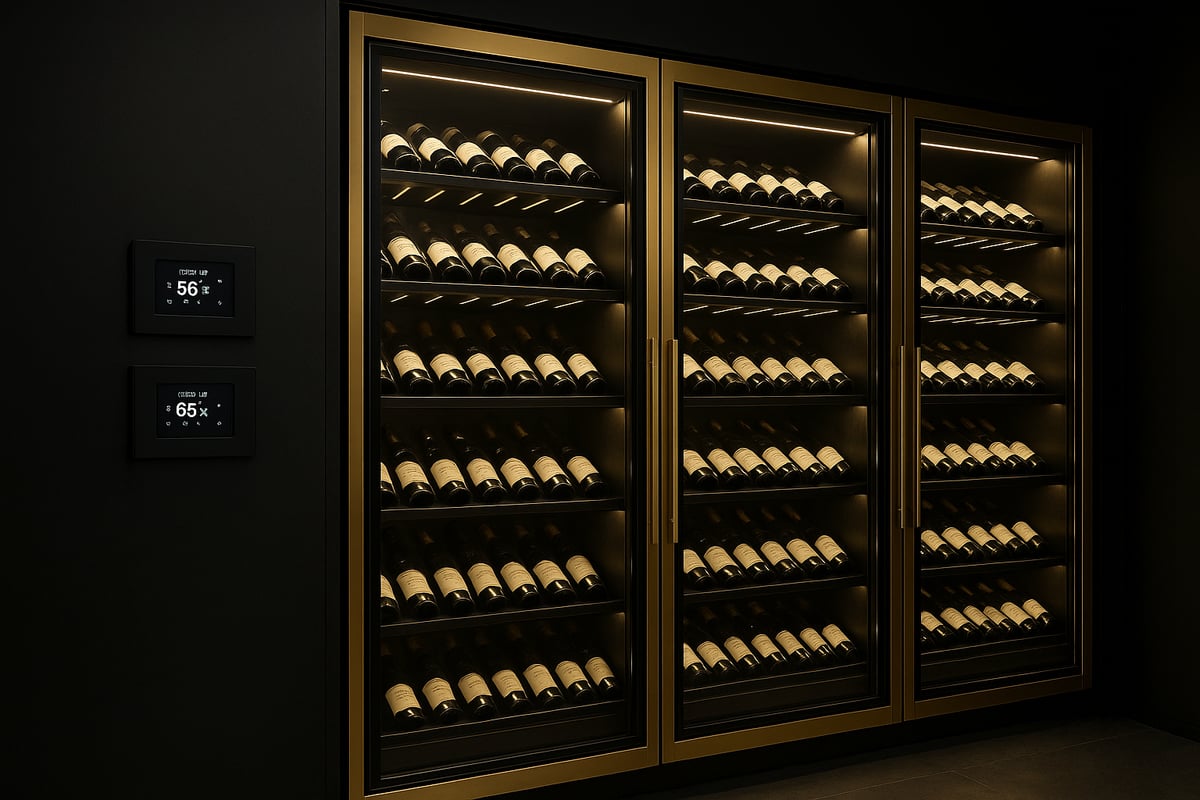
Climate Control Systems: Options and Innovations
Choosing the right climate control system is the backbone of any cellar for wine. Whether you opt for through the wall, ducted, or split systems, each offers unique benefits. Through the wall units are compact and ideal for smaller spaces. Ducted systems deliver even cooling, perfect for larger or multi room cellars. Split systems separate noisy compressors from the cellar for wine, maximizing quiet and efficiency.
Here’s a quick comparison:
System Type | Best Use Case | Noise Level | Flexibility |
|---|---|---|---|
Through the wall | Small cellars | Moderate | Low |
Ducted | Large/multi room | Low | High |
Split | Any size, quiet spaces | Very Low | High |
Redundancy is key for valuable collections. Many collectors now install backup systems for peace of mind. For a deeper dive into system selection and innovations, check out the Wine Cellar Climate Control Guide.
Humidity Management for Cork Integrity
Humidity is just as critical as temperature in a cellar for wine. Ideal levels hover between 60 and 70 percent, keeping corks moist and preventing oxidation. In dry climates, humidifiers are essential, while dehumidifiers protect against excess moisture in damp regions.
Modern cellars often include real time humidity sensors. These monitor and adjust conditions, safeguarding both wine and racking. Corks can dry out below 50 percent humidity, so consistent monitoring is a must. This attention to detail ensures every bottle in your cellar for wine ages gracefully.
Air Quality, Ventilation, and Odor Prevention
Air quality is a silent guardian in any cellar for wine. Odors and airborne contaminants can seep through corks, spoiling prized bottles. Advanced air filtration systems, including activated carbon filters, are now standard in luxury installations.
Ventilation keeps the atmosphere fresh, preventing musty smells and mold. Monitoring for volatile organic compounds (VOCs) is a leading trend for 2026. These steps ensure your cellar for wine remains a sanctuary for both the senses and the collection.
UV Protection and Light Management
Light, especially UV rays, is the enemy of wine. Modern cellars use UV resistant glass for doors and windows, shielding bottles from harmful exposure. For cellars with visual displays, smart glass technology allows you to switch between clear and opaque at the touch of a button.
Lighting design also plays a pivotal role. LED lights are energy efficient and emit minimal heat, ideal for a cellar for wine. This balance of protection and visual appeal lets you display your collection without compromise.
Smart Cellar Technology and Automation
Smart technology has transformed the modern cellar for wine. Wi Fi enabled climate control systems offer remote monitoring and automatic alerts if conditions change. This is especially valuable for vacation homes or commercial spaces.
Automation can integrate with your broader home system, putting control at your fingertips. Imagine receiving a notification if your cellar for wine temperature shifts or adjusting humidity with a voice command. These innovations deliver convenience and peace of mind, letting you focus on the pleasure of collecting.
Material Selection and Construction Best Practices
Creating a world-class cellar for wine begins with meticulous material choices and construction methods. Every detail, from insulation to finishes, impacts the longevity, beauty, and function of your wine sanctuary.
Insulation and Vapor Barriers: The Foundation of Cellar Performance
The backbone of any cellar for wine is its insulation and vapor barrier system. Closed-cell foam, fiberglass, and rigid board insulation each offer unique benefits for maintaining a stable climate. Proper vapor barriers prevent unwanted moisture from infiltrating, protecting against mold and costly damage.
A double vapor barrier is recommended in humid regions, adding an extra layer of defense. Data shows that nearly 40% of cellar climate failures trace back to poor insulation or barrier installation. Invest in quality materials and skilled labor to ensure your cellar for wine stands the test of time.
Flooring, Walls, and Ceiling Materials
Selecting the right finishes for your cellar for wine is about balancing style, durability, and maintenance. Tile, stone, and sealed concrete excel at resisting moisture and are easy to clean. Mold-resistant drywall and specialty paints keep walls pristine, while reclaimed wood adds rustic charm.
Natural stone or tile floors feature in half of today’s luxury cellars, reflecting both practicality and elegance. According to Wine Cellar Design Trends for 2025, eco-friendly and visually striking materials are on the rise, making your cellar for wine both timeless and trend-forward.
Racking and Shelving Construction
Racking is the visual and functional centerpiece of any cellar for wine. Custom millwork, especially in mahogany, redwood, or oak, provides durability and classic appeal. Modular racks offer flexibility, allowing collectors to adapt as their collections grow.
Mixing wood with metal or acrylic creates a modern look that complements various bottle sizes. High-quality joinery and finishes extend the life of your cellar for wine investment. Modular systems are ideal for evolving needs, ensuring your space grows with your passion.
Doors, Glass, and Security Features
The entrance to your cellar for wine should be both secure and beautiful. Insulated, airtight doors preserve the interior environment, while UV-resistant glass panels protect your collection from light exposure. Locks, alarms, and surveillance systems add peace of mind for valuable collections.
Steel-framed glass doors are popular in commercial and residential designs. For more inspiration on contemporary glass elements, explore Modern Glass Wine Cellars, which showcases innovative styles that blend security with display.
Working with Licensed Contractors and Specialists
A cellar for wine is a complex project that benefits from experienced professionals. Licensed builders coordinate with HVAC, electrical, and finishing trades to create seamless, high-performing spaces.
Multidisciplinary teams are standard in high-end projects, ensuring every technical and aesthetic detail is addressed. Quality construction not only protects your collection but also adds lasting value to your home or business.
Trends and Innovations in Wine Cellar Design for 2026
The world of the cellar for wine is evolving rapidly, blending tradition with cutting-edge innovation. As collectors and enthusiasts seek both beauty and performance, 2026 brings fresh trends that redefine what a cellar for wine can be. Whether you dream of a sustainable sanctuary or a showstopping centerpiece, these advancements ensure your investment stands the test of time and taste.
Sustainable and Eco-Friendly Cellar Solutions
Eco-conscious design now sits at the heart of the modern cellar for wine. Homeowners and designers are choosing recycled woods, low-VOC paints, and renewable materials to minimize environmental impact. Energy-efficient climate control systems, paired with LED lighting, cut down on both utility bills and carbon footprint.
Solar panels power some luxury cellars.
Reclaimed materials add character and sustainability.
Green certifications are gaining traction in high-end properties.
A cellar for wine built with sustainability in mind not only preserves your collection but also enhances property value. As eco-luxury becomes the new standard, these features are no longer optional—they are essential for the next generation of collectors.
Modern Aesthetics: Glass, Metal, and Minimalism
In 2026, visual drama meets practical function in the cellar for wine. Frameless glass enclosures create open, airy spaces that showcase bottles as art. Metal and acrylic racking systems deliver a sleek, modern edge while supporting a range of bottle sizes. Minimalist designs, with clean lines and subtle lighting, make the cellar for wine a focal point of contemporary homes.
Floating bottle displays maximize visual impact.
Integrated lighting highlights prized vintages.
Metal finishes offer durability and style.
Minimalism does not mean sacrificing warmth or personality. Thoughtful accents, such as textured wood or custom artwork, ensure that every cellar for wine feels unique and inviting.
Integration with Living Spaces and Entertaining Zones
The cellar for wine is no longer hidden away. Open-concept layouts seamlessly connect wine storage with kitchens, dining rooms, and lounges, turning the cellar for wine into a social hub. Glass wine walls can divide rooms while keeping the collection visible from every angle.
Tasting bars and lounge seating encourage gatherings.
Custom cabinetry stores glassware and accessories.
Flexible layouts adapt to entertaining needs.
By integrating the cellar for wine with everyday living areas, homeowners enjoy both convenience and a touch of luxury. The result is a space that invites conversation, celebration, and discovery.
Smart Home and AI-Driven Cellar Management
Technology is transforming how collectors manage their cellar for wine. Wi-Fi enabled systems monitor temperature, humidity, and air quality, sending alerts for any deviation. AI-powered platforms track inventory, suggest optimal drinking windows, and even learn your preferences over time.
Voice-activated controls adjust lighting and climate.
Apps provide remote access and analytics.
Automated backups protect valuable collections.
For a deeper dive into how artificial intelligence is enhancing both sustainability and efficiency in the wine world, see Artificial Intelligence in Sustainable Wine Industry. As smart technology becomes the norm, the cellar for wine of 2026 is not just intelligent—it is intuitive, secure, and effortlessly connected to your lifestyle.
You’ve now explored the essential elements that turn a wine cellar into a true sanctuary for your collection—from climate control and elegant materials to smart technology and bespoke design. If you’re inspired to bring your vision to life and want expert guidance every step of the way, we’re here to help you create a space that’s as beautiful as it is functional. Let’s talk about your ideas, your needs, and how Prestige Wine Cellars can transform them into a cellar worthy of your favorite vintages. Ready to start your journey toward the perfect cellar Reach out to us today: Contact Us
Your Dream Wine Cellar Starts Here
Let our design team craft a cellar that matches your taste, space, and your collection — built for beauty, function, and prestige.

Email us at
Serving Austin, Dallas–Fort Worth, Houston & San Antonio