
Modern Glass Wine Rooms: Design Guide
Discover the ultimate 2026 guide to glass wine rooms Explore stylish designs climate control installation tips and expert advice for elegant wine displays
Imagine transforming your wine collection into a stunning centerpiece that radiates luxury and innovation. Glass wine rooms are redefining how we display and enjoy fine wines, blending artistry with practical sophistication.
In this guide, you’ll explore the most stylish solutions for wine rooms in 2026. Discover fresh design trends, must-have features, climate control essentials, installation steps, and expert tips to help you create a show-stopping space. Let’s unlock your vision for an elegant, bespoke wine room that inspires conversation and elevates your lifestyle.
The Rise of Glass Wine Rooms: Why They’re Trending in 2026
Imagine stepping into a home or restaurant where the wine collection is not hidden away but showcased as an architectural masterpiece. This is the allure of glass wine rooms, which are quickly becoming the hallmark of modern luxury spaces. Let’s explore why these stunning installations are capturing attention everywhere in 2026.
Evolution of Wine Storage: From Cellars to Glass Rooms
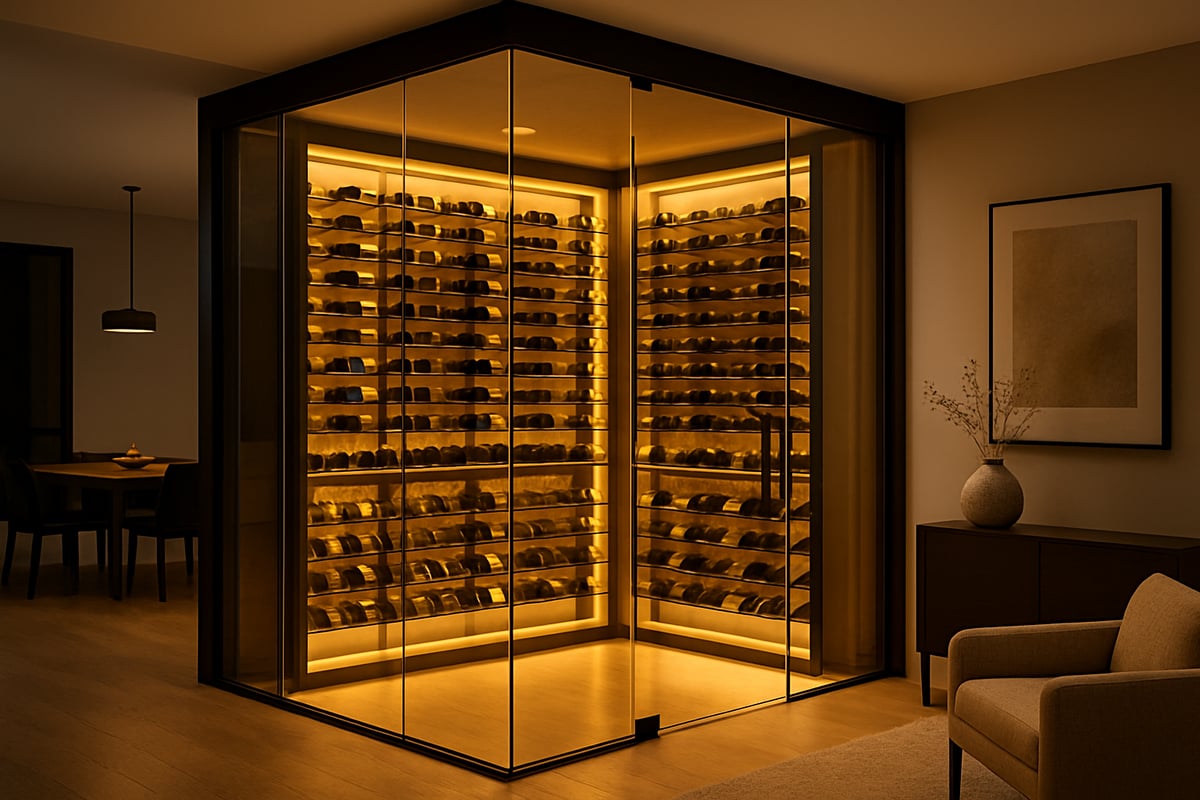
Wine storage has evolved dramatically. Traditional cellars, often tucked away in basements, are being replaced by wine rooms that serve as both storage and showpiece. Open-concept living and the drive for luxurious, light-filled interiors have fueled this shift. More homeowners and designers now see wine not just as a collection but as an art form deserving a place of honor.
Popularity in Residential and Commercial Spaces
Glass wine rooms are now a must-have in upscale homes, trendy restaurants, and hospitality venues. In high-end real estate, these rooms often become the focal point, adding value and visual intrigue. Luxury hotels and private estates use wine rooms to impress guests and enhance their brand image. This surge in popularity reflects how displaying wine has become a statement of taste and sophistication.
Key Benefits of Glass Wine Rooms
Choosing glass wine rooms offers several advantages:
Benefit | Description |
|---|---|
Seamless Integration | Blends effortlessly with modern interiors |
Enhanced Visibility | Showcases the collection from every angle |
Natural Light & Aesthetics | Maximizes light and elevates spatial design |
These rooms make wine accessible and beautiful, turning collections into conversation pieces.
Data & Trends
Market data from 2025 and 2026 shows a significant rise in luxury wine room installations. More homeowners are investing in custom storage solutions, and searches for glass wine rooms have soared across social media. For a deeper look at emerging trends, including the latest in glass and climate technology, see Glass Wine Cellar Design Trends 2025. The numbers reveal a growing desire to merge elegance, function, and innovation.
Influences Shaping the Trend
Social media and design influencers play a huge role in making glass wine rooms aspirational. Posts featuring breathtaking installations inspire followers to dream bigger. Advances in glass manufacturing and climate control technology have also made it easier to create striking, functional spaces that protect and display wine collections.
Challenges and Considerations
Despite their beauty, wine rooms require careful planning. Privacy, UV exposure, and temperature regulation are top concerns. Owners must balance the desire for dramatic displays with the need to preserve wine quality. Selecting the right glass, insulation, and climate systems is crucial to maintaining the perfect environment.
Key Design Elements for Stylish Glass Wine Rooms
Creating truly spectacular glass wine rooms in 2026 is all about attention to detail and a blend of form and function. Every design choice, from the glass to the lighting, plays a role in turning your wine collection into a work of art. Let’s break down the essential elements you’ll want to consider.
Glass Types and Finishes
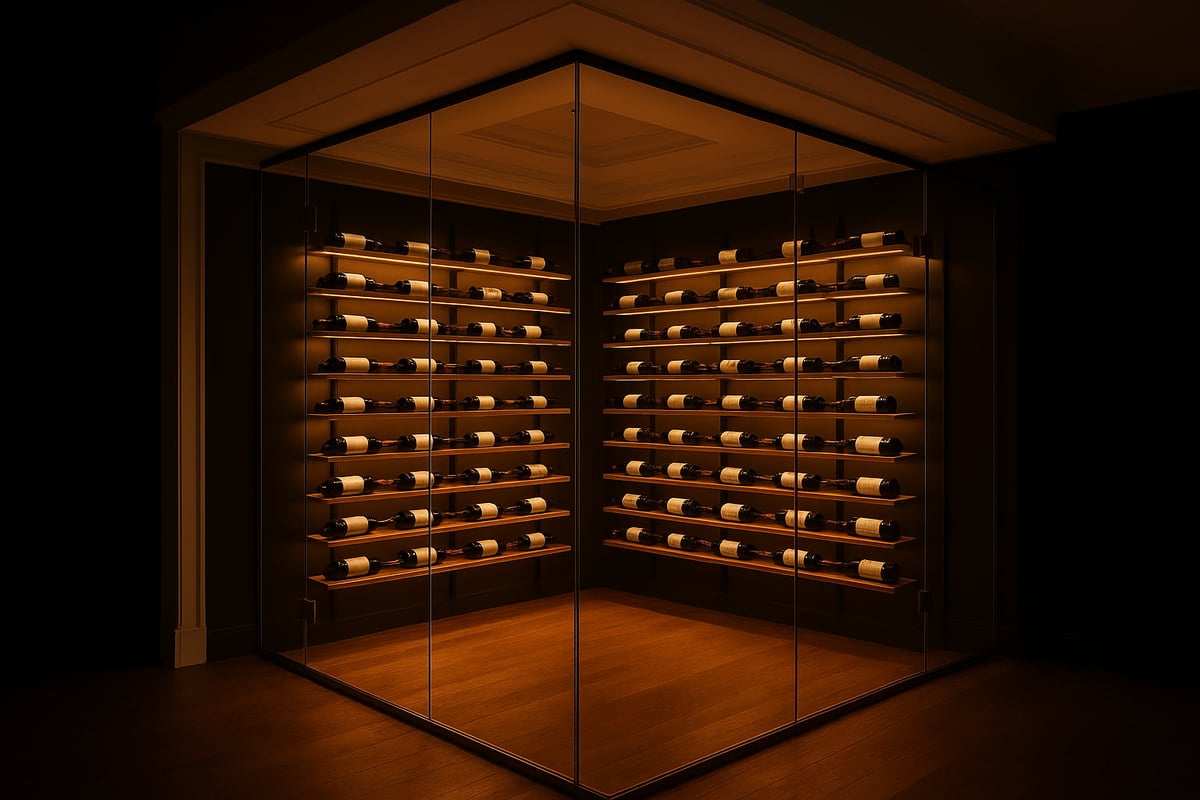
The foundation of all glass wine rooms is, of course, the glass itself. Choices abound: clear glass creates an open, gallery-like effect, while frosted or tinted panels offer a sense of intimacy and privacy. Low-iron glass is prized for its crystal clarity, making wine labels pop without the greenish tint of standard glass.
For optimal preservation, double-glazed and UV-resistant glass help maintain temperature stability and protect your collection from harmful light. Many homeowners opt for custom etching, adding a personal or artistic touch to the enclosure. Decorative treatments, such as sandblasting or colored laminates, can further elevate the look and feel of wine rooms.
Framing and Hardware Options
Frameless glass wine rooms have surged in popularity, providing a seamless, barely-there barrier that blends effortlessly with modern interiors. Framed enclosures, on the other hand, use structural elements for added drama or support, especially for larger installations.
Popular hardware finishes include brushed nickel, matte black, and brass, each lending a distinct vibe. When designing large glass wine rooms, structural planning is crucial to ensure stability and safety. Select hardware that not only complements your décor but also supports the weight and function of the glass panels.
Lighting Solutions for Ambiance and Display
Lighting is the secret ingredient that transforms glass wine rooms from simple storage into show-stopping displays. LED accent lights highlight the geometry of bottles and racks, while shelf illumination can make each vintage glow. Spotlights are often used to draw attention to prized bottles or featured sections.
Lighting temperature and color affect both the ambiance and the appearance of your collection. Warm whites create an inviting glow, while cooler tones offer a crisp, gallery-like feel. Many glass wine rooms now include smart lighting controls, allowing you to adjust brightness and color with ease.
Racking and Display Systems
The racking system is where functionality meets artistry in glass wine rooms. Floating racks create the illusion of bottles suspended in midair, while wall-mounted displays maximize vertical space. Floor-to-ceiling systems offer dramatic visual impact and accommodate larger collections.
Material selection is key. Stainless steel and minimalist metal provide a sleek, modern edge, while wood and acrylic add warmth and texture. Customizable layouts mean glass wine rooms can be tailored to collections of any size, from boutique assortments to extensive cellars.
Flooring and Ceiling Treatments
Flooring and ceiling choices help ground glass wine rooms within the overall space. Hardwood floors lend warmth and sophistication, while stone or polished concrete offer a cool, contemporary touch.
Ceiling treatments, such as coffered ceilings or integrated lighting, add architectural interest and depth. Acoustic panels are sometimes used to minimize noise and maintain a serene atmosphere, especially in open-concept homes or hospitality settings.
Integration with Interior Design Themes
Glass wine rooms shine brightest when they harmonize with the surrounding décor. Whether your style is modern, industrial, or classic, thoughtful integration ensures the wine room feels like a natural extension of your home or venue.
Architectural accents, such as exposed beams or statement lighting, can tie the space together. Art installations and bespoke furnishings further personalize glass wine rooms, making them true conversation pieces as well as functional storage.
Example Projects and Inspirations
Award-winning designers have crafted some breathtaking glass wine rooms in recent years. In Texas, bold frameless enclosures with floating racks have become favorites in luxury estates. California’s wine country sees glass wine rooms that blend rustic wood with sleek glass for a balanced, inviting aesthetic.
For more inspiration and to explore cutting-edge design trends, visit the Modern Glass Wine Cellar Designs blog, which features a curated gallery of standout projects and innovative solutions from top professionals.
Climate Control & Preservation: Protecting Your Collection
Preserving a wine collection in glass wine rooms is about more than just aesthetics. It is a blend of science and art, where every detail matters. Proper climate control is the foundation of long-term wine preservation, making it a top priority for any modern glass wine room.
Importance of Proper Climate Control
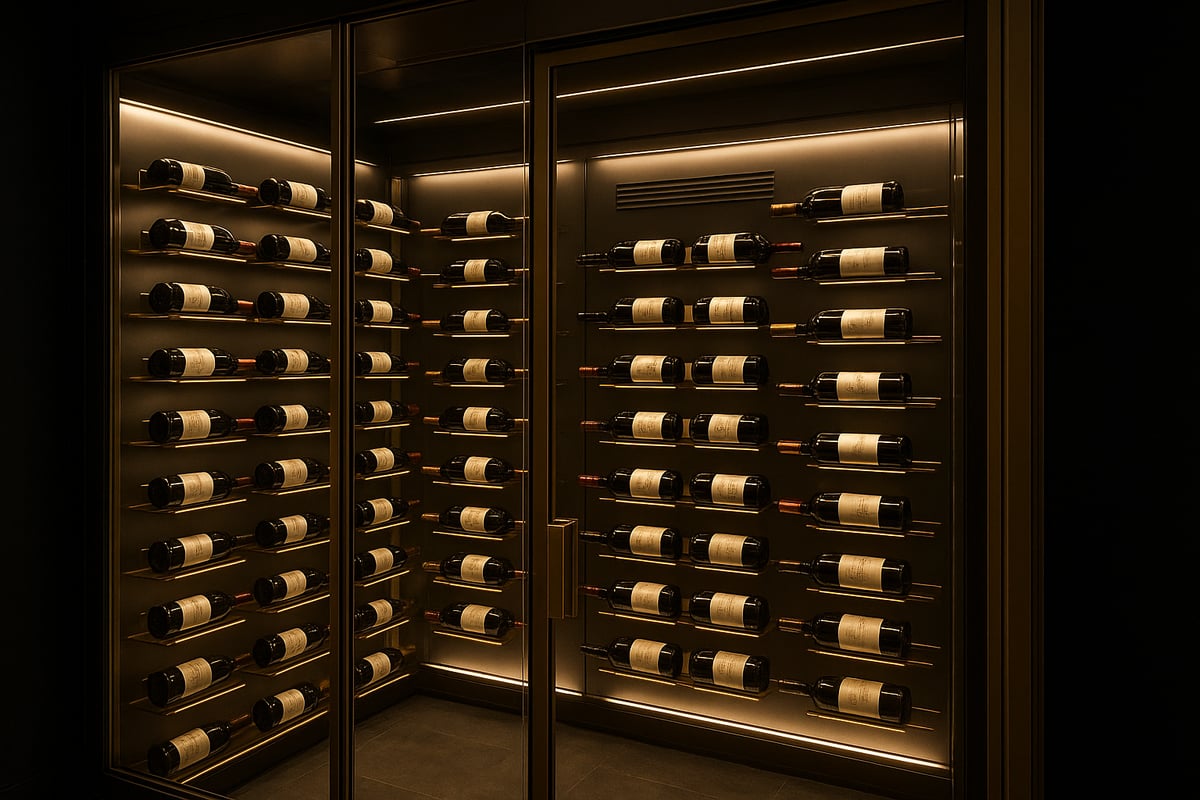
Glass wine rooms are stunning, but their transparency introduces unique preservation challenges. Maintaining the ideal environment is crucial for protecting your investment. Wines thrive at temperatures between 55°F and 58°F, with humidity levels around 60%. Deviations can lead to cork shrinkage, label peeling, or even spoilage.
Unlike traditional cellars, glass wine rooms are more vulnerable to temperature swings and sunlight. Without precise control, your prized bottles could deteriorate quickly. By prioritizing climate control from the start, you ensure that every bottle ages gracefully and remains ready to enjoy for years.
Modern Climate Control Technologies
Today’s climate control systems for glass wine rooms are both advanced and discreet. Options include ducted, ductless, and split cooling systems, each tailored to different room sizes and layouts. Many homeowners and designers opt for smart monitoring that tracks temperature and humidity in real time, alerting you to any fluctuations.
Integrated humidity control and air purification are also becoming standard, helping to safeguard both wine and labels. If you want to explore these systems in-depth, check out Climate Control for Wine Rooms for a comprehensive overview of the latest innovations and best practices.
Glass and Insulation: Overcoming Challenges
One of the biggest concerns in glass wine rooms is minimizing heat gain and blocking harmful UV rays. Specialized glass, such as double-glazed or UV-resistant panels, is essential for maintaining consistent conditions. Low-iron glass offers clarity while reducing solar transmission.
Insulated glass units, combined with reflective coatings, help keep the interior cool and energy efficient. These upgrades not only protect your collection but also contribute to the room’s luxurious ambiance. With careful planning, you can enjoy both style and preservation in your glass wine rooms.
Security and Access Control
Security is paramount when showcasing valuable bottles in glass wine rooms. Modern solutions include digital locks, access codes, and even biometric scanners for peace of mind. Privacy glass, including switchable smart glass, allows you to obscure the collection at the touch of a button.
Many systems now integrate with home automation, giving you remote access and monitoring. Whether you are away or entertaining guests, you can control who enters your glass wine rooms and when. This balance of security and accessibility elevates both function and luxury.
Maintenance Requirements
Keeping glass wine rooms pristine requires regular attention. Glass panels need gentle cleaning to prevent streaks, while hardware should be inspected for wear. Cooling and humidity systems benefit from routine checks and filter replacements.
Professional maintenance schedules ensure every component operates at peak efficiency. By investing a little time, you protect your collection and extend the lifespan of your glass wine rooms. Simple routines, like dusting racks and checking seals, go a long way.
Real-World Examples
Many luxury homeowners and businesses have invested in advanced preservation systems for their glass wine rooms. For example, a recent installation in Texas combined UV-resistant glass, a smart cooling system, and biometric access, resulting in zero wine loss over two years.
Client satisfaction rates are high when these best practices are followed. According to recent industry reports, glass wine rooms with professional-grade preservation systems experience up to 95% fewer storage-related issues compared to standard setups. These real-world successes highlight the value of meticulous planning and expert guidance.
Step-by-Step Guide: Designing & Installing a Glass Wine Room
Designing and installing glass wine rooms is both an art and a science. Whether you dream of a small showcase or a grand collector's gallery, a thoughtful process ensures your wine room blends seamlessly with your space and protects your investment.
Step 1: Assessing Space and Location
The journey begins by carefully evaluating your available space. Glass wine rooms can fit under stairs, within wall niches, or in dedicated rooms. Each option offers unique visual impact and storage opportunities.
Consider natural light sources, as glass wine rooms should avoid direct sunlight to prevent UV damage. Think about proximity to kitchens or living areas for convenience, but be mindful of temperature fluctuations. Ideal locations have stable temperatures and minimal exposure to vibrations.
List of popular placement options:
Under-stair alcoves
Partition walls
Dedicated rooms
Entryway showcases
Assessing these factors early ensures your glass wine rooms are both beautiful and practical.
Step 2: Defining Capacity and Collection Needs
Next, determine how many bottles you want to store now and in the future. Glass wine rooms should accommodate your collection's current size and allow for growth, so it's wise to plan ahead.
Organize your bottles by varietal, region, or format. Some collectors prefer a mix of reds, whites, and large-format bottles, while others focus on a single style. Consider adjustable racking for flexibility.
Table: Collection Planning
Bottle Type | Current Quantity | Future Growth | Storage Type |
|---|---|---|---|
Reds | 120 | +50 | Wall-mounted racks |
Whites | 60 | +30 | Cooled shelves |
Magnums | 10 | +5 | Floor displays |
This approach ensures your glass wine rooms remain organized and functional as your collection evolves.
Step 3: Planning Design and Materials
Now comes the creative stage. Choose glass types, finishes, racking, and hardware that complement your home's style. Frameless enclosures offer a sleek look, while framed options add structure. Finishes like brushed nickel or matte black create visual interest.
For inspiration, explore Glass-Enclosed Showpiece Wine Cellars to see award-winning installations and creative layouts. Consider UV-resistant, double-glazed glass for protection and energy efficiency.
Material checklist:
Low-iron or tinted glass
Floating or wall-mounted racks
LED accent lighting
Durable flooring (stone, hardwood, or polished concrete)
Thoughtful material choices elevate glass wine rooms from simple storage to showpiece status.
Step 4: Engineering and Technical Planning
Before construction, consult with architects and engineers to ensure your space can support the weight and structure of glass wine rooms. Large glass panels require sturdy framing and precise installation.
Plan for HVAC integration, as proper cooling and humidity control are vital. Electrical wiring for lighting and climate systems should be mapped in advance. Coordination with specialists ensures seamless execution.
Technical factors to consider:
Structural support for glass
HVAC access and ducting
Electrical outlets and controls
Addressing these details early prevents costly changes later and keeps your glass wine rooms on track.
Step 5: Installation Process
Installation is a coordinated effort involving multiple trades. Glass installers, electricians, and HVAC specialists must work together for a flawless result.
Expect a step-by-step process:
Site preparation and measurements
Installation of racking and supports
Placement of glass panels and doors
Electrical and lighting setup
Final inspections and adjustments
Throughout, quality checks are essential to ensure glass wine rooms meet safety and design standards.
Step 6: Setting Up Climate Control and Security
Once the structure is in place, install cooling and humidity systems to maintain optimal wine conditions. Glass wine rooms benefit from ducted or split cooling units with digital controls for precision.
Add security features such as locking doors, access codes, or smart monitoring. Privacy glass or switchable panels can offer discretion when needed.
Checklist for this step:
Calibrated cooling system
Humidity management
Security locks and sensors
Reliable systems protect both the value and enjoyment of your glass wine rooms.
Step 7: Styling and Final Touches
With the technical elements complete, focus on styling. Arrange bottles for both accessibility and visual impact. Add decor such as art, sculpture, or personalized touches to reflect your taste.
Use adjustable lighting to highlight your collection and set the ambiance. Soft gold or neutral accents pair beautifully with glass wine rooms, creating a warm, inviting glow.
Styling tips:
Rotate bottles seasonally for fresh displays
Integrate tasting nooks or seating areas
Use art or sculptural racks for a signature look
These finishing touches turn glass wine rooms into true conversation pieces.
Example Timeline and Budget Considerations
Project durations vary by size and complexity. A small glass wine room may take 4 to 6 weeks, while larger custom installations can require several months. Coordination and lead times for specialty materials impact the schedule.
Budget ranges also vary. Entry-level glass wine rooms may start around $15,000, while bespoke designs with premium finishes can exceed $100,000. Always factor in the cost of climate systems, professional labor, and future maintenance.
Budget factors to consider:
Size and bottle capacity
Glass and hardware quality
Custom features and lighting
Climate control technology
Transparent planning ensures your investment in glass wine rooms delivers value, style, and long-term enjoyment.
Expert Tips for Maximizing Style and Functionality
Designing glass wine rooms that are both beautiful and practical requires thoughtful planning and a keen eye for detail. Here are expert strategies to ensure your wine space truly stands out.
Balancing Display and Preservation
A key to exceptional glass wine rooms is striking the right balance between showcasing your collection and protecting each bottle. Use UV-resistant glass and position racks away from direct sunlight. Rotate your display bottles periodically to minimize light exposure on labels and corks.
Group rare bottles in less-lit zones
Choose racking that keeps bottles at a slight angle
Incorporate blackout or privacy glass for sensitive vintages
Prioritize climate consistency throughout the room, so every bottle is preserved at its best.
Customization Ideas for 2026
Glass wine rooms in 2026 are all about tailored experiences. Integrate digital inventory systems for effortless tracking and smart organization. Add a tasting nook or a statement art piece to elevate the ambiance.
Smart glass panels can offer privacy and dynamic lighting effects. For more on these innovations, see the Smart Glass Technology Overview.
Interactive displays can enhance guest experiences
Custom etching or lighting for personal flair
These touches transform your wine room into a destination, not just a storage space.
Energy Efficiency and Sustainability
Modern glass wine rooms embrace eco-friendly choices. Opt for energy-efficient cooling systems and LED lighting, which reduce both costs and carbon footprint. Use recycled or locally sourced woods and metals for racking and trims.
Double-glazed glass improves insulation
Automated lighting cuts unnecessary energy use
Sustainable materials are increasingly popular; discover more in Sustainable Materials in Wine Cellar Design
Sustainable solutions keep your space stylish and responsible.
Avoiding Common Mistakes
Many glass wine rooms fall short due to simple oversights. Avoid placing rooms where sunlight is intense or insulation is thin. Ensure your HVAC system is sized for the space and that ventilation is adequate.
Plan for future collection growth
Schedule regular checks of seals and hardware
Never skimp on humidity control
These steps safeguard your investment and your wines.
Inspiration from Leading Designers
Top designers of glass wine rooms emphasize both form and function. Look for layouts that use floating racks, dramatic lighting, and integrated art. Award-winning rooms often feature minimalist hardware, statement ceilings, and seamless transitions into living spaces.
Review portfolios for creative ideas
Borrow concepts like hidden doors or illuminated floors
Collaborate with professionals for a bespoke result
Let designer innovation spark your next project.
Maintenance and Longevity
Lasting beauty in glass wine rooms comes from consistent care. Wipe glass panels with gentle cleaners to prevent streaks. Check climate systems monthly, and arrange professional servicing annually.
Use soft cloths to protect finishes
Monitor humidity and temperature regularly
Address small issues before they grow
A little upkeep ensures your wine room remains a centerpiece for years to come.
Choosing the Right Professionals for Your Glass Wine Room
Selecting the best team for your glass wine rooms project can make all the difference between a showpiece and a missed opportunity. With so many options available, knowing what to look for helps ensure your investment stands the test of time and style.
Qualities to Look for in a Glass Wine Room Specialist
When evaluating professionals for glass wine rooms, prioritize experience with custom enclosures and climate systems. Review their portfolio to see if their previous work aligns with your vision. Client testimonials offer insight into their attention to detail and project management skills.
Choose a partner who communicates clearly, listens to your needs, and demonstrates creativity. A specialist with technical know-how and a passion for wine storage will ensure your glass wine rooms merge beauty and function seamlessly.
Importance of Turnkey Solutions
Opting for turnkey solutions in glass wine rooms streamlines the entire process. Working with a single provider for design, engineering, and installation reduces the risk of miscommunication.
This approach offers a cohesive experience, where every detail is managed by experts who understand the nuances of glass wine rooms. You'll benefit from smoother timelines, consistent quality, and clear accountability.
Prestige Wine Cellars: Bespoke Glass Wine Room Solutions
Prestige Wine Cellars stands out for its expertise in luxury glass wine rooms, offering comprehensive services from concept to maintenance. Their team delivers tailored solutions for private estates, restaurants, and hotels, emphasizing craftsmanship and client satisfaction.
If you're looking for creative inspiration or clever ideas for compact spaces, check out their Small Glass Wine Cellar Ideas for expert tips and unique designs. With Prestige Wine Cellars, expect a commitment to quality at every stage.
Questions to Ask Before Hiring
Before committing to a specialist for glass wine rooms, ask about their credentials and request references from past clients. Inquire about warranty policies, as well as their approach to design collaboration and ongoing support.
Clarifying these points up front helps you feel confident in your choice. The right professional will be transparent, patient, and proactive in addressing your concerns.
Comparing Quotes and Proposals
When comparing proposals for glass wine rooms, look beyond the bottom line. Ensure the pricing is transparent and that timelines are realistic.
Evaluate the quality of materials, the specifications of climate and security systems, and the level of aftercare provided. A thorough comparison ensures your glass wine rooms not only reflect your style but also deliver lasting value.
Whether you’re dreaming of a striking glass wine room for your home or seeking to create a showpiece for your restaurant or hotel, having the right guidance makes all the difference. We’ve explored how design, climate control, and expert craftsmanship come together to elevate any collection. Ready to take the next step or have questions about what’s possible for your space? Let’s connect and bring your vision to life—our team at Prestige Wine Cellars is here to help you create a timeless, custom solution that fits your style and needs.
Contact Us
Your Dream Wine Cellar Starts Here
Let our design team craft a cellar that matches your taste, space, and your collection — built for beauty, function, and prestige.

Email us at
Serving Austin, Dallas–Fort Worth, Houston & San Antonio